Ancient zone

Ancient Zone, an important colony of Samothrace on the opposite Thracian coast

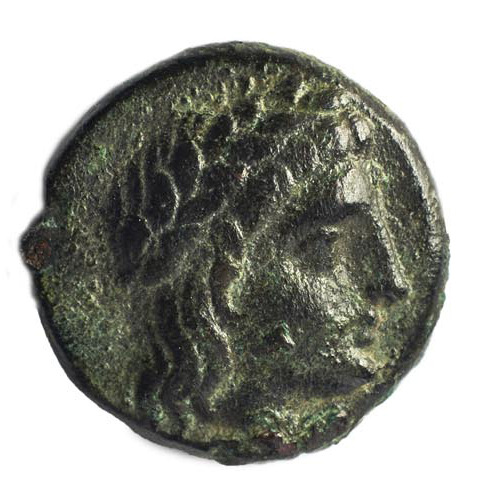
Χάλκινο νόμισμα Ζώνης με τον θεό Απόλλωνα, β΄ μισό 4ου αι. π.Χ. Αρχαιολογικό Μουσείο Αλεξανδρούπολης, φωτ. Βασίλης Καραφυλλίδης / Bronze coin of Zone with the god Apollo, second half of the 4th c. BC. Archaeological Museum of Alexandroupolis, photo: V. Karafyllidis

About 20 km west of Alexandroupolis, near the modern community of Mesembria, are preserved the remains of an ancient fortified city which was initially identified as ancient Mesembria, but is now identified as ancient Zone (pronounced Zóni). This is the most important and most prosperous of the six colony-cities of Samothrace on the coast of Thrace, in what is known as Samothracian Peraia. The ancient Via Egnatia passes to the east of Zone, crossing the Zonaia Mountains, at the southern foot of which the ancient city is built.

In the Classical period, in the 5th and 4th centuries BC, Zone emerged as an important commercial and economic centre, with a dominant position in the region. From the late 4th or early 3rd century BC, however, following the fate of the other cities of Samothracian Peraia, it fell into decline and was deserted. The decline of the city, like that of the other colonies of Samothrace, was significantly accelerated by the construction of the Via Egnatia in the third quarter of the 2nd century BC. New cities were founded along the Via Egnatia, shifting the centre of gravity from the coast to the cities of the Thracian hinterland.

History

The natural environment of the Zonaia Mountains is praised by the Hellenistic poets Apollonius of Rhodes and Nicander (3rd-2nd c. BC), who mention a beautiful beechwood there. The first reference to ancient Zone is by the historian and geographer Hecataeus of Miletus, around 500 BC, who notes that it belonged to the Cicones, a local Thracian tribe who lived between Lake Vistonis and the Zonaia Mountains. The excavations at ancient Zone do in fact confirm the existence of a settlement of indigenous populations.

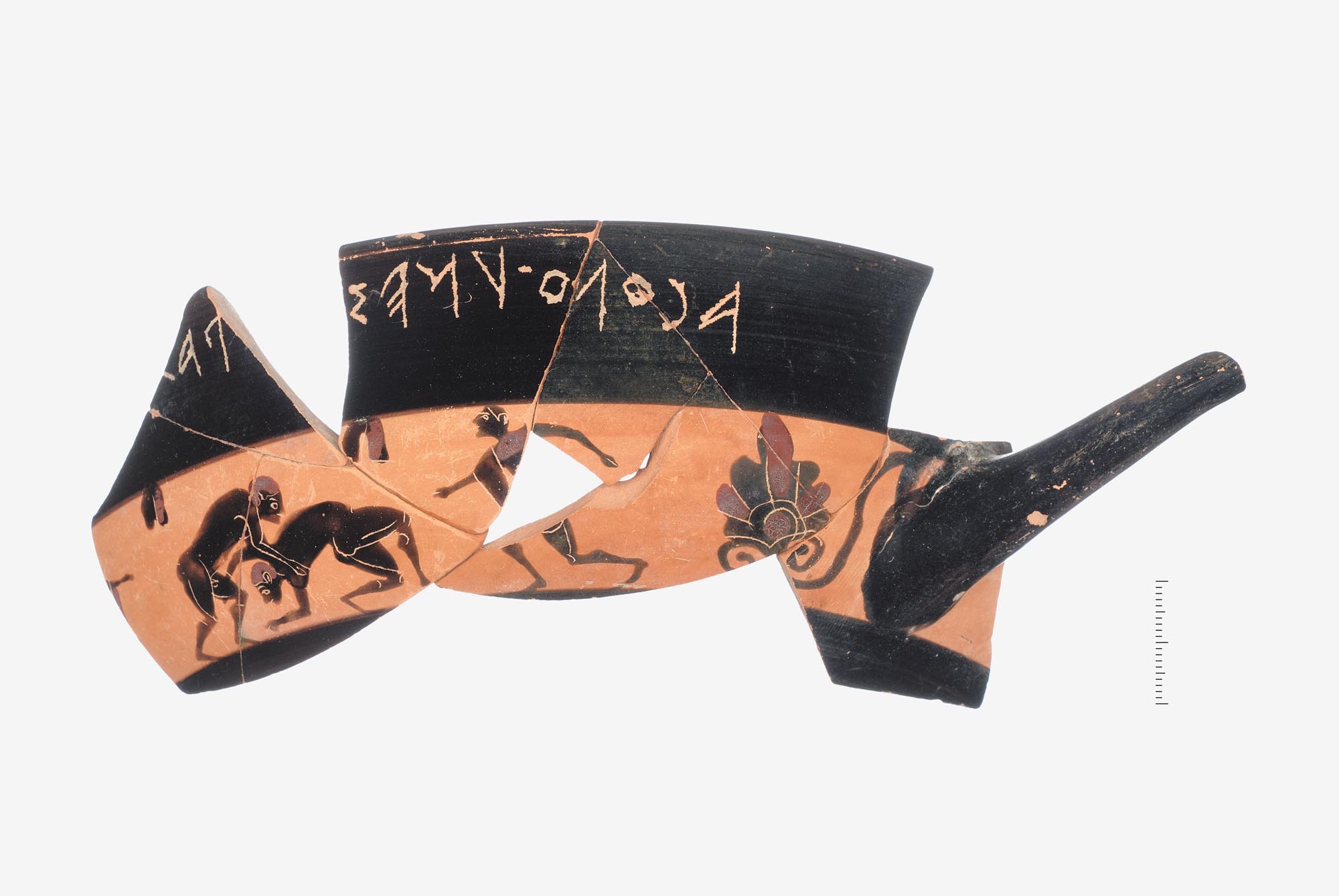
The contacts that the Cicones developed with the commercial networks of the time led populations from Northern Ionia and perhaps Aeolis to establish an emporion, a commercial settlement, in the area of Zone in the late 7th or early 6th century BC. Shortly afterwards, in the first half of the 6th century BC, Ionian settlers arrived in Zone, probably together with Aeolians from Samothrace, who managed to peacefully integrate all the pre-existing population groups. Thus a new, powerful strong city with a Greek identity was created, in which, however, the local Thracian element played an important role. A characteristic example of the peaceful coexistence of the Thracians and the new Greek settlers, with the gradual assimilation and Hellenisation of the indigenous people, is the discovery in the sanctuary of Apollo of a hoard of 291 pottery sherds incised with the name of the god (6th–4th c. BC). Most of the inscriptions on the pottery sherds are in the local Thracian dialect and are rendered in Greek characters.

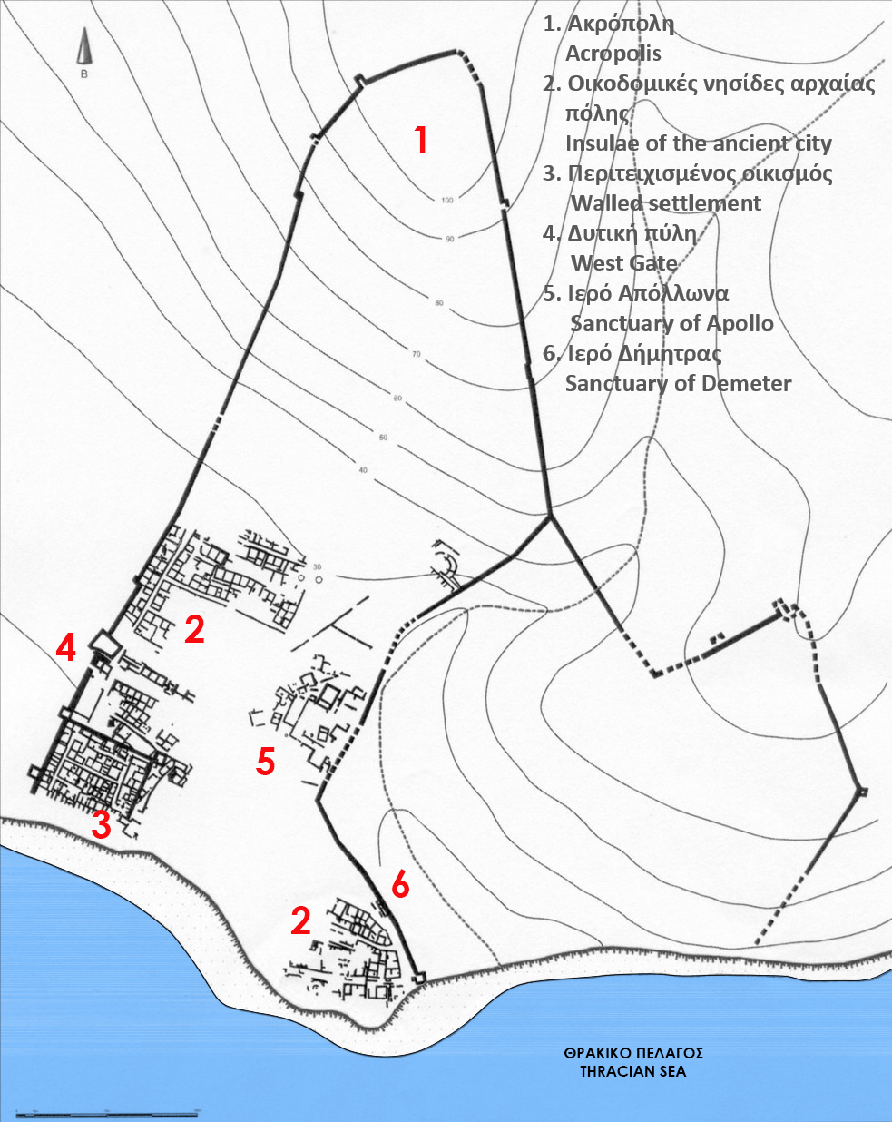
Τοπογραφικό διάγραμμα αρχαιολογικού χώρου Ζώνης. Αρχείο ΕΦΑ Έβρου, ψηφιακή επεξεργασία ΔΒΜΑ / Zone archaeological site, topographic map. Archive of the Ephorate of Antiquities of Evros, digital processing: DBMA
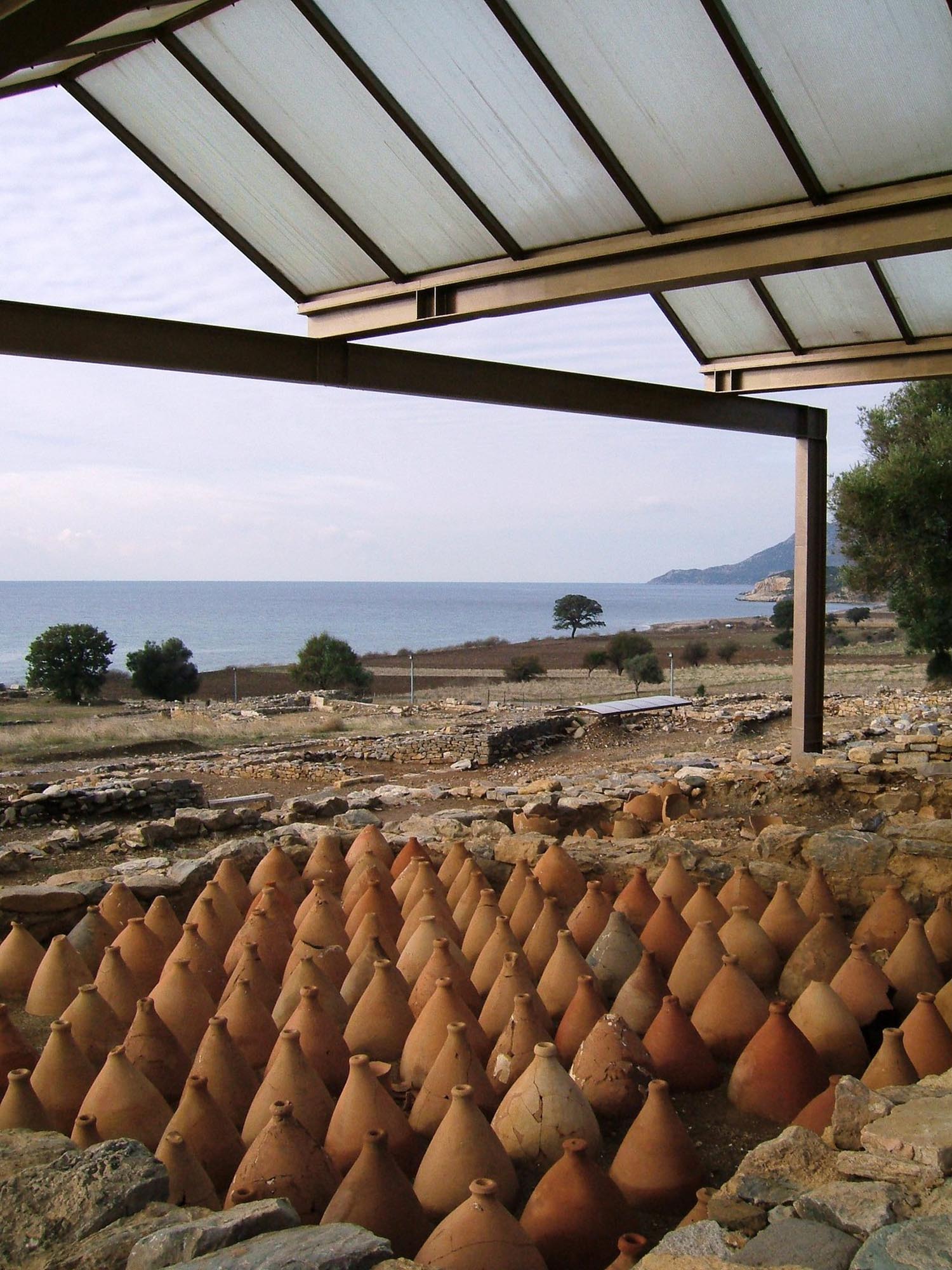
Κτηριακό συγκρότημα με σύστημα αποστράγγισης υδάτων κατασκευασμένο από αμφορείς, φωτ. ΕΦΑ Έβρου / Building complex with water-drainage system constructed using amphorae, photo: Ephorate of Antiquities of Evros

Zone is mentioned by Herodotus in connection with the march of Xerxes’ army against Greece in 480 BC. There is, however, no specific information on the fate of the city during the Persian occupation of the region. After the end of the Persian Wars and the liberation of Thrace (2nd quarter of the 5th c. BC), Samothrace and the cities of Samothracian Peraia were incorporated into the Athenian League, marking the beginning of a new period of prosperity. In the 5th and 4th centuries BC, Zone exploited its privileged position to play an important role as a go-between in the commercial contacts between Athens with the newly established Thracian state of the Odrysian Thracians, one of the chief Thracian tribes. In 425 BC, Zone even seems to have acquired its autonomy and independence from the metropolis of Samothrace, being taxed separately in the lists of the Second Athenian League for the first time. In the League tax census for the year 422/1 BC, the tax levied on Zone amounts to two talents, a considerable amount; indeed, these are the highest dues paid by any of the cities in the region, indicating that Zone was the richest, if not the largest, city of Samothracian Peraia.

In the middle of the 4th century BC, the Macedonians appeared in the region. They followed a favourable policy towards the cities of Samothracian Peraia, out of respect for the Sanctuary of the Great Gods of Samothrace. Until the end of the 4th century BC, Zone was a prosperous city. In the late 4th and early 3rd century BC, however, the coastal cities of Samothracian Peraia began to decline. The shifting political balance in the region due to the rise of the descendants of the Macedonian kings, and the dissolution of the Odrysian state by Philip II in 341 BC, gradually led to the decline of Zone. The excavation finds indicate that the inhabitants abandoned their city without any violent destruction having occurred. After the middle of the 3rd century BC, a small fortified settlement, conventionally termed a “Walled settlement”, was built on the foundations of the deserted city. There life continued until the early 1st century BC. The rest of the city, however, seems to have been abandoned.

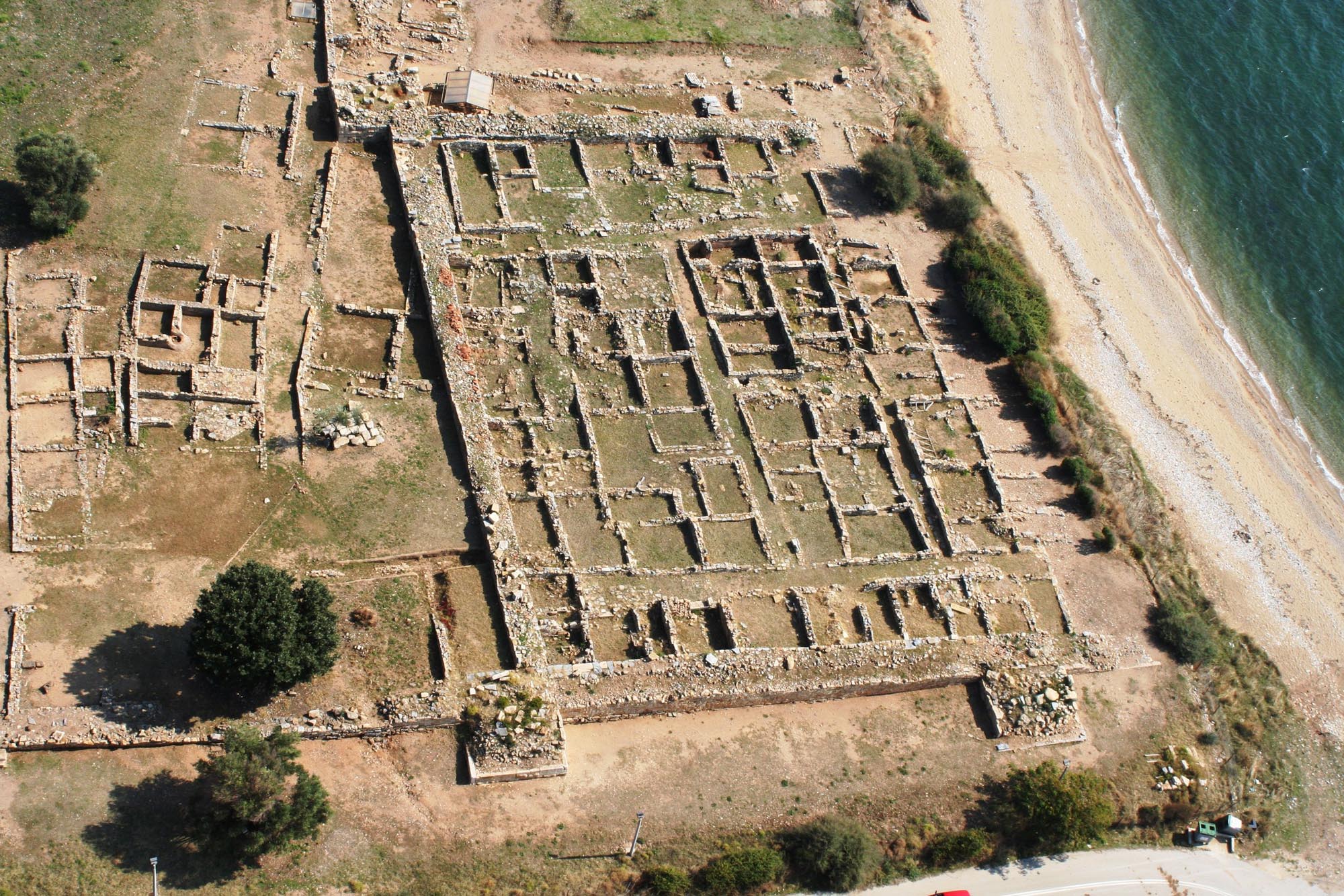
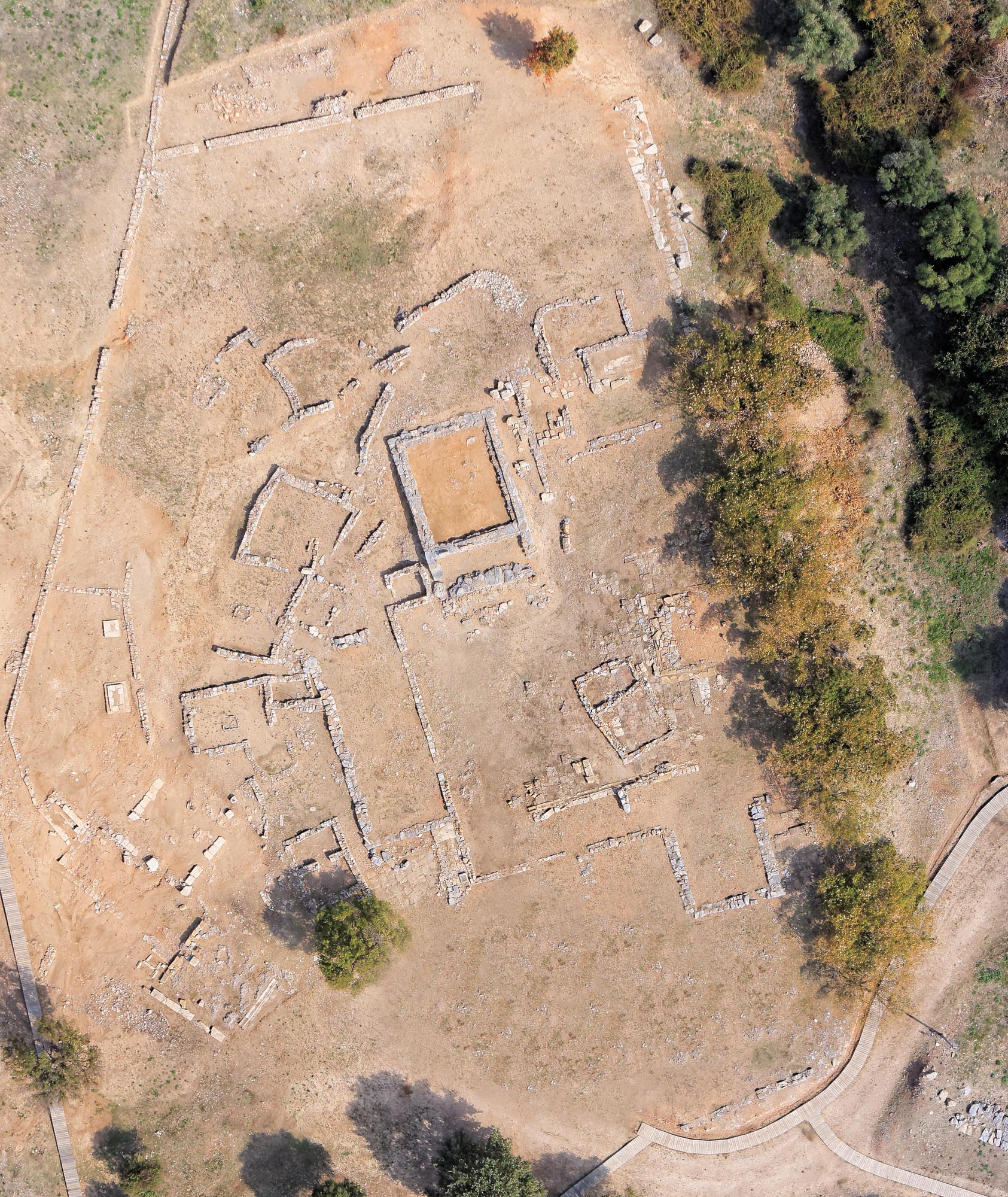
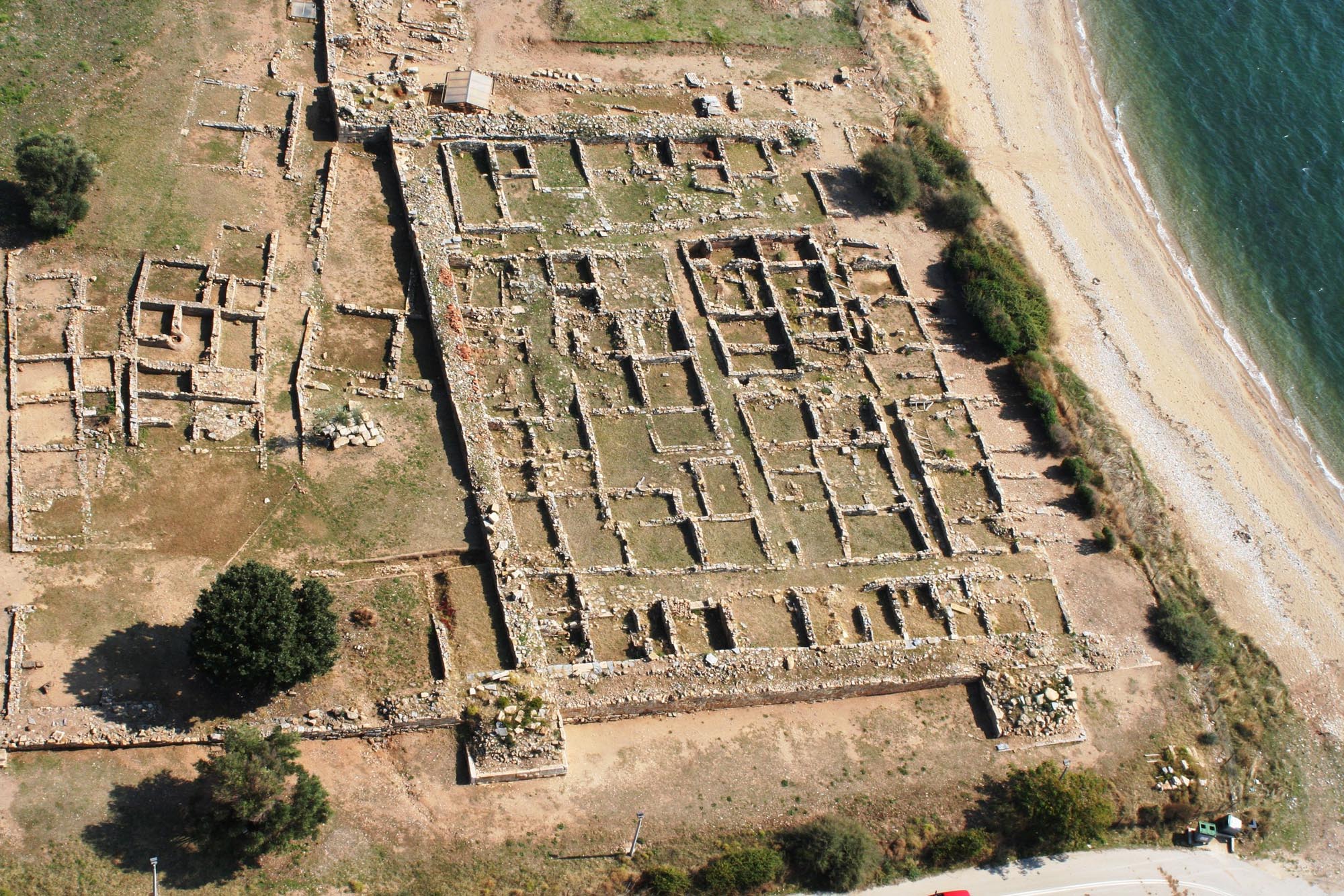
Αεροφωτογραφία «Περιτειχισμένου οικισμού», φωτ. ΕΦΑ Έβρου / Aerial photograph of the “Walled settlement”, photo: Ephorate of Antiquities of Evros

In the centuries that follow there is no mention of Zone. Perhaps the city had been annexed to the territory of Maroneia, following the fate of neighbouring Sale, which is mentioned as a village of Maroneia. At the beginning of the 2nd century AD, with the foundation of Trajanopolis, Zone became part of the territory of the newly founded city.

 Life in Zone continued at least until the 6th century AD, as indicated by the excavation finds, which include a few remains mainly of agricultural use.

Ιερό Απόλλωνα, ενέπιγραφo όστρακo με το όνομα του Απόλλωνα σε θρακική γλώσσα, 5ος αι. π.Χ. ΕΦΑ Έβρου, φωτ. Στ. Στουρνάρας / Sanctuary of Apollo, sherd with inscription in Thracian, 5th c. BC. Ephorate of Antiquities of Evros, photo: St. Stournaras

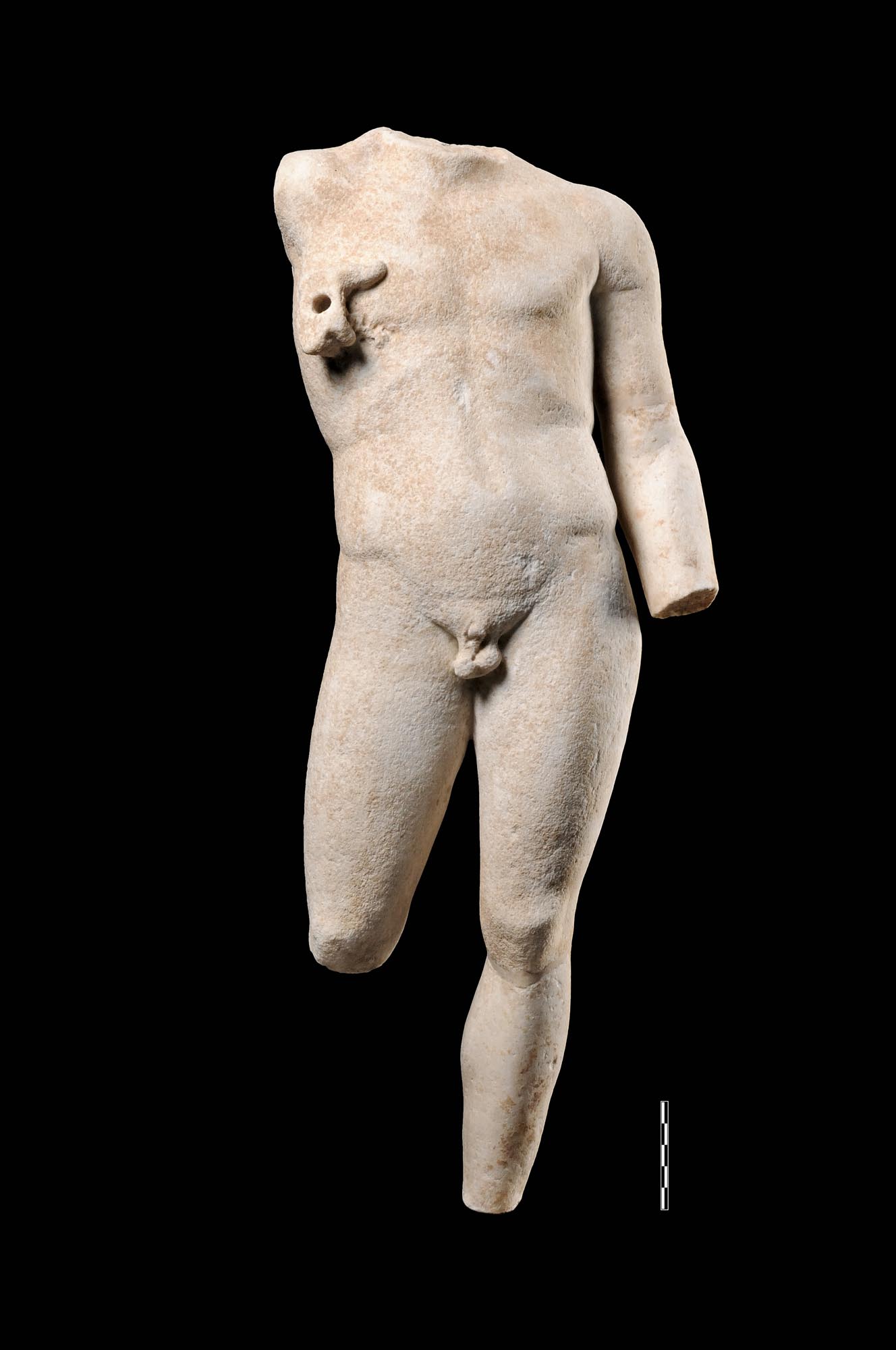
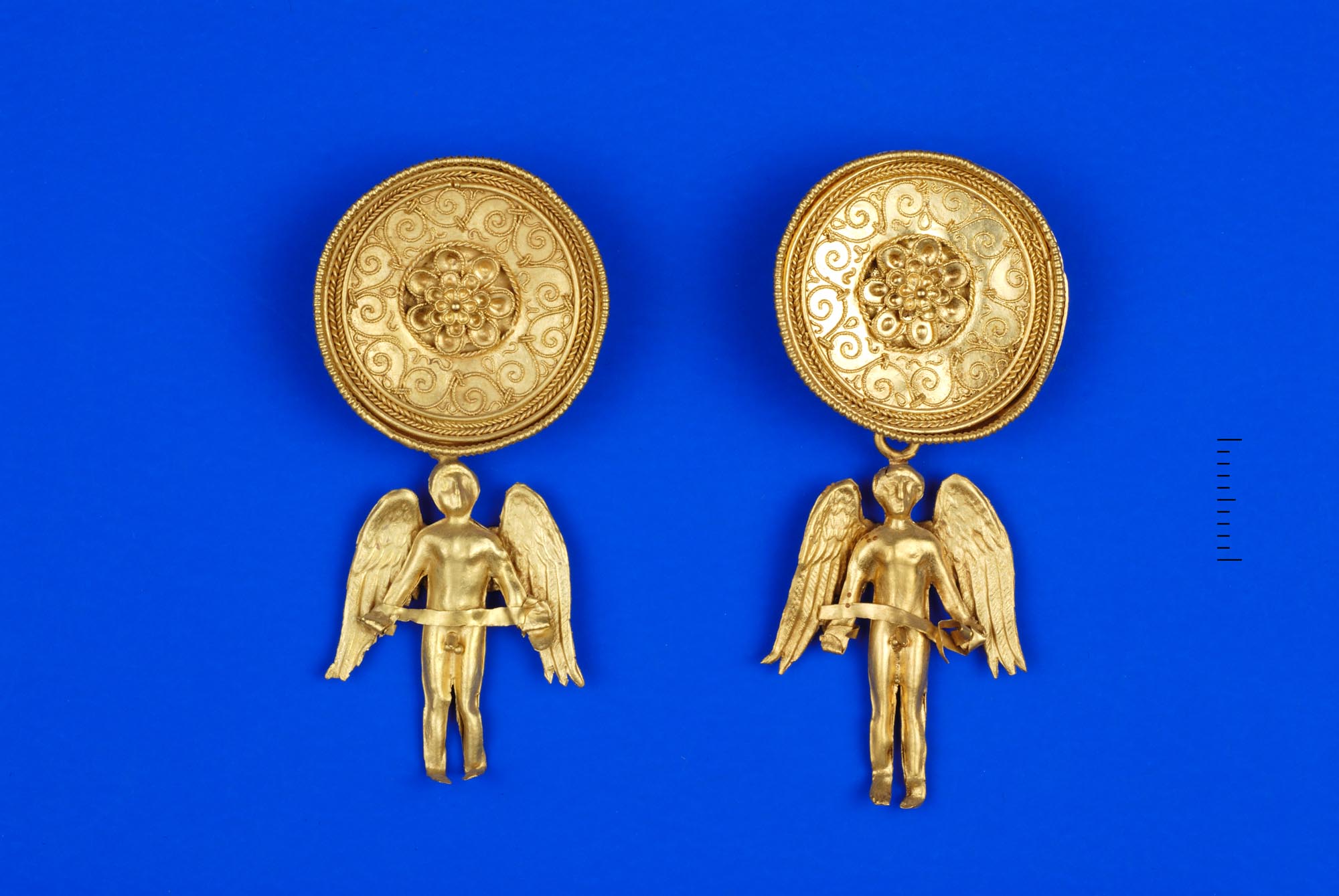
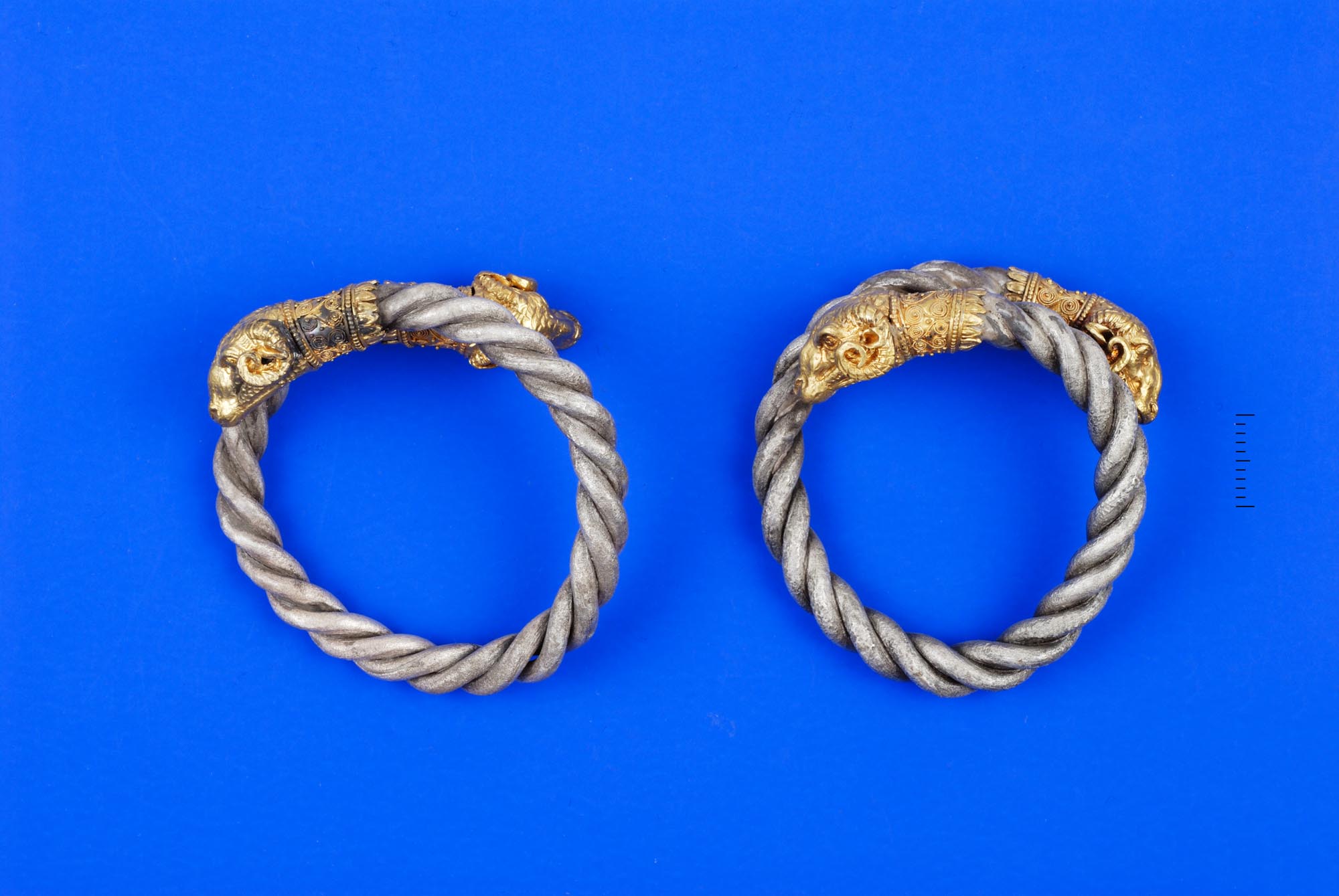
The impressively numerous and varied movable excavation finds, the most important of which are exhibited in the Archaeological Museum of Alexandroupolis, are irrefutable witnesses to the city’s economic prosperity. Particularly striking are the 6,800 coins, covering a wide chronological range from the 5th century BC to the 6th century AD. Most are bronze issues of the Zone mint, intended to meet local needs within the boundaries of the city and its countryside. The coins of various other Greek cities, both neighbouring (Maroneia, Abdera, Ainos and others) and more distant (issuing authorities of the North Aegean, the Bosporus, the Propontis and elsewhere), the imported pottery from Attica and Ionia and other excavation finds attest to the extensive trade network developed by the city during its heyday.

Monuments - Antiquities

Fortification and topography of the ancient city
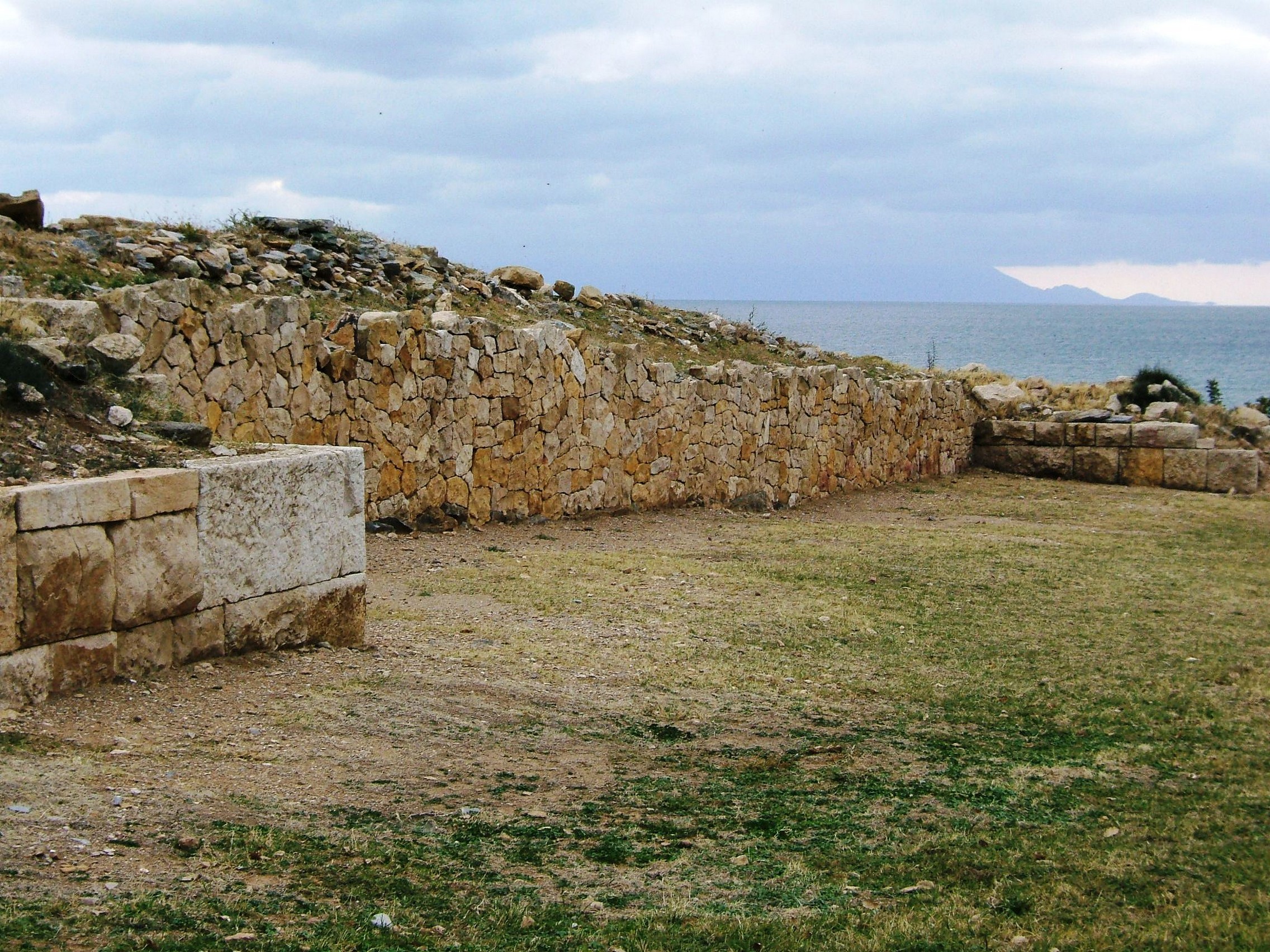
Zώνη, Τμήμα του δυτικού τείχους, φωτ. ΕΦΑ Έβρου / Zone, part of the western wall, photo: Ephorate of Antiquities of Evros

The ancient city occupies the eastern end of the coastal valley of the Sapli Dere stream, extending over a large area of about 12.3 hectares. It is surrounded by a strong enceinte 1,370 m long which is reinforced at regular intervals with square towers or angular projections An inner wall, running roughly north-south along a dry streambed, divides the city in two parts. Only the west part, covering an area of 4.93 hectares over which its main urban fabric extended, has been excavated. The two sandy beaches east and west of the city served as harbours.

Zone is built according to a loose Hippodamian Plan, with a grid of horizontal and vertical streets delimiting large building blocks. The largest street is 5.5 to 7 m wide. The excavation has revealed houses in the typical layout of the Classical period, with the main and secondary rooms arranged around a central courtyard. In some of the buildings, the excavation finds, including kilns, metalworking debris, figurine moulds and workshop utensils, indicate workshop activity. The excavation has also brought to light parts of the city’s sewage system and wells for its water supply.

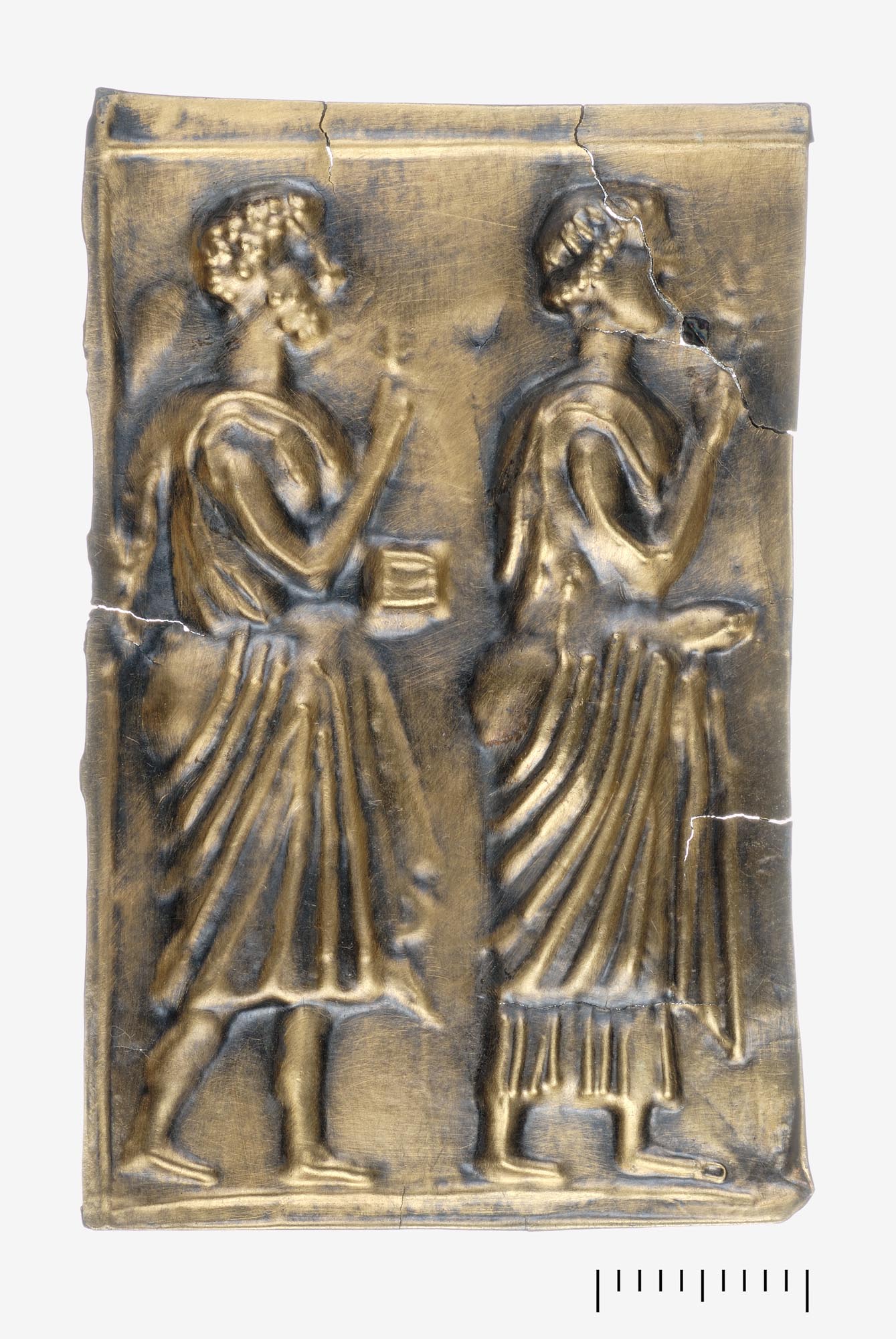
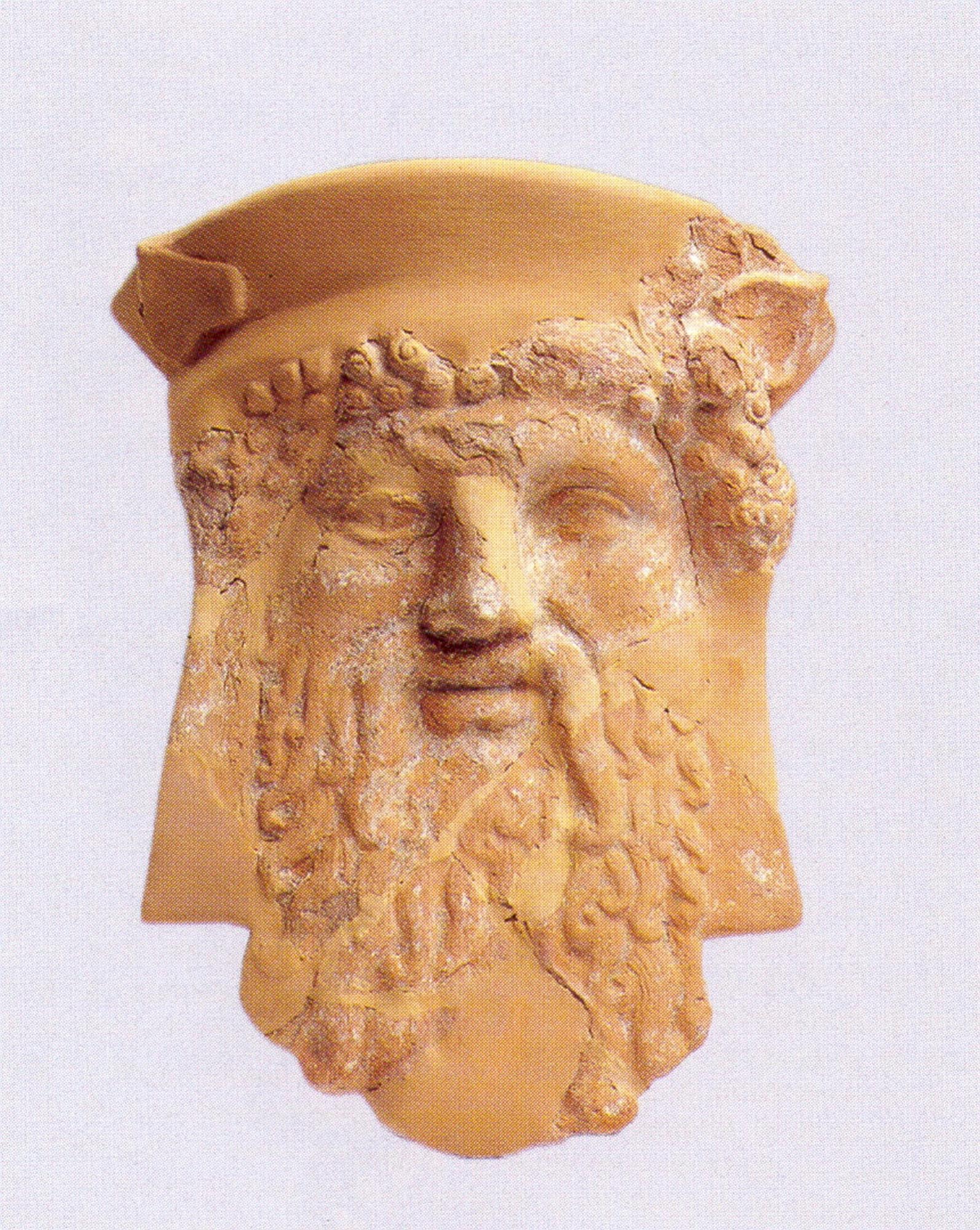
Of the city’s religious buildings, two sanctuaries have been discovered, one dedicated to the goddess Demeter and the other to the god Apollo. However, inscriptions and other finds confirm the existence in Zone of other sanctuaries dedicated to Aphrodite, Dionysus, Cybele, and Orpheus. In the sanctuary of Demeter, which is smaller in size, was found a “hoard” of about 200 votive gold, gilt, silvered and bronze votive plaques of the 4th century BC bearing cult scenes. The sanctuary of Apollo, which was established at the end of the 7th century BC and remained in use until the middle of the 2nd century AD, is also the most important public building of Zone. It is bounded by a large precinct enclosing an area of 4,800 m2 and within it, arranged around a paved courtyard, are the temple and altar of Apollo, as well as a number of auxiliary buildings.

This is an enigmatic feature of the urban fabric of Zone. It is a settlement with a total area of 2.43 acres that developed after the middle of the 3rd century BC, in the southwest part of the walled city, which was cut off by the construction of a 2-metre-thick additional wall enclosing an area of 2,430 m2. A grid of horizontal and vertical streets divided the settlement into dense blocks, according to the Hippodamian Plan. The creation of the “walled settlement”, which continued to be inhabited until Roman times, is probably linked to the establishment of Ptolemaic rule or the installation of the Maroneians, who had taken control of the communication routes in the Zonaia Mountains.

To the west of the city, across a large area of about 50 hectares, extends the necropolis, where a large number of tombs with rich grave goods have been found. Two Iron Age burial mounds (8th-7th c. BC) confirm the early settlement of the area and the existence of a Thracian settlement before the foundation of the Greek colony of Zone.

To the west of ancient Zone, near the coast, is a unique building of the Byzantine period, the “Tower of Gatos” or “Agriogatos” (meaning “Tower of the Cat” or “the Wildcat”). It dates from the 13th-14th century, although an earlier dating in the 11th or 12th century cannot be excluded. It is almost square in plan and is preserved to the height of the first level (maximum surviving height 3.90 m), which has no openings, meaning that the entrance to the tower was on the next level up and could only be accessed by a ladder. This was probably a watchtower controlling the coastlines of the wider area.

Other stops in the Regional Unit of Evros

error: