Alexandroupolis
Alexandroupolis, the city founded in the 19th century
Alexandroupolis, now the capital of the Regional Unit of Evros and the most populous city in the Region of Eastern Macedonia and Thrace, has an unusual history for a Greek city, as it was only founded in the second half of the 19th century.
The archaeological evidence indicates that in antiquity the site of Alexandroupolis was occupied by the ancient city of Tempyra, which was probably founded by colonists from Samothrace, making it one of the cities of the opposite Thracian coast, known as Samothracian Peraia. The Roman itineraries mention a station (mutatio) of the Via Egnatia called Tempyra (Timpiro or mutatio ad Unimpara), 8 or 9 Roman miles (12 or 14 km) from the previous station of Trajanopolis. This corresponds to the distance between present-day Alexandroupolis and the archaeological site of Trajanopolis, supporting the identification of the site with ancient Tempyra. However, there is also the view that the site of Alexandroupolis was occupied by ancient Sale, also a colony of Samothrace.
History
The archaeological evidence for the existence of a settlement on the site of present-day Alexandroupolis in ancient times is extremely limited. Occasional finds from excavations carried out in the city are dated to Classical and Hellenistic times. Parts of an organised cemetery of the Roman period have been excavated in the area of the Lighthouse and the Port Authority. On the northern edge of the city, in the Kallithea neighbourhood, the remains of a bath of the Roman period have been uncovered, while at the eastern end of the city a burial tumulus of Late Roman times was excavated by the Bulgarians during the Balkan Wars.
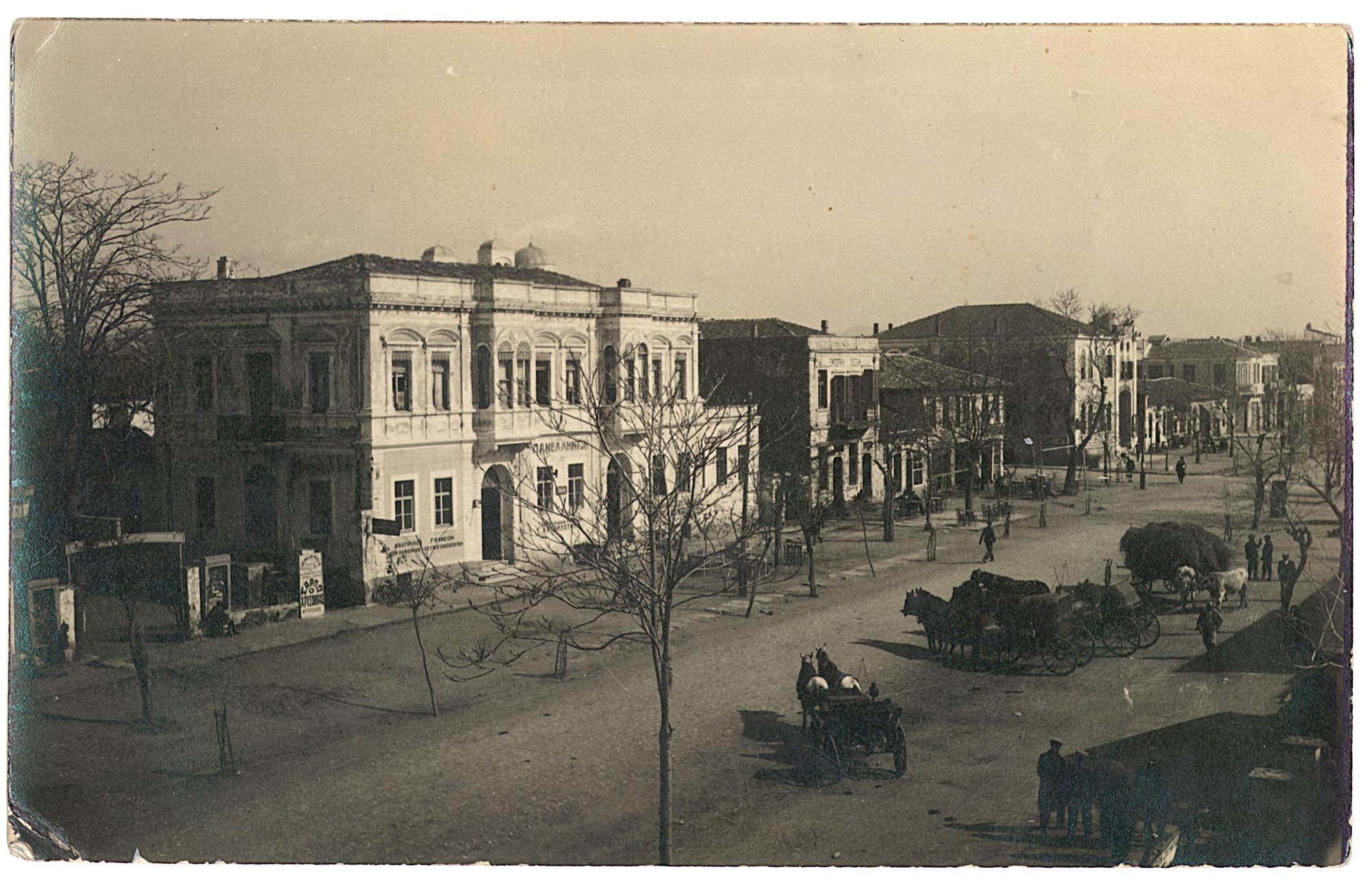
It was to be many centuries before the area of Alexandroupolis returned to the forefront of events. In the second half of the 19th century, the Ottoman Empire attempted to modernise and transform itself from a theocratic regime into a modern Western-style state, launching an ambitious infrastructure programme, which included the construction of railways, ports and lighthouses by European companies with the necessary expertise. Dedeağaç, as Alexandroupolis was named until 1920, was founded as part of these efforts. In 1869, the Austrian company of Baron Maurice de Hirsch was accorded the privilege by the Ottoman government of constructing and operating the railway line between Thessaloniki and Constantinople/Istanbul, the Jonction Salonique–Constantinople, while also undertaking to build a commercial port in Ainos. Ainos (present-day Enez in Turkey), at the mouth of the River Evros, had been until then the port of Adrianople, with which it communicated via the river, which was then navigable. The Ottoman government intended to connect Ainos with Adrianople by rail to facilitate the export of the products of the rich Thracian hinterland. However, the constant silting of the River Evros made it difficult to build the port facilities, and the company sought and obtained the consent of the Ottoman government to establish a port west of the Evros, in the area of present-day Alexandroupolis.
In 1872 the port works began and in 1873 the Adrianople–Dedeağaç railway line was opened. The new town began to arise around the station, with the first buildings necessary for its operation: warehouses, a customs house, and residential buildings for the European engineers and the railway workers and staff. Gradually Ainos began to decline and its Greek inhabitants moved en masse to the newly founded city, the new centre of the export trade of Thrace.
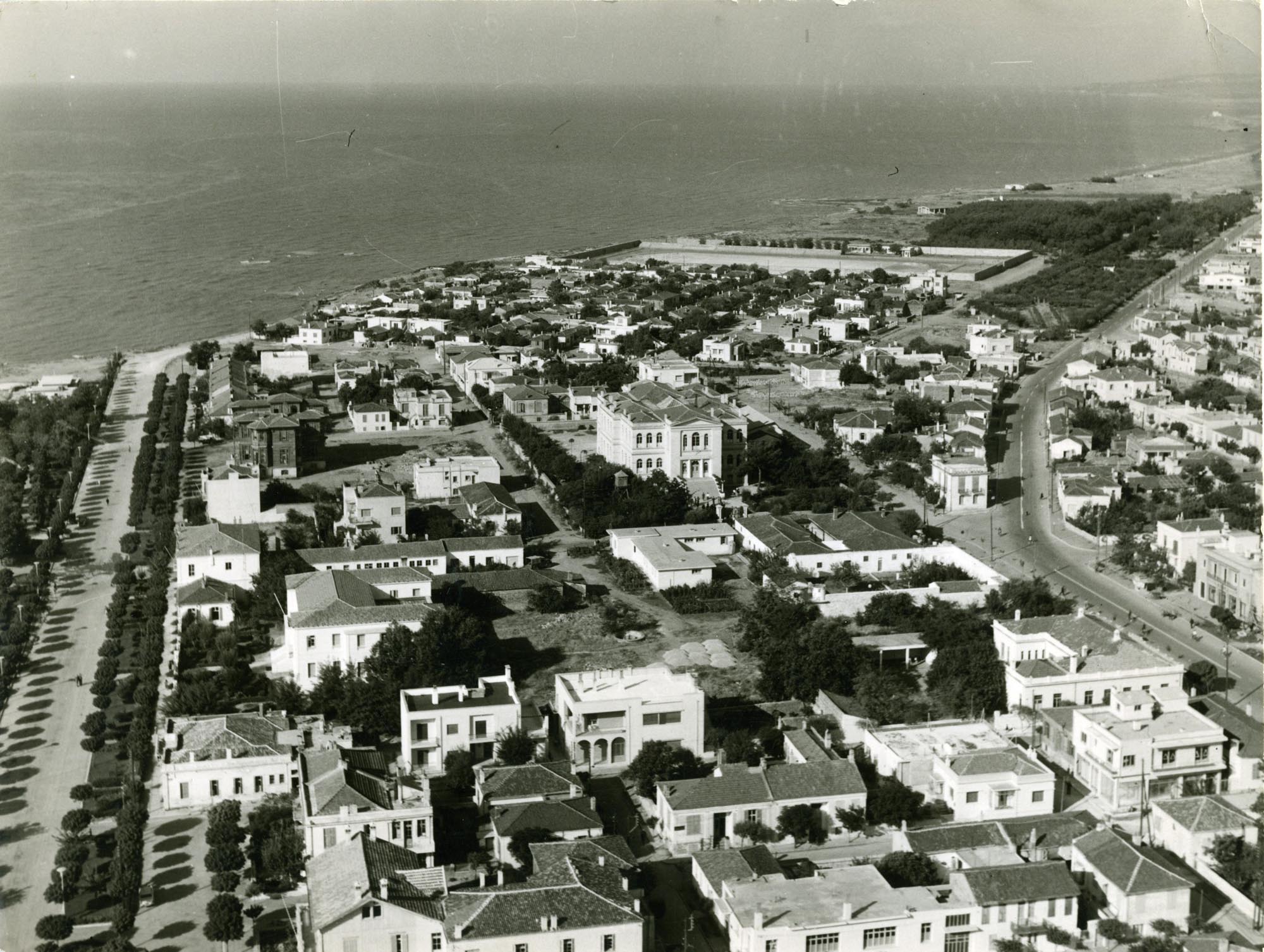
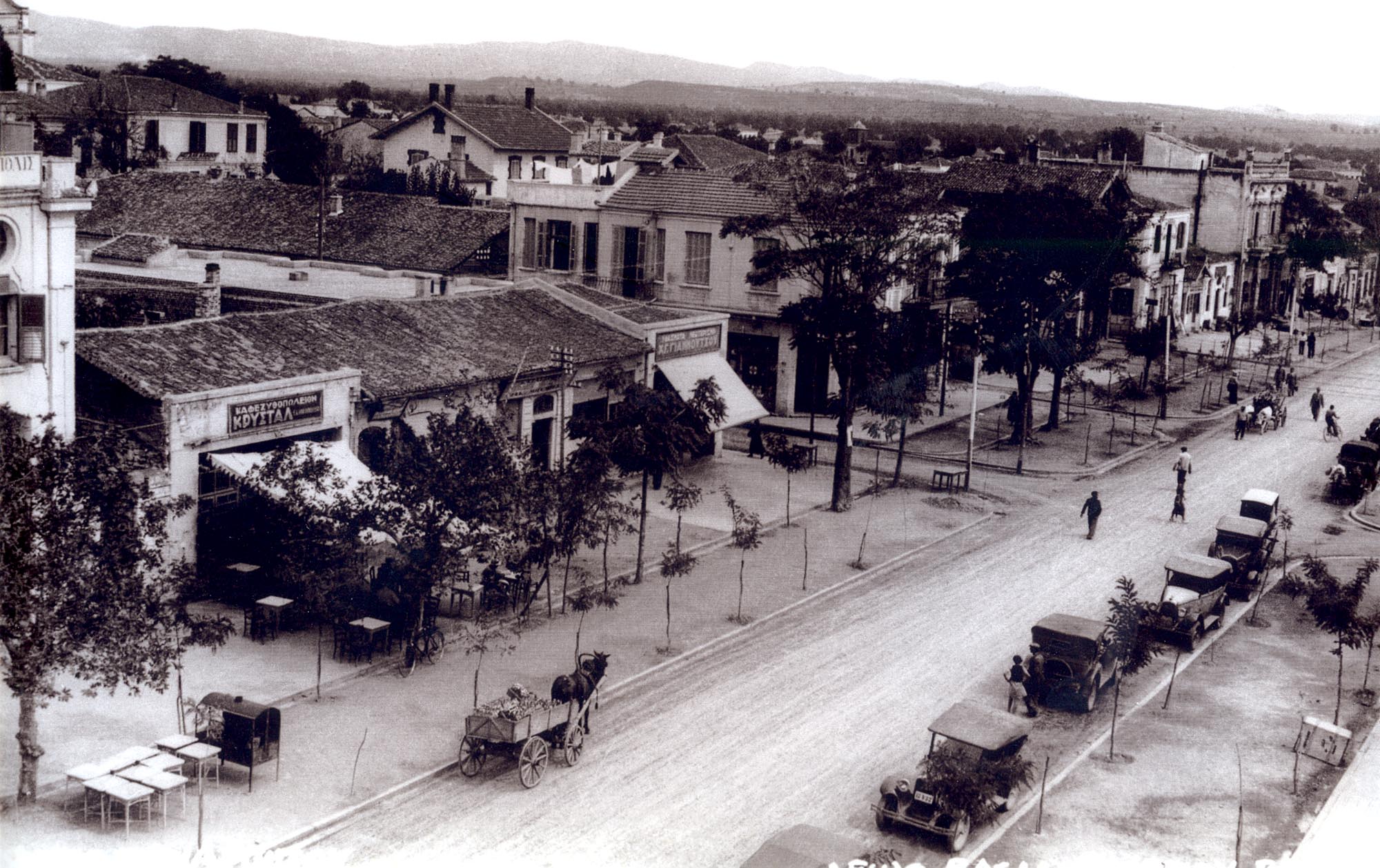
At the end of the Russo-Turkish war (1877-1878), the city was occupied by Russia. The Russians, to whom the modern grid plan of the city is due, in collaboration mainly with Greeks, drew up an urban plan (1878) in an attempt to expand the city “in a new European style”, with long, straight streets, avenues, squares and “magnificent views of the sea”. The city continued to grow rapidly after its recovery by the Ottomans. The port became very busy and the famous Lighthouse was built. At the end of the 19th century, products worth 61 million francs were being exported from Dedeağaç, compared with products worth 45.5 million francs exported from Constantinople/Istanbul and 29 million francs from Thessaloniki. Ιn 1896 a branch of the Thessaloniki–Constantinople/Istanbul railway line arrived in Dedeağaç, making the town part of a second railway axis. The sizeable commercial traffic of the town led to its rapid economic and cultural growth. Branches of banks, insurance and shipping companies were opened, while schools, churches and administrative buildings were established. In the late 19th century, Alexandroupolis was a cosmopolitan city, inhabited by Greeks, Ottomans, Armenians, Jews and Europeans, who constructed religious buildings and schools, to meet their religious and educational needs. The Greek Community, immediately after settling in the town, built a small church and a school. In 1887 it had an Urban School for Boys, a Girls’ School and a nursery school. The gradual demographic and economic growth of the Greek Community of the city, combined with the abandonment of Ainos, led in 1890 to the transfer of the metropolitan seat from Ainos to Dedeağaç. Europeans (“Franco-Levantines”) settled in the city, mainly railway and consulate employees, but also merchants and businessmen, giving the city a European air.

During the Balkan Wars (1912-1913), on 8 November 1912, Dedeağaç came under Bulgarian rule, and under the Treaty of Bucharest (10 August 1913) it was ceded to Bulgaria along with the rest of Western Thrace. After the end of the First World War and the signing of the Treaty of Neuilly (27 November 1919), Bulgaria relinquished its sovereign rights over Western Thrace and the city was placed under joint Allied administration, headed by the French and a Greek government representative, Charisios Vamvakas, a close associate of Eleftherios Venizelos (Inter-Allied Thrace Administration). On 14 May 1920, Greek Army forces, led by General Konstantinos Mazarakis-Ainian, raised the Greek flag at the city’s Government House. The discussion about the renaming of the city began immediately and the name Neapolis (“New City”) was proposed.
In July 1920, King Alexander I of Greece visited the city and the local authorities decided to name it after him. Under the Treaty of Sèvres (28 July 1920), Alexandroupolis became part of the Greek State. After the Asia Minor Catastrophe (1922) and the exchange of populations, the population of the city increased significantly, with the influx of 8,000 refugees from Northern and Eastern Thrace, Asia Minor and the Black Sea. After 1920, the first elected municipal authority tried to solve many of the city’s problems. Water supply, electric lighting, telecommunications and roads were the main priorities for the modernisation of the city, which had grown impressively in the meantime, with large blocks of buildings.
The urban and economic development of Alexandroupolis continued until 1940, when it was interrupted by the Second World War, during which the city was occupied by the Bulgarians for three years (1941-1944). The end of the war marked the beginning of the city’s recovery. After 1950, Alexandroupolis followed the course of other Greek urban centres, with its economy booming, blocks of flats replacing its beautiful Neoclassical buildings, and the city itself expanding both horizontally and vertically.
Monuments
Lighthouse
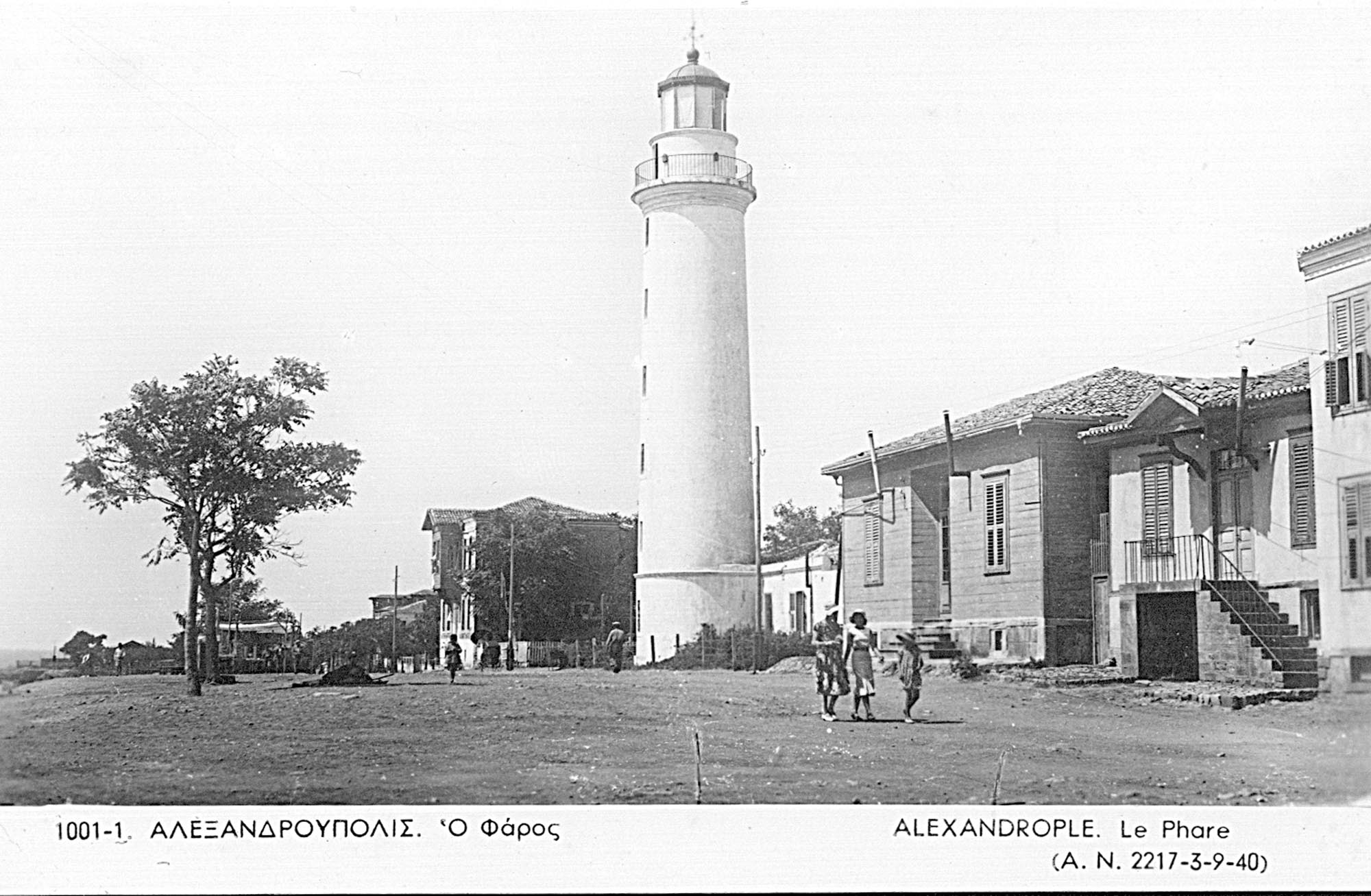
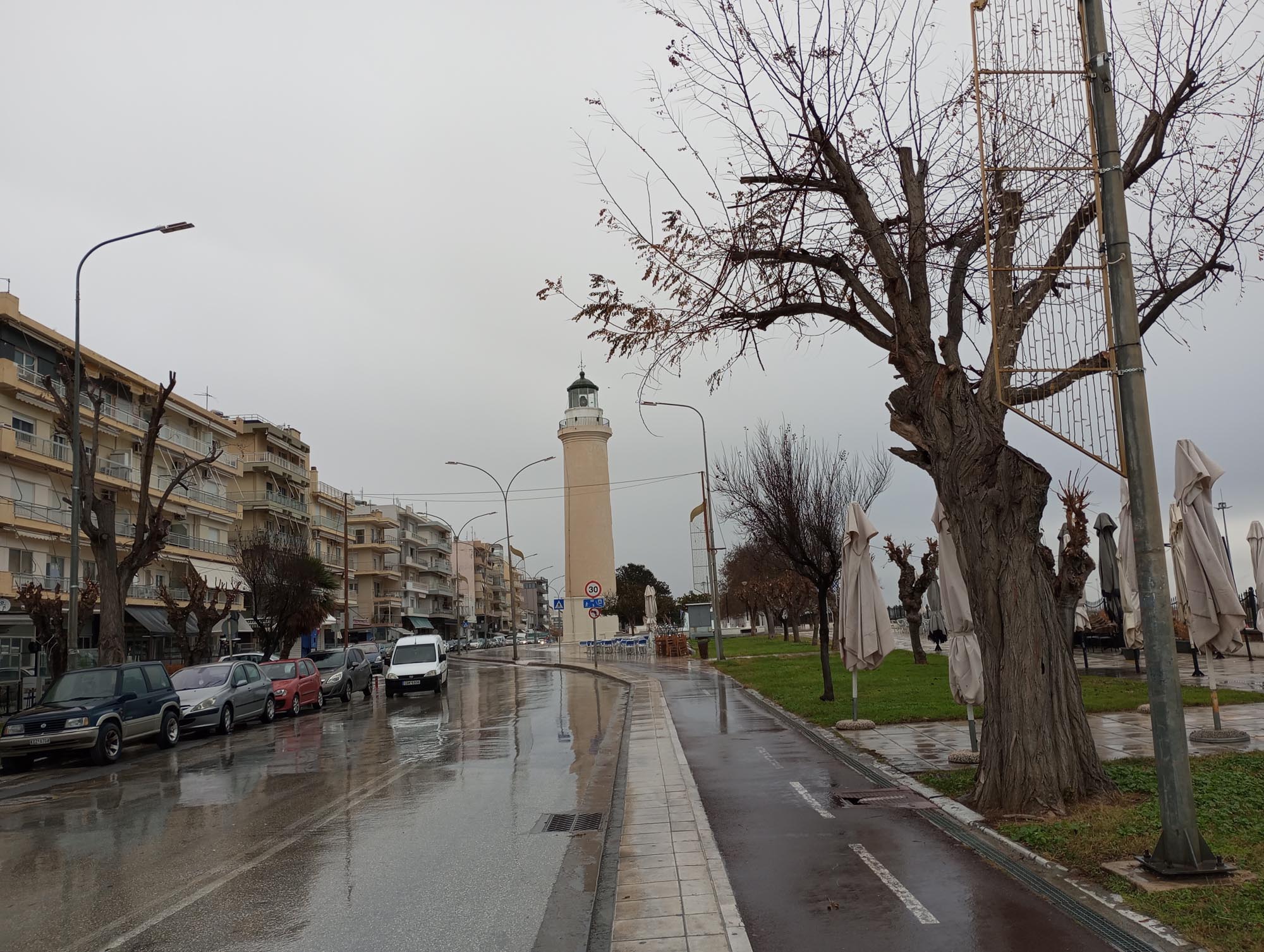
The monument, the symbol of the city, began to be built around 1850 by the French Administration Générale des Phares de l’Empire Ottoman. It was inaugurated on 1 June 1880 and has been in continuous operation ever since. The lighthouse is one of the tallest in the Eastern Mediterranean, at 18 m high. Its light can be seen from a distance of 24 nautical miles (about 44 km). It was oil-powered until 1973, when it was converted to electricity.
Metropolitan Church of St Nicholas (Mitropoleos Square)
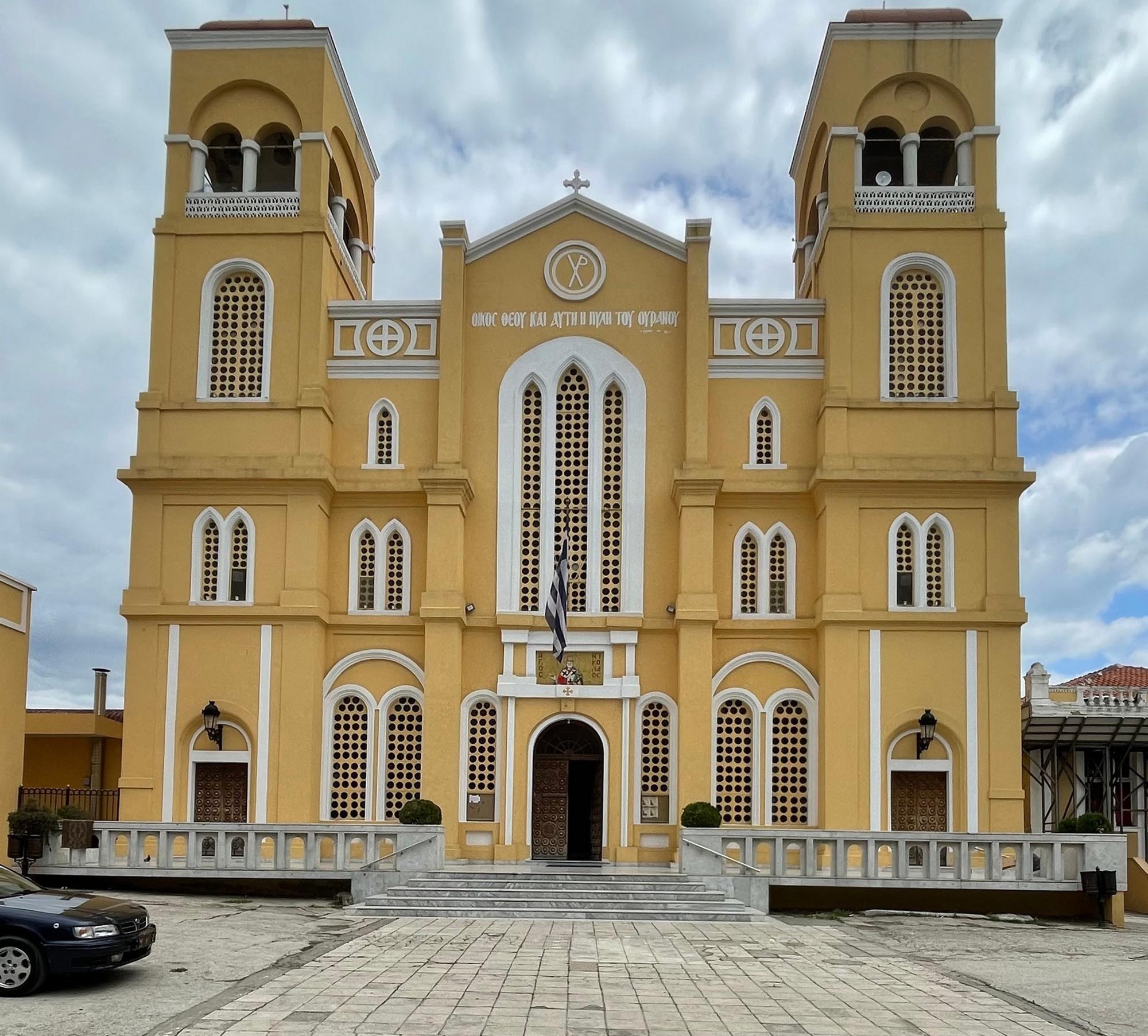
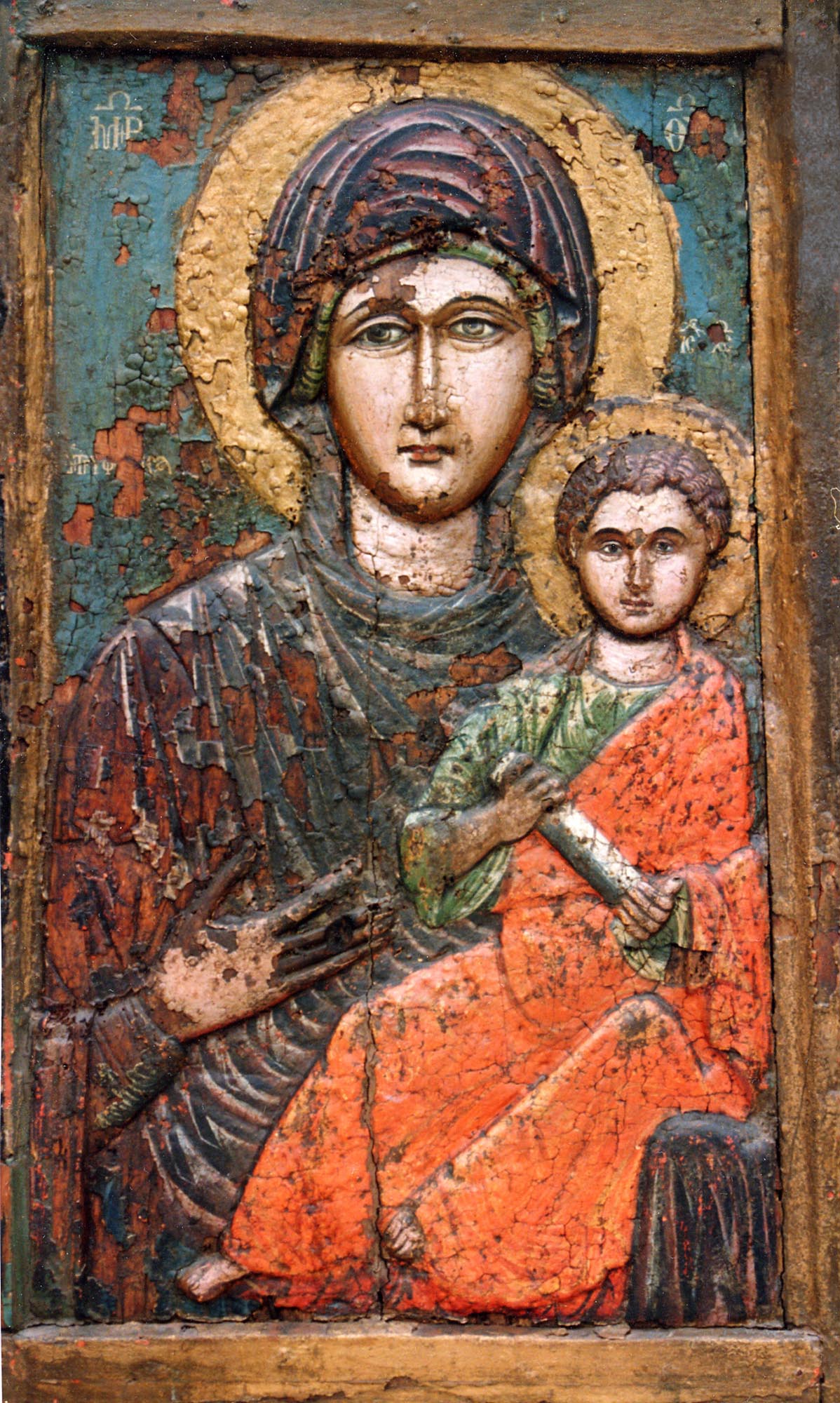
The magnificent cathedral in the heart of the city, dedicated to the patron saint of Alexandroupolis, was founded in 1892 and consecrated in 1901, replacing the old, small wooden church that had been built around 1860. On 15 May 1920, the official thanksgiving service for the liberation of the city was held here. In the church of St Nicholas is the wood-carved icon of Panagia Triphotissa, dated to the late 13th century, which was brought to the city by refugees from Ainos.
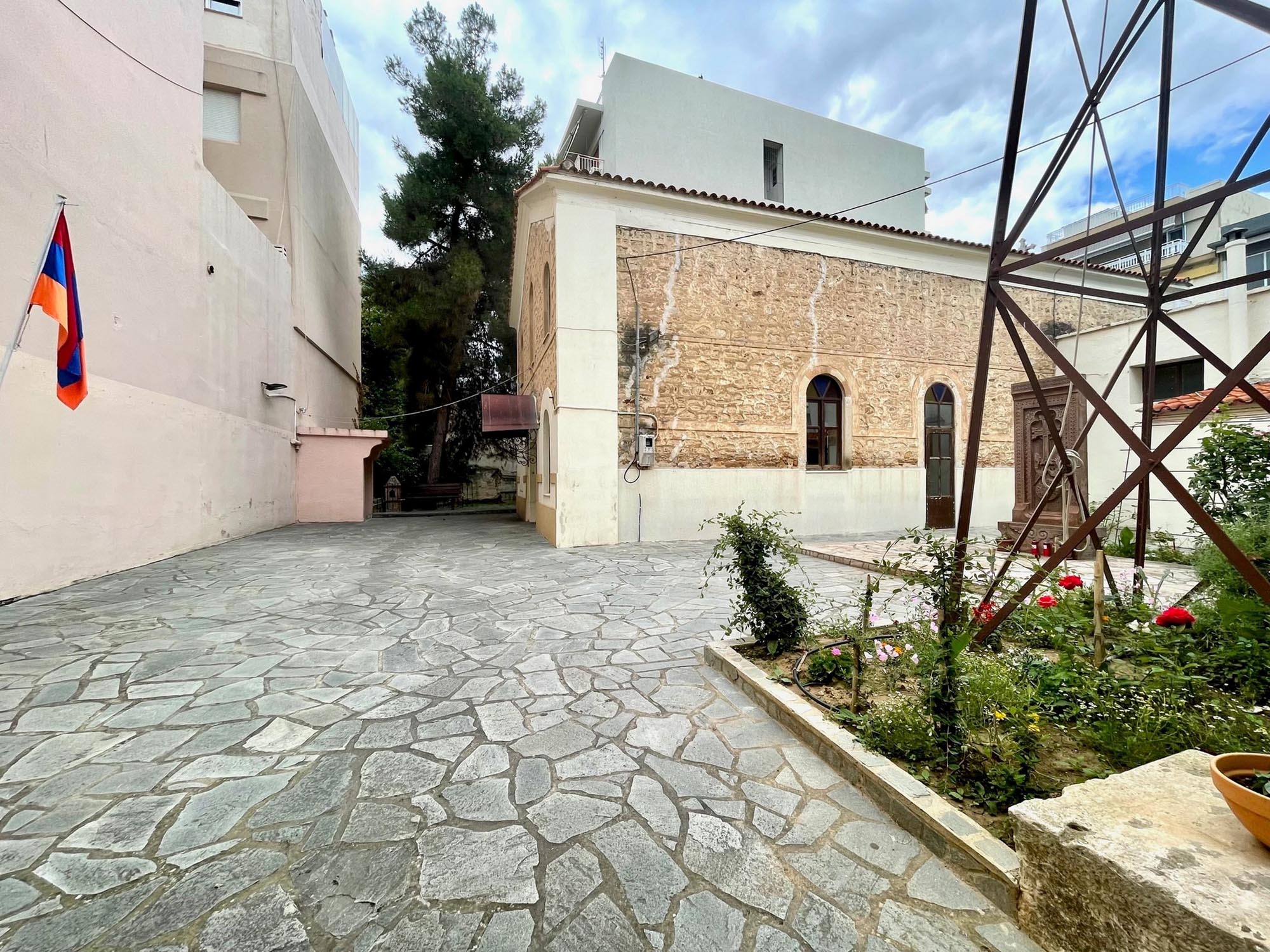
Armenian church (junction of Anatolikis Thrakis and 14th Maiou Streets)
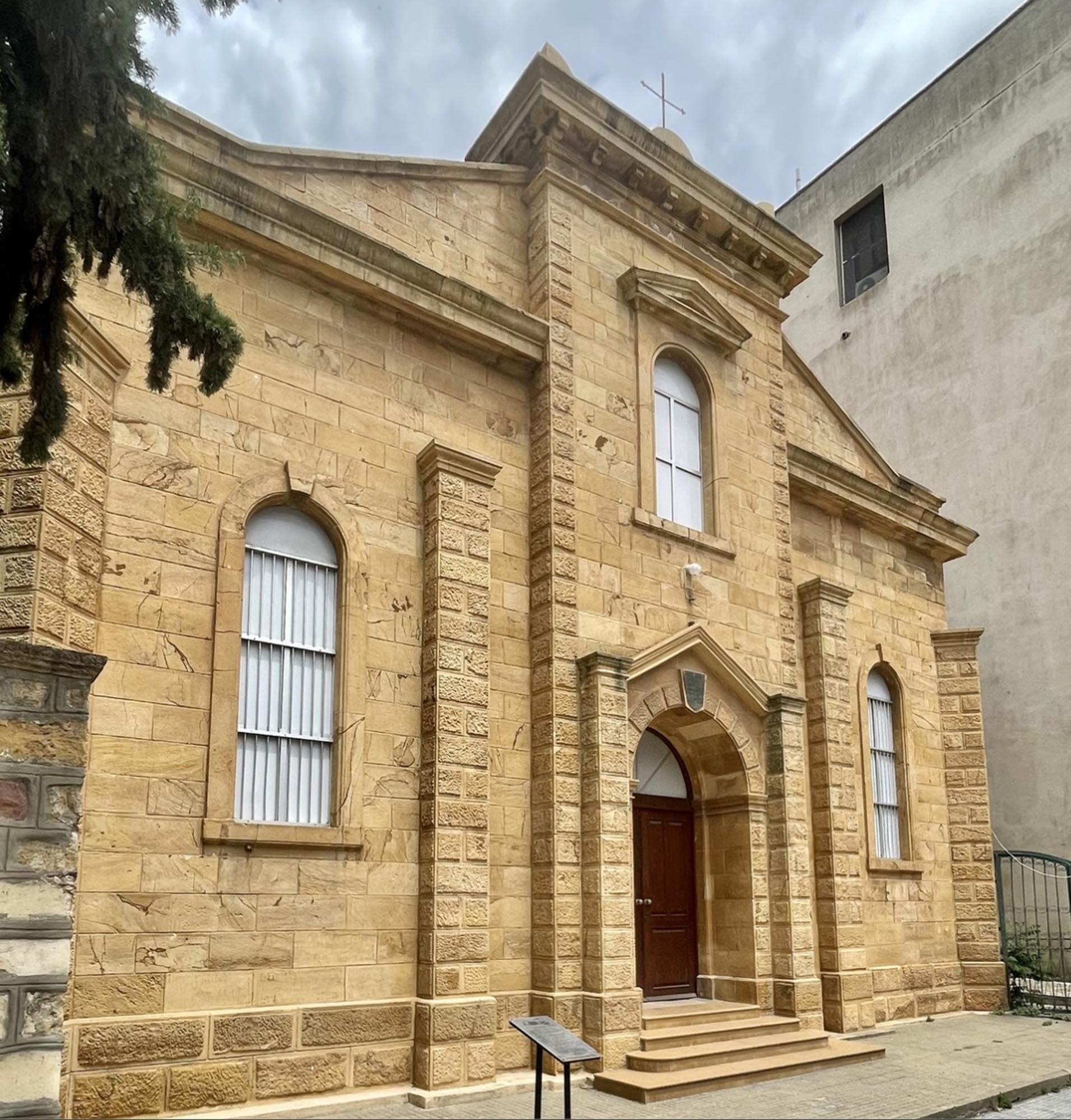
Catholic Church of St Joseph and Bishop’s Palace (junction of Eleftherios Venizelos and Komninon Streets)
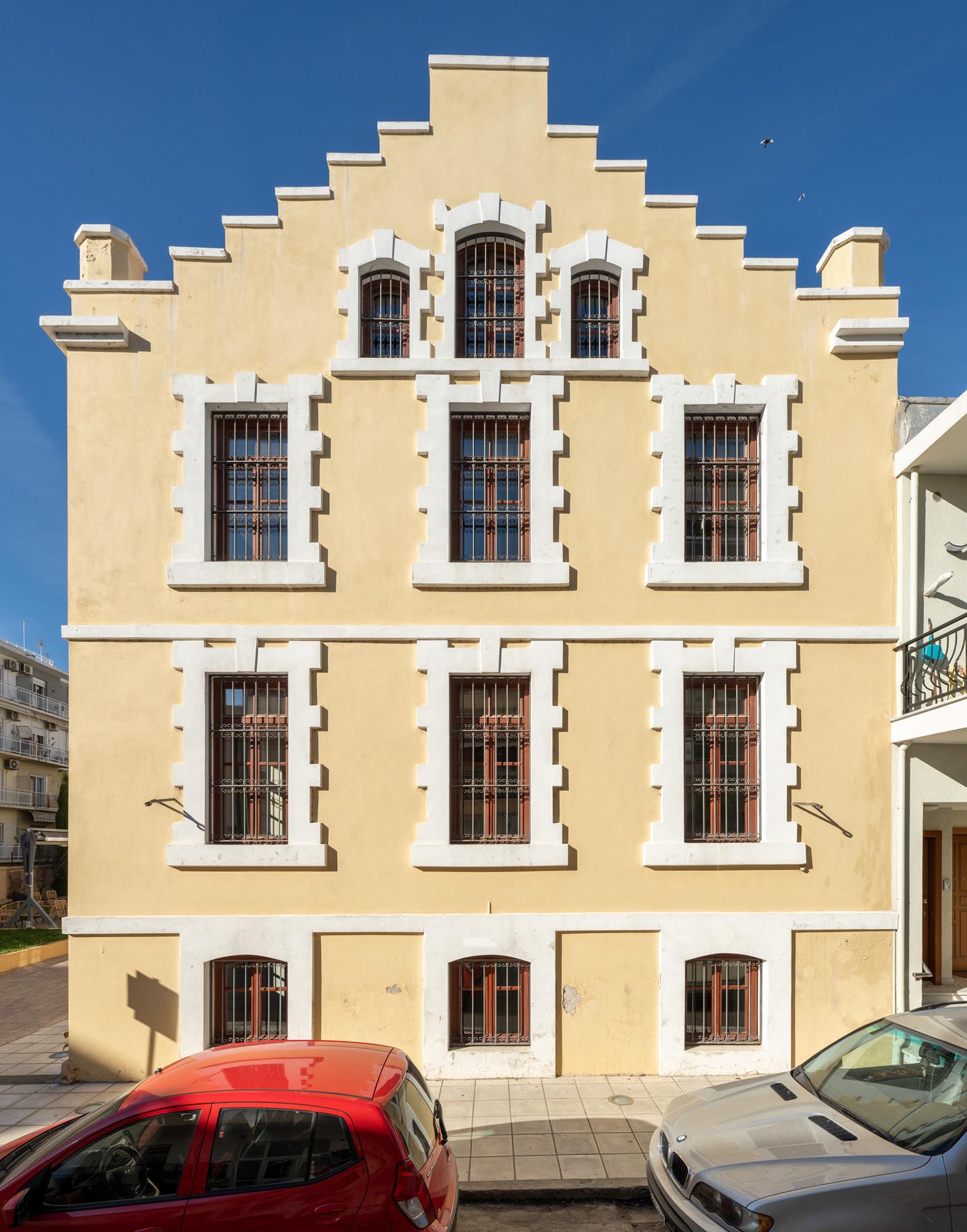
The Church of St Joseph, the only Catholic church in Western Thrace, began to be built in 1896 as a three-aisled basilica and was completed in 1901. It stands out for its elaborate stonework and the large colonnades of green marble inside. To the same period is dated the adjacent two-storey Bishop’s Palace, which was used as the residence of the Catholic priest and the bishop’s palace of the city’s Catholic community.
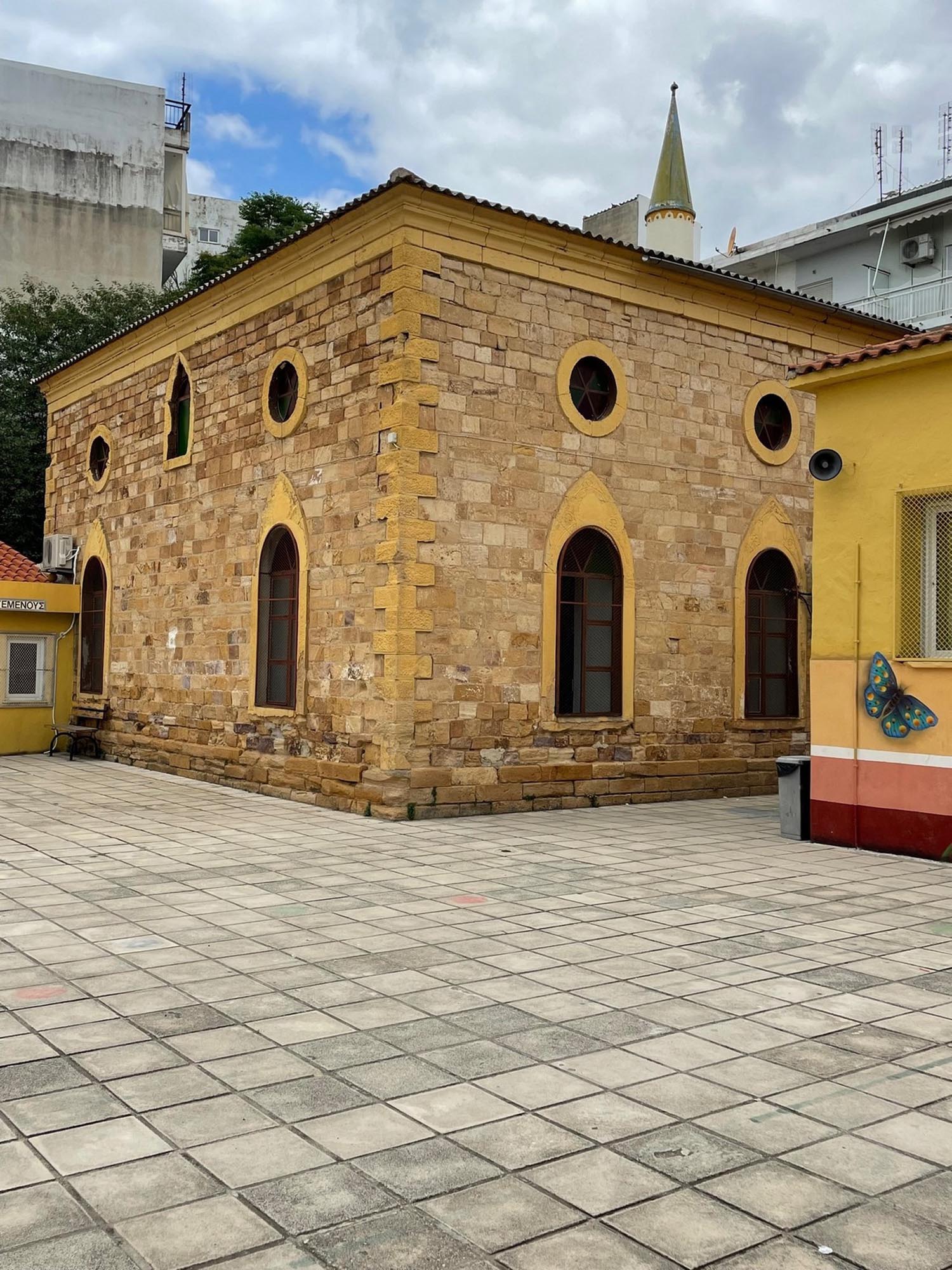
Mosque (junction of Emporiou and Kassandras Streets)
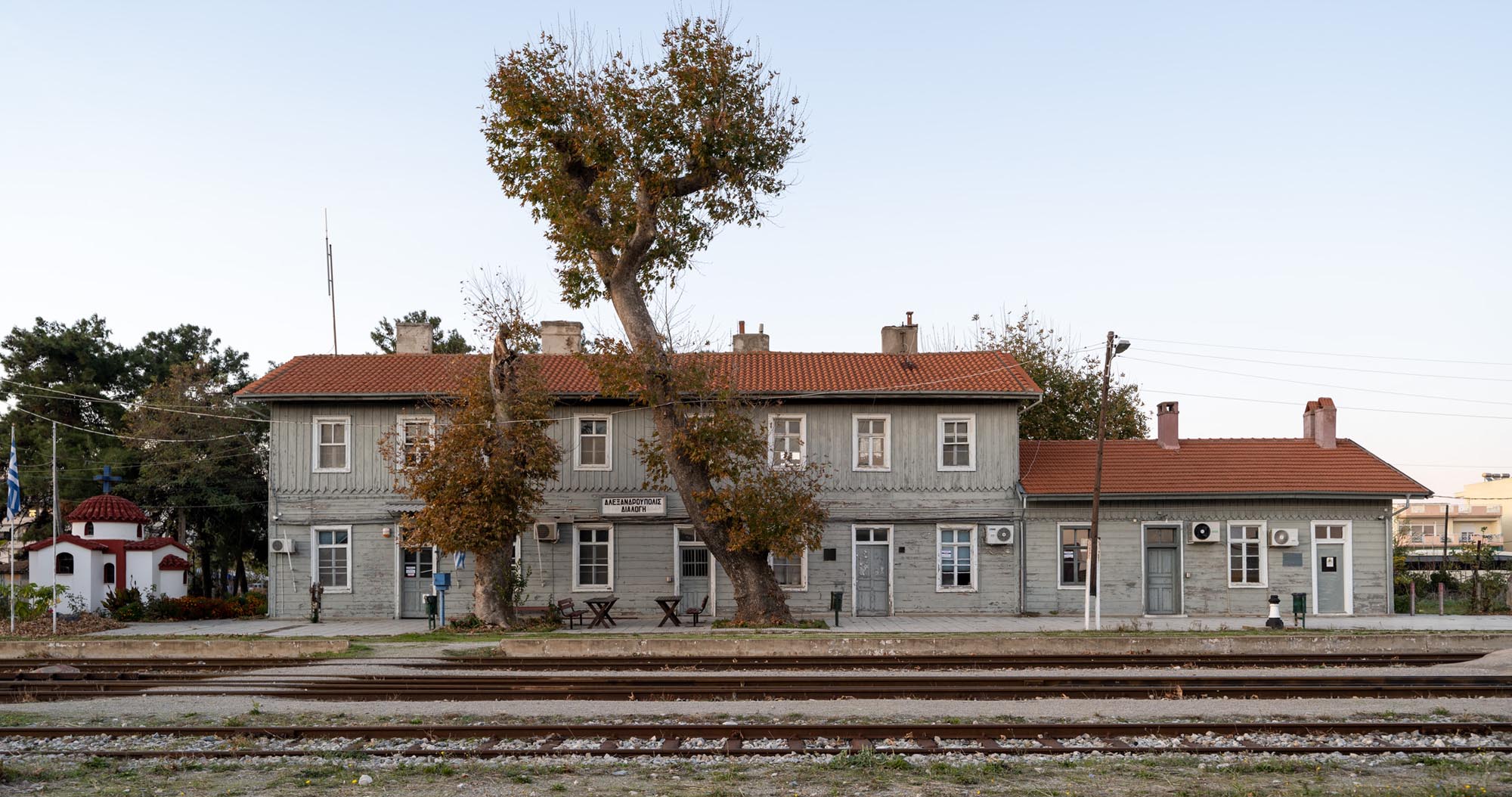
Railway Station Buildings
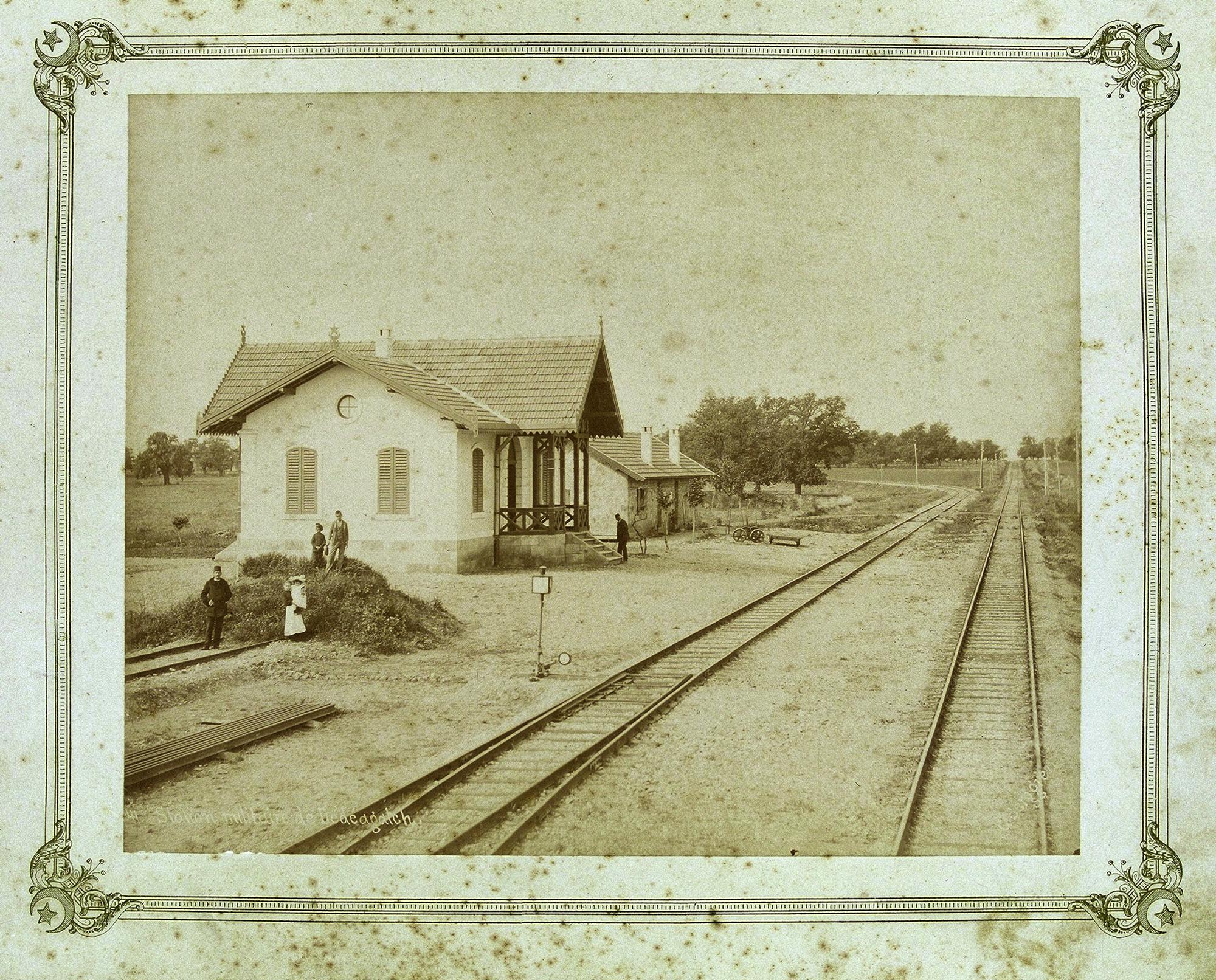
A living part of the city’s history are the surviving buildings of its two railway stations, on the Adrianople–Dedeağaç (1873) and Thessaloniki–Alexandroupolis (1895) railway lines, which today house services of the Hellenic Railways Organisation or are used by the Municipality. The two-storey main building of the French Station (1873), built of brickwork and covered externally with wooden panelling, stands out in the east of the city near the port. Slightly further away is one of the most beautiful buildings of the city, the “Military Station” (Gare Militaire), which is associated with the second railway line (1895). It is built in the architectural style of Alpine stations, with impressive use of wooden decorative elements on its main façade.
Public buildings and mansions
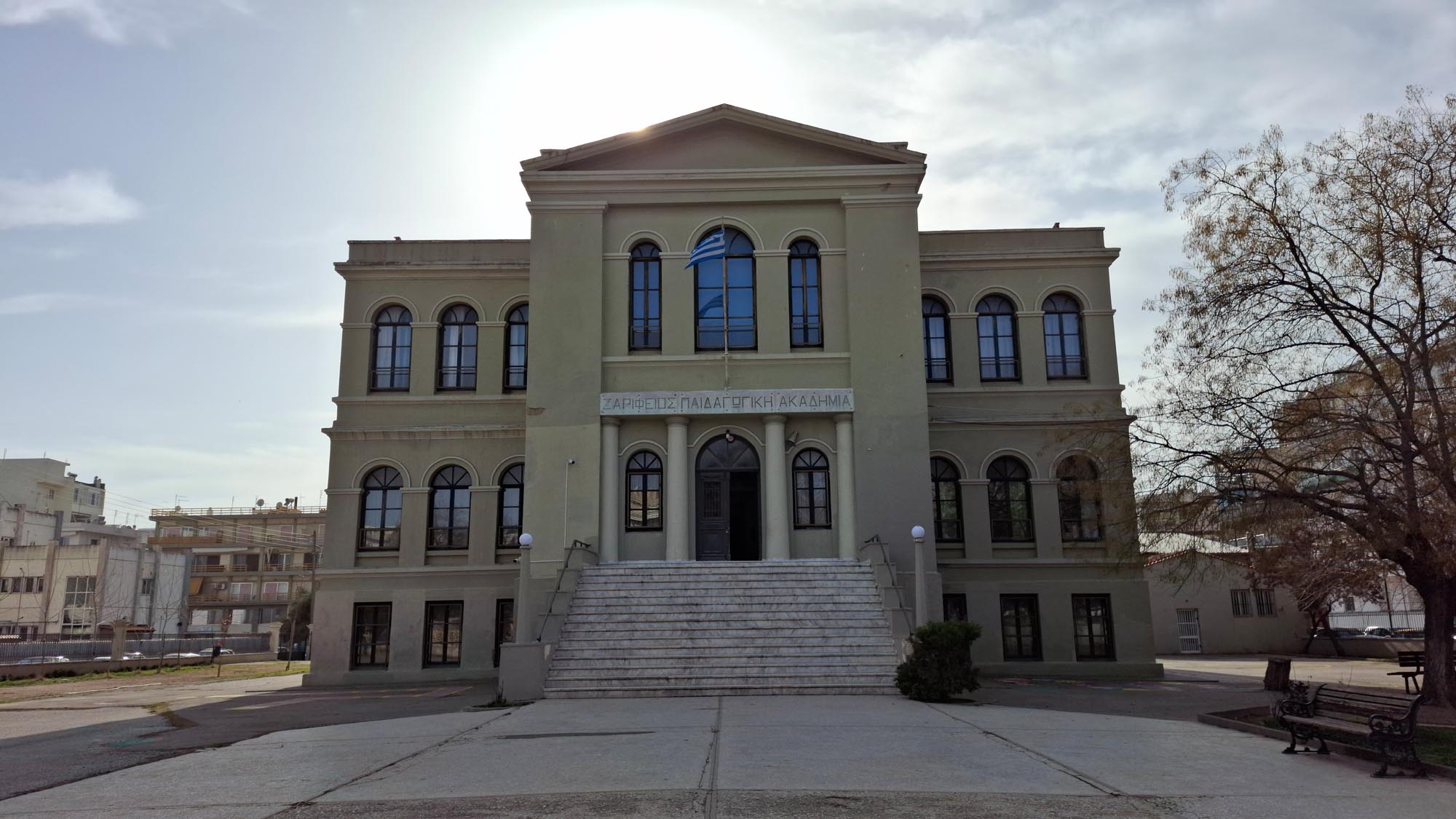
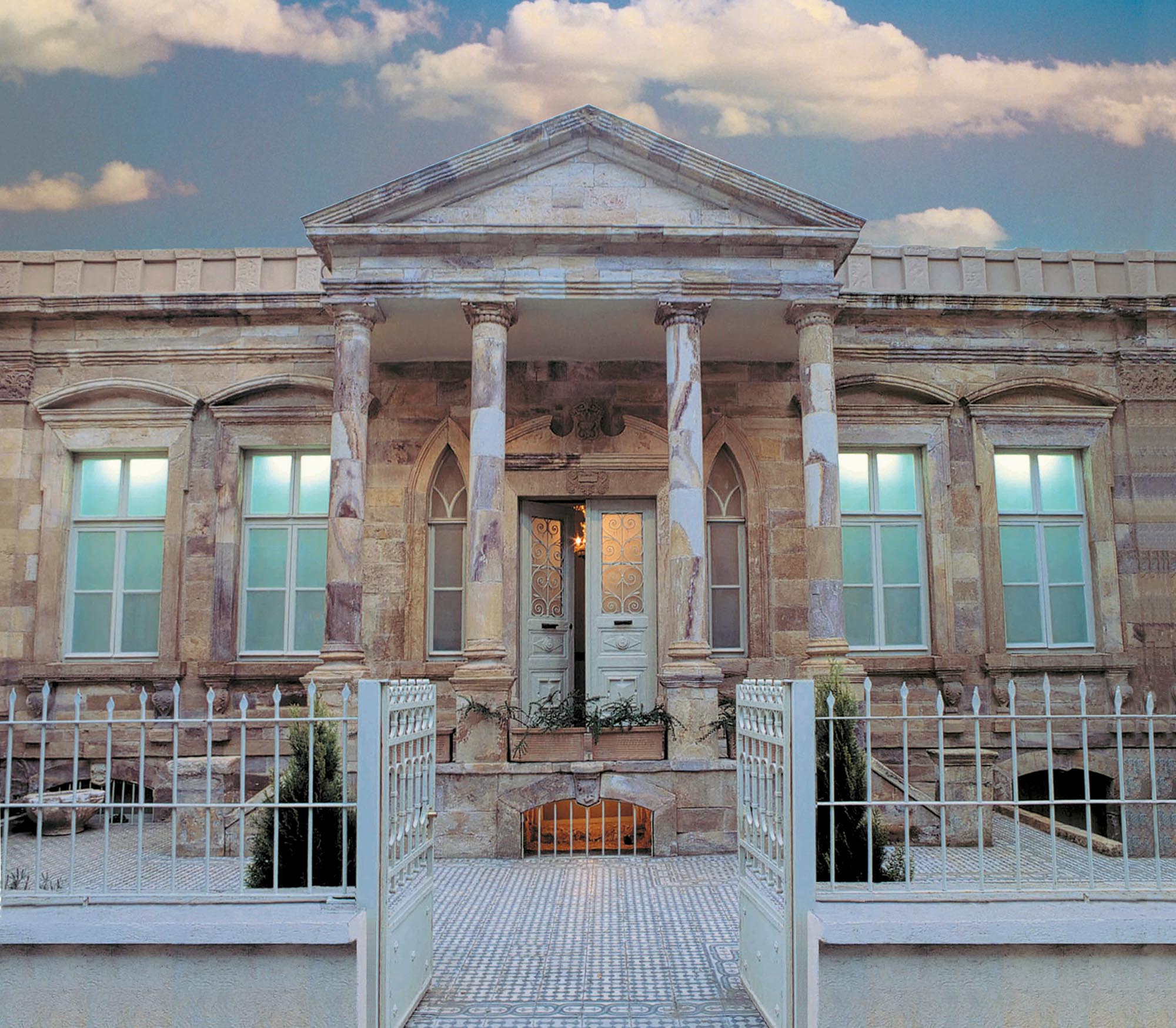
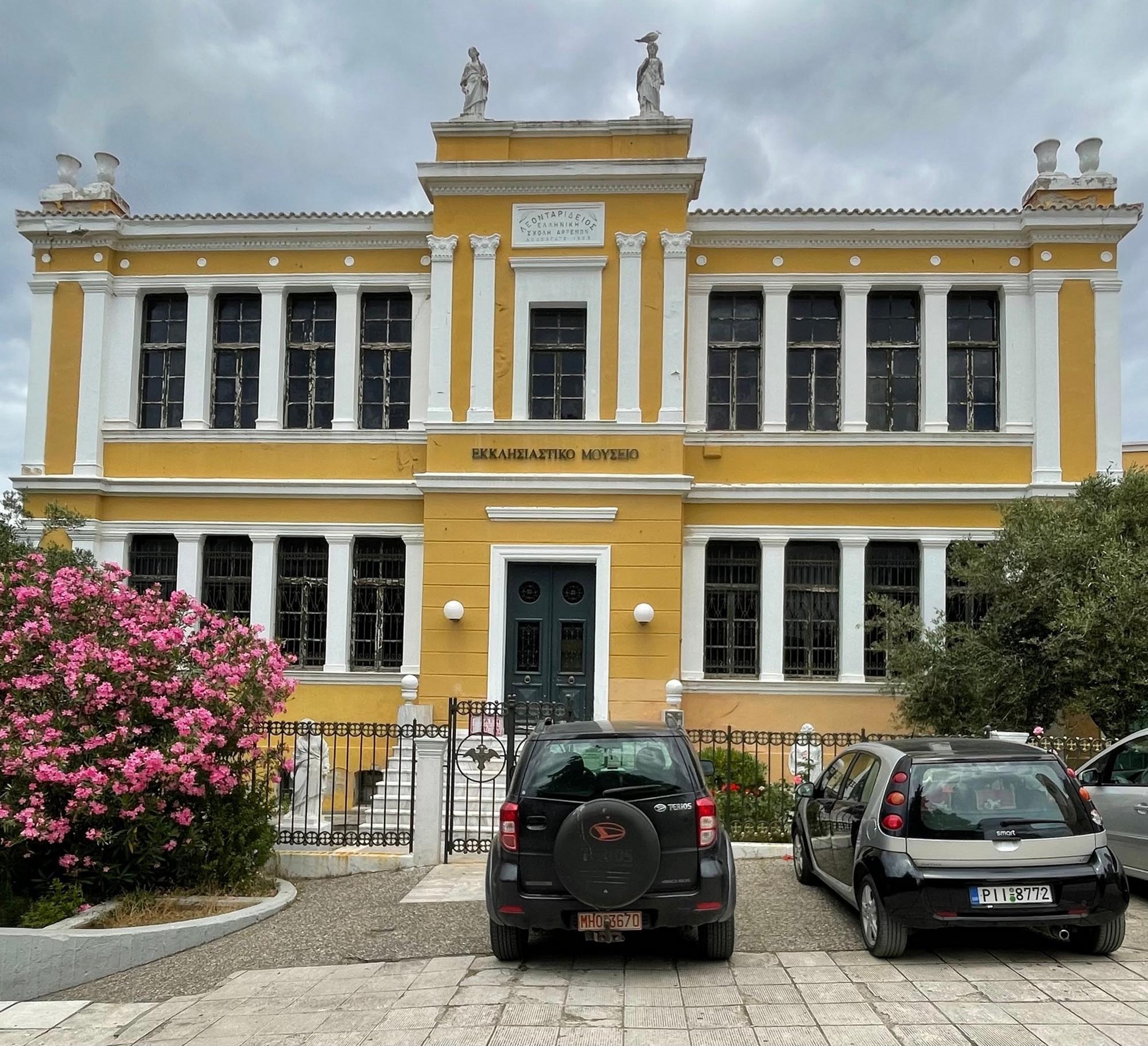
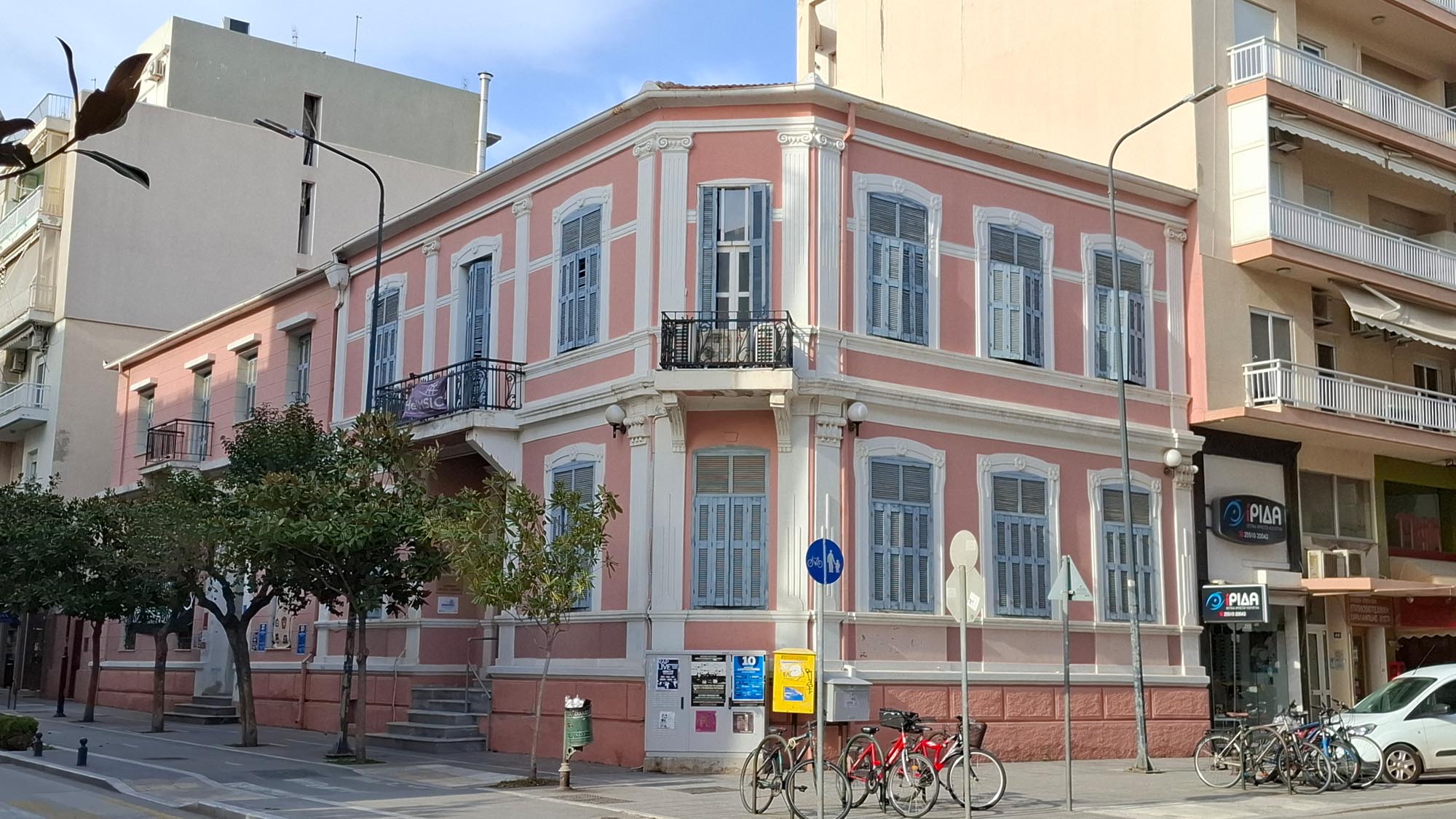
Alexandroupolis boasts a rich architectural heritage and a significant number of public buildings and pre-war mansions that are closely tied to its historical memory. One of the most recognisable buildings in the city is the “Kapnomagazo” (Tobacco Warehouse), which today, after its renovation, houses the Municipal Library (46 Ainou St.). It was built in the late 19th century as a Catholic school and was used after 1924 for storing and processing tobacco, hence its name. One of the most imposing buildings of the city is the Zarifeios Pedagogical Academy, whose construction was begun in the late 19th century by the Ottoman authorities, possibly as a naval or military academy. It was completed after 1928 thanks to a donation from the Constantinopolitan national benefactor Georgios Zarifis (today’s 1st Experimental Primary School, 5 Georgiou Zarifi St.). The Leontarideios Urban School for Boys, in Mitropoleos Square next to the Μetropolitan Church of St. Nicholas, was erected in 1909 at the expense of the Maroneian merchant Antonis Leontarides; it operated until 1972 as a High School (today it houses the Ecclesiastical Museum). Among the city’s most notable buildings are also the port warehouses, the Old Hospital (now the Music School of Alexandroupolis), the 1st and 3rd Primary Schools, the old building of the National Bank of Greece (now housing the Democritus University of Thrace), the Courthouse, the Post Office, the mansion built by Georgios Delimichalis (today’s Municipal Conservatory), and the “House of Antoinette” (how housing the Greek-French Friendship Association). An industrial building of particular architectural significance is the Masouras Mill, built between 1930 and 1933 to process grain from the Thracian hinterland.
Museums
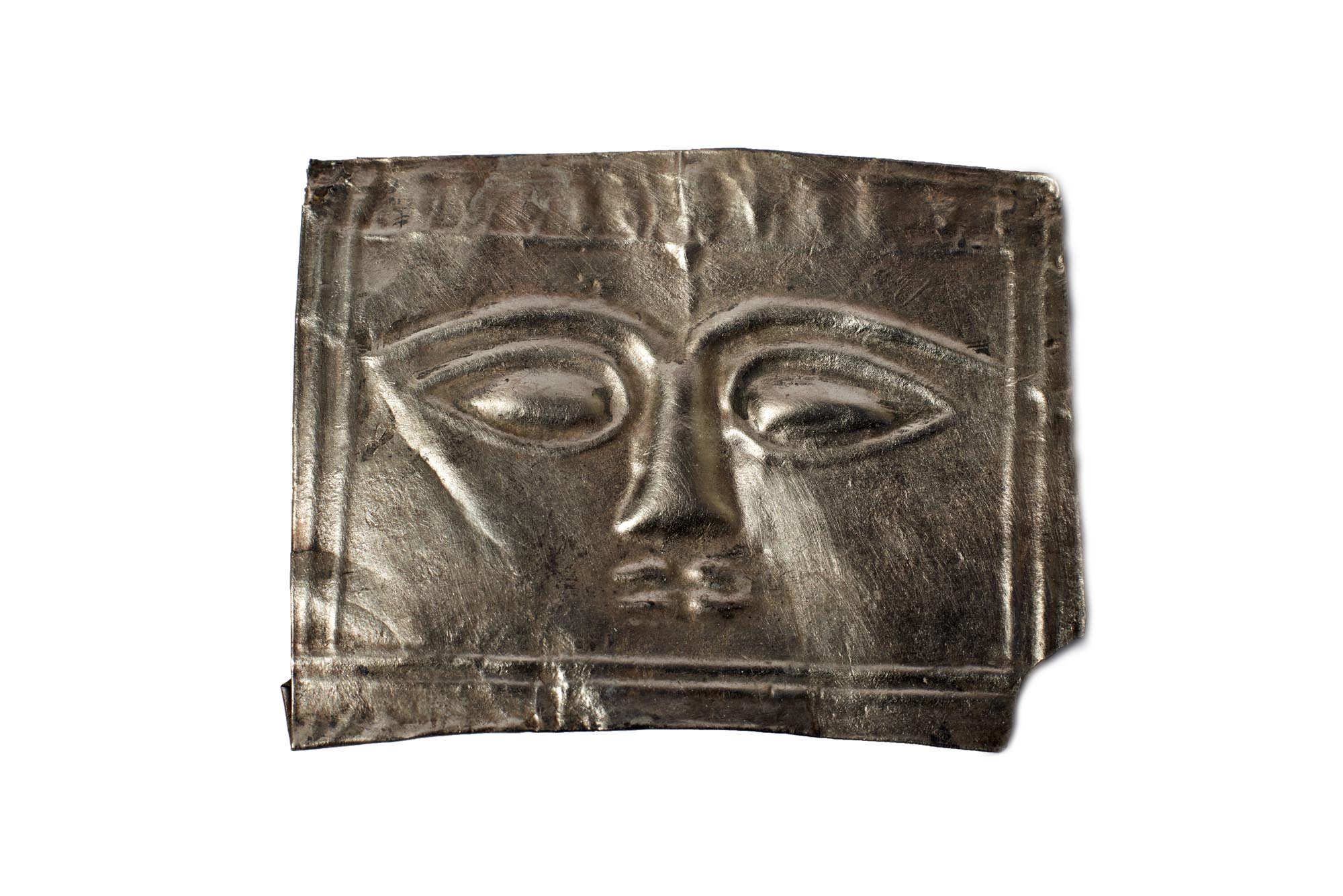
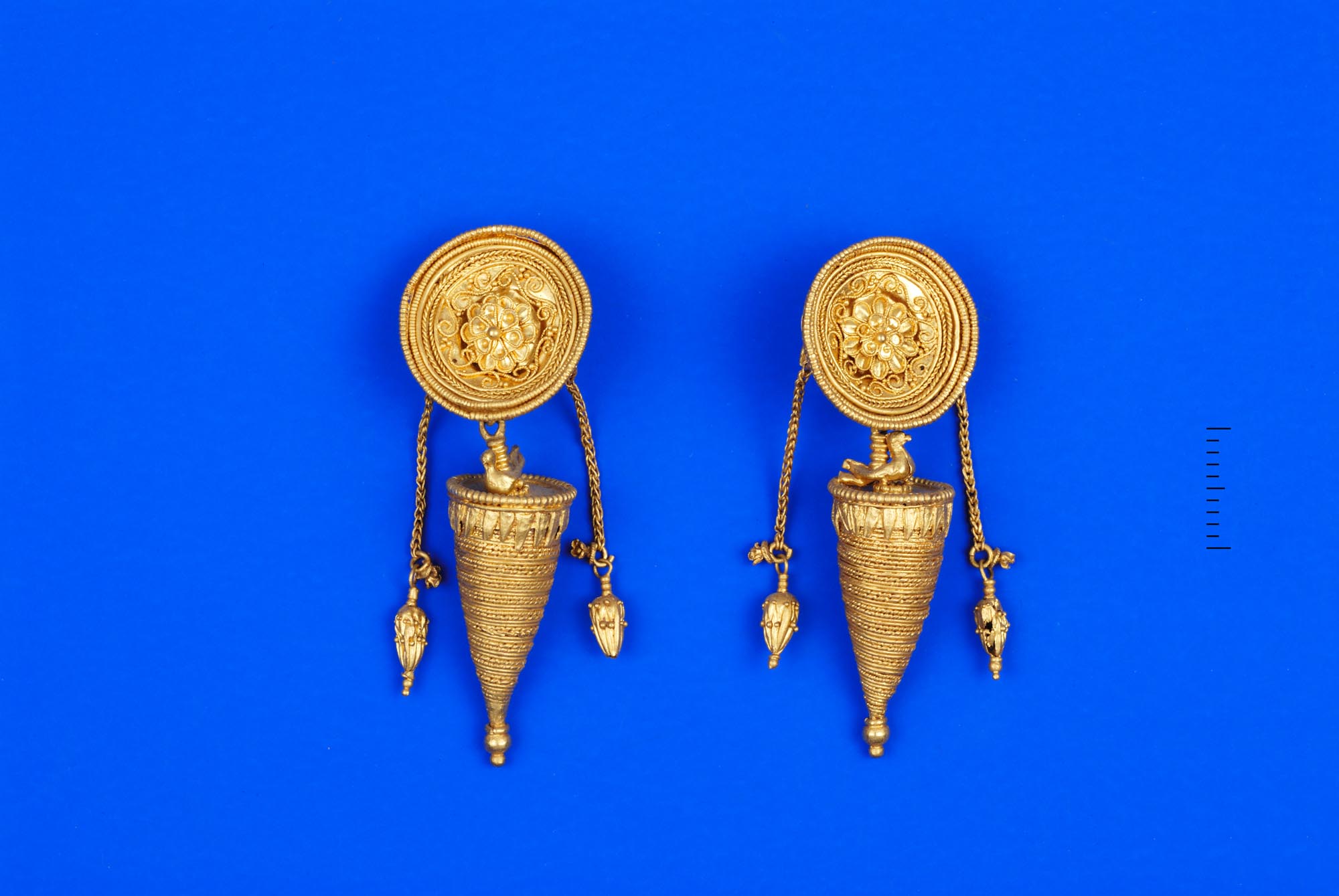
Archaeological Museum of Alexandroupolis (44 Makris St.)
Ecclesiastical Museum of the Holy Metropolis of Alexandroupolis (18 Ainou St.)
The Museum houses a large number of exhibits, mainly heirlooms brought by refugees from Eastern Thrace.
Ethnological Museum of Thrace (63, 14th Maiou St.)
Historical Museum of Alexandroupolis (335 Dimokratias avenue)
The history of the city of Alexandroupolis and the wider region is presented through a modern museological and museographical approach. The museum also includes the collection of the folklorist Eleni Filippidi, showcasing the life of Sarakatsani women in Thrace.
Folklore Museum of the Cappadocian Estia (1 Mitropoulou St.)
The museum, housed in the building of the Cappadocian Cultural Association of Evros Prefecture “The Three Hierarchs”, takes visitors on a journey into the atmosphere of everyday life in the villages of Cappadocia, through a rich collection of heirlooms and artifacts.
Natural History Museum of Alexandroupolis (Platanotopos, village of Maistros)
The museum, housed in a modern building perfectly integrated into the lush green surroundings of the small community of Maistros, just east of Alexandroupolis, showcases the rich biodiversity and unique ecosystems of the Evros region.