Regional Unit of Evros: Tradition and contemporary culture
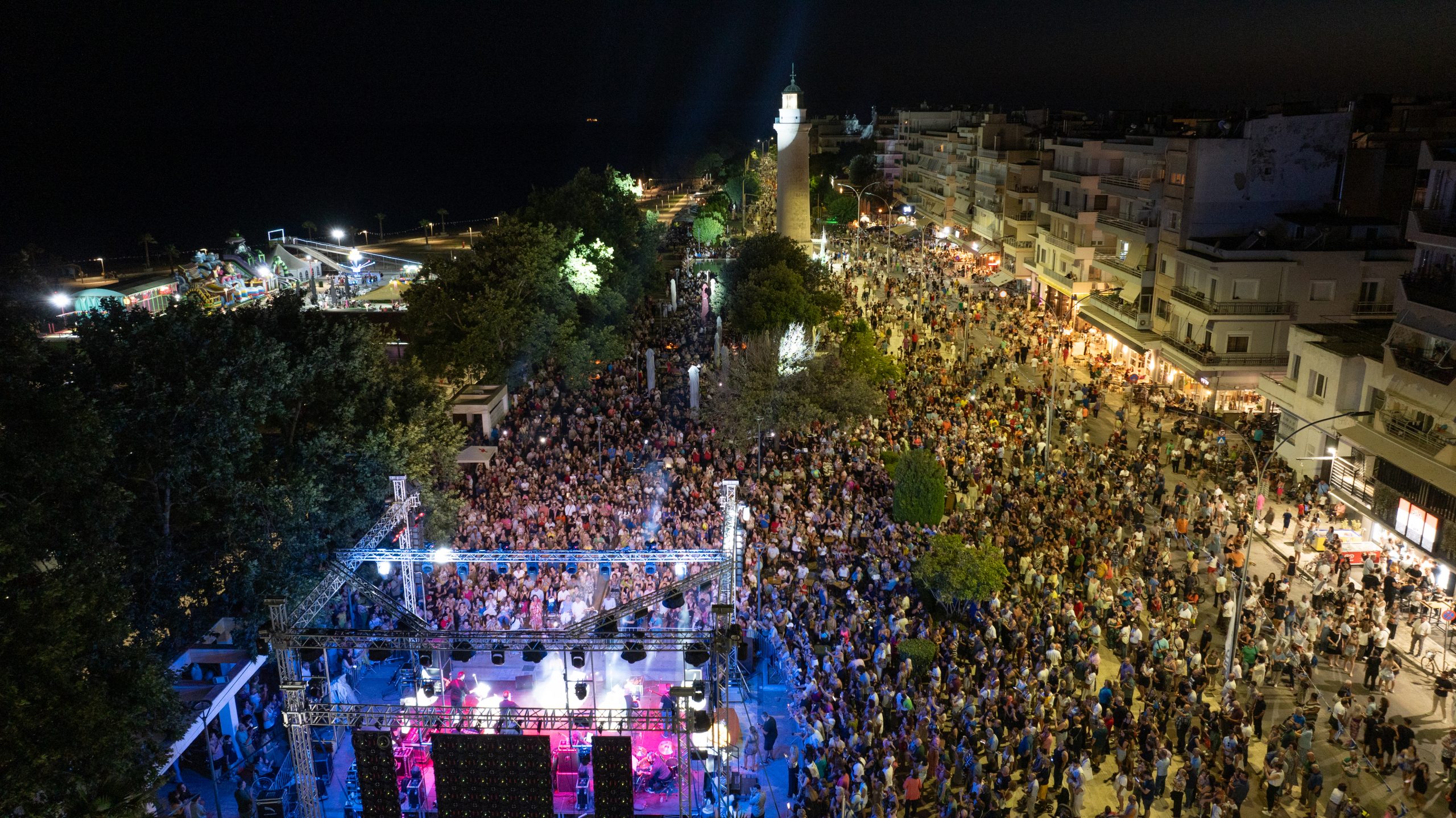
Events and festivals in Alexandroupolis
Events attracting local residents and visitors alike are held at cultural venues and museums of the city, such as the Archaeological and Historical Museums of Alexandroupolis and the Ethnological Museum of Thrace, in collaboration with cultural and educational institutions.
Important institutions of the Municipality of Alexandroupolis are:
– The Eleutheria Festival, commemorating the incorporation of the city into the Greek State (14 May 1920).
– The Alexandroupolis Film Festival.
– Maritime Week, dedicated to the inhabitants’ timeless relationship with the sea.
– The Vereia Festival, comprising summer cultural events held in Feres.
Ritual Performances
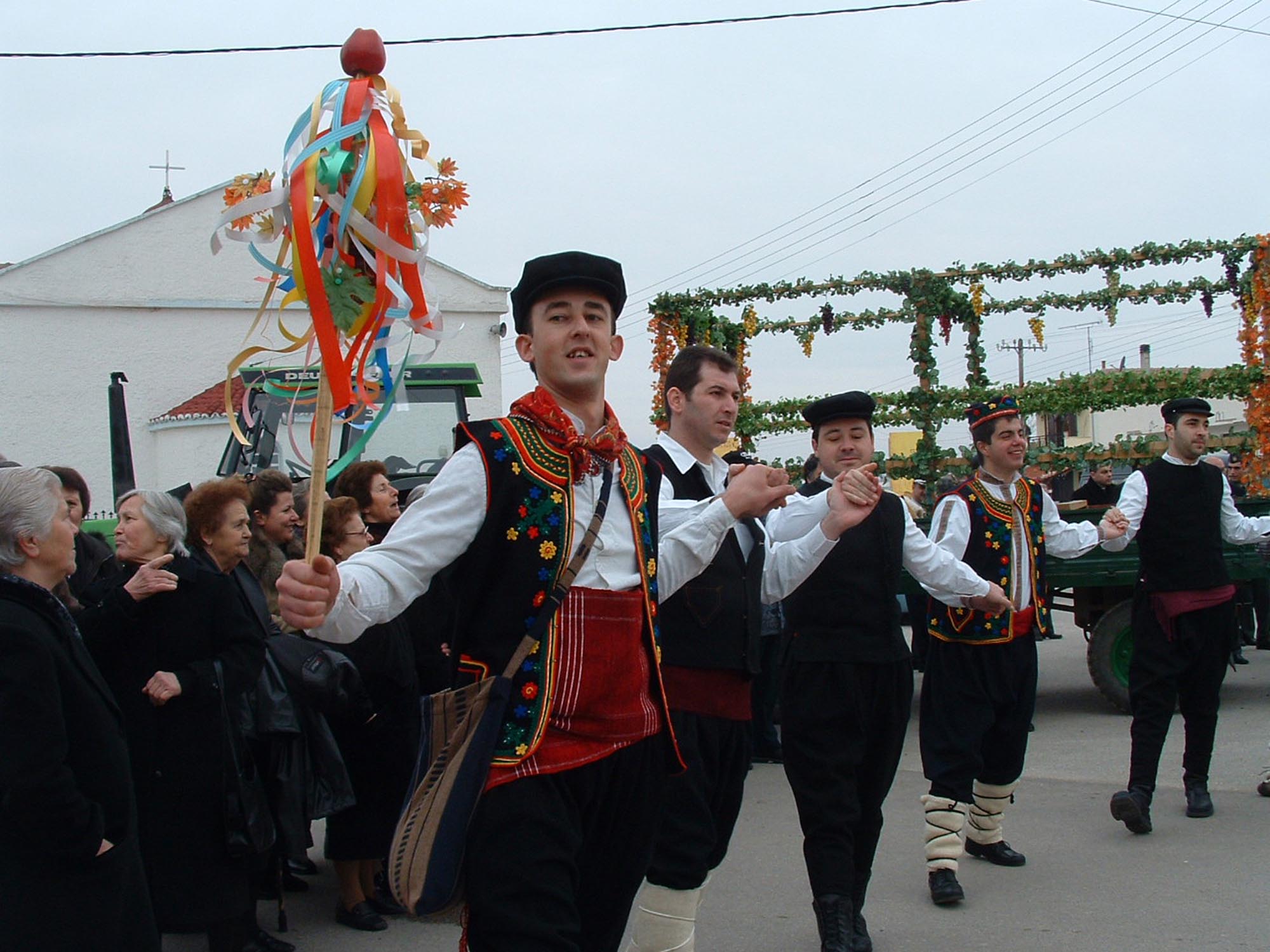
Across the Evros region, local cultural associations perform or revive the Dodekaimeron (Christmastide) and Carnival customs involving disguises, sheep bells, singing and dancing. The festivities, whether retaining their original character or adopting modern elements, always express the common wish for a good year, fruitfulness and abundance.
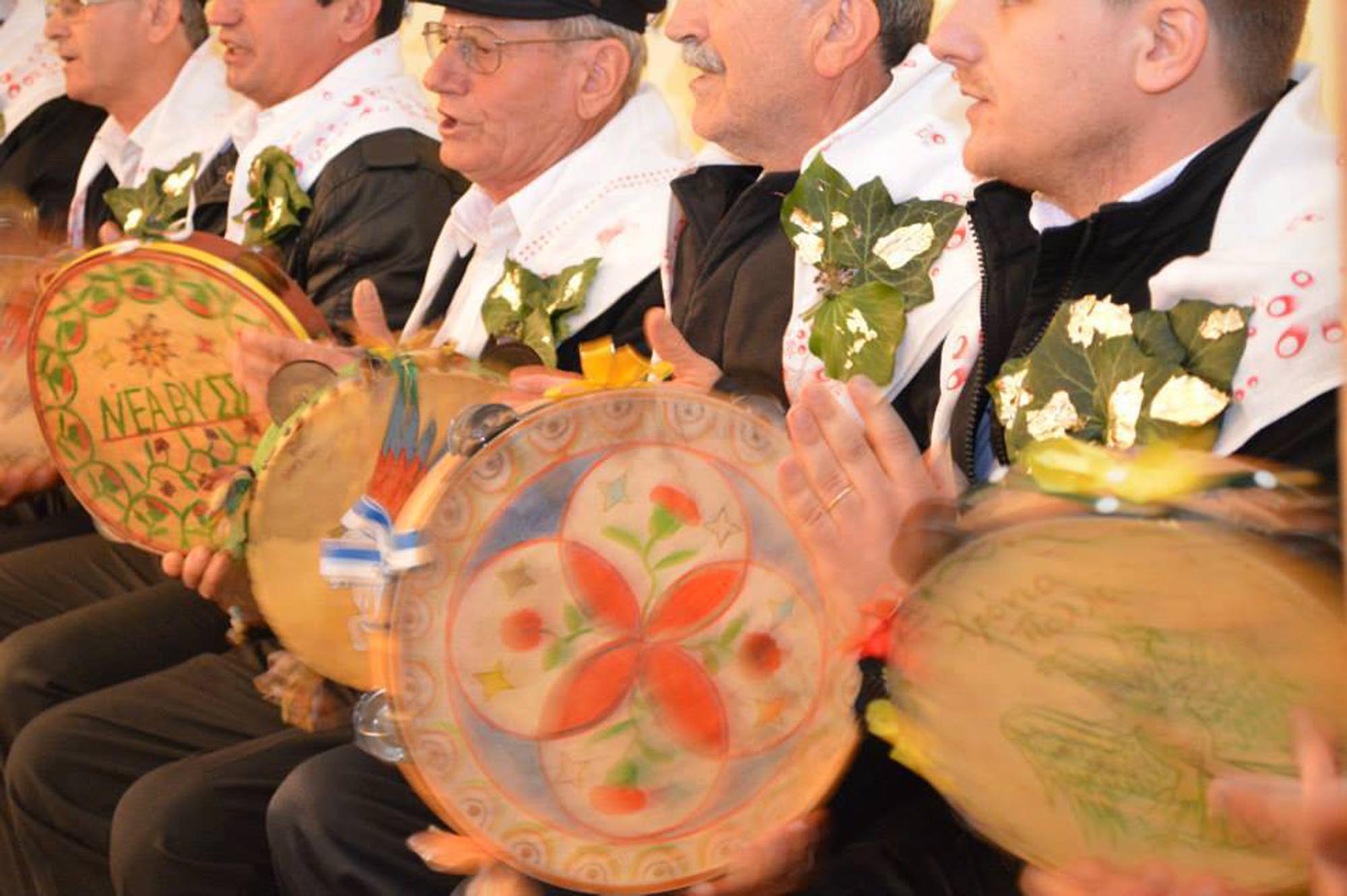
The Tebelekia, traditional carols of Nea Vyssa, are inscribed on the National Inventory of Intangible Cultural Heritage. On Christmas Day and the second day of Christmas, young village men, wearing a cap and with an ivy sprig pinned to their jacket, some of them in beast-like costumes with sheep bells and shepherds’ crooks, sing carols to the accompaniment of the tebeleki/daires (tambourine), receiving treats and money in return.
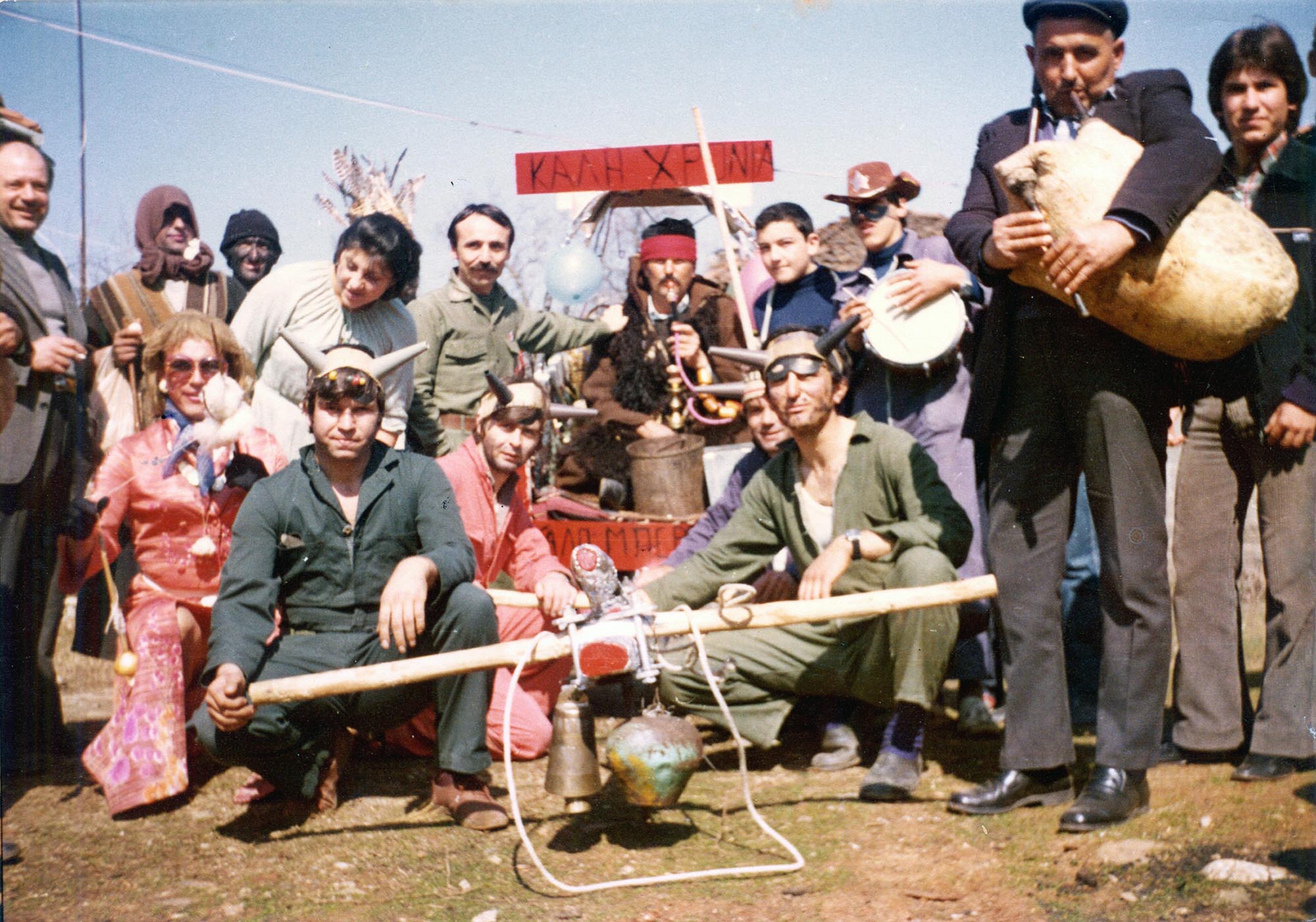
On 26 and 27 December in Isaakio, Pourpouris, a character hung with bells, with white hair and beard, sporting a shepherd’s cape, a gourd mask and a woman’s belt tied around his head, sings carols together with his lads and Kortopoula, a boy dressed as a woman. Pourpouris with his sword defends Kortopoula from being abducted.
On the second day of Christmas, in Neo Cheimonio, Babaliaris or Bobosiaris, dressed in a heavy sheepskin costume, and the Βride, played by a man, dance and sing their way through the village.
On New Year’s Eve or New Year’s Day, in Alexandroupolis, as in other towns and villages of refugees from Eastern Rumelia, the Kamiles and Divitzides (Camels and Camel-drivers) performance is revived. The divitzis or camel-driver, dressed in sheepskins and with bells on his legs, rhythmically strikes a wooden club, the topouzi, on the earth to “awaken” it and make it bear fruit. The camel, an animal formerly used to transport people and agricultural products, is made of wood with bronze bells and covered with a colourful woven cloth. The performers dance and wish people health and a good harvest.
On the last Sunday of the Carnival season, known as Apokries, in Alexandroupolis, Feres and elsewhere there are parades of masqueraders and floats. The custom of the Kamila (Camel) is revived in Feres. Two young men hidden inside a fake camel, and the camel-driver in Arab dress, roam around the town to the accompaniment of musicians. Householders offer the camel treats and money.
On Cheesefare Sunday (the last Sunday before Lent and the last day on which dairy products may be consumed) and Clean Monday (the first day of Lent) in Protokklisi and other villages of Northern Evros, the Bey or King and his troupe, with bagpipes and daouli drums, go around the houses, dance, imitate the motions of ploughing and sowing, and sing satirical verses. This mocking carnival performance is inscribed on the National Inventory of Intangible Cultural Heritage.
Religious rituals
In Evros, as in the rest of Thrace, the rituals of major religious holidays and the worship of saints in churches and chapels are observed with great reverence. In Iana, near Alexandroupolis, “The Three Hierarchs” Cultural Association of Cappadocians honours the memory of St Demetrios of Cappadocia on 26 October. The popular cult involves kourbani or animal sacrifice (from the Turkish kurban) as an offering to the saint. The meat is cooked and distributed among the people. In Dadia, on the eve of Epiphany, a group of men carry the icon of the Virgin from the Monastery of Panagia to the village. On Epiphany (6 January), after the service, children and youths run through the neighbourhoods with the cross and icons in their hands, shouting Kyrie Eleison (“Lord, have mercy on us”) to drive away the kalikantzaroi, mischievous imps. This unique custom is interwoven with the concepts of protection, cleansing and purification. On the same day, locals and visitors go by boat to the chapel of St Anthimos, in the Evros Delta, where fishermen and hunters dive into the river to retrieve the cross thrown in by the priest to bless the waters. At the beginning of February, in the border village of Dikaia, St Tryphon, the patron saint of vegetation and wine-growers, is celebrated with great pomp. On the eve of his feast-day, a bonfire is lit outside the chapel of St Tryphon and people make merry. On the day itself, 1 February, after the re-enactment of the pruning of the vineyard by Tryphon, there is revelry with dancing and wine in the village square. Finally, in Avantas, on the feast of St George, a group of riders on richly caparisoned horses bear the icon of the saint from the church of St George to the parish church in the centre of the village.
Fairs
Dancing, accompanied by bagpipes, lyre and percussion instruments, is an integral part with Thracian life. Featuring a wealth of rhythms, dances are performed on many occasions. Religious festivals provide an occasion for dancing with local musicians and songs.
Examples include the Kale Panair (Castle Fair) held on Pentecost in Didymoteichon in the castle quarter, the great fair in Paliouri on the feast-day of the post-Byzantine church of St Panteleimon (27 July), and the Sotireia festival in Kyprinos, on the feast of the Transfiguration of the Saviour (6 August). Another well-known celebration is the August Feast of Milina, the traditional three-layer pie with cheese and rice filling, held in Kirki, once a small intermediate station on a path off the Via Egnatia.