Regional Unit of Rodopi: Tradition and contemporary culture

Performances in the cycle of the year

The changing of the seasons is associated with events and customs wishing for a good harvest and fertility. Movements, actions, music, song and dance have a devotional and magical character. They highlight man’s primordial relationship with nature and symbolise the perpetual alternation of life and death, of rebirth in the cycle of the year.

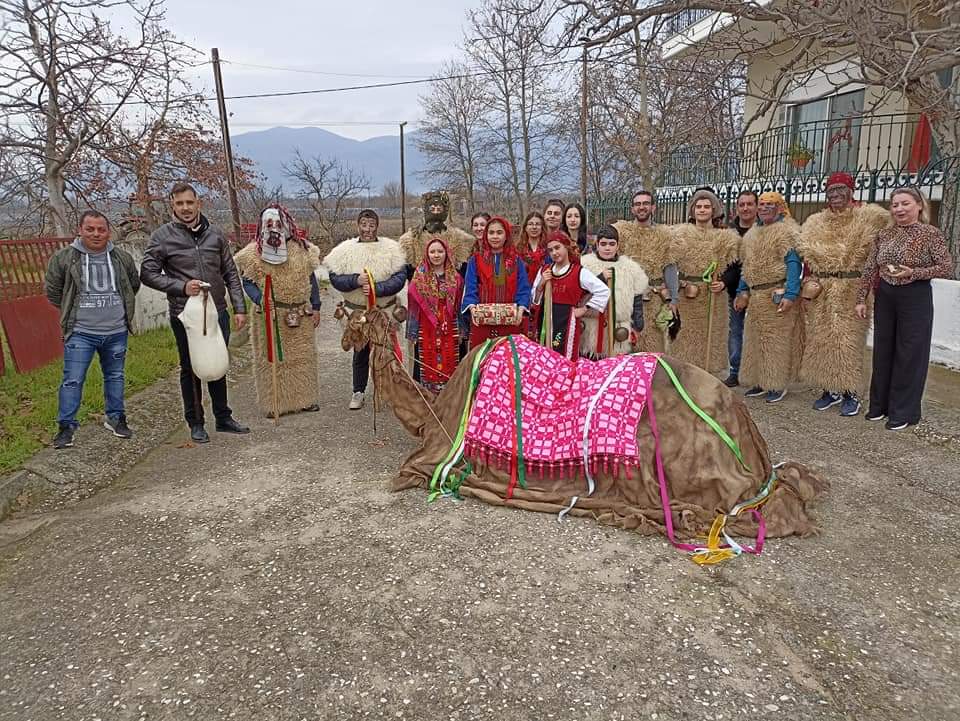
In Nea Adriani in October, the month of sowing, the custom of the Kamila (Camel) or Tzamala is performed. An improvised troupe with the effigy of a camel re-enacts the contest between the old man and the young man, who both claim the beautiful Gadina, the symbol of life. After the old man is killed, the victorious young man is united with Gadina. The Roma in the Alan Kuyu district of Komotini call the performance Devava.

During the Twelve Days of Christmas, troupes of masqueraders and agermoi, customary visits to homes with festive songs, magically convey the wish for a happy new year.

At Christmas, the Sarakatsaniko Konaki (Sarakatsan Hut) is set up by the Cultural Association of Sarakatsani of Thrace in the main square of Komotini. Delicacies are offered, dances are performed and the custom of lambs and goats is revived. Young children with wishes and carols place kermes oak branches on the fire, their crackling promising to make the coming year a good one and to “make the sheep bleat”.

Αίγερος, η Καμήλα, ο Ντιβιτζής και οι παππούκες, φωτ. Εφημερίδα «Ο Χρόνος» Κομοτηνής/ Aigeiros, Camel, Divitzis, and the Pappoukes, photo: “O Chronos” Newspaper of Komotini
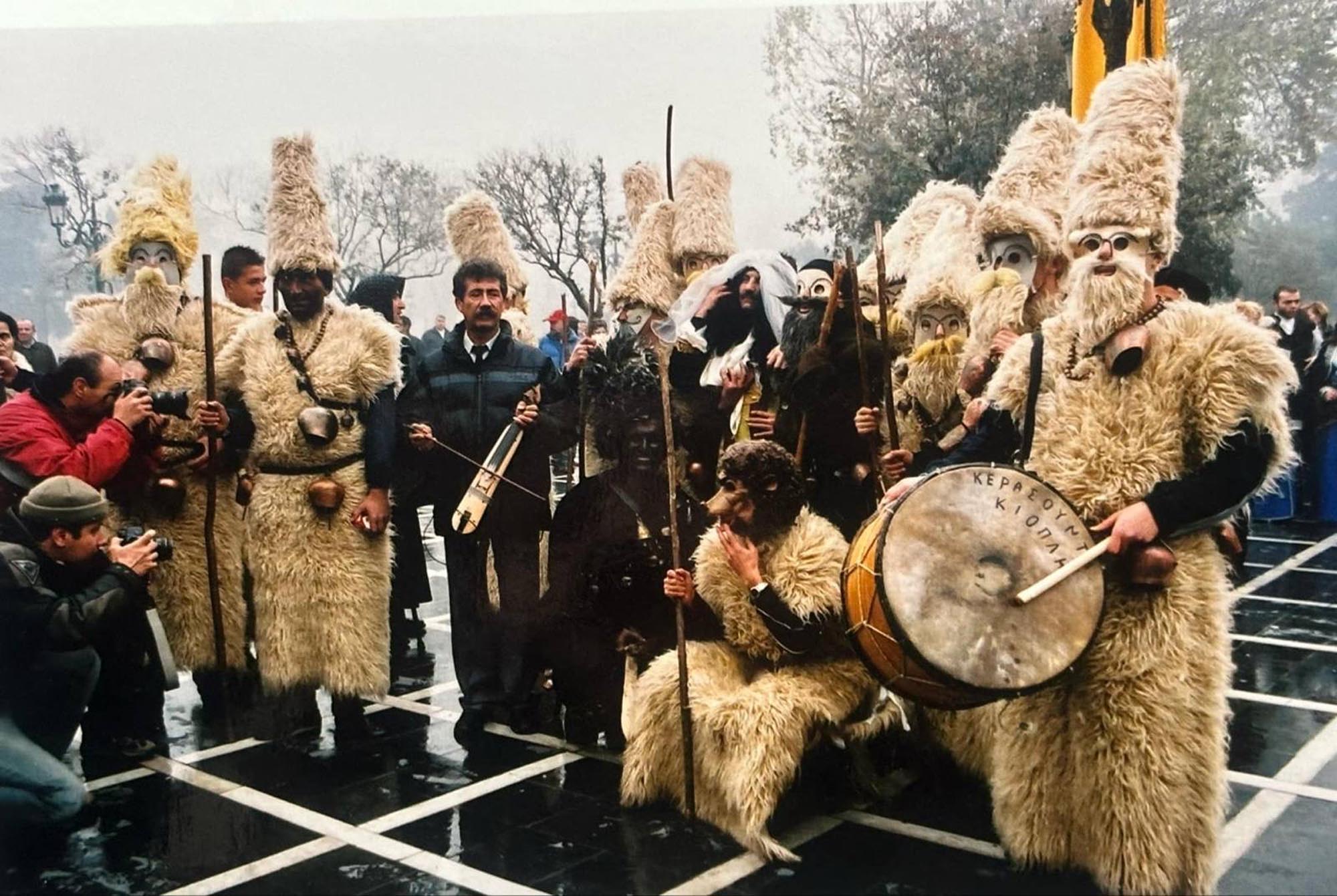
Θρυλόριο, αναβίωση των Μωμόγερων από τον «Πολιτιστικό Σύλλογο Ποντίων Θρυλορίου η Κερασούντα και το Γαρς», φωτ. Δήμος Κομοτηνής/ Thrylorio, revival of Momogeroi by the the Pontian Cultural Association of Thrylorio “Kerasounda and Gars”, photo: Municipality of Komotini

On New Year’s Eve in Komotini, the Kamiles and Divitzides (Camels and Camel-drivers) custom of Eastern Rumelia is revived, the protagonists being the divitzis, the camel-driver, and his companions, the pappoukes, who make a noise by clanging their bells (see entry on Alexandroupolis).

On the same day, in Thrylorio, the Momogeroi, Momoeroi or Momogeria (“mummers” – like the English word, the term is probably derived from Momus, the god of laughter and satire), a tradition of the Pontic Greeks of the Black Sea region, go from house to house to the accompaniment of the lyre, bagpipes and daouli drum. The protagonists are old Kiti Gotsa, the old year, with hump, mask and bells; the twelve Momogeria for the twelve months of the year; the arapis (“black man”, from the Turkish arap), symbolising the new year, with soot-blackened face, bells and swords; and the bride, who is claimed by the arapis.

On the eve of Epiphany, in Askites, the Cappadocian Saya custom is revived, with a ritual dance around a bonfire. The fire is a purifying element, while the direction of the smoke presages a good harvest.
The bond between the inhabitants of Thrace and the sacred grape vine is an ancient one. In Messouni, Rhodope, on the first of February, St Tryphon, the patron saint of vegetation and vine-growers, is celebrated with great pomp.

On Meatfare Sunday (the second Sunday before Lent), in Neo Sidirochori, two processions, the Seimenides in fustanelles (men’s traditional pleated skirts) and the Piterades in old clothes with painted faces, roam the village provoking laughter and merriment. The custom comes from Eastern Thrace. In Sapes, the carnival events organised by the Municipality culminate on the last Sunday of Carnival with the parade of masqueraders and floats.

A harbinger of spring is the Chelidonismata (“swallow songs”), sung by children holding a wooden swallow. The event is organised in Komotini by the Byzantine Fortress Association, while the custom is also revived in Xanthi, Alexandroupolis and Drama.

The spring customs culminate at Easter. On Lazarus Saturday (the feast before Palm Sunday, celebrating the raising of Lazarus), the songs of the Rubana and Lazarines customs highlight the connection between the Christian calendar and the rebirth of nature in the spring. In the past, girls in elaborate dress, led by the nouna, went singing around the houses. Today, these customs are revived in Komotini and elsewhere in Thrace on the initiative of local associations.

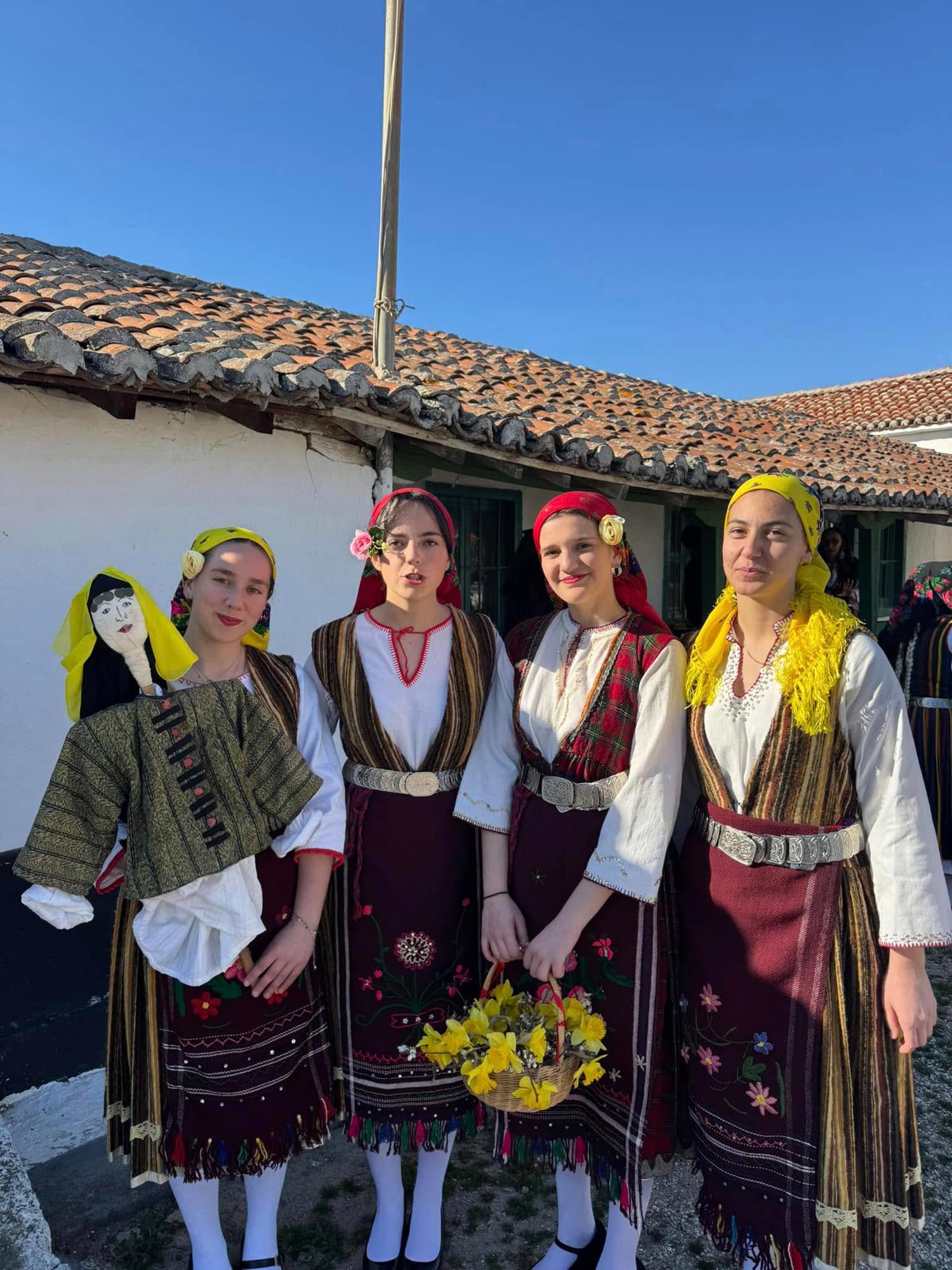
On 24 June, St John’s Day, the custom of the Klidonas is revived in the open-air traditional museum settlement of the Sarakatsani of Thrace, on the eastern shores of Lake Vistonis. Unmarried girls pick flowers, tie their ring to them and place them in a copper jar full of water in order to predict who will marry first. Similar divination rituals are revived on the same day with slight variations and various names in other villages of Thrace by local associations.

Παραδημή, το έθιμο της Ρουμπάνας, φωτ. Δήμος Κομοτηνής/ Paradimi, Rubana custom, photo: Municipality of Komotini

Feasts and festivals

An important arts institution of Komotini is the Municipal and Regional Theatre. Cultural events such as book presentations, reading and stage reading evenings at the Leschi Komotinaion (Komotini Club) café, an important landmark of Komotini, are also a major attraction for residents and visitors to Rhodope.

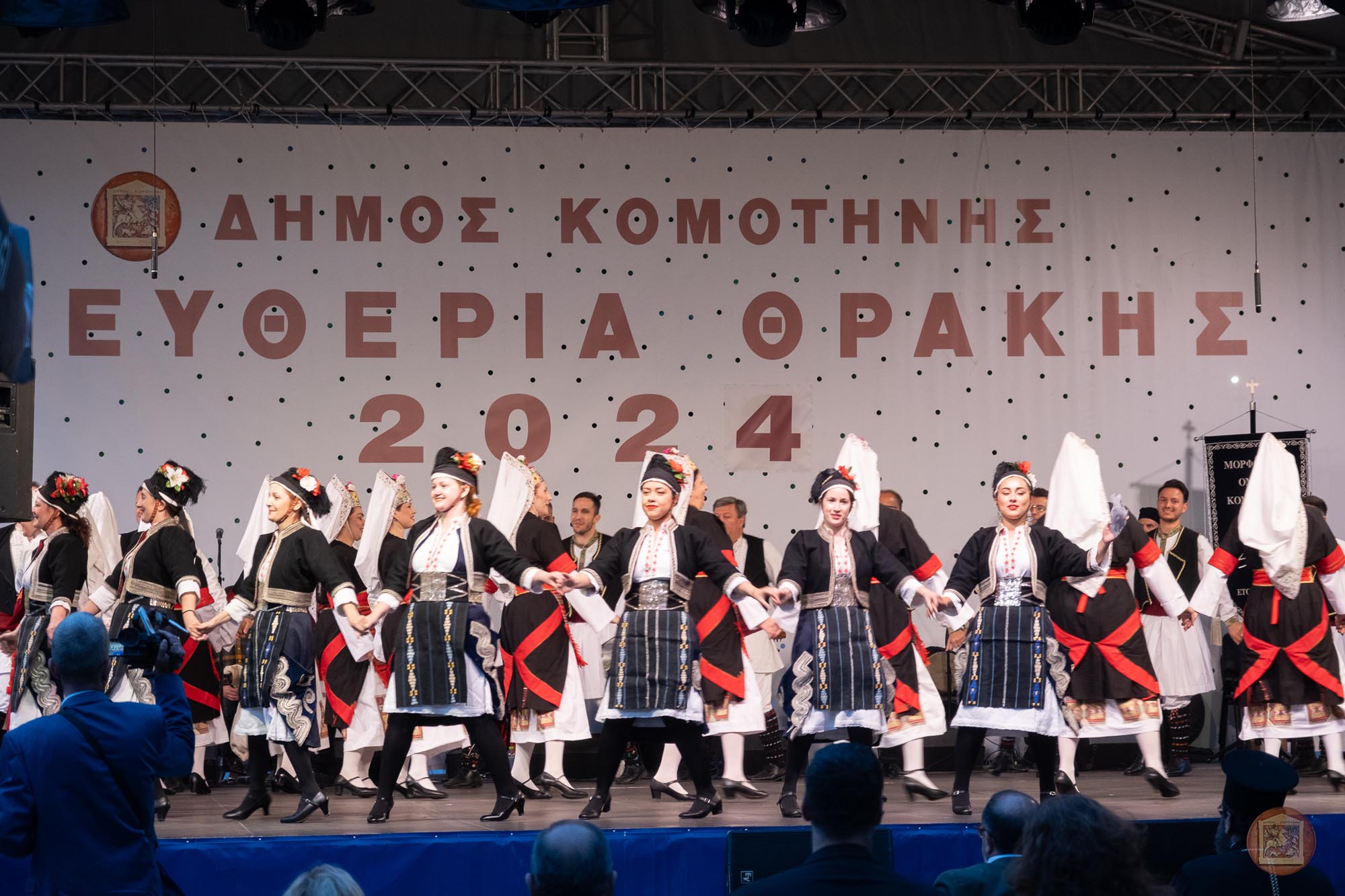
The Eleutheria of Thrace festival is held in May in Komotini to commemorate the incorporation of Thrace into the Greek State. The programme includes a wealth of musical, dancing, theatrical and other cultural events.

Κομοτηνή, «Ελευθέρια» Θράκης, φωτ. Δήμος Κομοτηνής/ Komotini, Eleutheria of Thrace festival, photo: Municipality of Komotini
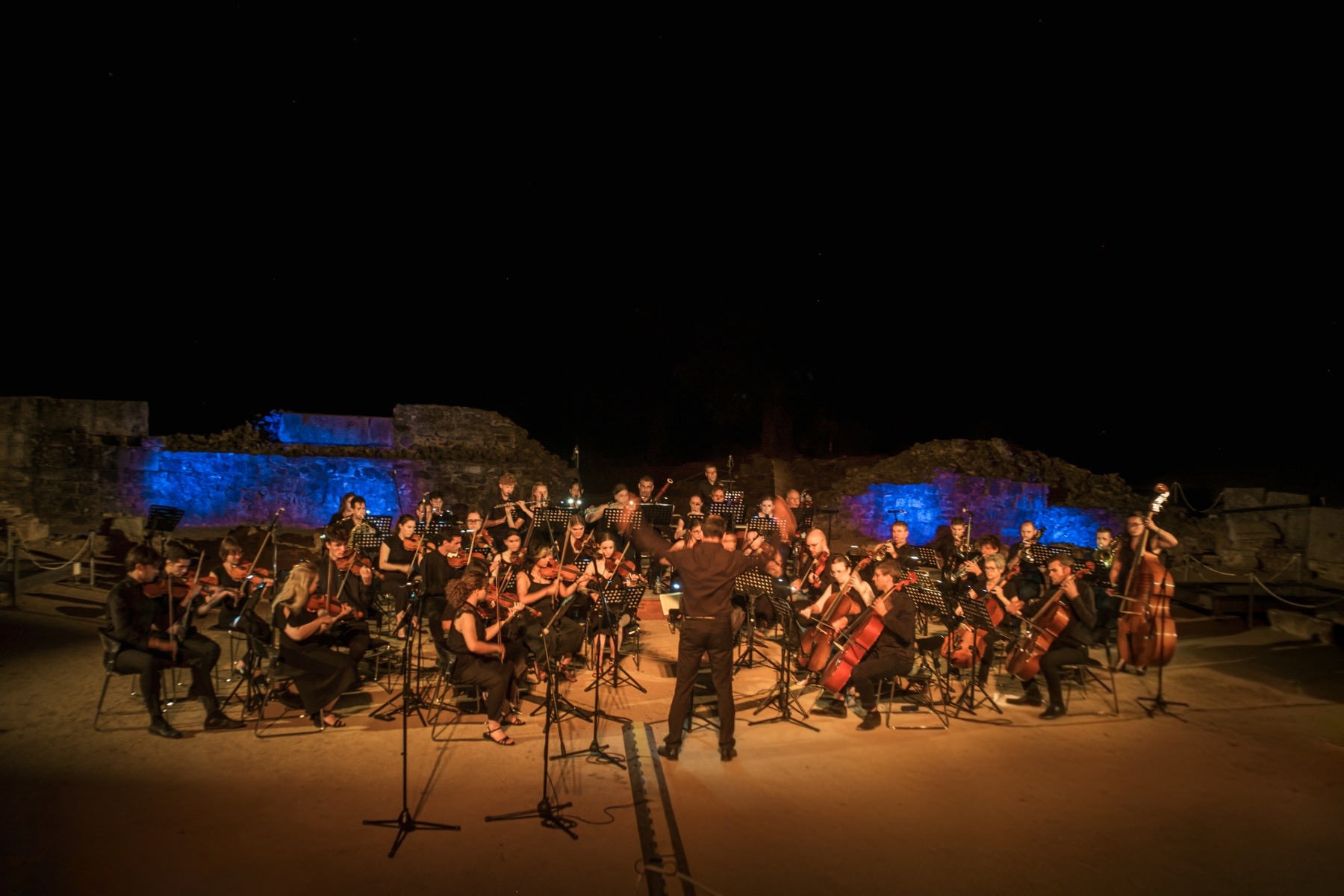
Αρχαίο θέατρο Μαρώνειας, συναυλία της Φιλαρμονικής Ορχήστρας των Φοιτητών του Πανεπιστημίου της Τυβίγγης (2025), φωτ. Δήμος Μαρώνειας-Σαπών/ Ancient Theatre of Maroneia, concert by the Philharmonic Orchestra of the Students of the University of Tübingen (2025), photo: Municipality of Maroneia-Sapes

The summer Maroneia–Sapes Festival also includes a variety of similar cultural events and traditional performances, presented in open spaces including the courtyard of the Tavaniotis Mansion in the village of Maroneia and the ancient Theatre of Maroneia with the support of the Ephorate of Antiquities of Rhodope.

Summer religious festivals are always an opportunity for residents and visitors to get together. They include those of Xylagani on the Feast of the Ascension, and that of Iasmos, very close to the Egnatia Motorway, on the feast of the Prophet Elijah in July. Similar festivals of the Prophet Elijah are held in Iasio, Porpi, Palladio and Pagouria.

Other stops in the Regional Unit of Rhodope

error: