Maximianopolis/Mosynopolis

Maximianopolis/Mosynopolis, a city of strategic importance

The archaeological site of Maximianopolis/Mosynopolis is located in the northern plain of Komotini, among the tobacco fields south of Mount Papikion and the village of Mischos, 7 km west of Komotini. The city, obviously named after its founder, the Emperor Maximian (285-305 AD), seems to have replaced the ancient city of Paisoulai, called Porsulis/Porsoali in Latin. In Byzantine times, the city was renamed Mosynopolis and became, after Trajanopolis, one of the most important cities of Thrace from a military and administrative point of view.

According to the Itinerarium Burdigalense, Maximianopolis was already a station (mansio) of the Via Egnatia in Roman times. The city’s strategic position in the middle of the eastern section of the Via Egnatia, between Thessaloniki and Constantinople, 250 and 340 km distant respectively, was key to its prosperity. Maximianopolis/Mosynopolis was also located at the entrance to the mountain pass of Rhodope, of great military importance, which connected Thrace to the great plain of Philippopolis. Twelve Roman miles (20 km) west of the city was another important changing station station (mutatio) of the Via Egnatia called Stabulo Diomedis (Diomedes’ Stables), which is identified as Anastasiopolis/Peritheorion.

History

Little is known about the city’s history in ancient and Early Christian times. In the Synecdemus of Hierocles, written shortly before 535 AD, it is listed among the seven cities of the Province of Rhodope. The historian Procopius mentions it as one of the cities whose walls were repaired by the Emperor Justinian (527-565 AD). In ecclesiastical sources of the Early Christian period, it is referred to as an episcopal see subject to the metropolitan see of Trajanopolis.

From the 9th century onwards, the city begins to appear more frequently in written sources under its new name, Mosynopolis. During the Byzantine period, it became the seat of the Theme of Voleron, an administrative district corresponding to the present-day Regional Units of Xanthi and Rhodope. The city was used as a base by Emperor Basil II Boulgaroktonos (the Bulgar-Slayer) (976-1025) in his wars against the Bulgars. A few years later, Emperor Michael IV the Paphlagonian (1034-1041) camped in Mosynopolis in order to counter the Bulgarian Delyan, who had been proclaimed tsar, and his cousin  Alusian. In 1083, the “castle of Mosynopolis” is mentioned in the Typikon of the Monastery of the Theotokos Petritzonissa in Bačkovo, Bulgaria, among the places where the monastery owned property. In the “bandon of Mosynopolis”, a subdivision of the Theme of Voleron, the monastery owned “farms, dwellings, a courtyard” and “houses” within the castle, as well as churches and monasteries in the wider area. In the same year, the Emperor Alexios I Komnenos (1081-1118) camped in the town, arresting the followers of the Paulician heresy who had deserted from the Byzantine army during the war against the Normans. The historian Niketas Choniates often refers to Mosynopolis in the context of the war between the Byzantines and the Normans, who briefly captured the city in 1185. He describes the fortifications and a bathhouse which was used by the emperors when they stayed here during their campaigns.

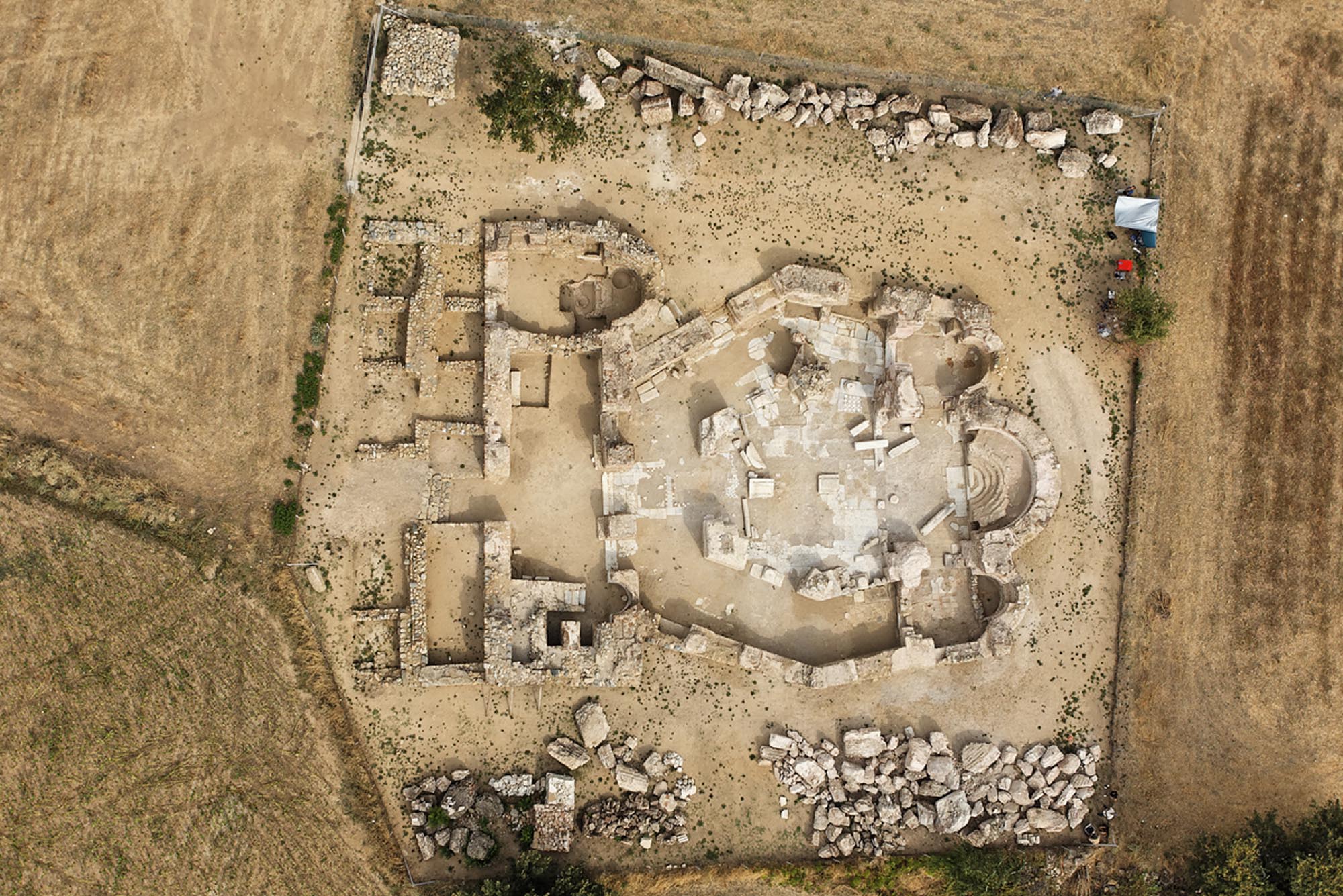
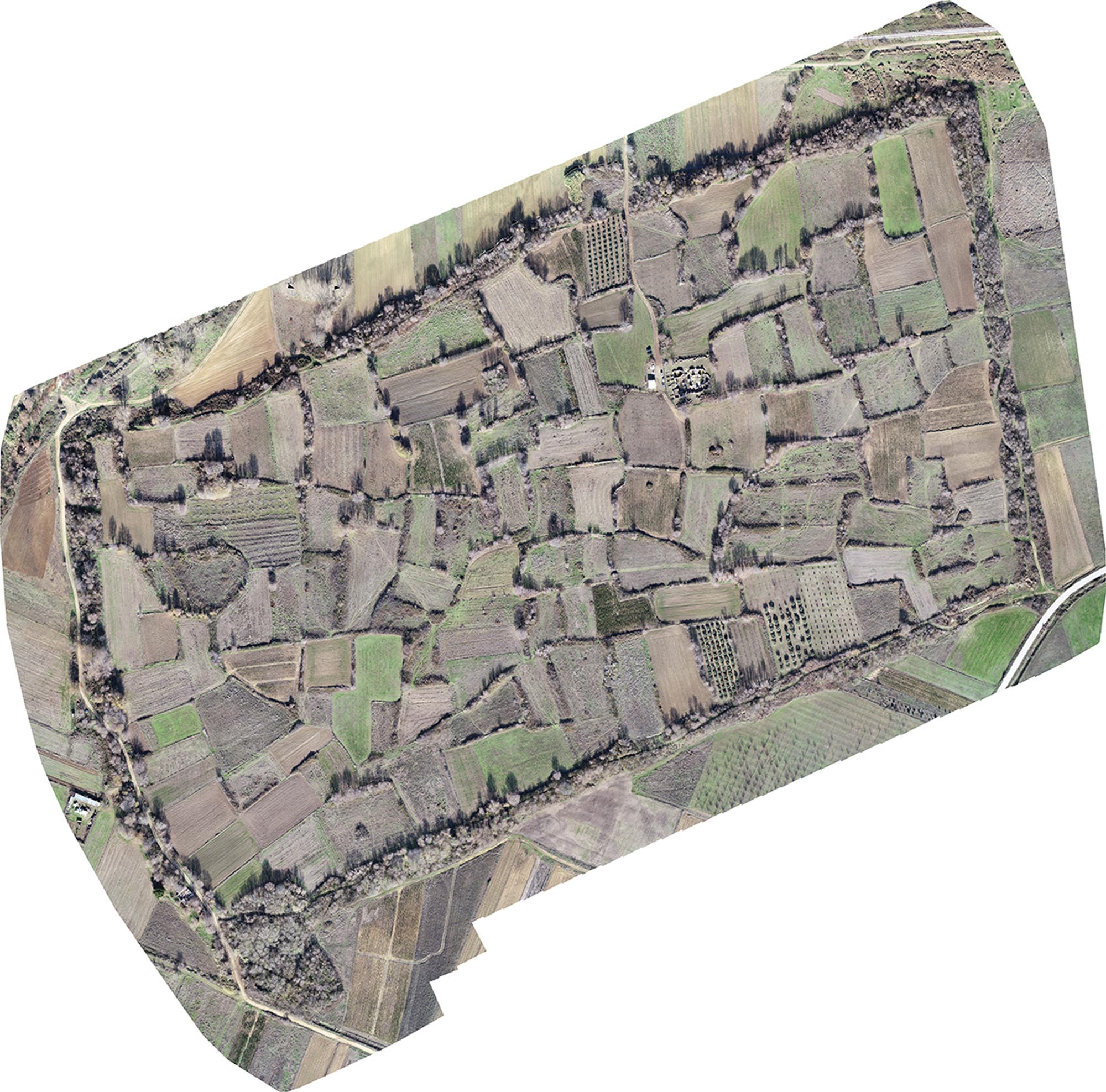
Oρθοφωτογραφία του αρχαιολογικού χώρου της Μαξιμιανούπολης, φωτ. ΕΦΑ Ροδόπης / Orthophotograph of the archaeological site of Maximianopolis, photo: Ephorate of Antiquities of Rhodope
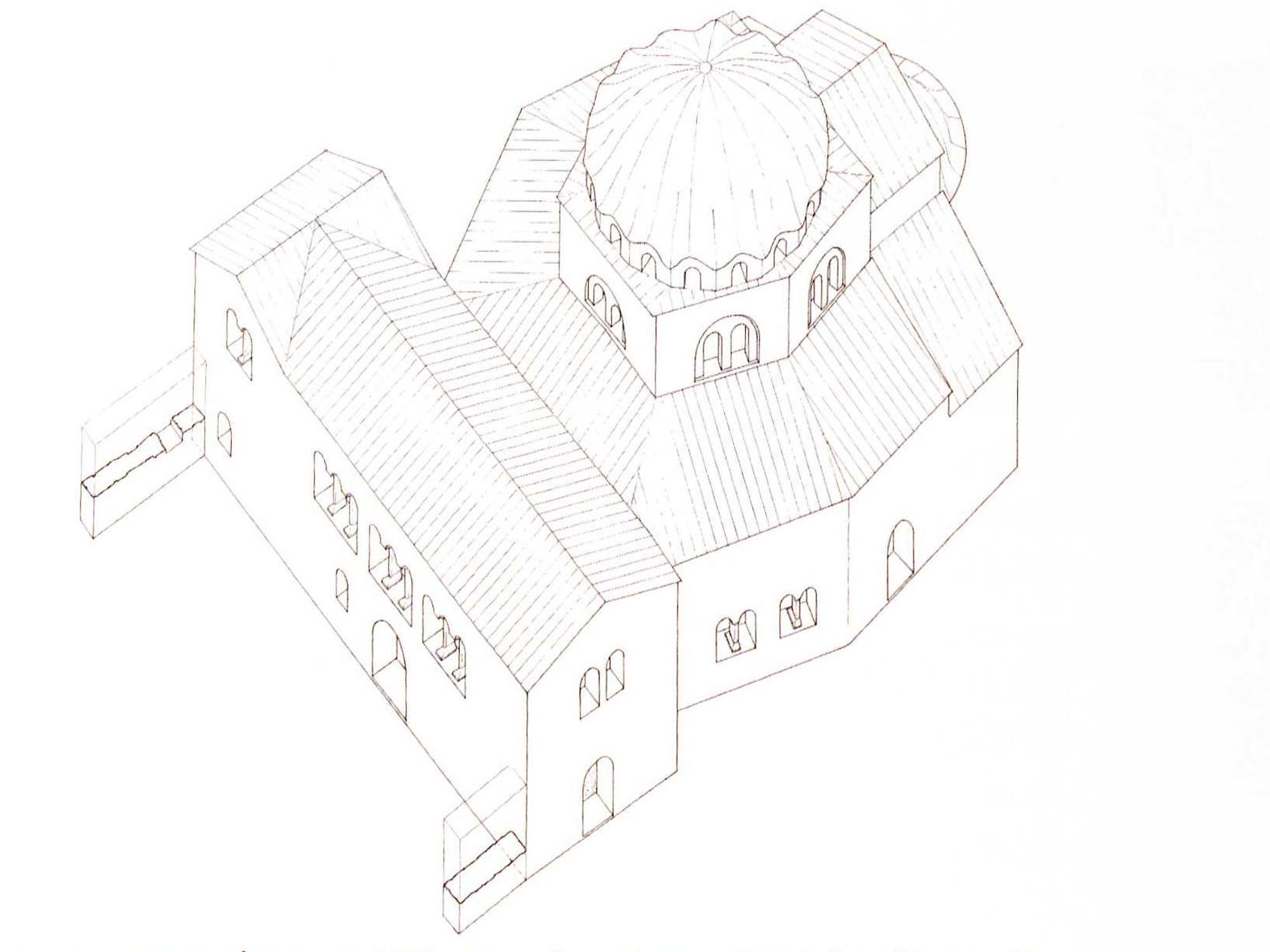
Σχεδιαστική αναπαράσταση του περίκεντρου επισκοπικού ναού. Φωτ. Ν. Ζήκος, “Μαξιμιανούπολις - Μοσυνούπολις: Ανασκαφή περίκεντρου ναού”, Καβάλα 2008, σχ. 6 / Reconstruction of the centrally-plan domed episcopal church. Photo: Ν. Ζήκος, “Μαξιμιανούπολις - Μοσυνουπολις: Ανασκαφή περίκενρου ναού”, Kavala 2008, drw. 6

A little later, in 1204, on the division of the territories of the Byzantine Empire among the forces of the Fourth Crusade, Mosynopolis was ceded to Geoffrey of Villehardouin. In 1205/6, the city was destroyed during raids by the Bulgarian ruler Kalojan (Iaonnitza or “Skyloioannes”). In 1224, it was recaptured by the ruler of the Despotate of Epirus, Theodore Komnenos Doukas (1215-1230). In 1242, the Emperor of Nicaea, John III Vatatzes (1222-1254) conquered the whole region of Thrace and the region of Macedonia up to the Castle of Rentina without a fight. The city then remained under Byzantine rule.

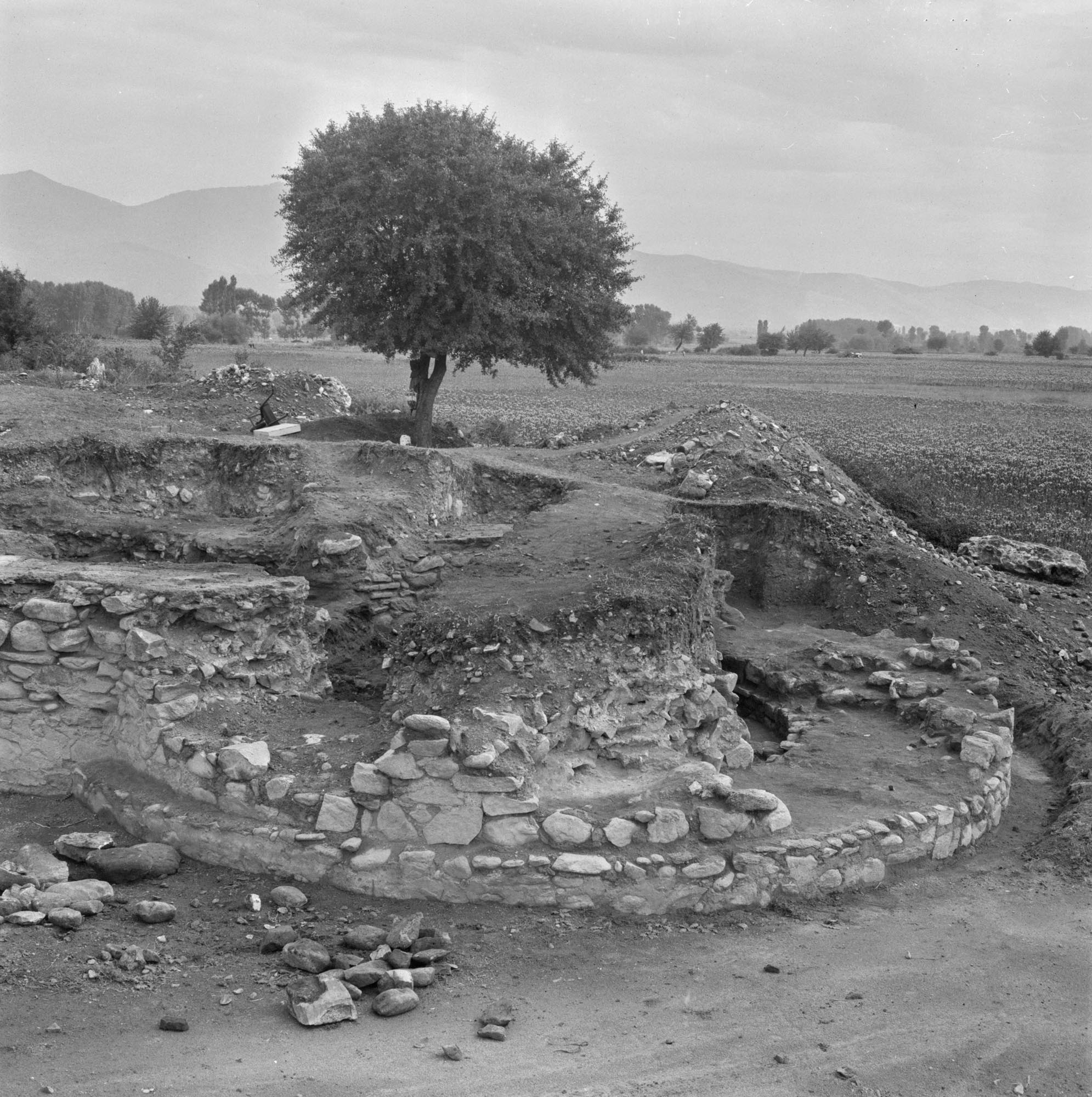
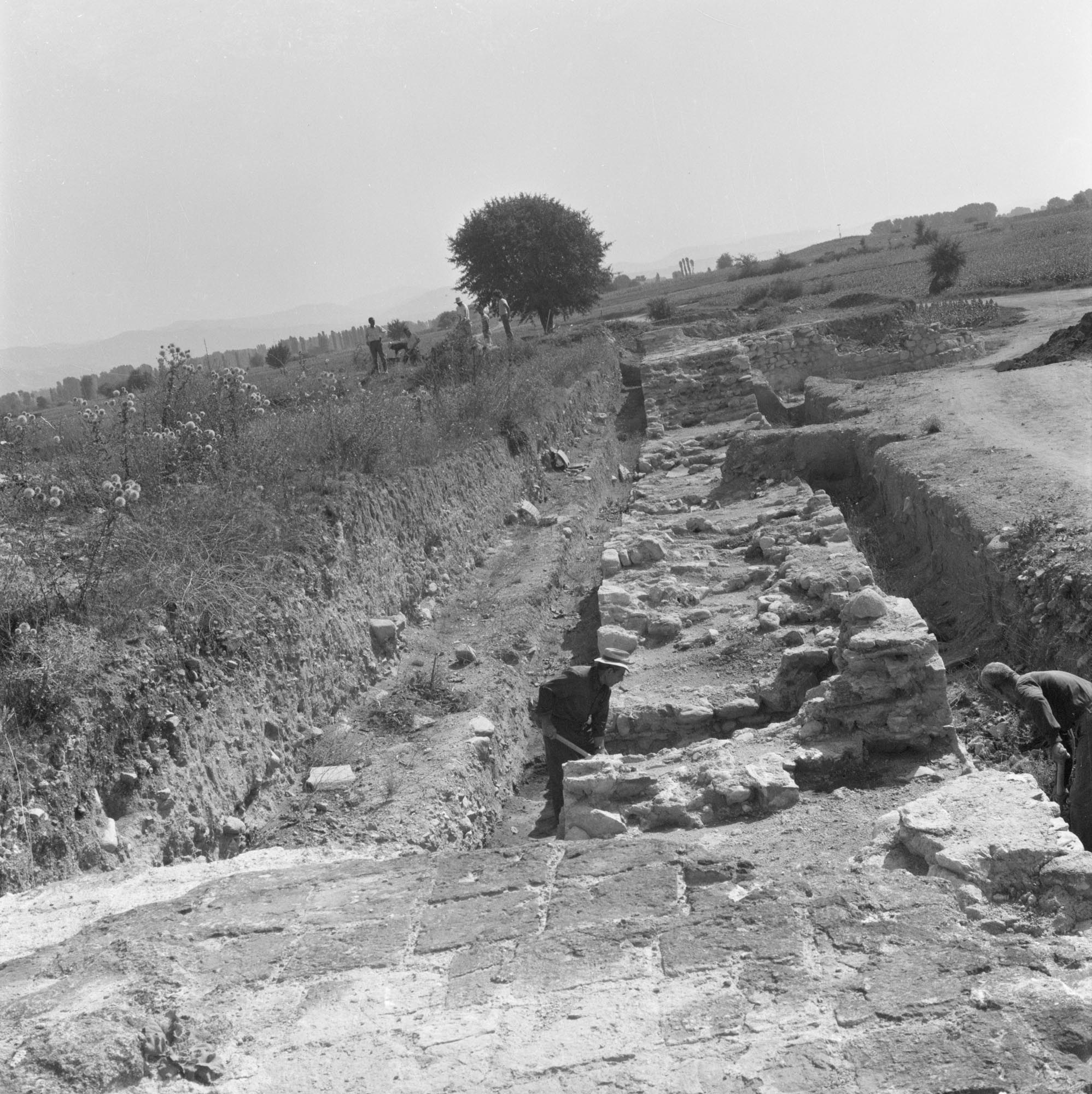
Τμήμα του τείχους κατά την ανασκαφή του 1975/1976, φωτ. ΕΦΑ Ροδόπης / Section of the wall during the 1975/1976 excavation, photo: Ephorate of Antiquities of Rhodope

However, the military conflicts that followed in the 13th century and culminated in the 14th, due to Byzantine civil strife, gradually led to the decline of Mosynopolis. The role it had played in the region in the past was taken over by the nearby castle-cities of Gratianopolis and Koumoutzena (present-day Komotini). The complete decline that followed is reflected in the description of the Emperor John VI Kantakouzenos, who in 1343 described it as “ruined for many years”. A patriarchal synodal act of 1353 states that the town had few inhabitants and lacked the resources to remain an episcopal see. From the mid-14th century onwards, Thrace gradually fell into the hands of the Ottomans, who completed their conquest of the region shortly after the Battle of Marica in 1371. The city, renamed Messine Kale in Ottoman times, is referred to in the sources as being uninhabited and ruined.

Monuments - Antiquities

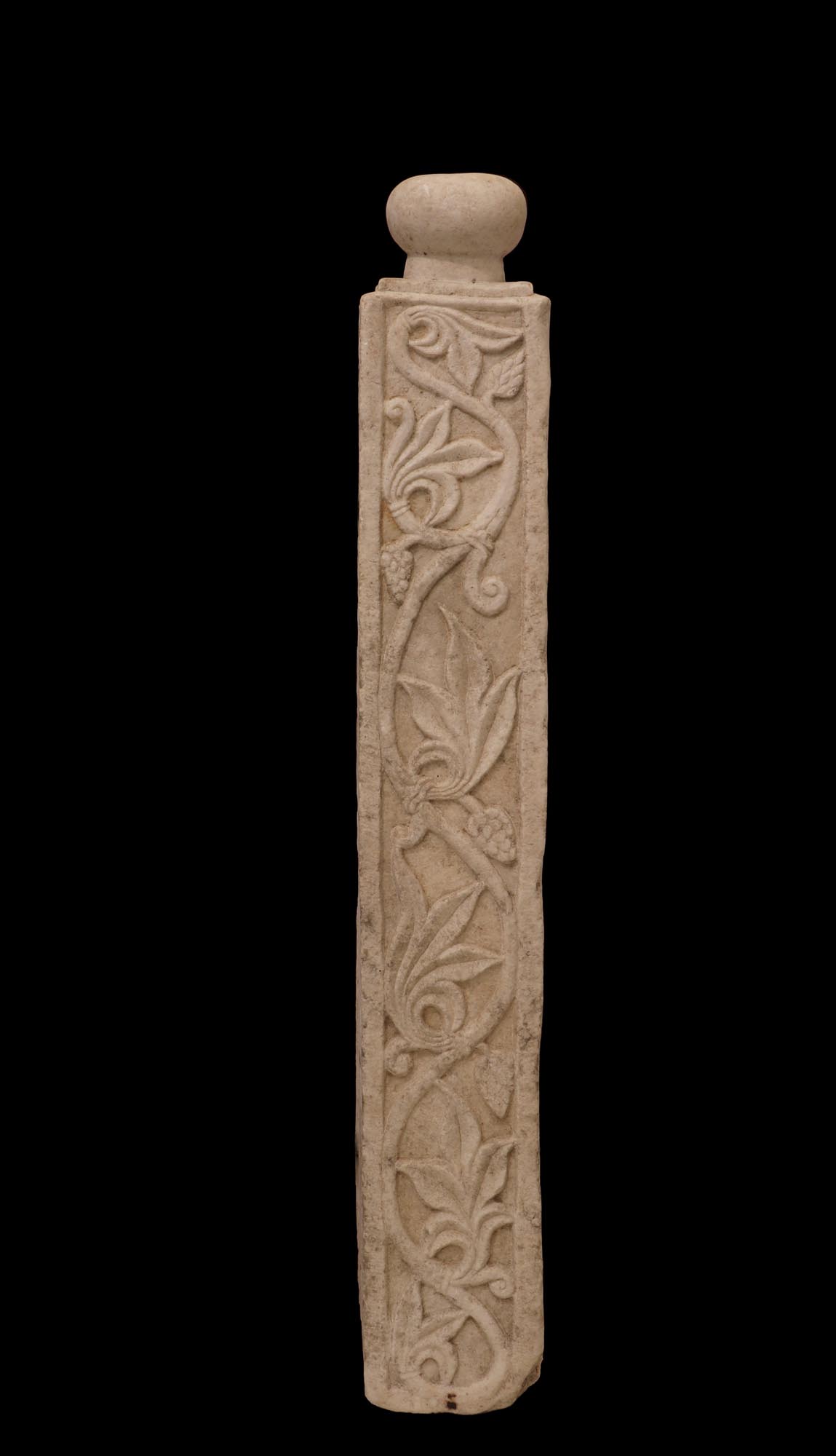
The area occupied by the once-thriving city has not been explored in its entirety, with the exception of some limited excavation work. Part of the city aqueduct and the Early Christian cemetery has been uncovered near the northeast side of the fortifications. The Archaeological Museum of Komotini and the Byzantine Museum of Didymoteicho also have a collection of architectural sculpturesof the Early Christian and Byzantine periods found in the archaeological site.

Fortifications
Τμήμα του τείχους κατά την ανασκαφή του 1975/1976, φωτ. ΕΦΑ Ροδόπης / Section of the wall during the 1975/1976 excavation, photo: Ephorate of Antiquities of Rhodope

Only some parts of the city walls are visible: they are preserved to a low height or have come to light in excavations. The enceinte is dated to the reign of Maximian (285-305 AD) and the Early Christian period. It is believed to have been rectangular in plan, 2,500-3,000 m long, and to have enclosed an area of about 40 hectares, making it one of the largest fortifications not only in Thrace but also in the wider region of Macedonia. The fortifications were reinforced at intervals with quadrilateral towers, and with a rampart at least on the east side.

Within the walls, the excavation has brought to light the remains of a large, central-plan domed church, one of the most important ecclesiastical monuments of Thrace. The church has an external hexagonal shape, with a tripartite sanctuary and a narthex. The nave was once covered by a large dome, 8.50 m in diameter. The baptistery is attached to the north side of the narthex. The size of the church, its elaborate masonry and its not particularly common architectural type indicate that it was the episcopal church of the city. Three building phases can be identified: the church was probably built in the Early Christian era, underwent extensive remodelling in the second half of the 11th century, and was subjected to less extensive alterations in the first half of the 13th century. Some scholars believe, however that the church mainly dates from the second half of the 11th century and that building material from an earlier Early Christian church on the same or a nearby site was used in its construction. The donor Constantine, who is mentioned in an inscription on a marble lintel of the second half of the 11th century which was collected from the site of Mosynopolis and is now housed in the Archaeological Museum of Komotini, has been associated with the construction of the church.

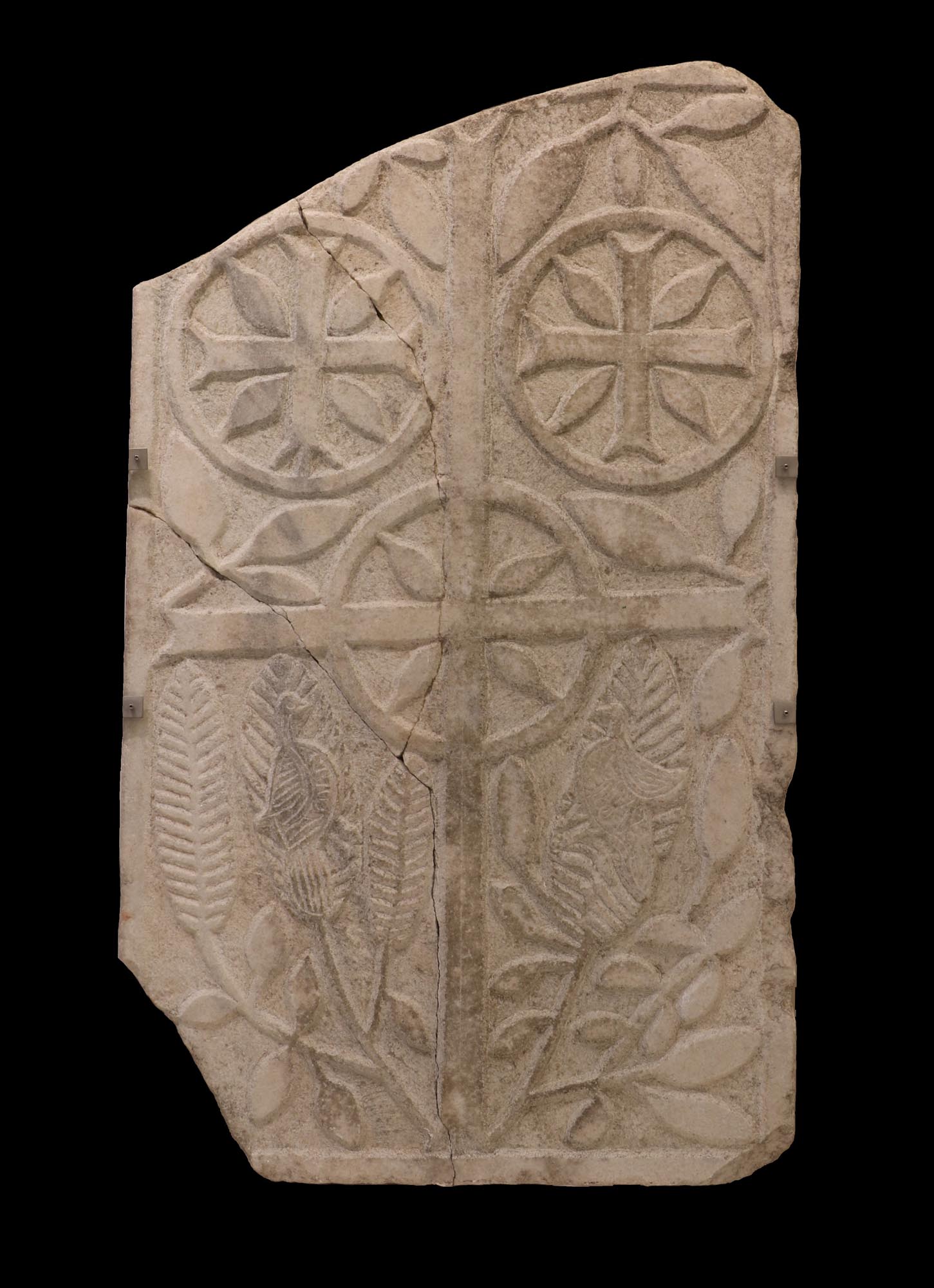
The church originally had a marble floor, some parts of which were repaired during the 12th century. That was when new rectangular screens were placed on the original floor, framed in either opus sectile (marble inlay) or mosaic. The screen in front of the Sanctuary Gate is decorated with the popular theme of the “Five Loaves”. Notable marble sculptures were recovered during the excavation, including parts of the templon and pulpit. Eight tombs were discovered inside the church, one of which, near the prothesis, is in the form of a particularly elaborate arcosolium. On the drum of the arcosolium is depicted the Deesis, which is largely destroyed. According to the barely legible inscription accompanying it, the tomb belonged to a bishop of Mosynopolis, possibly named Theophylactos. Remains of frescoes dating from the late 11th to the first quarter of the 12th century are also preserved in various other parts of the church. In the area surrounding the church, two long, narrow buildings were revealed, the first built in the 12th and the second in the early 13th century, after the abandonment or destruction of the church. The movable finds from the two spaces include a considerable number of glazed clay vessels of the first half of the 13th century, with common characteristics in terms of clay fabric, shape and decoration, indicating that they were made by a local pottery workshop based in Mosynopolis. Numerous cylindrical firing rods and the pottery kiln of this local workshop were found a short distance from the church.


Other stops in the Regional Unit of Rodopi

error: