Komotini

Komotini, a crossroads of civilisations

Komotini, the capital of the Regional Unit of Rhodope and the seat of the administrative Region of Eastern Macedonia and Thrace, is an important economic and cultural centre of Thrace today, with a Christian and Muslim population. The city was a station of the Via Egnatia since Roman times. Built in a key geographical position, in the north of the plain of Komotini, where the Via Egnatia crossed roads and passes leading to the hinterland of Thrace through the Rhodope range, it served as a military base for the protection and control of the region. Traces of the route of the Via Egnatia have been discovered 6 km east of Komotini, near the modern village of Roditis. At this point it runs parallel to the Komotini–Alexandroupolis national highway, approximately 2.4 km to the south.

            The passage of the Via Egnatia through Komotini is confirmed by three milestones found recently during the excavation of building foundations. They date from the late 2nd to shortly after the mid-3rd century AD and are votive inscriptions dedicated by the city of Topeiros to the Emperors Septimius Severus (198-211 AD), Gordian III (238-244 AD), and Trajan Decius together with Valerian (249-260 AD). The three milestones confirm that the Via Egnatia passed through Komotini during the Roman period, and are also important evidence for determining the territory of of Topeiros an important ancient city on the Nestos River, which extended eastward at least as far as the present-day area of Komotini.

History

The beginning of the history of Komotini is unknown. According to most scholars, its castle was built in Early Christian times, a period for which there are no further historical or archaeological data.

In the Byzantine period, Komotini was called Koumoutzena (Koumoutena) and was essentially a fortified station of the Via Egnatia. In the latter part of the period, probably after the beginning of the 13th century, when neighbouring Mosynopolis was destroyed by Bulgarian and later Turkish raids, Koumoutzena lost its original military character and a small settlement began to develop within its enceinte. Even then, however, it did not acquire the size and characteristics of a large urban centre, being described in the sources as a polichne, polisma and polichneion, all meaning “small town”. Later, in the 14th century, Koumoutzena acquired greater importance, as it seems that it was able to supply the troops passing through it. This is borne out by the fact that John VI Kantakouzenos often passed through the town. He captured it in 1343, during the Byzantine Civil War of 1341-1347, and then ceded it to his son Matthew. Probably in the spring of 1344, John Kantakouzenos was attacked by the Bulgarian warlord Momchil (Momitzilos or Momtsilos in Greek) near the ruins of neighbouring Mosynopolis and managed to escape by fleeing to Koumoutzena. In the autumn of 1345, Koumoutzena was sacked by the Ottoman Bey of Aydın Umur Pasha. In 1356 or 1357, Emperor John V Palaiologos claimed Koumoutzena from Matthew Kantakouzenos.

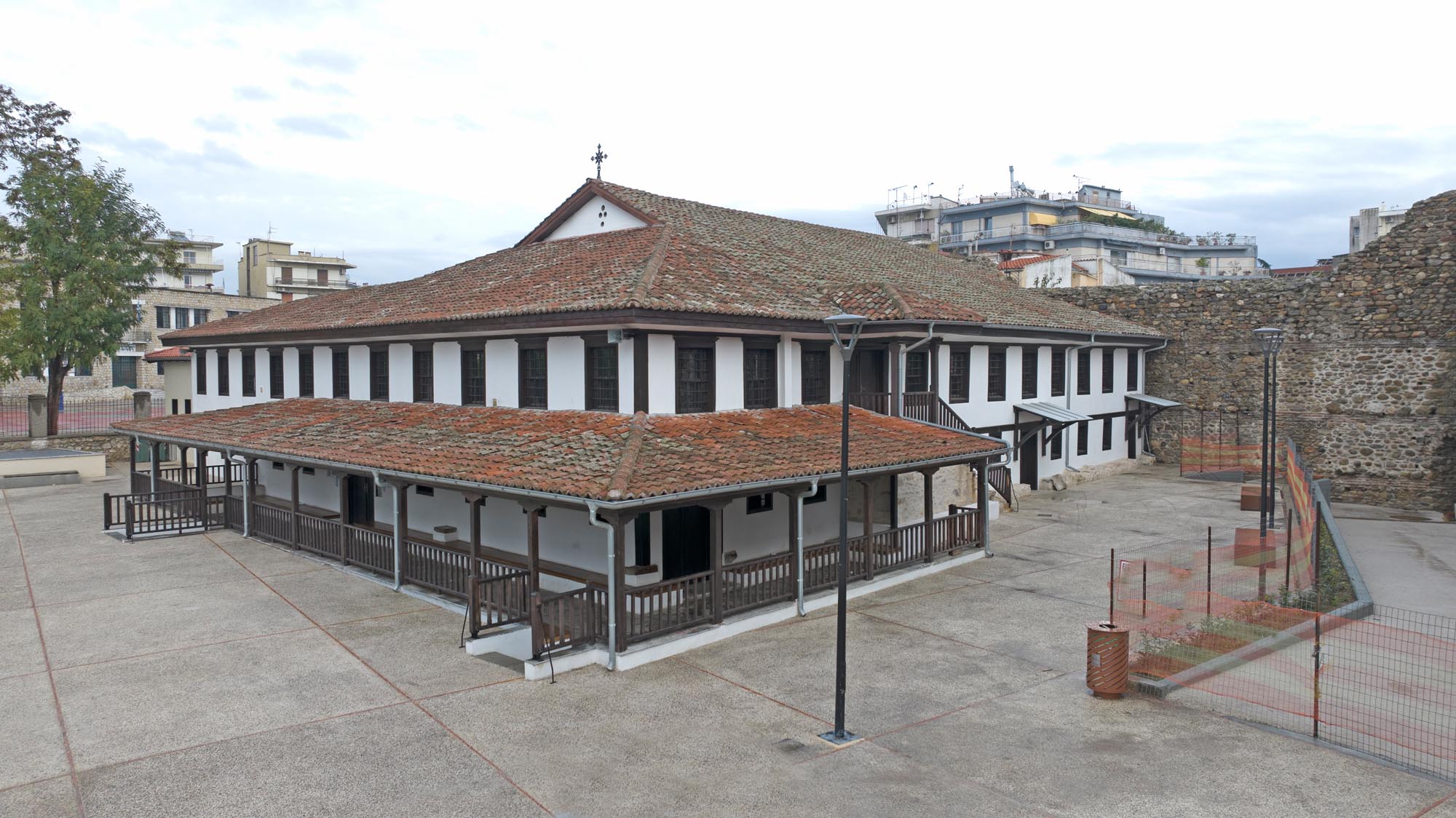
Ναός Κοίμησης της Θεοτόκου και τμήμα του βυζαντινού Κάστρου. ΔΒΜΑ, φωτ. Κ - Μ. Ξενικάκης / Church of the Dormition of the Virgin and section of the byzantine Castle. DBMA, photo: K.- M. Xenikakis
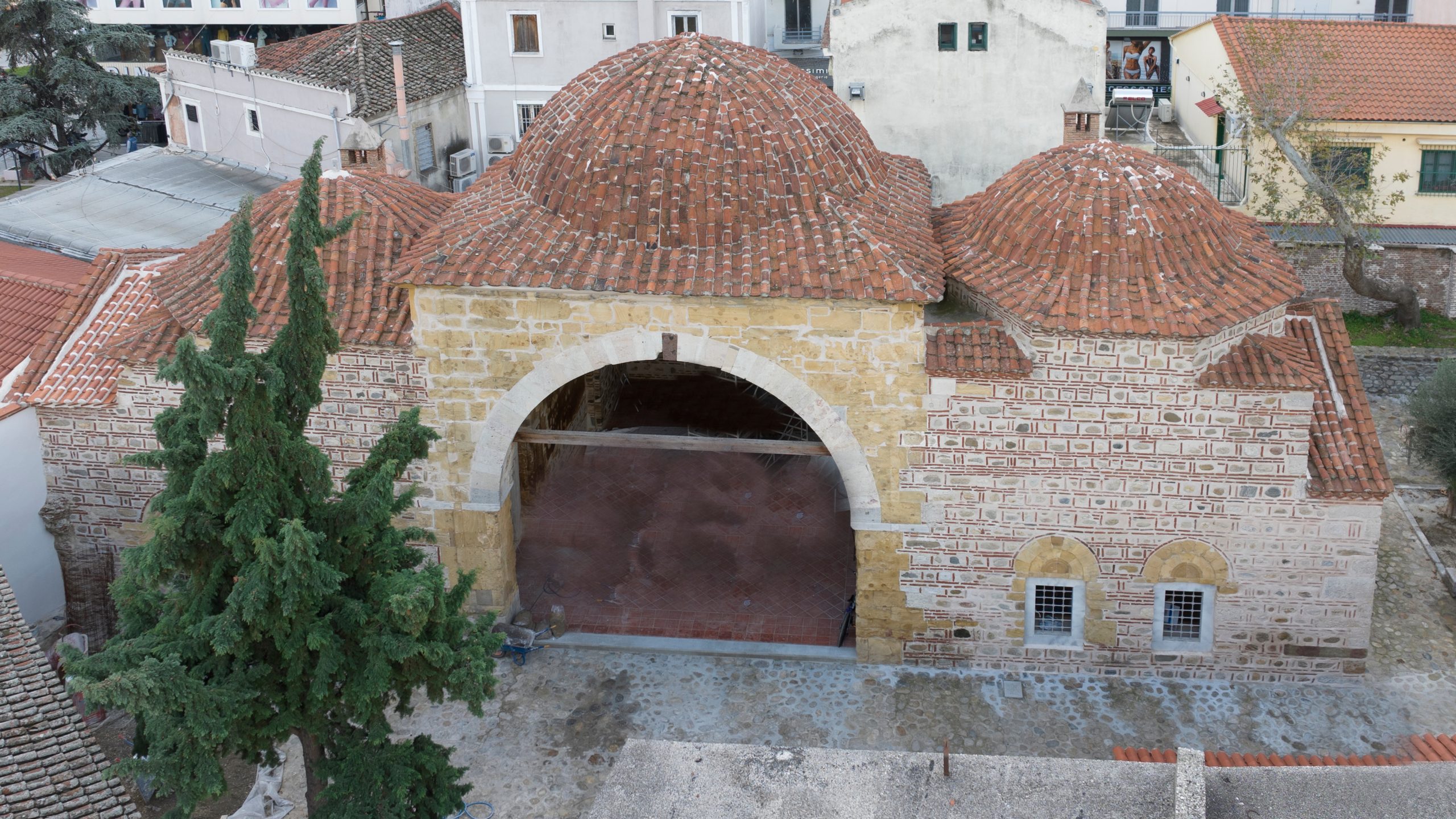
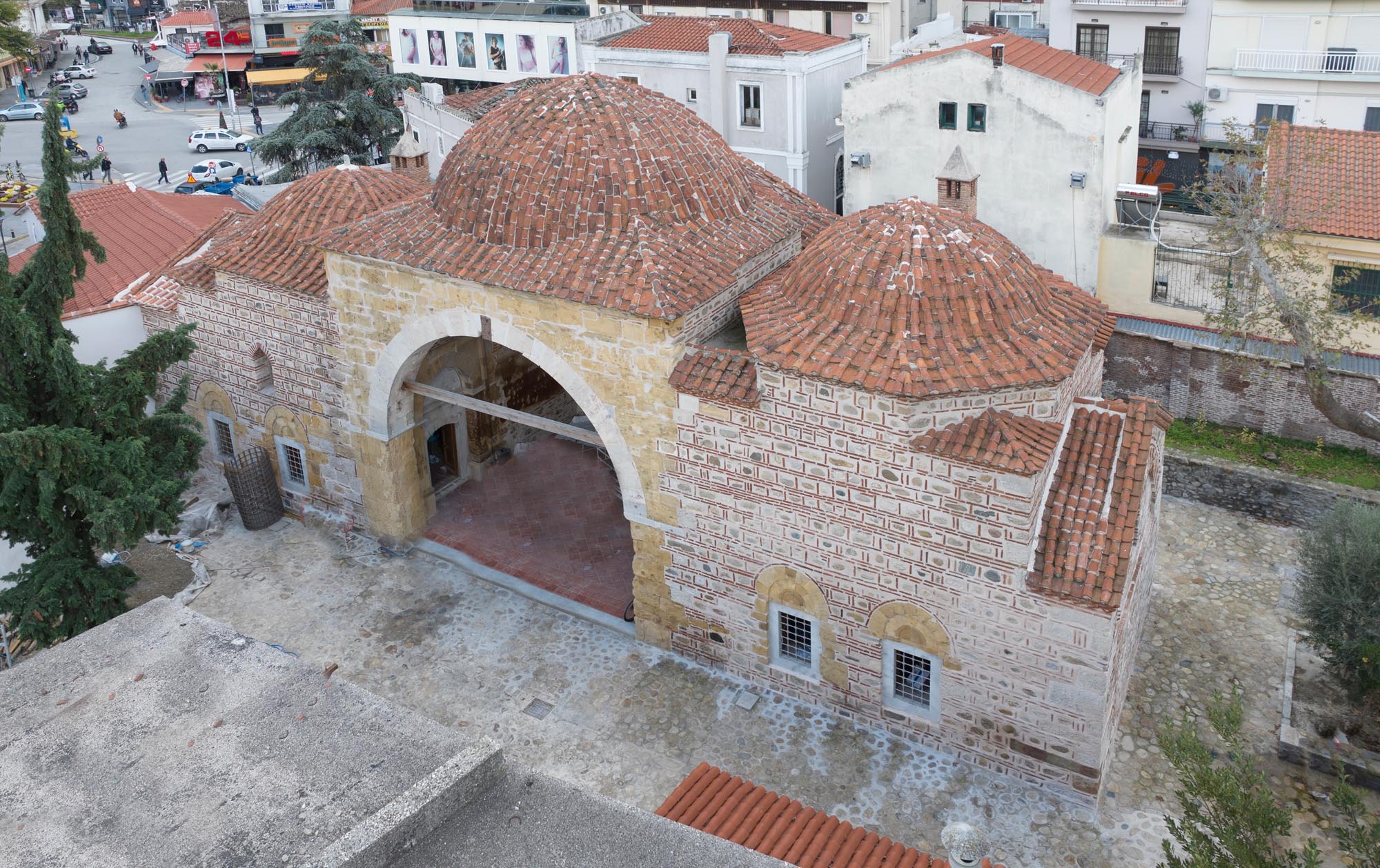
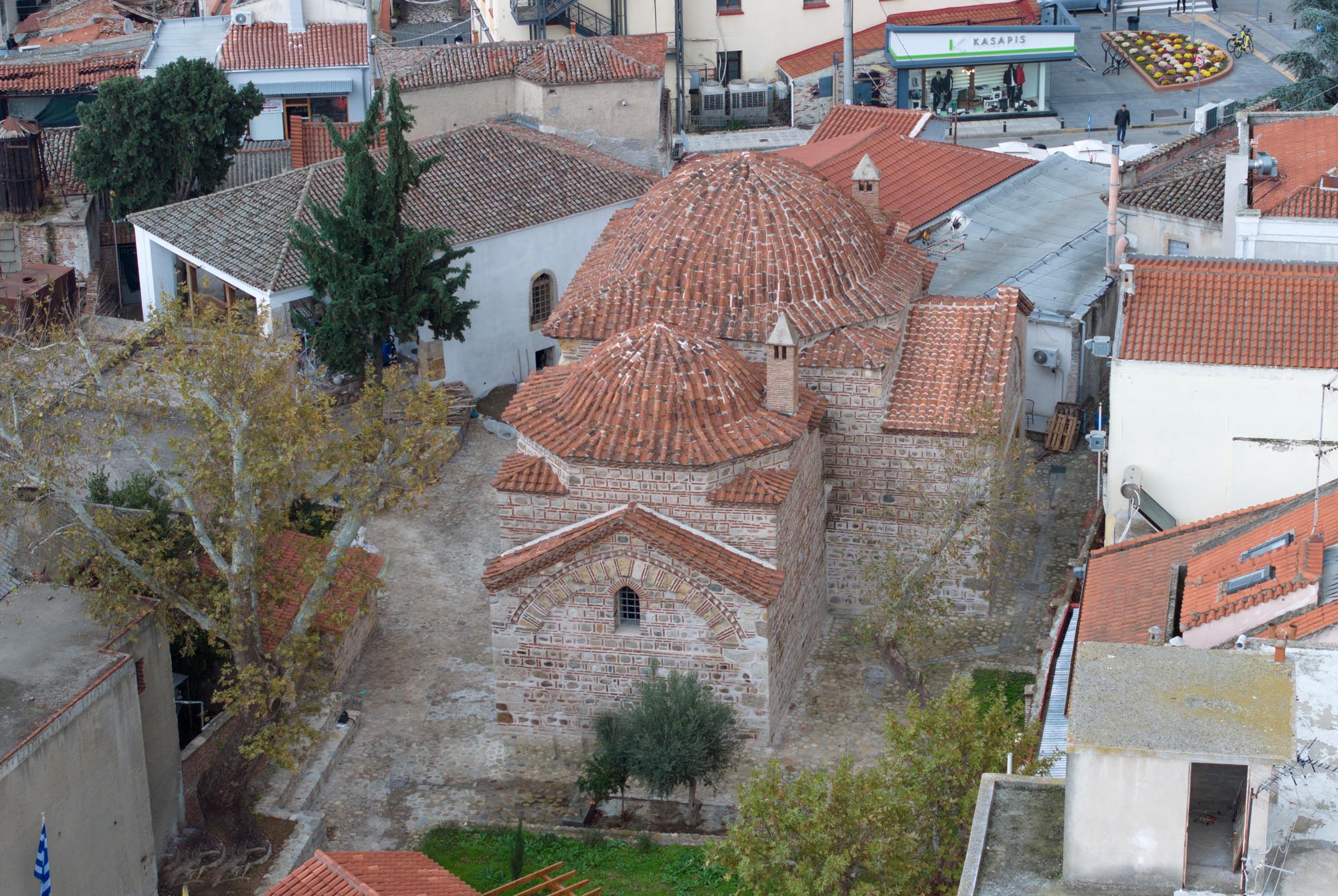
Ιμαρέτ, ΔΒΜΑ, φωτ. Κ - Μ. Ξενικάκης/ Imâret, DBMA, photo: K.- M. Xenikakis

Koumoutzena was conquered by the Ottoman Bey Gazi Evrenos, probably in the winter of 1364/5 or before the Battle of Marica in 1371 at the latest. From then on it was a base of operation for the Ottomans in their advance towards the rest of Western Thrace and Macedonia. During Ottoman times, the city was renamed Gümülcine or Gümürcine and became an important urban centre of the region. Immediately after the conquest, the Ottoman constructed their first religious and public buildings, such as the Imâret and the Eski Mosque. The castle was exclusively inhabited by the Christian and, from the 16th century, the Jewish population of the city, while the Muslim inhabitants settled in the part of the city that developed outside the castle, on the lucrative local estates. Much later, the Christian population expanded outside the castle.

From the 15th century onwards, European travellers visited the city due to its location on the Via Egnatia. For the convenience of travellers, a considerable number of caravanserais and hans operated in the city. The Venetian Lorenzo Bernardo, who visited the city in 1591, mentions three caravanserais, while in 1670s the Ottoman traveller Evliya Çelebi says that half of the castle, where only Jews lived, consisted of hans. The city had a further 17 hans outside the walls, a bedesten (covered market and storehouse for luxury goods), two public hammams and 400 shops covering every craftsman’s trade. He describes a flourishing city with 16 districts, consisting of 4,000 houses and a large number of secular and religious buildings.

In the mid-18th century, the seat of the Metropolis of Maroneia was transferred to Komotini, which is the seat of the Metropolis of Maroneia and Komotini to this day. The city enjoyed great economic growth in the second half of the 19th and the early 20th century, after being designated the seat of the Sancak of Gümülcine in 1867. Its prosperity was largely based on tobacco cultivation and the tobacco trade. The wider area had a highly developed livestock farming sector, while it also produced cereals, corn, wine, silk and roasted chick peas, for which it was famous throughout the Ottoman Empire. The mansions erected during this period reflect its economic prosperity. The Greek Community of the city established important educational institutions with the sponsorship of wealthy benefactors such as Nestor Tsanaklis, at whose expense the Tsanakleios School was built. The commercial prosperity of the city attracted residents from many regions. Thus, around 1900 the city had 2,110 households, of which 1,450 were Muslim, 500 Orthodox, 100 Jewish and 60 Armenian.

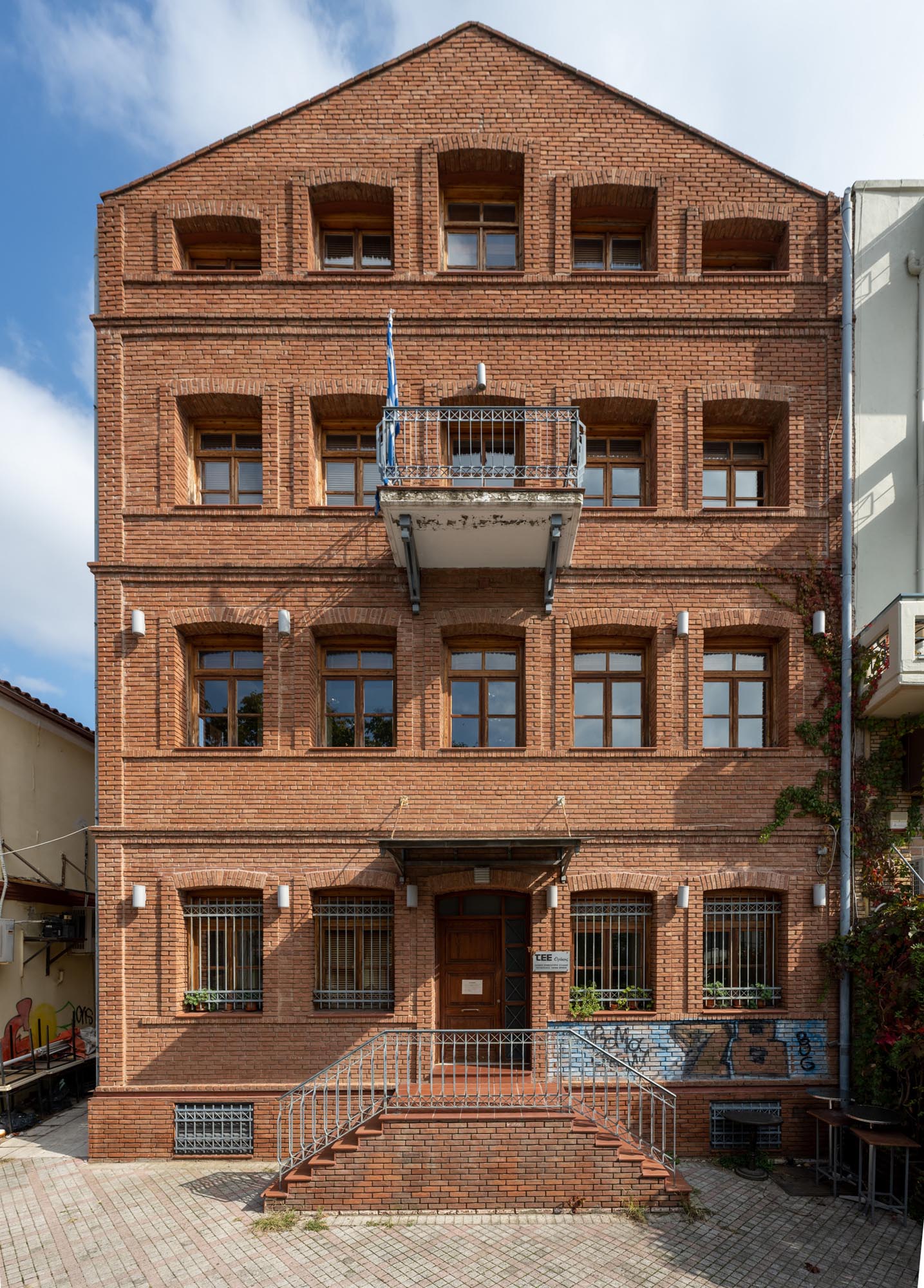
Καπναποθήκη ιδιοκτησίας Τεχνικού Επιμελητήριου Θράκης. YNMTE Ανατολικής Μακεδονίας – Θράκης, φωτ. Στ. Καράβατος / Tobacco warehouse owned by the Technical Chamber of Thrace. Service for Modern Monuments and Technical Works of Eastern Macedonia and Thrace, photo: St. Karavatos

In 1912, during the First Balkan War (1912-1913), Komotini was occupied by Bulgarian troops. The city was ceded to Bulgaria by the Treaty of Bucharest (28 July 1913). In 1919, it was designated the seat of the Inter-Allied Thrace Administration (Thrace interalliée), commanded by the French General Charles Antoine Charpy. A year later, under the Treaty of Sèvres (28 July /10 August 1920), it was annexed to Greece. After the Asia Minor Catastrophe (1922), a large number of Greek refugees settled in the city, while the Treaty of Lausanne (1923) excluded the Muslim population from the population exchange with Turkey. During the Second World War, the city experienced its fourth consecutive occupation by the Bulgarians, during which the city’s Jewish community was wiped out.

Monuments

Castle

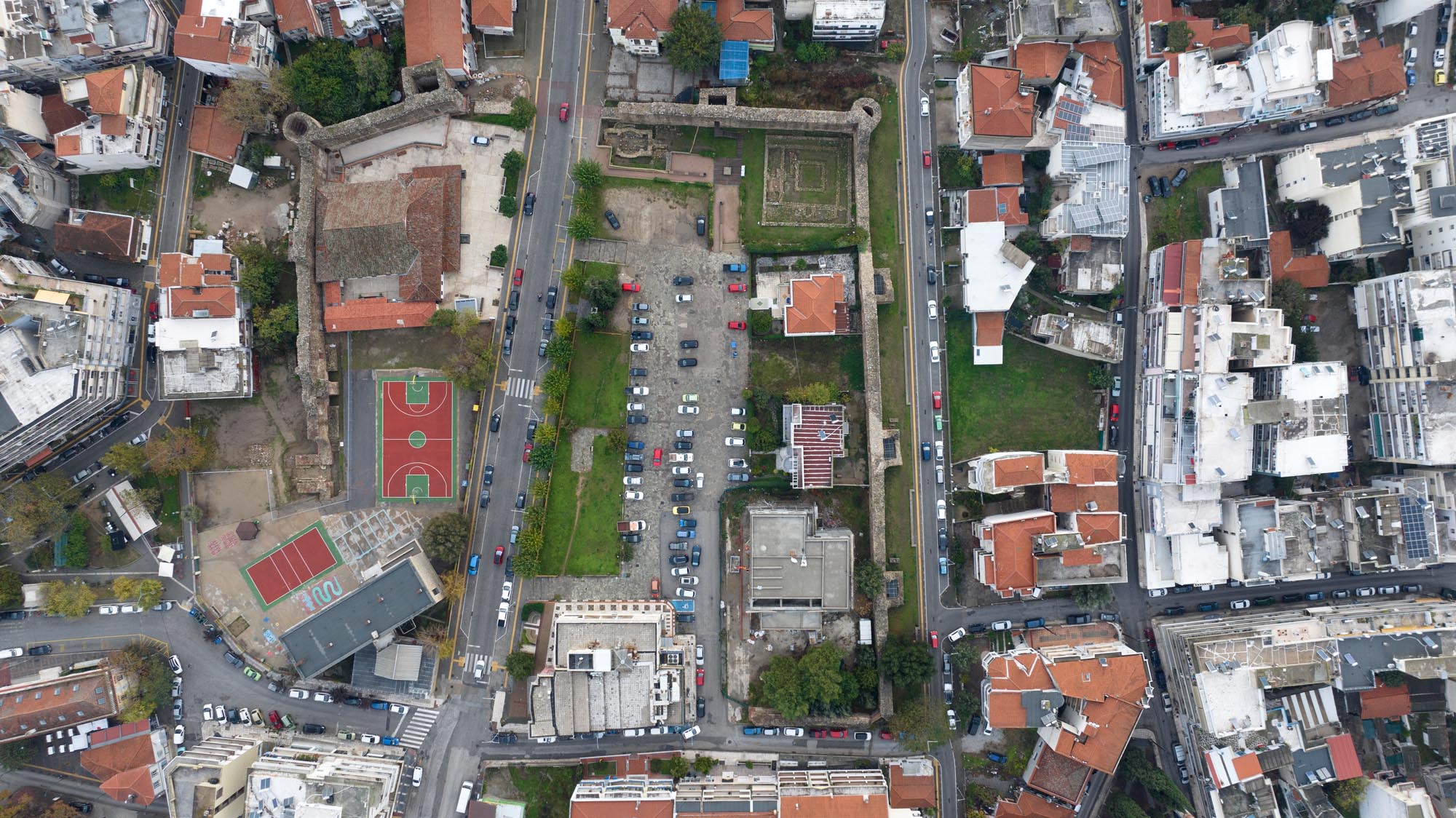
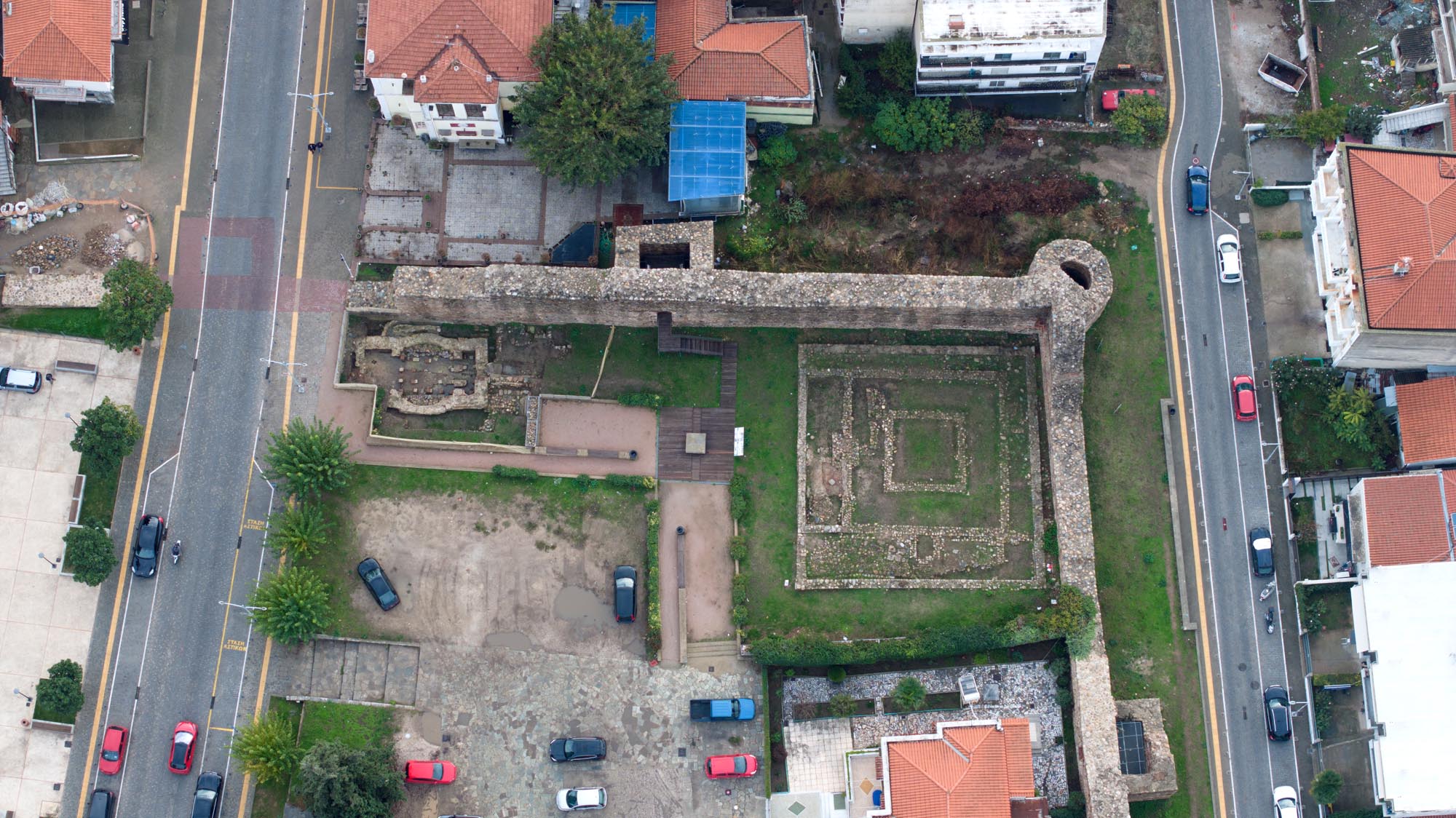
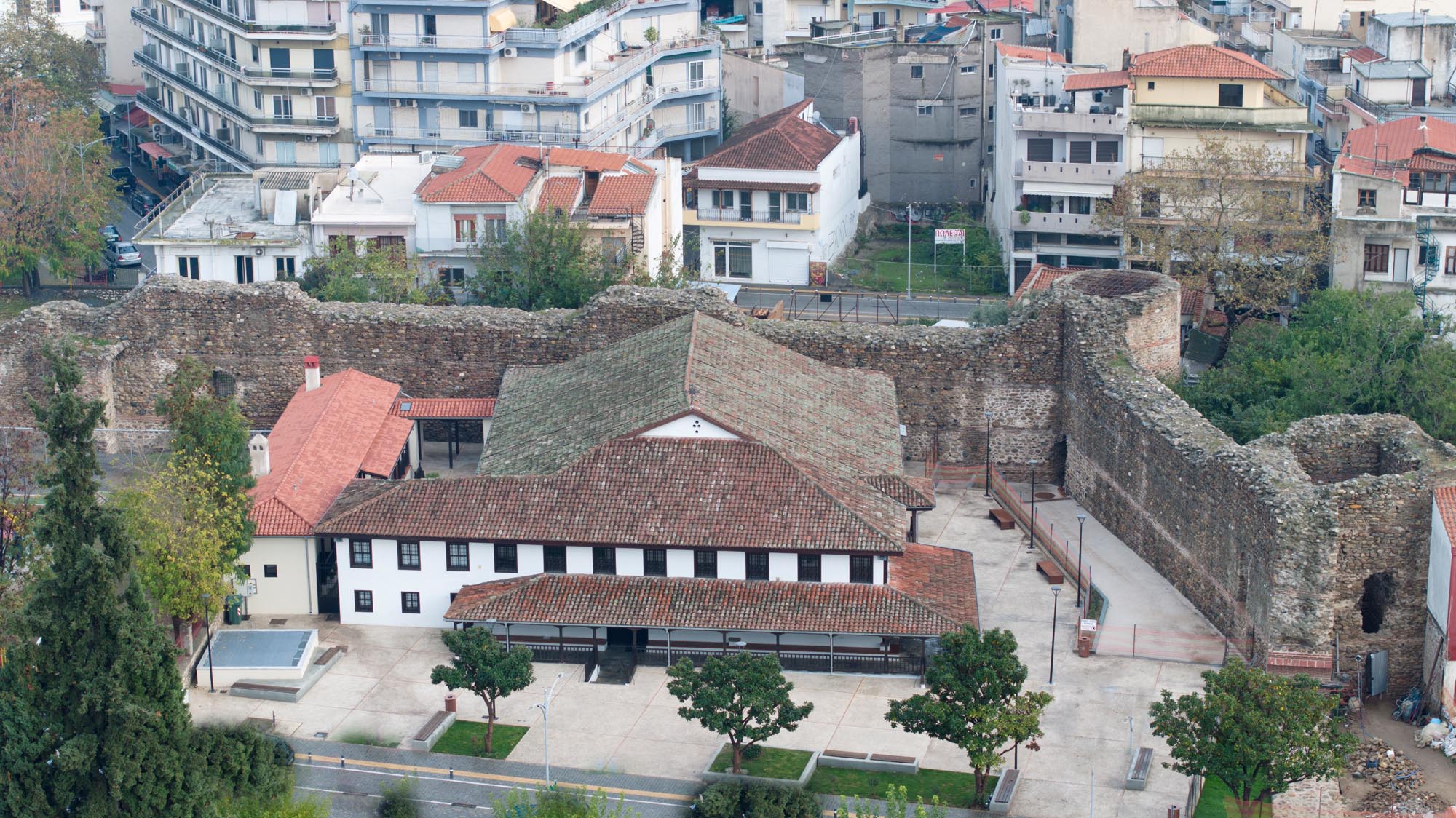
The castle, restored by the competent Ephorate of Antiquities, is part of the urban fabric of the city, dominating the western edge of the historic centre. Built on flat ground next to the Boukloutzas stream, the bed of which was diverted outside the city in the 1960s, it is almost square in plan, with walls 472 m long, enclosing a relatively small area of about 1.45 hectares. The enceinte is reinforced by round towers in the four corners and quadrilateral towers at regular intervals along its four sides.

The small size and square plan of the castle are reminiscent of a Roman camp and indicate its original purely military character. Most researchers classify it among the fortifications of the Early Christian period imitating Roman models. On the basis of an inscription, now lost, on a tower of the castle, where it is referred to as “a building of Theodosius”, it is thought to have been constructed in the reign of Theodosius the Great (379-395), if not Theodosius II (408-450) or a local official of the same name. The comparative study of all the elements of the castle masonry has led to the view that the castle underwent extensive repairs in the Middle Byzantine period (10th-12th c.). The dating of the castle remains problematic, however, as it has recently been argued that its construction should be placed much later, in the 12th century

Until the early 20th century, the enceinte remained almost intact. In the early 1920s, during the Greek Administration, about a third of the perimeter was demolished, while in 1950 part of the south side was removed in order to open up Sofouli Street, which runs through the castle itself. The castle is now occupied by public and private buildings. Until the Second World War, the castle was inhabited by the Jewish community of the city, which was almost completely wiped out in 1943. The ruins of the 18th-century Jewish synagogue, which was demolished in 1994 as a hazardous building, are visible against the west side of the inner enclosure of the castle. Remains of a Byzantine bath have also been discovered on the south inner side of the castle.

Ναός της Κοίμησης της Θεοτόκου, ΔΒΜΑ, φωτ. Κ - Μ. Ξενικάκης/ Church of the Dormition of the Virgin, DBMA, photo: K.- M. Xenikakis

The metropolitan church of the city stands within the Castle of Komotini, in its southeast corner. It was erected in 1800 on the site of an earlier church. It is of the three-aisled timber-roofed basilica type, to which a fourth aisle has been added on the south side. An extensive 18th-19th century cemetery has recently been discovered in the courtyard.

The Imâret is surrounded by modern buildings near the east wall of the Byzantine castle. It was built by the Ottoman Bey Gazi Evrenos immediately after the conquest of the city in the 1360s, making it one of the earliest examples of secular Ottoman architecture in the Balkans. It has a typical inverted T-shaped floor plan and consists of three domed rooms, a large central one and a smaller, lower one on either side. It is built in cloisonné masonry in a style common in Early Ottoman buildings.
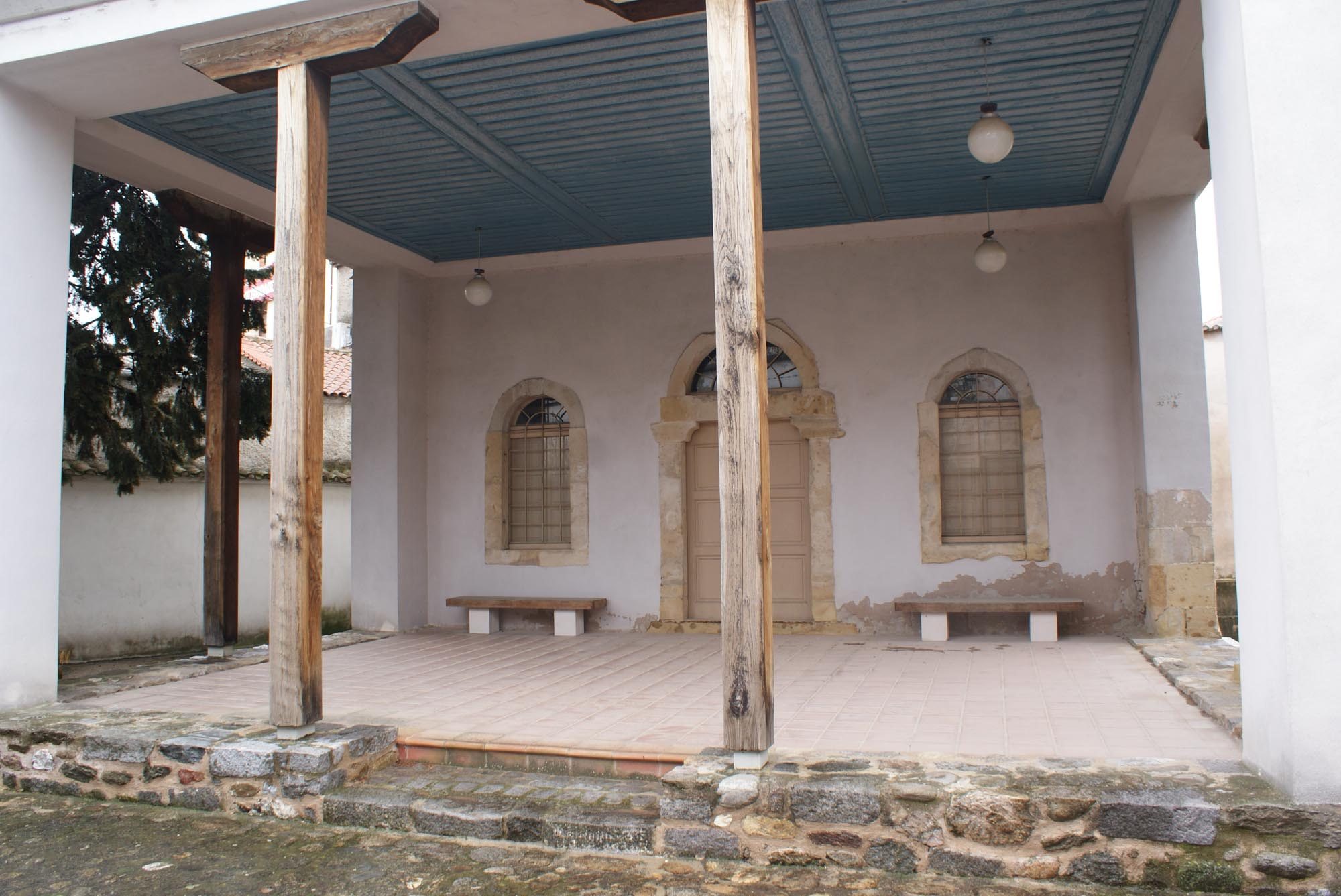
The Imâret is part of a complex that includes two other buildings: the newer, tiled-roofed building to the west, next to the main entrance to the plot on Xenophontos Street, which was built in 1923 by the electric lighting company that operated in the Imâret, and the “Ice Factory” to the east, near the secondary entrance to Philikis Eterias Street. During the restoration work on the “Ice Factory”, it was discovered that it was a mescit (a small prayer hall without a minaret), probably dating from the second half of the 19th century, which was converted into an ice factory/refrigerated warehouse in 1923. Its identification as a mosque is supported by the discovery on the wall opposite the entrance of the mihrab niche, around which fragments of fresco decoration with floral themes were found. In the northwest corner of the building was found the door of the minaret, constructed in the usual location to the right of the entrance, in contact with the side wall.

During the Bulgarian occupation (1912-1919), the complex was converted into an electric lighting plant which continued to operate on the site until 1973. The monument now houses the Ecclesiastical Museum of Komotini.

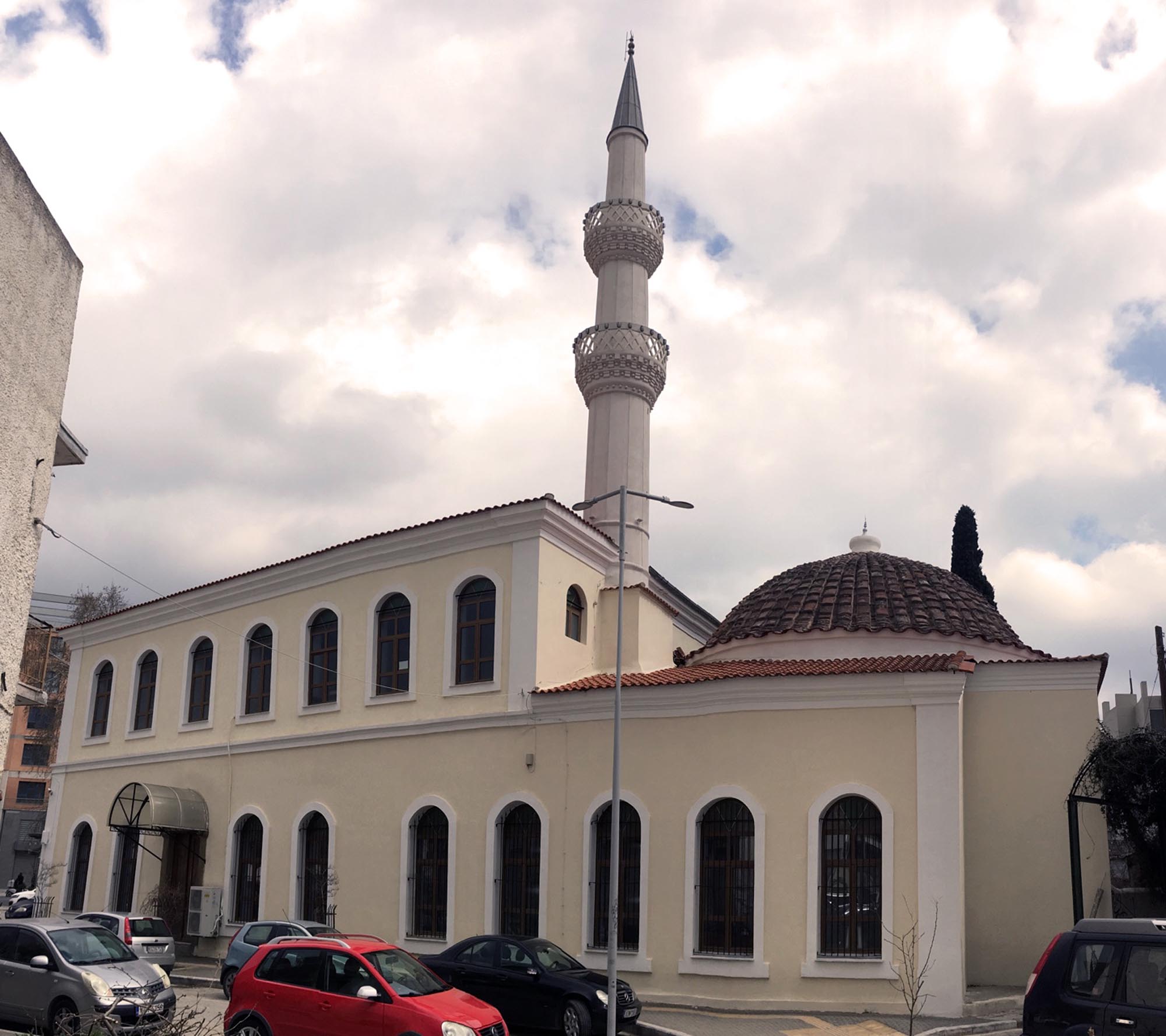
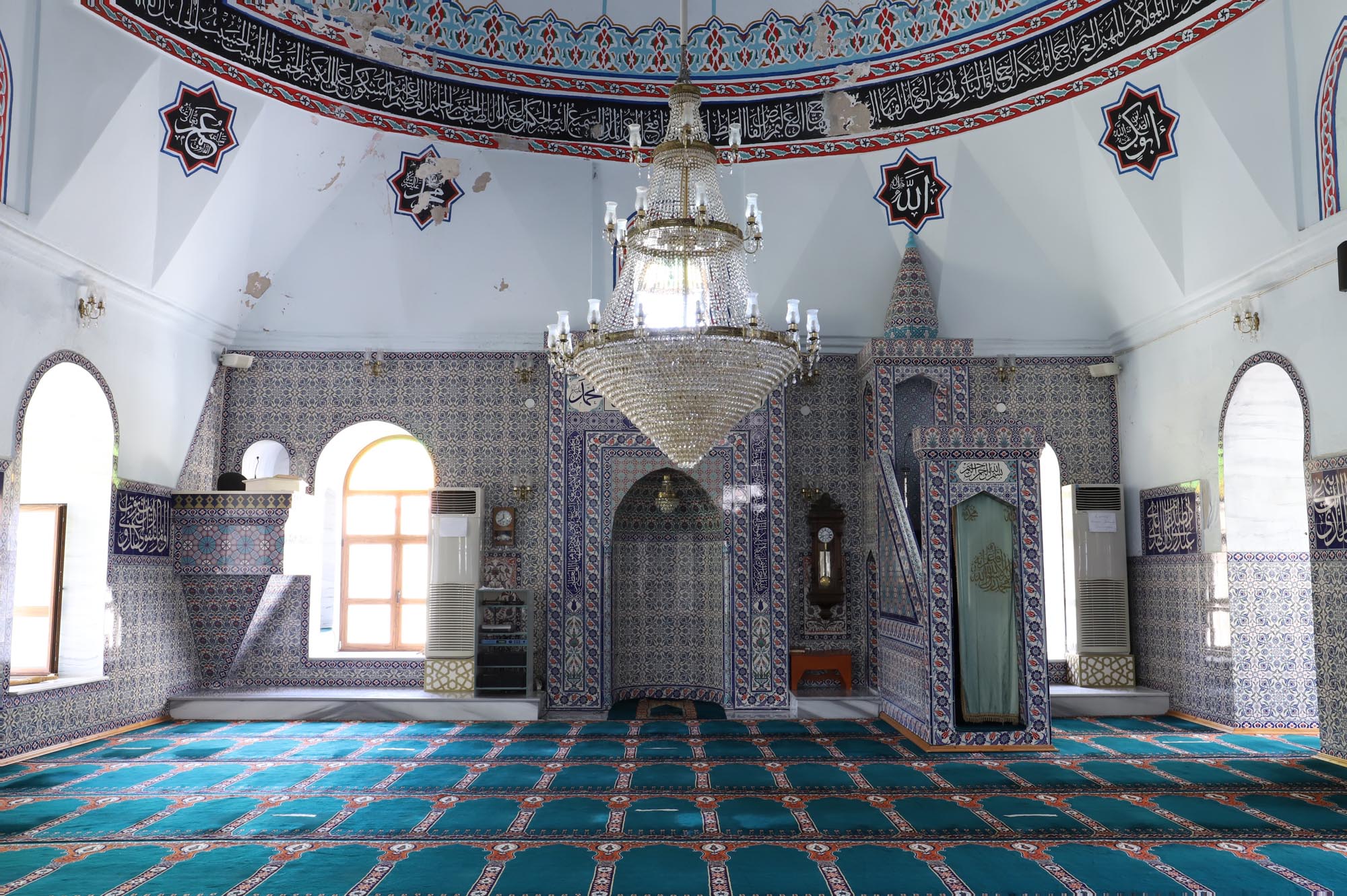
The “old mosque” of the city, which is still in use today, is located a short distance north of the Imâret. It, too, was erected by Gazi Evrenos in the 1360s, but assumed its present form after extensive work in 1853/4. Today, following the restoration of the monument, its two building phases are clearly visible. The original mosque was built of cloisonné masonry and its windows are pointed, architectural features  that are also found in the neighbouring Imâret. The mosque’s imposing minaret, which has two şerefes (balconies) where the imam traditionally comes out to make the call to prayer, was built in 1919, replacing the original minaret that was demolished in 1912 during the Bulgarian occupation of the city (1912-1919), when the mosque was converted into the church of St Nicholas.

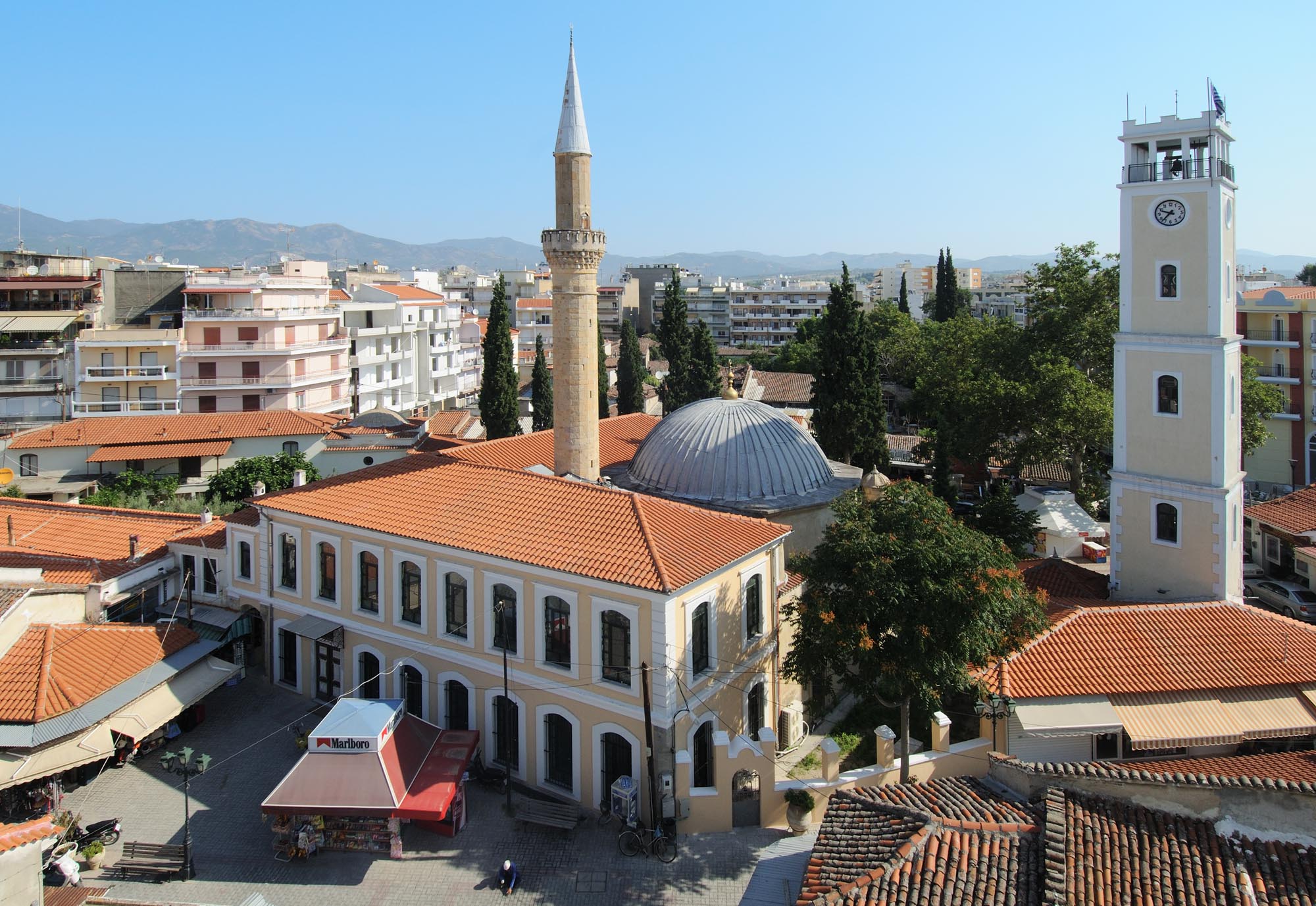
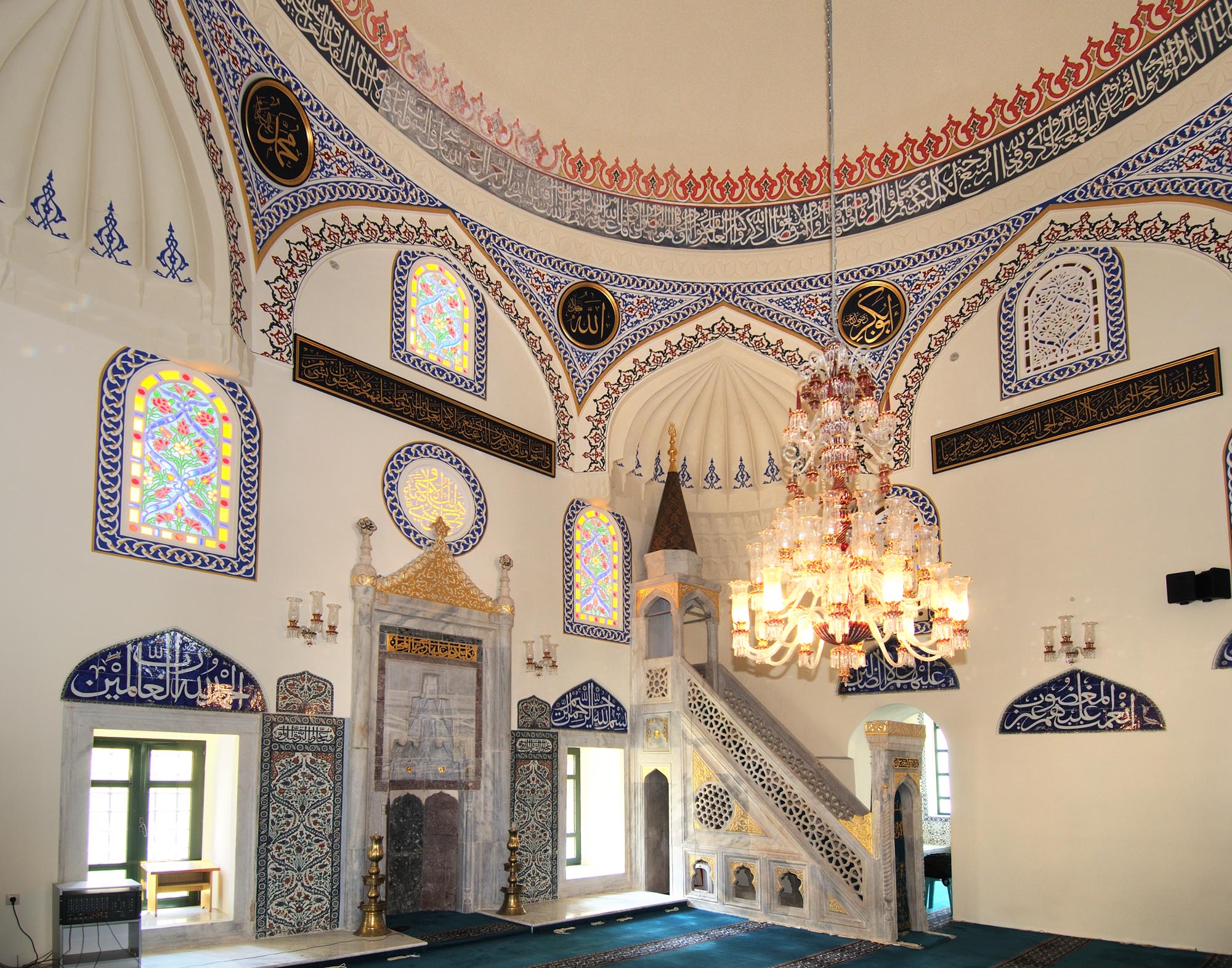
The “new mosque”, in the historic town centre, was built in the late 16th or early 17th century by Ekmekçi Zâde Defterdar Ahmed Pasha, who was secretary or Minister of Finance under Sultans Ahmed I (1603-1617) and Osman II (1618-1622). He founded a large number of mosques and public charitable foundations in Thrace. In the precinct of the mosque are housed the services of the Muftiate of Komotini, the Mausoleum of Fatma Hanım, the wife of Grand Vizier Hassan Pasha, and other auxiliary buildings for the operation of the mosque, which remains in use to this day. The architecture and the rich interior decoration of the mosque link it to the architectural school established by the great Ottoman architect Sinan (1489-1588). In the 19th century, an extensive two-storey extension with typical Neoclassical features was added to the mosque.


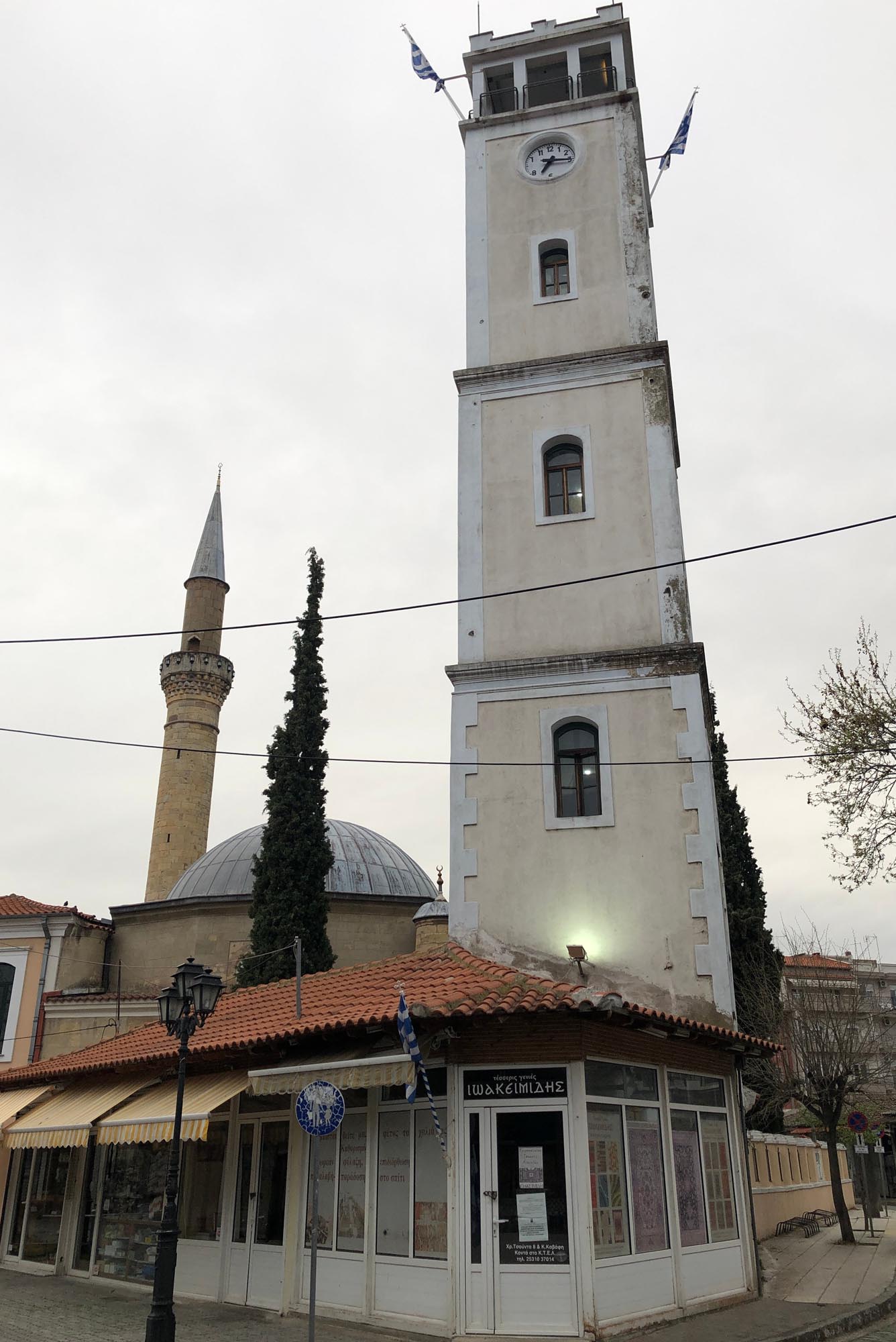
Πύργος Ρολογιού, φωτ. ΔΒΜΑ / Clock Tower, photo: DBMA

The location of the Yeni Mosque is marked by the tall clock tower, 25 m high, which is visible from almost the entire city and is built against the Mausoleum of Fatma Hanım. The clock tower, which was restored in 1998, was donated to the city in 1884/5 by Sultan Abdul Hamid II (1876-1909).

A landmark of the city of the city is the main Eleftherias Square. In the historic city centre, between the two mosques, stands the Old Market, which has been designated a historic site. In its picturesque alleyways are numerous small shops, as well as the teneketzidika or “tin shops”.

The church is dedicated to St Gregory the Illuminator (Surp Krikor Lusavorich). Inaugurated on 25 November 1834, it was built thanks to the donations of Armenian merchants from Adrianople and Odesa, who settled in the east of the city of Komotini, in the Armenio district, in the 18th and 19th centuries.

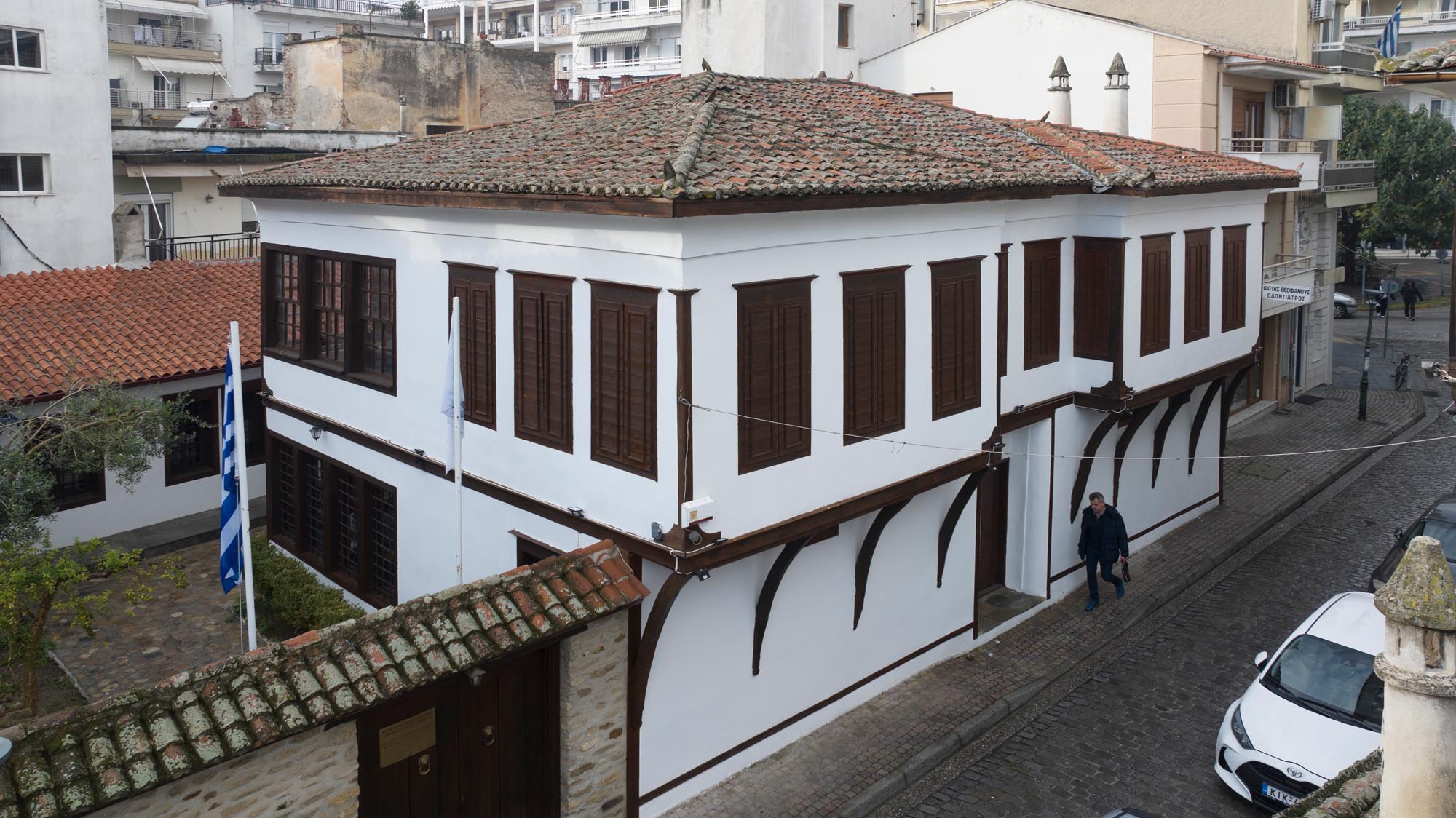
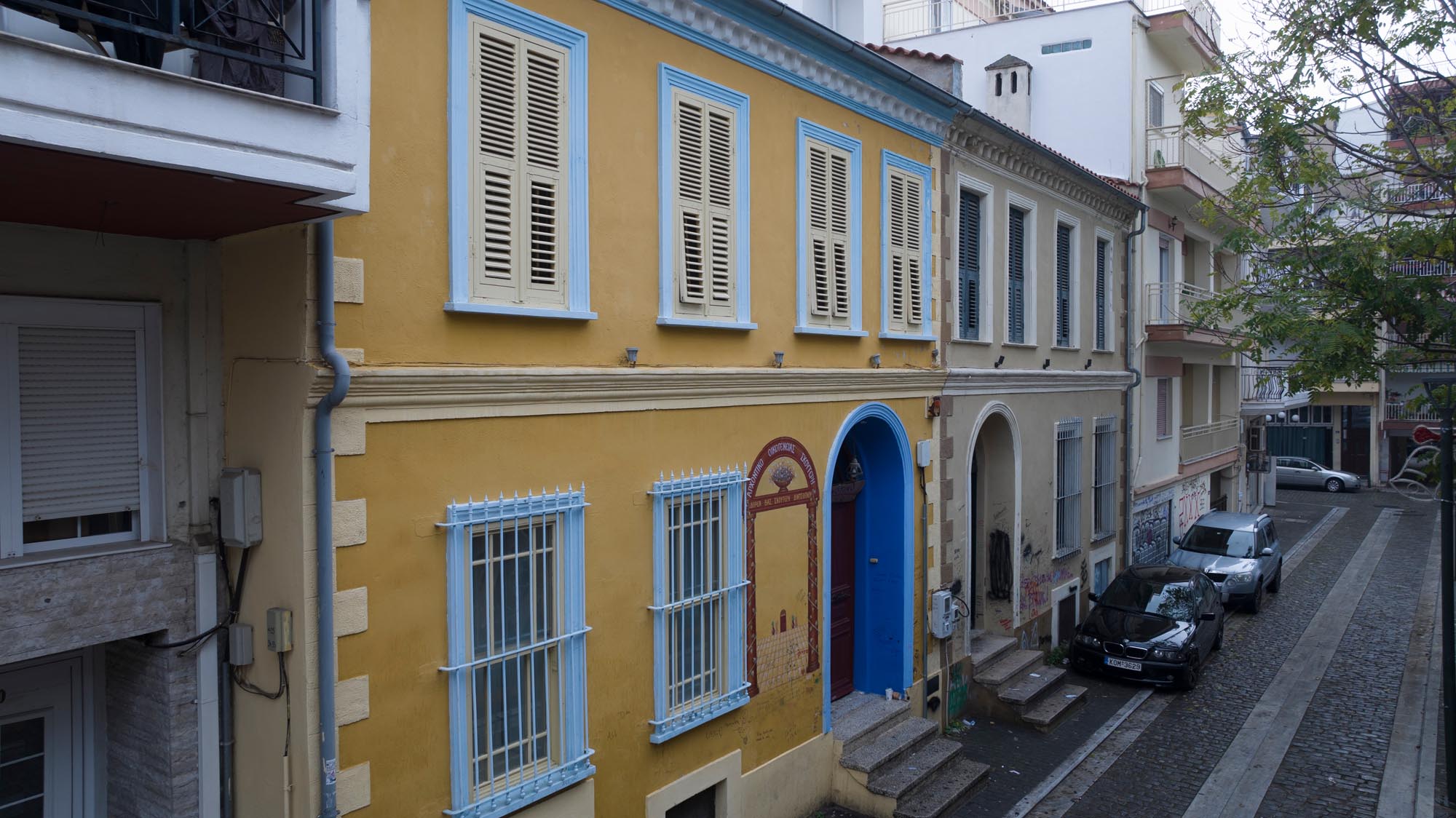
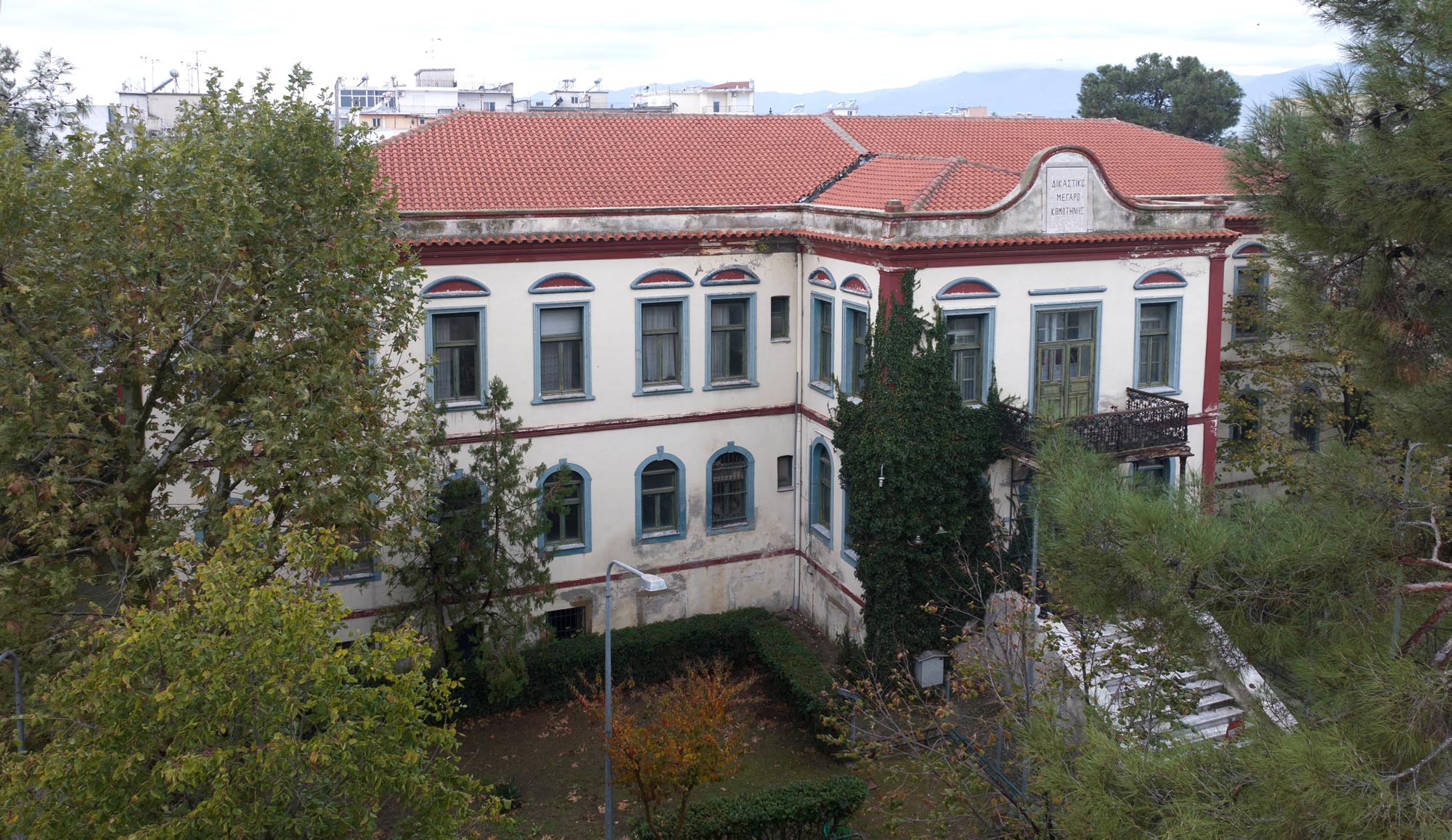
Komotini is adorned with remarkable buildings of the 19th and early 20th century, reflecting its prosperity during this period. Among the most representative public buildings are the Greek Urban School of Nestor Tsanaklis (Tsanakleios Mansion), the Courthouse and the building of the Old Division. The mansions of Peidis (now the Folklore Museum), Stalios (now the Papadriellis Municipal Art Gallery), Skouteris (now the Thracian Ethnological and Cultural Museum οf Komotini and Thrace), Eliades (6 Tsanakli St.) and the building housing the Educational Association of Komotini (22 Agiou Georgiou St.) are typical of the styles characterising the architectural heritage of the city. Few tobacco warehouses are also preserved, which, however, testify to the development of tobacco production in the region.

Some historic cafés-clubs, with a history of over a century, serve as cultural landmarks for local communities, acting as spaces with deep symbolic significance. A representative example is the reading club of the historic Komotini Club café, which hosts book presentations, reading nights, stage readings, poetry evenings and tributes to authors and poets. The building of the Club, an excellent example of Neoclassicism built in 1921 is a landmark of the city, as it is located directly in front of the south part of the castle, almost opposite the Tsanakleios Mansion, which housed the Rectorate of the Democritus University of Thrace.

Museums

Archaeological Museum (4 Αlexandrou Symeonidi St.)
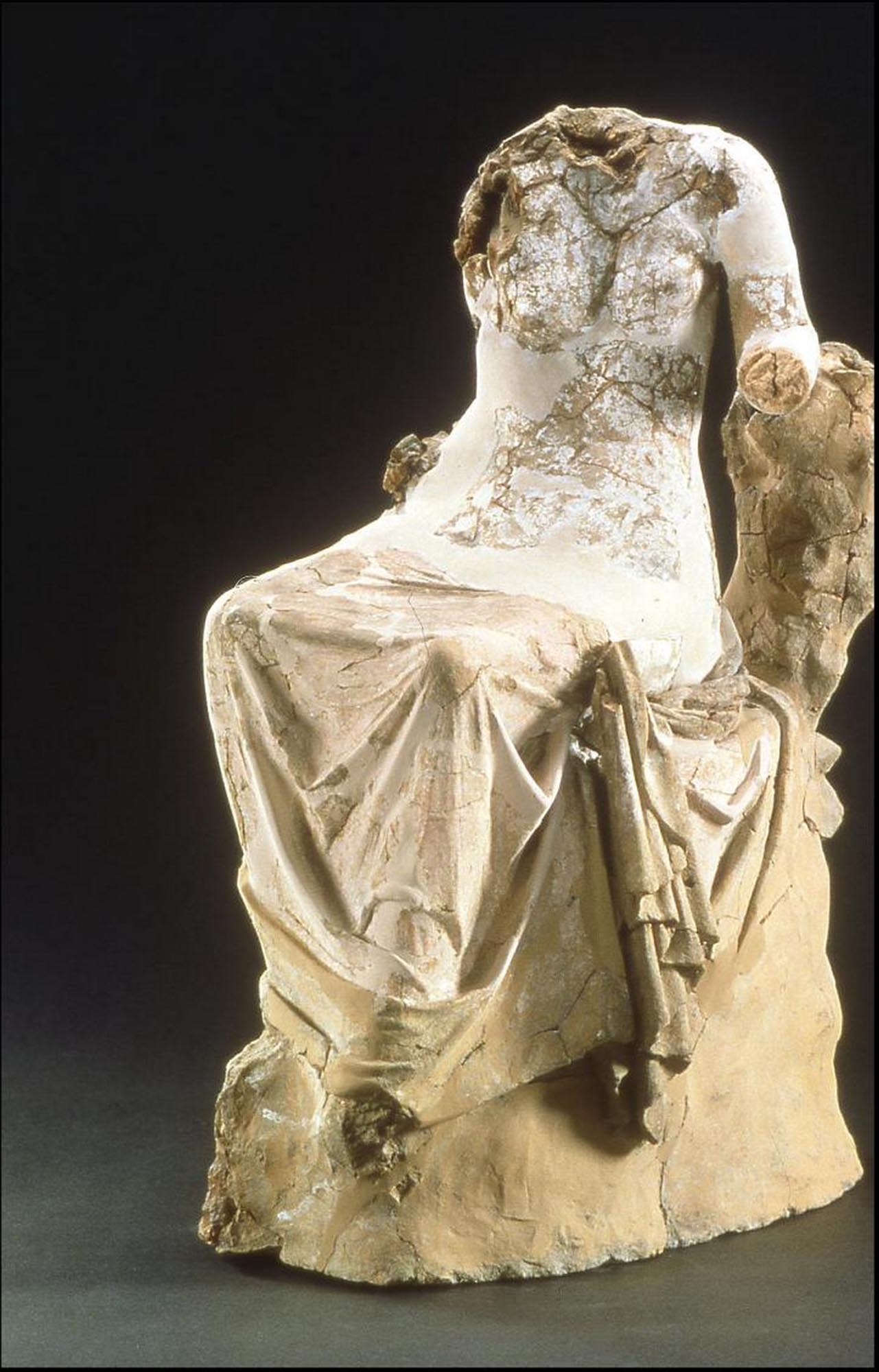
Μαρώνεια, Ιερό Διονύσου, πήλινο αγαλμάτιο γυναικείας μορφής, Αρχαιολογικό Μουσείο Κομοτηνής, φωτ. ΕΦΑ Ροδόπης / Maroneia, temple of Dionysus, clay female figurine, Archaeological Museum of Komotini, photo: Ephorate of Antiquities of Rhodope

The Archaeological Museum of Komotini is near the castle and houses exhibits from the most important archaeological sites of Thrace, covering a wide chronological range from the Neolithic to the Byzantine period. Among the most impressive exhibits is the luxurious sarcophagus carved in the round with the Twelve Labours of Hercules (3rd c. AD) found in Komotini. In the Museum are also exhibited the three milestones of the Via Egnatia also found in Komotini, and the one found in Aetolofos.

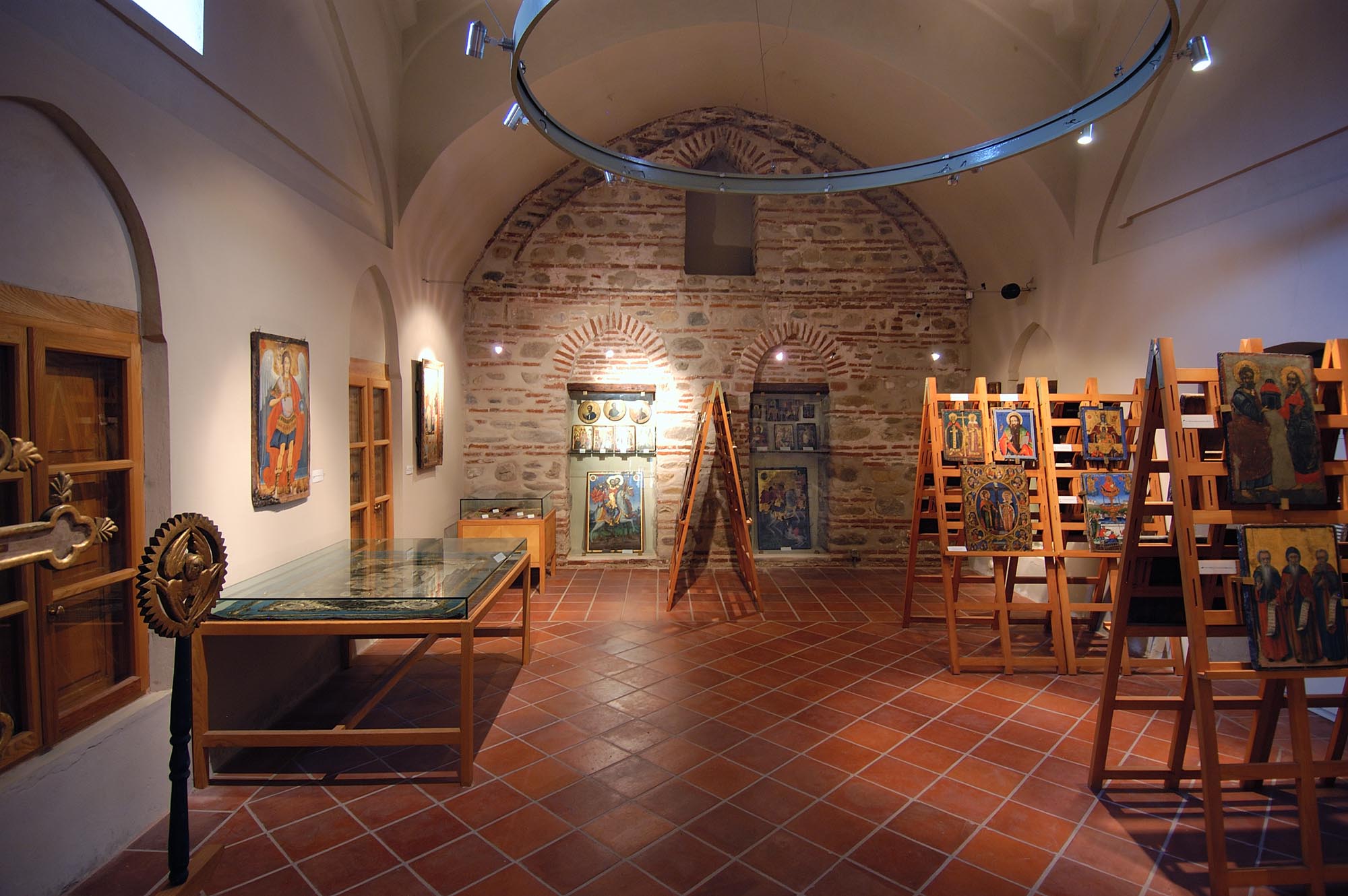
Εκκλησιαστικό Μουσείο Ιεράς Μητροπόλεως Μαρωνείας και Κομοτηνής, ΔΒΜΑ, φωτ. Στ. Στουρνάρας / Ecclesiastical Museum of the Holy Metropolis of Maroneia and Komotini, DBMA, photo: St. Stournaras

The Museum is housed in the restored Imâret and houses a large collection of portable icons and liturgical objects dating from the 16th to the early 20th century.

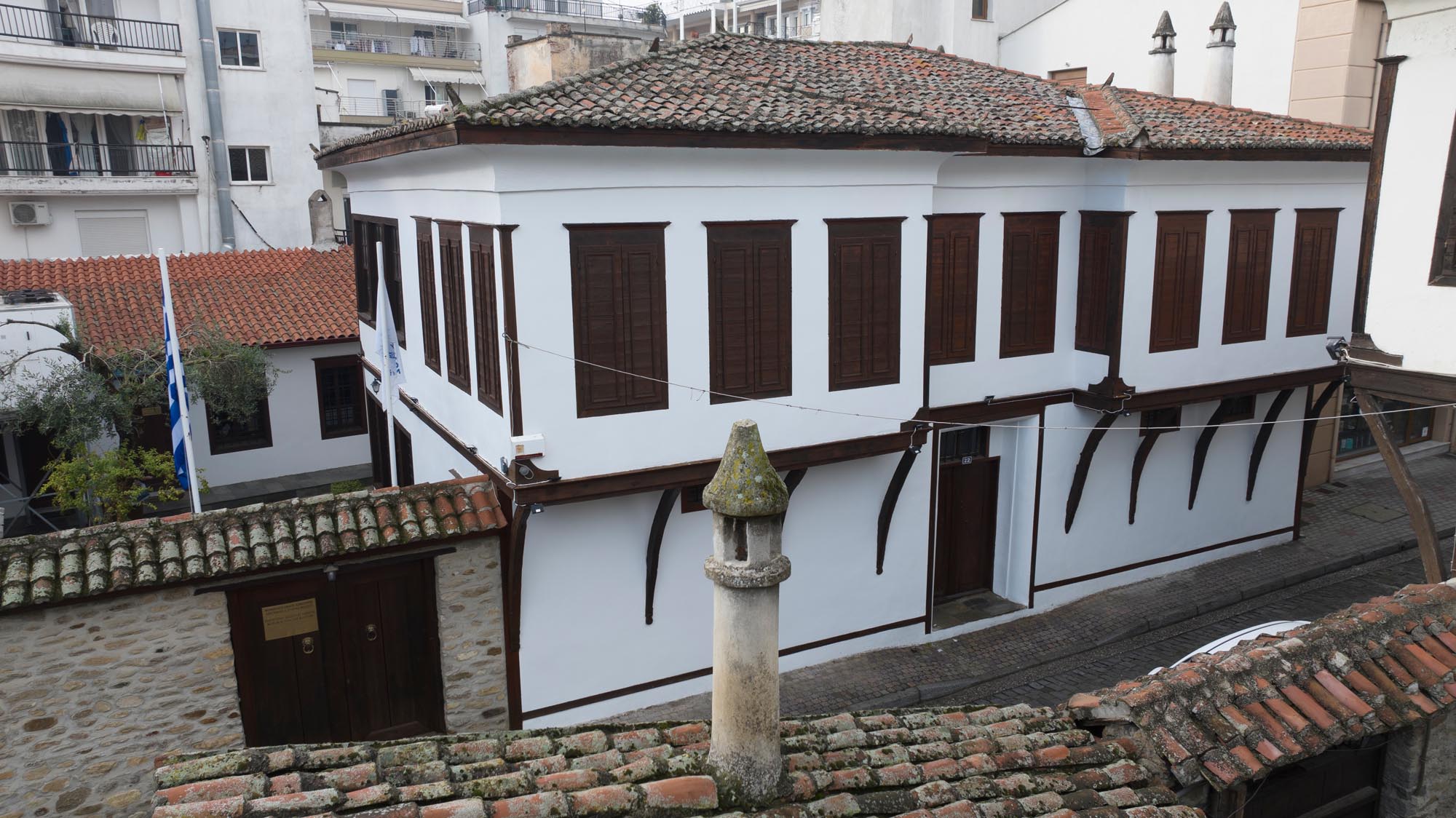
Λαογραφικό Μουσείο, ΔΒΜΑ, φωτ. Κ - Μ. Ξενικάκης/ Folklore Museum, DBMA, photo: K.- M. Xenikakis

Housed in the Peidis Mansion, an example of traditional folk architecture, the museum belongs to the Cultural Association of Komotini. Its remarkable collection includes a large number of exhibits that vividly showcase the rich folklore heritage of Thrace.

Housed in a Neoclassical mansion built in the early 20th century by the wealthy Thracian merchant Zafeirios Stalios, the building features rich interior decoration of wall and ceiling paintings. The Museum exhibits comprise works by contemporary Greek artists, offering a small panorama of Greek painting movements, mainly of the second half of the 20th century. The building also hosts the Athinion Rodopi Artists’ Association, which organises guided tours.

The Museum is housed in the Skouteris Mansion, a characteristic example of late-19th-century urban architecture donated by Vasiliki Skouteri-Dintsoglou to the Municipality of Komotini. The furniture and objects of the Museum convey to the visitor the atmosphere of the turn of the 20th century, highlighting aspects of the daily life of the city’s middle class.

The Museum is dedicated to Constantin Carathéodory (1873-1950) and houses the archives, work, personal belongings and family photographs of the world-famous mathematician.

Other stops in the Regional Unit of Rhodope

error: