REGIONAL UNIT OF KAVALA: TRADITION AND CONTEMPORARY CULTURE
Festivals in Kavala
Institutions such as the historic Philippi Festival, the modern Cosmopolis Festival and the Wood Water Wild alternative festival, as well as buildings hosting cultural events, including the Municipal Tobacco Warehouse and the Grand Club, make Kavala an important cradle of culture.
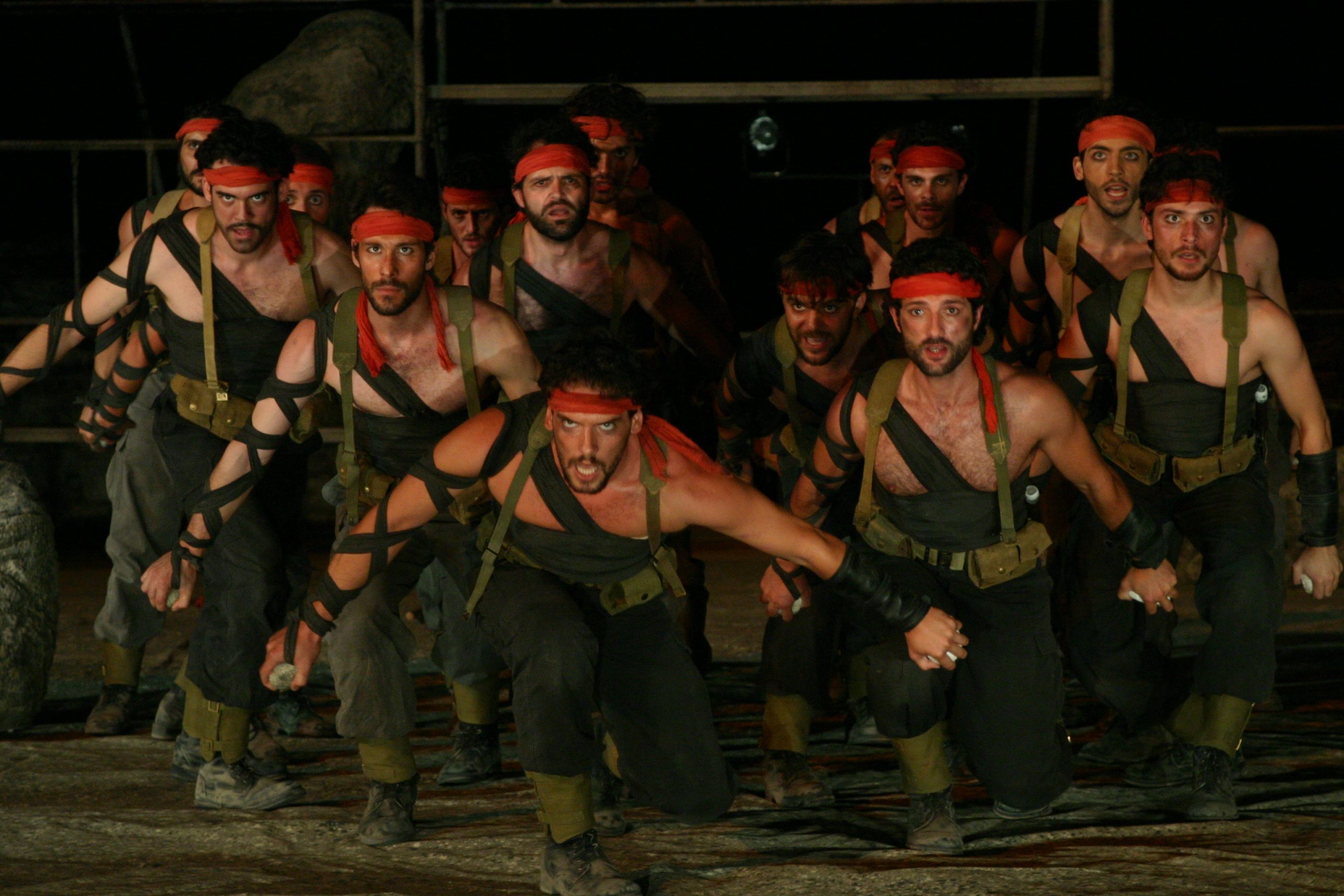
The Philippi Festival is held in the summer on the initiative of the Municipality and the Municipal and Regional Theatre of Kavala, with the support of the Ephorate of Antiquities of Kavala of the Ministry of Culture. It is the second-oldest ancient drama festival in the country after that of Epidaurus. Plays are performed in the ancient Theatre of Philippi and also in Kavala, at the Castle and in other parts of the city. The Ancient Drama Workshop is held in the Krenides area. Actors, both established and up-and-coming, hold rehearsals open to the public in the places where the plays are to be performed: schoolyards, squares, gardens and the ancient Theatre of Philippi.
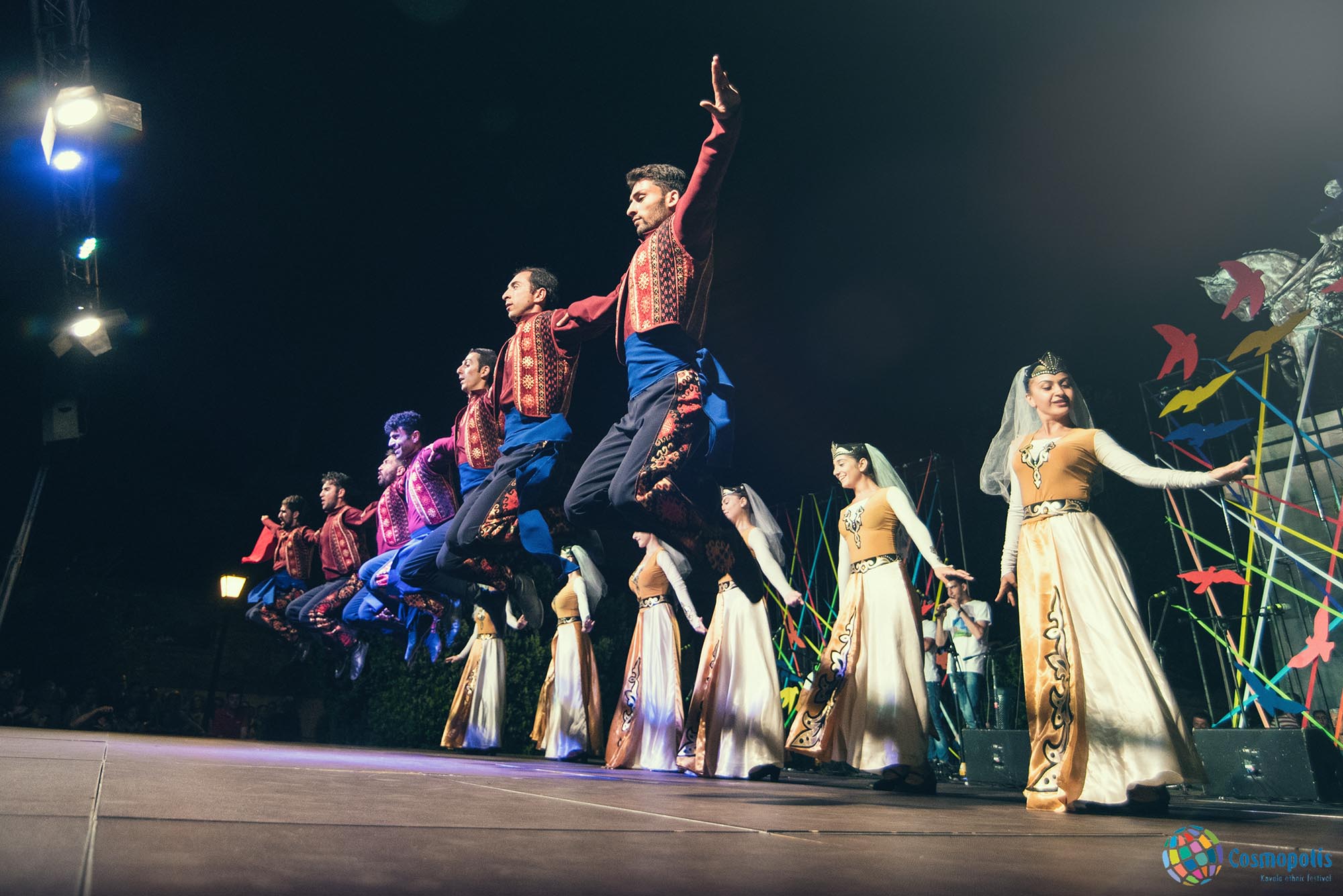
The Cosmopolis Festival, a celebration of music and the arts, hosts well-known and young artists from all over the world.
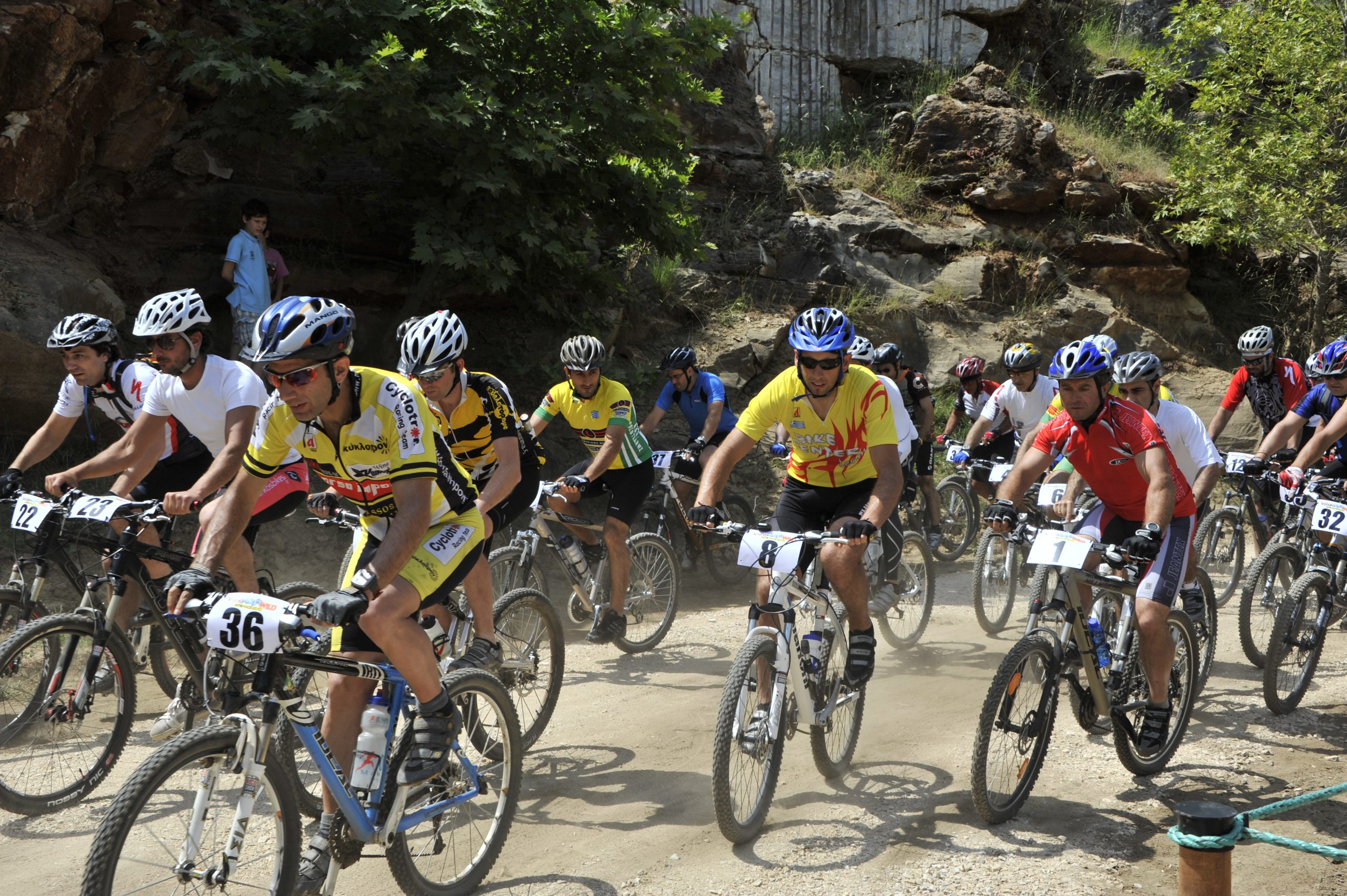
The Wood Water Wild alternative festival is held close to nature, on the Old Kavala Nature Trail. It includes concerts, sporting events and outdoor activities.
The Eleutheria – Apostle Paul Festivities, a series of theatrical, musical and other events, are held every June by the Municipality of Kavala as part of the celebrations commemorating the liberation of the city during the Balkan Wars (26 June 1913) and in honour of the city’s patron saint, Paul the Apostle.
Performances
In the coastal town of Nea Peramos, the inhabitants, descendants of refugees from Peramos on the Sea of Marmara, traditionally engaged in olive cultivation and viticulture. At the end of October is the Tsipouro Festival. Visitors can observe the tsipouro (grape marc spirit) distillation process and enjoy traditional music and delicious food.
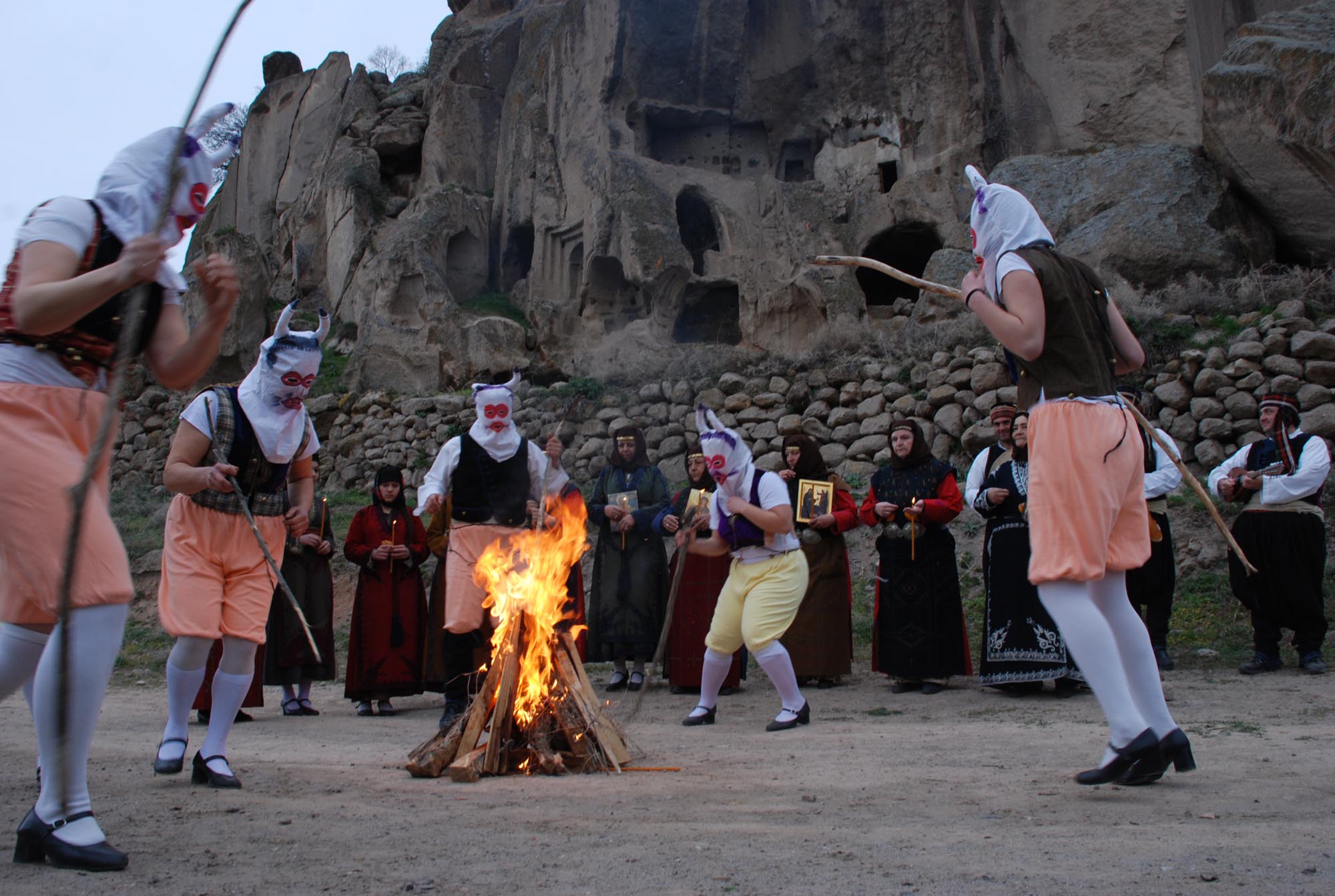
In the refugee village of Nea Karvali, the Cappadocian refugees preserve elements of the cultural heritage of their ancestors from generation to generation. One of these is the Saya custom, which is revived by the Stegi Politismou Neas Karvalis cultural association and the Municipality of Kavala, and has been inscribed on the National Inventory of Intangible Cultural Heritage. On the eve of Epiphany, young people disguise themselves as saya, horned creatures with masks and bells, rush out into the streets, parade the Camel around, sing and tease passers-by, leap over a bonfire, dance and make merry. On the same day, the fasting Epiphany pie is made, using dough, grape molasses, almonds, raisins, walnuts, and pieces of dried plums and apricots. Hosaf, a local hot sweet drink with dried fruit, cinnamon and cloves, is also offered to those attending.
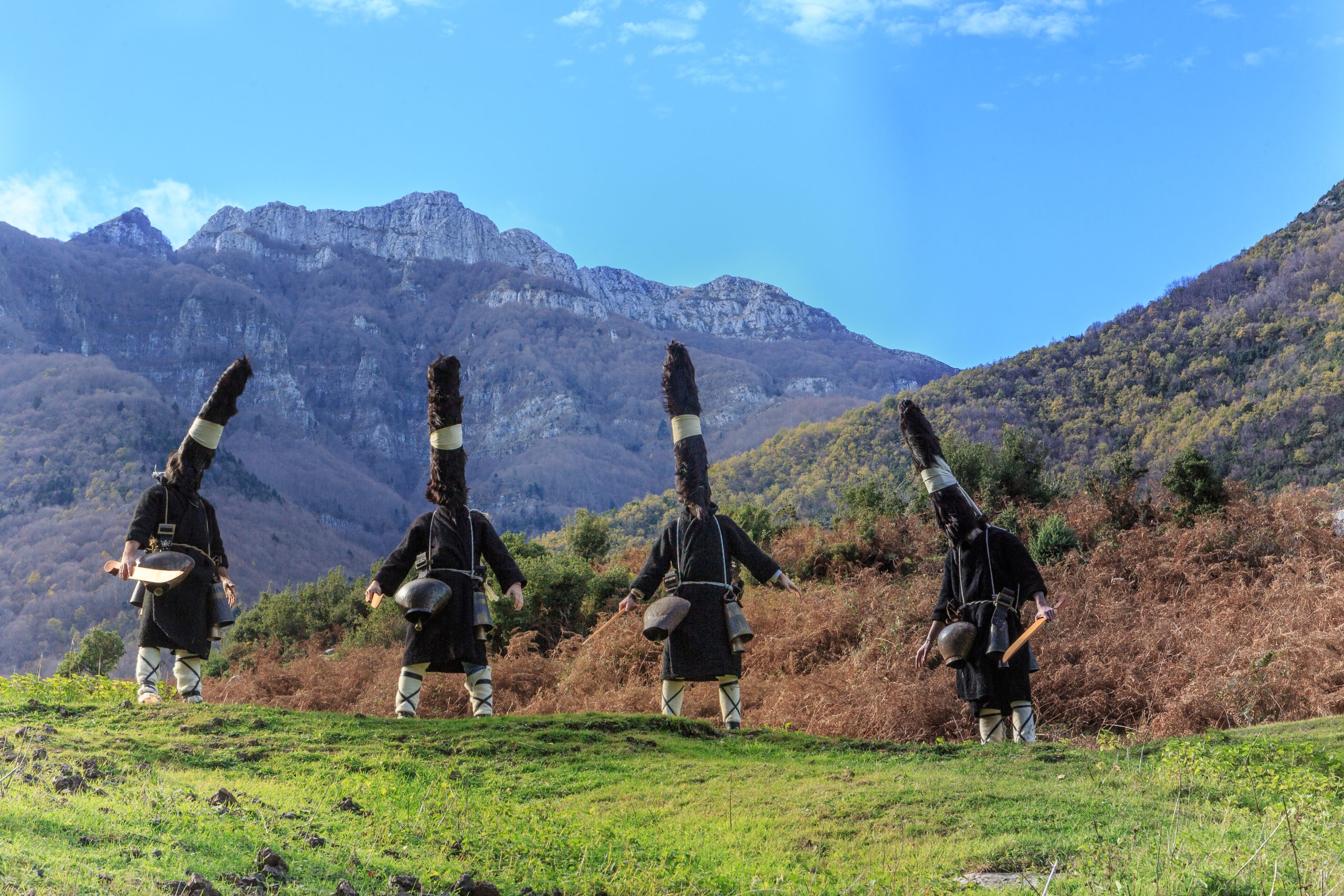
In the village of Nikisiani on Mount Pangaion, the ancient custom of the Arapides (“black men”, from the Turkish arap) takes place on Epiphany (6 January). Men dressed in sheepskins with large bells (tsania) around their waists, divided into two groups, walk around the village with slow, stately tread. The custom culminates in the duel between the leaders of the two groups, the fall, i.e. the “death” of one, and his symbolic “resurrection”. This is followed by a wild circle dance. The custom goes back to Dionysian cult and symbolises the awakening of nature. It is also preserved with variations in the villages of Drama on Mount Menoikion and Mount Falakro.
In the village of Zygos, on the second Sunday of Easter, Thomas Sunday, a re-enactment of the Pontian Wedding takes place. The celebration includes dances by local groups and traditional dishes such as keskek, meat boiled with wheat, and pisia, a type of fried flatbread.