Xanthi
Xanthi, the tobacco town
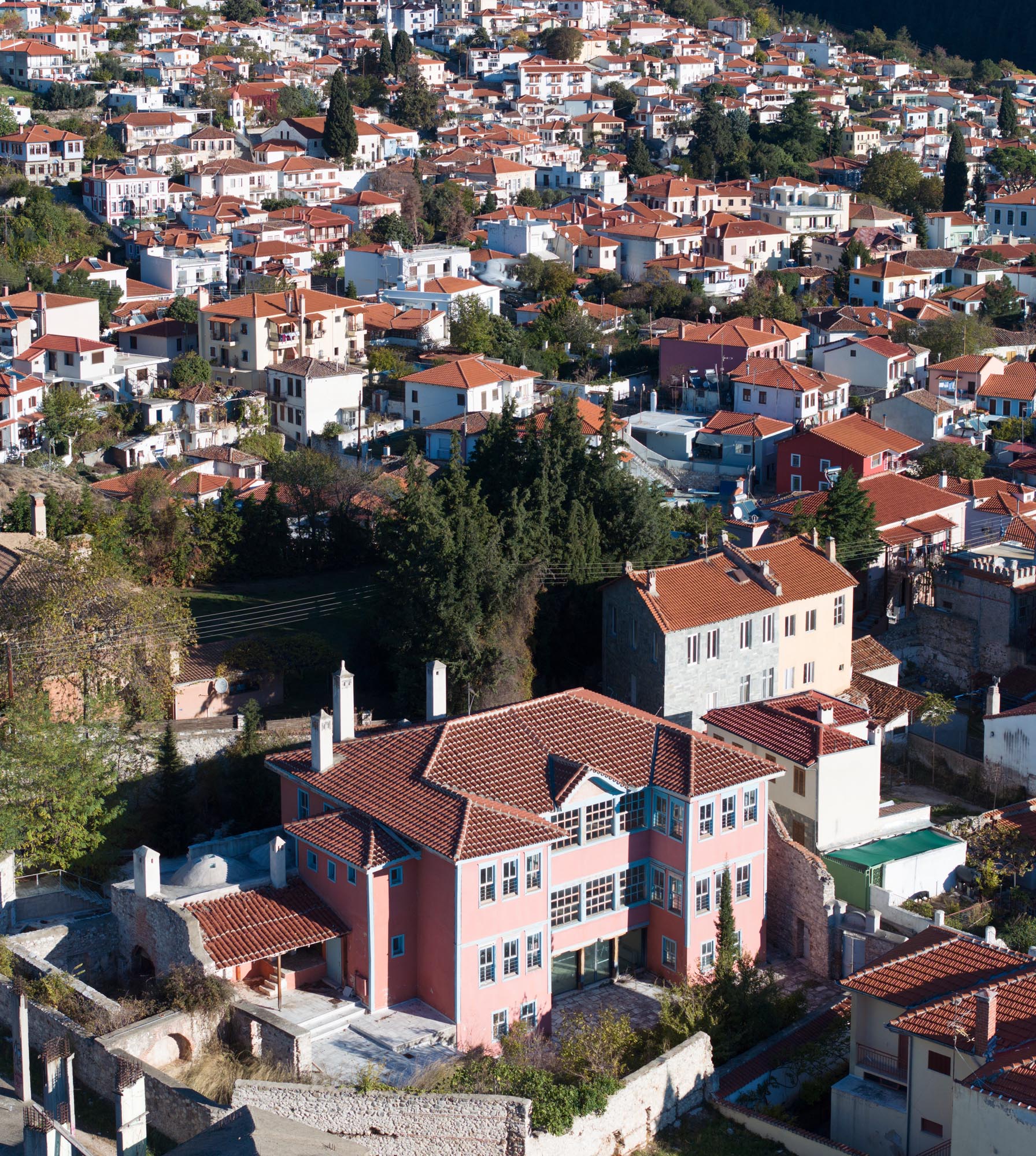
Xanthi, the “city of a thousand colours” as it is called, where Christians and Muslims live together in harmony, flourished mainly from the 18th century onwards, thanks to the cultivation and trade of tobacco. Today, it is one of the largest cities in Thrace and a popular tourist destination, mainly thanks to its Old Town, one of the best-preserved examples of a traditional settlement in Νorthern Greece.
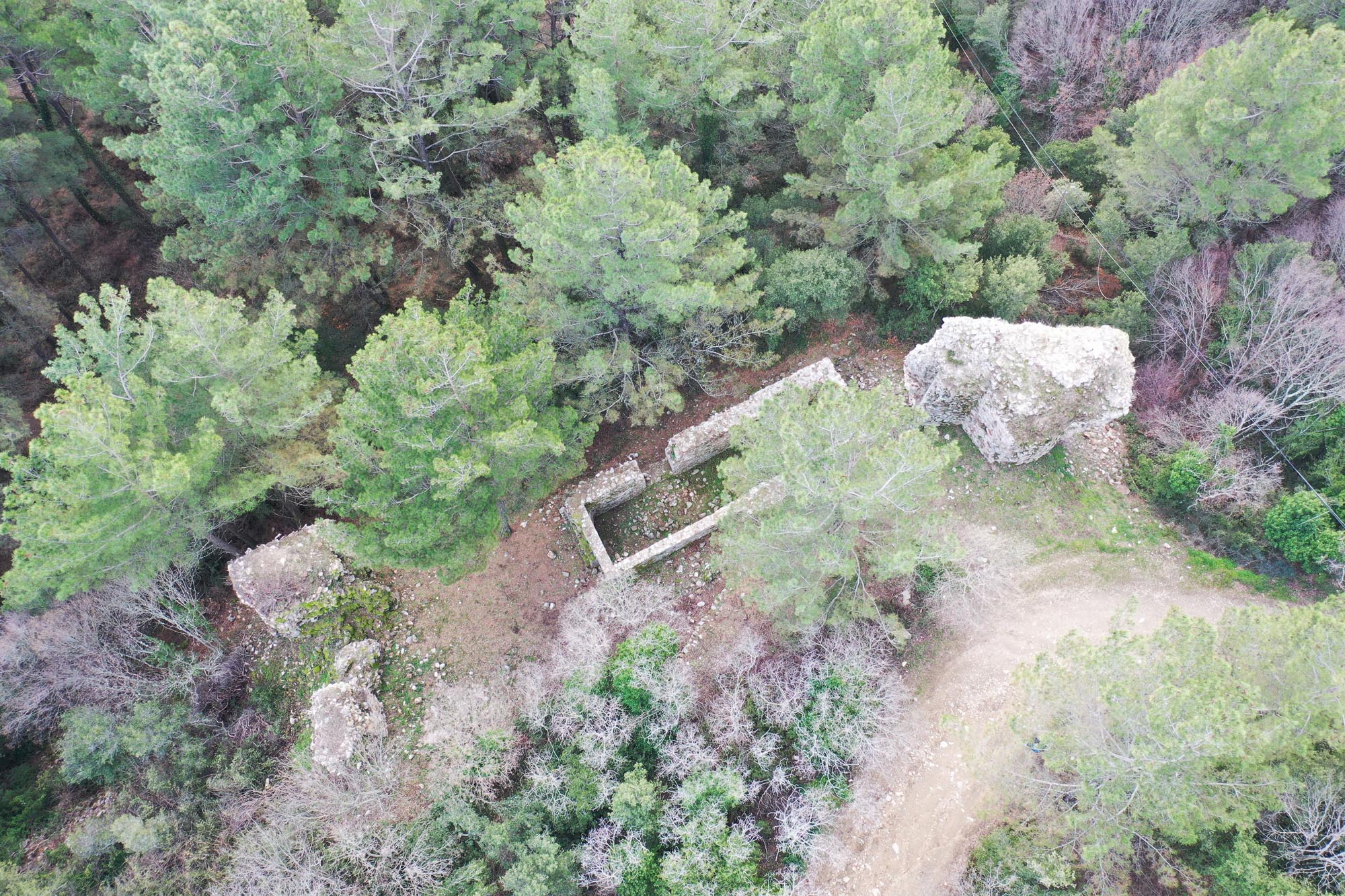
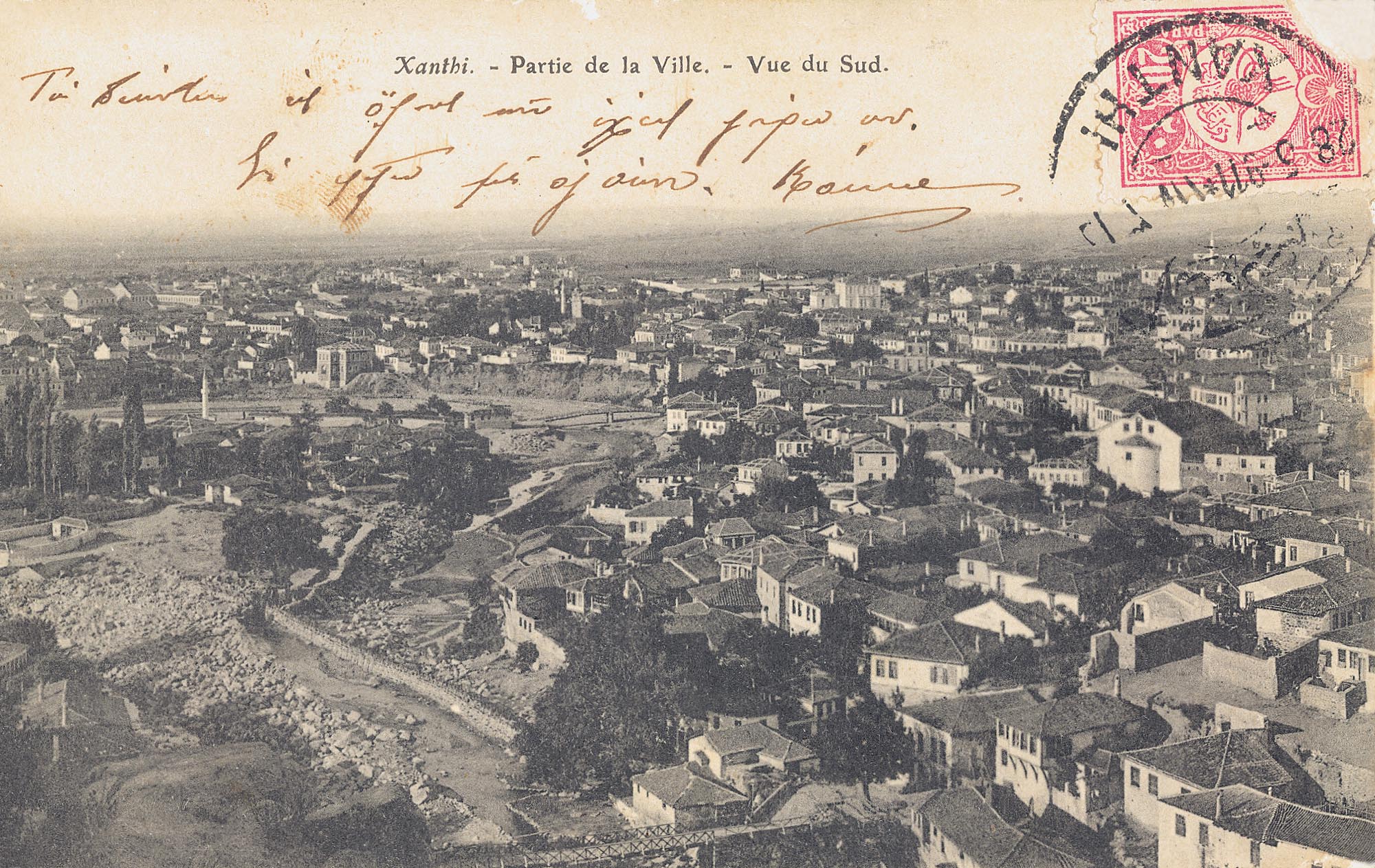
During Byzantine times, Xantheia, as the written sources report, was one of the most important fortified cities of Thrace. It is identified by most researchers with the remains of the fortification on the hilltop that rises above present-day Xanthi, northwest of the city, a little higher than the Monastery of Pammegistoi Taxiarches (Great Archangels). The development of the Byzantine castle-city was decisively influenced by its key strategic position, in the southern foothills of the Rhodope range and at the northern end of the great plain of Xanthi, on the pass that controlled the crossing to the hinterland of Thrace through the valley of the River Kosynthos. Gradually, during the Ottoman period, Byzantine Xantheia was abandoned and its population moved to the foot of the hill, where the present-day city of Xanthi developed rapidly, especially from the 1830s onwards.
Xantheia lies between two stations on the ancient Via Egnatia, Topeiros to the west and Anastasiopolis/Peritheorion to the east. The available information is insufficient to determine the exact course of the Via Egnatia from the east bank of the River Nestos to Xantheia. However, the prevailing view is that the ancient Via Egnatia, like the modern motorway, did not run through Xantheia but passed just south of the town. The Via Egnatia probably crossed the plain of Xanthi at the height of the modern villages of Feloni and Vafeika, where the station of Cosinto or Rumbodona probably lay next to the River Kosynthos. A 12.8-metre-long, single-arch bridge has also been recorded to the south of Xanthi, in the village of Evmoiro. The bridge was probably connected to the Via Egnatia but is no longer visible today.
History
Little is known about the history of the city in ancient times. In the first quarter of the 1st century AD, the geographer Strabo mentions Xantheia, to the east of Lake Vistonis, along with Maroneia and Ismaros as one of the cities of the local Thracian tribe of the Cicones. Various views have been put forward on the identification of the ancient city, but the lack of archaeological data does not answer the question of whether ancient Xantheia stood on the site of the Byzantine castle-city.
The earliest reliable reference to Byzantine Xantheia is found in the minutes of the Council of Constantinople in 867, attended by George, the bishop of the city. As an episcopal see subject to the metropolitan see of Trajanopolis, it also appears in later written sources of the first half of the 10th century, indicating the city’s importance to the region of Thrace.
In the following centuries, from the end of the 12th century onwards, the city is very frequently mentioned by contemporary historians, as it played a leading role in the turbulent political developments in Thrace, a region of vital importance to the Byzantine Empire. In August 1185, the city was sacked, probably by the Normans, who occupied and pillaged the area from Philippi and Christopolis (present-day Kavala) to Mosynopolis. In 1198, the sources mention a raid against Xantheia by the Bulgarian boyar Ivanko (Ivangos), who had established his own hegemony in Rhodope and Central Thrace.
In the summer of 1204, shortly after the Sack of Constantinople by the forces of the Fourth Crusade, Count Baldwin I of Flanders launched a campaign against Thrace. Xantheia, led by a certain Senacherim, attempted to resist Baldwin’s expansionist ambitions, but without success. Xantheia was then ceded, along with Thessaloniki, to the Frankish knight Geoffrey I of Villehardouin. In 1205/6, whereas the important castle-cities of Thrace, such as Mosynopolis and Peritheorio, were destroyed by the Bulgarian ruler Kalojan (Ioannitza or “Skyloioannes”), Xantheia was spared, probably because the Via Egnatia, which the Bulgarian ruler followed on his way to Thessaloniki, did not pass through the city. Shortly after 1224, the city was conquered by Theodore Komnenos Doukas, ruler of the Despotate of Epirus. He was defeated in a battle against the Bulgars in 1230 and thus Xantheia came under the rule of the Bulgarian Tsar John Asen II. In 1241 Xantheia was restored to the Byzantine sphere of influence. In the autumn of 1264, Emperor Michael VIII Palaiologos wintered with his army in Xantheia during his campaign against the Despot of Epirus Michael II. His decision to stay in the city is probably linked to the appearance of a comet; in Byzantine times, superstitions associated with natural phenomena were very powerful. At the end of 1327, during the Byzantine Civil War, the city was again a stopping-point for the army of Andronikos III Palaiologos. The fact that the imperial troops were stationed in Xantheia indicates that it had the necessary infrastructure to house and feed them.
In the 14th century, Xantheia is referred to in the sources both as a polichnion, a small town, and as a polis, a large urban centre. During this period, Xantheia was the seat of a domestikos, a senior Byzantine official. It seems, therefore, that it had become the seat of a large administrative district. In 1307, Ferdinand Ximenes d’Arenós, one of the leaders of the Catalan Grand Company, sought refuge in Xantheia after the deadly battle near Peritheorion between the two factions of the Catalan army hired by the Emperor Andronikos II Palaiologos to help him fight the Turkmens in Asia Minor and the Bulgars in Thrace. Before 1316, under Andronikos II Palaiologos, the episcopal see of Xantheia was elevated to an archiepiscopal see, and before the mid-14th century it became a metropolitan see. The church of the city seems to have been prosperous enough to make a financial contribution to the Patriarchate of Constantinople comparable to, or even greater than, that of other neighbouring cities.
Xantheia was at the forefront of the conflicts during the Byzantine Civil War of 1341-1347, between the Palaiologoi and John Kantakouzenos. In late 1347 or 1348, it was included in the region between Didymoteichon and Christopolis, which John Kantakouzenos ceded to his son Matthew. From 1369 to 1371, Xantheia passed into the hands of the Serbian rulersfor a brief period. In 1371, after the Serbs were defeated by the Ottomans in the Battle of Marica, or shortly afterwards (1373), Xantheia was conquered by the Ottomans.
During the Ottoman period, Xantheia survived under its Byzantine name, as it is referred to in the sources as Ksansi, Escise, İskeye and Eksya. During this time, the city retained its Christian character and became the only settlement centre between Adrianople and Thessaloniki where the Christian population outnumbered the Muslim population. It is telling that in the reign of Bayezid II (1481-1512), there were 483 Christian households in Xanthi, compared to 22 Muslim households, while in 1531 the Christian households had increased to 586, as opposed to the Muslim households, which had decreased to 19. The predominance of the Christian population of the city was largely due to the founding by the Ottomans of the city of Genisea, a short distance from Xanthi. The majority of the Muslims who had settled in the Xanthi plain lived there, and Genisea became the economic and administrative headquarters of the Ottomans in the region.
In the mid-16th century, the Zakynthian scholar Pachomios Roussanos mentions that Xanthi is still a Greek Christian centre. In the 17th century, it seems that the Muslim population of the city recovered demographically, based on the description of the Ottoman traveller Evliya Çelebi, who visited the city in the late 1670s, and reported that it had 500 houses, with half the population being Christian and the rest Muslim. He mentions Xanthi as being the seat of a number of officials of the Ottoman administration, such as the kadi, the Sheikh-ul-Islam (Turkish Şeyḫülislām, a high court official) and others.
The first attestation of the high quality of the region’s tobacco, which was considered among the best and most expensive in the Ottoman Empire, is dated to 1715. From the late 18th and early 19th century onwards, tobacco became the most important crop in the region, resulting in a great economic boom for Xanthi. The tobacco of Xanthi became highly sought after at the court of the Sultan and quickly crossed the borders of the Empire and, via the ports of Porto Lagos and Kavala, reached the markets of the Danubian Principalities, Russia, Austria and Egypt. The city’s numerous hans also attest to its importance as a commercial centre of the region.
In 1829, a series of strong earthquakes with their epicentre in Drama caused great destruction in Xanthi. There followed a long period of prosperity for the city between 1830 and 1845, when luxurious residences and large warehouses for the collection, storage and processing of tobacco were built. At the same time, on the initiative of the dynamic Metropolitan Bishop of Xanthi, Eugenios (1831-1848), magnificent new churches were rebuilt on the site of those destroyed by the earthquakes, around which the Christian quarters of the city were organised and rebuilt.
In 1872, after the destruction of Genisea in a great fire (1870), Xanthi became the seat of the kaza of the same name and shot to the peak of its prosperity. The Thessaloniki–Constantinople/Istanbul railway line, to which the city was connected in 1891, contributed to this development. After 1870, Xanthi experienced a second phase of construction, in which builders from Western Macedonia and Epirus played a leading part. During this period, beautiful, spacious houses, schools and new tobacco warehouses were built, the last employing large numbers of workers.
During the First Balkan War in 1912, Xanthi fell to the Bulgarians, and with the Treaty of Bucharest (17/28 July 1913) it was recognised as a Bulgarian possession. The Bulgarian occupation, which was particularly brutal for the inhabitants, ended on 4 October 1919, when the city was occupied by the Greek 9th Infantry Division. Under the Treaty of Sèvres (28 July/10 August 1920), the region of Xanthi was ceded to Greece. After the Asia Minor Catastrophe in 1922, the city’s population was boosted by refugees from Asia Minor, Eastern Thrace and Bulgaria. The city experienced a third harsh Bulgarian occupation during the Second World War (1941-1944).

Monuments
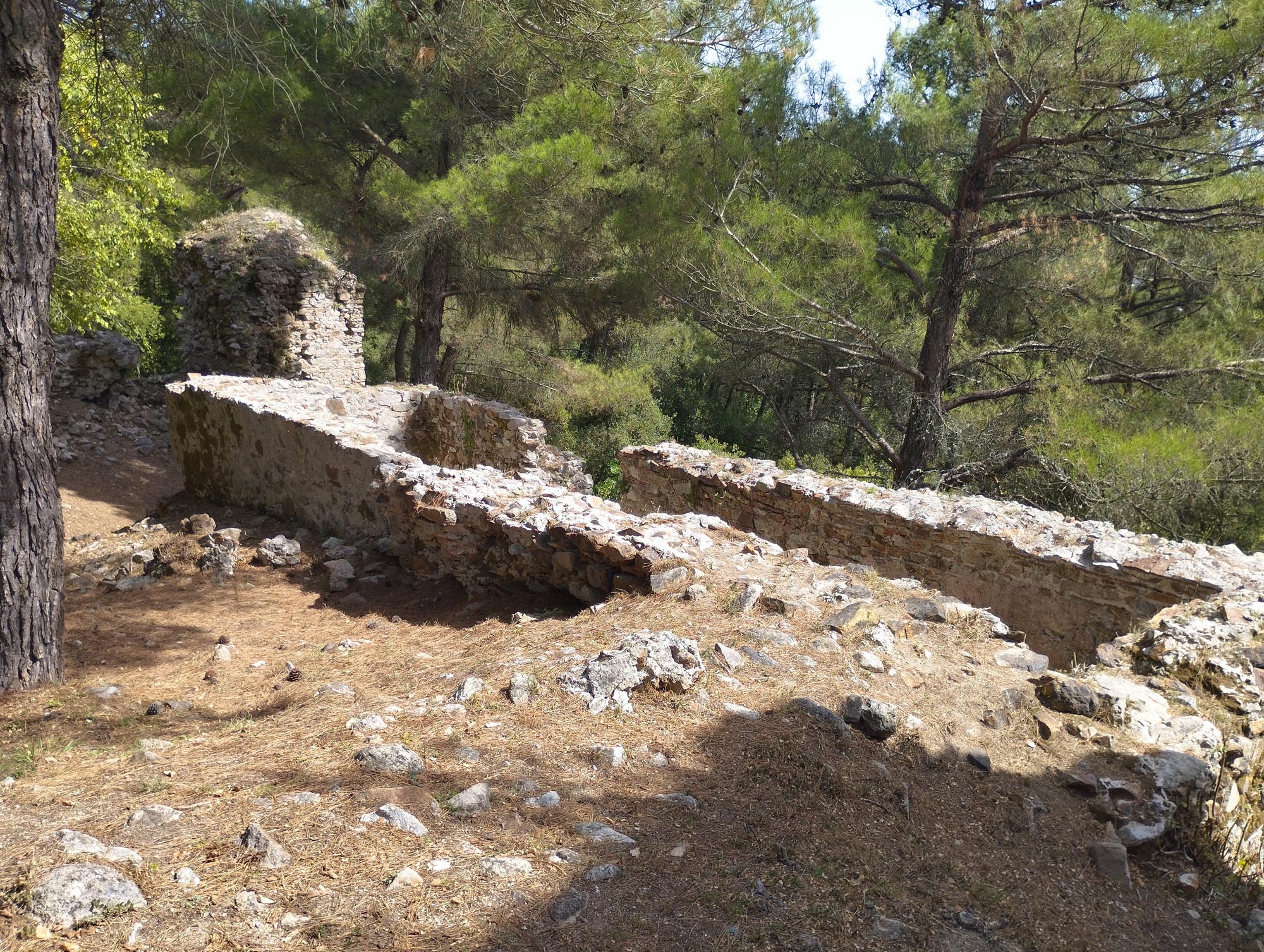
Castle of Xantheia
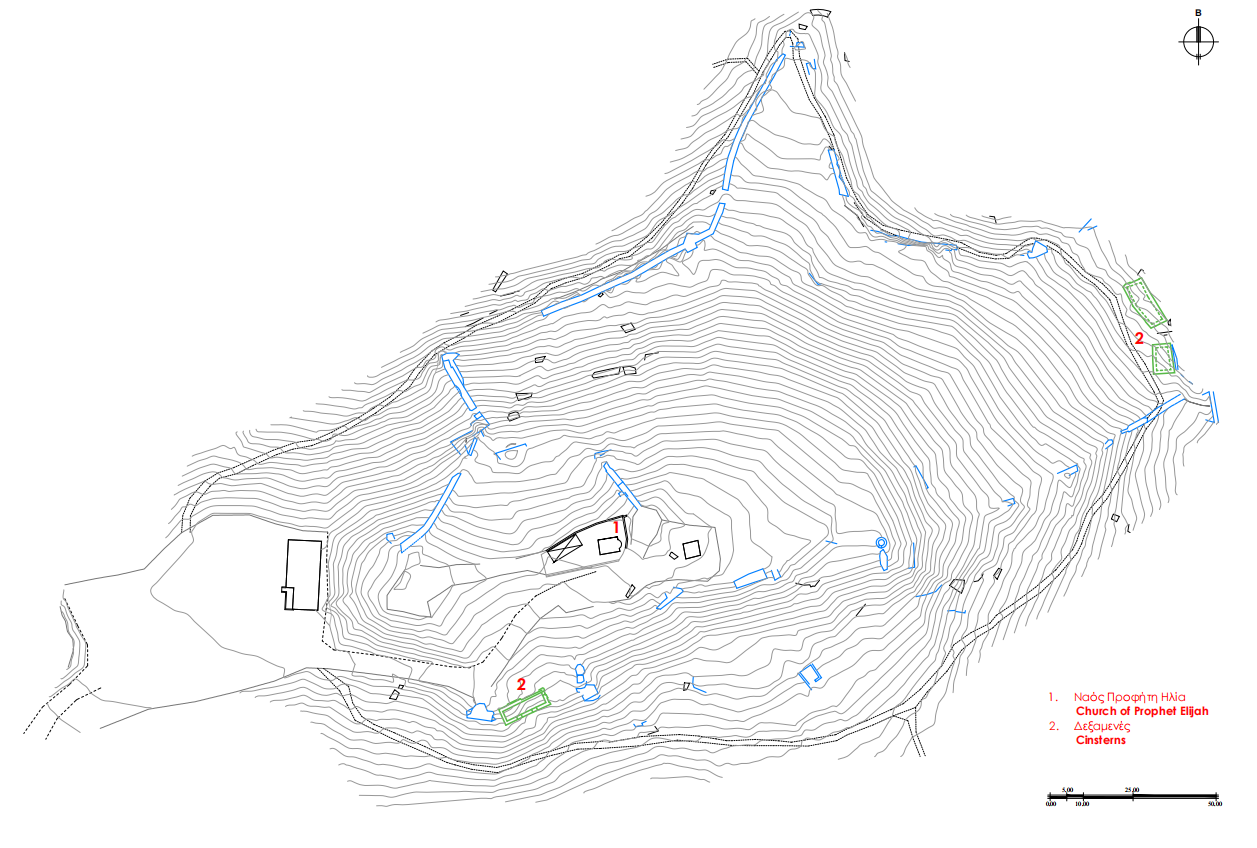
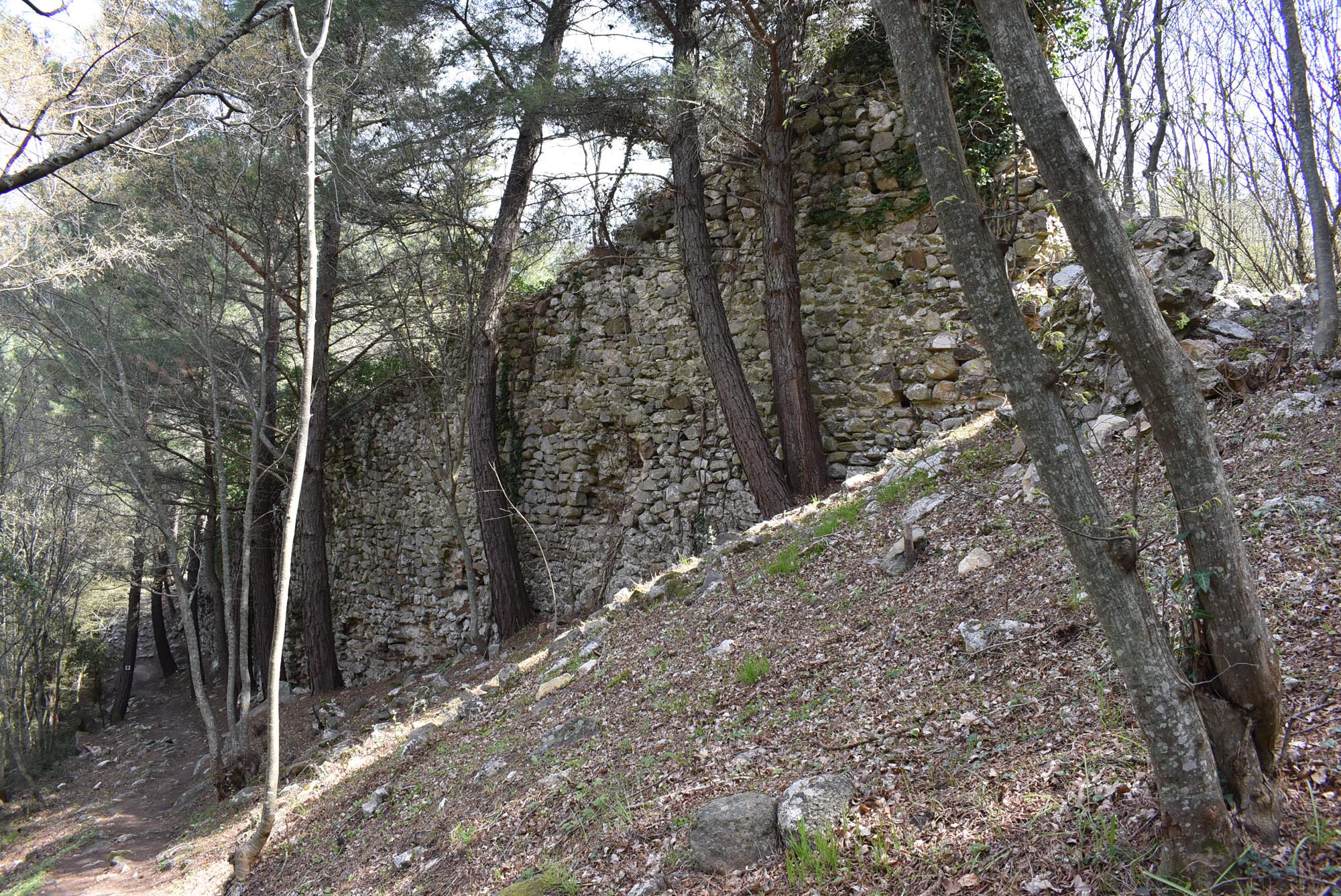
The fortifications, enclosing an area of 24,400 m2 on the hilltop above the modern city of Xanthi, form an irregular trapezoid following the contours of the hill. Almost the whole of the north part survives, unlike the south part, which is only fragmentarily preserved. The enceinte, 760 m long in total, is preserved to a height of 12 m in places. It is reinforced with towers at intervals and at each corner. Inside the enceinte, building remains and three water cisterns can be seen among dense vegetation. From the hill, visitors today enjoy a panoramic view of the modern city, the steep ravine of the River Kosynthos, the plain of Xanthi, and even the Aegean coast. .
A little lower than the castle of Byzantine Xantheia, southeast of the Monastery of Pammegistoi Taxiarches (Great Archangels), are preserved traces of a smaller quadrilateral enclosure, occupying an area of 8,800 m2. The presence of mortar in its masonry dates it to the Byzantine period.
Monastery of Pammegistoi Taxiarches (Great Archangels)
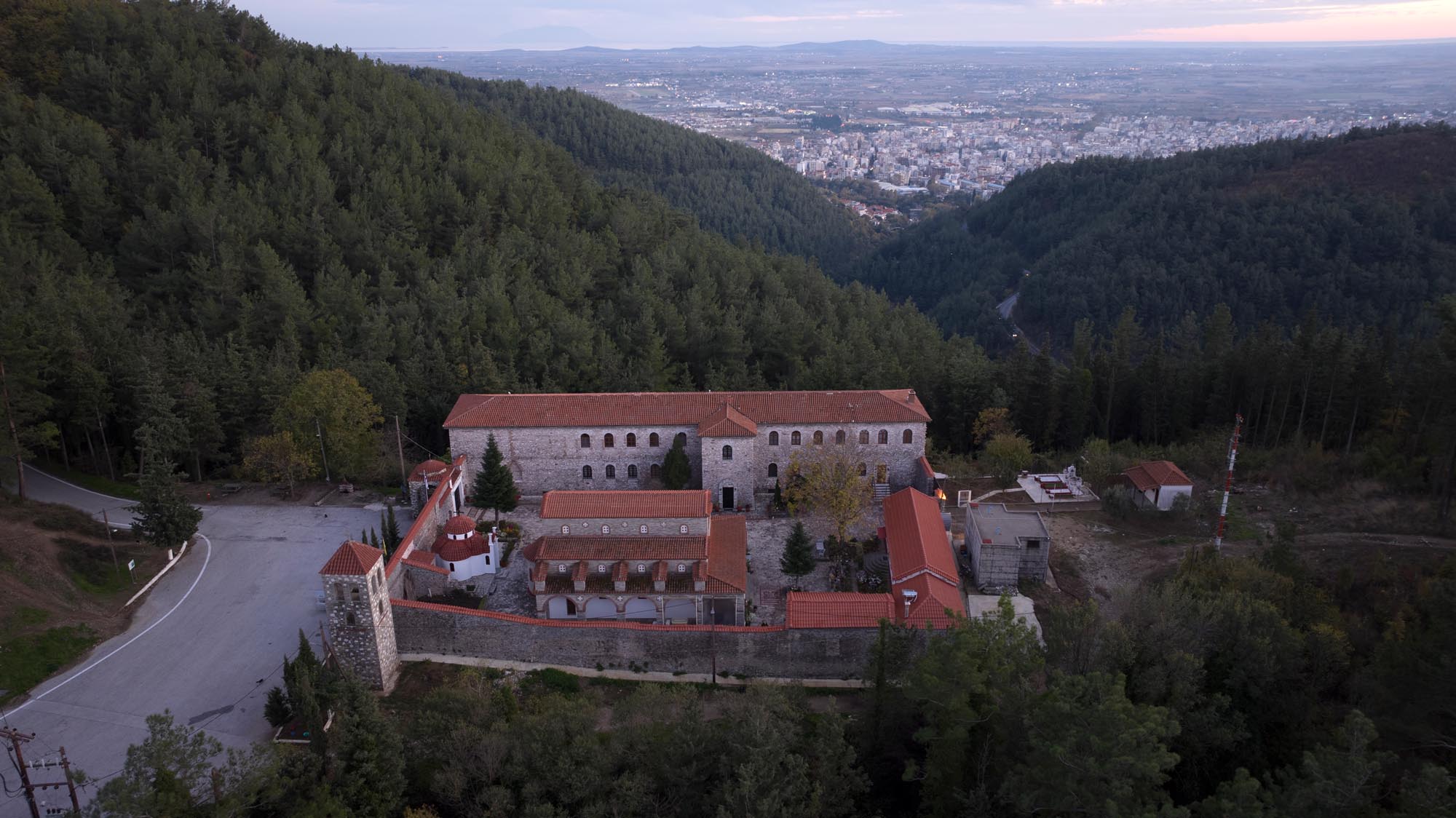
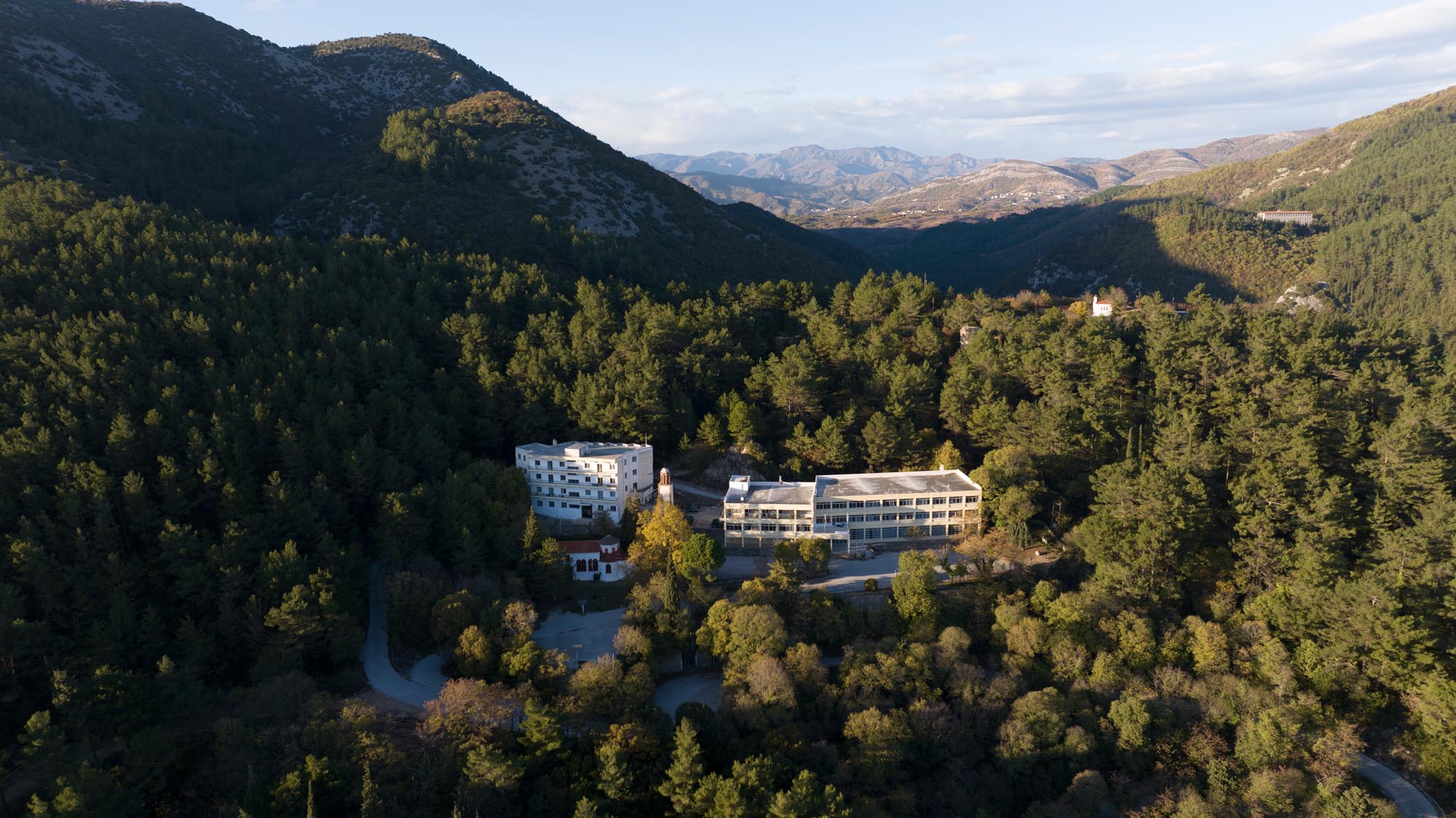
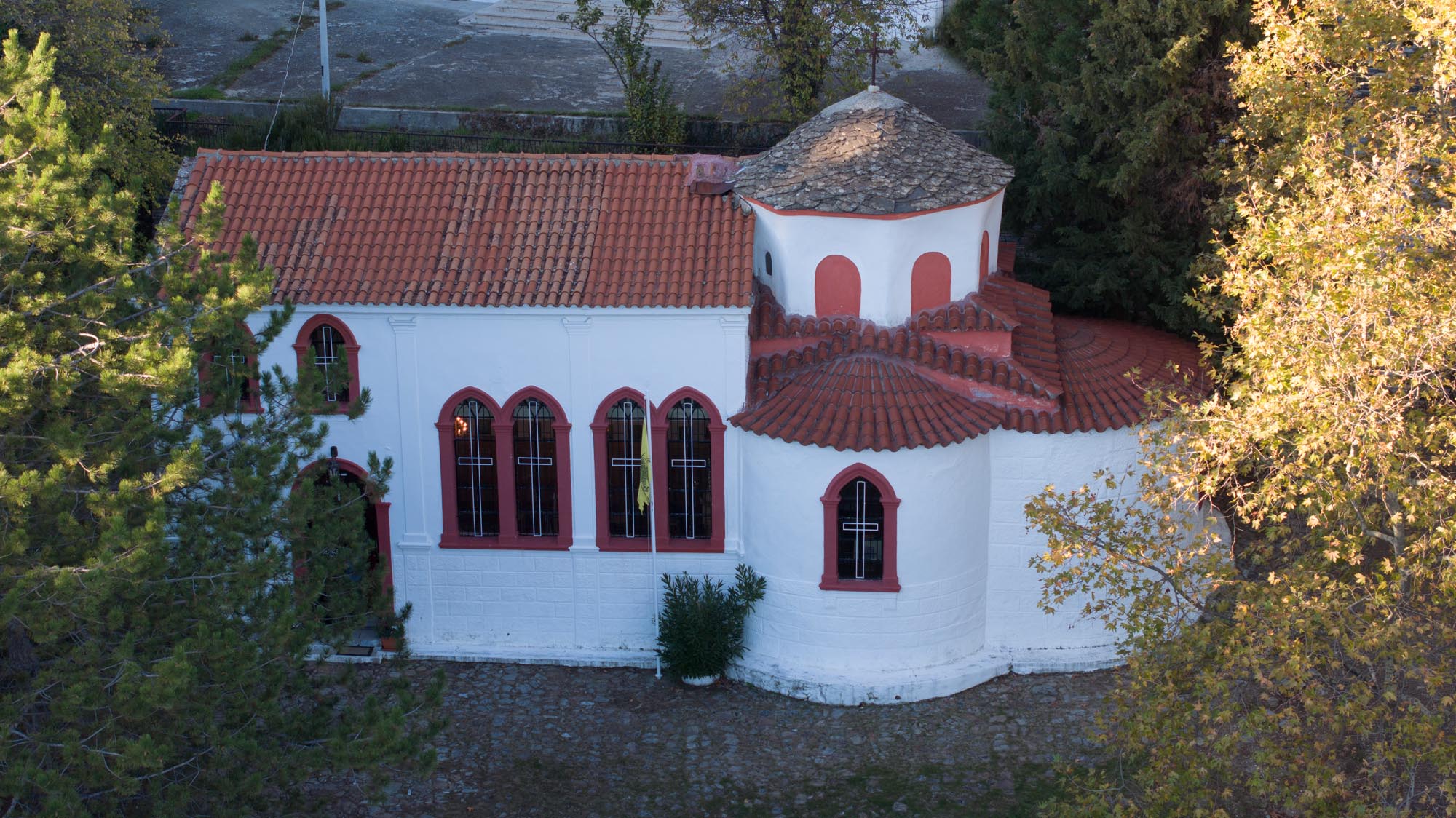
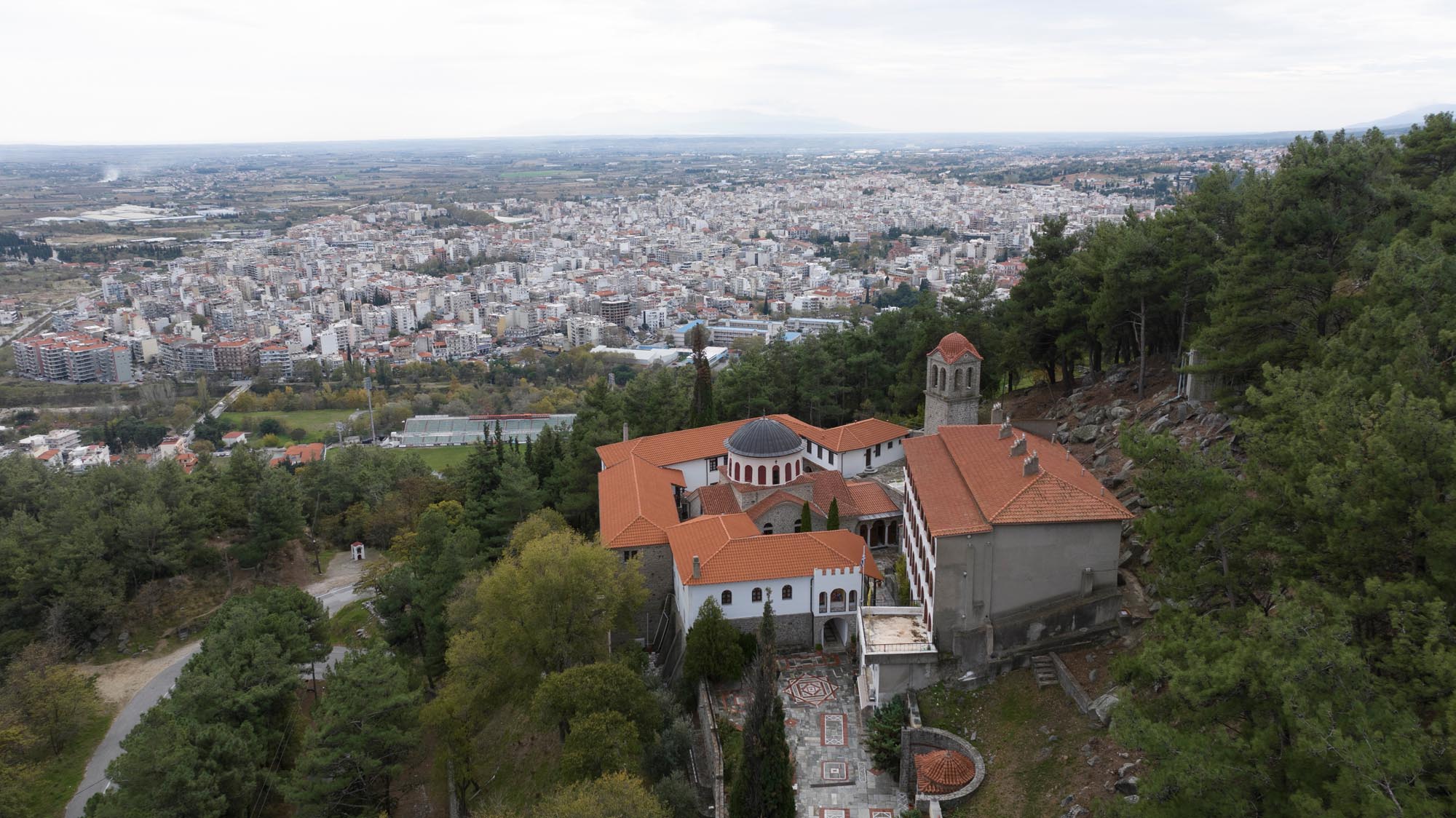
The monastery stands on the wooded hill northwest of the city of Xanthi, a little lower than the castle of Byzantine Xantheia. The monastery’s small katholikon, which has undergone more recent interventions and alterations, is a triconch church of the late 9th or early 10th century. Two layers of frescoes are preserved inside the monument: the fragmentary surviving hierarchs in the niche of the sanctuary belong to the 14th century, while the frescoes of the dome (Pantocrator, Hetoimasia, Divine Liturgy, prophets and evangelists) date to the late 19th-early 20th century, during the period of the extensive repairs to the church and the addition of the narthex.
Old Town
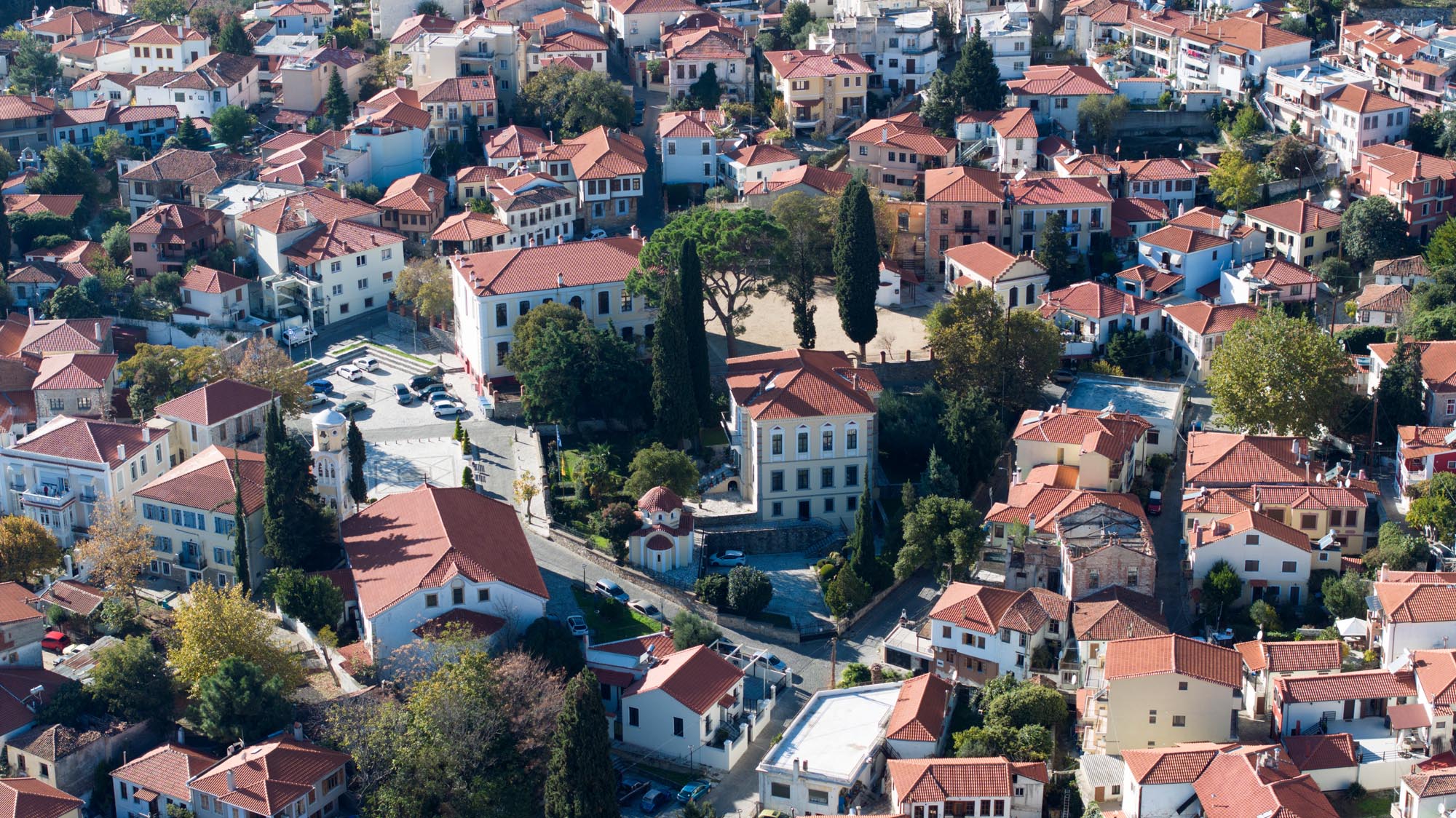
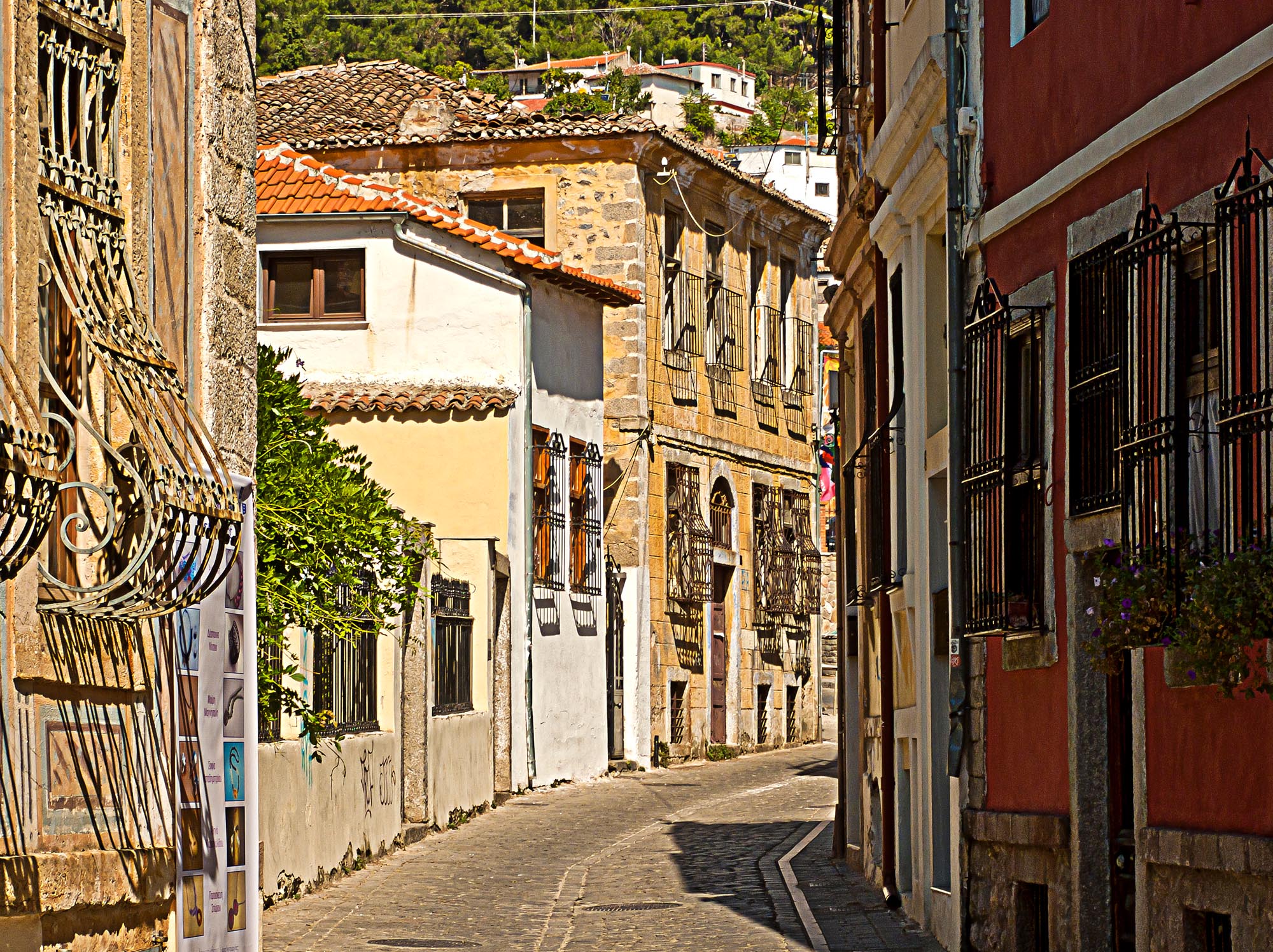
The Old Town lies in the north part of modern Xanthi and has been designated a “site requiring special state protection”, covering an area of 38 hectares. Visitors are pleasantly struck by its cobbled streets, the rich mansions with their colourful and varied facades, the little ground-floor shops, and the folk art and metalwork workshops. All the buildings of the Old Town belong to the period of reconstruction that followed the devastating earthquakes of 1829.
Konak of Muzaffer Bey (46 Markou Botsari St., Old Town)
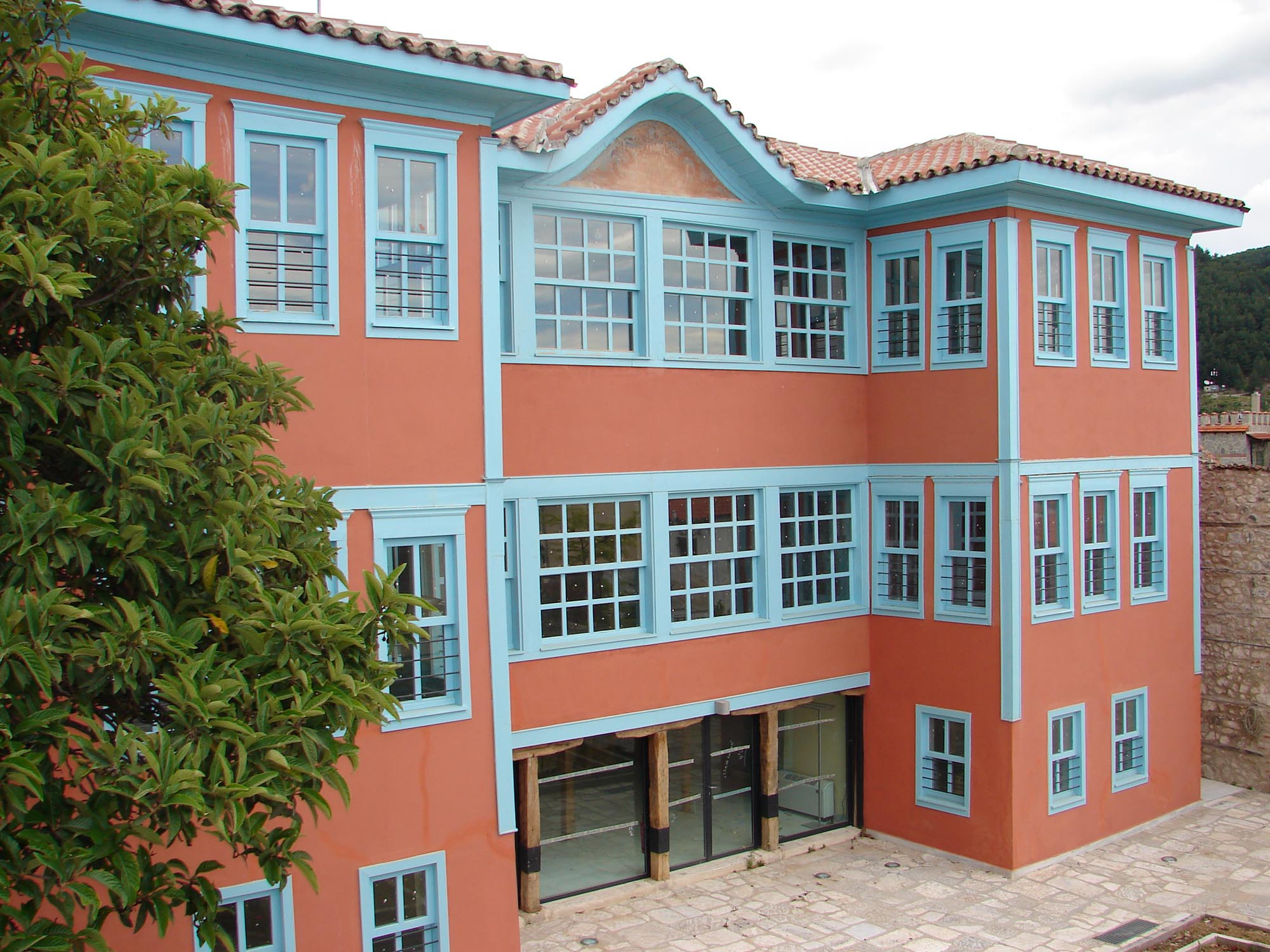
The restored three-storey mansion stands out among the buildings of the Old Town. It was probably built between 1850-1870. This imposing building has a hammam and an open U-shaped floor plan. It preserves features of local folk architecture and the interior is decorated with wall and ceiling paintings. The semicircular pediment crowning the central part of the building is also decorated with paintings.
“Manos Hatzidakis House” (junction of Eleftheriou Venizelou and Konitsis Streets)
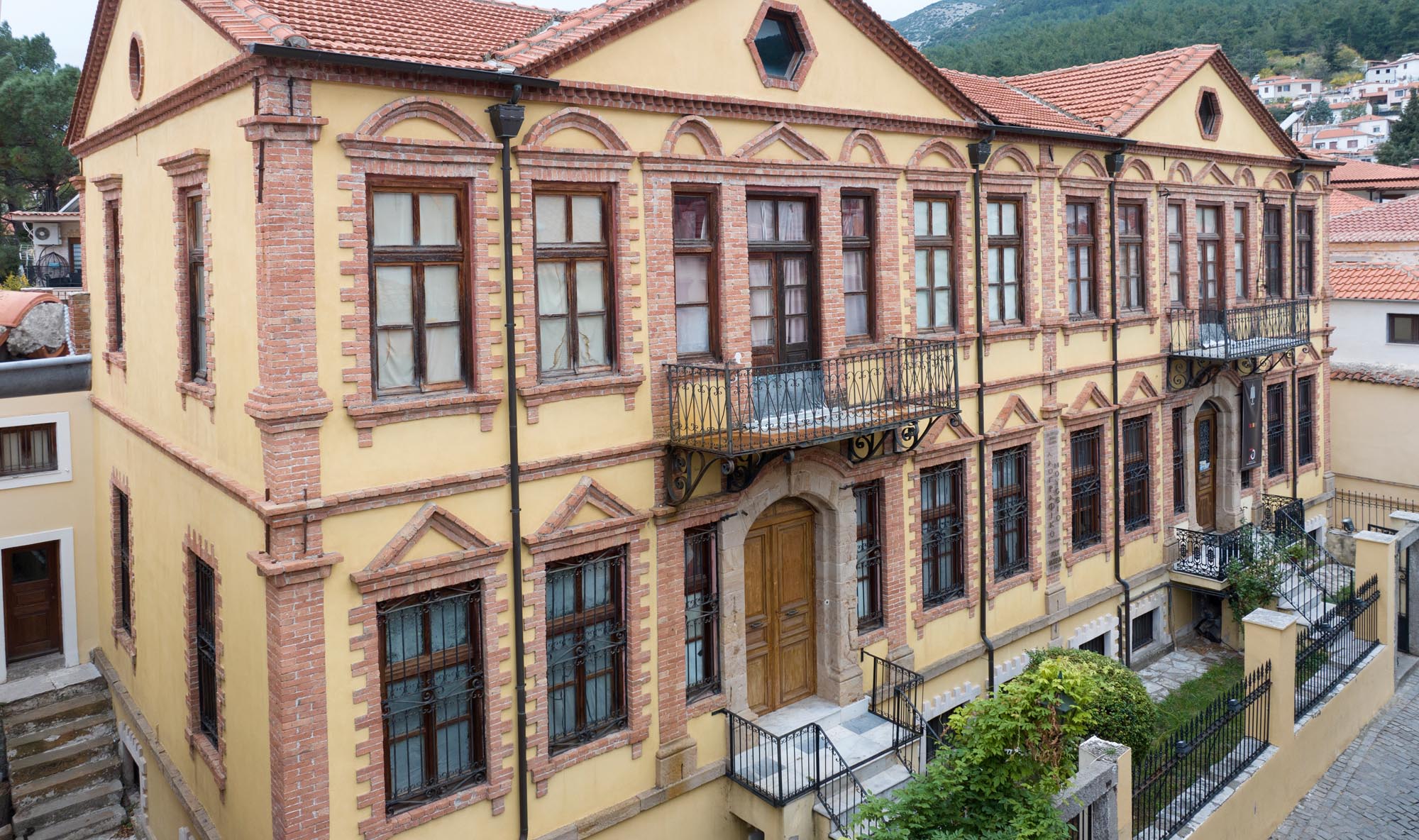
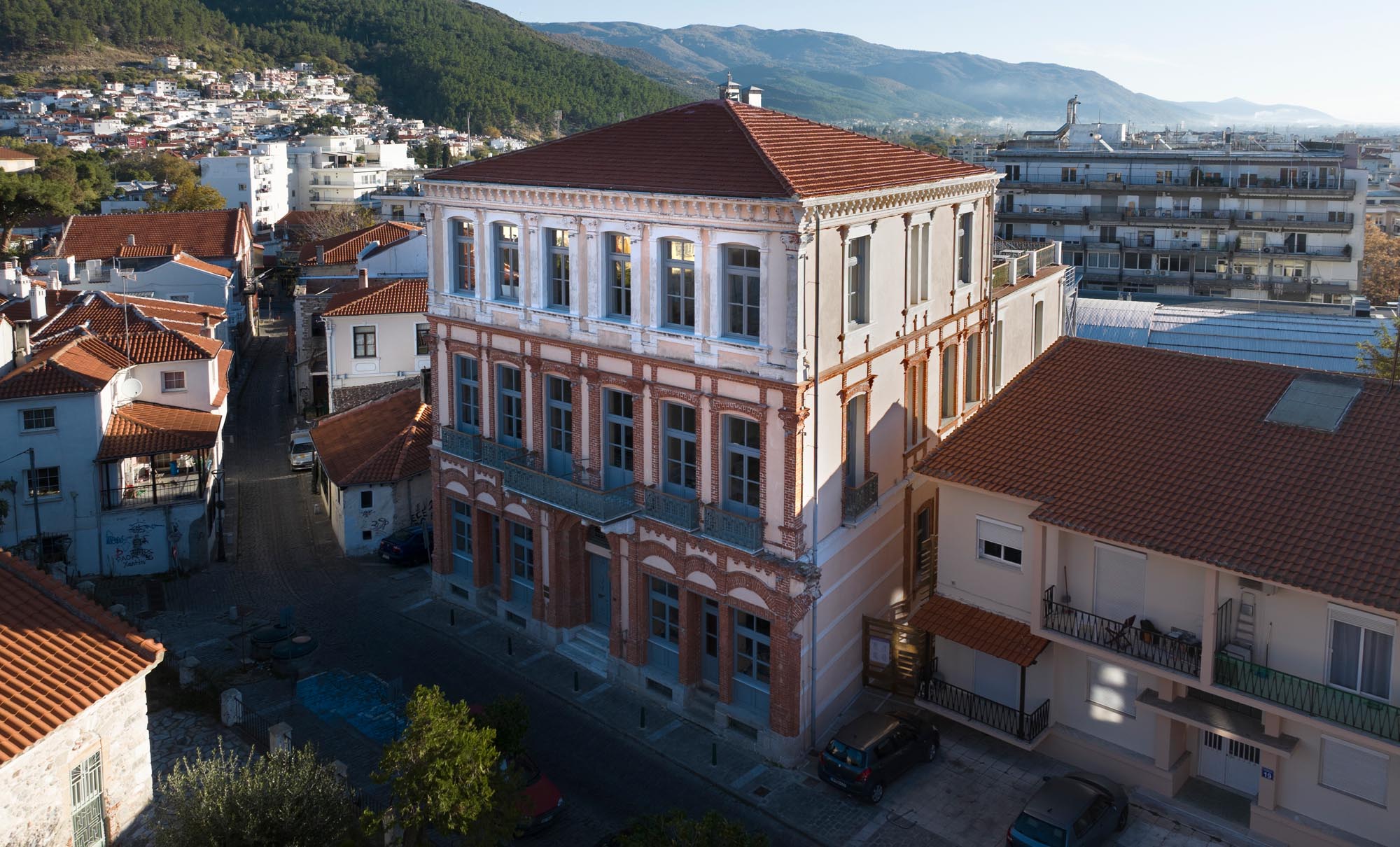
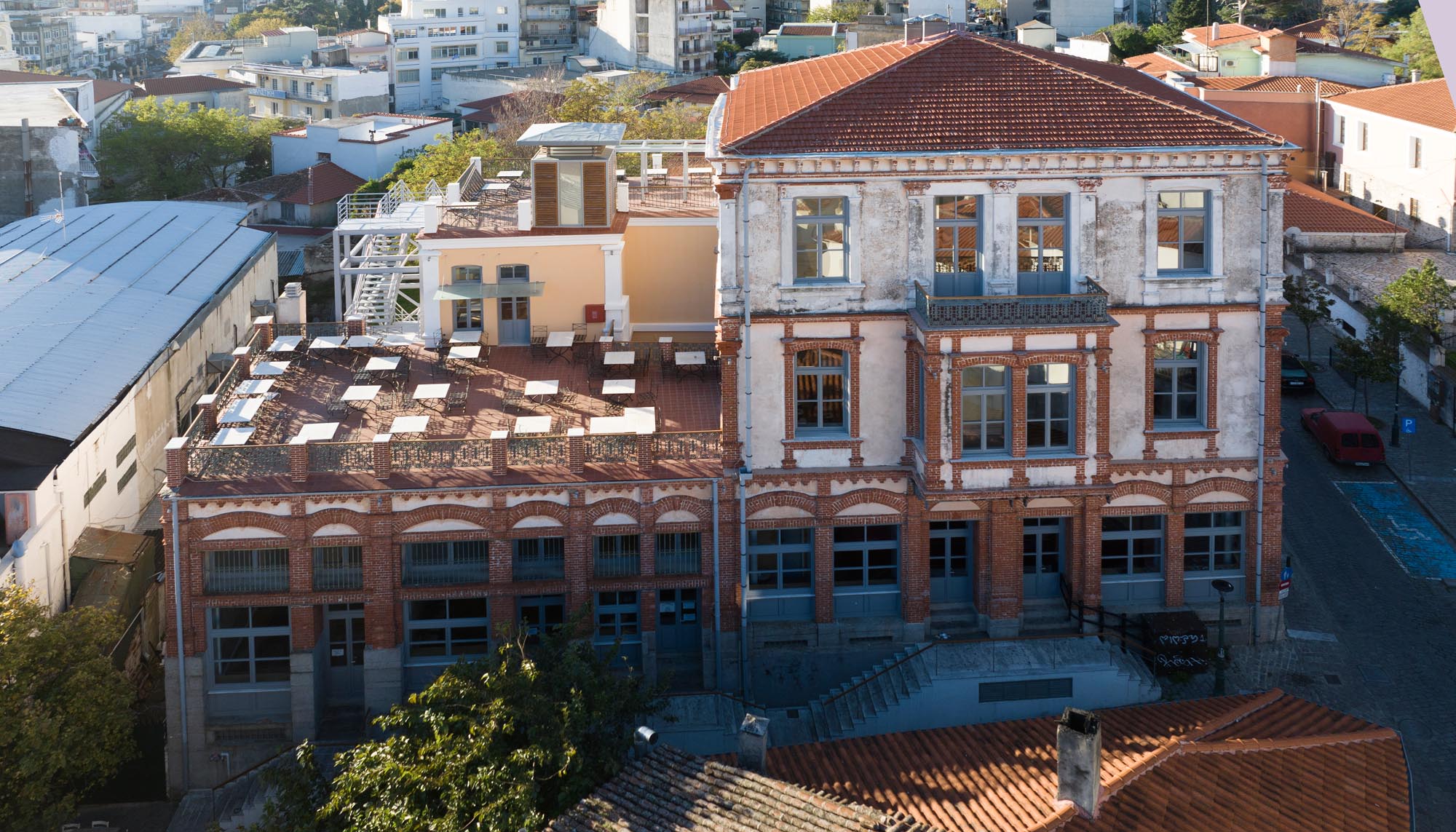
Of particular architectural value is the late-19th-century mansion, also known as the “Grand Maison”, which belonged to the Jewish tobacco merchant Isaac Daniel. It was here that the great composer Manos Hatzidakis (1925-1994) was born. The large-sized, three-storey with a basement residence is a typical example of an Eclectic building with strong European influences, ,which preserves mural decoration of excellent quality. Today it has been restored and operates as a Multiplex of Art and Thought.
Traditional Samakov district
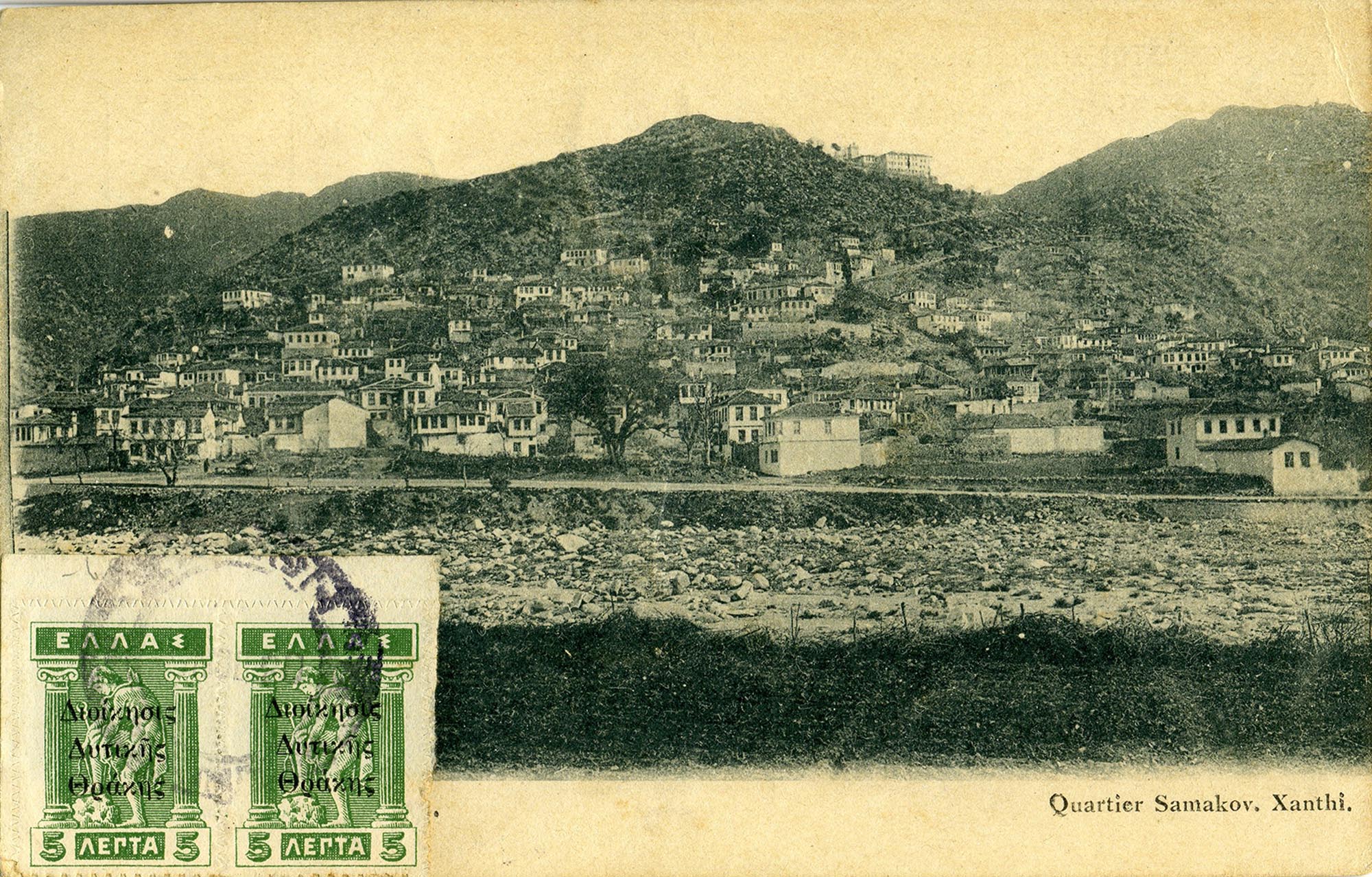
The district is separated from Old Xanthi by the River Kosynthos. Its establishment is linked to the settlement in Xanthi, in 1714, of a significant number of refugees from Samakov in Northern Thrace, south of present-day Bulgaria. In the 19th century, the district was inhabited by poorer ironworkers, tobacco workers and small merchants.
19th- century churches
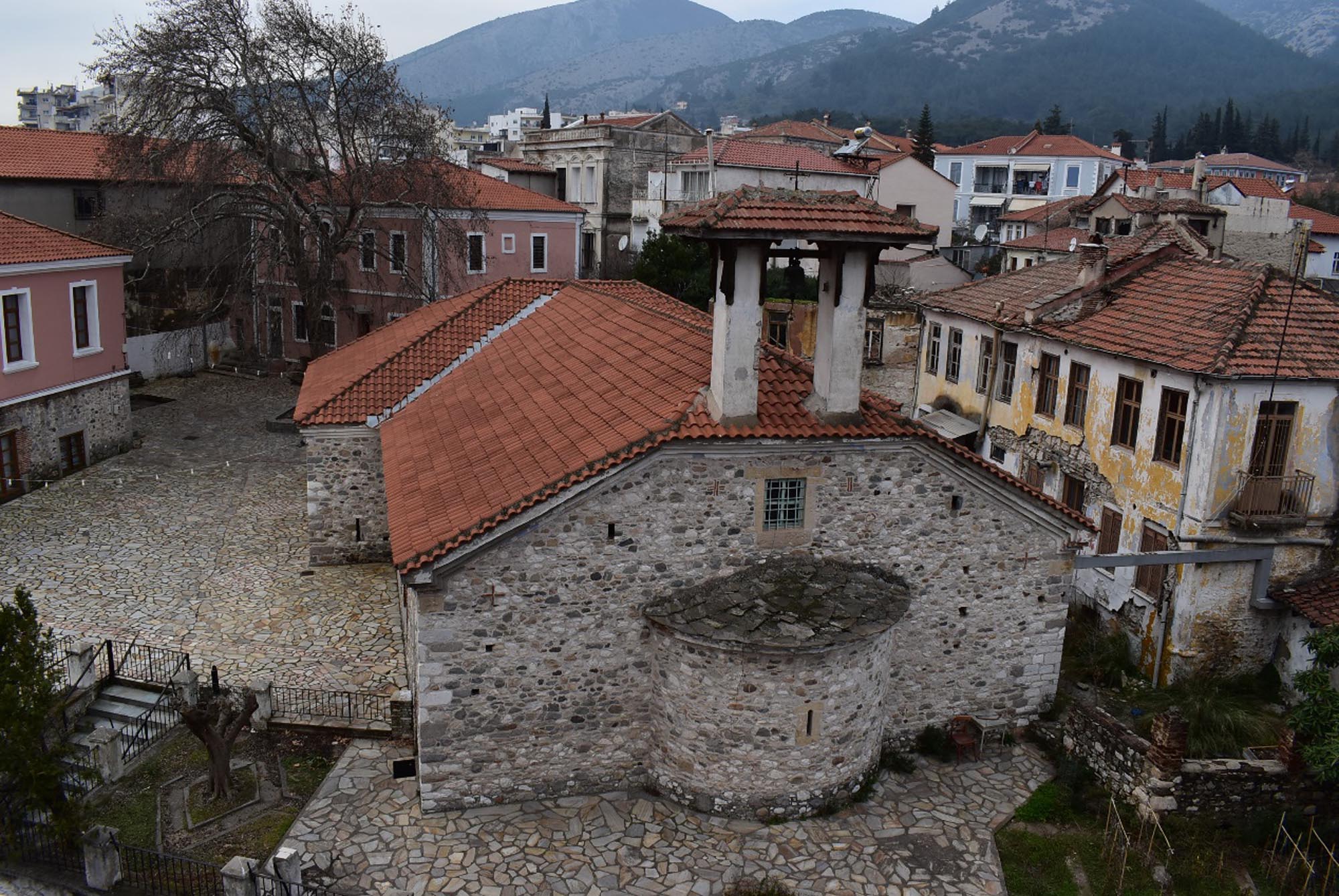
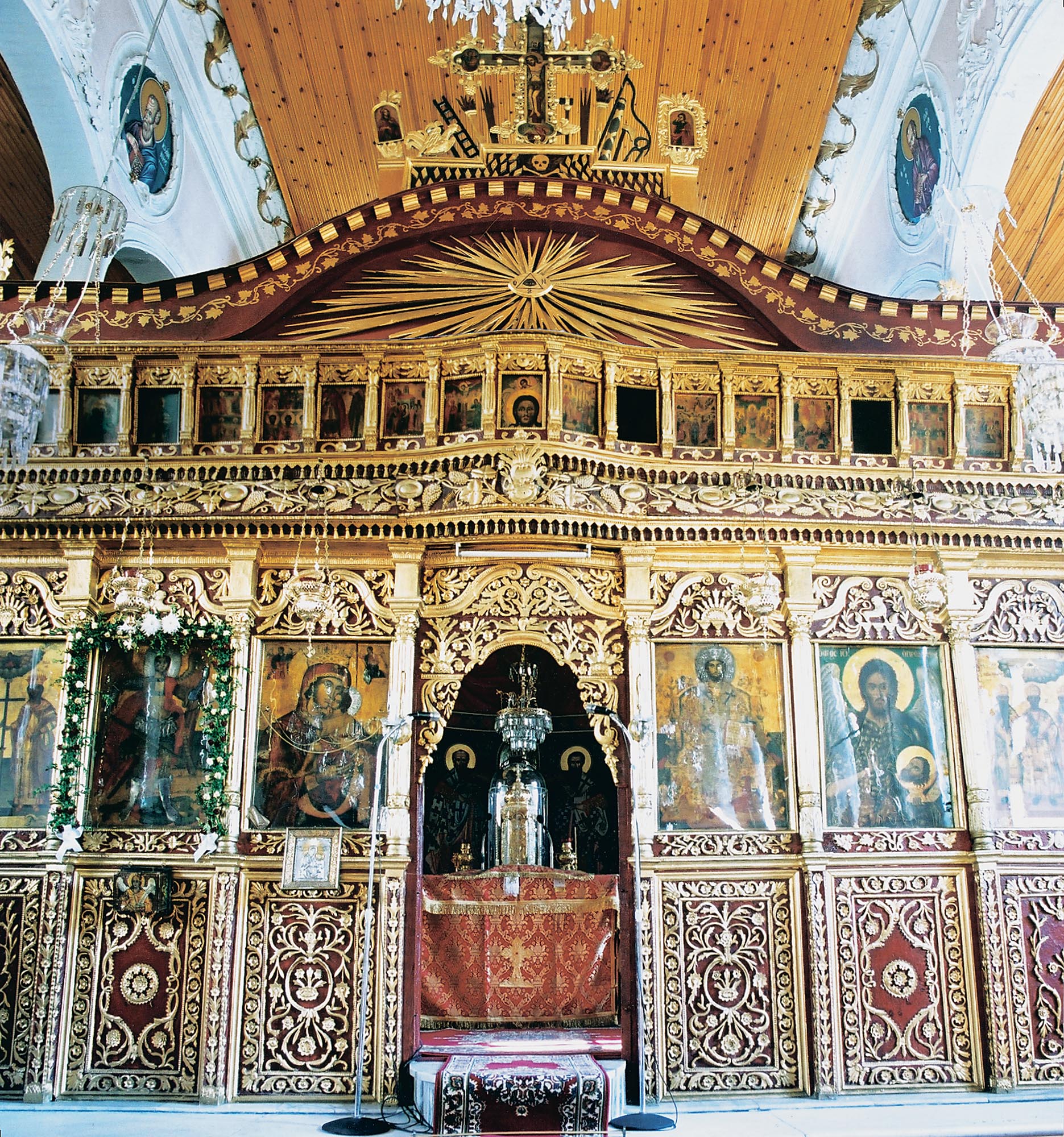
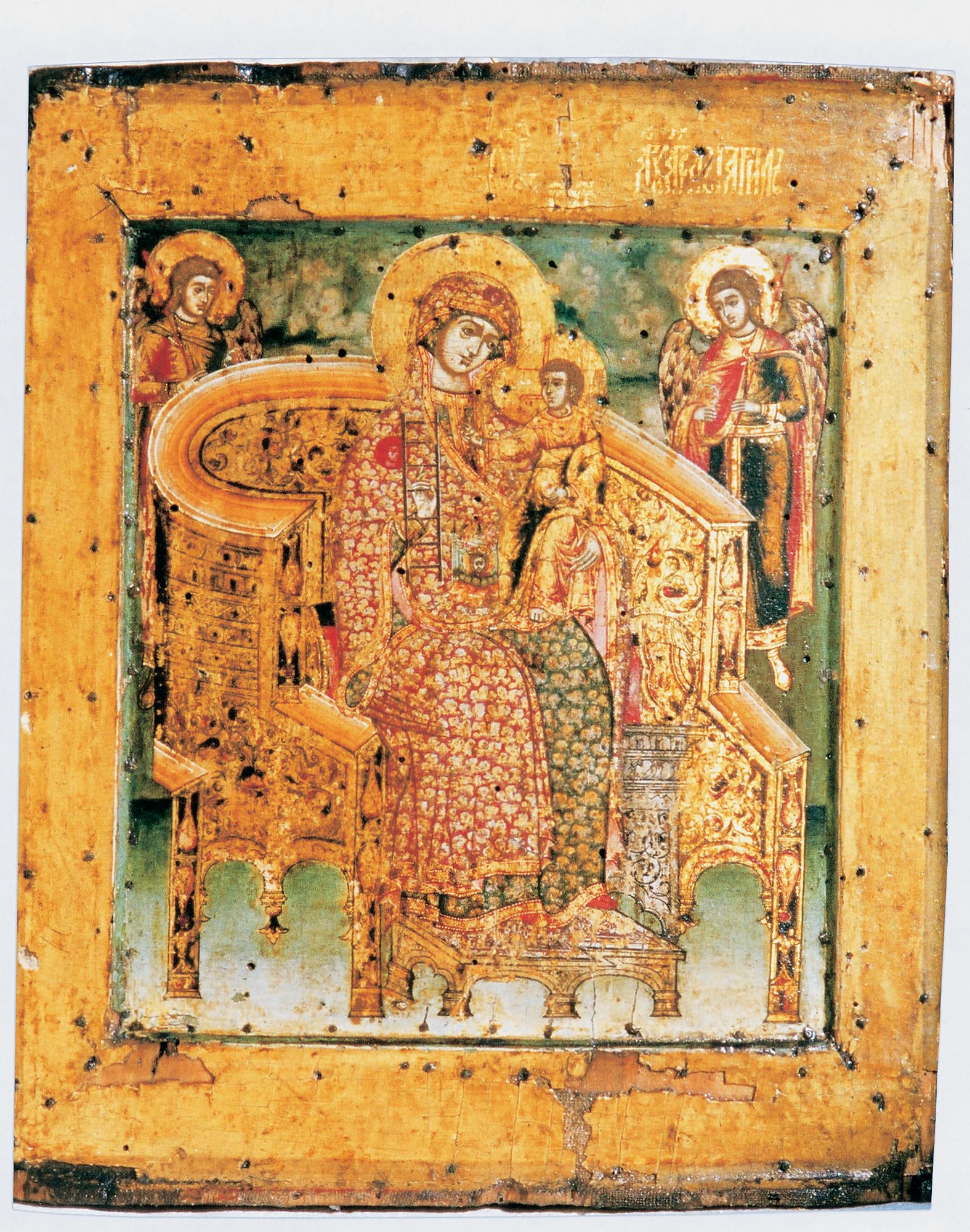
After the devastating earthquakes of 1829, a series of churches of the three-aisled timber-roofed basilica type were built in the Old Town of Xanthi: the Church of Pammegistoi Taxiarches (Great Archangels) (1834), the Church of St George (1835), the Church of St Blaise (1838), the Metropolitan Church of St John the Baptist (1839) and the Church of the Akathist Hymn (1861). The Church of St Demetrios in the Samakov district was built in 1834 but it was destroyed by unknown causes and a small single-nave church was erected in its place in 1949. The churches of Xanthi house remarkable ecclesiastical heirlooms and portable icons (mainly of the 19th century).
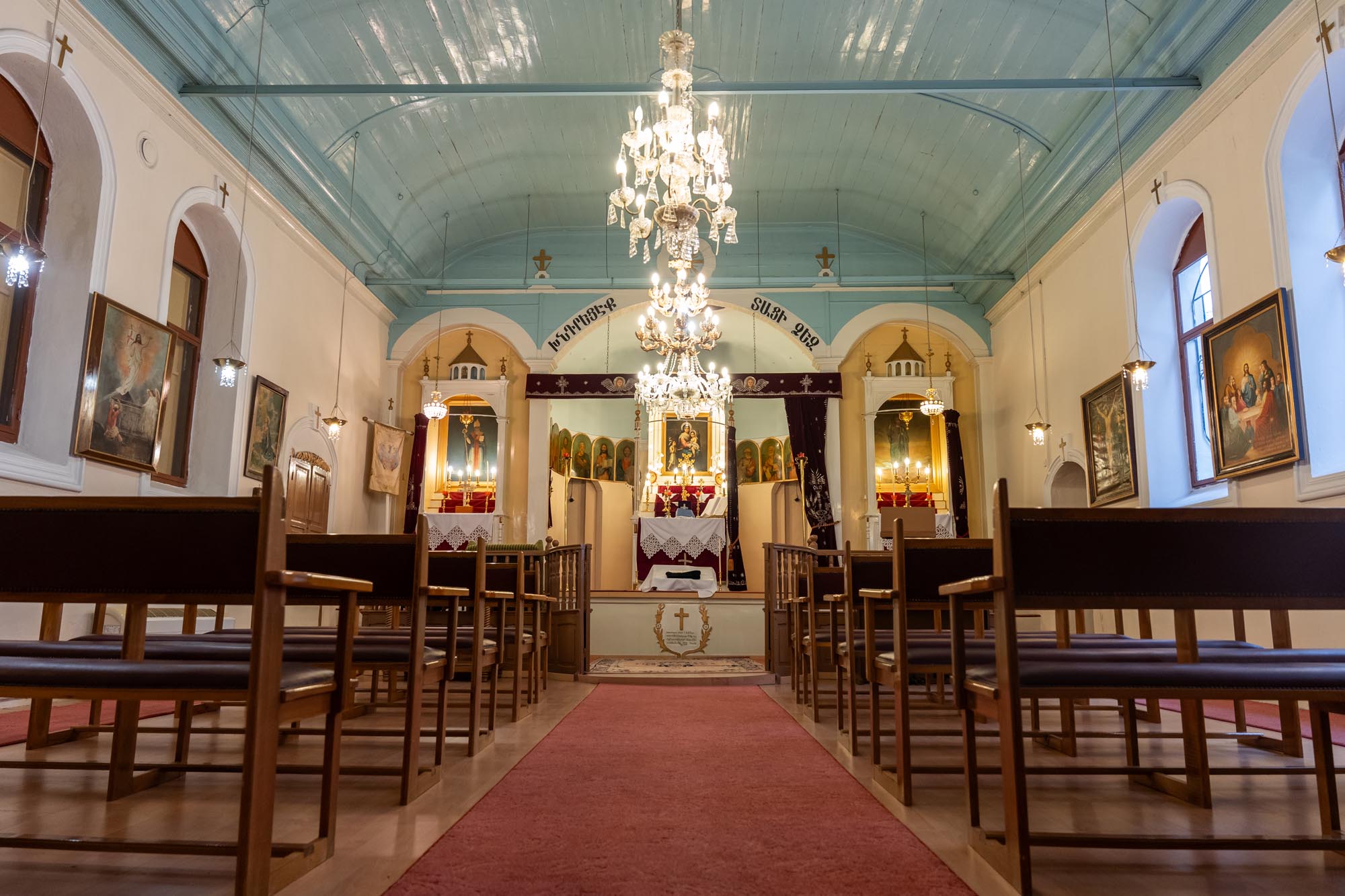
Armenian Church of the Virgin (54 Agiou Eleftheriou St.)
The church was built in 1927 and is closely linked to the historical adventures of the Armenians and their presence in Xanthi, which has been continuous from 1880 onwards. In the church courtyard is a school of the Armenian community of the city that still operates today.
Mosques
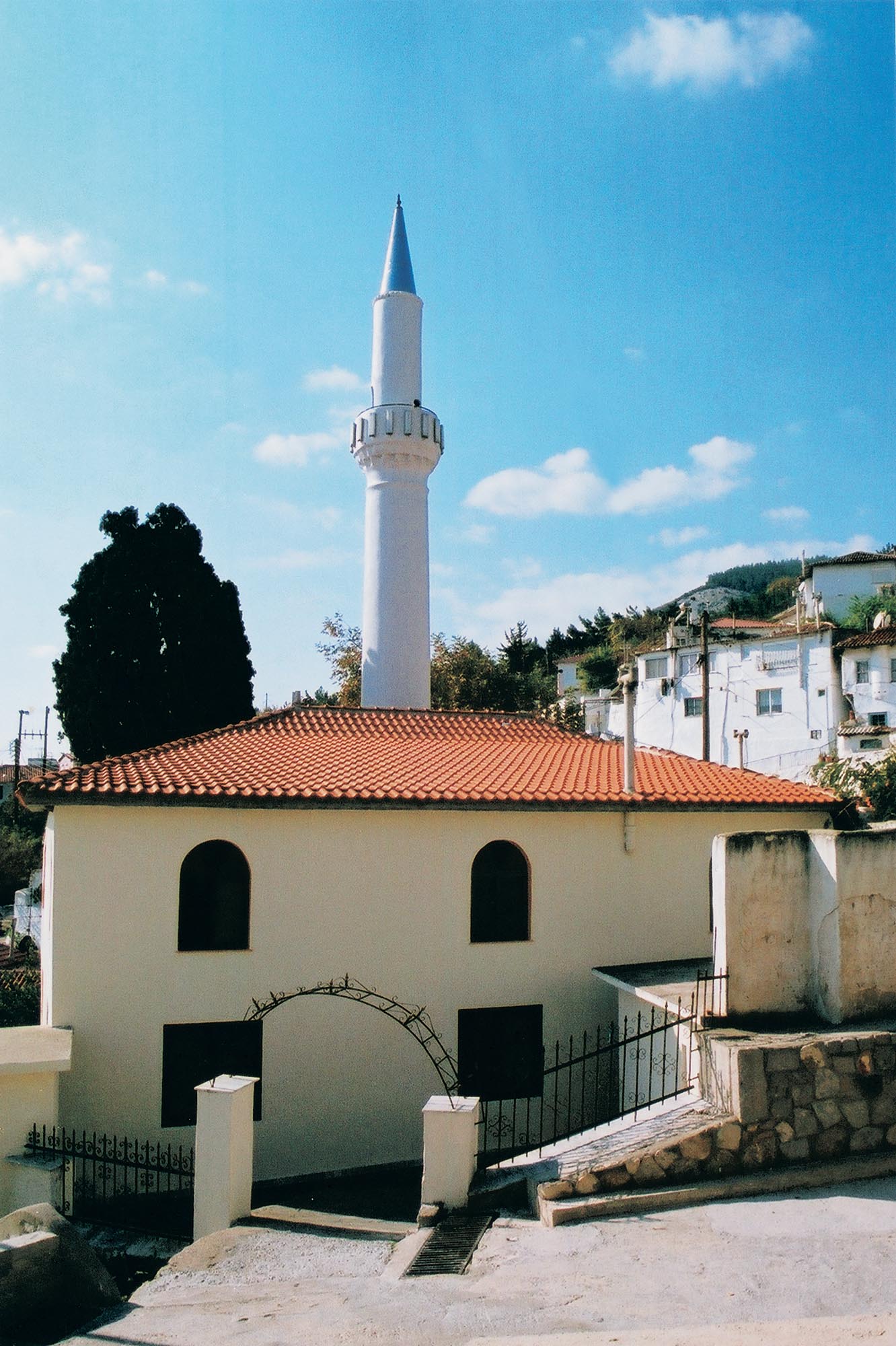
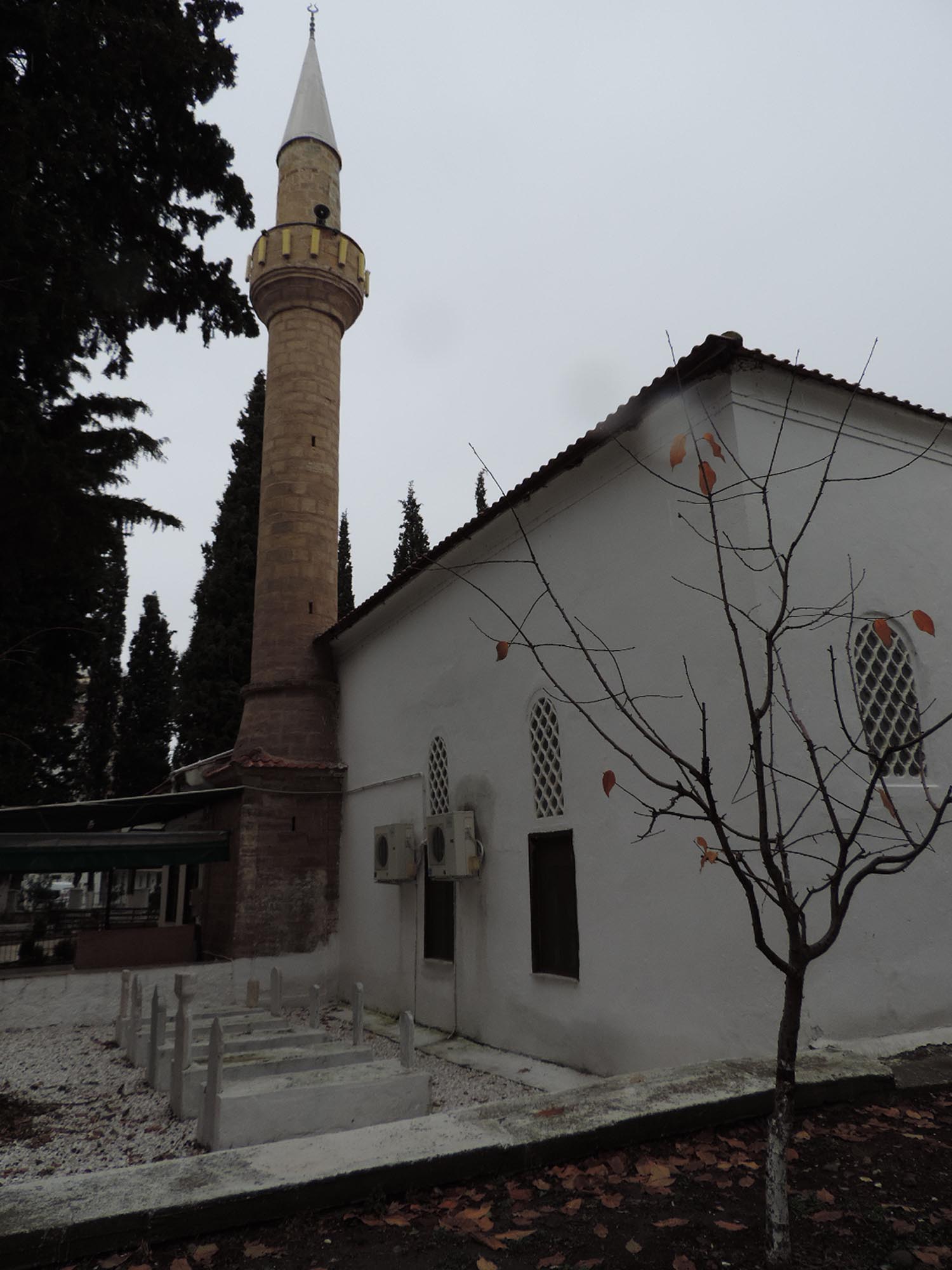
According to Evliya Çelebi, the city of Xanthi had one mosque and three mescits (small neighbourhood mosques without a minaret). The mosque to which the Ottoman traveller refers is probably the Achrian Mosque in what is now the Acropolis district of the Old Town. On the northwest side of the mosque is a cemetery with graves bearing inscriptions dated from 1580 to 1896. The Çinar Mosque, in the Asa district (15 Clemenceau St.), named after the plane tree at its entrance, was built in 1775 at the expense of Çıplak Hüseyin Ağa. The other mosques of Xanthi (Sunneh Mosque, Servili Mosque, Doiranis Street Mosque and Hürriyet Mosque) date from the second half of the 19th or the early 20th century.
Mevlevi Tekke and Hasib Baba Tekke
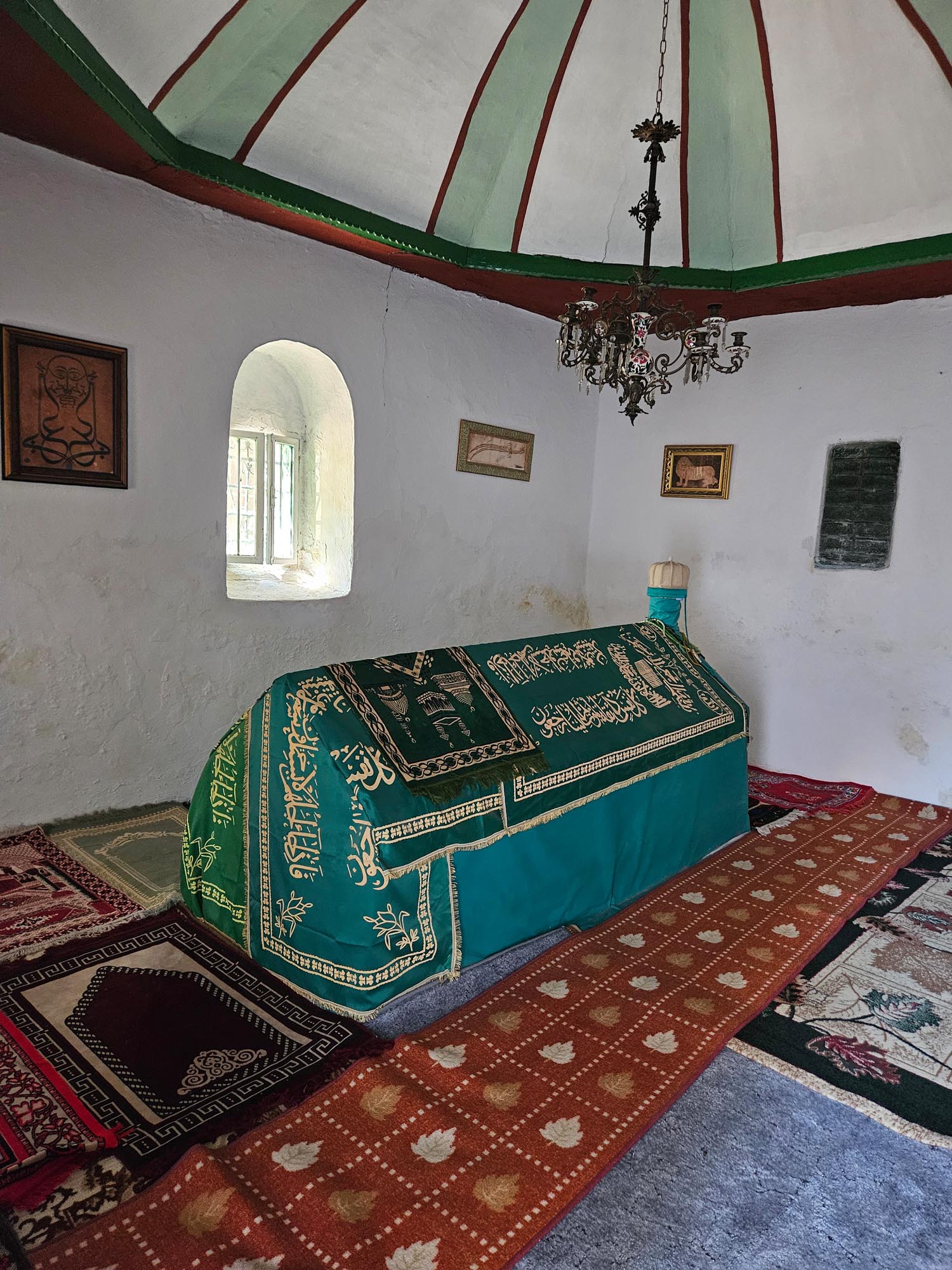
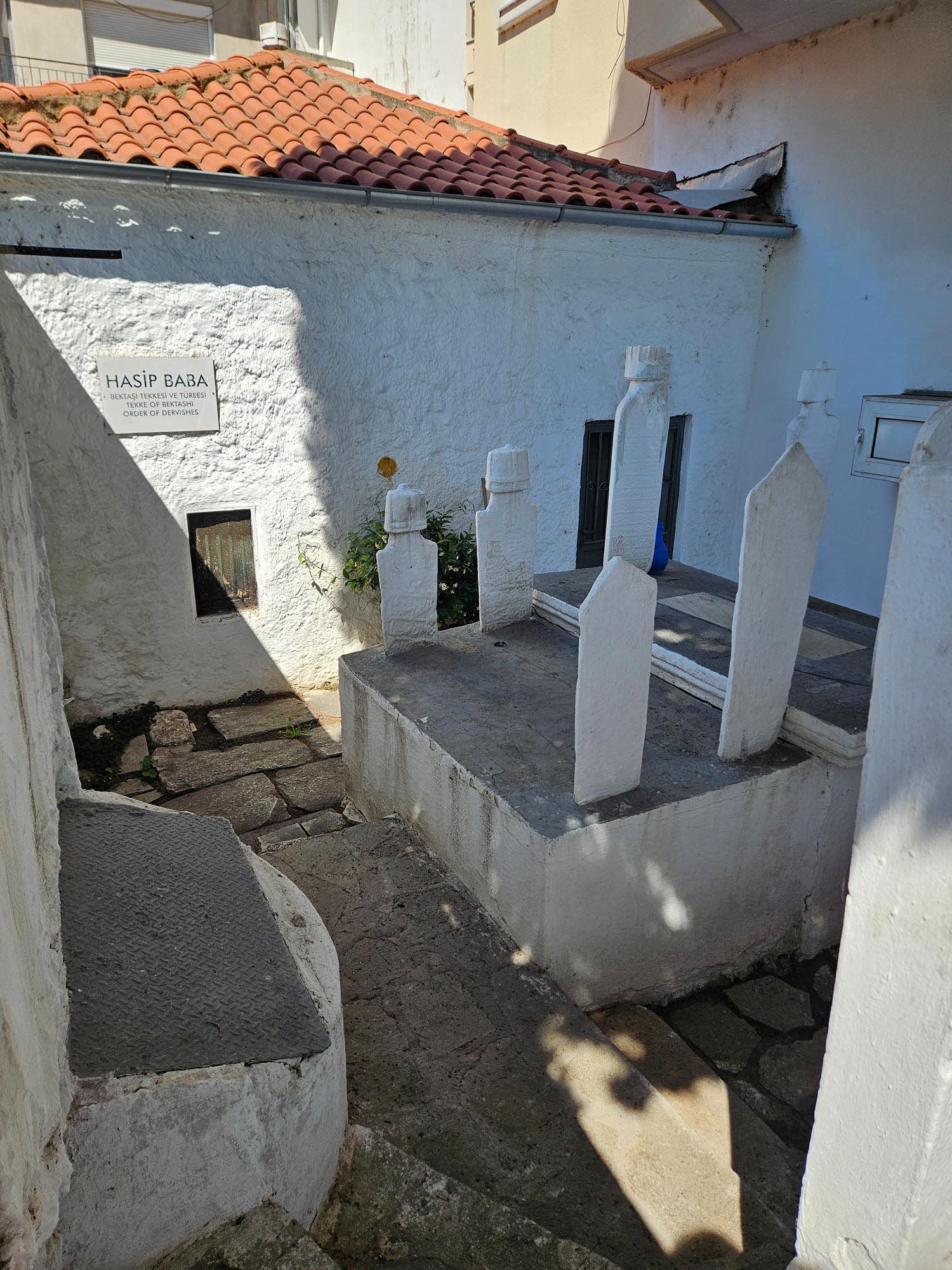
The Mevlevi Tekke, with now houses the Muftiate of Xanti, stands at the junction of Thermopilon and Clemenceau Streets. It was built before 1734. It is a simple quadrilateral building with modern additions. The Hasip Baba Tekke, at the junction of Stratou Avenue and Christou Kopsida Street, in the east of the city, was built in 1882 by Haship Baba and the Bektaşi dervish Ibrahim Baba. It is a quadrilateral tile-roofed building with a small cemetery in its courtyard.
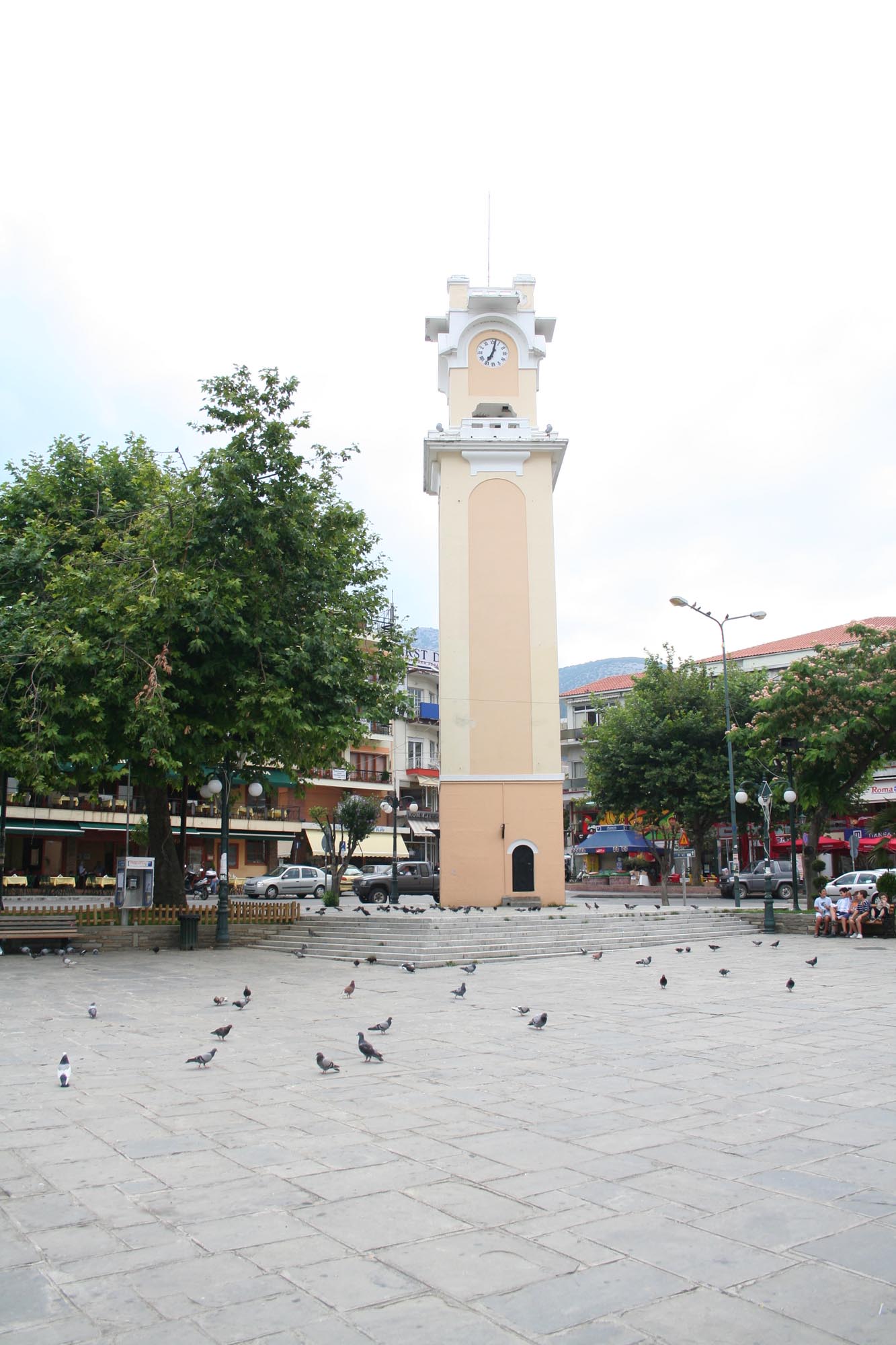
Dimokratias Square – Clock Tower
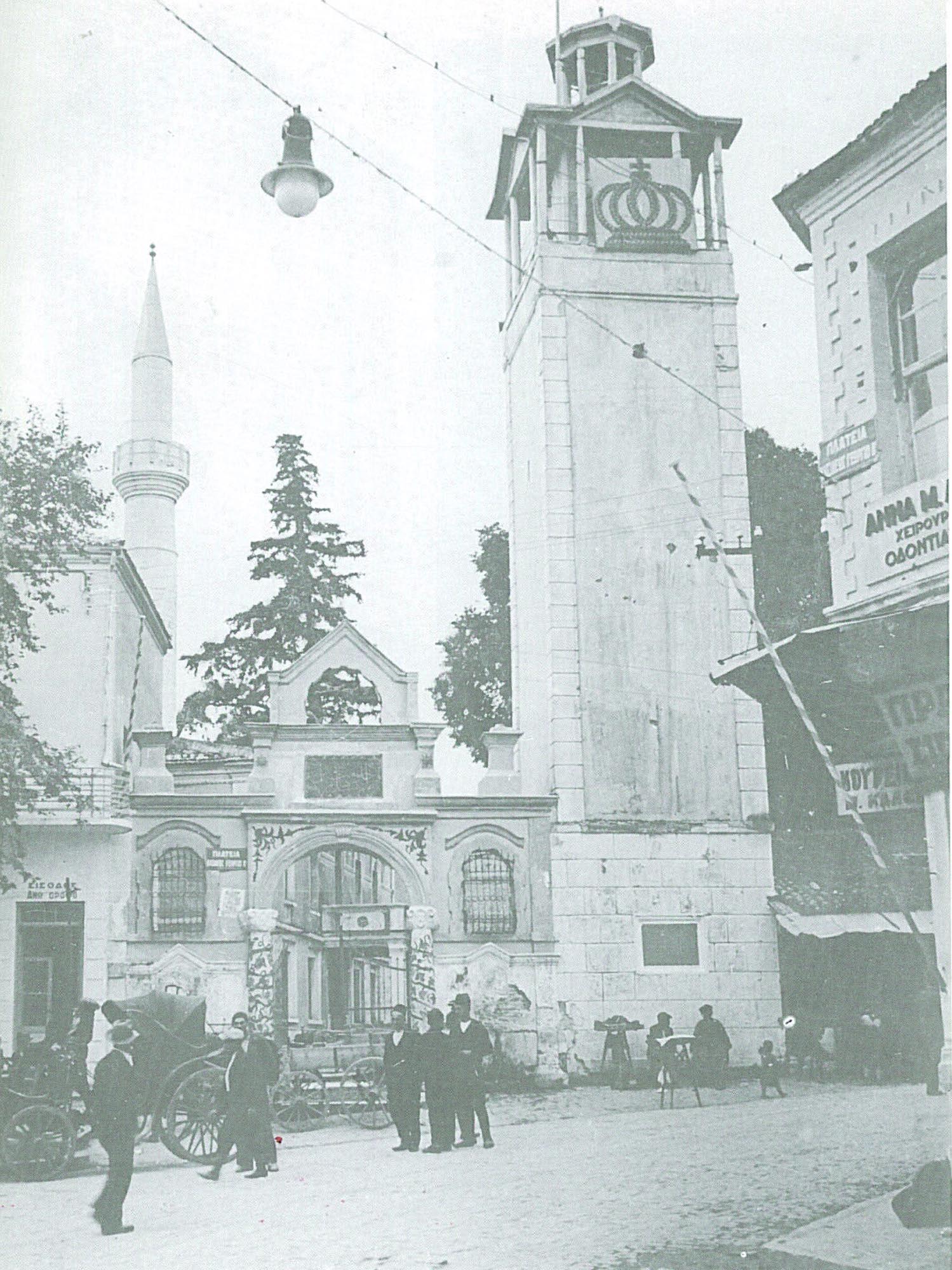
Dimokratias Square, a landmark of the city, was designed in 1870 and has undergone many interventions since then. Here was located the imposing Government House erected by the Ottoman authorities in the 1870s and demolished in 1969. In the square is the Clock Tower, one of the most characteristic monuments of the city, which is 20.50 m high. It was built in 1870, at the expense of the tobacco merchant Hadji Emin Aga, a great benefactor of the city. The tower was part of the city’s central mosque (the Market Mosque), which was destroyed by arson in 1941 during the Bulgarian occupation.
Tobacco Warehouses
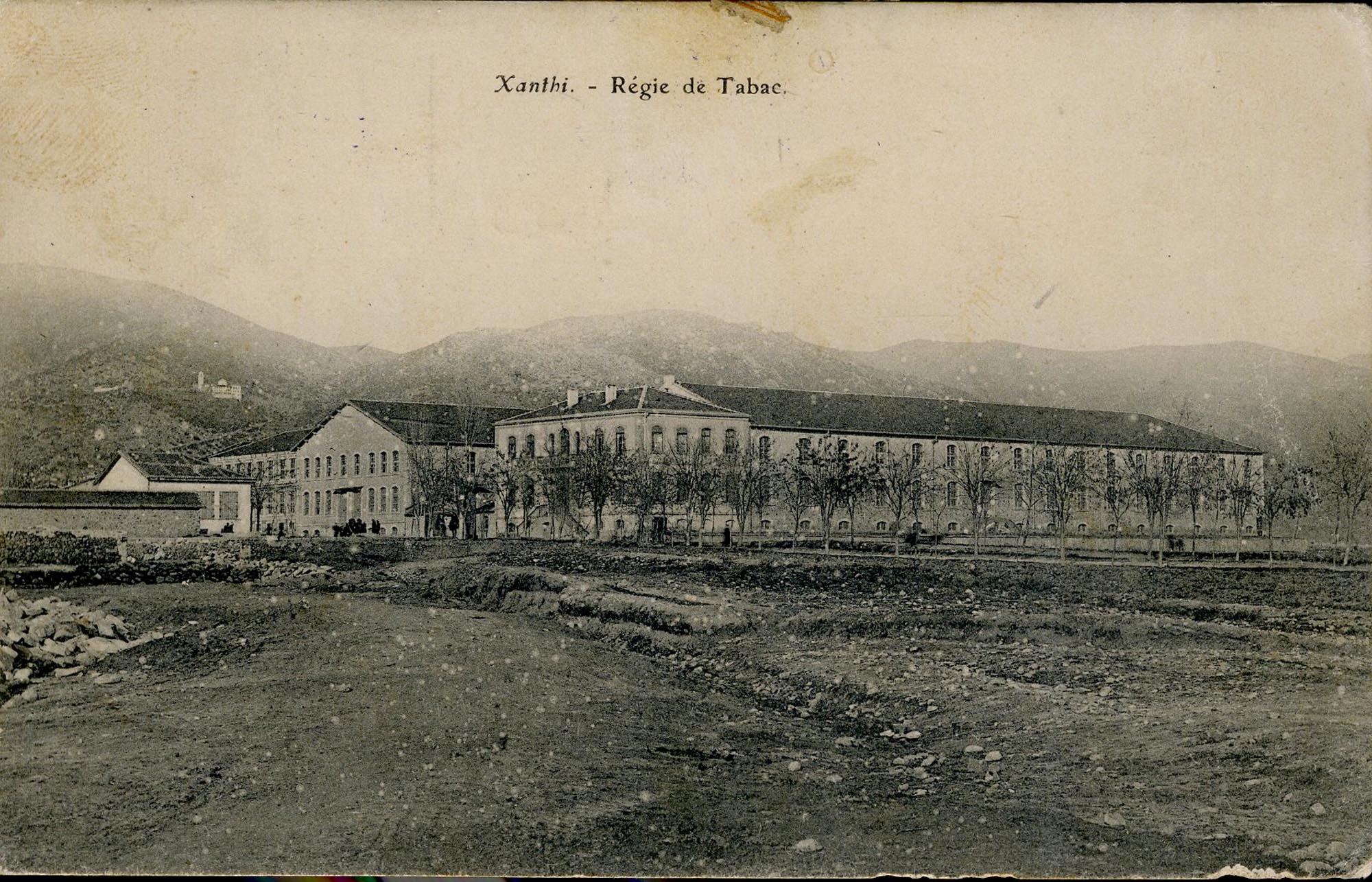
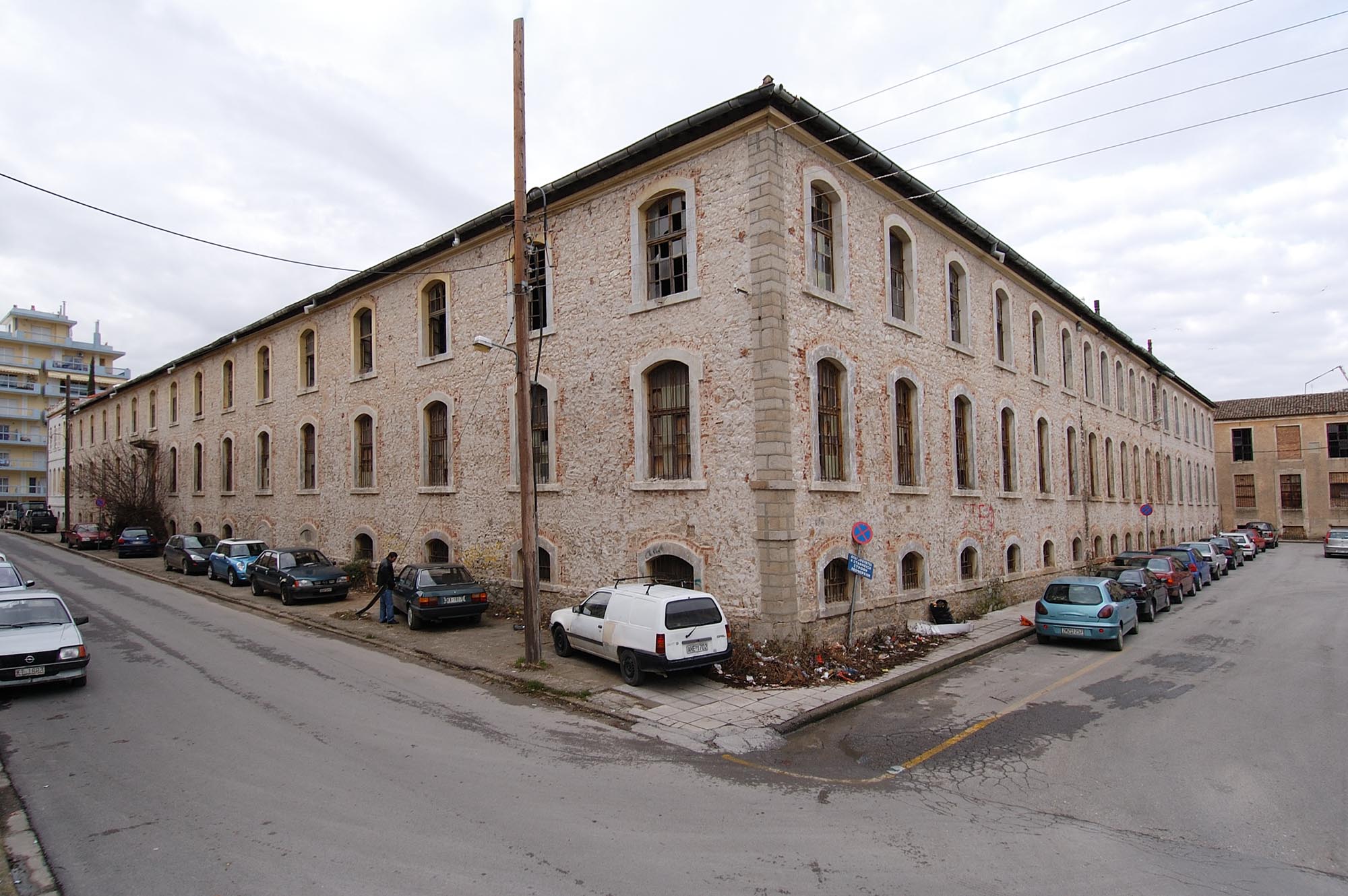
On the outskirts of the city centre, near Eleftherias Square, is the area of the tobacco warehouses, directly linked to the economic boom of the city due to the cultivation and trade of tobacco. Today there are 57 tobacco warehouses dated to the late 19th and early 20th century. Some have been restored and house cultural activities. One of the most imposing tobacco warehouses is that of the Régie Co-Intéressée des Tabacs de l’Empire Ottoman, established in Constantinople/Istanbul in 1884.
Jewish Cemetery
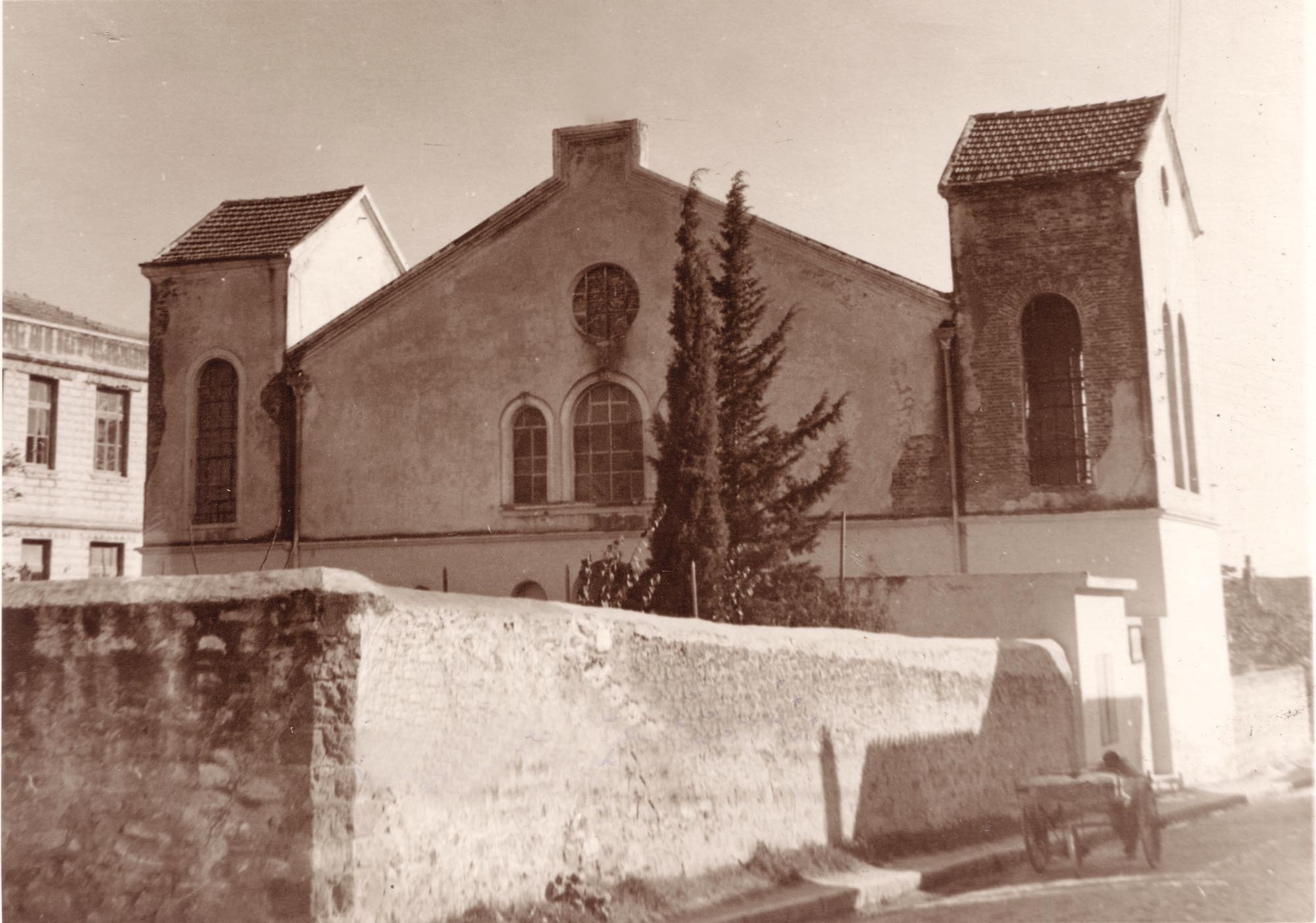
In the late 19th and early 20th century, Xanthi had a thriving Jewish community, mainly engaged in the tobacco trade. During the Second World War, the Jews of Xanthi were taken to the concentration camps, where they met a tragic end. The city’s Jewish Synagogue was built in 1924, but it was demolished in 1995. On the road from Xanthi to Porto Lagos is the city’s Jewish cemetery, one of the few that have survived in Northern Greece.
Monastery of Panagia Archangeliotissa (Virgin of the Archangels)
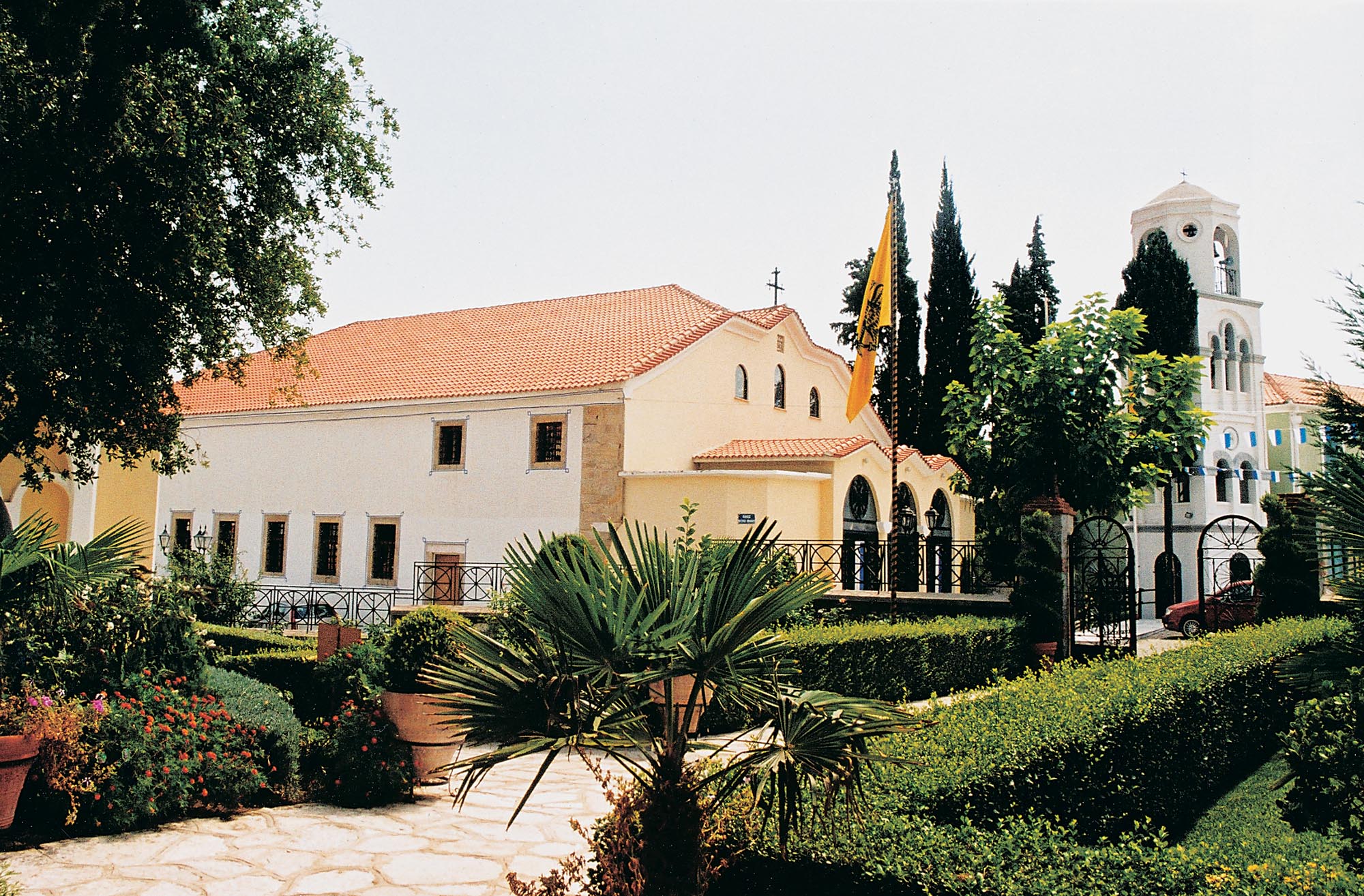
The Monastery is located northeast of Xanthi, at the foot of the Rhodope Mountains. According to written testimonies, it was founded in the 12th-13th centuries, although under the sanctuary of the katholikon, which was built in 1841, there is a crypt believed to date from the 11th century. In the 16th century the monastery had a scriptorium. The earthquakes of 1829 caused irreparable damage to the buildings of the monastery, which was rebuilt by the Metropolitan Bishop of Xanthi, Eugenios (1831-1848).
Monastery of Panagia Kalamou
Built in a ravine on the north side of Xanthi, the Monastery of Panagia Kalamou, which has been rebuilt from the ground up, appears to have been founded in Byzantine times and flourished after the mid-15th century. It had a scriptorium in the 16th century.
Museums
Folklore Museum (5-7 Antika St., Old Town)
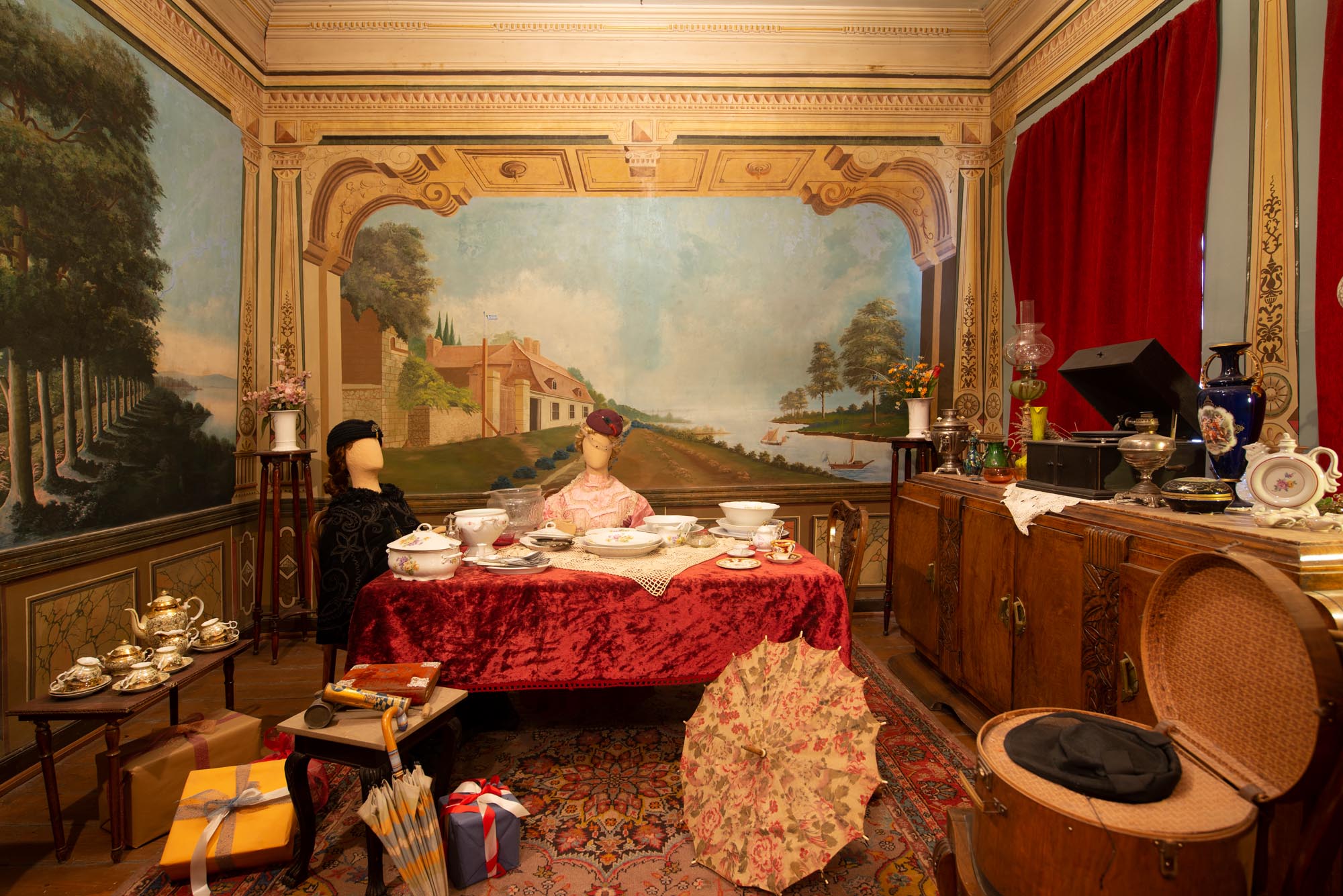
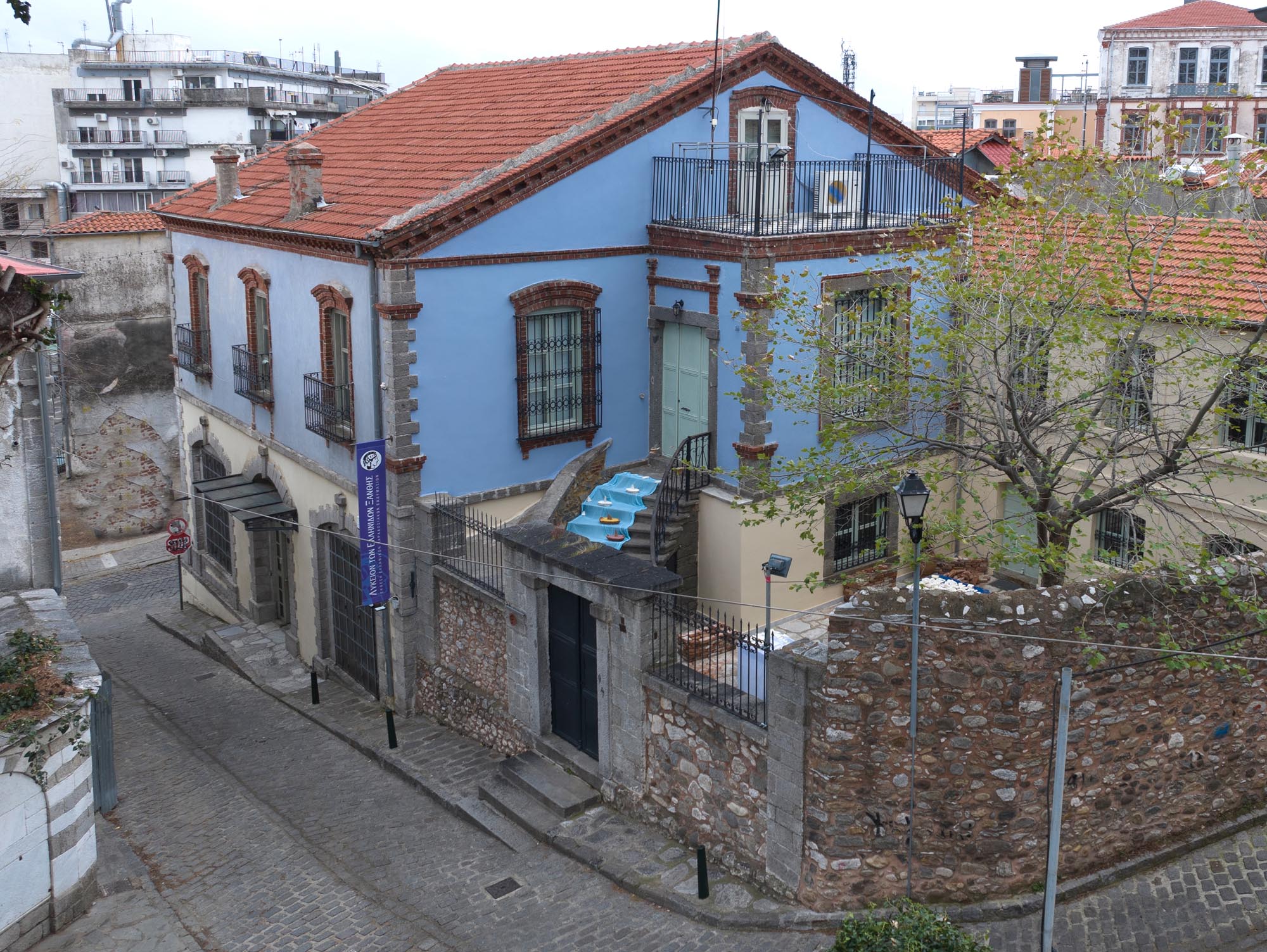
The Museum is housed in the mansion of the Kougioumtzoglou family of tobacco merchants. The mansion, built in 1860, stands out for its architectural symmetry as well as its rich interior decoration, with carved wooden ceilings, wall paintings and ceiling paintings.
Ecclesiastical Museum of the Metropolis of Xanthi and Peritheorion
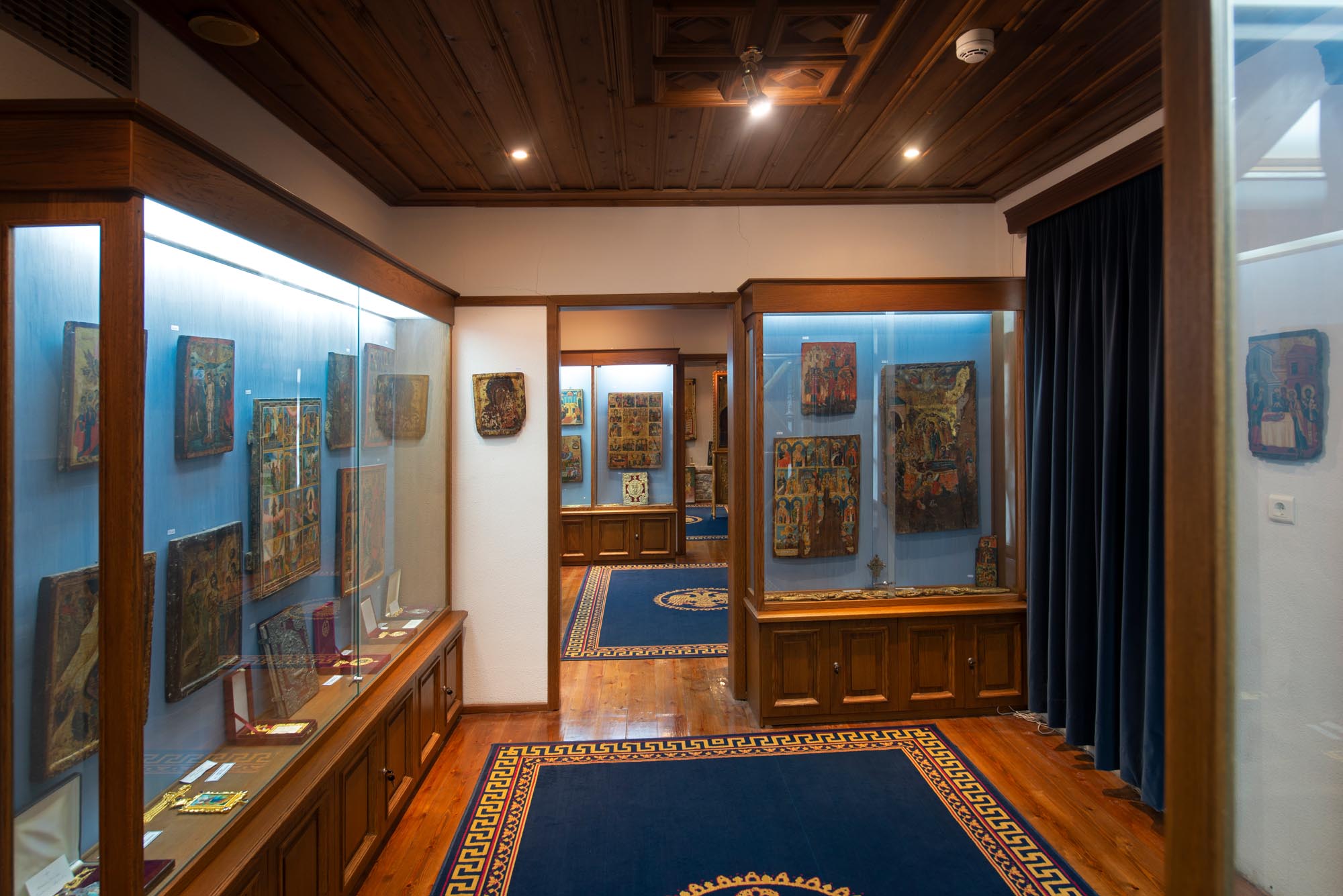
Today, the east wing of the Μonastery of Panagia Archangeliotissa houses the Ecclesiastical Museum, containing numerous portable icons and ecclesiastical artefacts dating from the 16th to the first half of the 20th century.
“Christos Pavlidis” Municipal Art Gallery of Xanthi (15 Orpheos St., Old Town)
Housed in the old mansion of the Kalavras family – renowned tobacco merchants – the building is a typical example of 19th-century Macedonian folk architecture. The gallery is named after the Xanthi-born painter Christos Pavlidis, who donated many his works to the collection. On the initiative of the Municipality of Xanthi, a digital gallery has been created to collect, store, index and showcase art exhibits.