Genisea
Genisea, the Ottoman administrative, military and commercial centre in the region of Xanthi
The small town of Genisea is located 12 km southeast of the city of Xanthi, in the middle of the plain of the same name, just north and west of the large lagoon of Vistonis. It is now the seat of the Municipality of Abdera, and, like most of the villages in the area, is inhabited by a mixed Christian and Muslim population.
Genisea was founded by the Ottomans, either after the conquest of the wider region of Xanthi (1373/4) or, more probably, after the conquest of Serres (1383). It was intended to be the new administrative and military centre of the Ottoman authorities, a role it retained for many centuries until it was burnt down in 1870. The choice of founding a new city in the plain of Xanthi was an exception to the usual Ottoman practice of settling in existing conquered towns, which they converted into Muslim towns. The founding of Genisea was based on political and economic criteria and indicates the important part it would have played in the economic life of the region.
Either the conqueror of Thrace, the Ottoman Bey Gazi Evrenos, or the Sultan himself may have supervised the founding of the new city. Genisea was originally a purely Muslim town, which was settled by nomadic populations (Yörüks) from Asia Minor. The town was designated the seat of the homonymous kaza, an administrative district that broadly covered the present-day Regional Units of Xanthi and Kavala and part of Southern Bulgaria. The local authorities, the religious court, the military authorities and the powerful landowners of the plain were concentrated here, while the town was provided with the necessary public institutions typical of Islamic cities. Xanthi, which was inhabited exclusively by Christians, remained the second most important city in the Kaza of Genisea, forming a balance of power with Genisea which would remain in operation until the second half of the 19th century. Indeed, despite the Ottoman promotion of Genisea as an administrative and economic centre, Xanthi remained the most populous city in the region.
The newly founded city was named Yenice-i Karasu, the “New City of Nestos”, to distinguish it from Yenice-i Vardar, the “New City of Axios”, present-day Giannitsa. In written sources, Genisea is also referred to as Yenipazar, or “New Bazaar”, a name which suggests that the purpose of the new town was to create a new commercial centre, a market in a central location close to the Via Egnatia and at the hub of the roads that connected Xanthi with the cities along the Thracian coasts. Genisea, a day’s travel from the previous town (Komotini) and the next (Kavala), was an organised station for the caravans that crossed Thrace via the Sol Kol (“left arm”), the main highway that succeeded the Via Egnatia of Roman and Byzantine times during the Ottoman period. Genisea had all the buildings necessary to serve traders and travellers: hans large and small, a caravanserai and a hammam. It was also the place where the agricultural produce of the fertile plain was gathered, mainly rice – an Ottoman staple – cereals and, later, high-quality tobacco.

History
At the beginning of the 16th century, the town had 984 inhabitants, rising to 1,200 around 1530, all Muslim. At this time, according to the written sources, three vakıfs, a hass, and various timars of Ottoman officials are recorded in the area of Genisea. A large part of the region’s economic activity, in addition to the cultivation of rice and cereals, also consisted of livestock farming and salt production.
During the 17th century, the Kaza of Genisea was divided into three new kazas (at the beginning, the Kaza of Genisea also extended into the present-day Regional Unit of Kavala and into a part of southern Bulgaria). Now shrunk, it included the area of the present-day Regional Unit of Xanthi. The Ottoman traveller Evliya Çelebi, who visited the town in the late 1670s, reports that it had 400 houses and a large number of public and religious buildings. He refers to the city’s most important mosque, the lead-roofed Mosque of Ekmekçi Zâde Defterdar Ahmed Pasha, Vizier to Sultan Ahmed I (1603-1617), which was rebuilt in 1611/2 but does not survive today. The city also had a lead-roofed hammam, 11 small and large hans and a large lead-roofed caravanserai, also built by Ahmed Pasha.
From the end of the 17th century onwards, with the introduction of tobacco cultivation, the picture of Genisea changed radically. In the 18th century, the city became known for the production of aromatic tobacco which was considered one of the best in the world. In order to meet the labour demands of tobacco cultivation and processing, the city welcomed new Christian populations, who significantly altered not only the demographic picture of the city but also its urban plan and architecture. From the end of the 18th century onwards, much of the tobacco trade passed into the hands of Greek merchants. Many Epirotes and Macedonians settled in the city, as in neighbouring Xanthi, and built the residences of the wealthy merchants, as well as the characteristic tobacco warehouses of the city.
In 1829, two devastating earthquakes, with their epicentre in the area of Drama, had incalculable consequences for Genisea and the neighbouring city of Xanthi. In 1870, a major fire swept through Genisea and only a small part of the town was saved from the flames. Two years later, in 1872, the state of the destroyed town led to Xanthi being designated the seat of the kaza. The Ottoman officials and administrative authorities moved to Xanthi, which gradually became the new main administrative and economic centre of the region. In 1891, the building of the railway through Xanthi permanently sidelined Genisea. At the same time, alongside Xanthi, Kavala developed into a tobacco processing and trading centre; it also had a notable commercial port.
In October 1919, Genisea, together with Xanthi, was incorporated into the Greek State. In 1922, after the Asia Minor Catastrophe, refugees from Asia Minor, Eastern Thrace and Pontus settled in the town, significantly altering its demographic makeup. During the interwar period, the old çiftliks of the area were distributed to landless refugees, increasing agricultural production. The two Bulgarian occupations (1912-1919 and 1941-1944), which treated the Greek population of the town harshly, did not change its urban character, although, in an attempt at modernisation, the Bulgarians proceeded to demolish some buildings, such as the Ottoman hammam.
Monuments - Antiquities
The earthquake of 1829 and the great fire of 1870 had devastating consequences for the town. Today, however, quite a few religious and secular buildings have been preserved, forming an important contribution to the understanding of the history and urban organisation of the town.
Mustafa Pasha Mosque
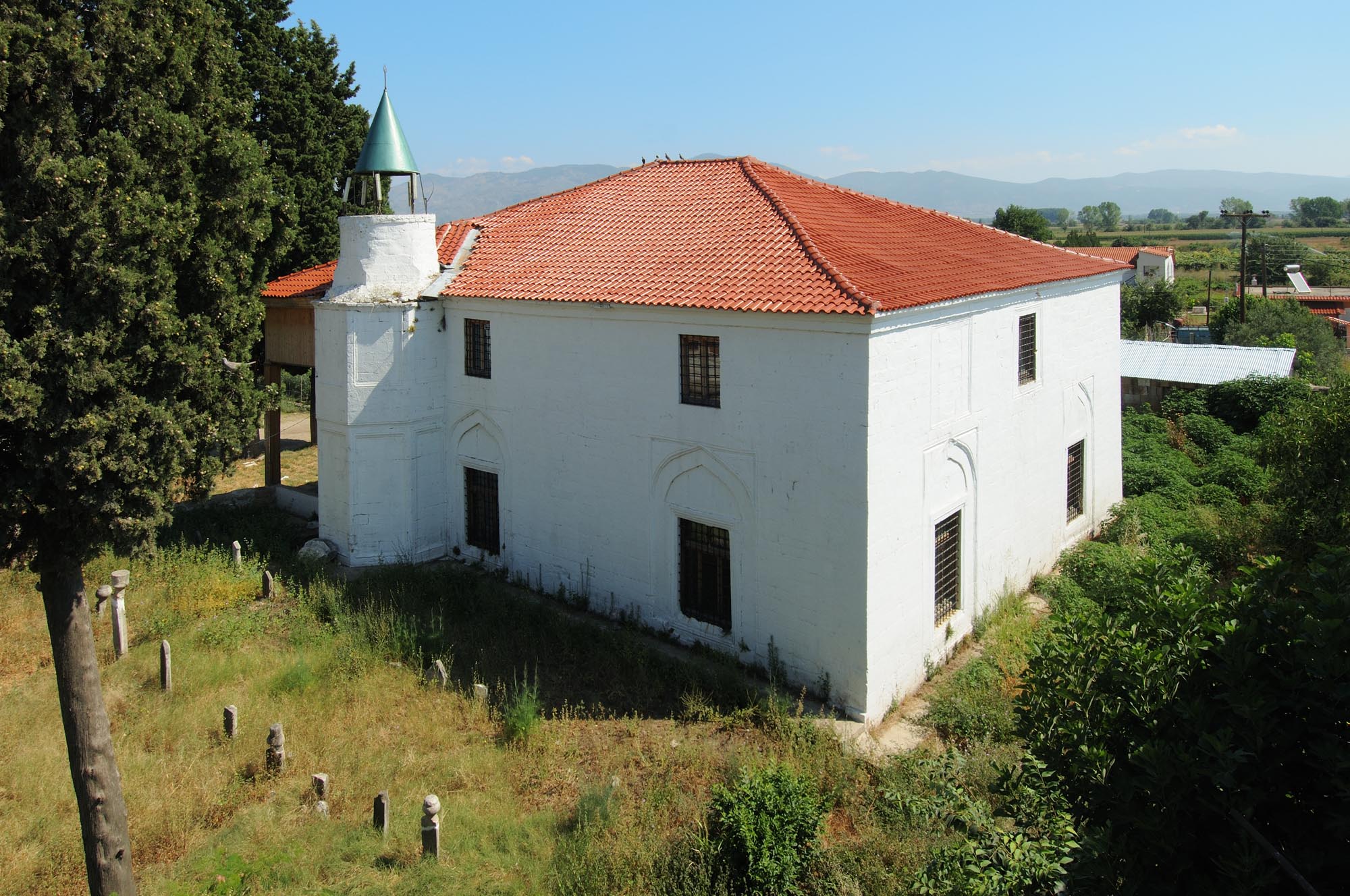
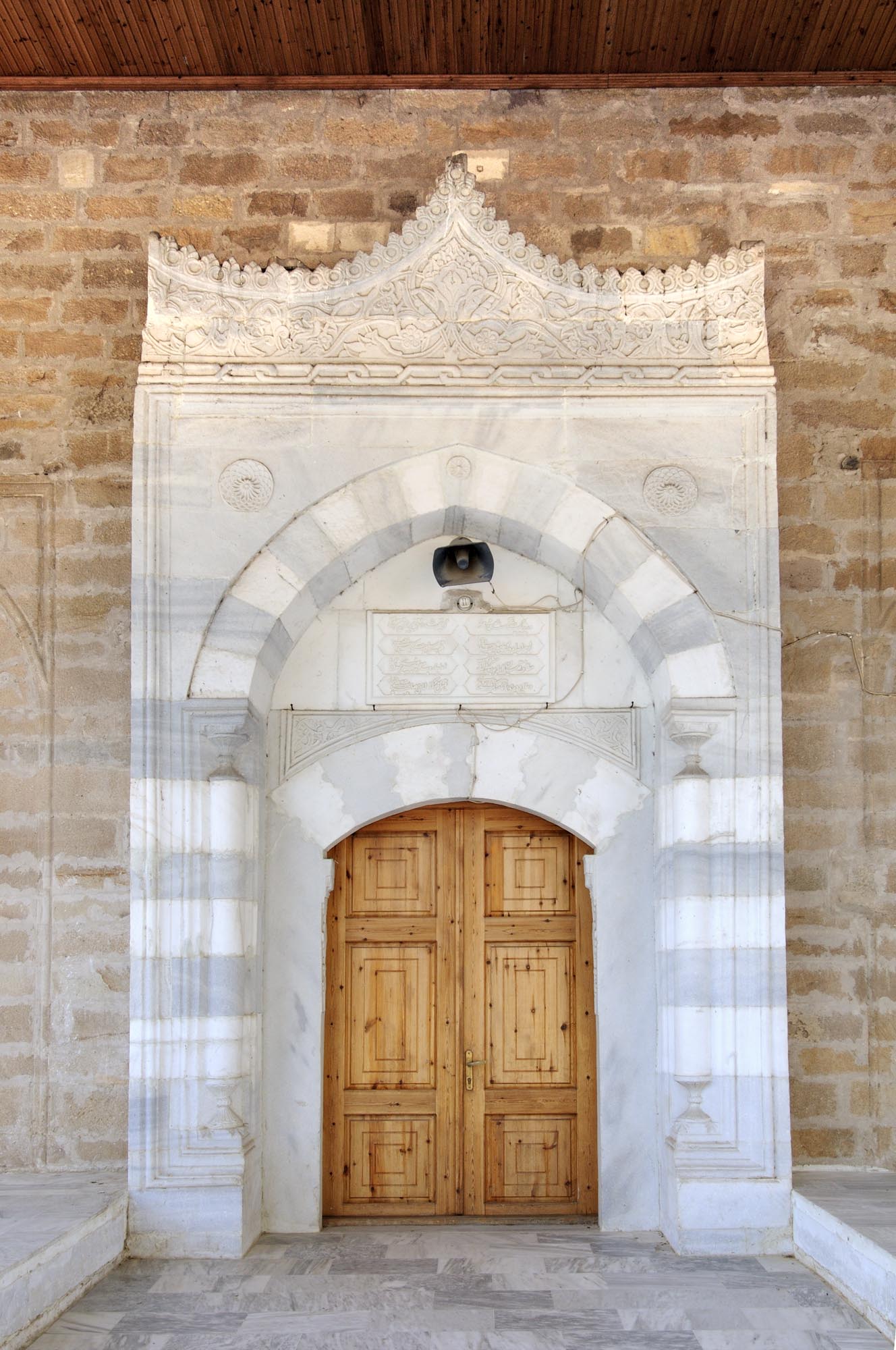
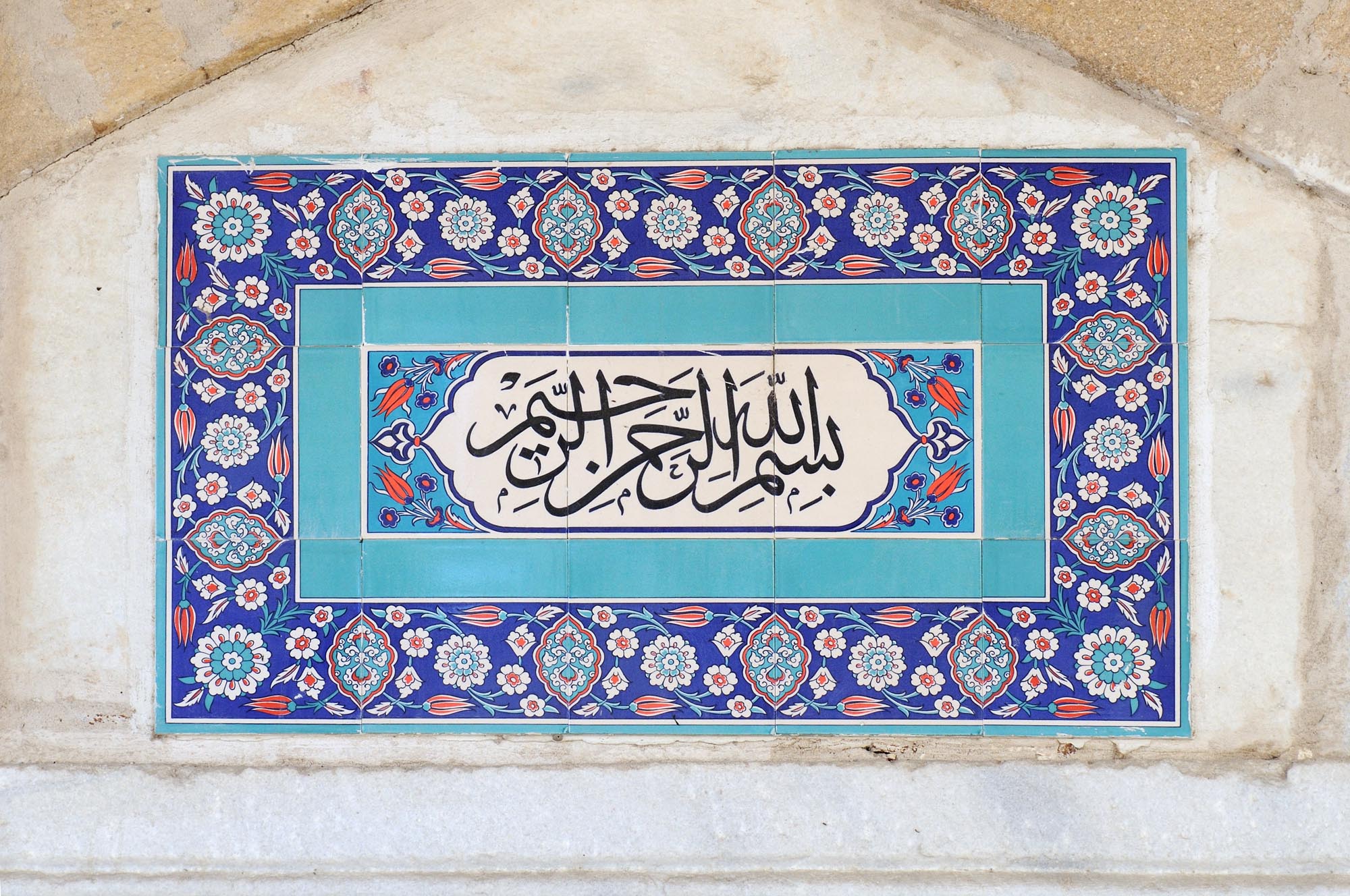
The only mosque still in use in the town today, it was built, according to the marble inscription over the main entrance, in 1674-1675 by Mustafa Pasha, a senior official and son-in-law of Sultan Mehmed IV (1648-1687). The mosque, however, seems to predate 1674-1675, and Mustafa Pasha probably only carried out repairs. It is a square building measuring 12.5×12.5 m, today covered by a tiled roof which has replaced the original dome. The mosque used to have a five-domed portico supported on six columns, which has now been replaced by a wooden portico. The bases of two minarets are preserved at the ends of the southwest and northwest sides, making this the only mosque in Greece with more than one minaret, like the great mosques of Asia Minor. The impressive gateway of the mosque is made of white and grey marble with relief floral decoration. The mihrab, in the middle of the wall facing Mecca (qibla), is also of white and grey marble. In the mosque is the dedicatory inscription from the caravanserai that once stood in Genisea. In the courtyard of the mosque are preserved important 19th-century tombstones.
Kasaba or Çarşı Mosque
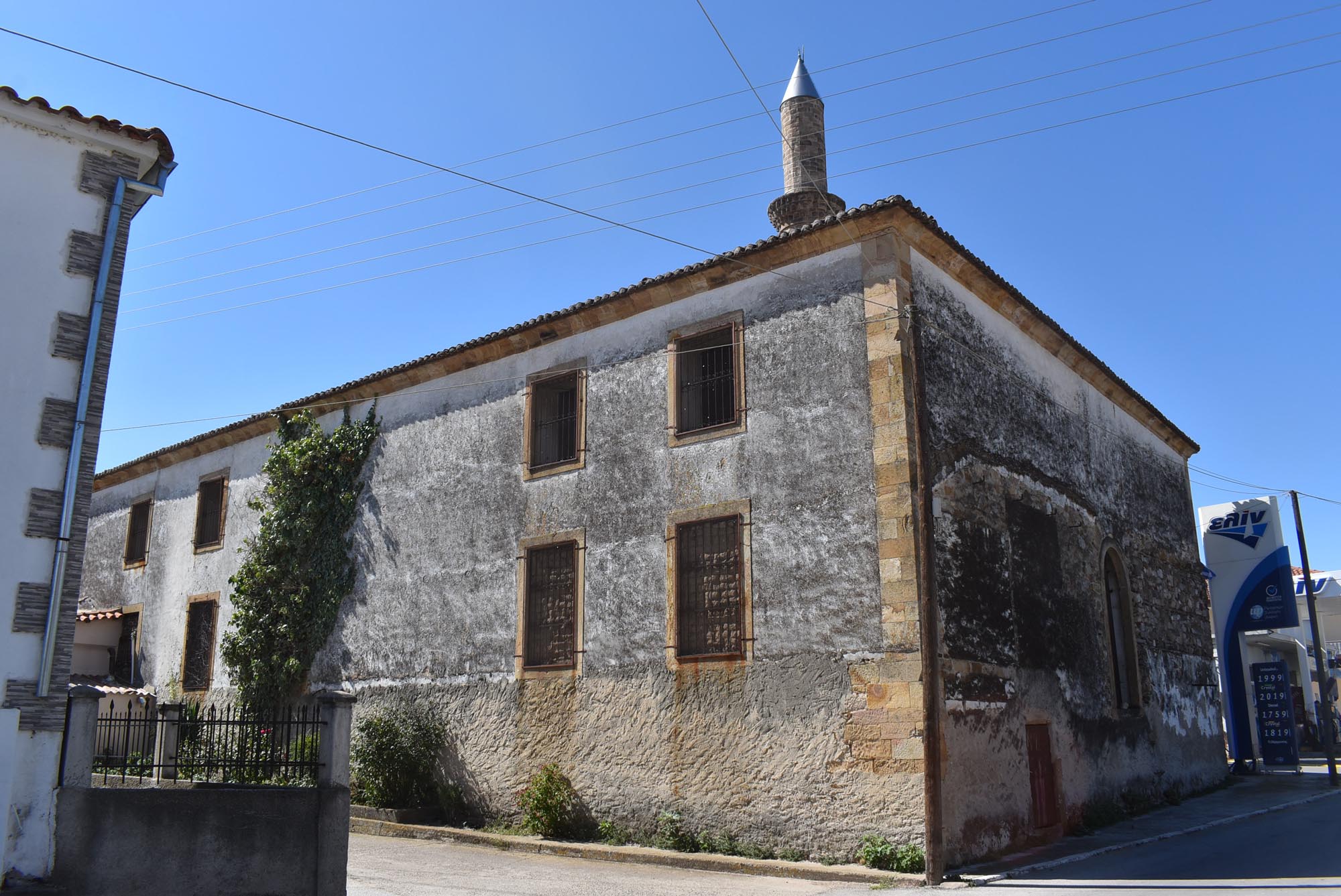
The mosque, which is not in use today, is located south of the smaller Mustafa Pasha Mosque. According to an inscription, it was built in 1873 on the site of an earlier mosque, after the devastating fire of 1870. It incorporates key features of traditional local architecture and stands out for its tall, impressive minaret, built of dressed stones.
Bektaşhi tekkes and outdoor tombs
Two of the town’s tekkes (houses) of the Bektaşhi dervish order, the Kirklar and Ali Baba tekkes, are now located on private premises. There are also outdoor Bektaşhi tombs, which believers visit to invoke the miraculous blessings of the holy persons buried in them.
Church of the Presentation of Christ in the Temple
The church is of the three-aisled timber-roofed basilica type common in the Late Ottoman period. According to the surviving dedicatory inscription, it was built on 15 March 1835. The rich landowner and tobacco merchant of Xanthi Kyriakos Nalbantoglou, a member of the Philiki Etaireia, is believed to have paid for the church. The church has many similarities to the Church of St George in Xanthi, which was erected in the same year, apparently by the same construction workshop. The church contains remarkable portable icons, most of which date from just before the middle of the 19th century.
The question remains open as to whether the Church of the Presentation is the first Christian church to be built in the town of Genisea. It is possible that in the early 19th century, when the Christian inhabitants of the town gained economic and social power, they succeeded in obtaining a firman (imperial decree) for the construction of a church, which was destroyed in the earthquake of 1829. The efforts by the Christian inhabitants to build a church are reflected in the local oral tradition that Hadji Emin Aga, a powerful landowner of the region, allowed them to do so at the urging of his mother, who persistently dreamt of the Virgin Mary asking her to allow the building of a Christian church. He himself was a great benefactor of Xanthi, where he erected the Clock Tower.
The Han
Of the hans that once served the city of Genisea only one survives today, opposite the Mustafa Pasha Mosque. It is an elongated building, probably dating from the late 19th century, which has now been divided into residential units.
Traditional houses
The buildings of the modern town include a few houses of the 19th century and isolated refugee houses with architectural influences from Asia Minor. The 19th-century houses are typically two-storey buildings, built in isodomic masonry of finely dressed blocks from Mandra.
Tobacco warehouses
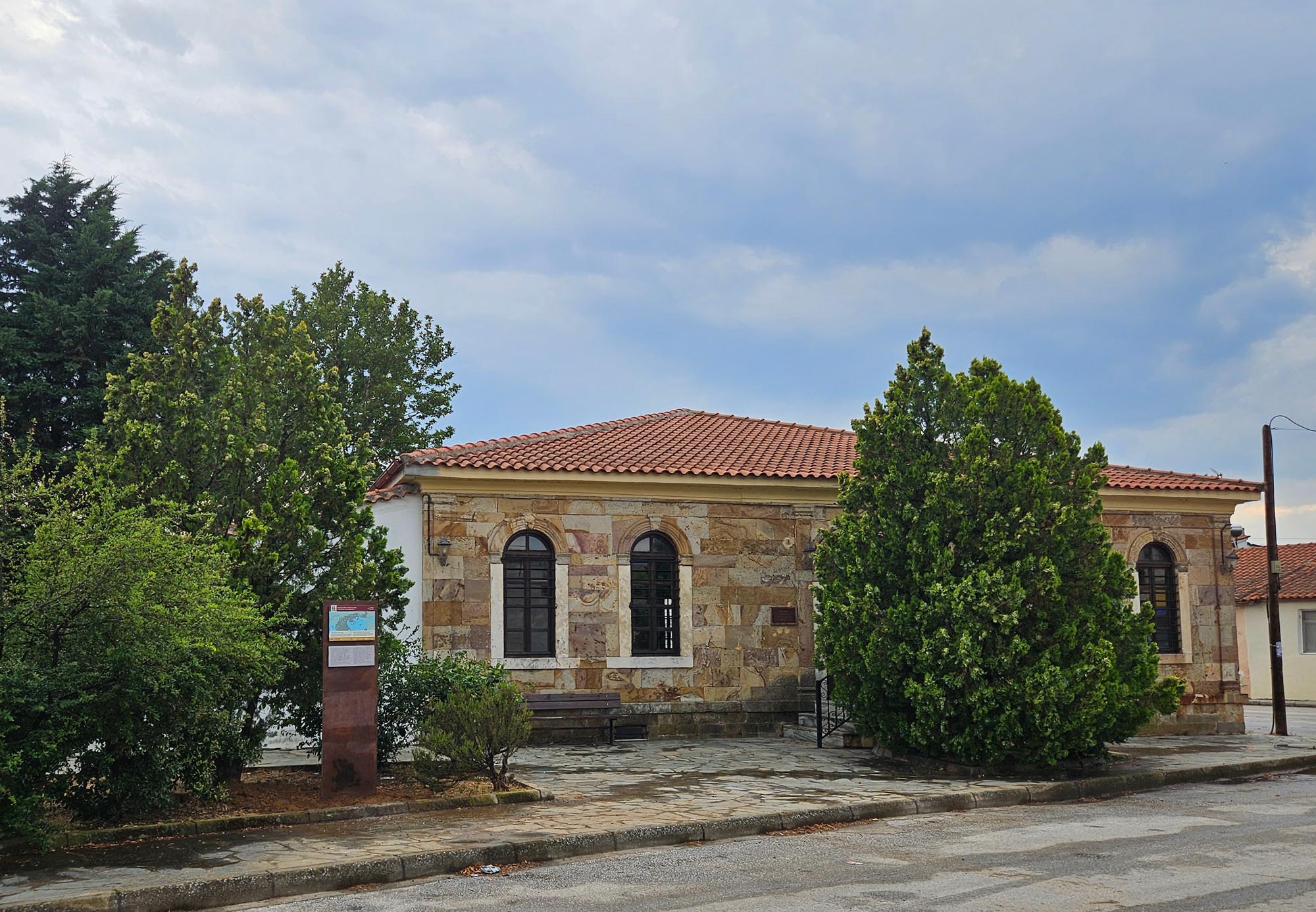
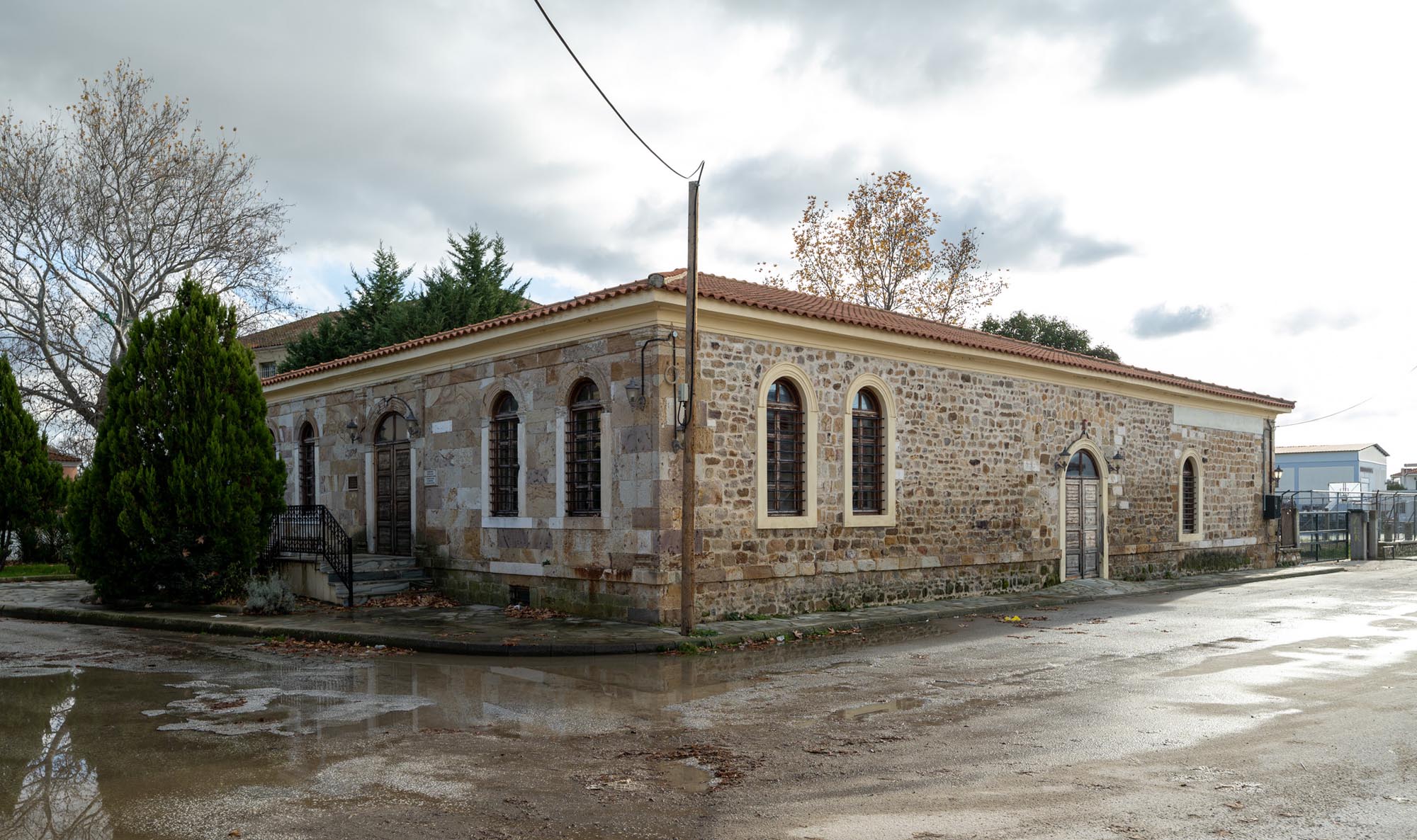
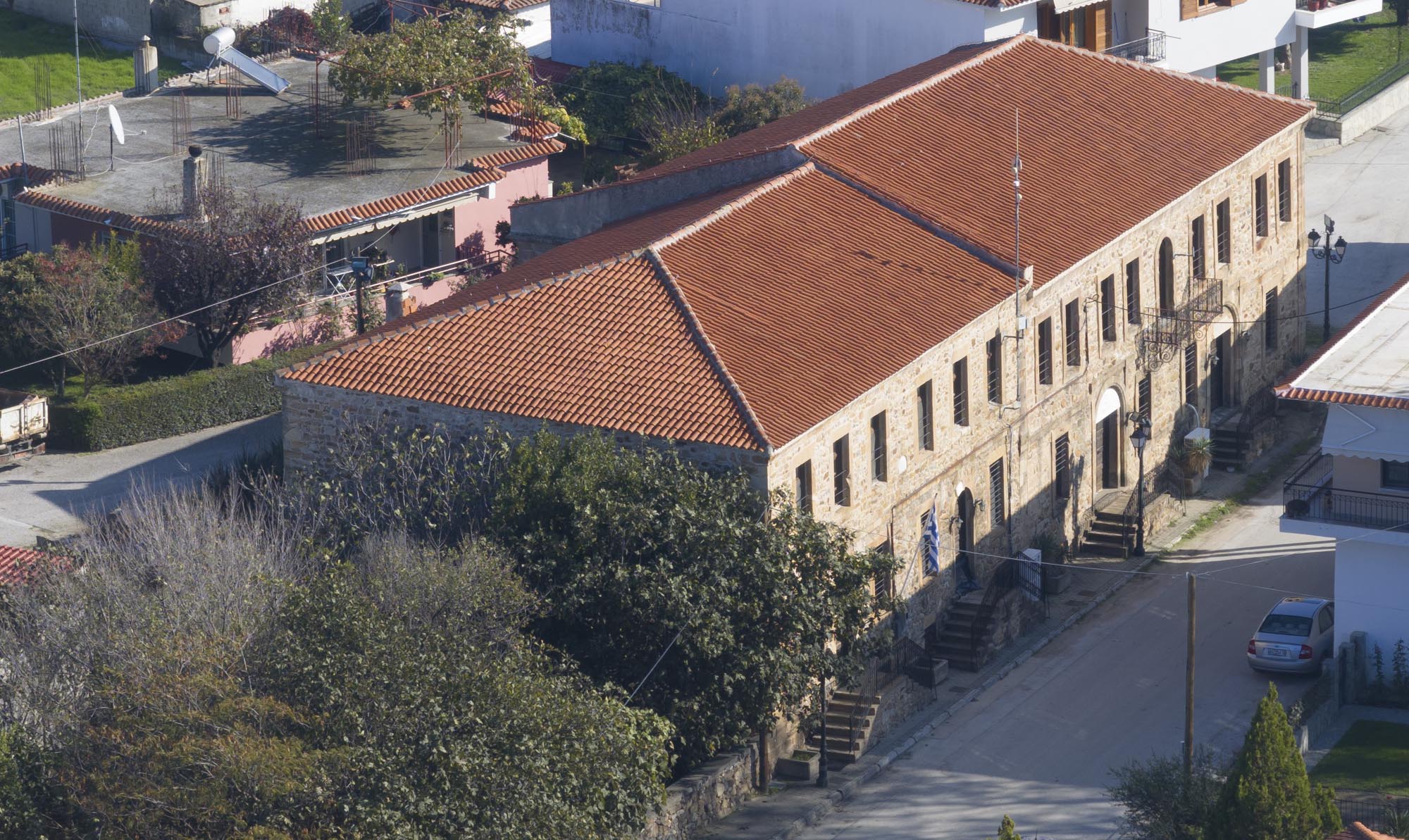
Today there are about twenty tobacco warehouses in Genisea, most of them dating from the 1830s-1860s, the time of the great demand for the celebrated aromatic tobacco of the region, before the tobacco warehouses of Xanthi were built. All the warehouses are located in the heart of the town, to the south of the two mosques. They differ from the impressively large tobacco warehouses of the large centres of Thrace and Macedonia (Xanthi, Kavala, Drama, etc.), which were built in the period 1860-1910 (the “golden age” of tobacco), as they are usually relatively small, single-storey, one-room buildings with a wooden roof. They stand out for their elaborate isodomic masonry (with courses of equal height) of dressed local pinkish stone quarried in the neighbouring Mandra, a small village northwest of Abdera. They have large doors and windows – necessary for the ventilation and sun-curing of the tobacco – framed with large dressed stones precisely fitted together to accentuate the openings. The façades of the tobacco warehouses of Genisea are often decorated with elaborate stone reliefs. The complex of tobacco warehouses of the Kontis family stands out, in the center of the settlement, which, according to a stone inscription built into its wall, was erected in 1872. Today, it has been restored and operates as a Cultural Center.
Museum
Folk and Costume Museum of the Balkans (177 Vafeika–Abdera provincial road)
One of the old tobacco warehouses, opposite those of the Kontis family, houses the museum, with local costumes from Thrace and the wider Balkan Peninsula, which hosts various cultural events.