Kimmeria

Kimmeria, the town of many antiquities in the plain of Xanthi

North of the ancient Via Egnatia and the modern motorway, just east of the city of Xanthi (about 4 km distant), is the small town of Kimmeria, which is crossed by the Kydoneas stream, a tributary of the River Kosynthos. The Christian side of the town lies on the west bank of the stream, and the Muslim side on the east bank. The earliest mention of the settlement dates from 1493, in a land register of the area, according to which the village was called Muhammed and had 101 families, probably Christian. In 1530, eight Muslim and 130 Christian families are mentioned. In the second half of the 19th century, the village had 300 Christian inhabitants.

A series of monuments dating from prehistoric to modern times are found in the environs of Kimmeria. Together with the numerous surface finds, they are irrefutable evidence of the long habitation of the area.

Monuments

Tumuli
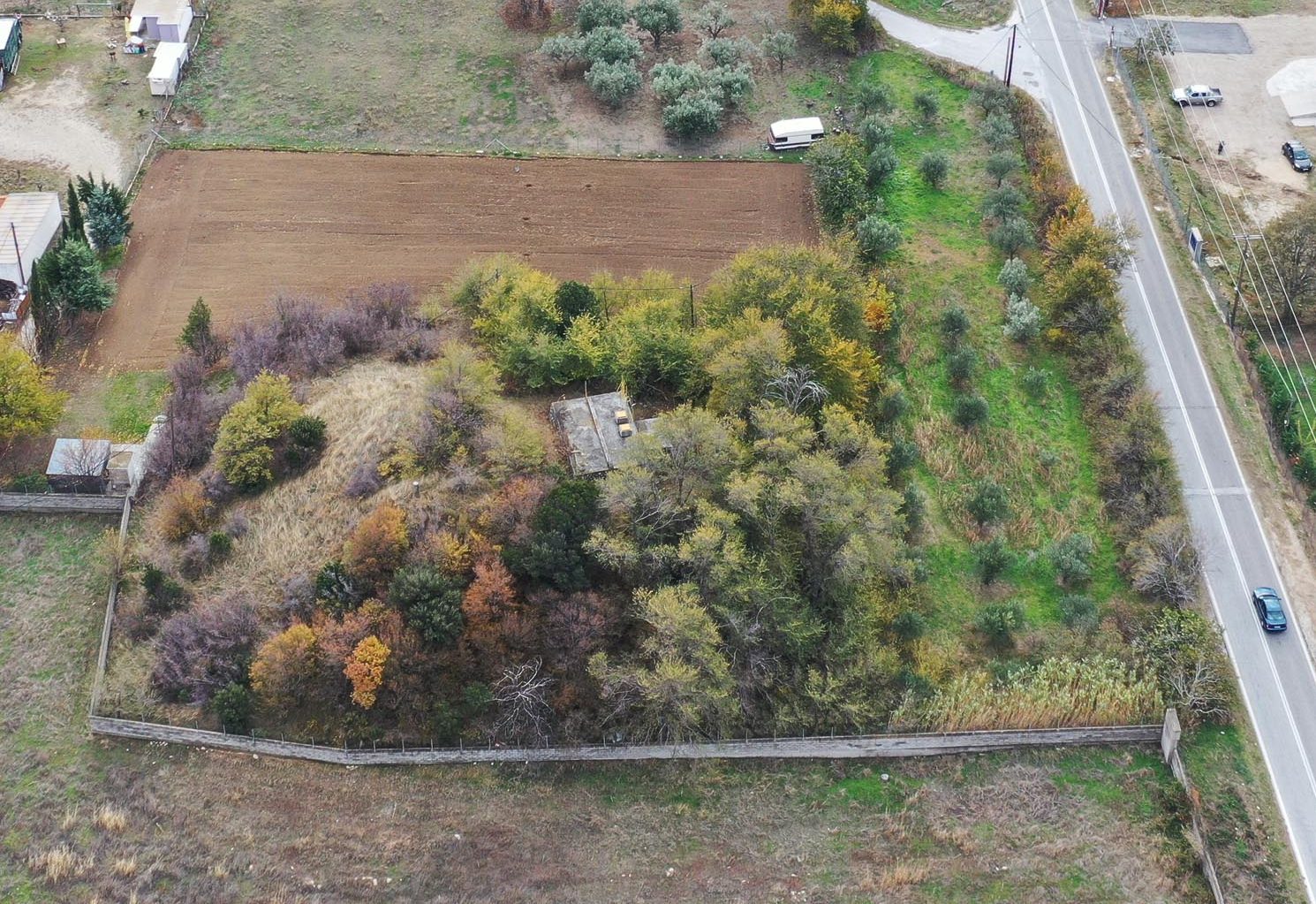
Ο «Τύμβος Υδραγωγείου», ΕΦΑ Ξάνθης / The “Hydragogeio Tumulus”, Ephorate of Antiquities of Xanthi

Until the early 1970s, among the industrial buildings in the wider area of Kimmeria, there were five burial mounds of which only two are preserved today. The first is located west of the Kimmeria–Pigadia provincial road and the Thessaloniki–Alexandroupolis railway line. It is conventionally named the “Tsolakidis Tumulus”, after the owner of the land on which it stands. It has a diameter of 33.08 m and a height of 2.80 m. The second tumulus is southeast of Kimmeria, east of and almost in contact with the Kimmeria–Pigadia provincial road. It has a diameter of 51.08 m and a height of 9 m. It is conventionally named the “Hydragogeio Tumulus”, as it stands on a plot of land where a water tank and a pumping station supplying the village of Pigadia with water are installed.

The two tumuli have not been excavated. However, it has been argued that they date from the Roman imperial period (31 BC-330 AD) and that they are located in the territory of the city of Topeiros. This view is supported by their similarity to other tumuli of this period that have been excavated in the region of Thrace. Sixteen more tumuli are preserved along the foothills of the Rhodope mountain range, in the “Giakades” area of Xanthi, heading eastwards from the River Nestos. According to the prevailing view, these tumuli, as well as the two in Kimmeria, were located along the Via Egnatia, which in this part of Thrace roughly followed the course of the modern Egnatia Motorway. We know that in the imperial period, the powerful local landowners built their tombs within the boundaries of their properties and near major roads, making them easily visible to passers-by.

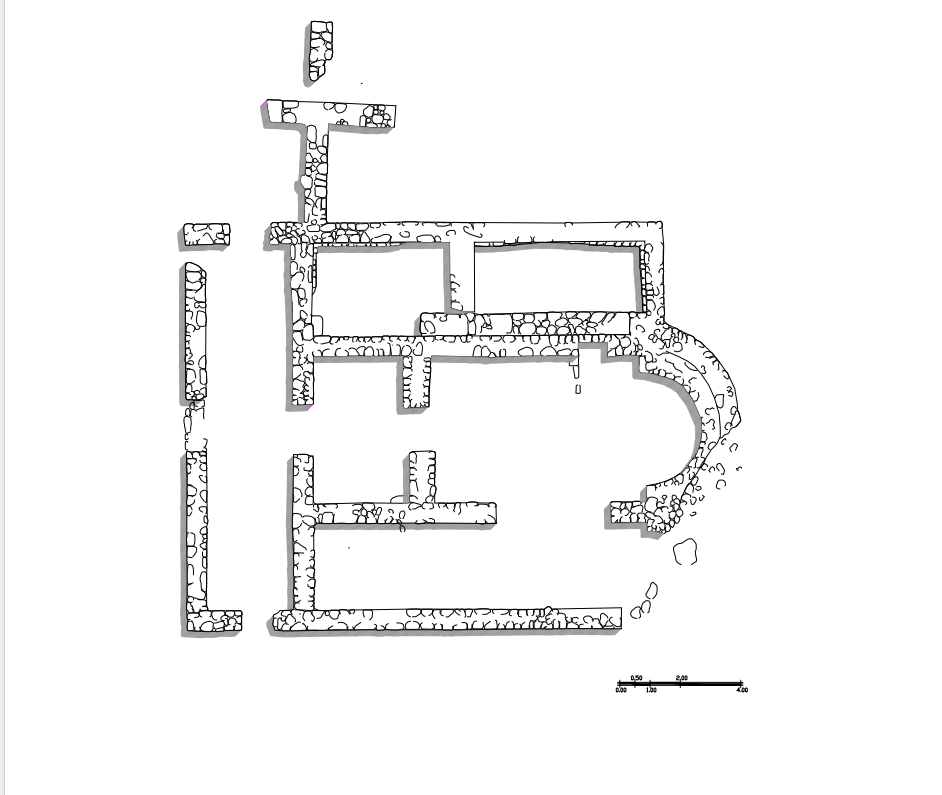
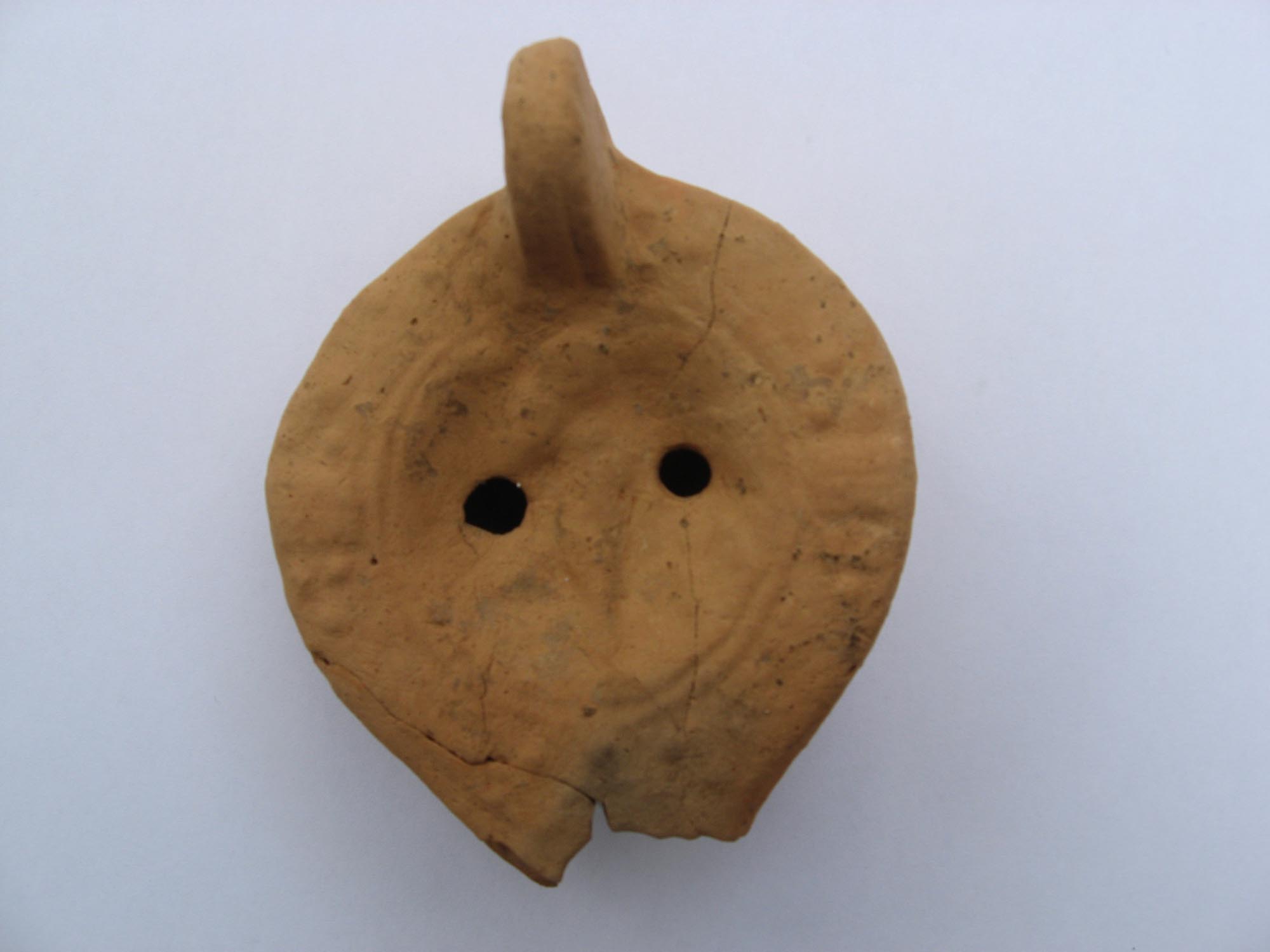
Between Kimmeria and the village of Pigadia, about 1.3 km south of the Xanthi–Iasmos provincial road, is the “Valta-Soouk Sou” site, where the ruins of a three-aisled Early Christian basilica, probably of the 6th century AD, have been found. The basilica measures 18.50 x 13.60 m. On the east side it terminates in a prominent semicircular apse, while the narthex is attached to the west side. A distinctive feature is that the aisles are not separated by colonnades but by walls with doorways. In a later building phase, these openings were closed off and a wall was added to the central nave, dividing it in two. The basilica also had annexes, as indicated by the sections of walls that have come to light to the northwest, against the north aisle. The excavation finds include pieces of pierced closure panels with scale pattern decoration and a column base, belonging to the sculptural decoration of the church. To the north of the church, on an adjacent plot of land, four rectangular Early Christian built tombs forming part of a cemetery have been uncovered. Interestingly, pieces of millstones had been used to cover one of the graves. Of the few grave goods found inside them, a lamp of Early Christian date is worth mentioning.

Most of the movable finds which came to light during the excavation belong to the Early Christian period, as does the basilica itself. However, based mainly on the coins, which date from the 4th (before the founding of the basilica) to the 11th century AD, a long period of use of the site can be established. The basilica probably remained in use, with some modifications, until the 11th or 12th century. A few ceramic finds of the Ottoman period were also discovered on the site.

North of the Early Christian basilica, in the plot where the four tombs were discovered, there are also the remains of a stepped well, which the inhabitants call “Basamaklı Bınar (Bunar)” or “Basamaklidika”. Stepped wells were typically used in the plains of Thrace in the Ottoman period. They are stone-built, underground, sloping structures, roofed with a dome, with steps inside leading down to the level of the water table. They were landmarks for the local inhabitants, and are associated with tales of hidden treasure. The underground gallery of the Kimmeria stepped well is 14 m long and 0.95 m wide.

The castle stands on Kales hilltop (554.50 m above sea level), about 5 km north-northwest of Kimmeria, between the Xeria and Kydonia rivers. Its fortifications form an irregular hexagon 268 m long. The walls are built of large and small ashlars of local schist, without mortar. The castle is part of a network of fortresses on the Greek side of the Rhodope Mountains which share a number of common features. They date from the Iron Age (11th-8th c. BC) and probably remained in use into the Roman period.

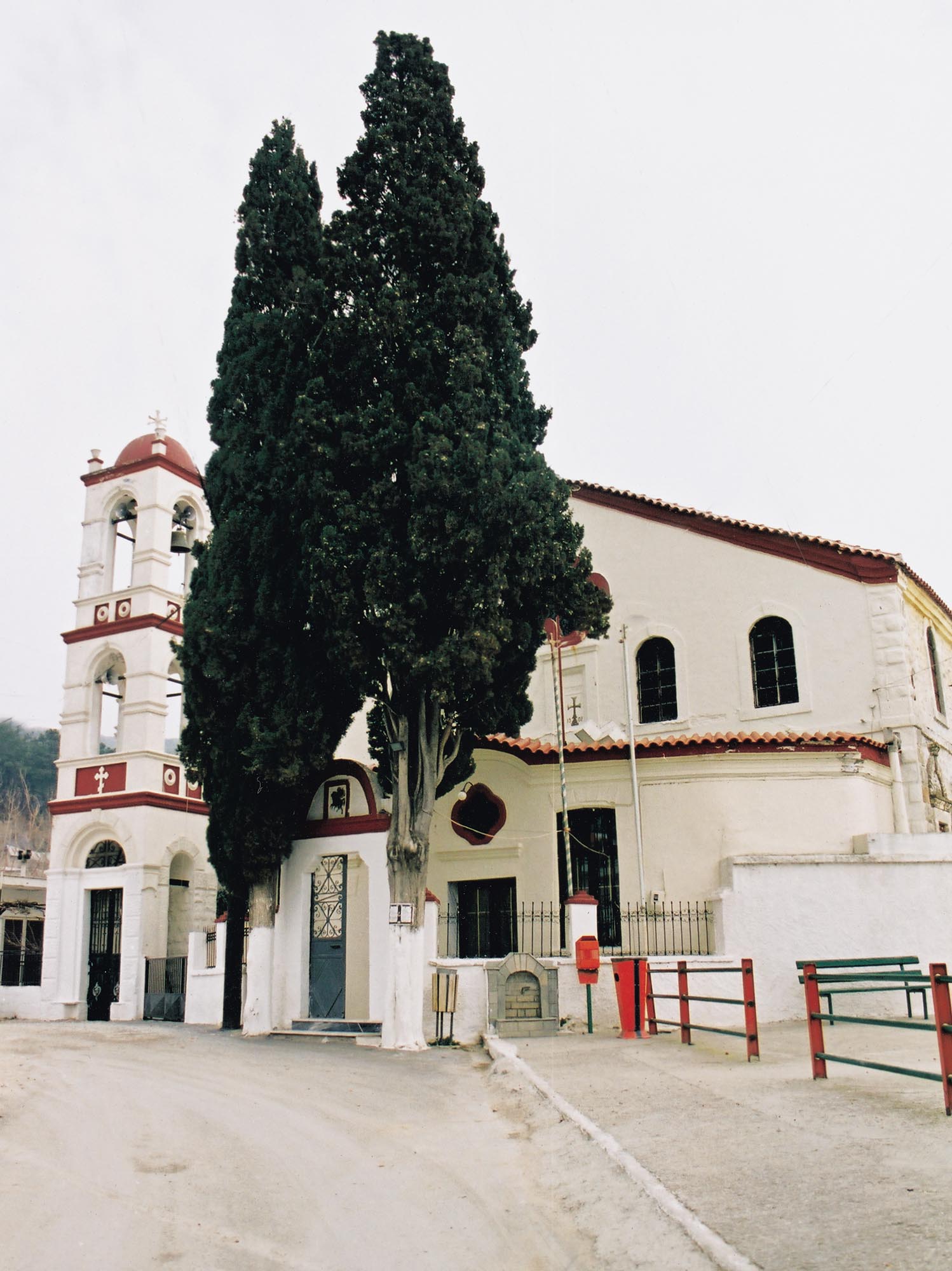
Nαός του Αγίου Δημητρίου, αρχείο Ιεράς Μητροπόλεως Ξάνθης και Περιθεωρίου / Church of St Demetrios, archive of the Holy Metropolis of Xanthi and Peritheorio

In the village of Kimmeria is the Church of St Demetrios, which, according to the surviving dedicatory inscription on the west wall, was built in 1902. The church was consecrated two years later, on 12 September 1904, according to a paper icon of St Demetrios printed to commemorate the occasion. The portable icons on the templon are dated by an inscription to the year 1835. They probably come from an earlier church which stood on the same site and collapsed in the earthquakes of 1829. The church is of the typical type of the period, the three-aisled timber-roofed basilica. The narthex on the west side is a later addition. The church contains frescoes by the Adrianople hagiographer Michael Dimopoulos, who worked on the church between 1905 and 1906.

Other stops in the Regional Unit of Xanthi

error: