Velvento

Velvento, a traditional village in the Haliacmon Valley

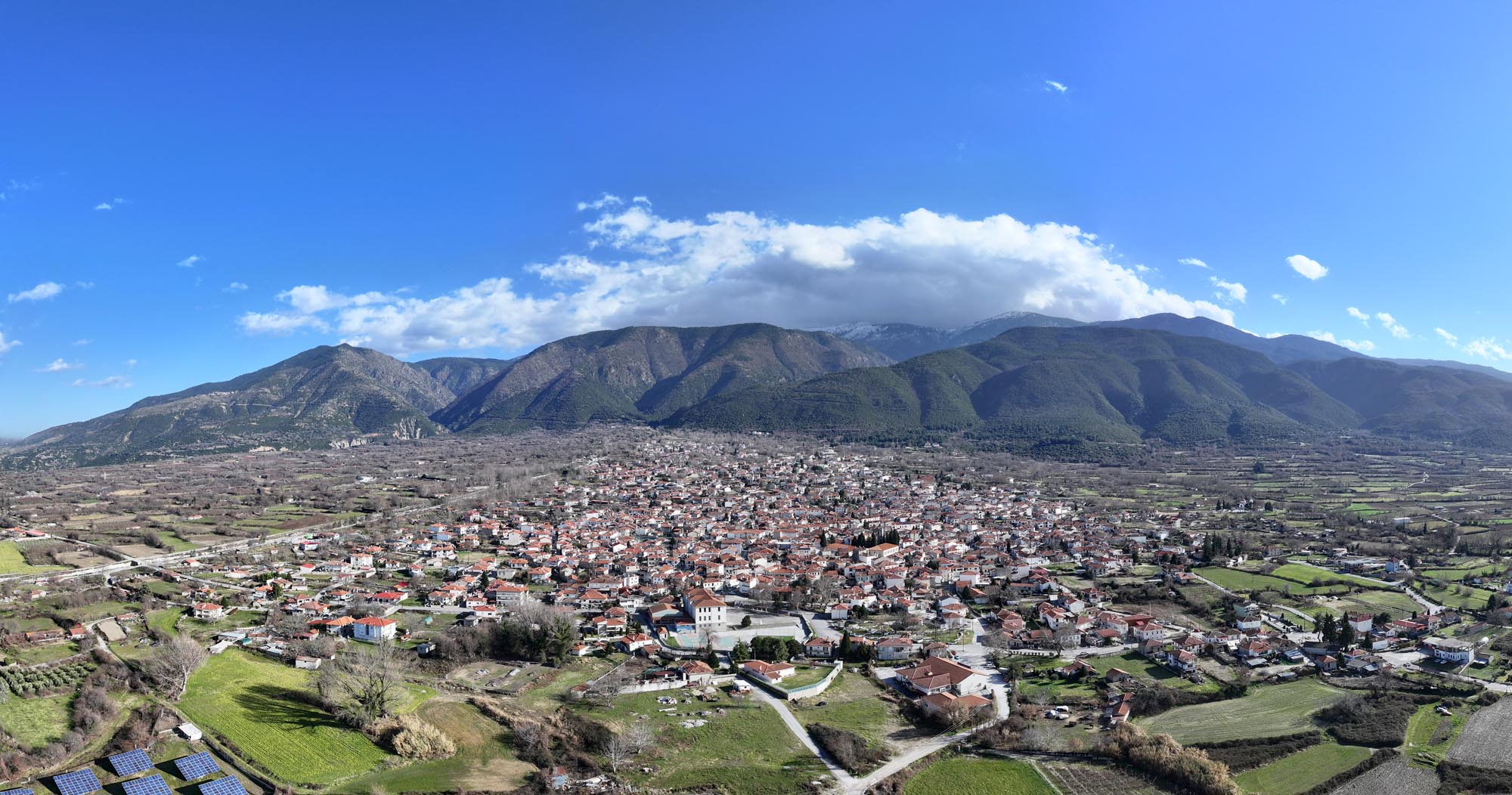
One of the most traditional settlements of the Regional Unit of Kozani, about 33 km from Kozani itself, is Velvento (Velvendos, Velventos or Velvendo), now the seat of the Municipal Unit of the same name. Lying in a verdant landscape in the southwest foothills of the Pierian Mountains, near the valley of the Haliacmon and the artificial Lake Polyphytos, not far from the strong castle-city of Servia, it is one of the most popular tourist destinations in the region. The settlement, which enjoyed economic and cultural prosperity during the Ottoman period, preserves a remarkable number of mainly post-Byzantine churches of high artistic value, which have been declared listed monuments.

History

The key geographical position of the wider area of Velvento, controlling the mountain roads to Thessaly and Upper and Lower Macedonia, combined with the rich and fertile land of the valley crossed by the River Haliacmon, made it a favourable site for human habitation and the development of settlements from the Neolithic period onwards. A multitude of prehistoric and ancient sites of all historical periods have been identified around Velvento. The settlements of the Archaic, Classical and Hellenistic periods, when the area formed part of the territory of Elimeia or Elimiotis of mountainous Upper Macedonia, are mainly located on high and often fortified hills, as well as on wide plateaux or hillsides, testifying to an organised urban life and a robust economy. However, it has not yet been possible, based on the information available to date, to identify any of the ancient cities known from the sources, such as Phylacae or Balla.

αρχείο ΔΒΜΑ, φωτ. Κ. Ξενικάκης/ archive of DBMA, phot. K. Xenikakis
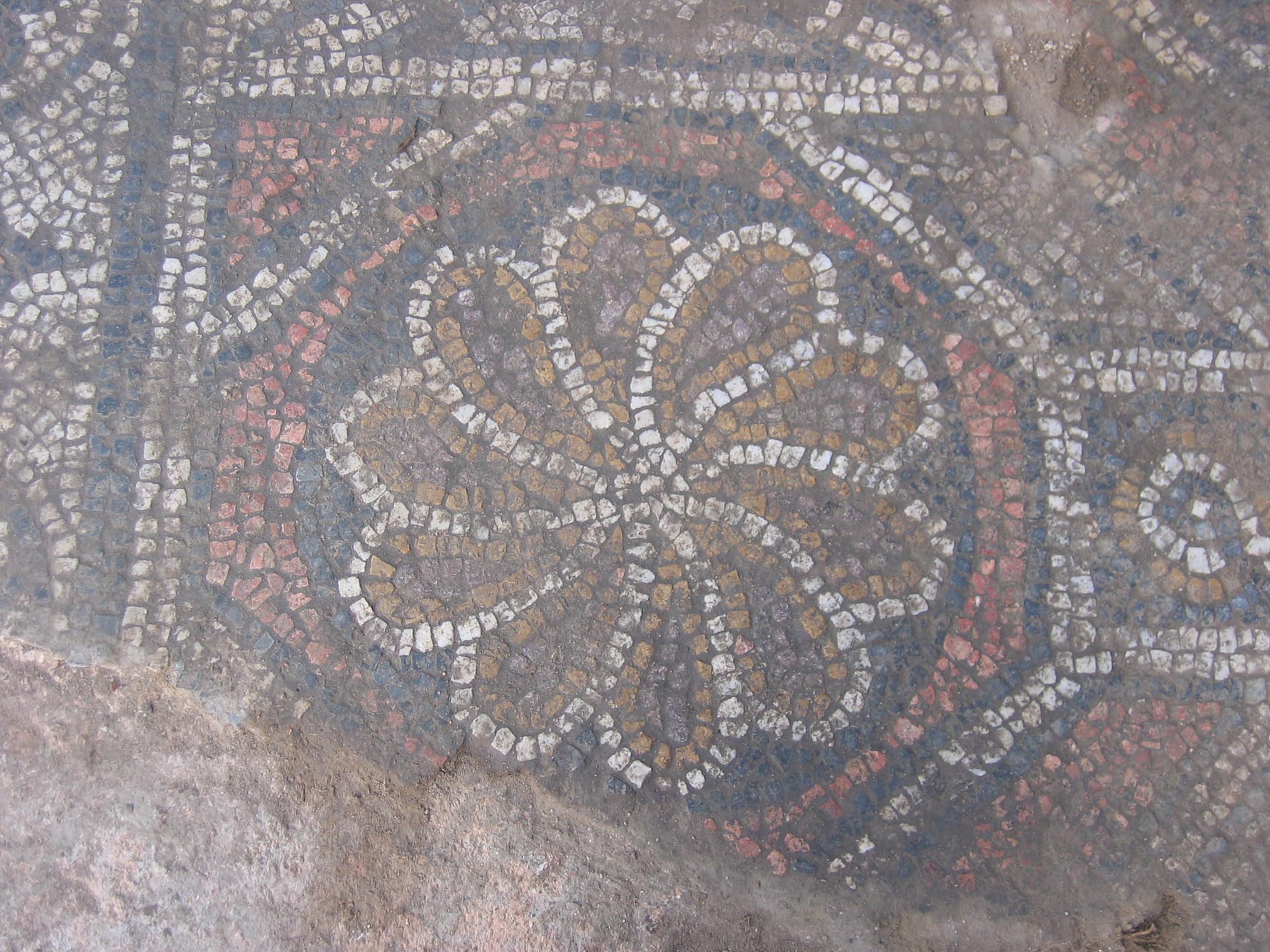
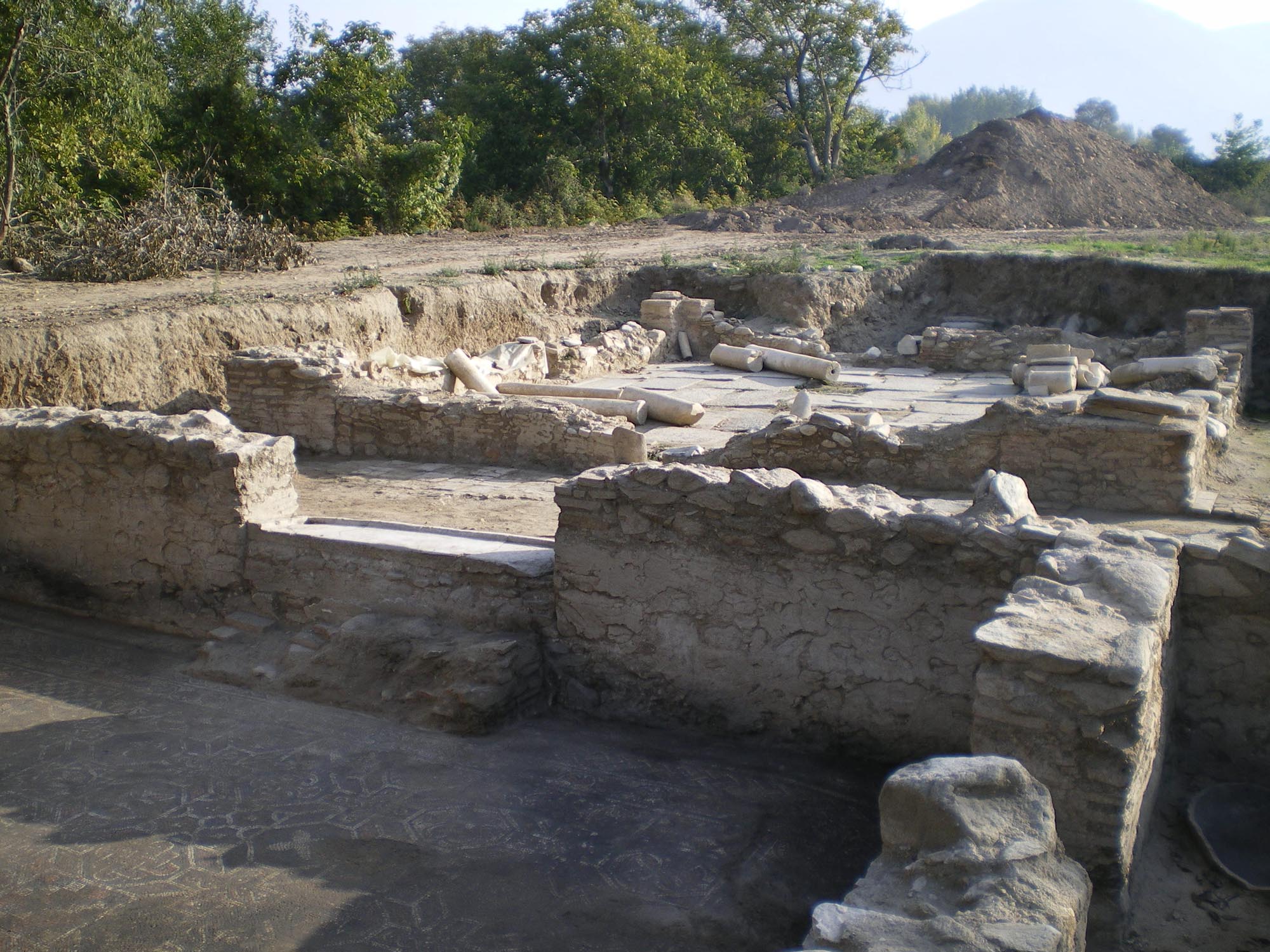
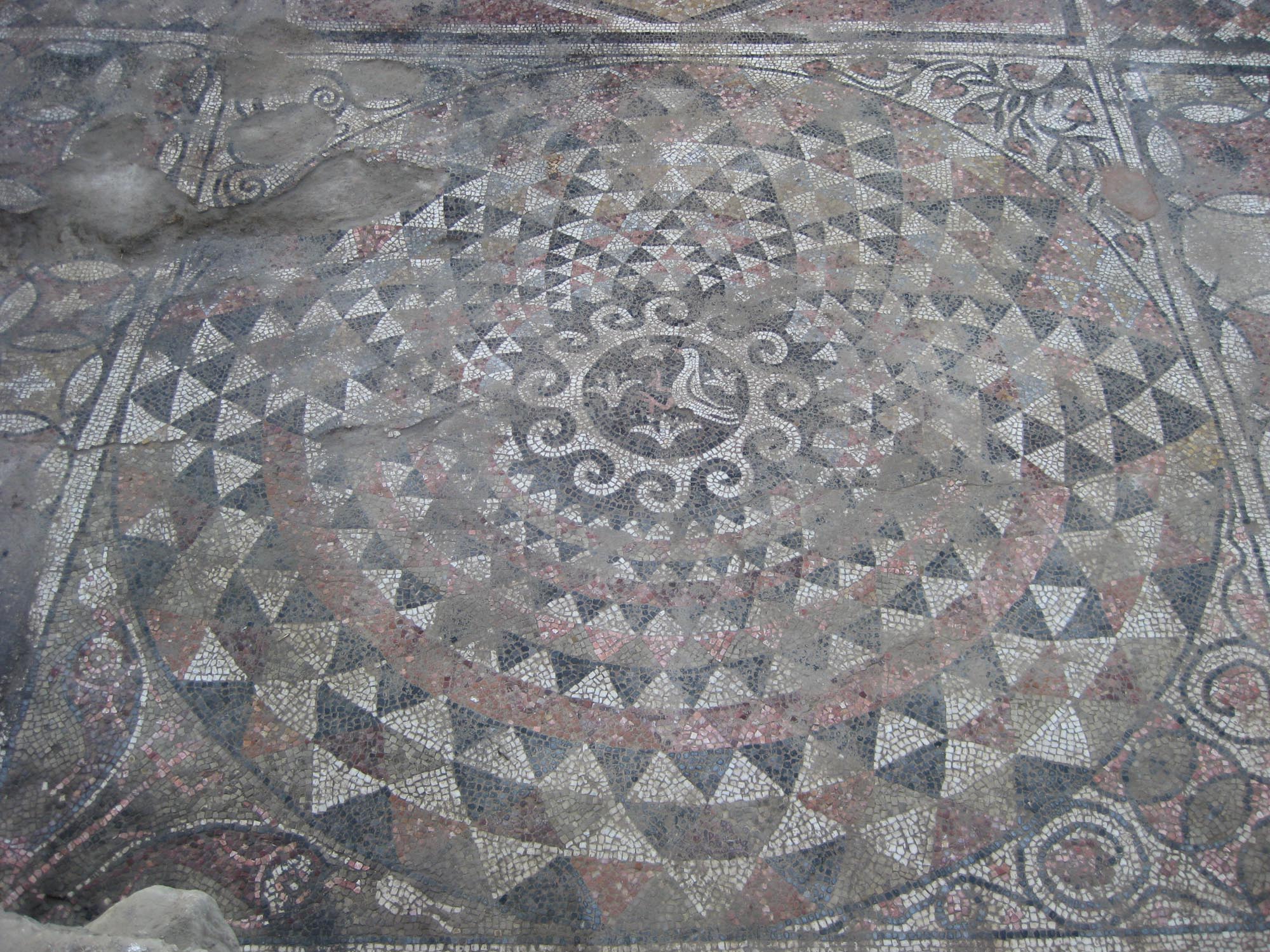
Από την παλαιοχριστιανική έπαυλη κοντά στον ναό του Αγ. Μηνά / From the Early Christian villa, near the church of St Menas (φωτ. ΕΦΑ Κοζάνης/ phot. Ephorate of Antiquities of Kozani)
Από την παλαιοχριστιανική έπαυλη κοντά στον ναό του Αγ. Μηνά στη θέση Παναγιά/ From the Early Christian villa, near the church of St Menas at Panagia (φωτ. ΕΦΑ Κοζάνης/ phot. Ephorate of Antiquities of Kozani)

Numerous archaeological sites have also come to light along the banks of the artificial Lake Polyphytos, beneath whose waters, since the construction of the reservoir of the same name in 1974, lie all the antiquities in the area. Epigraphical evidence reveals the existence of ancient sanctuaries, such as those of Hermes Agoraeus, Apollo, Artemis and Hercules Kynagidas. Important archaeological sites include the high trapezoidal tumulus, approximately 2 hectares in size, at Vasilara Rachi, containing antiquities of the Late and Final Neolithic and the Early and Late Bronze Age, as well as the antiquities, mainly of the Hellenistic period, discovered at the lakeside site of Kato Brava. The Velvento Archaeological Collection of the Velvento Cultural Association contains a large number of movable finds representative of the archaeological riches of the region.

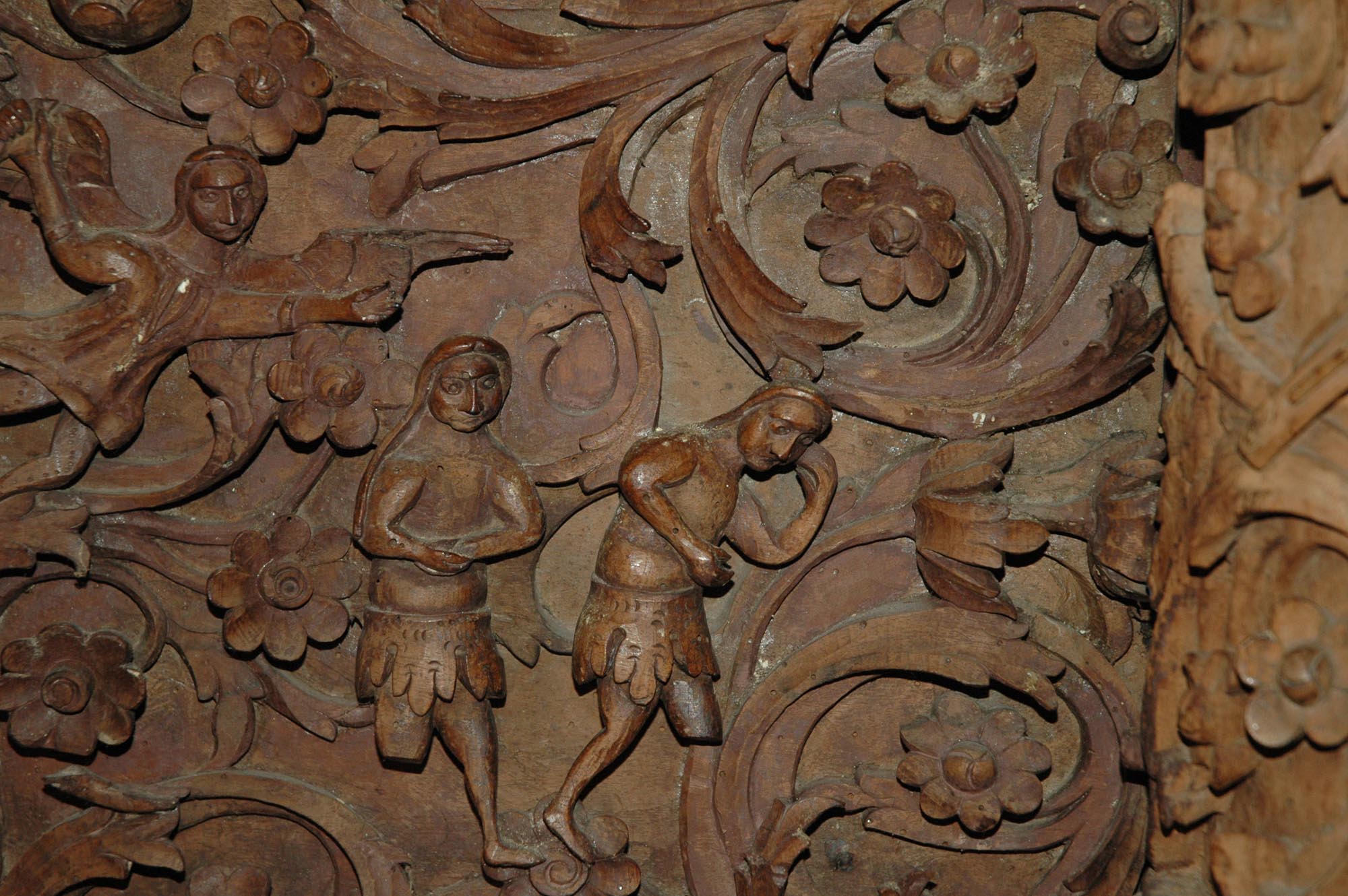
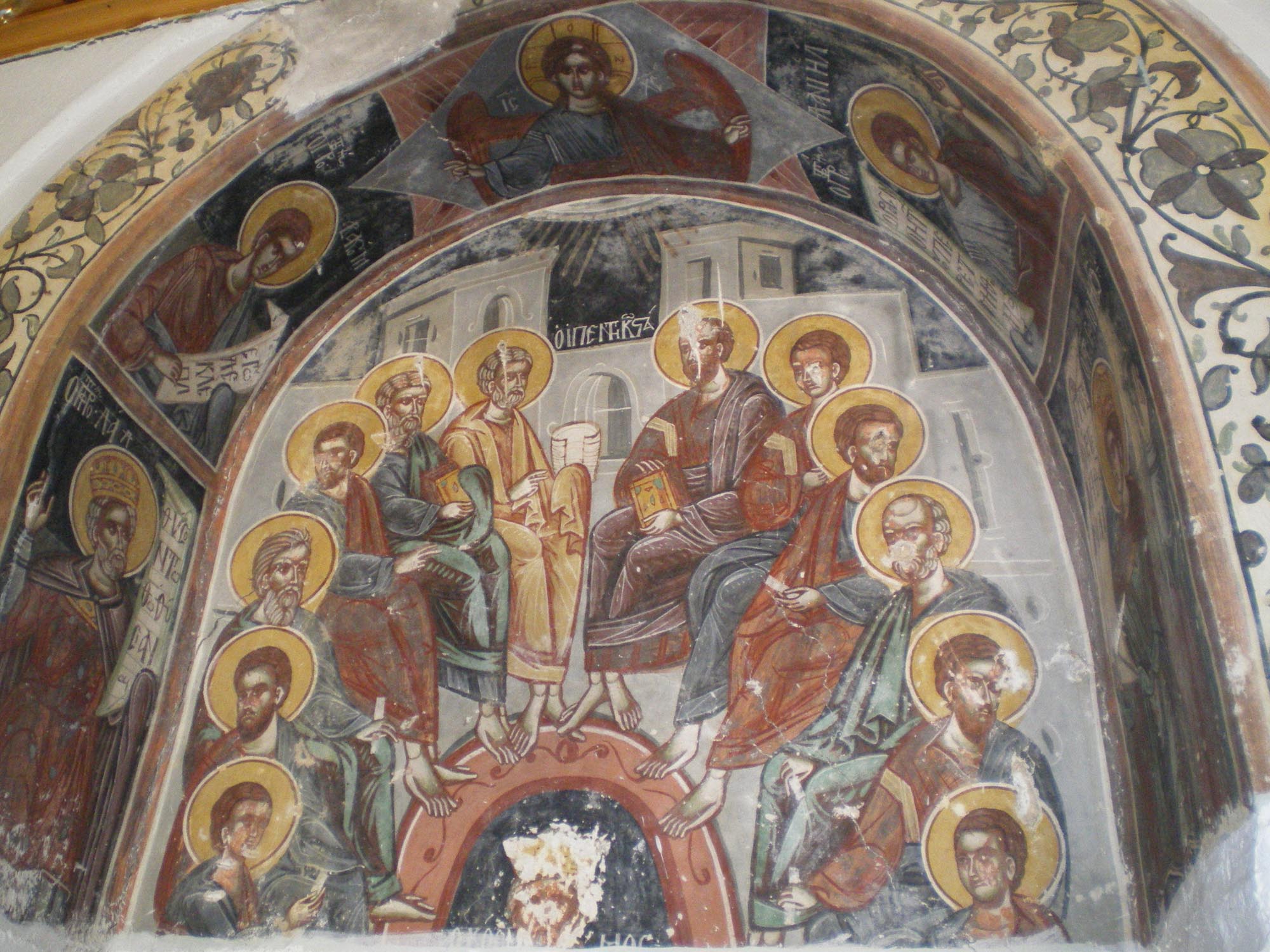
Από τον ναό Κοίμησης της Θεοτόκου/ From the church of the Dormition of the Virgin (φωτ. ΕΦΑ Κοζάνης/ phot. Ephorate of Antiquities of Kozani)

In Byzantine times, there was an extensive network of fortified settlements in the Haliacmon Valley. Besides the Byzantine castle-city of Servia, they included a series of castles that provided the local inhabitants with protection in times of danger. One of these Byzantine castles is Palaikastro (“Old Castle”), an ancient fortified settlement which was also in use in Byzantine times. Its remains are located on the western slopes of the Pierian Mountains, just east of Velvento. A few kilometres south of Velvento, in what is now the Community of Palaiogratsano, there is another fortified settlement with a lifespan extending from the Hellenistic to the Byzantine period, known as Palaiokastro Gratsanou (Palaiogratsano or Palaiogratsiano).

There are significant gaps in our knowledge of the history of Velvento itself, especially during the Early Christian and Byzantine periods. To the Early Christian period belong, apart from the villa excavated in the area around the church of St Menas, some sculptures reused as spolia in monuments in the wider area, as well as some settlement and cemetery sites identified by archaeological surveys in the Haliacmon Valley. The picture we have of the settlement during the Byzantine period is similar; only the original phase of the same monument, the church of St Menas (late 12th-early 13th c.), dates from this time.

The settlement of Velvento appears to have been established and become prosperous after the Ottoman conquest of the region at the end of the 14th century. The earliest written reference to the name is found in Codex 201 of the Monastery of Zavorda (before 1692), while it is also mentioned before 1695, in marginal note in a menaion (liturgical book) of 1551 from the Monastery of the Holy Trinity. Velvento presents, according to researchers, the same pattern of development as Kozani and Siatista, as its population increased due to the resettlement of populations from neighbouring or more distant regions, such as Epirus or Thessaly. According to oral tradition, Velvento was a malikâne (tax-farm) belonging to the Sultan’s mother and enjoyed special privileges. However, the same tradition in the case of Kozani has been proven spurious by historical research.

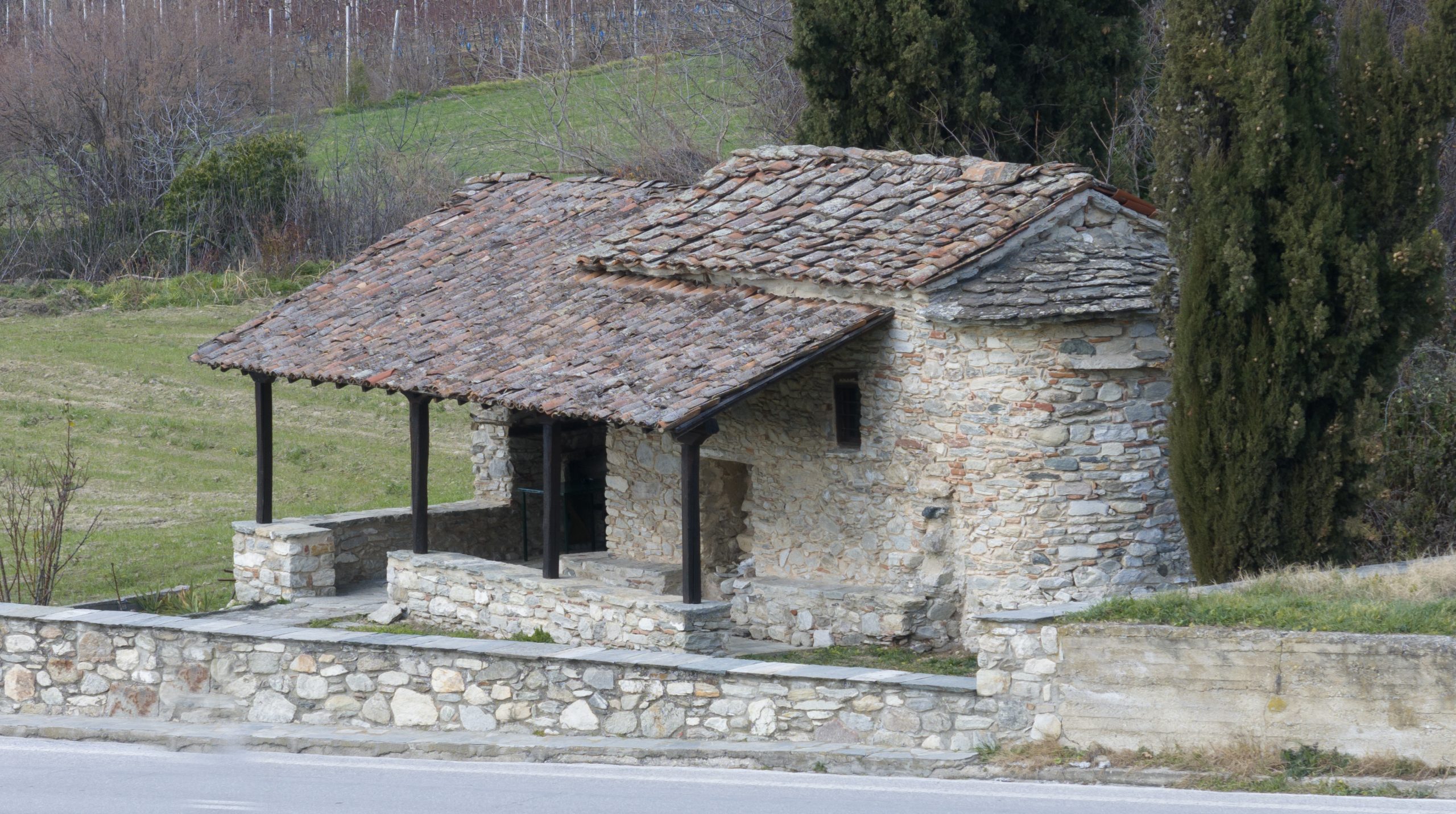
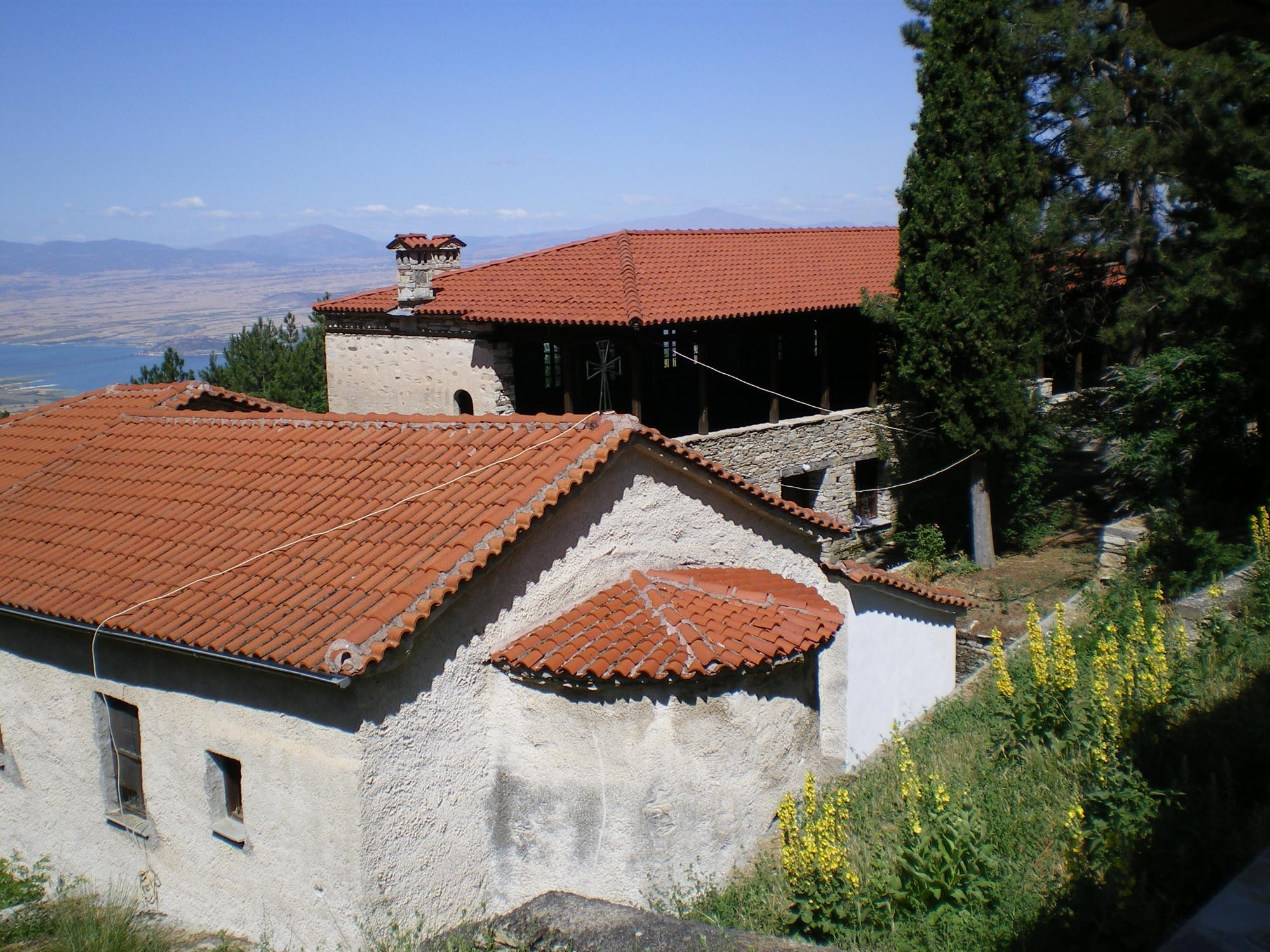
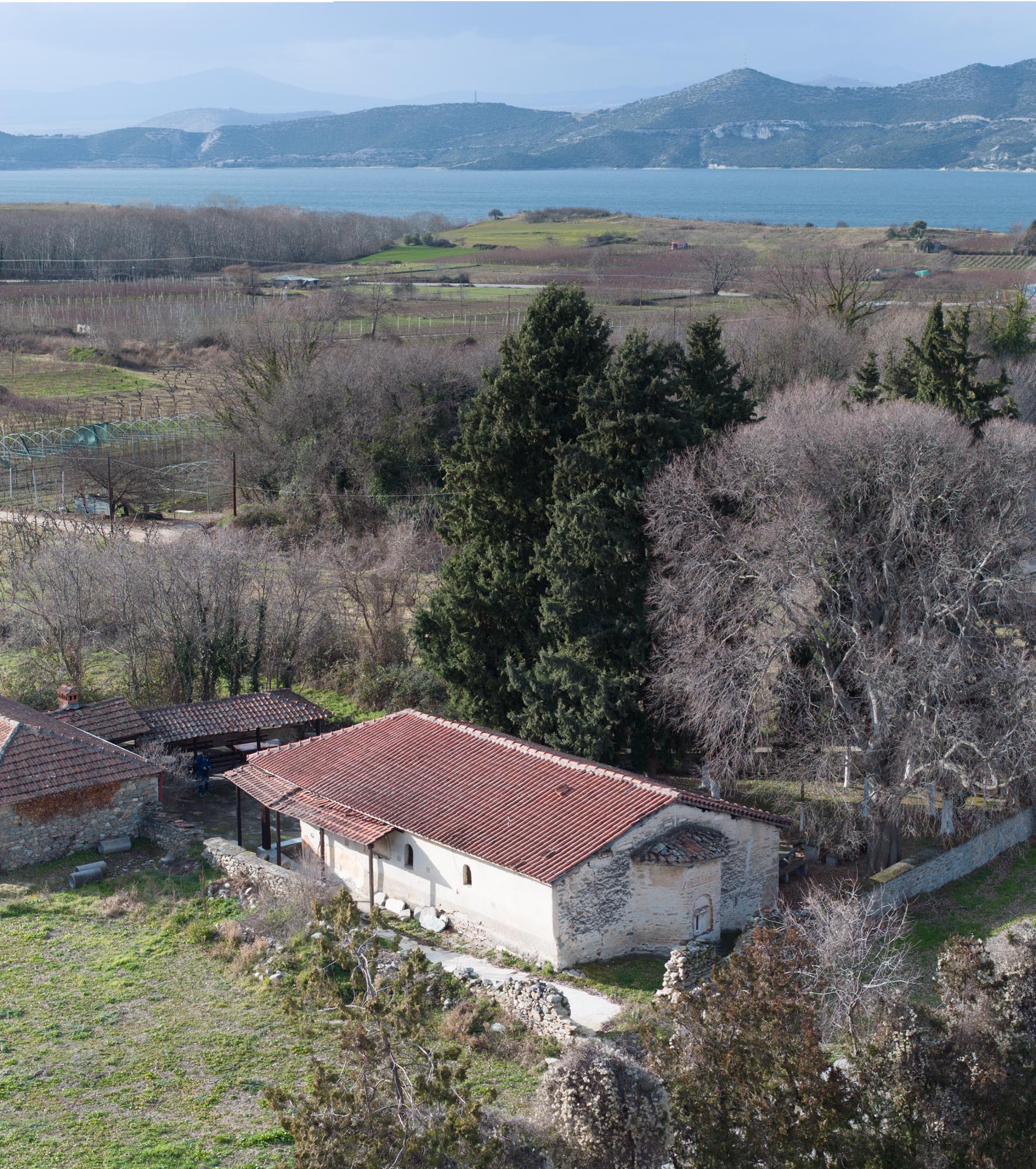
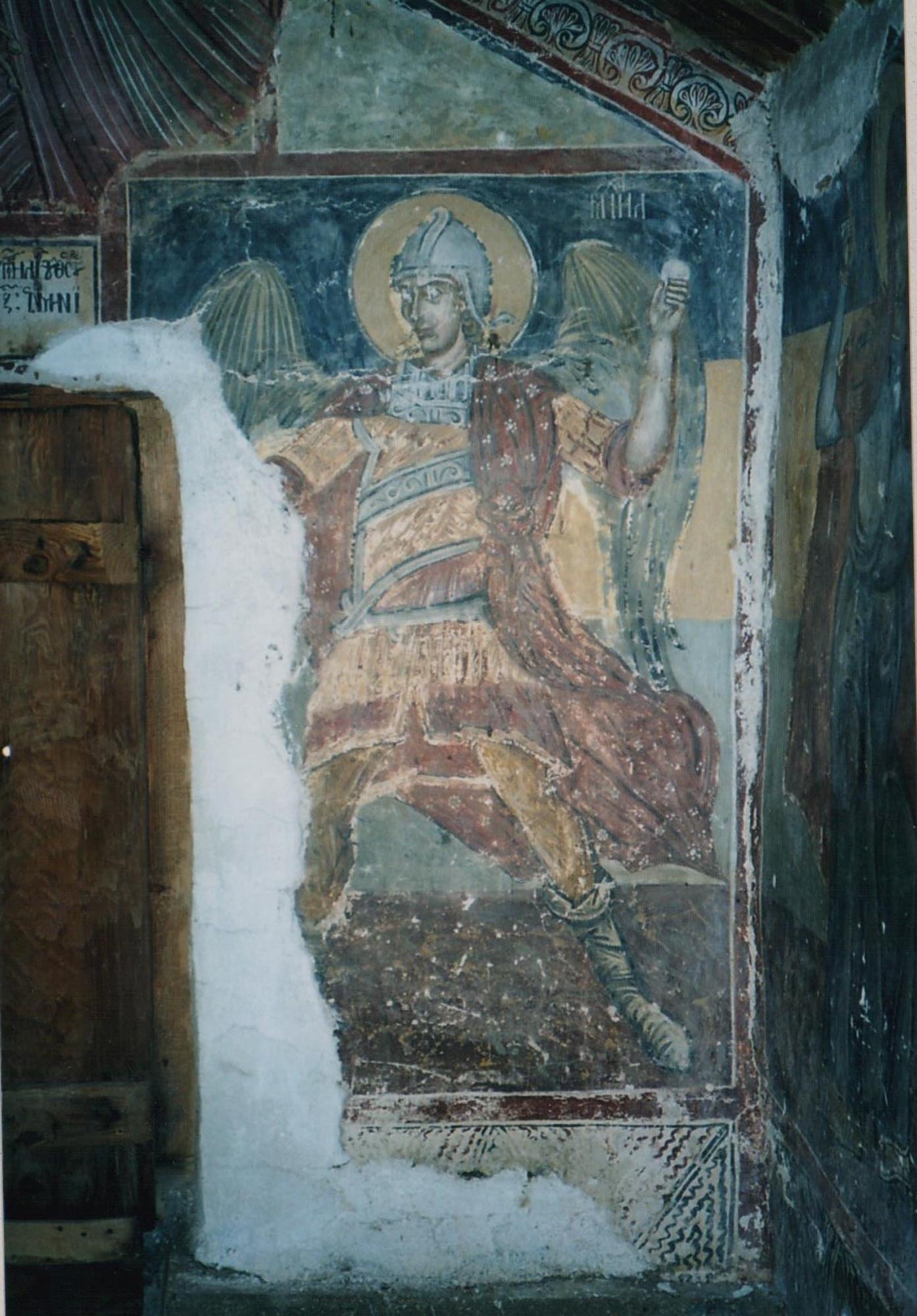
Ναός Αγ. Μηνά/ Church of St Menas (αρχείο ΔΒΜΑ, φωτ. Κ. Ξενικάκης/ archive of DBMA, phot. K. Xenikakis)

Velvento seems to have flourished particularly during the 16th century, a fact confirmed by the re-establishment or renovation of older churches (St Nicholas, St Demetrios in Gratsani and the Prophet Elijah in Palaiogratsano), and by the commissioning of a considerable number of carved wooden templons and portable icons, mostly dated to the end of the century. The 17th century was also a period of prosperity for Velvento, as evidenced by numerous frescoes and portable icons, both from the town itself and from monuments in the wider environs. Velvento remained subject to Servia until 1774, when it was detached and became the seat of a toparchy (administrative district) with a prefect and a judge. In that year, at the initiative of local officials and Ignatios, Bishop of Servia and Kozani, a “School of Greek Letters” (Community School) was established with the permission of the Ecumenical Patriarchate. The famous monk St Cosmas of Aetolia, who was active in the area, seems to have played a key role in its establishment. The French traveller François Pouqueville, who visited the region in 1806, mentions the schools in Velvento funded by the Greek community and the town library. The settlement continued to prosper in the 19th century, thanks to the production and exploitation of agricultural and other products, especially grapes, peaches, cereals, flax and linseed oil, cotton and silk. The exploitation of the region’s water resources also played an important part in the economic development of Velvento, with the construction and operation of numerous watermills.

Monuments

Traditional houses

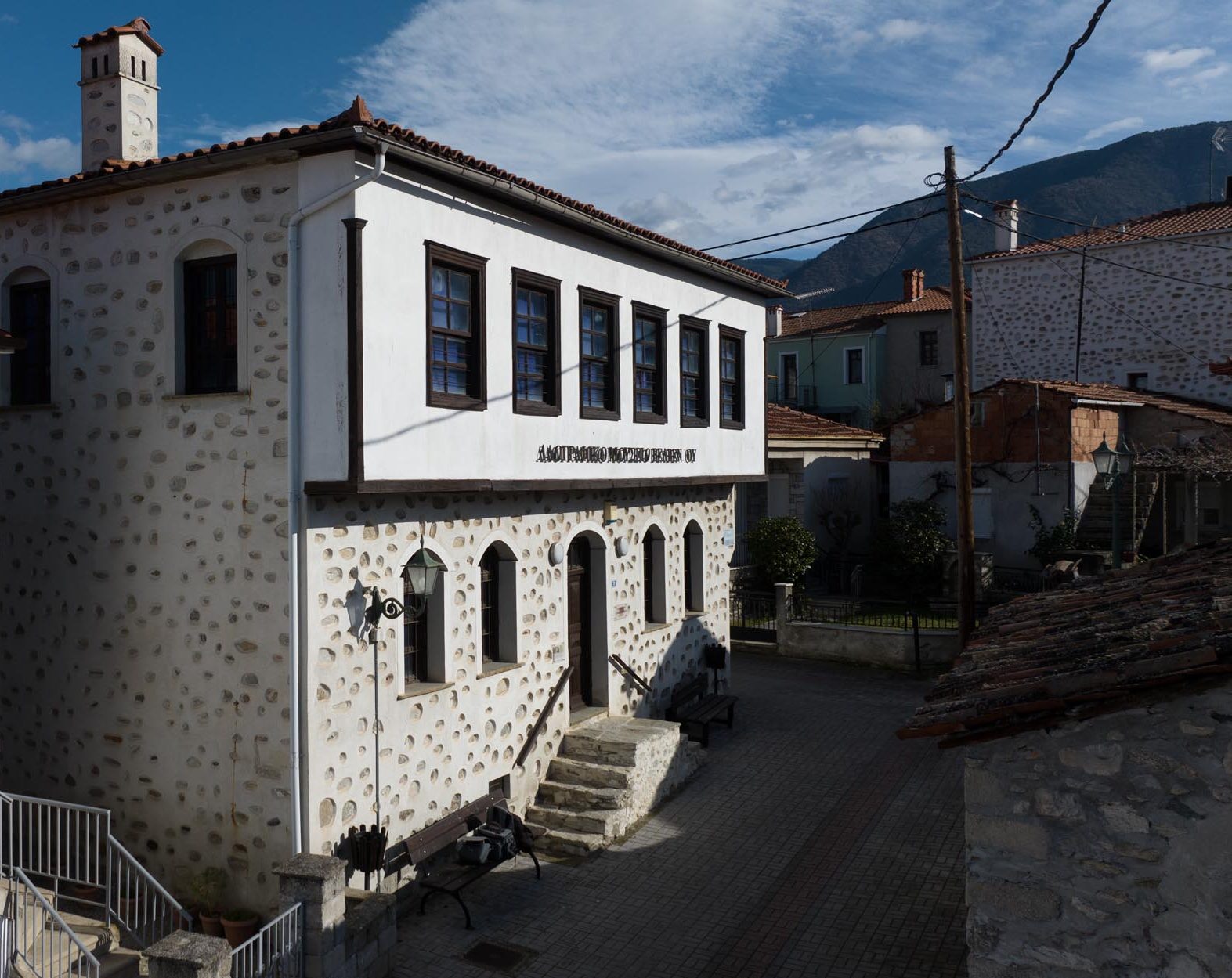
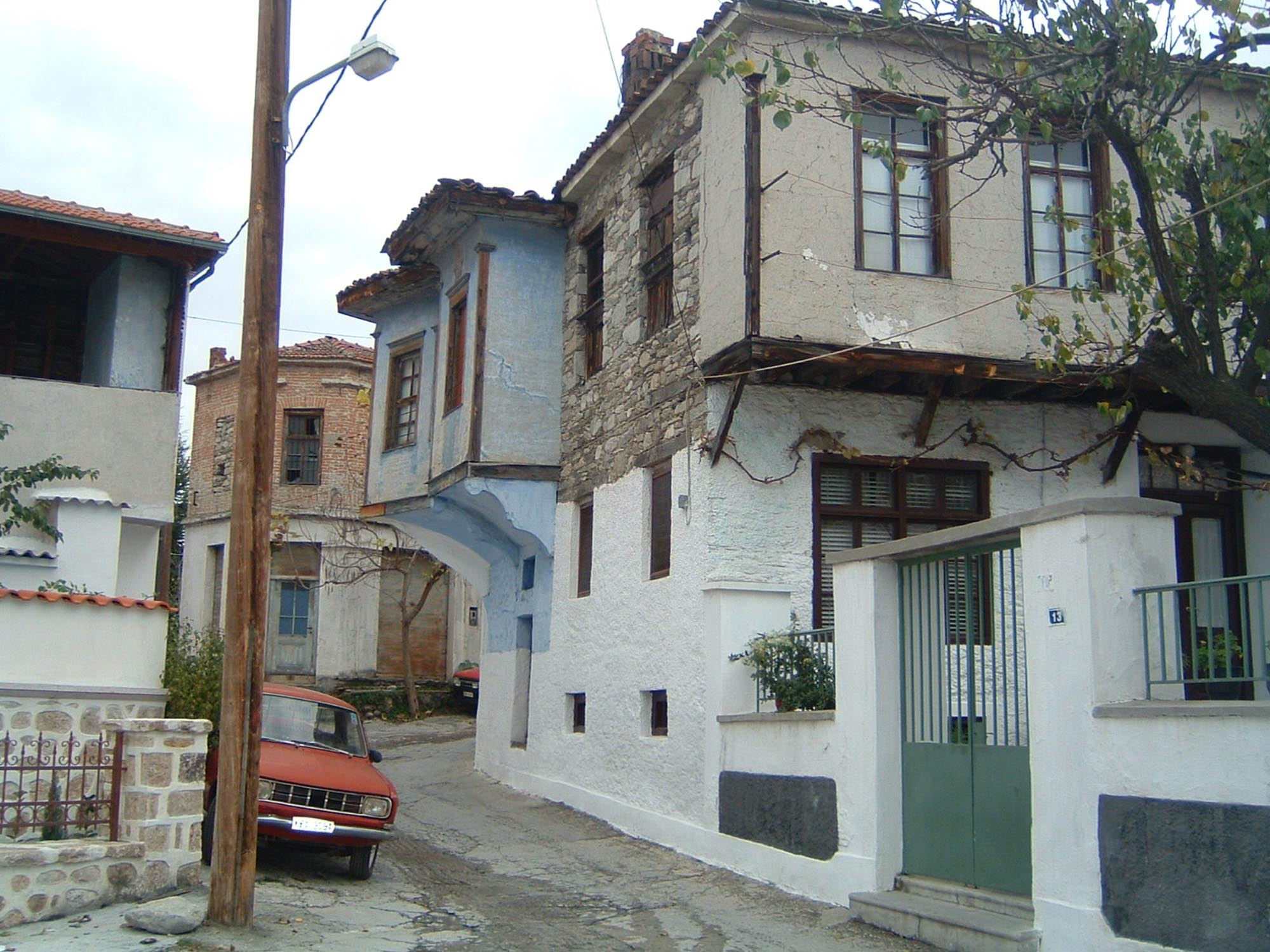
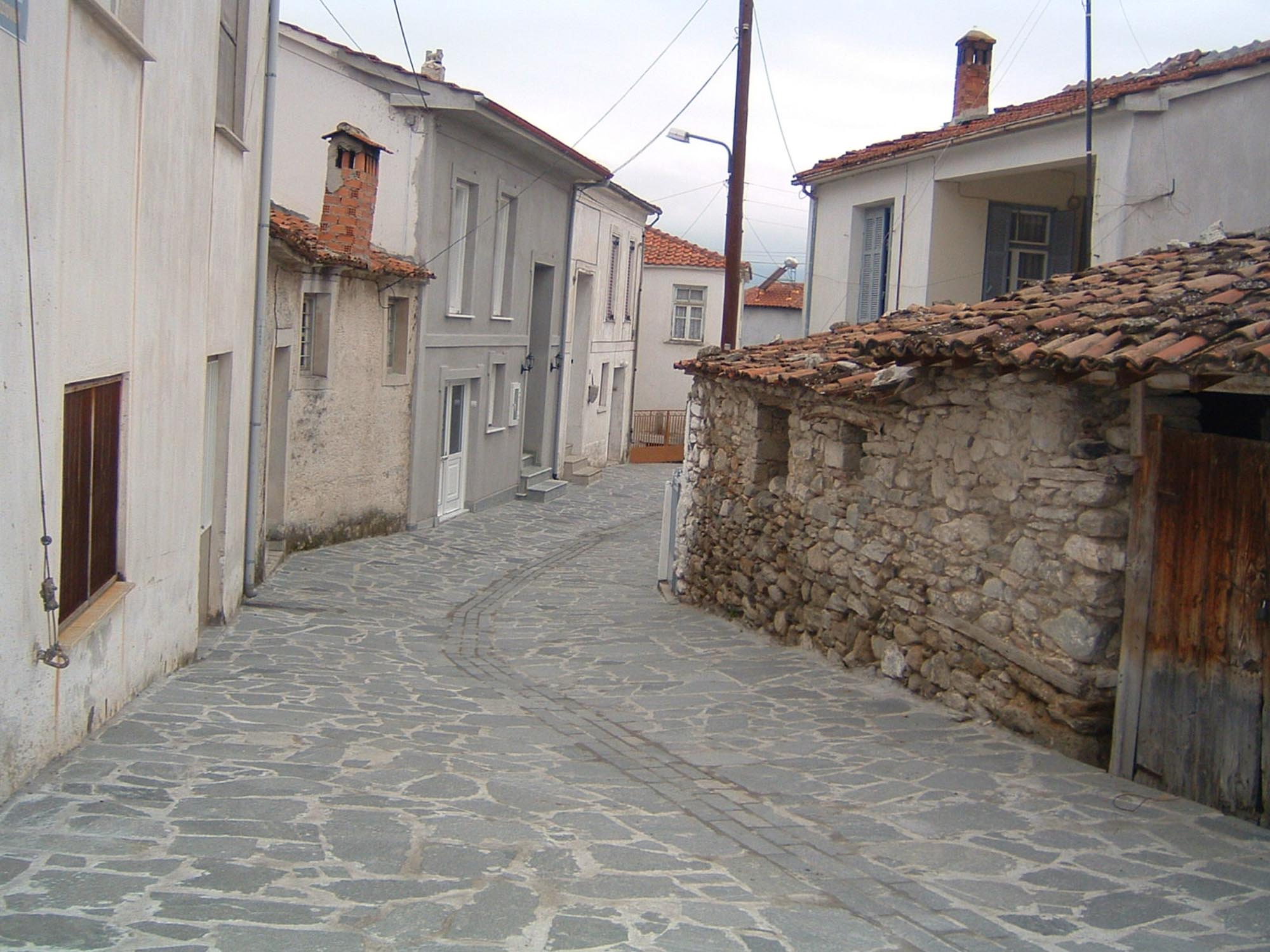
A few 18th- and 19th-century houses are preserved in the traditional village of Velvento today, following the general principles of the Macedonian traditional architecture. An important witness to the settlement’s prosperity is the mansion of Markos Kostas, which now houses the Folklore Museum of Velvento. After 1900, affluent citizens built mansions in the Neoclassical style, as well as of the “mixed type” combining elements of Neoclassical and traditional architecture, which represents the vast majority of the traditional buildings of Velvento.

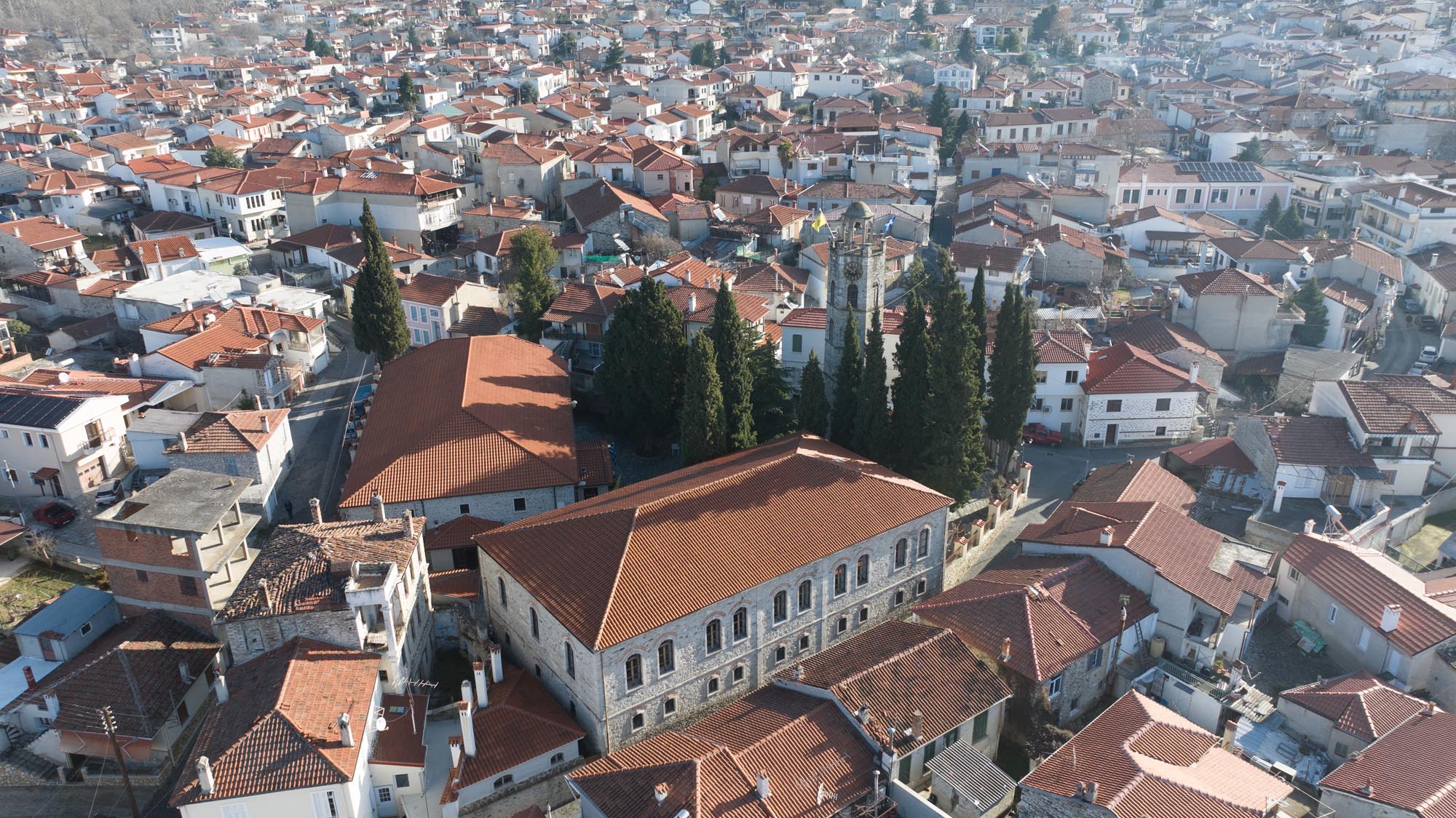
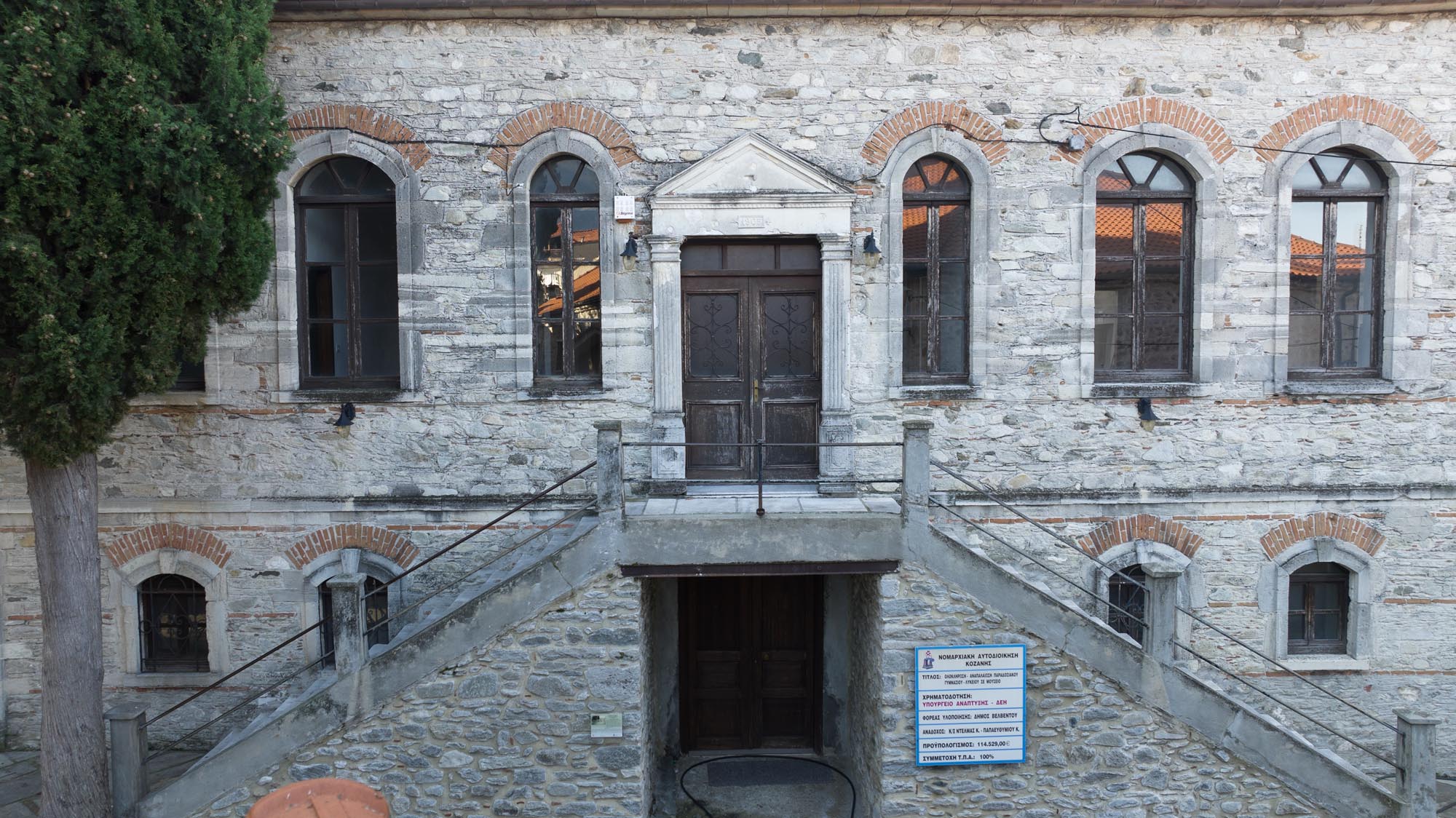
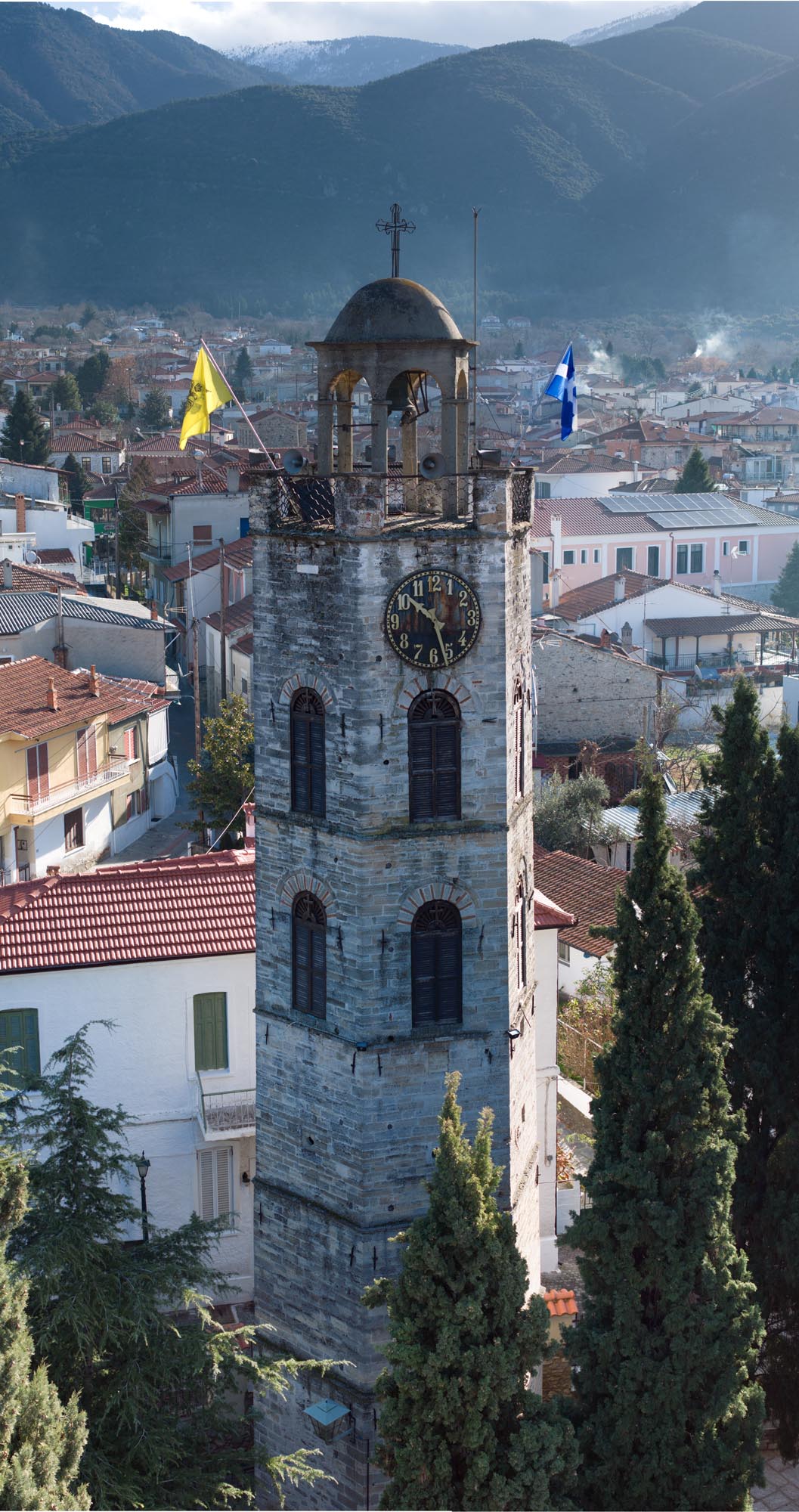
In the centre of Velvento stands the large, imposing church of the Dormition of the Virgin, constructed in 1804 on the site of an older, smaller church, which, according to an ecclesiastical codex in the Kozani Archives, was built before 1630. According to the surviving dedicatory inscription, the new church is four times the size of its predecessor. Southwest of the church is the listed old Gymnasium (Boys’ School), built in 1904. Together with the church of the Dormition, it forms a monumental historical complex with a common courtyard. The five-storey, six-sided bell tower of the church, built in 1873, stands in the same area.

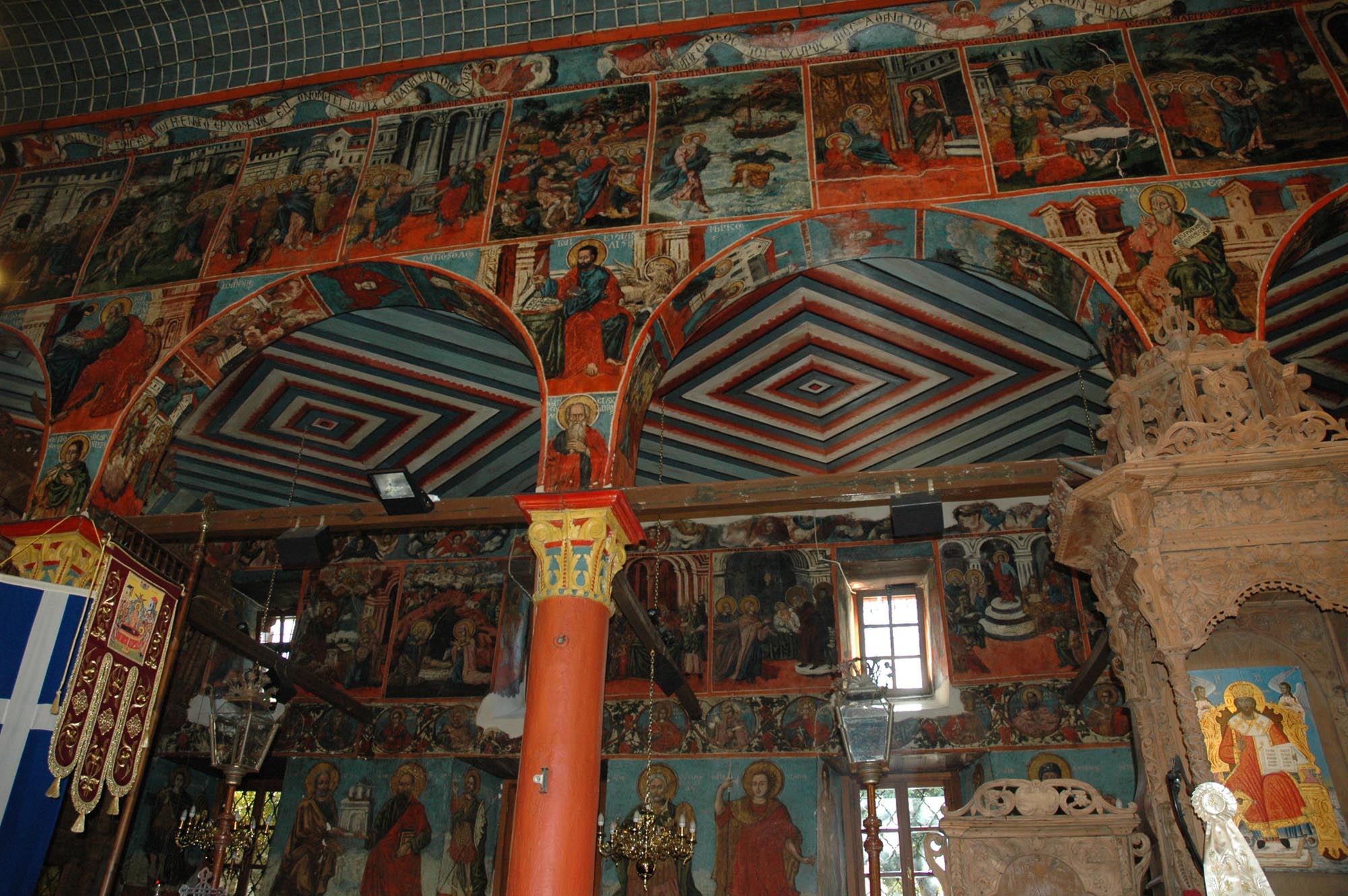
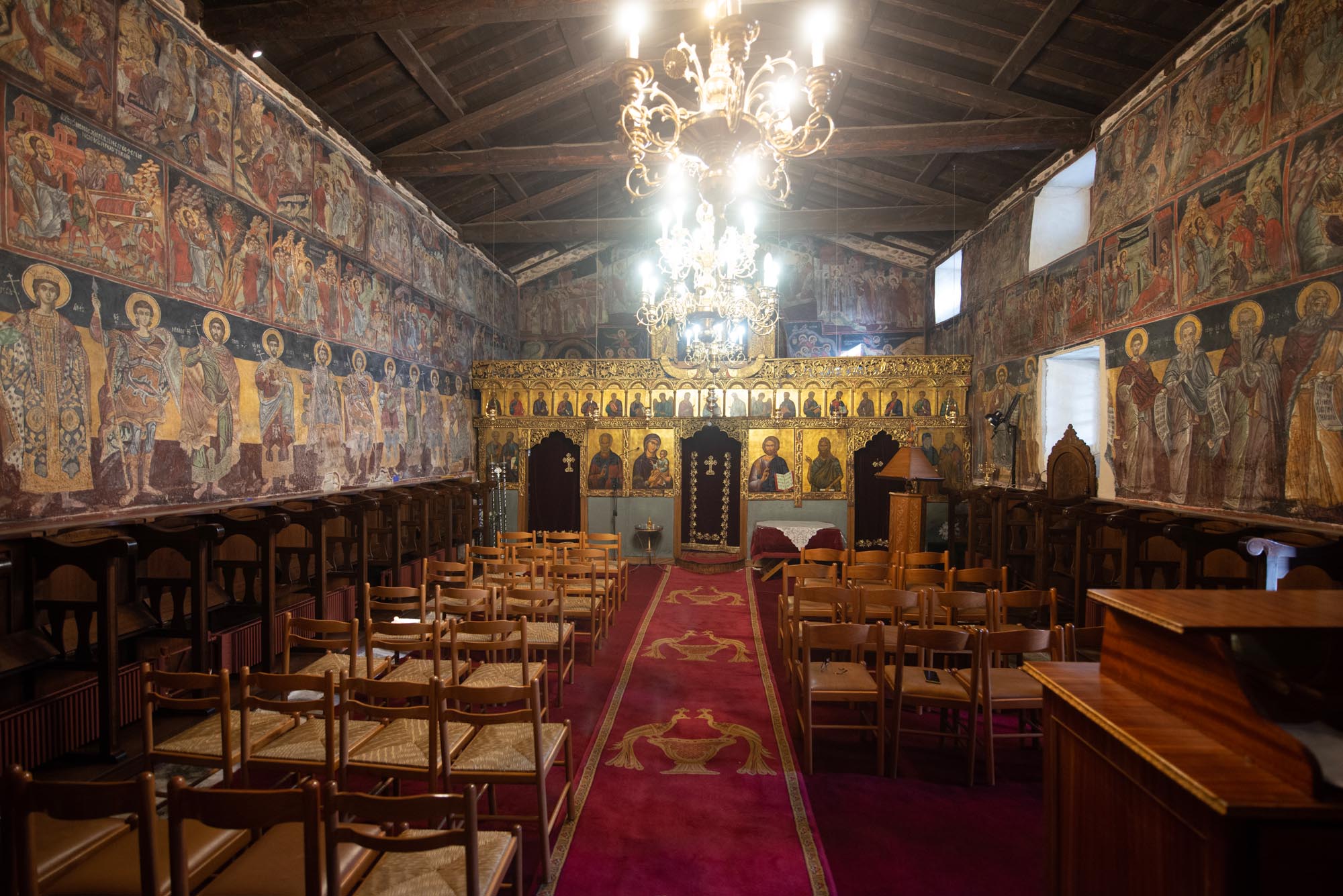
The church of the Dormition of the Virgin is a three-aisled timber-roofed basilica with a polygonal external apse on the east side, a raised two-storey gynaikonitis (women’s gallery), and later porches on the west and south sides. The inside of the church is decorated with frescoes which, according to the inscriptions, were painted between 1804 and 1812. They are in the Modern Greek Baroque style, which was widespread in Northern and Central Greece during this period; it is influenced by Western art, which spread across Greece mainly through the wide circulation of prints. The frescoes adorning the external south wall of the church are later, dating from the end of the 19th century.

Of particular note is the splendid, richly decorated wooden templon of the church, with its panels depicting scenes from the Old and New Testaments as well as scenes of everyday life. A wide variety of subjects, such as animals (lions, tigers, panthers, snakes, deer, eagles, etc.) and mythological figures (mermaids) complete the decoration of the templon, which, like the frescoes, is in the Modern Greek Baroque style then prevalent in woodcarving in Greece. The templon was completed in 1807, the year to which most of the portable icons that adorn it also belong. The pulpit, the bishop’s throne, the proskynetarion and the altar ciborium are equally elaborate. The richly decorated wooden ceiling of the church is also impressive, with an oval rosette in the centre in which is placed a cloth painted with the figure of Christ Pantocrator. Finally, in the diaconicon, dedicated to St John the Baptist, is installed part of a carved wooden, gilded templon dating from the second half of the 16th century, which probably came from the earlier church. The late-15th-century icon of Panagia Hodegetria (the “Virgin Who Shows the Way”), one of the oldest icons in Velvento, is set in the templon of the diaconicon.

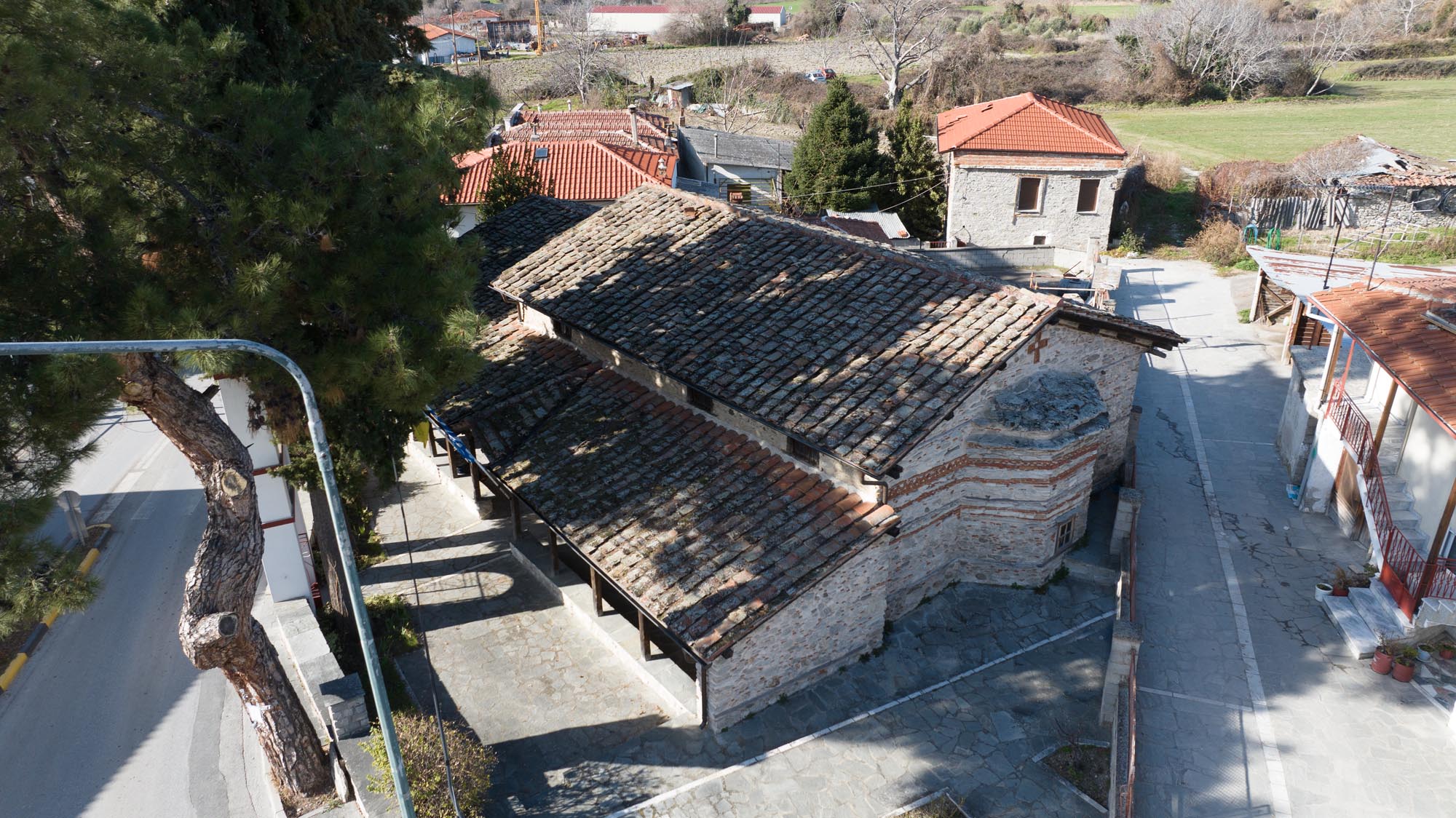
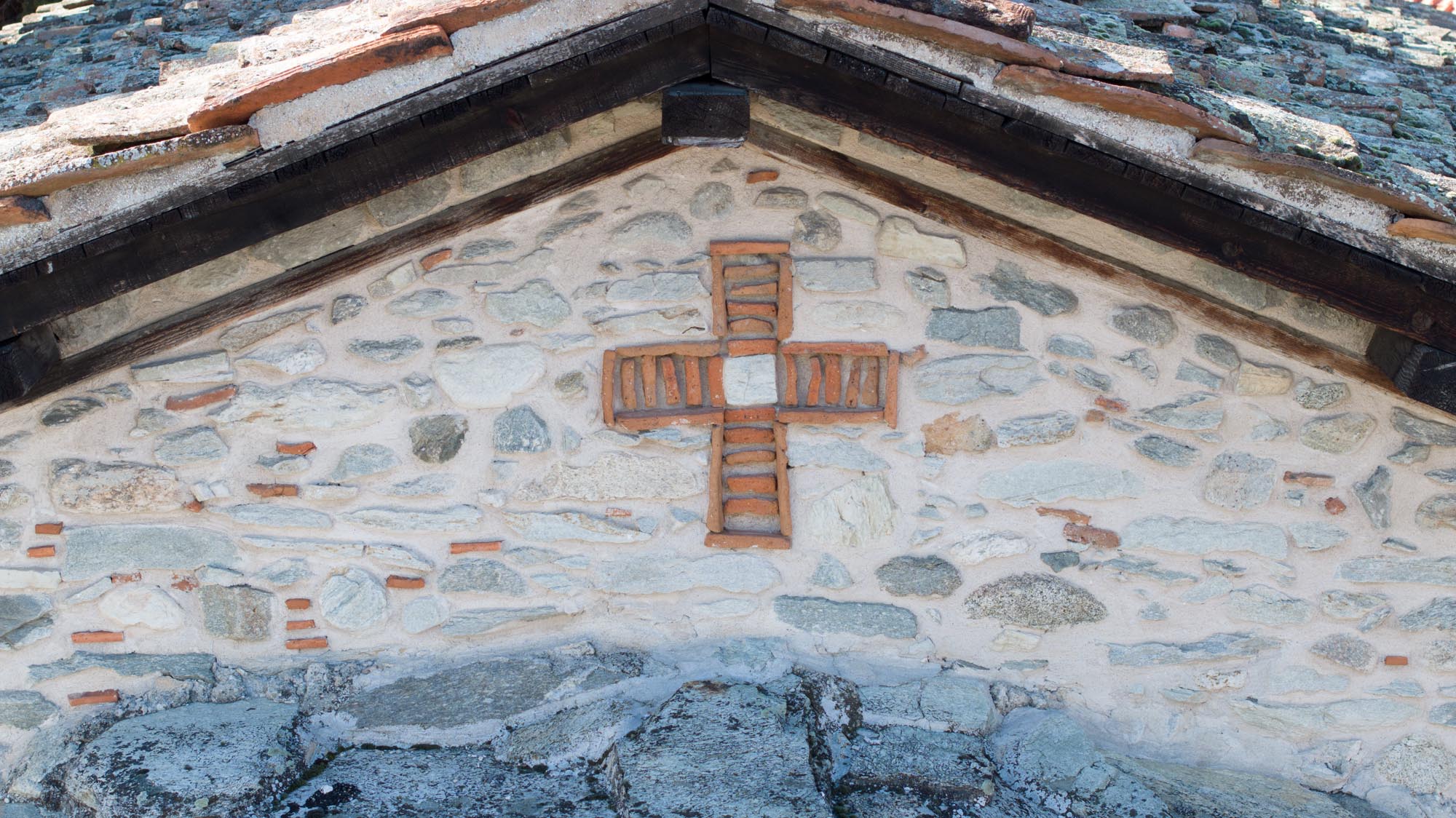
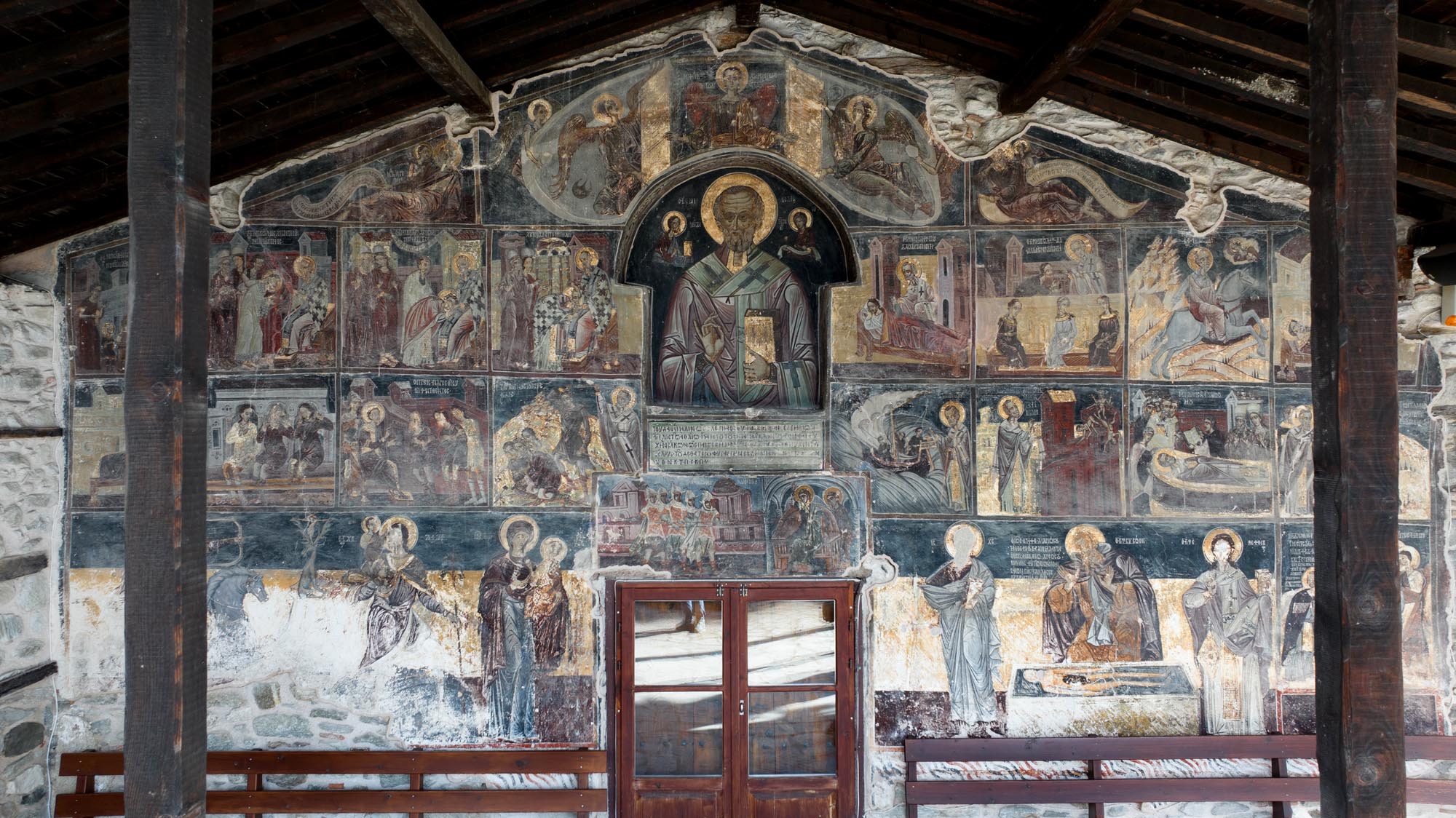
On the western outskirts of Velvento, on the main road, stands the single-nave, timber-roofed church of St Nicholas. The church has a semi-open wooden portico with a lean-to wooden roof (hayat) running along its west and south sides. The decorative brickwork on the east side is particularly interesting. The church’s date of construction is not known. According to the surviving dedicatory inscription, it was renovated from the ground up and painted with frescoes in 1588 by the painter Nikolaos at the expense of the local lord Georgios Moutafis and other local inhabitants. The inscription is fascinating because it contains a wealth of information on the area, such as details of the weather that year, which destroyed the crops, and even an incident from the painter’s personal life. He was engaged to work on the church of the Virgin in Elassona but the invitation was subsequently revoked by the officials responsible, causing him to lose the money he had already paid for the paints.

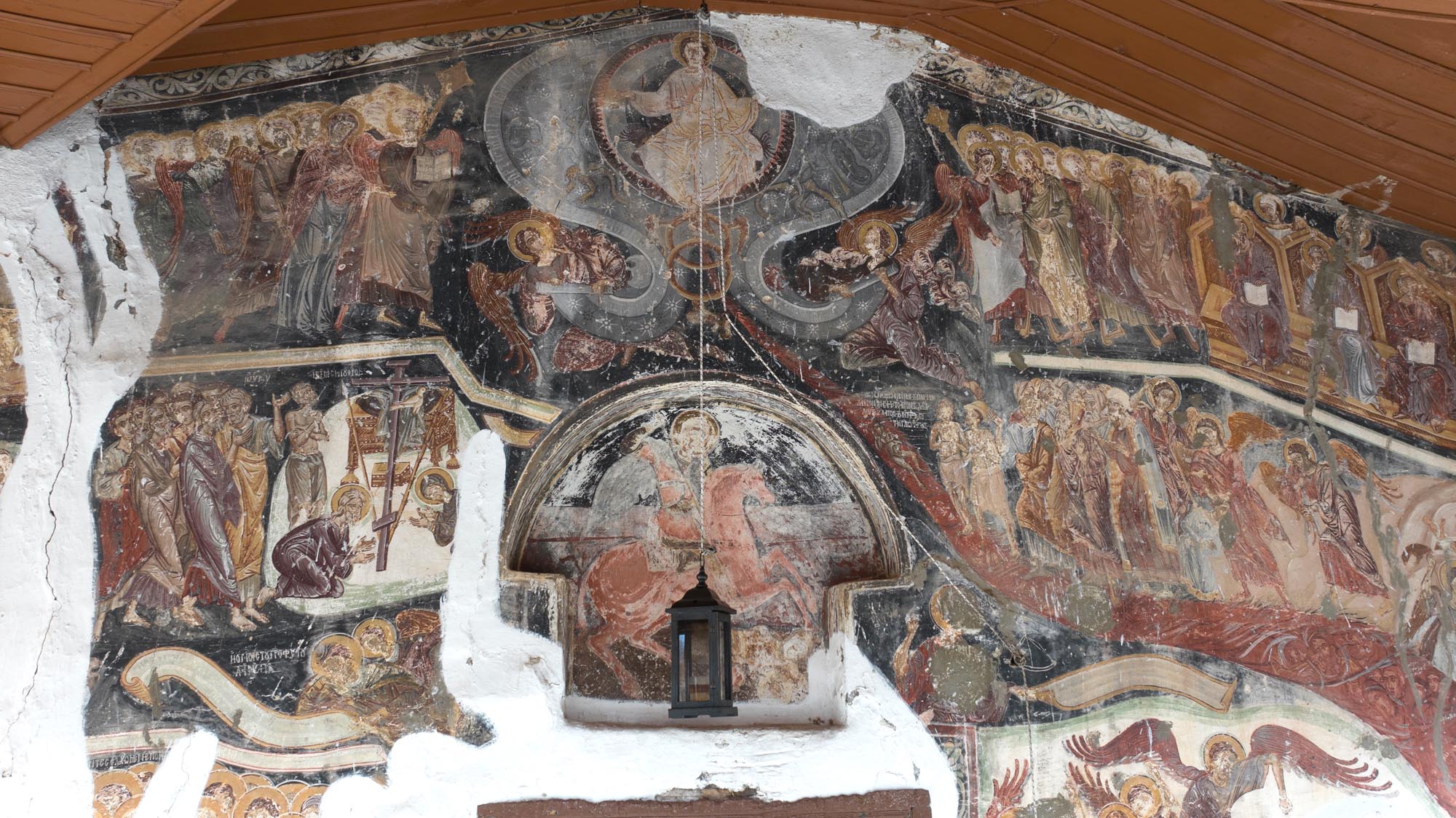
The interior of the church is covered with frescoes depicting many scenes and numerous figures of saints. Wall paintings also cover the exterior west and south walls. The frescoes on the west wall, which include an extensive cycle of the Life of St Nicholas, are thought to predate those inside the church; it has been argued that they date from the mid-16th century. The frescoes on the outer south wall are dominated by the monumental composition of the Second Coming, which is of later date. On the lower east part of the south wall is depicted the deceased daughter of the founder, Anna Moutafi, between St Nicholas and St Pelagia. Of particular importance is the remarkable carved wooden, gilded templon, dated by an inscription to 1591, making it the oldest known dated icon screen in Greece. According to the inscription, it too was donated by Georgios Moutafis and his wife Kyro. Some of the surviving icons of the templon are dated to the same year.

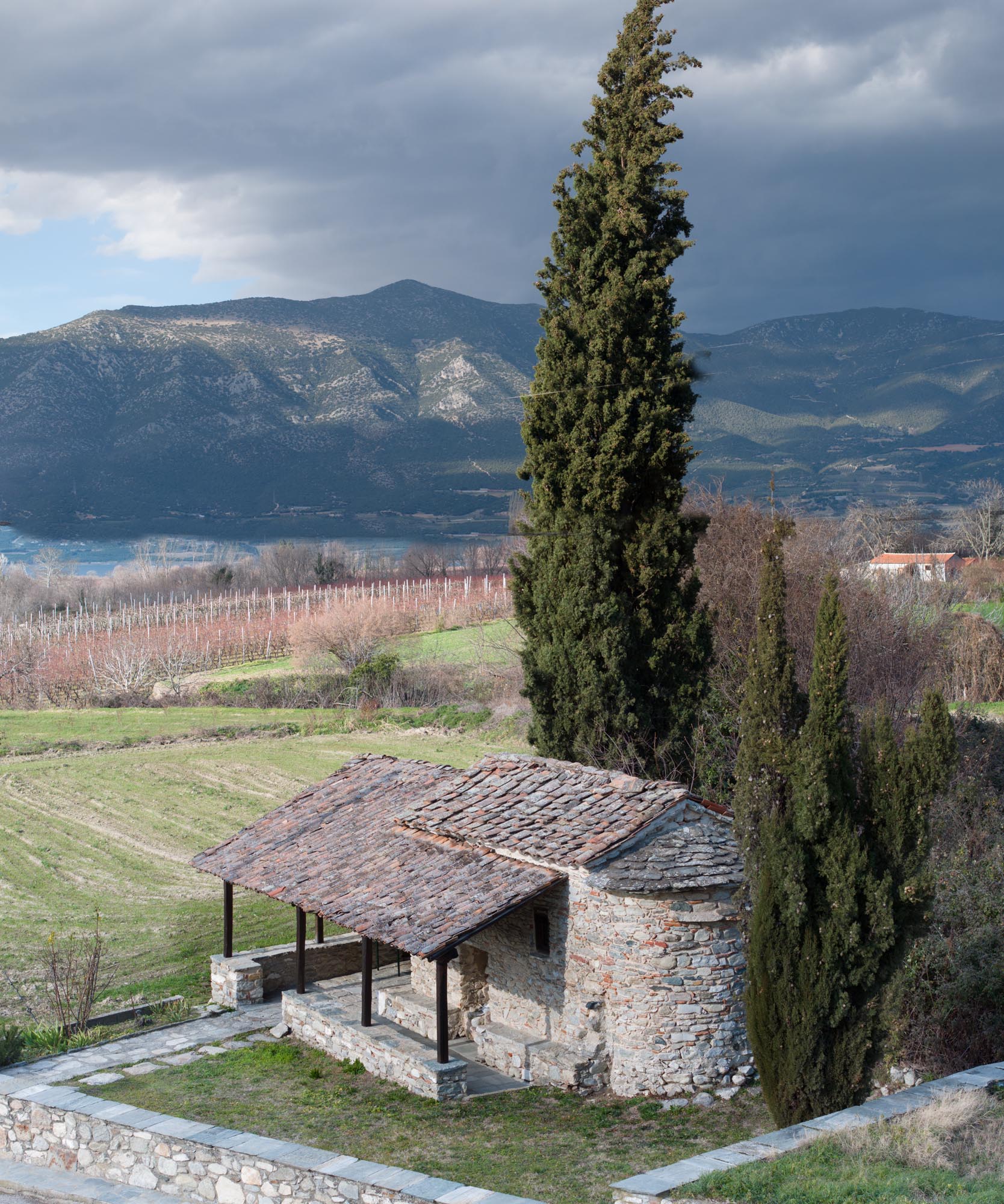
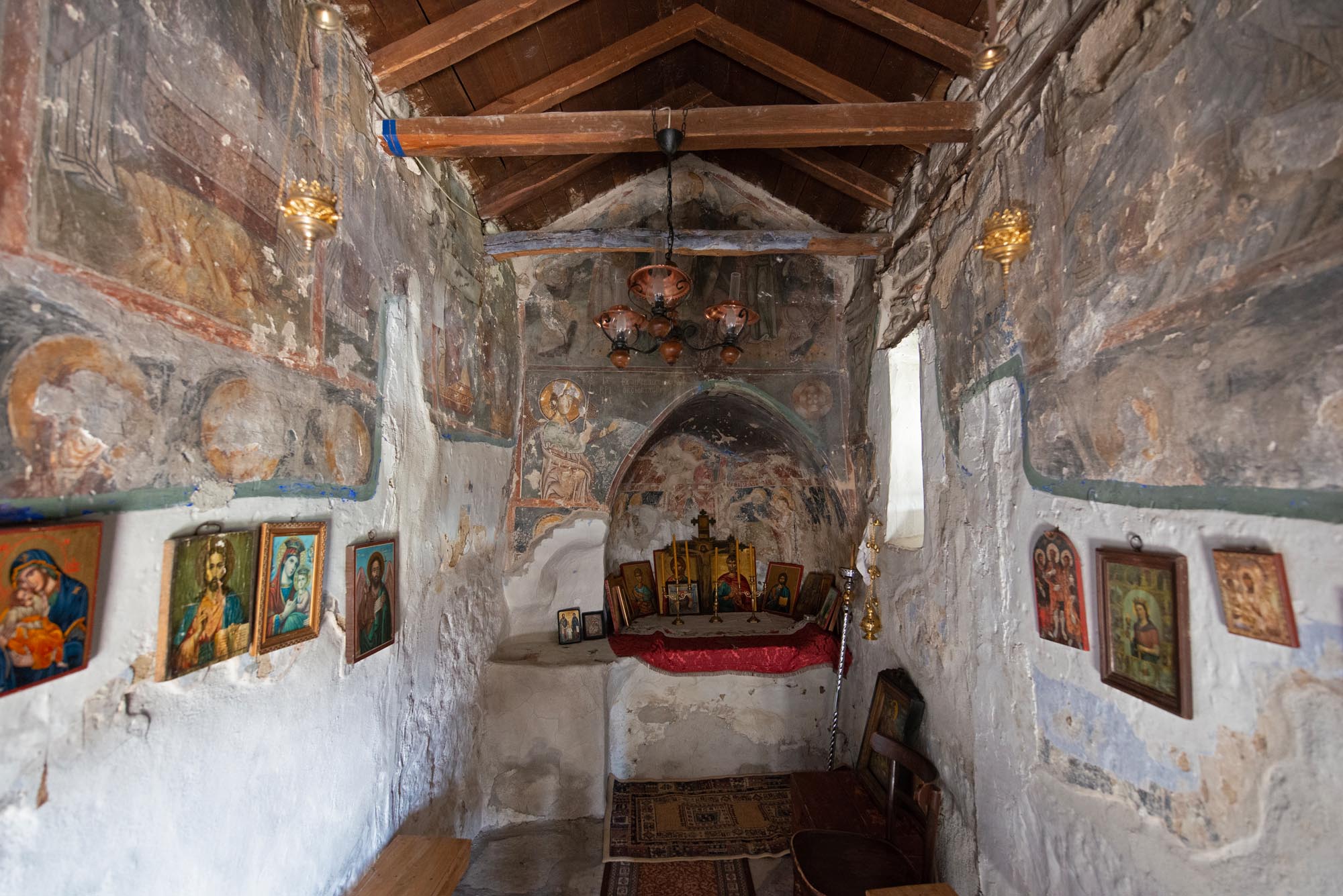
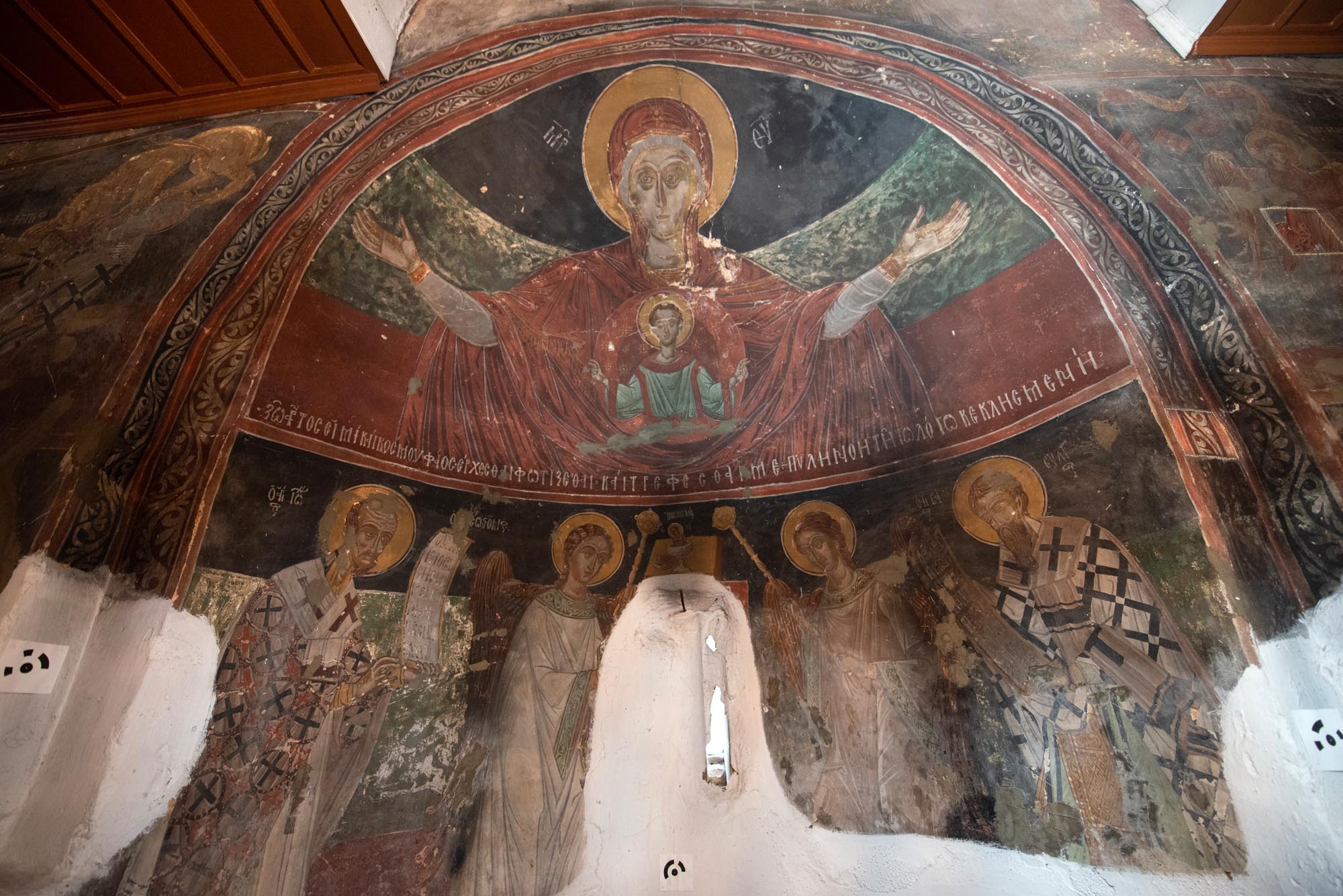
At Panagia, just outside the western entrance of Velvento, stands the small single-nave church of St Menas, covered with a tiled saddleback roof. Like the church of St Nicholas, it has a semi-open wooden portico (hayat) on the west and south sides. The church has two building phases: only the apse and the east wall are dated to the first (late 12th-early 13th c.), while the rest of the church is dated to the second (15th c.). The two layers of frescoes preserved inside the church match the two building phases: the first, in the apse, dates from the late 12th-early 13th century, while the second, which extends over the other walls, is of 15th-century date.

The church, based on the finds of the excavation carried out in its courtyard, is founded on the remains of an Early Christian bathhouse which extends into the neighbouring Kamkoutis plot, where a luxurious Early Christian villa has come to light. The excavation data indicate that the villa was in use from the 4th to the 6th century AD, at the end of which it was probably destroyed by fire. The rooms of the villa, which are arranged around a large, square, paved courtyard, include the reception room (triclinium), which is decorated with a beautiful mosaic floor. Richly decorated mosaic floors were also found in other rooms; together with the traces of marble revetment and frescoed surfaces in various spaces of the villa, they attest to its luxurious construction. The villa also had additional spaces associated with the agricultural economy of the region, such as a wine press with collection and fermentation tanks for grape must, and storerooms with storage jars placed on the ground. During the Late Byzantine period, a single-nave church was built west of the triclinium, while the area of the bathhouse was used as a cemetery: the excavation revealed a series of scattered burials without grave goods between the bathhouse walls.

On a wooded slope of the Pierian Mountains, about 8 km from Velvento, on the road leading to the community of Katafygio (Katafygi), stands the Monastery of the Holy Trinity. It has been renovated today and only a few traces of its original form and frescoes are preserved in the church and the west wing of the monks’ cells. The 17th-century katholikon is a single-nave church with a narthex and a gynaikonitis on the west. The monastery is mentioned before 1695, in a menaion dated 1551, constituting a terminus post quem for its operation.

The church is located in the now-ruined village of Gratsani, southwest of Velvento. It is a three-aisled wooden-roofed basilica with a spacious covered portico (hayat) on its west side. The gallery is a 20th-century addition to protect the frescoes on the exterior wall on this side. Architectural members and sculptures found here indicate that the church was built on an Early Christian site. It is dated to the 14th or the early 15th century, the period to which the very damaged frescoes on the exterior south wall also belong. The west exterior wall of the church is decorated with a monumental composition of the Second Coming, the work of a notable artist, dated to the second half of the 16th century. Almost all the frescoes inside the monument have been whitewashed, with the result that today only a few pieces, dated circa 1630, can be seen in the sanctuary. The carved wooden, gilded templon also stands out: it consists of pieces of what are probably two templons of different periods, the older dating from the 14th or 15th century and the newer from the late 16th century. The portable icon of the Taxiarchs (Archangels), dated by an inscription to 1595, and the portable icon of the Hospitality of Abraham attributed to the same painter also come from the templon.

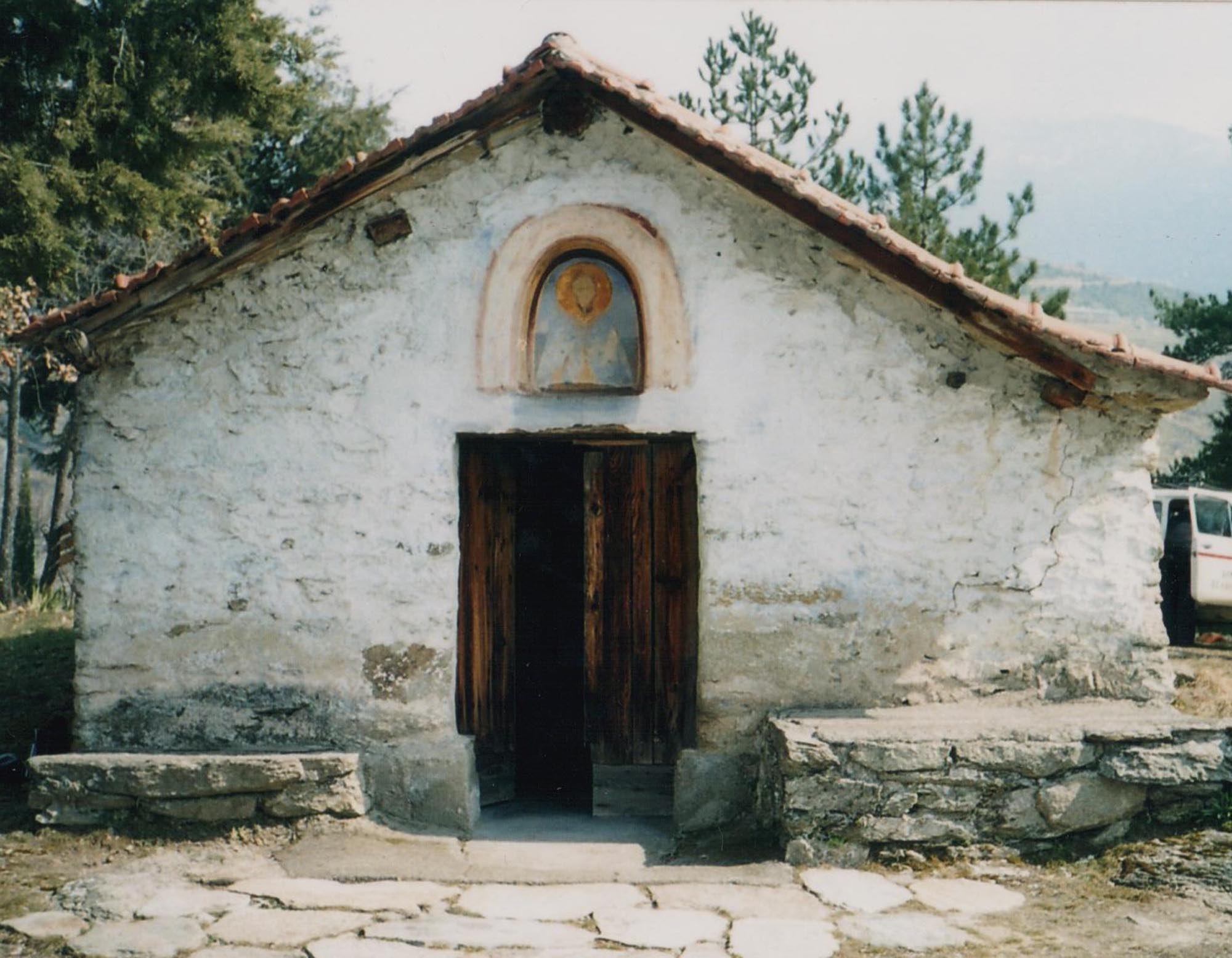
The small single-nave, wooden-roofed church, which served as a funerary church, next to the cemetery of the small modern village, is decorated with frescoes executed by a notable local painter. According to the surviving inscription, they are dated to 1549.

The geomorphology of the Velvento area, with its many waters, favoured the development of water-powered facilities. Much of the water flows in the Xerolakka (or Xirolakka or Thololakka) stream and especially the Lafista (or Lafsta) stream, which rises in the village of Katafygi in the Pierian Mountains and runs through the lush and verdant Skepasmenos Gorge, famed for its waterfalls, about 2.5 km northeast of Velvento, flowing into the artificial Lake Polyphytos. There were 21 watermills along the Xerolakka and 14 along the Lafista, while there are thought to have been over 40 in the wider area. Of these, the restored Nikolaos Balos watermill, outside Velvento, preserves its operating mechanism and is used by the Environmental Education Centre of Velvento as a museum for educational activities.

Museum

Folklore Museum of Velvento (Kostas Mansion)
αρχείο ΔΒΜΑ, φωτ. Κ. Ξενικάκης/ archive of DBMA, phot. K. Xenikakis

The Museum is housed in the renovated Mansion of Markos Kostas and displays exhibits on the traditional way of life, occupations and costumes of the local inhabitants.


Other stops in the Regional Unit of Kozani

error: