Regional Unit of Kozani: Tradition and contemporary culture

Cultural events in the city of Kozani

A variety of cultural events highlight the Kozanites’ love of music and theatre, as well as their deep commitment to the preservation of historical memory and the safeguarding of folk culture.

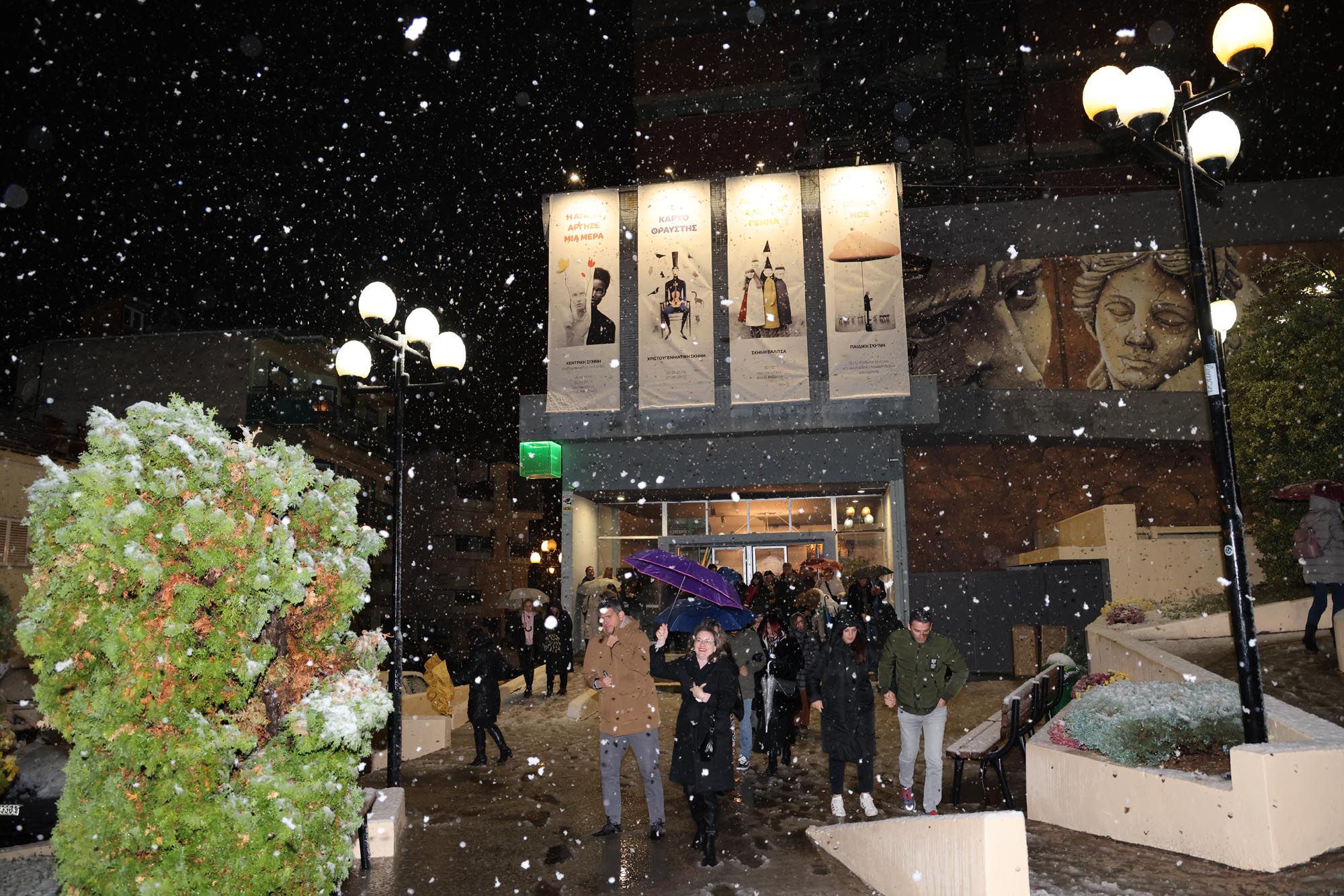
Κοζάνη, Αίθουσα Τέχνης Δημοτικού Περιφερειακού Θεάτρου με graffiti του Γιάννη Ζάμκου στην πρόσοψη, Δήμος Κοζάνης, φωτ. Δ. Στραβός/ Kozani, art hall of the Municipal Regional Theatre with graffiti by Giannis Zamkos on the façade, Municipality of Kozani, photo: D. Stravos

The Municipal and Regional Theatre of Kozani presents a rich programme of plays and cultural activities every year. The city’s musical culture has been served by the Pandora Philharmonic Orchestra since 1902 and the Municipal Conservatory of Kozani since 1957. Top institutions include the Kozani Carnival, the Lassaneia summer festival dedicated to the Kozanite scholar and politician Georgios Lassanis, and the Euxeinios Kyklos, a series of commemorative events organised by the Pontian Associations of the Municipality of Kozani.


Performances and festivals in the wider region

To date, five traditions of Kozani are inscribed on the National Inventory of Intangible Cultural Heritage, living expressions of the cultural heritage of the region (Momoeria, Fanoi, Lazarines, Tranos Choros and the Traditional Process of Vlasti Manouri Cheese Production). The Momoeria and the Tranos Choros are also inscribed on the UNESCO Representative List of the Intangible Cultural Heritage of Humanity.

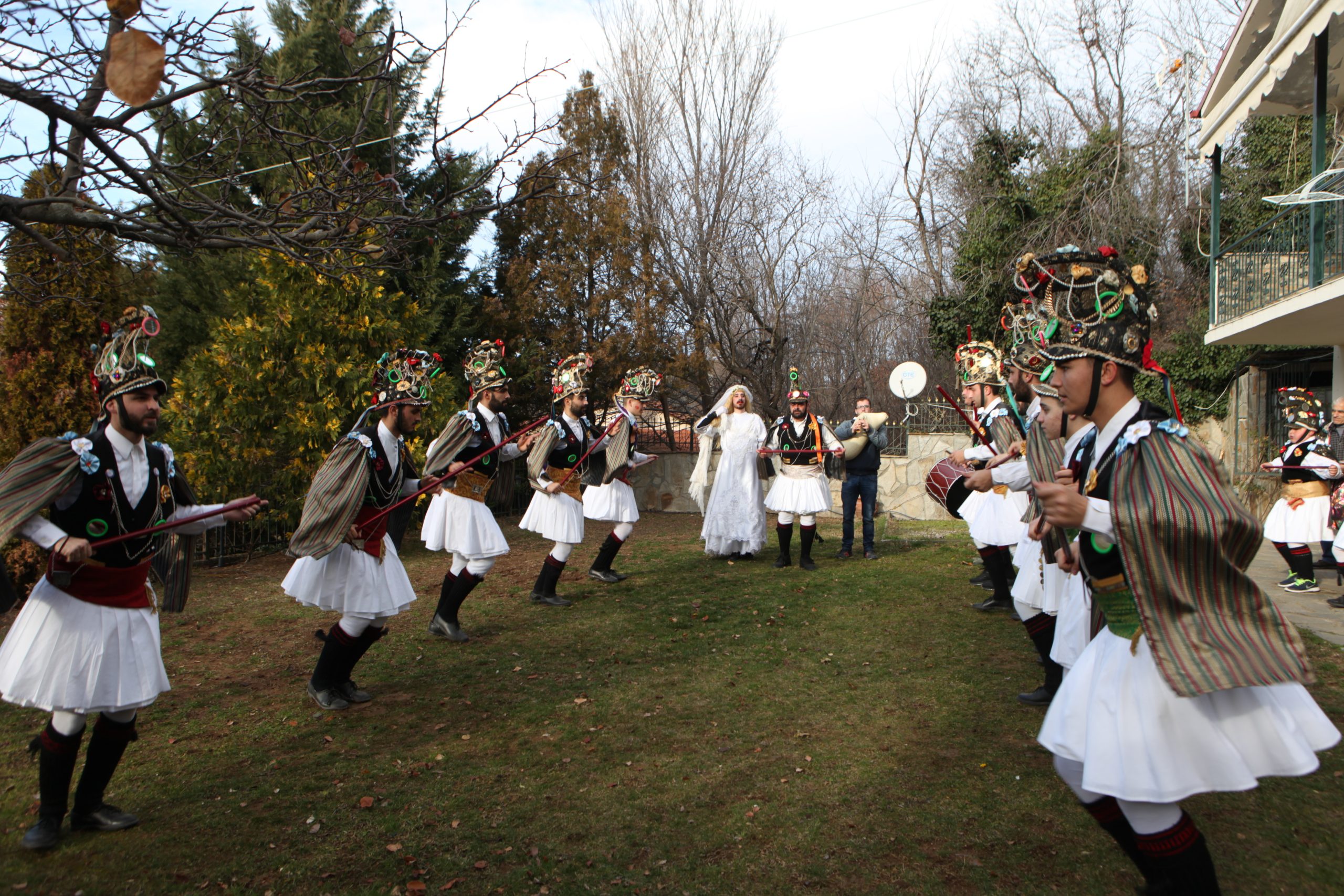
The Momogeroi or Momoeria or Kochamania, a Pontian Dodekaimeron (Christmastide) tradition, has been recorded with variations in several areas settled by refugees from Pontus (Black Sea) region. It survives in eight villages of Kozani, keeping alive the historical memory and the collective consciousness of the descendants of refugees from Livera in Trebizond. A group of men in costume, representing either the priests of Momus (god of laughter and satire) or the commanders of Alexander the Great, accompanied by lyre, bagpipes and daouli drum, wander through the streets and squares, with dancing, singing and satirical performances. The twelve dancers wear fustanelles (men’s traditional pleated skirts) and helmets decorated with beads, small mirrors and ribbons. They brandish a dogwood or hazel staff braided with coloured ribbons, tassels and bells. The members of the troupe vary from village to village. The main characters are the two brides, the old man, the old woman, the devil, the bear, the doctor and the gendarme.

Ο χορός των Μωμόγερων και η νύφη, Δήμος Κοζάνης, φωτ. Δ. Στραβός/ The dance of the Momogeroi and the bride, Municipality of Kozani, photo: D. Stravos
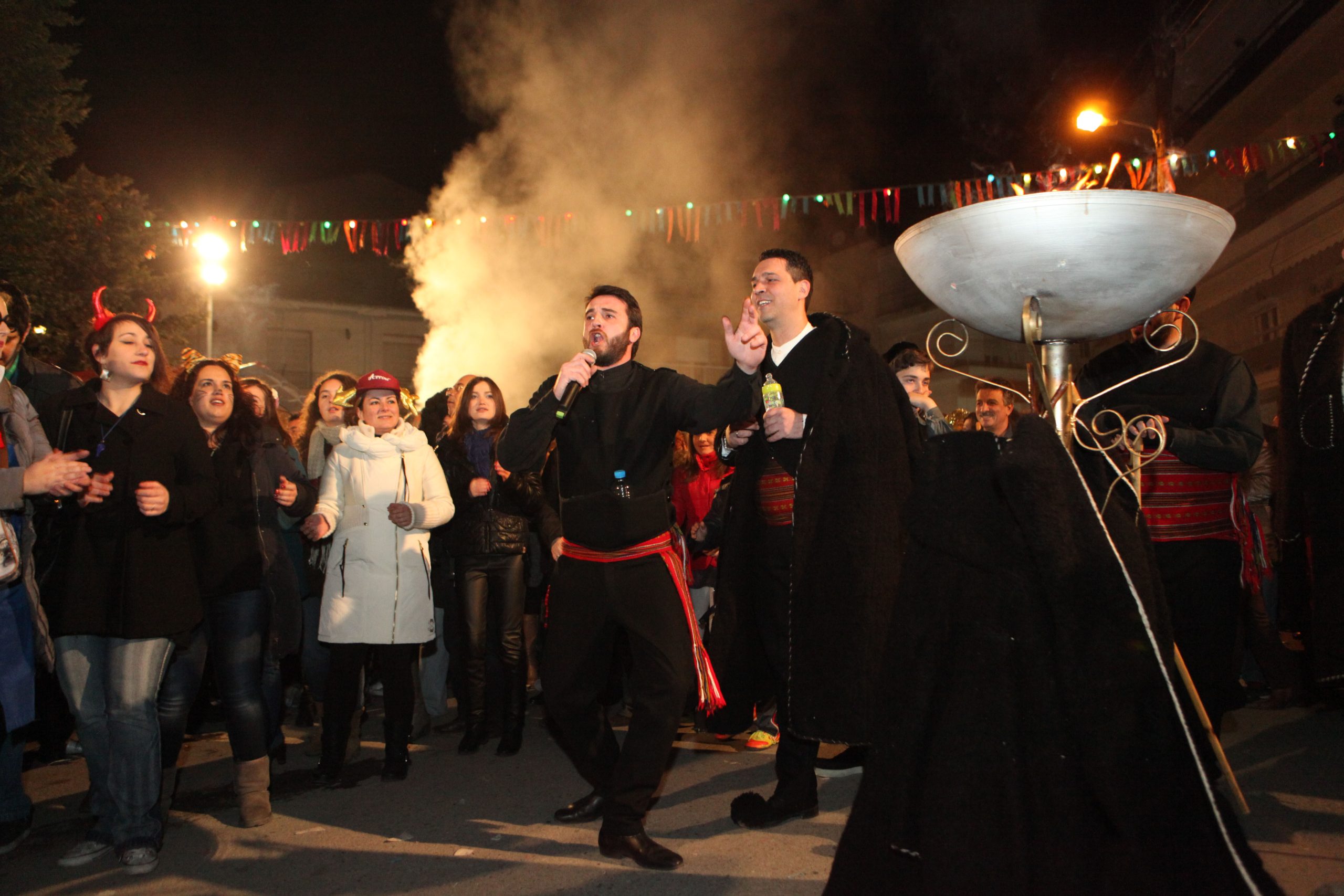
Οι Φανοί της Κοζάνης, Δήμος Κοζάνης, φωτ. Δ. Στραβός/ Kozani, the Fanoi (bonfires), Municipality of Kozani, photo: D. Stravos

The Dodekaimeron (Christmastide) performances express man’s timeless need to appease nature and ward off evil. Men in sheepskins with bells around their waists roam around and dance in the village squares on New Year’s Day: the Boubaroi of Eptachori, the Lougatsiaria of Metamorphosis, the Rougatziarika of Tranovaltos.

In the city of Kozani, from Tsiknopempti Thursday (Charred Thursday, the second to last Thursday before Lent, when grilled meat is traditionally eaten) to Clean Monday (the first day of Lent), Apokries (Carnival Season) is an occasion for revelry and the overturning of social conventions. The main feature of Carnival is the purifying bonfires, the Fanoi. Groups of revellers light bonfires in the various neighbourhoods on the evening of the last Sunday of Carnival. They dance around them singing love songs, satirical and mocking songs in the local dialect, drinking wine and feasting on dishes such as traditional pies. They used to sing without the accompaniment of musical instruments, but today brass bands, led by the Municipal Band, take part in the festivities. Fanoi are also lit in Velvento and other villages.

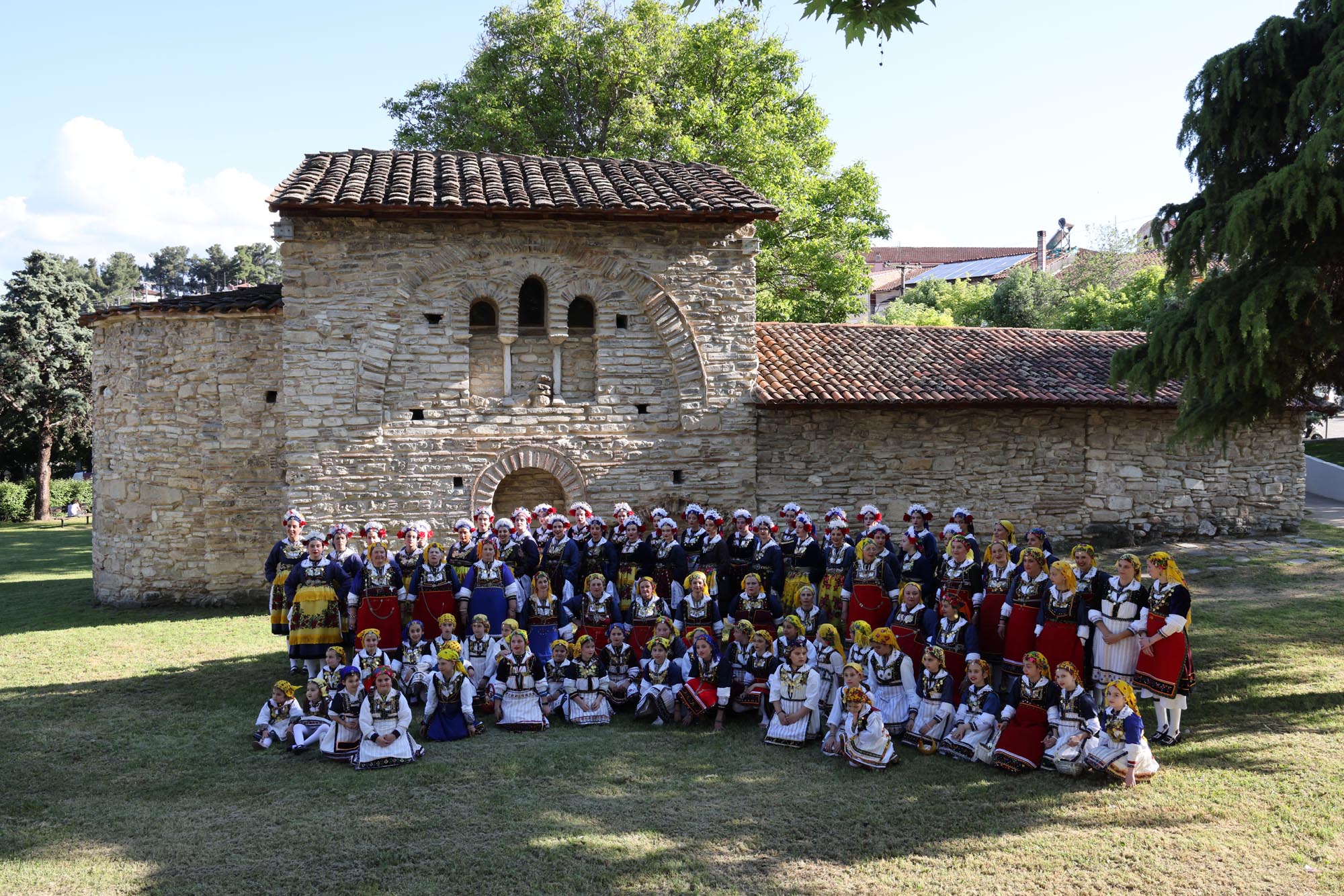
A spring folk custom, particularly widespread in the villages of Kozani, is the Lazarines, heralding the rebirth of nature and the Resurrection with songs of love and praise. It begins on the Friday before Lazarus Saturday (the feast before Palm Sunday, celebrating the raising of Lazarus) and ends on Palm Sunday. Girls and women in colourful local costumes dance and sing in the streets, houses and squares.

Οι Λαζαρίνες της Αιανής, τελετουργική επίσκεψη στον Ναό Κοίμησης της Θεοτόκου, Δήμος Κοζάνης, φωτ. Δ. Στραβός/ Lazarines, ritual visit to the Church of the Dormition of the Virgin, Aiani, Municipality of Kozani, photo: D. Stravos

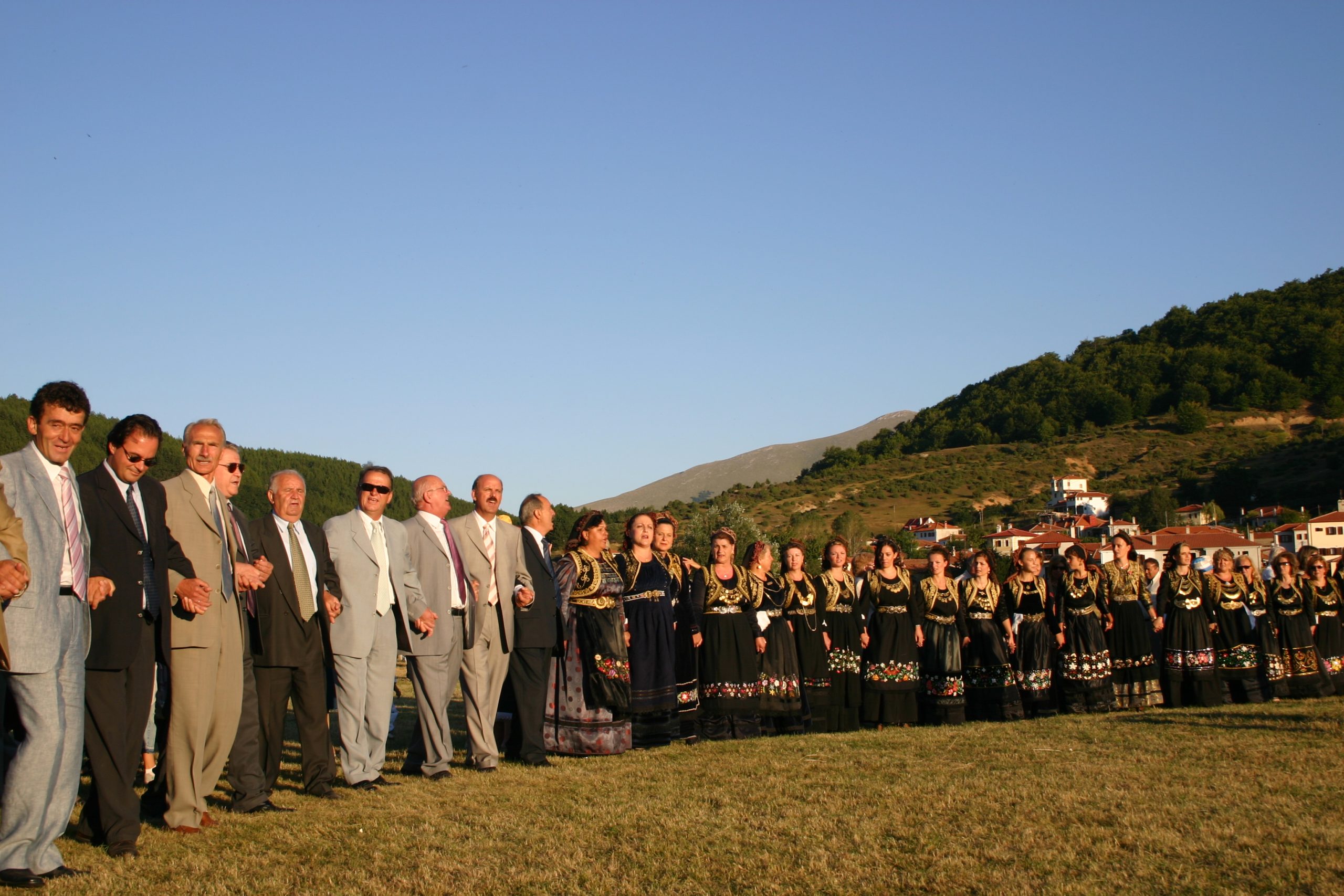
In the summer, the Tranos Choros (Grand Dance) is performed at Livadia in the mountain village of Vlasti, on the feast-day of St Panteleimon (27 July) and during the two-day Feast of the Dormition of the Virgin (15 August). The performance involves singing and dancing, unaccompanied by musical instruments. The term tranos (“grand”) indicates the importance of the custom and the almost universal participation of the community. It is ceremonious affair, with specific rules and rituals passed down from generation to generation. The time of arrival of the dancers, their arrangement in the circle, the shape of the dance, the order of the songs and the patterns followed are all predetermined. The Manouri Festival is held in the same village in August. Crowds of people sing, dance and enjoy the delicious Manouri goat’s cheese.

Ο Τρανός χορός στη Βλάστη, οι άνδρες προηγούνται κατά σειρά ηλικίας, αρχείο Διεύθυνσης Νεότερης Πολιτιστικής Κληρονομιάς/ The Tranos Choros in Vlasti, men leading according to age order, archive: Directorate of Modern Cultural and Intangible Cultural Heritage

The most important festival of Siatista is the five-day celebration of the Feast of the Dormition of the Virgin (15 August), culminating in the custom of the Horsemen. On the day of the feast, riders on richly caparisoned horses set out to worship the icon of the Virgin Mary at the Monastery of Panagia in Mikrokastro. On their return, a festival is held with the accompaniment of brass wind instruments. Festivals of various local products are held in the traditional villages of Voio, such as the Chestnut Festival in Damaskinia and Pentalofos, the Batzios Traditional Cheese Festival in Chrysavgi, the Wine Festival in Agiasma and the Mushroom Festival in Zoni. A host of sky lanterns are released in Pentalofos on Clean Monday.

Other stops in the Regional Unit of Kozani

error: