Siatista
Siatista, the mountain town of the mansions
After Kozani, following the Via Egnatia towards Igoumenitsa, just before entering the Regional Unit of Grevena, we come to the traditional town of Siatista, now the seat of Voio Municipality, just 3.5 km from the modern Egnatia Motorway. Laid out amphitheatrically at a high altitude, between 872 and 942 m above sea level, on a naturally fortified site on Mount Velia, an offshoot of Mount Askios (Siniatsikos), it has been a safe haven for the local Greek populations since its founding, probably in the 15th century. The mountainous location of Siatista did not prevent it from becoming one of the largest economic centres of Western Macedonia, the terminus of roads from Kastoria, Kozani and Grevena. Following a parallel course to Kozani, Siatista gradually developed into a commercially prosperous settlement of great intellectual and educational fame. It escaped the intense reconstruction of the postwar period, largely preserving its architectural cultural heritage, and is now a listed traditional settlement.
The wider area of Voio, besides the outstanding natural beauty of the landscape with its massifs and the rushing rivers that spring from them, has a past rich in history, folklore and architecture. In the scattered traditional villages of stone-built houses, such as Eratyra north of Siatista, Tsotyli, Pentalofos (formerly Zoupani) and Agia Sotira to the west-southwest, a remarkable number of monuments are preserved today: churches, public buildings such as the Tsotyleia School in Tsotyli, mansions and stone bridges. Moreover, the villages of Voio, collectively known as Kastanochoria (Chestnut Villages) or Mastorochoria (Master Craftsmen’s Villages), especially Pentalofos, have produced some of the most important stonemasons and builders in Macedonia.
History
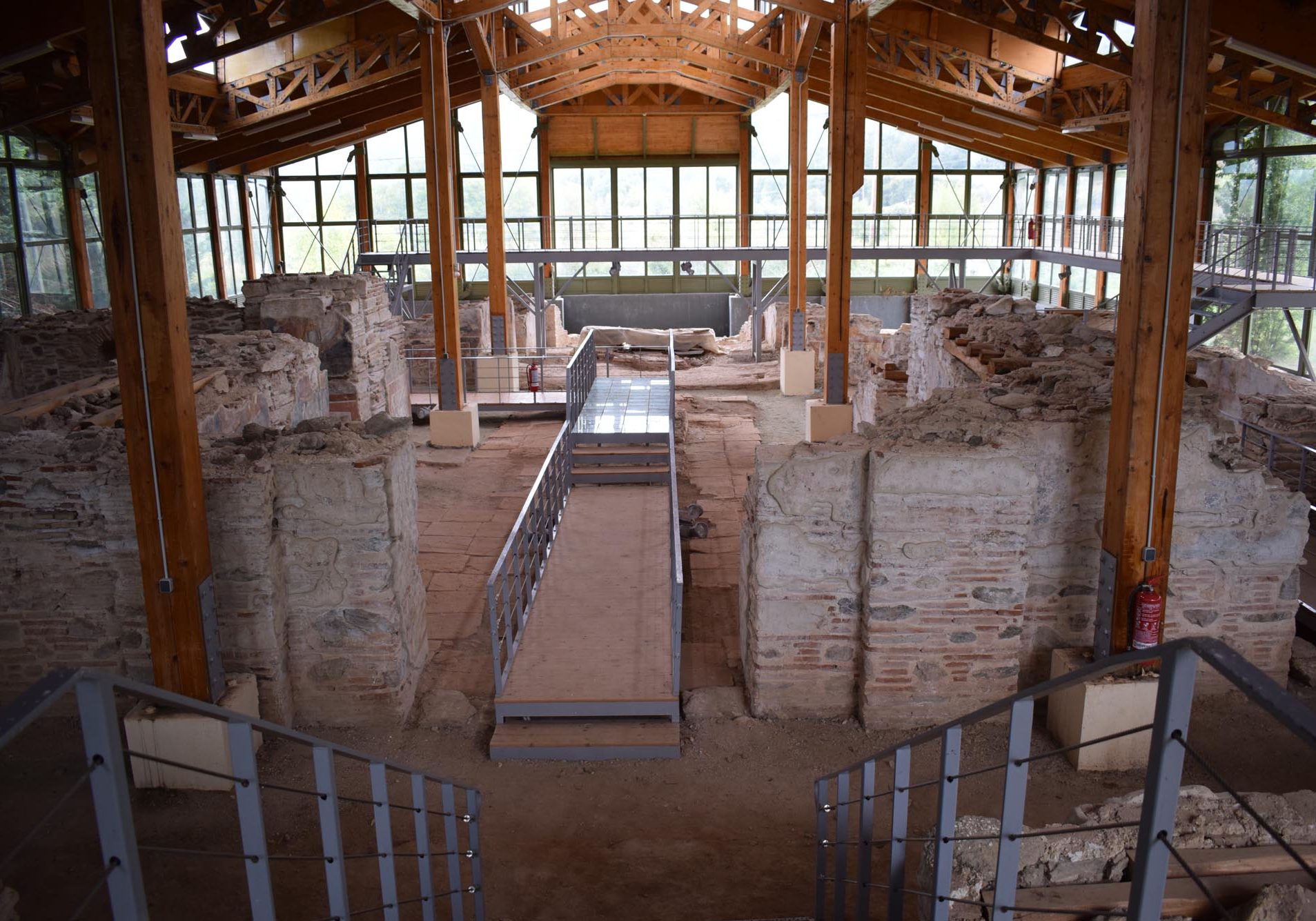
There is little historical and archaeological evidence for the habitation of the wider area in antiquity, with the exception of the few chance finds of prehistoric and Roman times revealed in archaeological excavations. In the Byzantine period, the most important settlement in the area was Sisani (Sisaniopolis) north of Siatista. It was an episcopal see subject to the metropolitan see of Kastoria, probably as early as the 11th or 12th century, based on the discovery of the remains of what is believed to be an episcopal church of this period, 2 km northwest of the modern town.
We do not know when Siatista was founded. It has been argued that the original settlement was established at some point after the Ottomans conquered the area in the late 14th century, following a similar pattern of development to Kozani. It is also believed that, as in Kozani, Siatista grew thanks to the settlement here of people from the nearby areas of Voio and Grevena, as well as populations from Epirus, Thessaly or other remoter regions, such as Rumelia and Albania (Moschopolis/Moscopole and Dardhë). Researchers also highlight the original pastoral character of the settlement and the strong presence of Vlachs.
At the end of the 17th century, a period of great economic and commercial growth, similar to that of Kozani, began for Siatista. The inhabitants, trading products such as leather, furs, wool, cotton, wine and saffron, developed commercial contacts with Venice, the cities of the Balkans, Austria-Hungary, Germany and even Russia. The English traveller William Martin Leake, who visited the town in 1805, says that almost every family in Siatista had one member residing as a merchant in Italy, Hungary, Austria and Germany, and that there were few of the elders who had not spent ten or twelve years of their lives in one of those countries. He notes the linguistic proficiency of the Siatistans, who spoke German and Italian. Apart from commerce, other important sectors of the Siatista economy were fur manufacture, tanning and textiles. The dry, stony soil of Siatista favoured viticulture and the production of the famous and much-sought-after sun-dried wine from black Muscat grapes.
Alongside its economic growth, Siatista gradually became an important ecclesiastical, intellectual and educational centre of Macedonia. The Siatistan merchants of the Greek communities of the diaspora contributed to this development by sending donations to their hometown to fund public works. The term of office of the dynamic and active Bishop Zosimas Papanikolaou Roussis of Siatista, which lasted 60 years (1686-1746), with brief interruptions when he served as Archbishop of Ohrid twice (1695-1699 and 1707-1709), has been described as the “golden age” of Siatista, when many churches were built or renovated and painted with frescoes (SS Paraskeve and Catherine, the Prophet Elijah, SS Menas, Victor and Vincent). At the end of the 17th century (c. 1695-1700), Zosimas transferred the episcopal see of Sisanion to Siatista, which was officially declared a metropolitan see by the Ecumenical Patriarchate in 1767. In 1694 he founded a Higher School in Siatista, which quickly acquired a good reputation, attracting students from other cities such as Kastoria, Moschopolis and Thessaloniki.
Educational activity in Siatista continued uninterrupted over the following centuries with notable schools, while a milestone in the town’s history is the establishment in 1888 of the Trabantzeion Gymnasium, funded by the Siatistan merchant Ioannis Trabantzis. Important scholars of the time, such as Methodios Anthrakites (1660-1736), taught in the schools of Siatista. Siatista itself produced notable scholars such as Michael Papageorgiou (1727-1796), who were active not only in their birthplace but also in the Greek communities of Europe.
Siatista originally consisted of two districts which later joined together: Chora at the highest point of the town, also known as “Apano mahalas” (Upper Quarter), and Geraneia or “Kato mahalas” (Lower Quarter) lower down. Each district had its own church and allelodidactic (monitorial) school committees, while members of both districts participated in the common bodies of the community, such as the demogerontia (council of elders).
Gradually, the inhabitants of the two districts developed a peculiar localism, which led to the cultivation of long-standing social rivalries. As they became more affluent, the two districts gradually expanded and changed, with the construction of numerous churches, public buildings and especially mansions, the hallmarks of the high living standards and active social life of the prosperous inhabitants of Siatista.
During the long rule of the Ottomans, Siatista was often the target of bandit raids, mainly by Turkish Albanians. The memory of the devastation they caused has been preserved in the form of folk songs. During the second half of the 19th century, Siatista played a leading role in the struggles of the Greeks against the Ottomans. Georgios Papazolis or Papazoglou (1725-1775) was one of the leaders of the failed Greek Rising of 1770, known as the Orlov Revolt. The brother printers Poulios and Georgios Markides Pouliou were close associates of Rigas Feraios and published the first Greek newspaper (Ephemeris) in Vienna in 1790.
Many Siatistans, such as Theocharis Tourountzias, Georgios Nioplios and Nikolaos Kosomoulis, actively participated in the preparation and conduct of the Greek Revolution of 1821. The inhabitants of Siatista also played an important role in the Macedonian Struggle (1904-1908). Siatista was incorporated into the Greek state a few years later, on 4 November 1912.
Monuments
Churches of Siatista
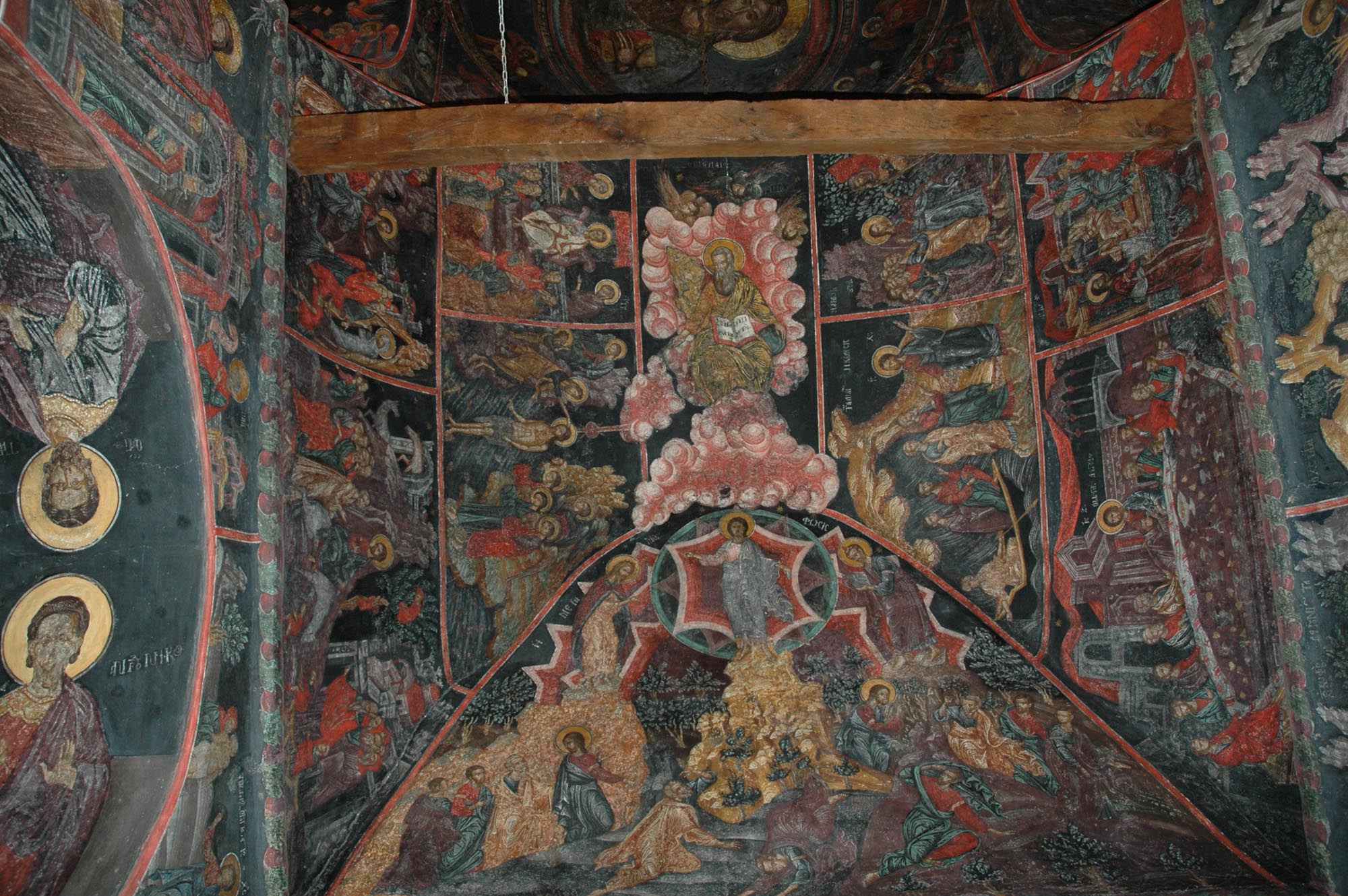
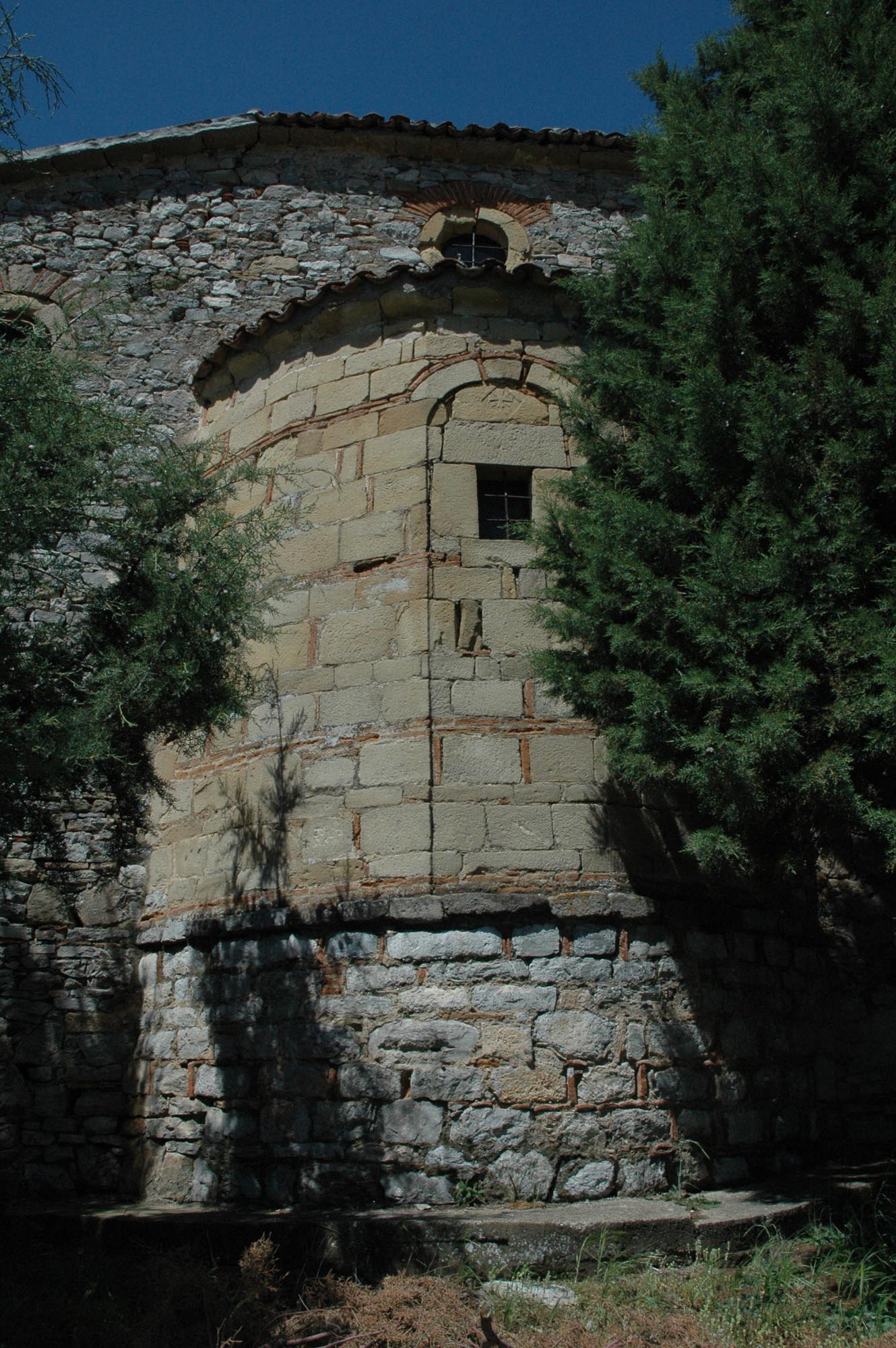
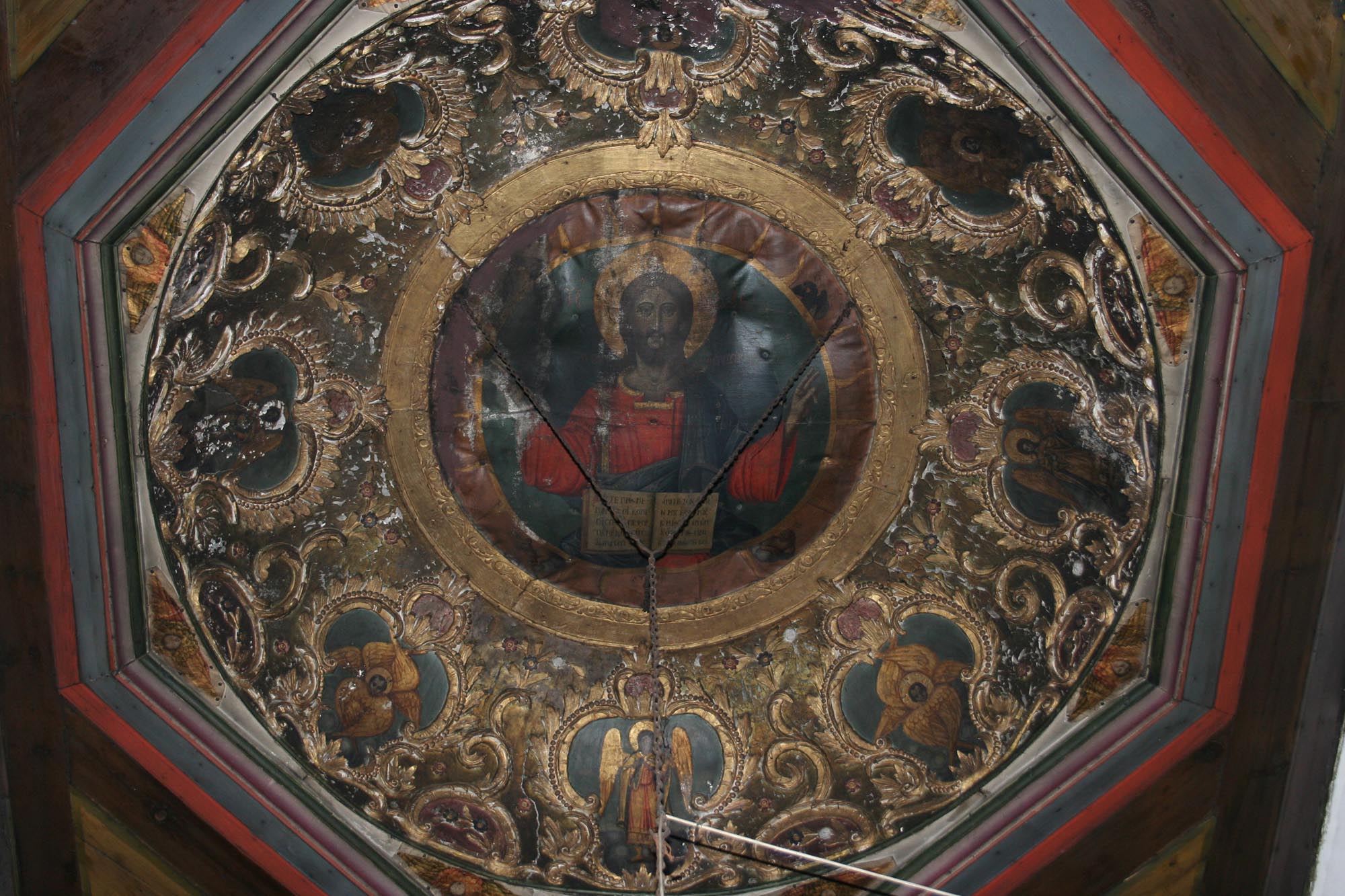
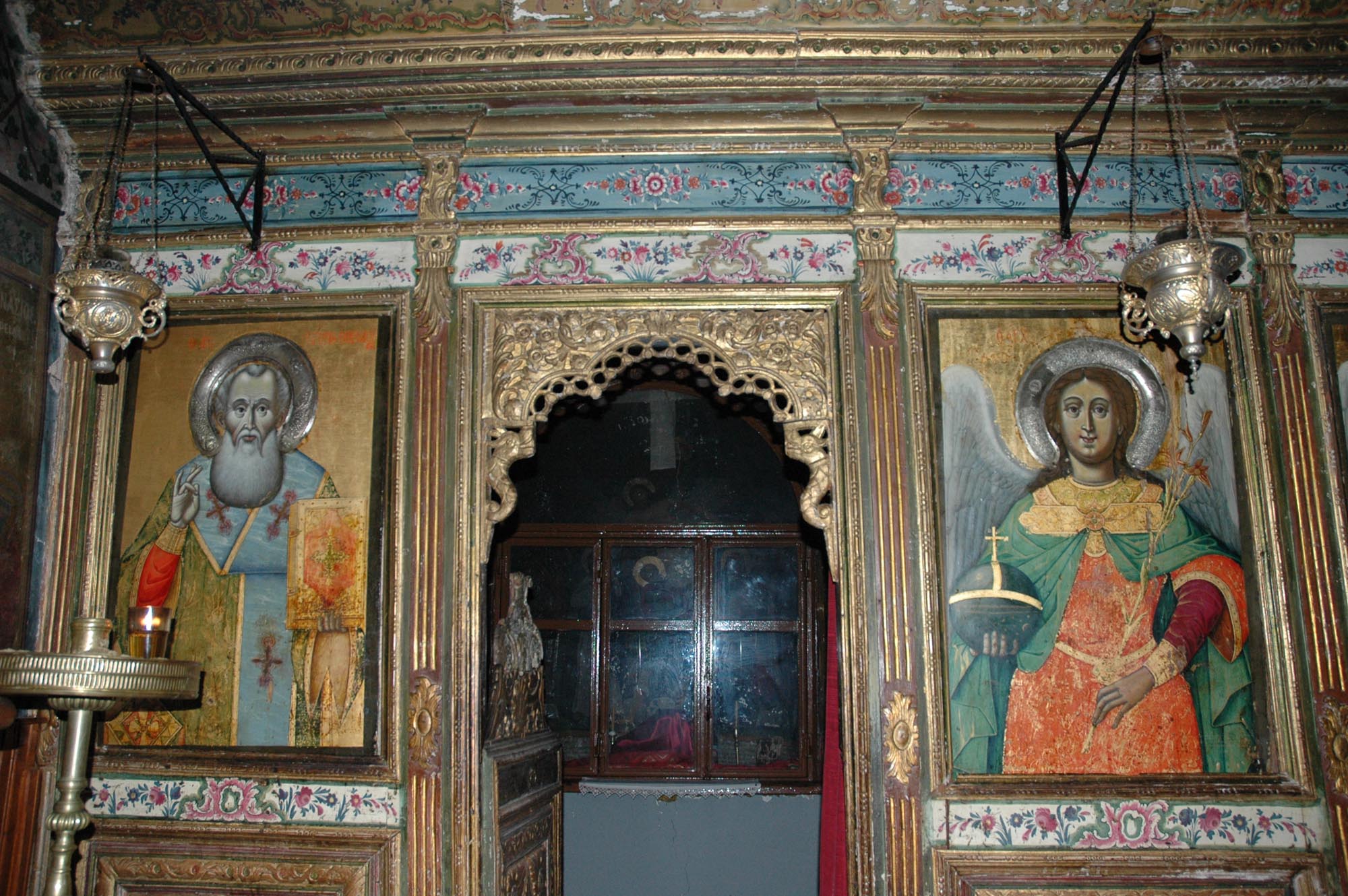
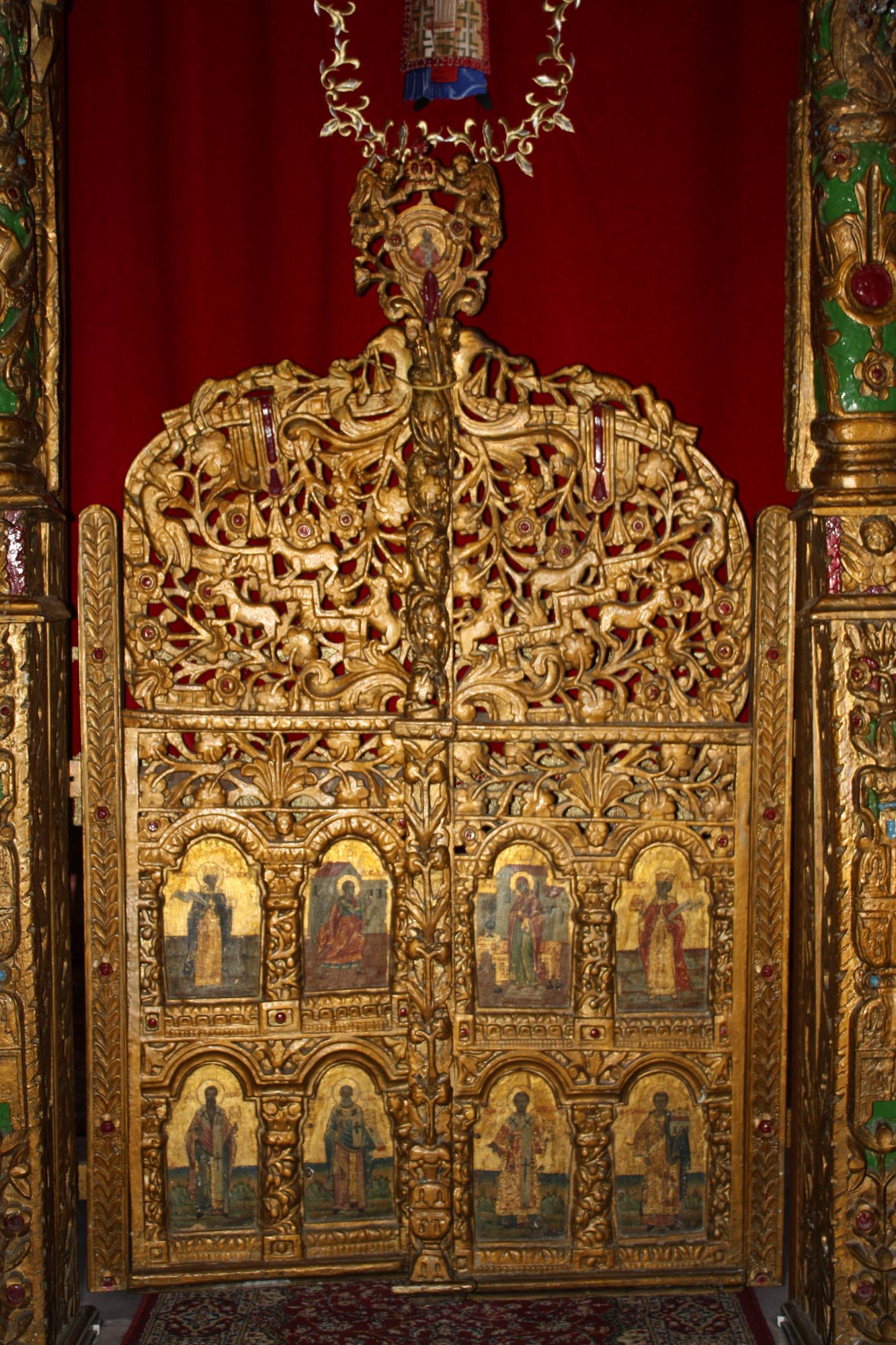
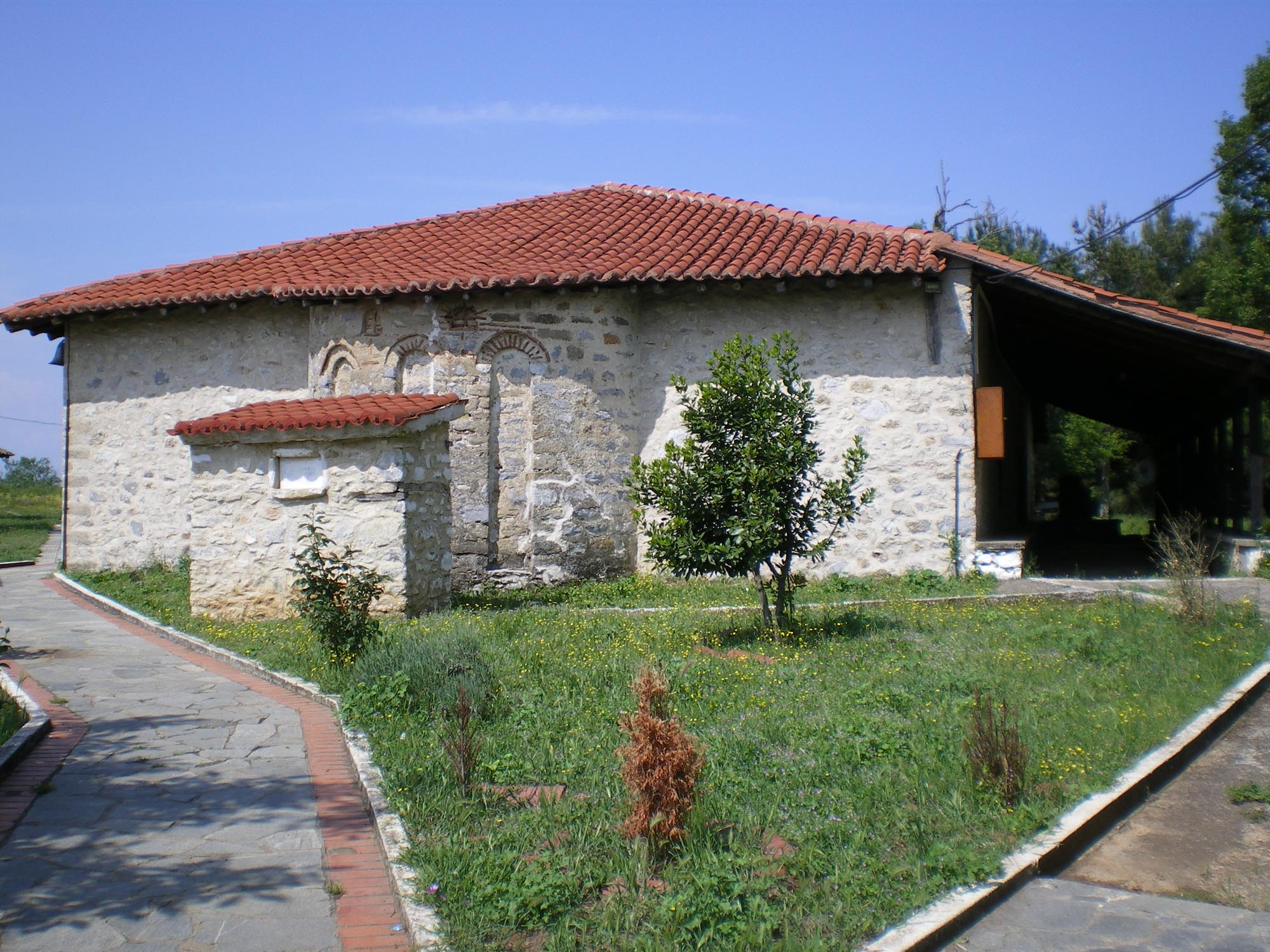
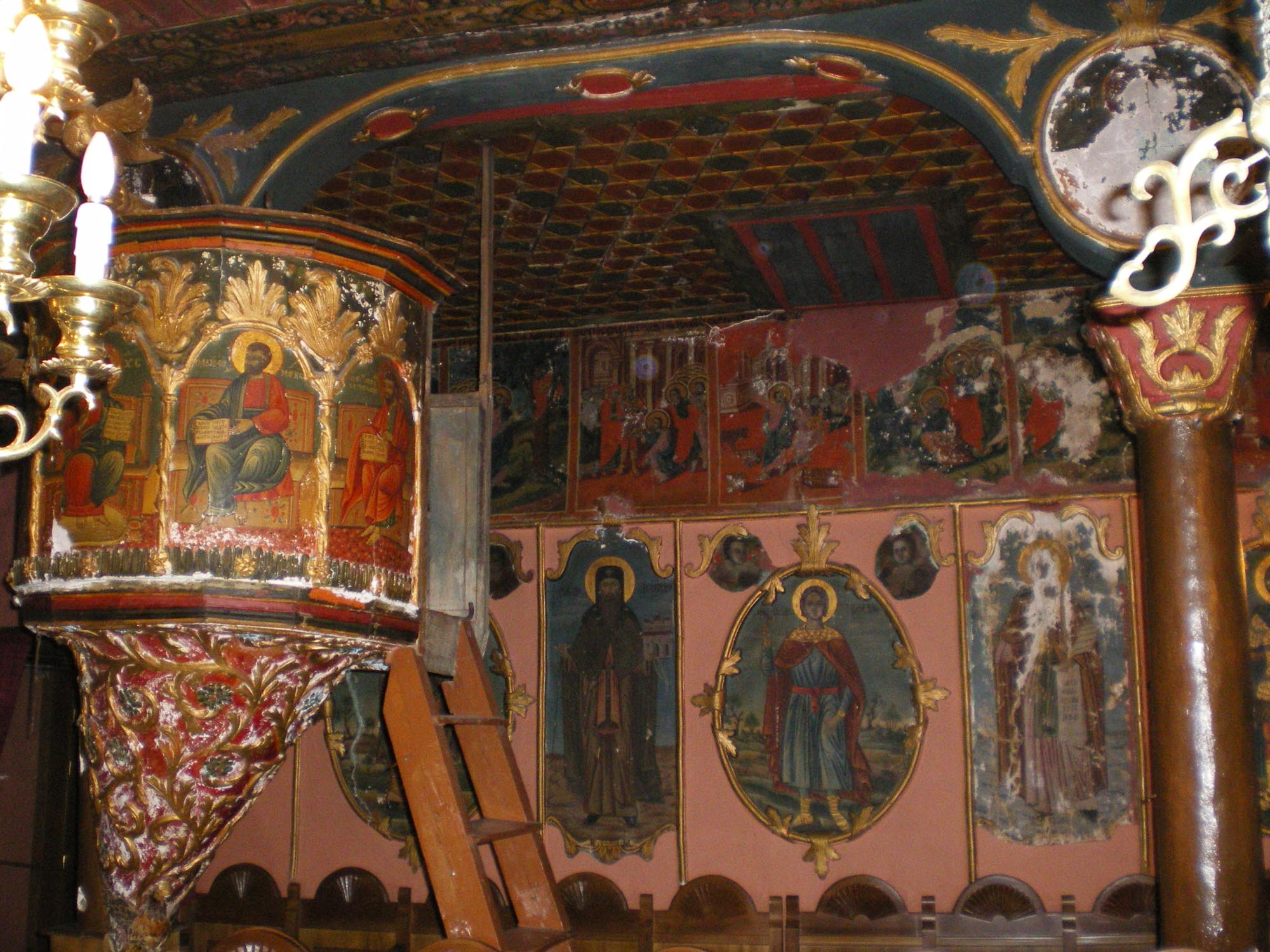
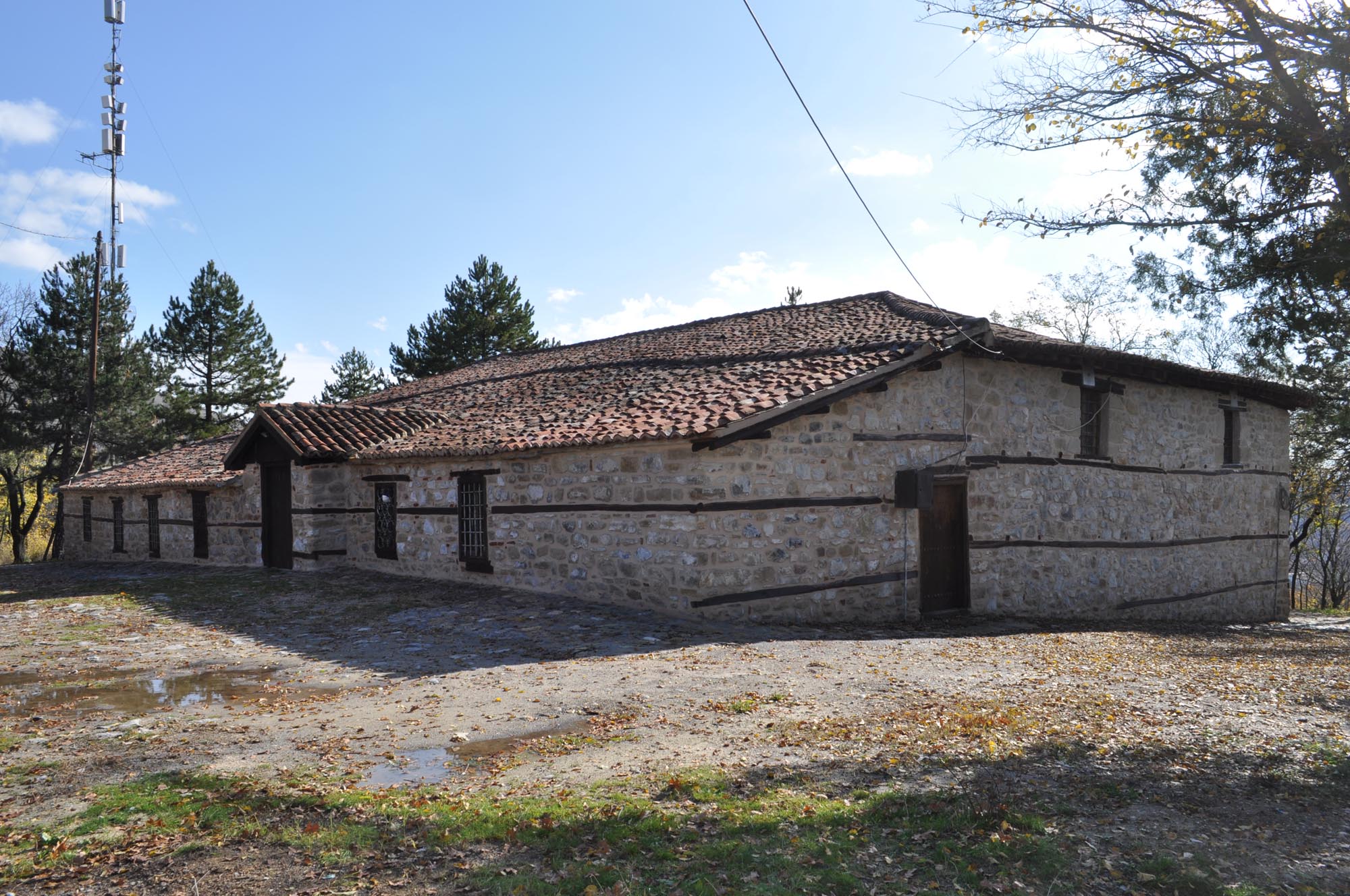
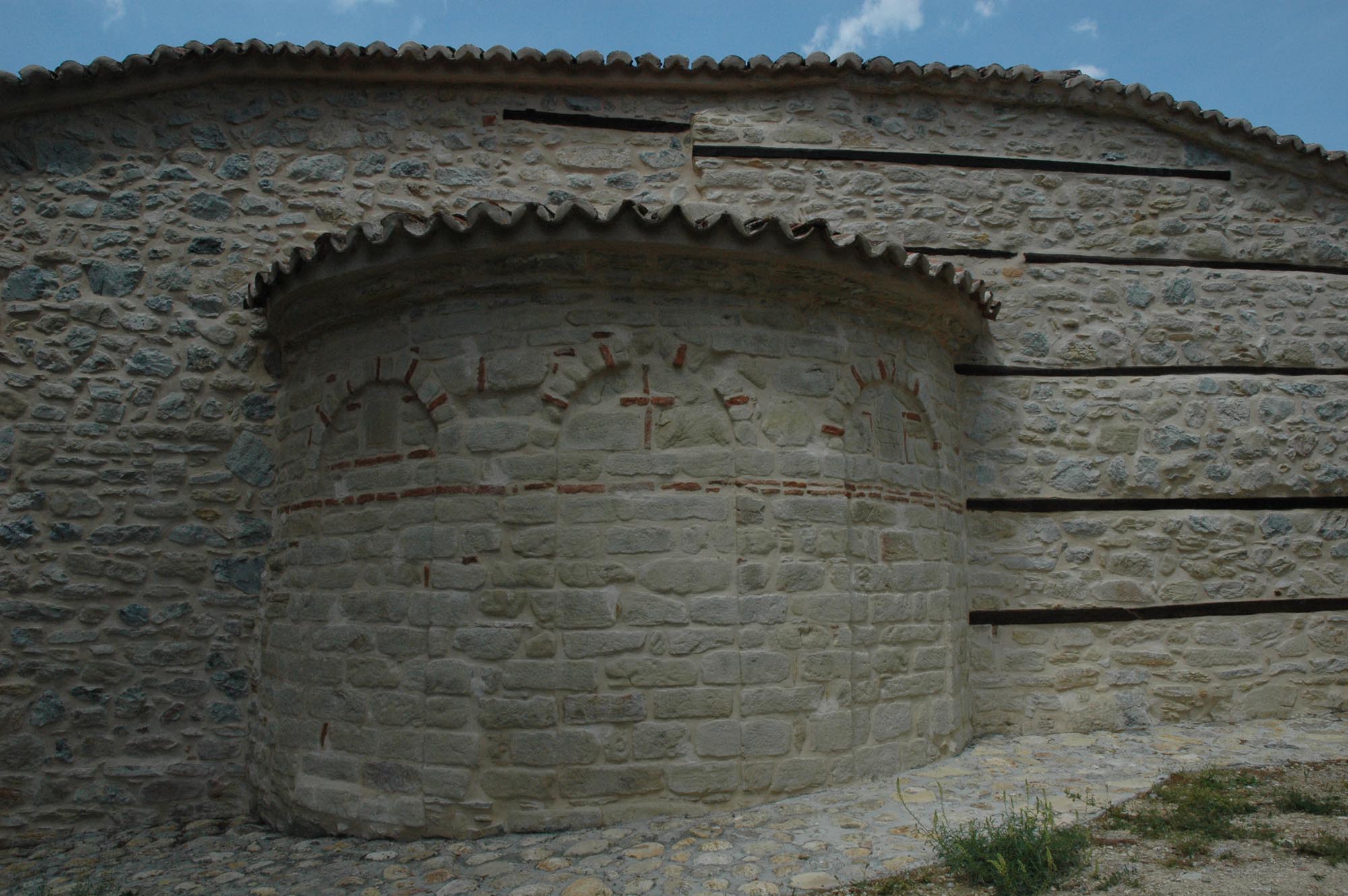
Numerous churches are preserved in Siatista today, all dated after the mid-17th century. They display a series of special features in both their architecture and their interior decoration. Most are three-aisled basilicas with open porticos (şahnişin) along one or both long sides. On the west side, the narthex is usually raised and serves a double purpose, since it also functions as a gynaikonitis (women’s gallery). It is closed off with a latticed partition through which the women could observe what was happening in the nave without being visible themselves. The churches of Siatista are often half set into the ground. The external façades are generally simple, but special attention is paid to the masonry of the apse, which is made of ashlars and in some cases adorned with blind arches. Inside, most of the churches are richly decorated with frescoes and have wooden templons, pulpits, bishop’s thrones and proskynetaria with elaborate carved wooden and in some cases plaster decoration. The internal decoration extends to the ceilings, which, like those of the mansions, feature brightly painted diamond patterns. The church walls are also adorned with plaster and painted decorative elements, similar in concept to those of the mansions. The similarities between the decoration of the churches and that of the mansions are due, apart from the common aesthetic preferences of the society of the time, to the fact that the same craftsmen and painters worked on both the secular and the ecclesiastical buildings of the region. Finally, the churches of Siatista have preserved a large number of inscriptions, often particularly long, which provide valuable information not only on the monuments themselves but also on contemporary social structures.
Church of SS Paraskeve and Catherine, Geraneia
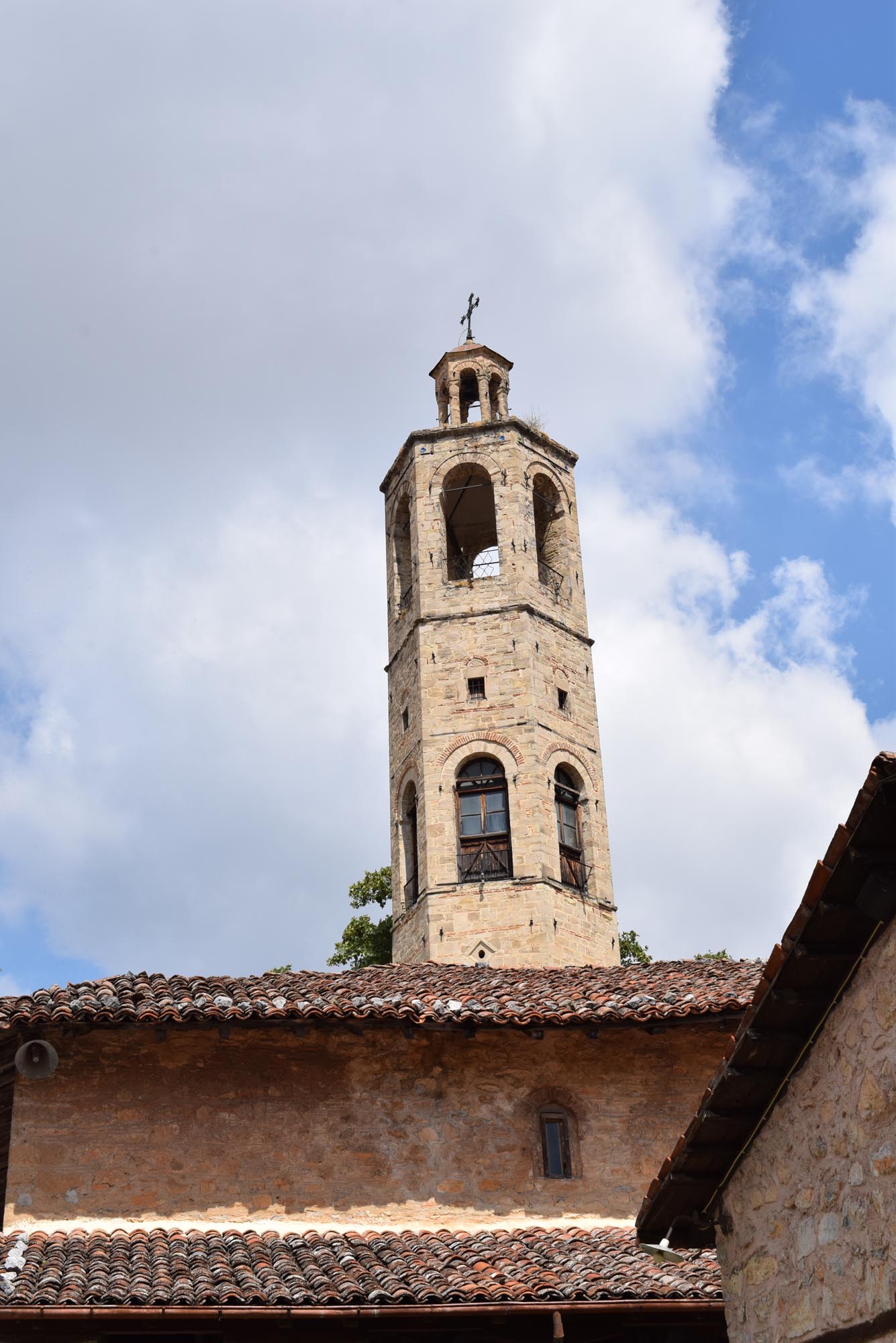
The church, dedicated to two saints, stands in the square of Geraneia and is the oldest surviving church in Siatista, dating from 1677. It is a three-aisled, barrel-vaulted basilica, with the barrel vaults forming a cross. On the west side of the church is a raised narthex/women’s gallery, while on the south side there is an open portico (hayat) with an attached chapel dedicated to the Virgin. The church has a hipped tiled roof. On the north side is the imposing hexagonal bell tower dating from 1862, the work of stonemasons from Zoupani (modern Pentalofos) in Voio, led by the master mason Apostolis.
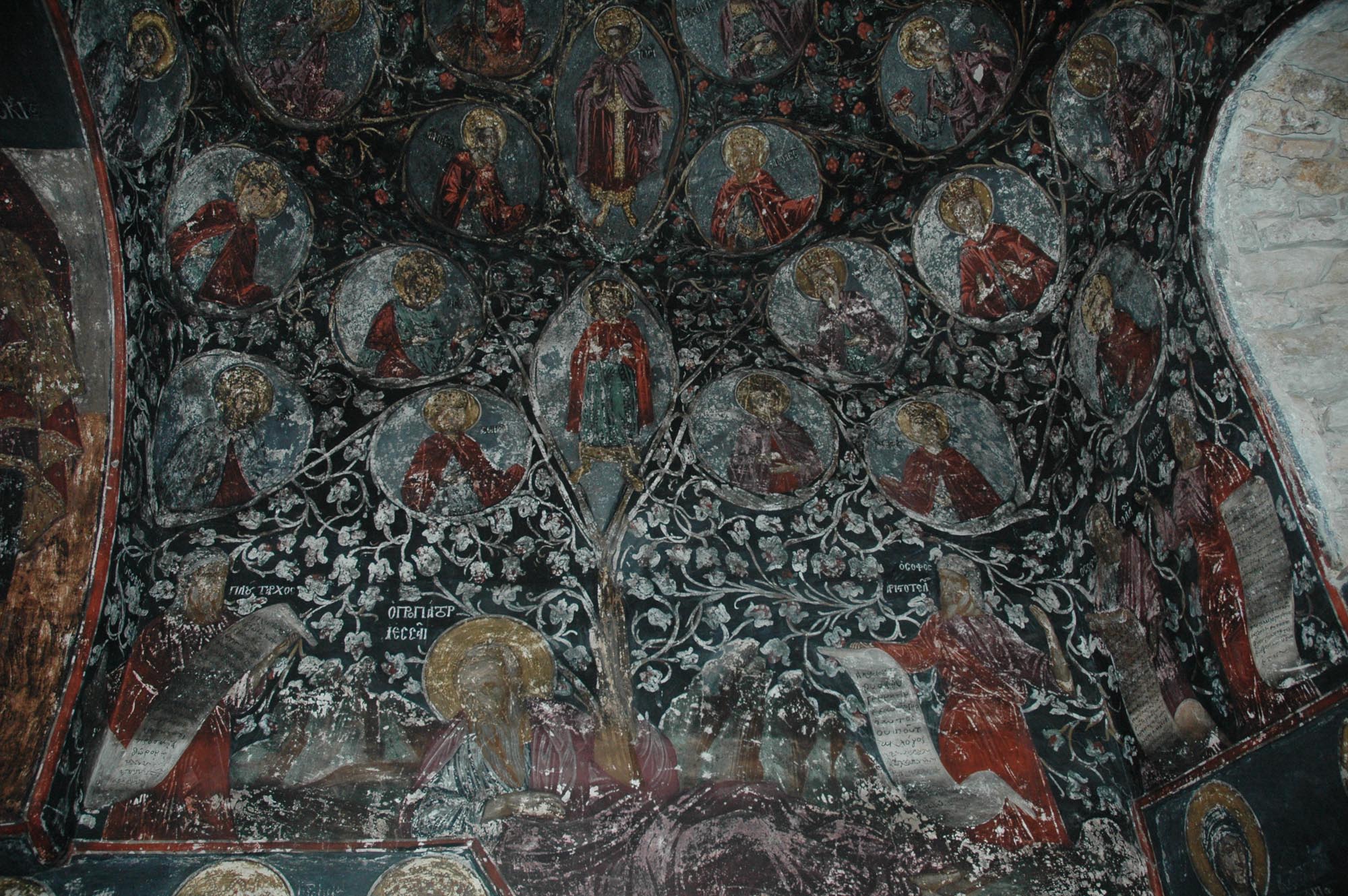
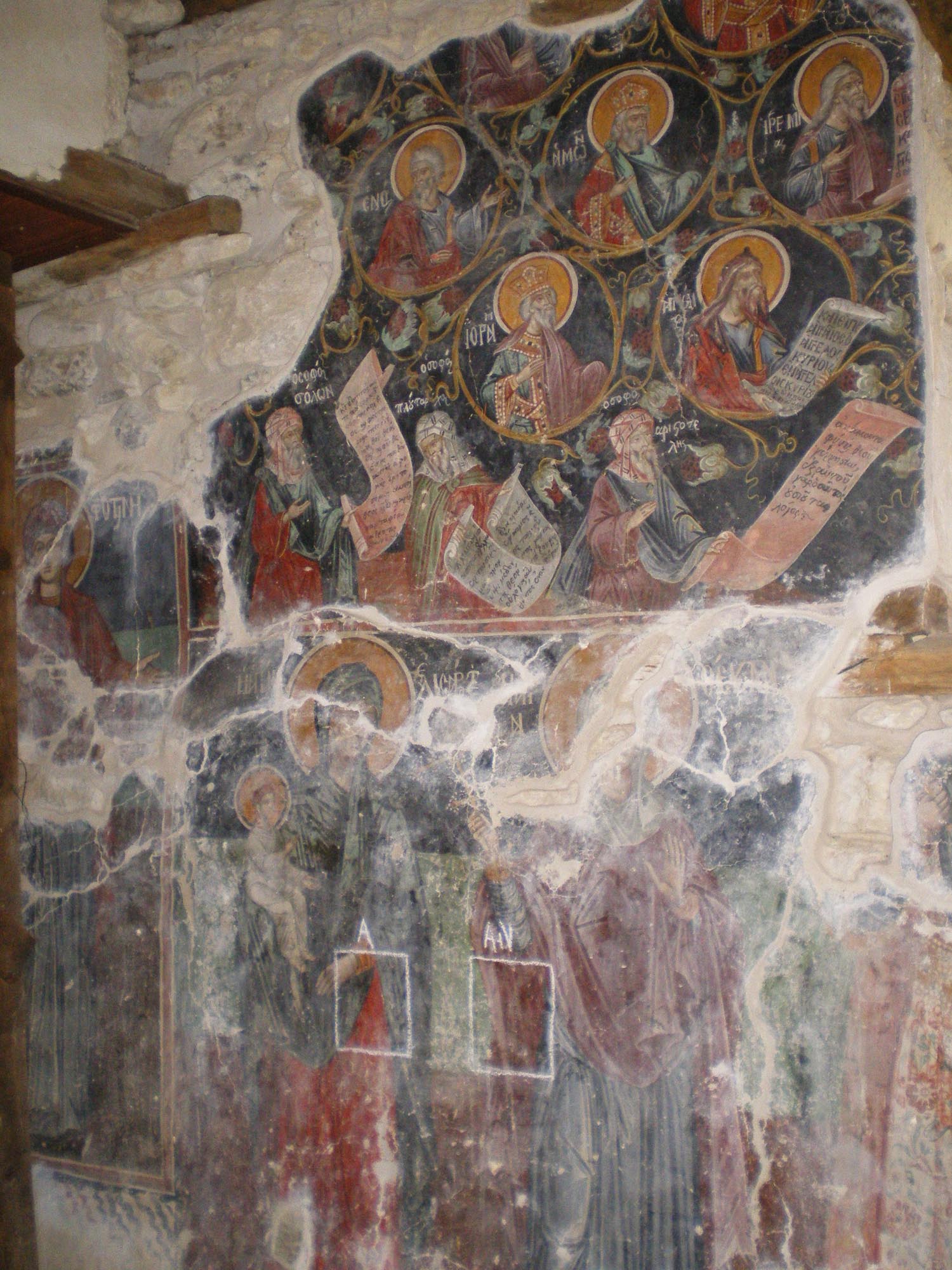
The interior of the church is richly decorated with frescoes dated to 1679. The Tree of Jesse stands out, with the figures of ancient Greek sages: Plutarch, Aristotle, Solon, Thucydides, Plato and the Sibyl. In 1898, the Siatistan painter Christodoulos Zographos was commissioned to paint the interior of the church, while he also executed the figure of Panagia Aeriki in the chapel. The north and south external walls of the church are also decorated with scenes painted in 1741, probably by the workshop of the religious painter Anastasios Ioannou Kaloudis of Kapesovo and his brothers, who also worked on the churches of the Prophet Elijah and SS Menas, Victor and Vincent during the same period.
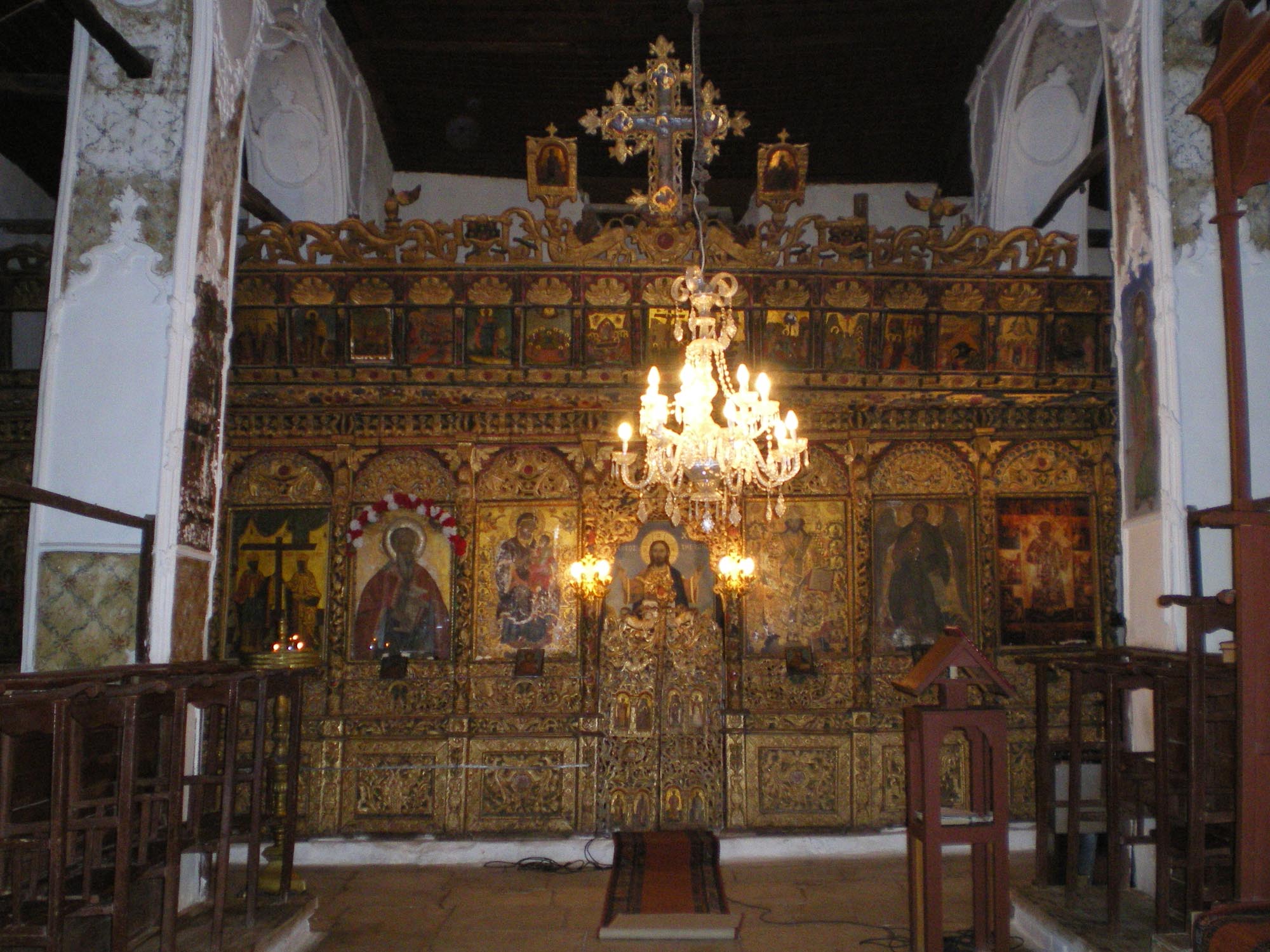
The carvings of the gilded wooden templon, which was made the same year that the church was built, and the carved decoration of the bishop’s throne, the pulpit and the proskynetarion, all dating from the mid-18th century, are exceptional. The icons of the templon are the work of Theodoros Poulakis, a representative of the Cretan School renowned in the 17th century. A special relic of the church is the Epitaphios (Bier of Christ), which combines carved and painted decoration and is the work of Anastasios Ioannou of Ioannina (1741).
Church of the Taxiarchs and the Three Hierarchs, Geraneia
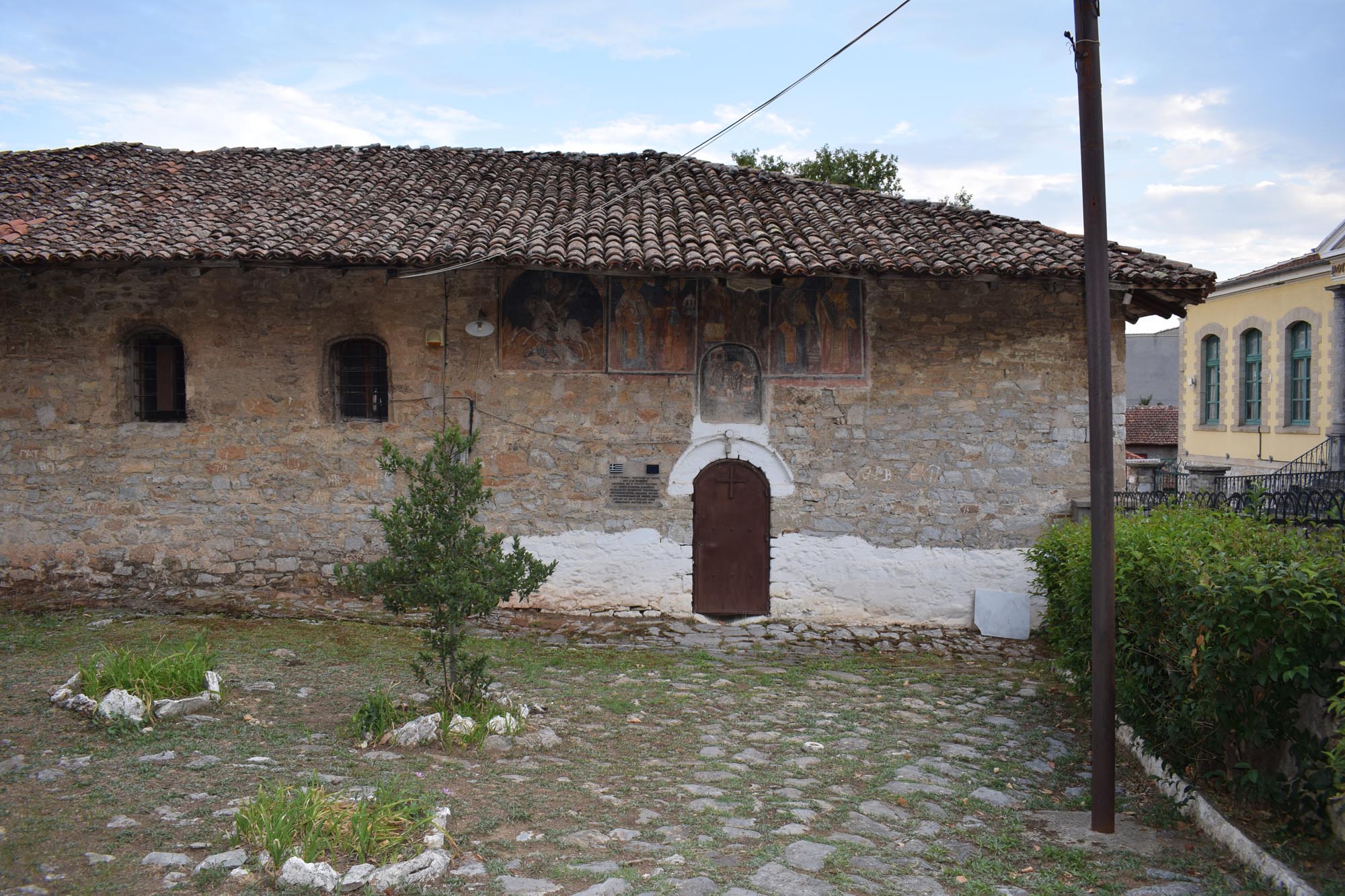
This church is also located in Geraneia, behind the old Girls’ School, and is similarly dedicated to more than one saint. It is a three-aisled timber-roofed basilica with a two-storey narthex/women’s gallery on the west. Along its south side runs an open portico (şahnişin). According to the surviving dedicatory inscription, it was built in 1798 at the expense of the monk Ionas, the highly educated scion of a noble family of Siatista. The founder is depicted in the women’s gallery holding a model of the church. Two layers of frescoes are preserved inside the church, of which the original one, contemporary with the construction of the church (1798-1805), is only fragmentarily preserved, while the second dates from around 1900. The depiction of Christ before Pilate on the external south wall is dated to 1840 and, as the accompanying inscription states, was based on a lithograph printed in Vienna. Inside, the wooden ceiling of the church is richly decorated, as are the surfaces of the walls and columns with plaster ornaments. The decoration of most of the templon and the bishop’s throne is carved, while the wooden pulpit bears gilded plaster ornaments. The icons of the templon are contemporary with the construction of the church (1798-1799).
Metropolitan Church of St Demetrios, Chora
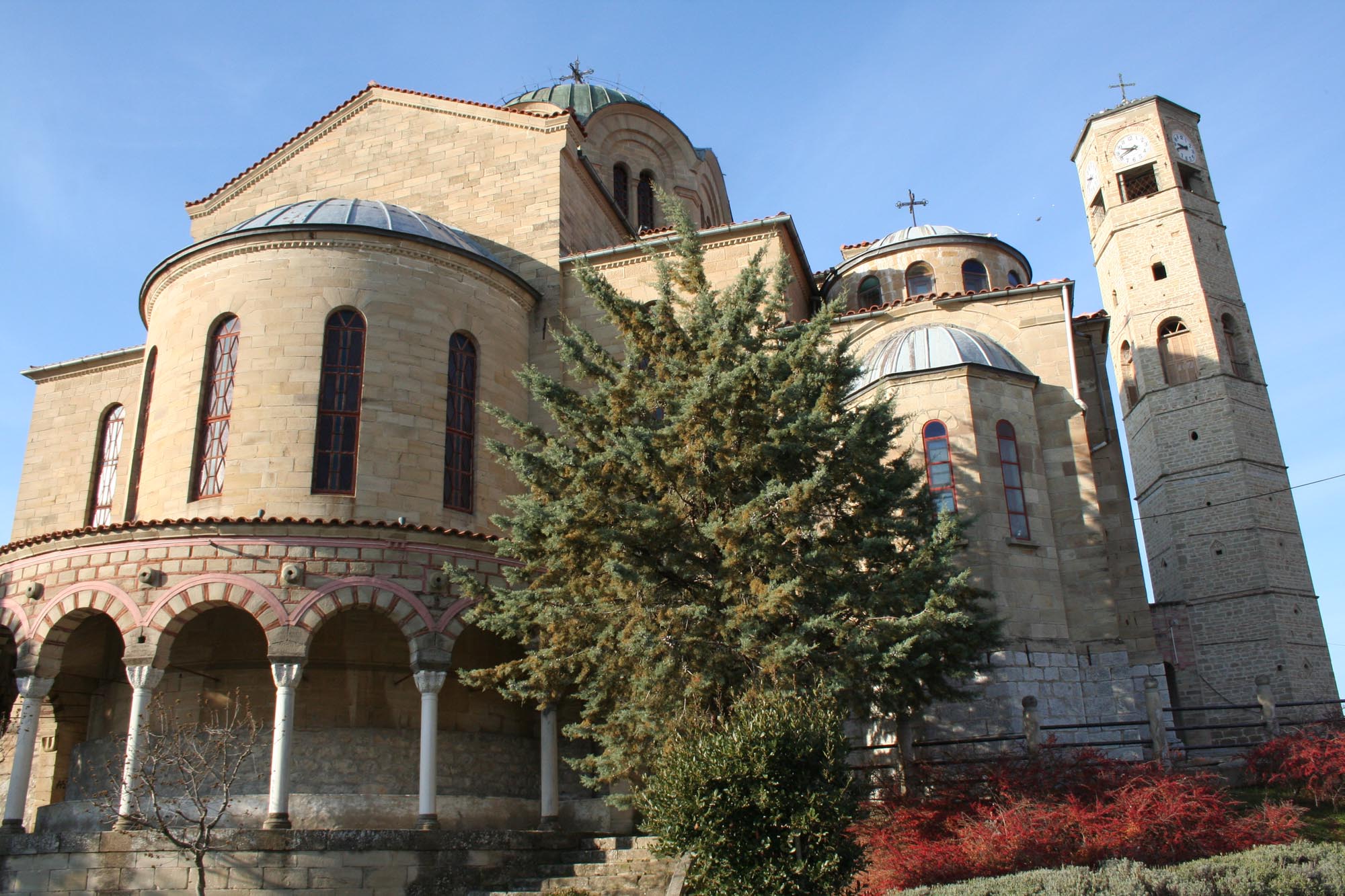
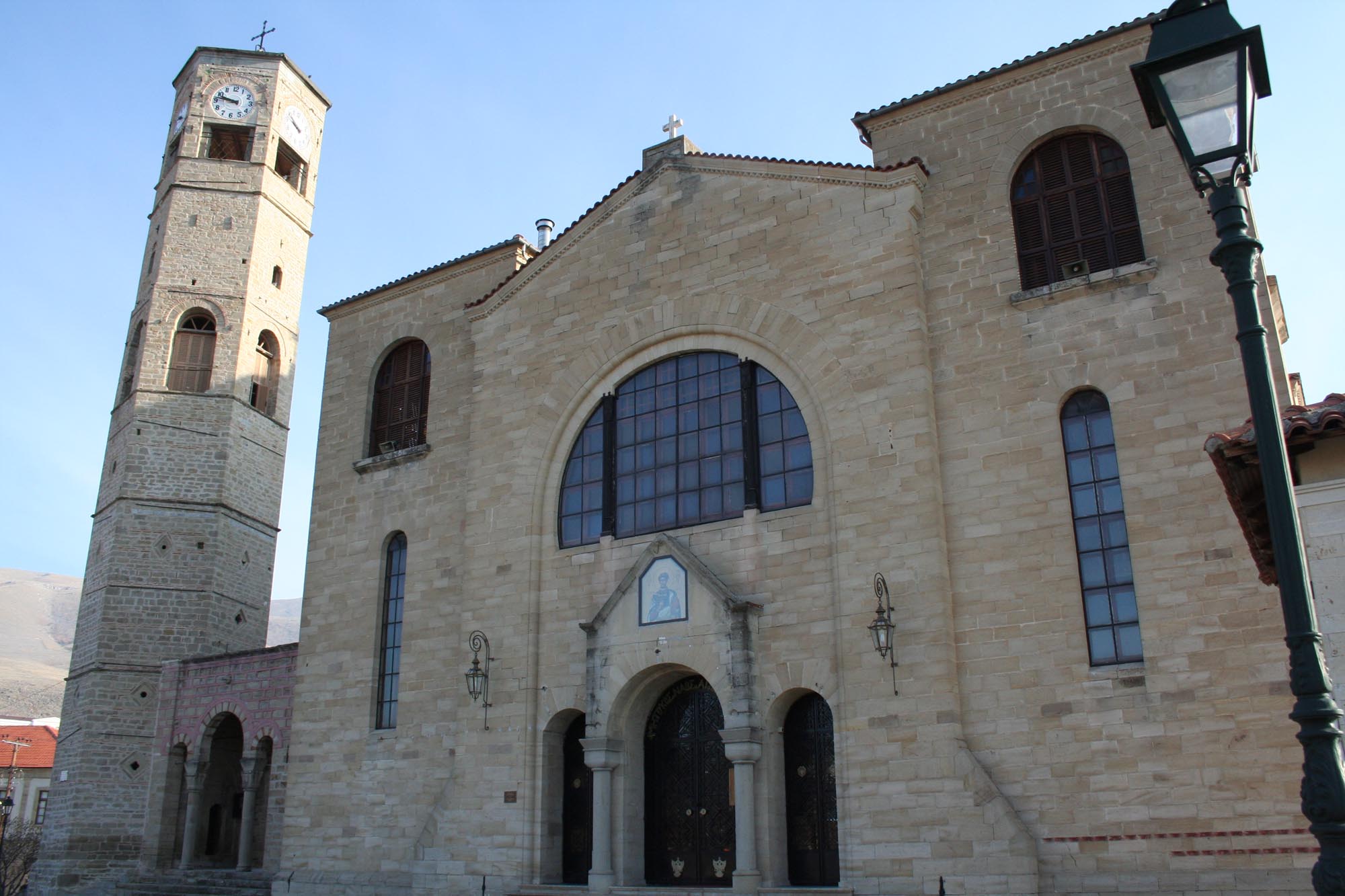
The imposing domed metropolitan church of Sisanion and Siatista, designed by the famous Siatistan architect Aristotelis Zachos, was inaugurated in 1928. However, it was not completed until 1957 with the addition of the dome, which, due to lack of funds, had not yet been built when the church was inaugurated. The chapel of the Zoodochos Pege (the Virgin Fountain of Life) attached to the northeast side was built in 1935 and decorated with frescoes by the important painterr Polykleitos Rengos. The present church of St Demetrios was built on the site of two successive earlier churches. The first, one of the oldest in Siatista, was erected in 1647. Eventually, however, it was thought too small to serve the faithful and demolished. A new, larger church was built in its place in 1801, but it burned down, along with its valuable relics, in 1910. The imposing 25-metre-high hexagonal bell tower was built in 1856, a little earlier than the bell tower of St Paraskeve, by the same master mason from Zoupani. Today, the precious relics of the church which escaped destruction include the two despotic icons of the templon of the original church (1647).
Church of the Birth of St John the Baptist
The church is located outside the town, west of Chora, and was built circa 1700. It is a three-aisled timber-roofed basilica with a raised narthex/women’s gallery on the west and an open portico on the north and south sides. The interior is richly decorated with painted wooden ceilings and plaster ornaments on the walls, while it has a carved wooden templon and pulpit. The frescoes are the work of at least two different painters, one of whom is the painter Euthymios “of Old Patras”, who is credited with the mythological scenes in the “Pantheon” room of the Chatzimichael-Kanatsoulis Mansion (1811). The sanctuary was painted by the Siatistan Christodoulos Ioannou Zographos (1839-1919). Worth noting is the portable icon of St John the Baptist from the templon, which, according to the dedicatory inscription, was painted in 1784 at the expense of the cordwainers’ guild.
Church of the Prophet Elijah
The church stands on a hill between Chora and Geraneia. It is believed to have been constructed in 1701, the year mentioned in the dedicatory inscription as that of its “renovation from the ground up”. The church is a three-aisled timber-roofed basilica with a raised narthex/women’s gallery on the west. At a later date, a single-nave chapel dedicated to St Charalambos and a long room that now serves as a narthex were added along the north side of the church. The dedicatory inscription also records that the church was painted with frescoes by the religious painter Anastasios Ioannou Kaloudis of Kapesovo and his brothers between 1740 and 1742. A second inscription at the entrance to the women’s gallery states that this part of the church was painted in 1744, probably by the same workshop. Among the wealth of wall paintings of 1744, the Tree of Jesse stands out; like the same image in the church of SS Paraskeve and Catherine, it includes the figures of ancient Greek sages. Of the rich decoration inside the church, the gilded, carved wooden templon made in 1786 stands out.
Church of SS Menas, Victor and Vincent
Between the two districts of Siatista stands this relatively small single-nave church with a raised narthex/women’s gallery on the west and a portico along its south side. The surviving inscription refers to the dedication of the church to the three saints, the first of whom is held in especial honour by the inhabitants of Siatista, with many devotional traditions. The same inscription refers to the renovation of the church in 1701 and its painting with frescoes in 1728 by the brothers Konstantinos the priest, Nikolaos and Anastasios, who are the Kaloudis brothers of Kapesovo mentioned a few years later in the inscription of the church of the Prophet Elijah (1740-1742).
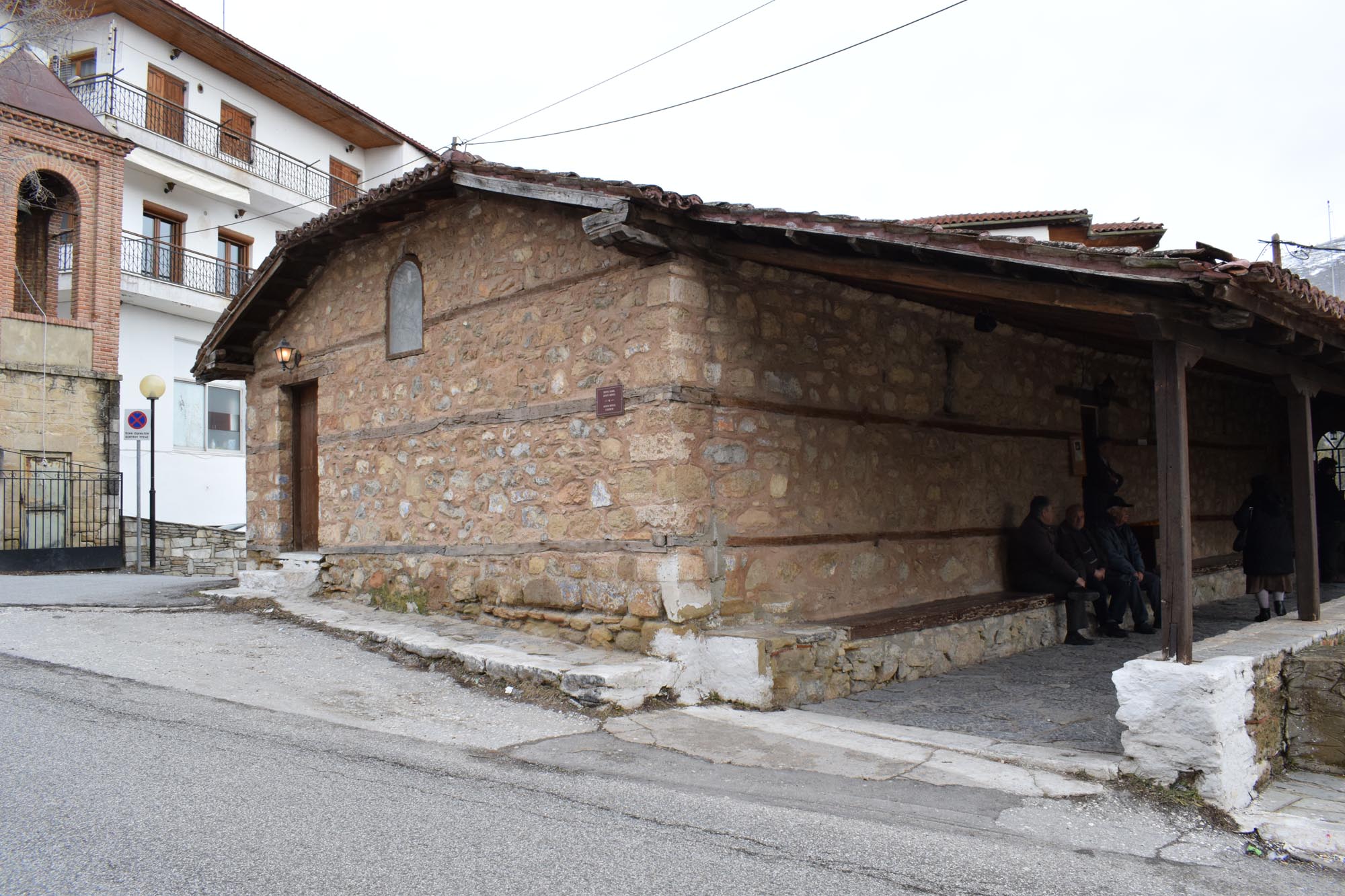
Church of St George
Mansions of Siatista
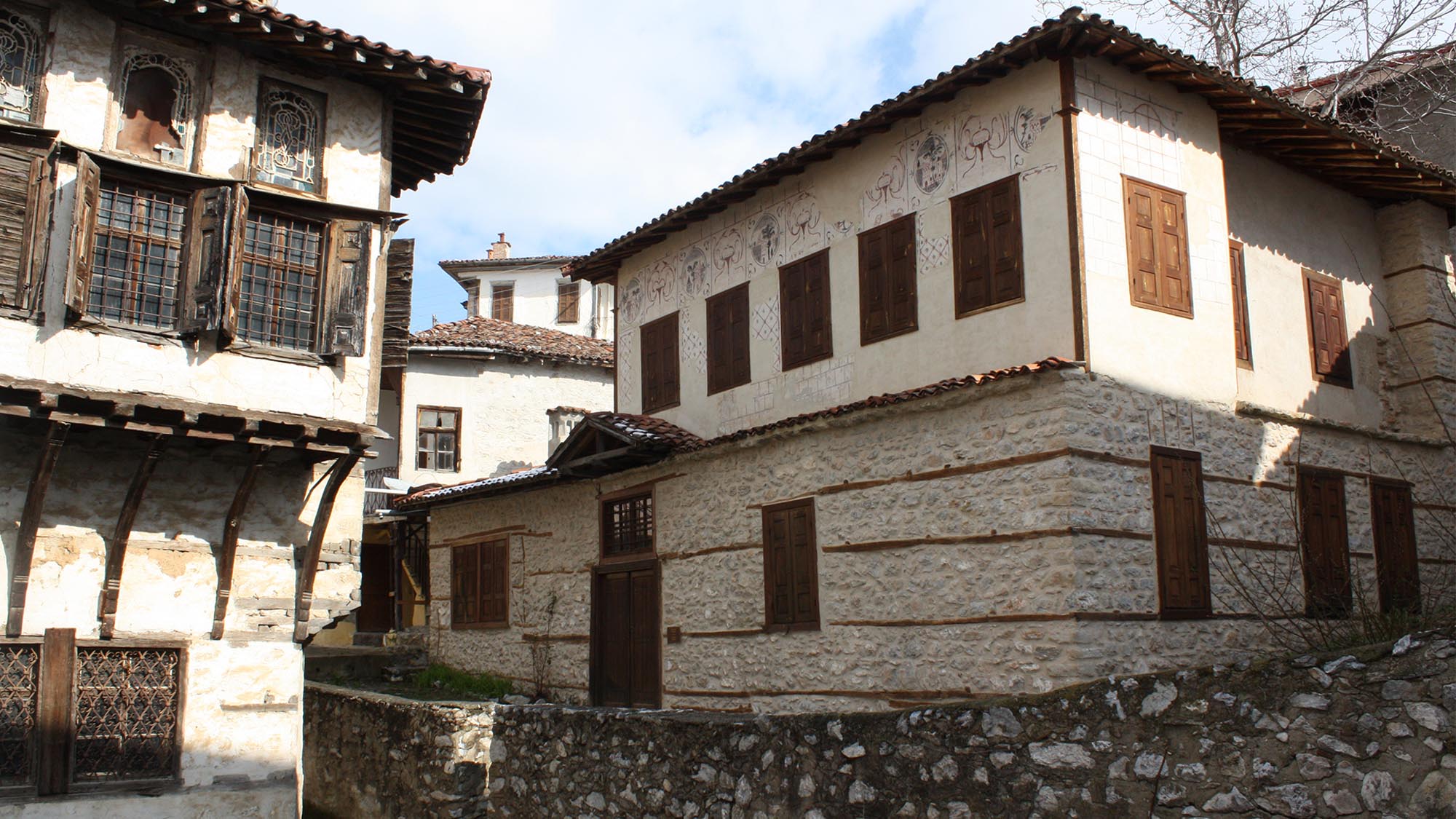
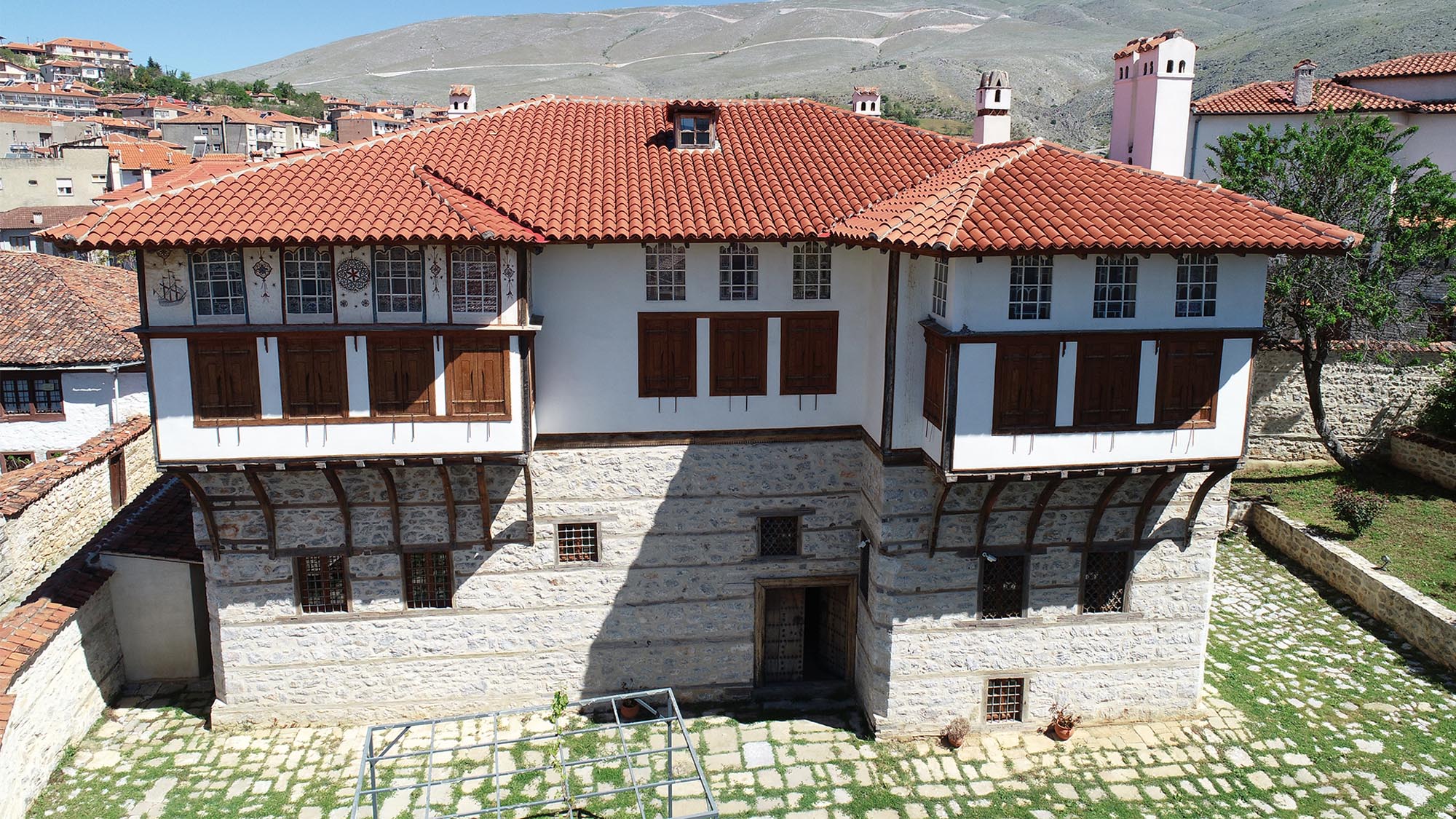
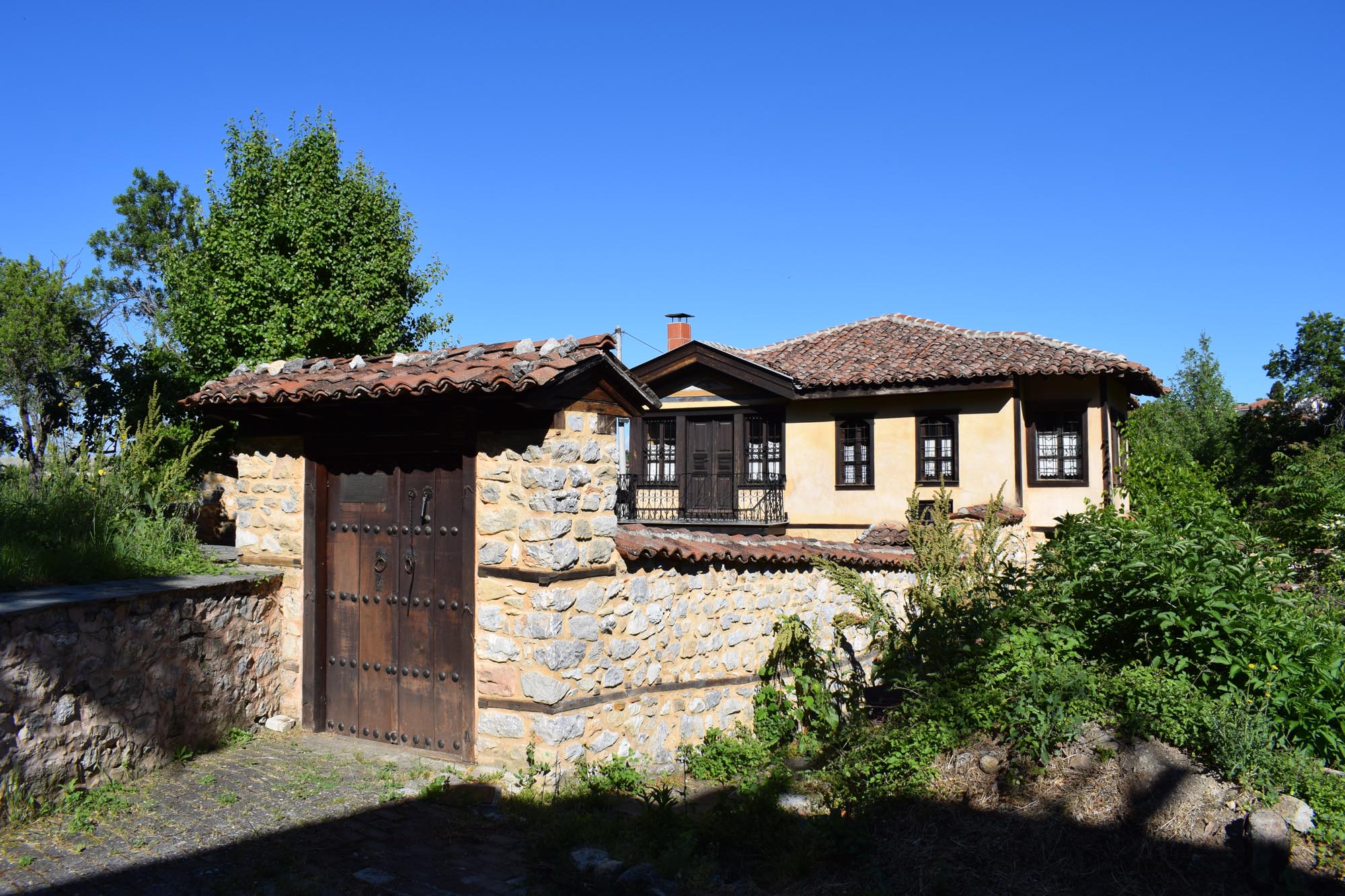
Approximately 30 mansions of the mid-18th to the 19th century are preserved in Siatista. They follow the same architectural principles as the mansions of Kozani and Macedonian architecture in general. As in Kozani, which did not have a fixed urban plan, the mansions of Siatista are fortress-like and stand free on plots of land with high walls and gates, ensuring their owners’ safety. Their mural decoration is particularly impressive; it even extends to their external façades, which are also adorned with elegant stone reliefs, wooden carvings and colourful stained-glass windows. Inside, the walls and fireplaces are decorated with elaborate plaster ornaments.
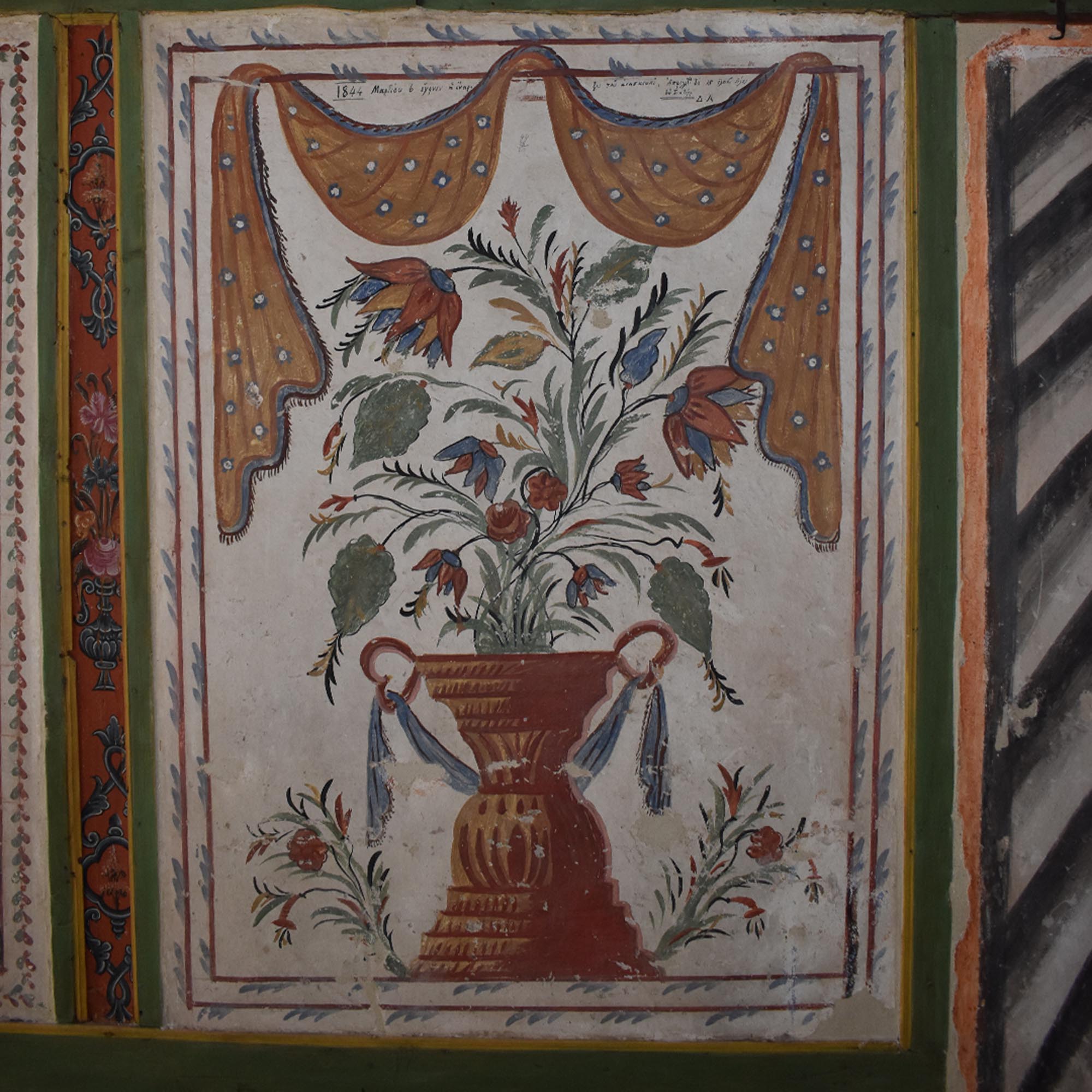
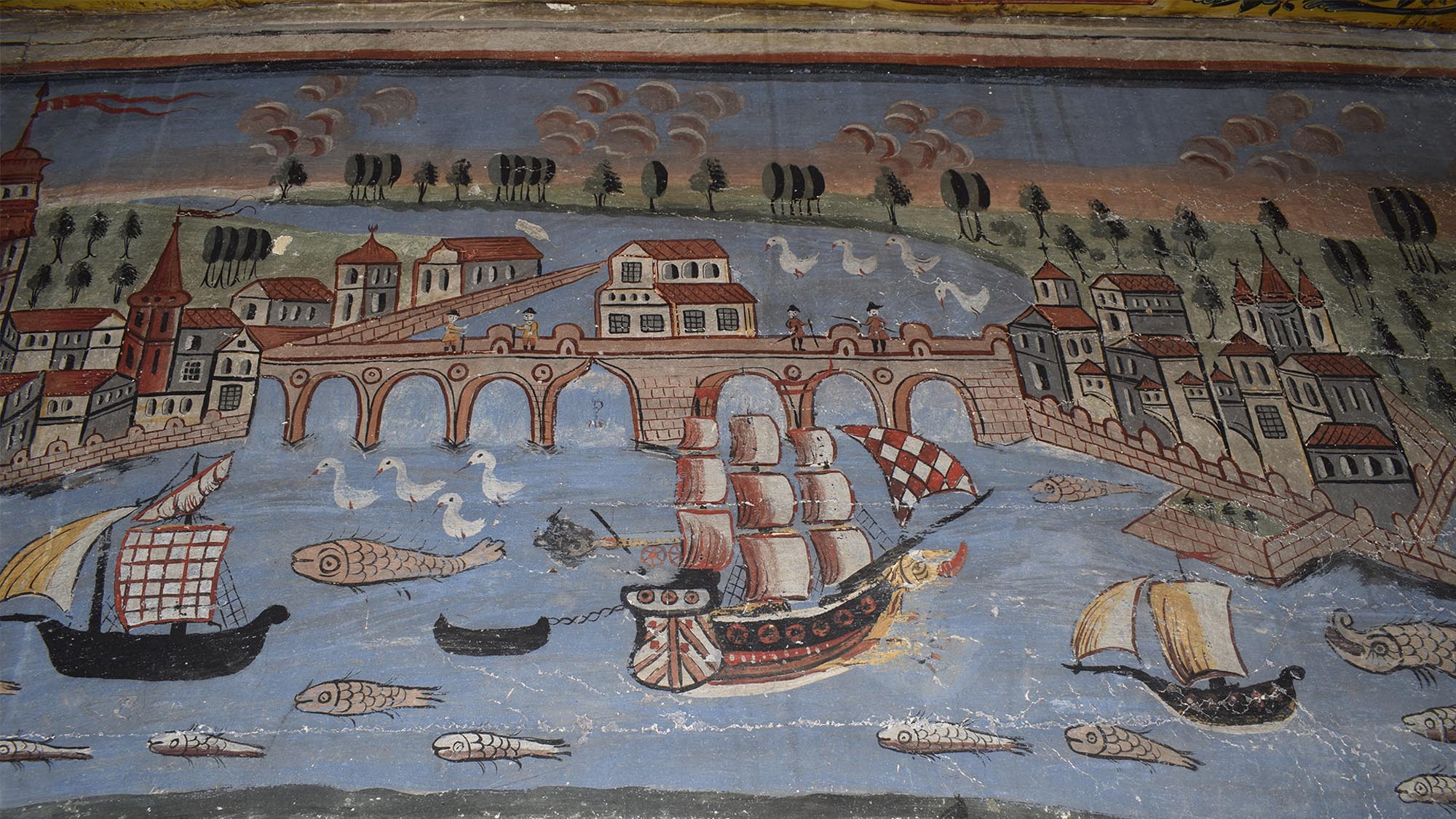
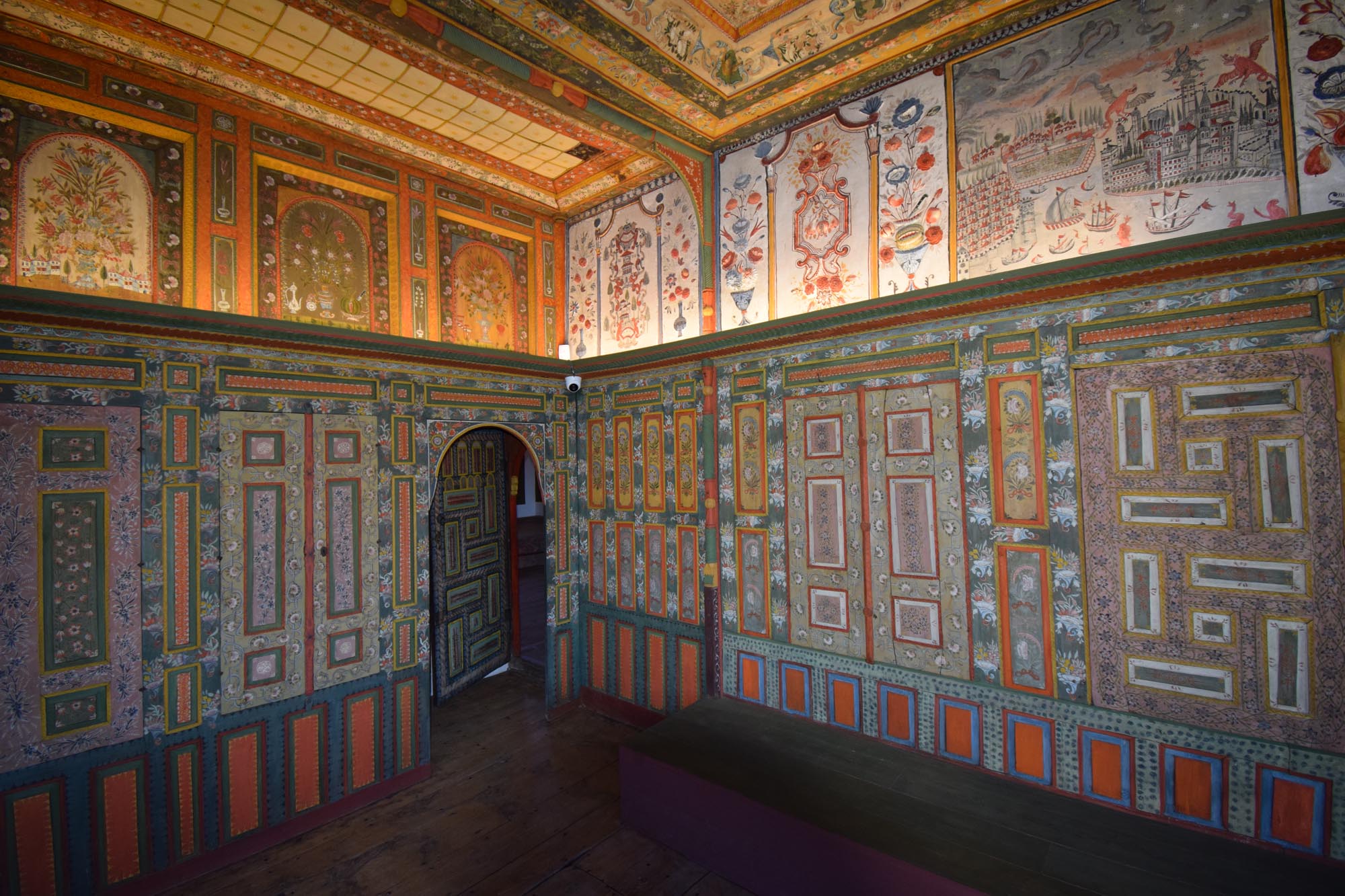
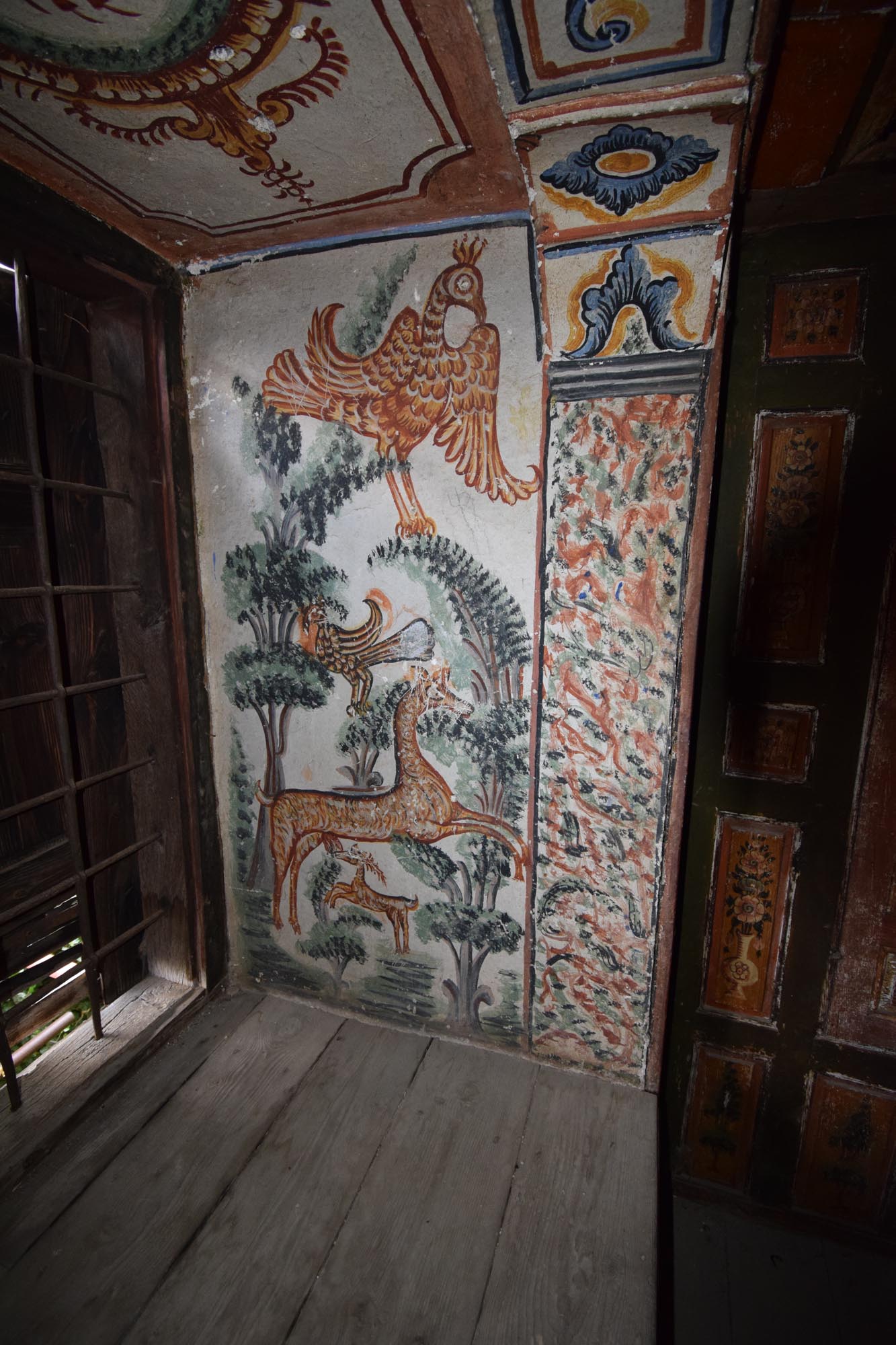
The Poulko Mansion near the square of Geraneia, named after the woman who inherited it in 1910, is perhaps the most famous mansion of the town. It has been exemplarily restored and is open to the public. Built between 1752-1759, it impresses with its rich painted decoration, consisting of a multitude of lavish vases and baskets with bouquets of brightly coloured flowers and fruit, a wide variety of floral motifs, birds, three-masted merchant ships of the period, a monastery and an exceptional depiction of Constantinople, long lost but not forgotten. Rich sprays of flowers also decorate the stained-glass panes of the transom windows, while bouquets and flower vases, birds and small perforated lanterns adorn the plaster fireplace in the “good room” on the first floor.
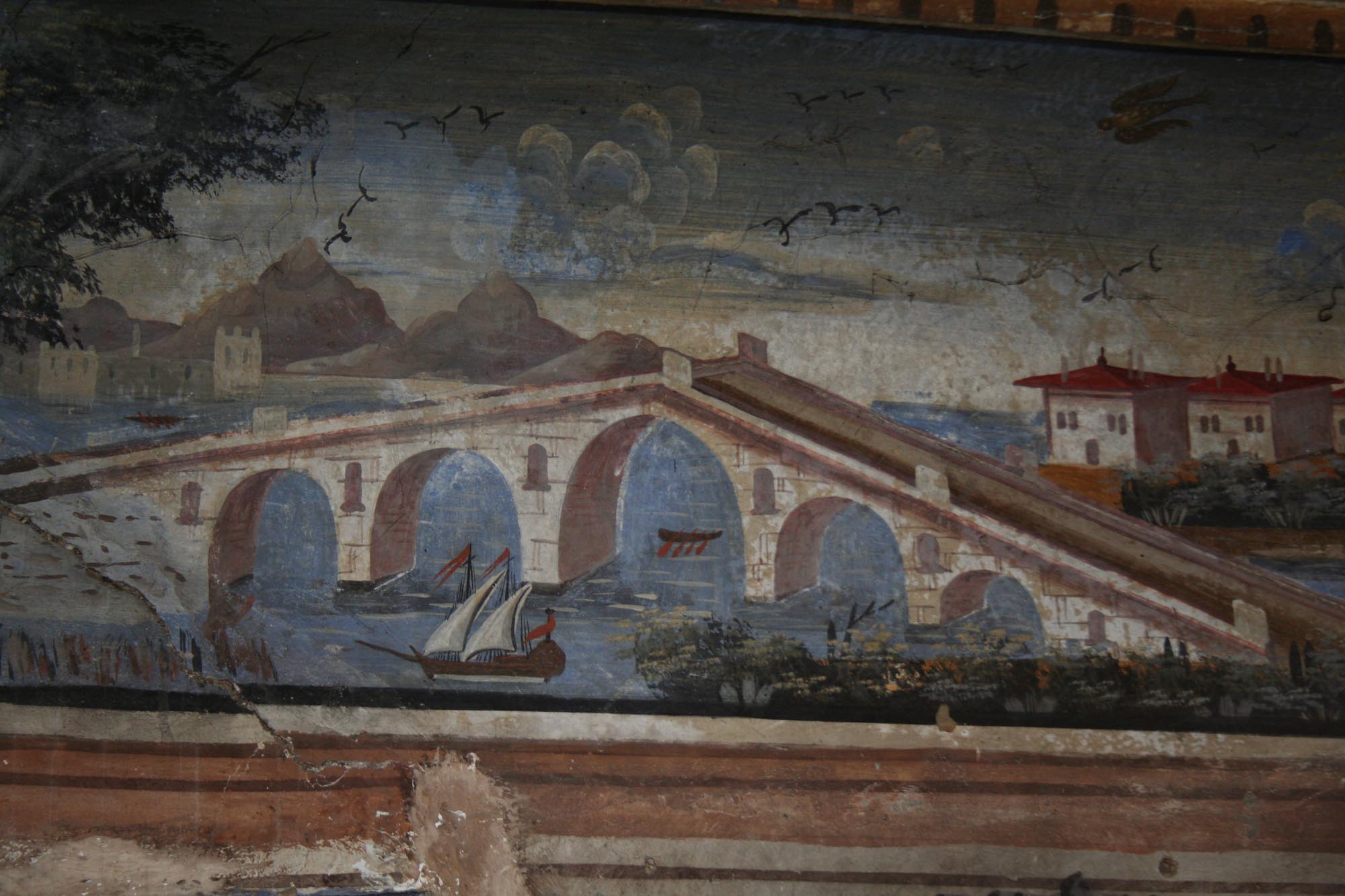
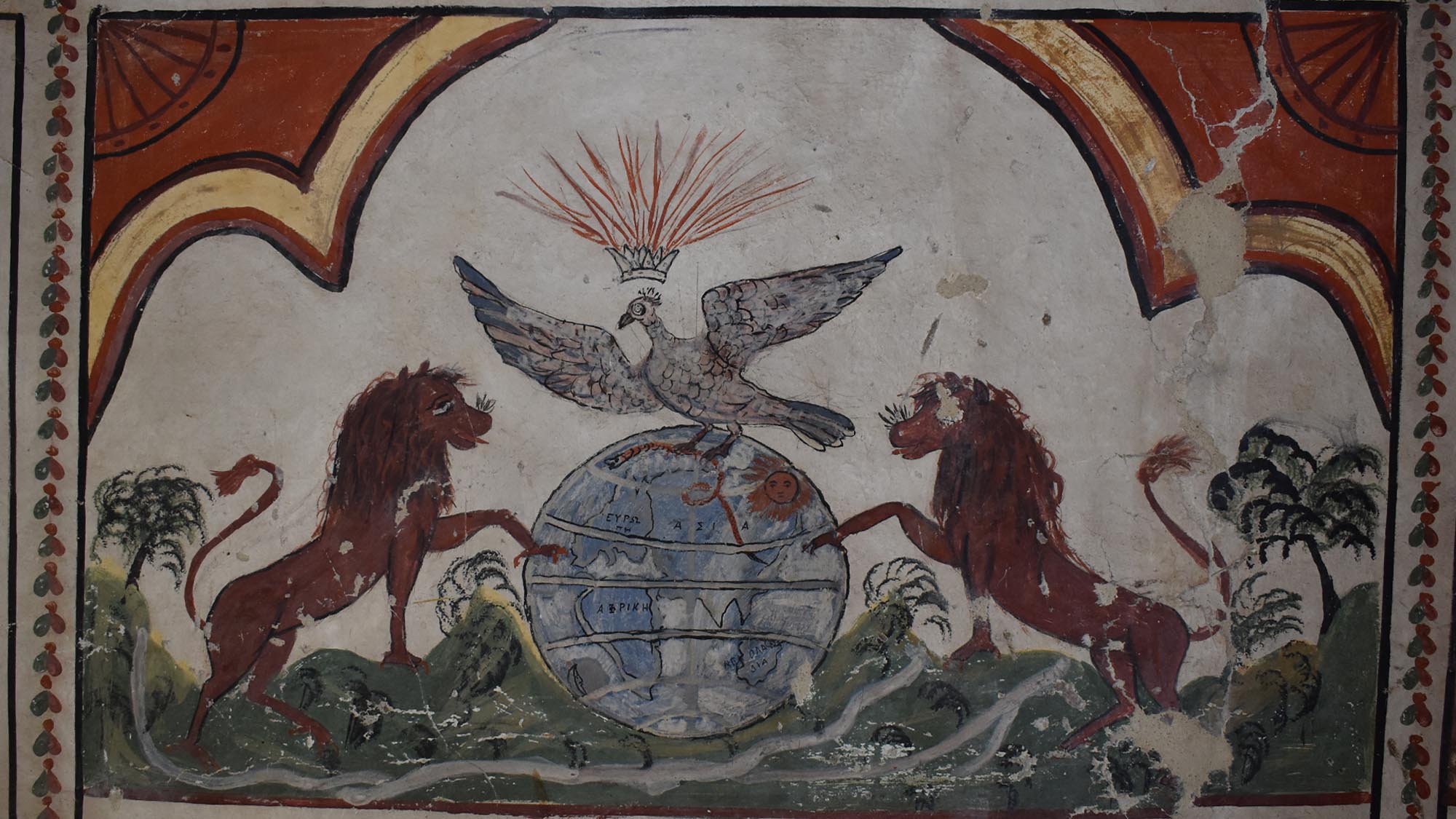
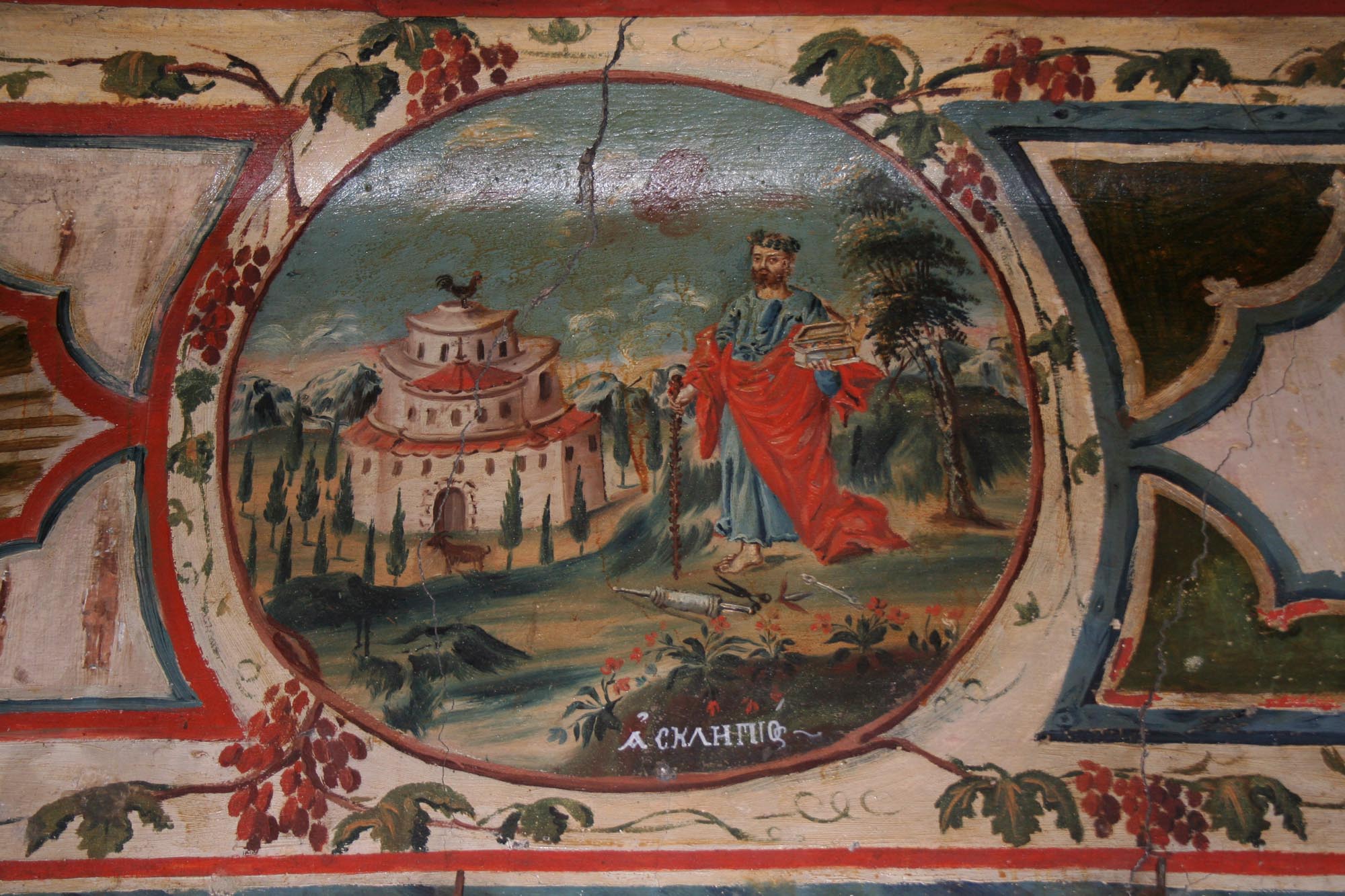
The murals of the other mansions of Siatista are equally rich, including depictions of European cities such as Frankfurt, Venice and Madrid, as well as other subjects, such as the globe of the world and an Austrian hussar in the Maliogas-Argyriadis Mansion (1844), which reflect the cosmopolitan character of the well-travelled inhabitants of Siatista. In other cases, the paintings reflect their deep religious feeling, depicting monasteries of Mount Athos, churches and subjects inspired by the religious painting tradition. On the walls of the mansions, the inspired painters, the main exponents of folk art, influenced both by Islamic art and by the Western European Baroque and Rococo movements, give their imagination free rein. They depict a wide range of subjects: landscapes with beautiful forests, seas, harbours and ships, monuments of the glorious ancient past such as the Columns of Olympian Zeus and the Arch of Hadrian in Athens, hunting scenes and other scenes of everyday life, allegorical and mythological figures, portraits of the owners, animals, birds, fish and other subjects inspired by nature, such as the distinctive image of a watermelon with a knife in it, missing a slice.
The exterior decoration of the mansions features a dense arrangement of bricks within the wooden frame of the şahnişins (overhanging covered balconies), which, as in Kozani, recalls the ornamental brickwork on the exterior of Byzantine churches. Other characteristic features of the decoration of the mansions and churches of Siatista are the elaborate sculptures, carved in marble or other types of stone, the highly imaginative works of the sculptors of the time.
Today, the Dolgiras Mansion, which houses the Folklore Museum of Siatista, and the Maliogas-Argyriadis mansion in Tria Pigadia Square in Chora, built in 1759 and painted with murals in 1844, are open to the public. The other mansions are privately owned and some are open to the public by arrangement with the owners.

Monastery of the Dormition of the Virgin, Mikrokastro
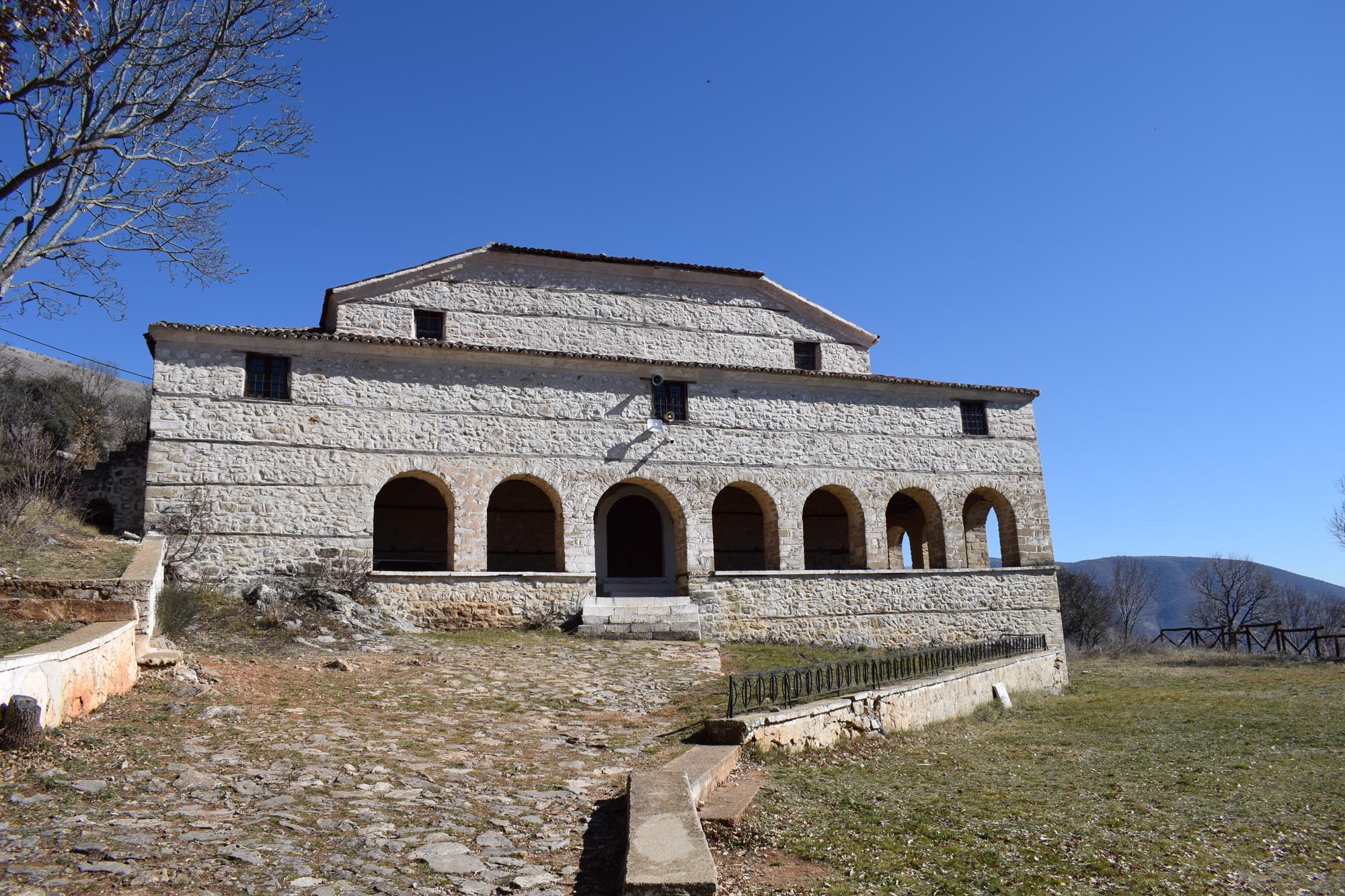
The monastery, now a convent, is located a short distance from Siatista, near the neighbouring village of Mikrokastro (formerly Tsarousiano). The date of its foundation is unknown. Its katholikon, a three-aisled domed basilica with a narthex/women’s gallery on the west side and a portico on the south side, is dated before 1797, the year when its frescoes were painted, according to the surviving dedicatory inscription. Originally the parish church of the neighbouring village, it was converted into a monastery at some point in the 19th century. The main icon of Panagia Eleousa (Virgin of Tenderness) is considered miraculous and is associated with the local custom of the Horsemen.
Bridge of Anthochori or Tsaknochori
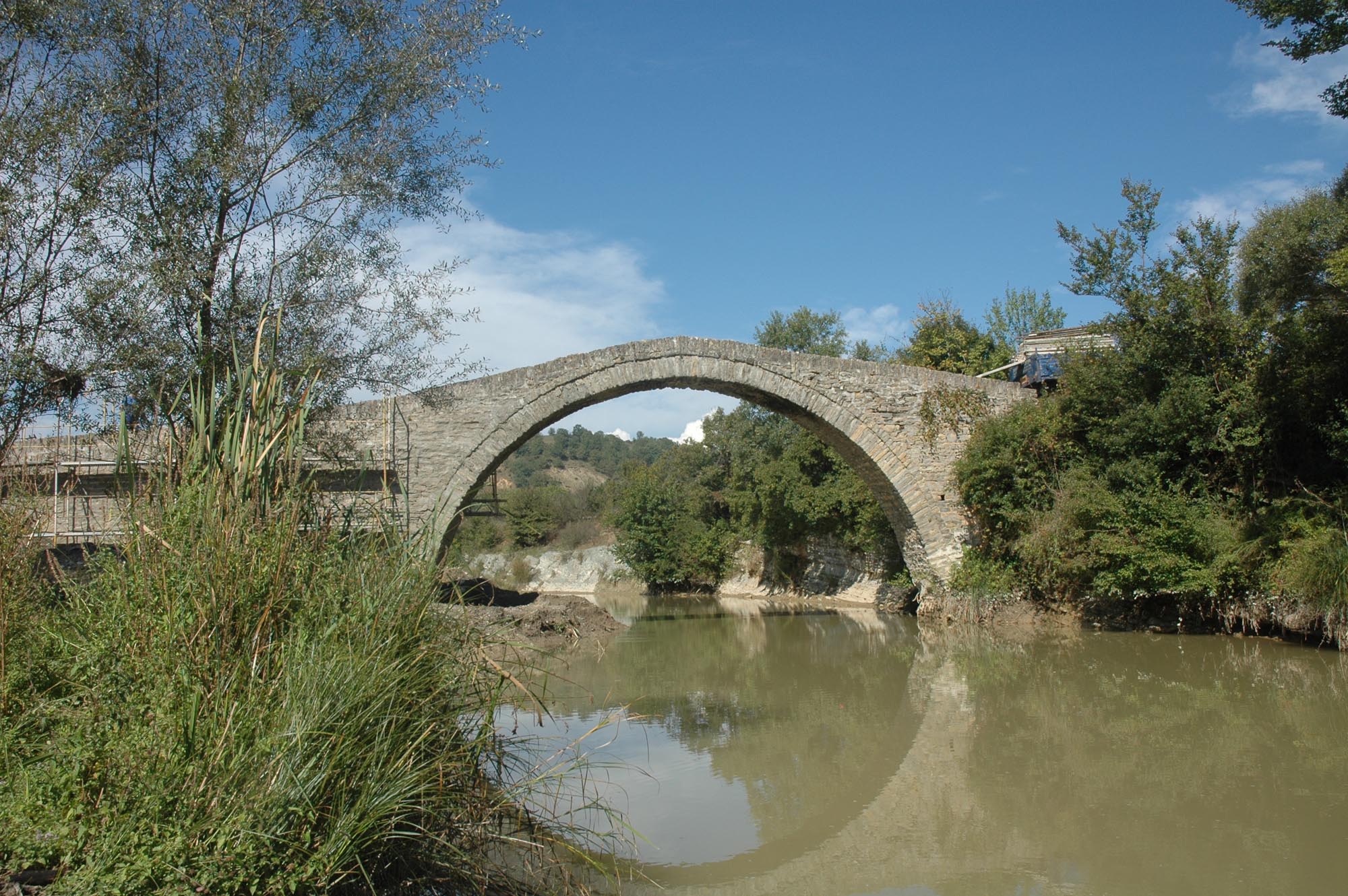
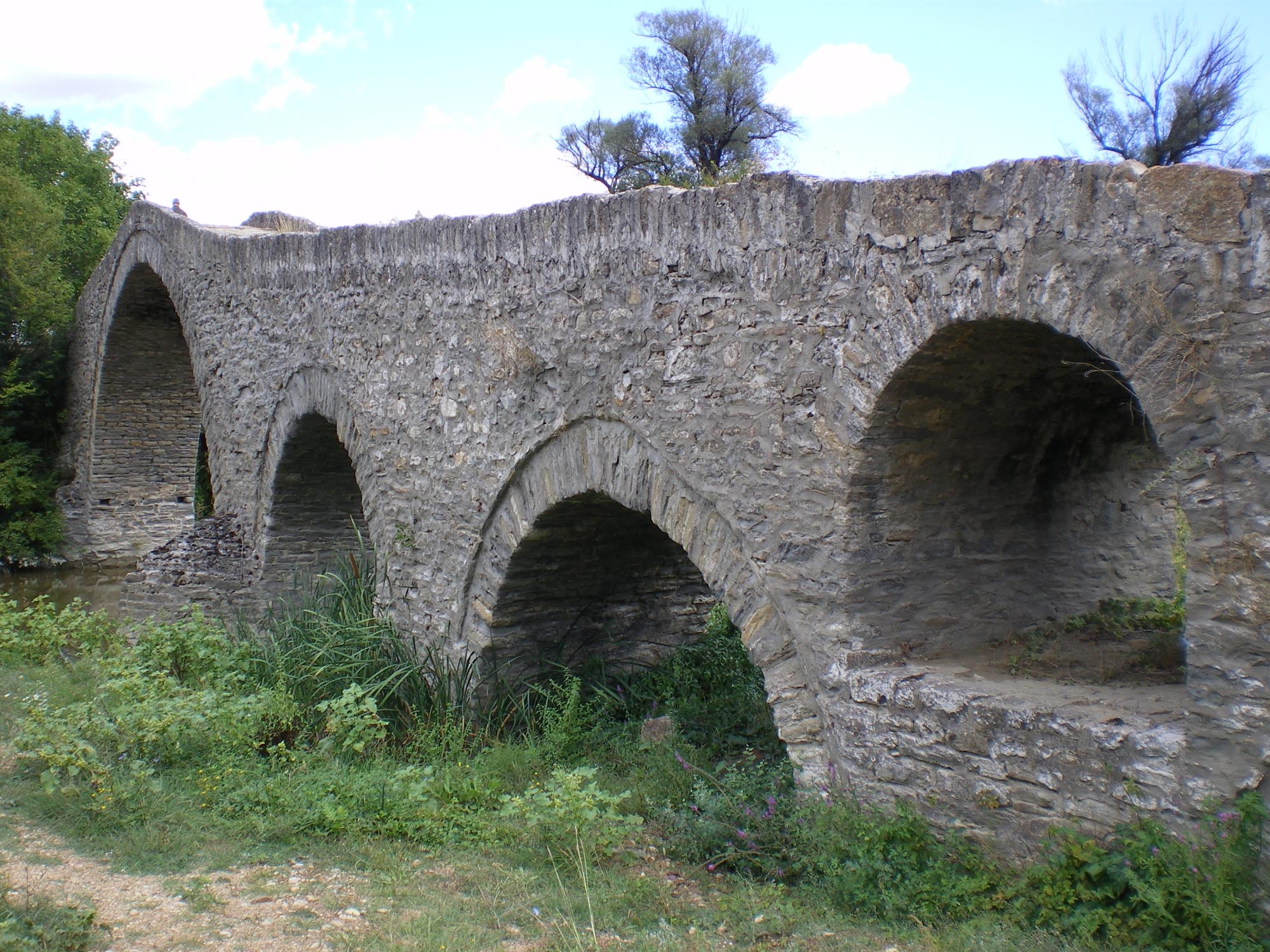
Many stone bridges are preserved in the area of Voio, through which flow the rushing waters of the River Haliacmon and its tributary the Pramoritsa (Pramortsa). The largest of these bridges crosses the Pramoritsa, a short distance from the community of Anthochori (formerly Tsaknochori) southwest of Siatista, and connects the village of Tsotyli, one of the largest in Voio, with Grevena. The bridge is 49m long and 2.7 m wide, and has four arches, the largest of which is 9 m high with a span of 15 m. There is no historical information on the date of its construction, but it was built sometime in the 18th century.
Museums - Institutions
Manouseia Public Central Historical Library of Siatista (3 Tsistopoulou Square)
The historical library was established in the late 17th century. Its rich collection was made up of collections of books donated by scholars from Siatista and the wider region. The library was named after the Siatistan Theodoros Manousis (1793-1858), a Supreme Court judge and professor of history and political science at the University of Athens, who donated his collection of 6,000 volumes to the library. Since 1988, the Library has been permanently housed in the Koukoulideio Cultural Centre, which was built at the expense of the Siatistan benefactor Michael Koukoulidis (1872-1954).
Ecclesiastical Museum of Siatista
The Museum is housed in a new building in the precinct of the Metropolitan Palace in the district of Chora, opposite the Metropolitan Church of St Demetrios, and is operated by the Holy Metropolis of Sisanion and Siatista. The exhibits include a rich collection of portable icons, as well as old printed books, vestments, wood carvings, miniature artefacts and liturgical vessels collected from the churches and monasteries of the region.
Folklore Museum of the Markides Pouliou Educational and Cultural Society of Siatista
The Museum is housed in the Dolgiras Mansion in Chora, a building of the early 18th century which was decorated with murals around 1840. It is a traditional mansion open to the public and housing a rich folk collection.
Traditional House of Christos Tsiotsios and Tatiana Derou
The outbuilding of the Poulko Mansion in Geraneia was purchased by Christos Tsiotsios and Tatiana Derou. Following its restoration, it is now a traditional house open to the public, with a rich folk collection.
Palaeontological Museum and Botanical Museum of the “O Bourinos” Mountaineering Association of Siatista
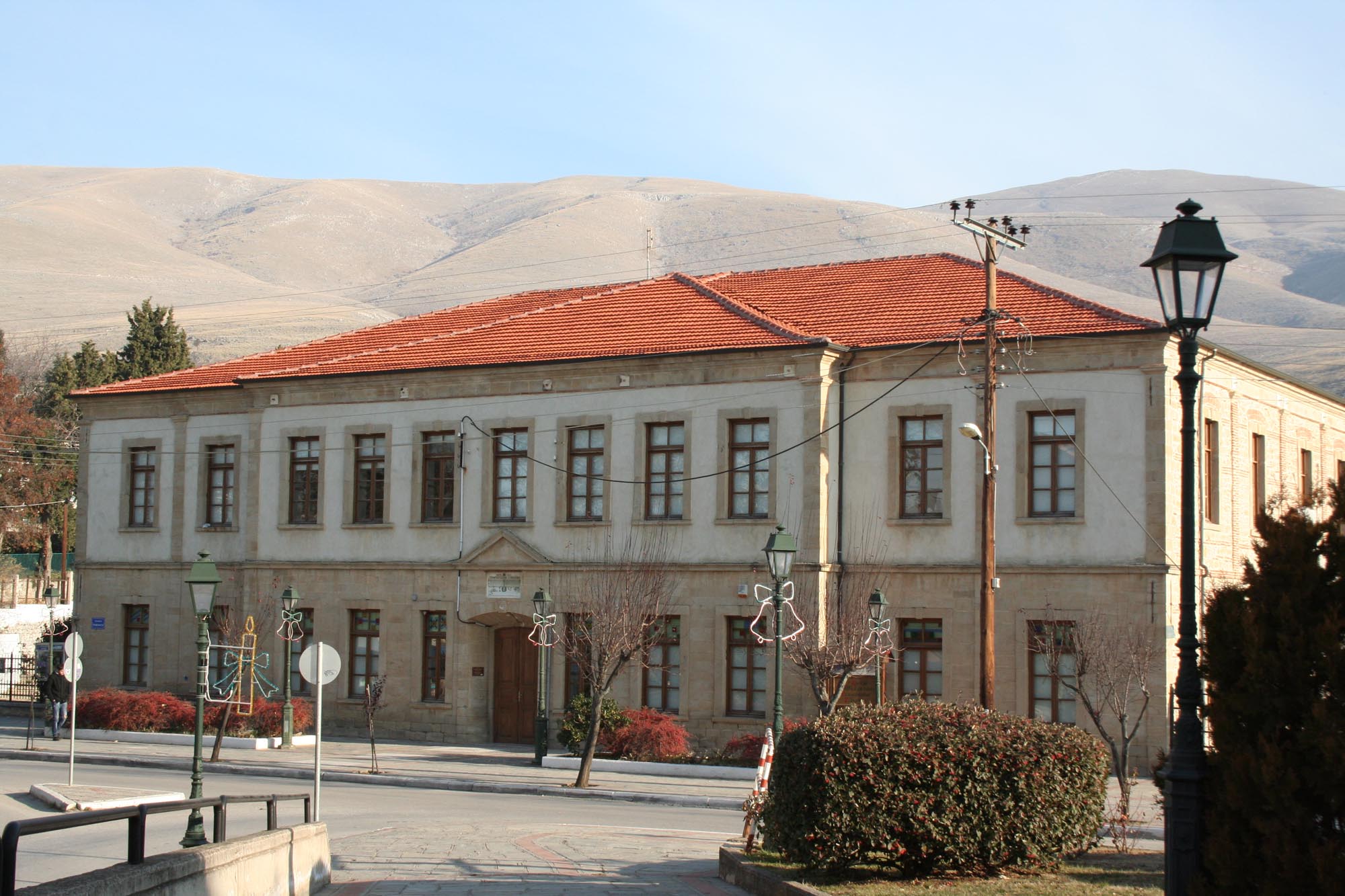
The two museums are housed in the historic building of the Trabantzeion Gymnasium, which was built in 1888 to the plans of the architect Kostis Pepiliagas. The first museum was founded in 1906 by Professor Anastasios Danas and houses one of the most important paleontological collections in Greece, with a variety of exhibits such as rocks, minerals and fossilised mammal remains. The most impressive exhibit is part of a prehistoric elephant skull complete with tusks, about 125,000 years old, which was discovered in the village of Kaloneri in Kozani in 2006. The second museum highlights the wealth of flora and fauna of Siatista, presenting the flowers, plants, insects and reptiles of the wider region.