REGIONAL UNIT OF IOANNINA: TRADITION AND CONTEMPORARY CULTURE
Cultural events
In the historic city of letters and the arts, the rich past is harmoniously interwoven with modern life. In recent years, Ioannina has become a rapidly developing hub of innovation and technology. The osmosis of technology, art and tradition found expression in the 2023 digital art exhibition Plásmata II: Ioannina organised by Onassis Stegi, part of the Onassis Foundation.
Major conferences are held at the University of Ioannina, the Cultural Centre and other city venues, making the city a modern centre of the sciences and humanities.
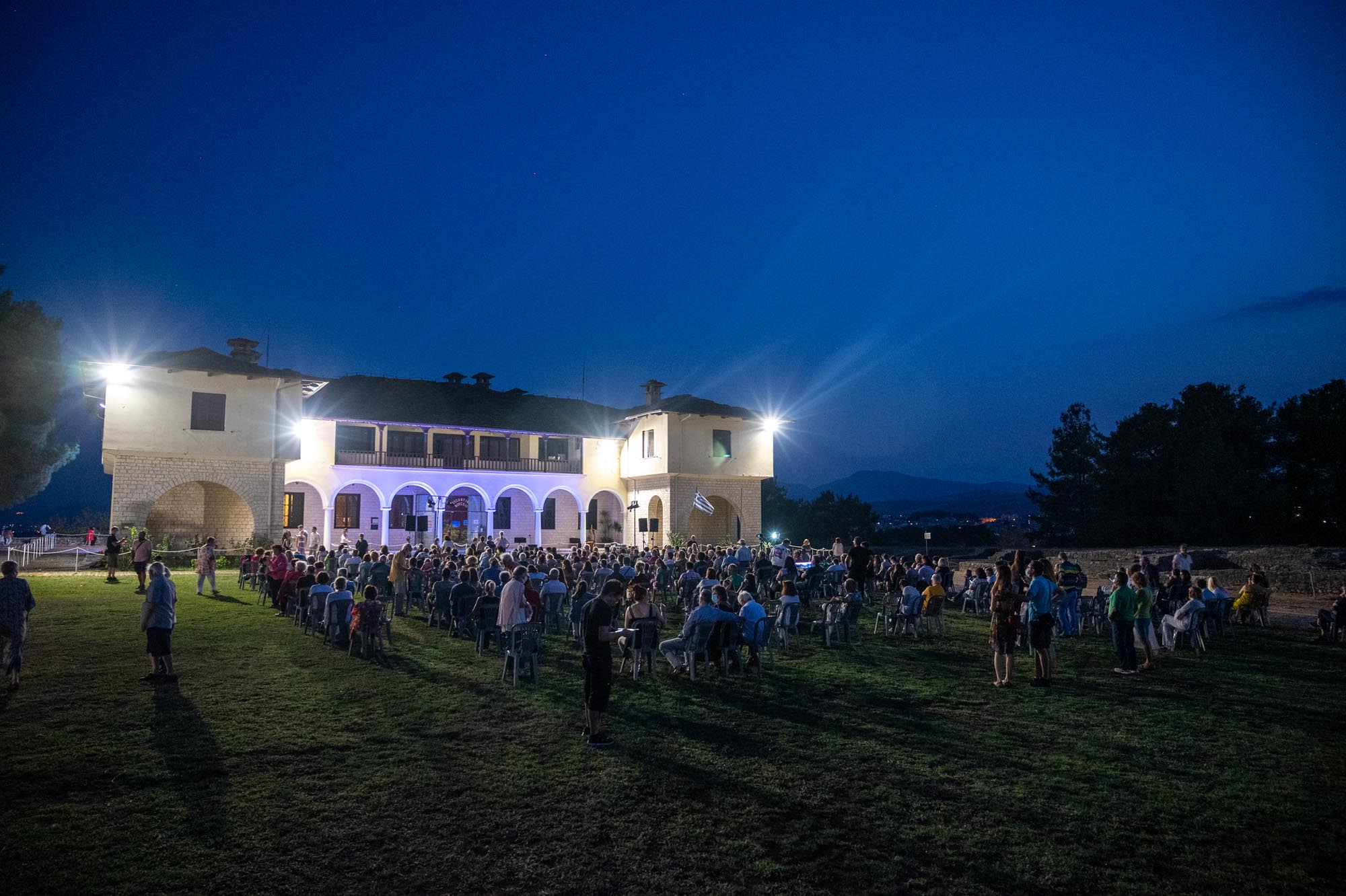
Various activities such as dance and theatre performances, concerts, film screenings, temporary exhibitions, educational programmes and lectures are organised by the Ephorate of Antiquities of Ioannina, the Municipality of Ioannina, the Holy Metropolis of Ioannina, the Municipal and Regional Theatre, the Symphony Orchestra of the Municipal Conservatory of Ioannina, the University of Ioannina and other institutions. The Joseph and Esther Gani Foundation organises exhibitions and concerts, while the Exavda art group presents film tributes. A wide range of events are held in museums, at the city’s event venues, and in open-air and indoor spaces of the Castle of Ioannina, such as the Dimitris Konstantios Hall and the Sufari Saray.
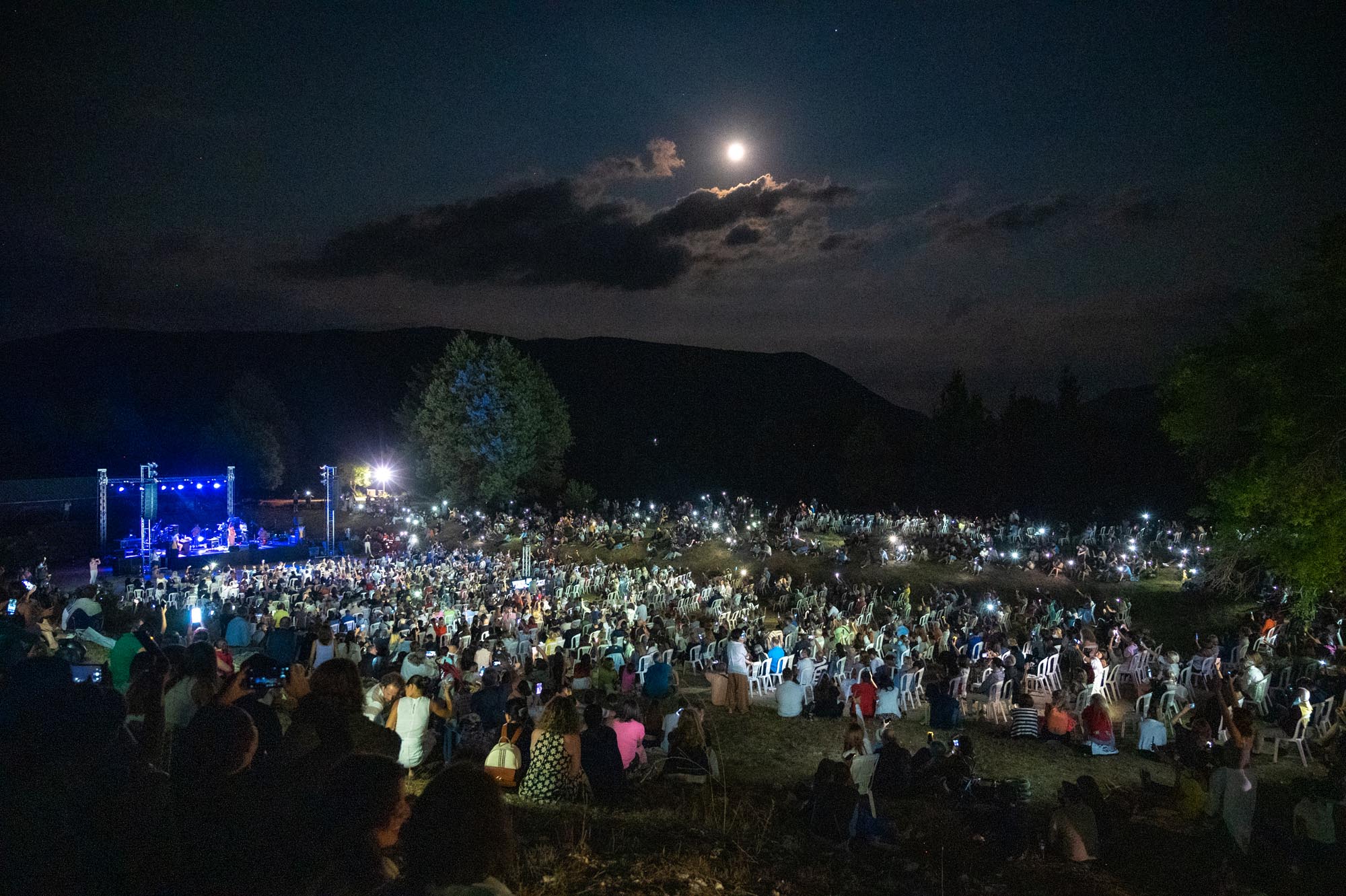
The exhibition spaces of the Its Kale and the galleries near the main gate of the Castle also host artistic events such as the European Music Festival, the Ioannina Art Festival, the Photometria Ioannina photography festival and the Ioannina Municipality Theatre Festival. For the past few years, the Municipality of Ioannina, in collaboration with the Ephorate of Antiquities of Ioannina, has organised the Its Kale Festival, comprising a series of music and dance performances, concerts and plays.
An important cultural institution is the Dodona Festival, held at the archaeological site of Dodona, where prestigious cultural events are hosted in the summer. The Summer Oracle, a workshop of ancient drama, is also held there by the Municipal and Regional Theatre of Ioannina in collaboration with the International Network of Ancient Drama and the Ioannina Ephorate of Antiquities.
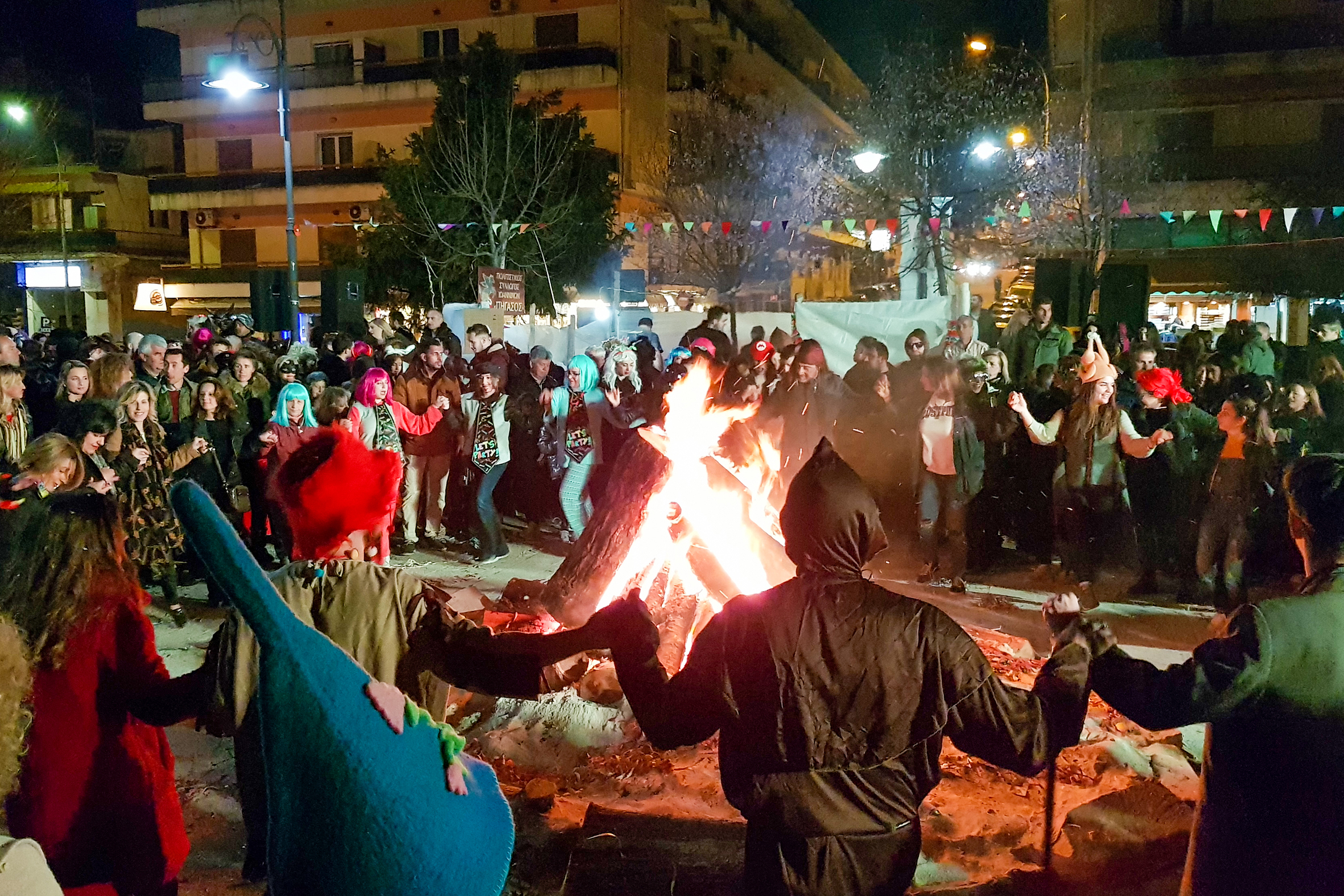
The local associations (Metsovites, Syrrakiotes, Zagorisians, Pogonisians, Konitsiotes) bring residents and visitors of Ioannina into contact with elements of popular culture. On the last Sunday of Carnival, the Tzamala custom, with the lighting of a bonfire, is celebrated in the various neighbourhoods of the city, accompanied by singing, traditional dances and food. In the summer, the Dance Group of Ioannina organises the “Dancing to the Music of the World” International Folklore Festival, featuring Greek and foreign bands.
Feasts and festivals in the wider region
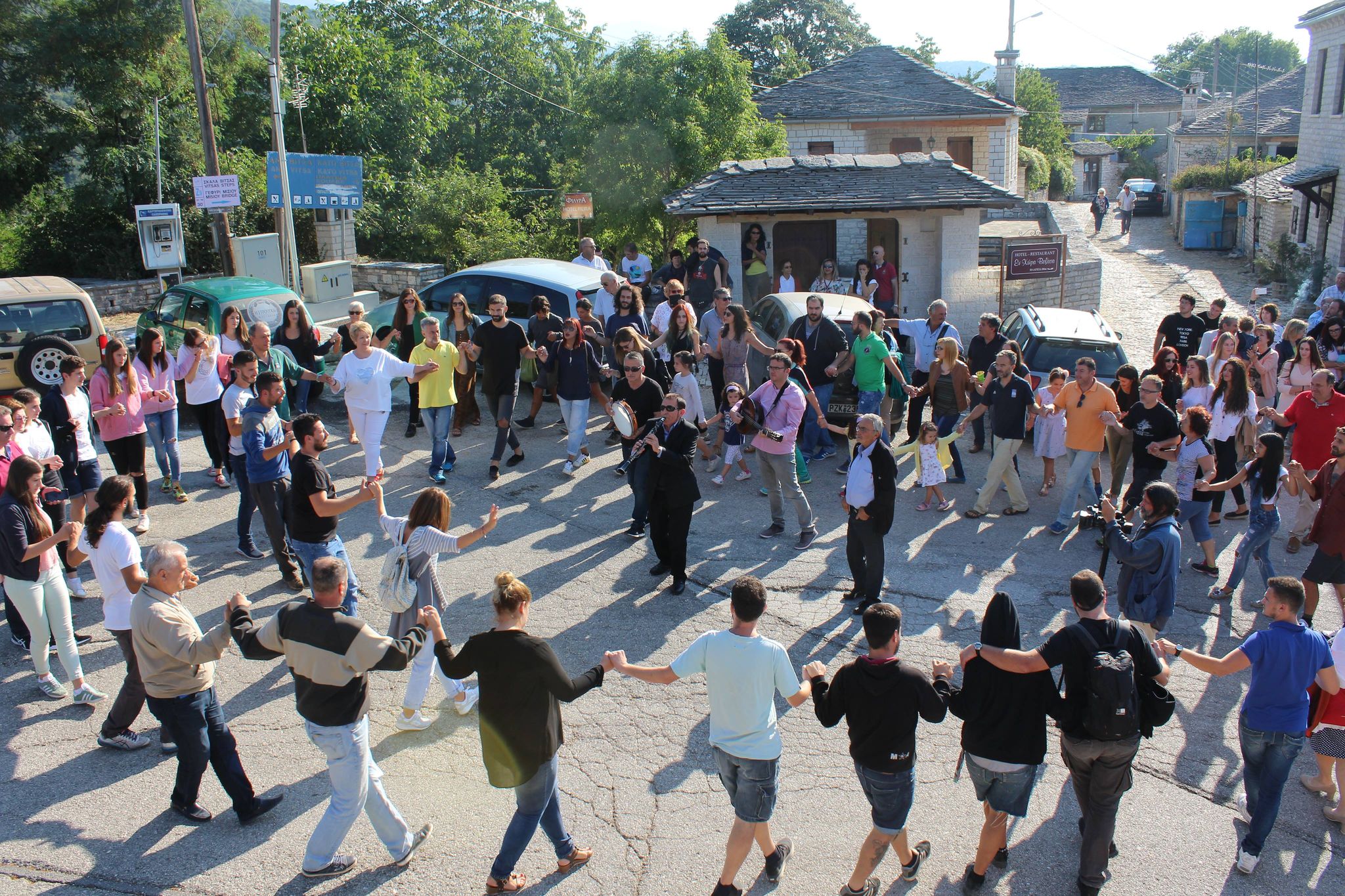
The festivals of Epirus, mainly held in the summer on the occasion of local religious feasts, are lively affairs. In the past, they were an opportunity for the inhabitants to come together after a hard winter in the winter pastures or abroad. Matches and deals were made, family and community ties were strengthened. Today, those who have dispersed to the cities meet again in the mountain villages to celebrate in a unique way, listening to the music and dancing the dances of their birthplace. The clarinet is the most representative musical instrument of Epirus. It is accompanied by the violin, the lute and the tambourine. The main festivals of the villages of Ioannina have been inscribed on the National Inventory of Intangible Cultural Heritage.
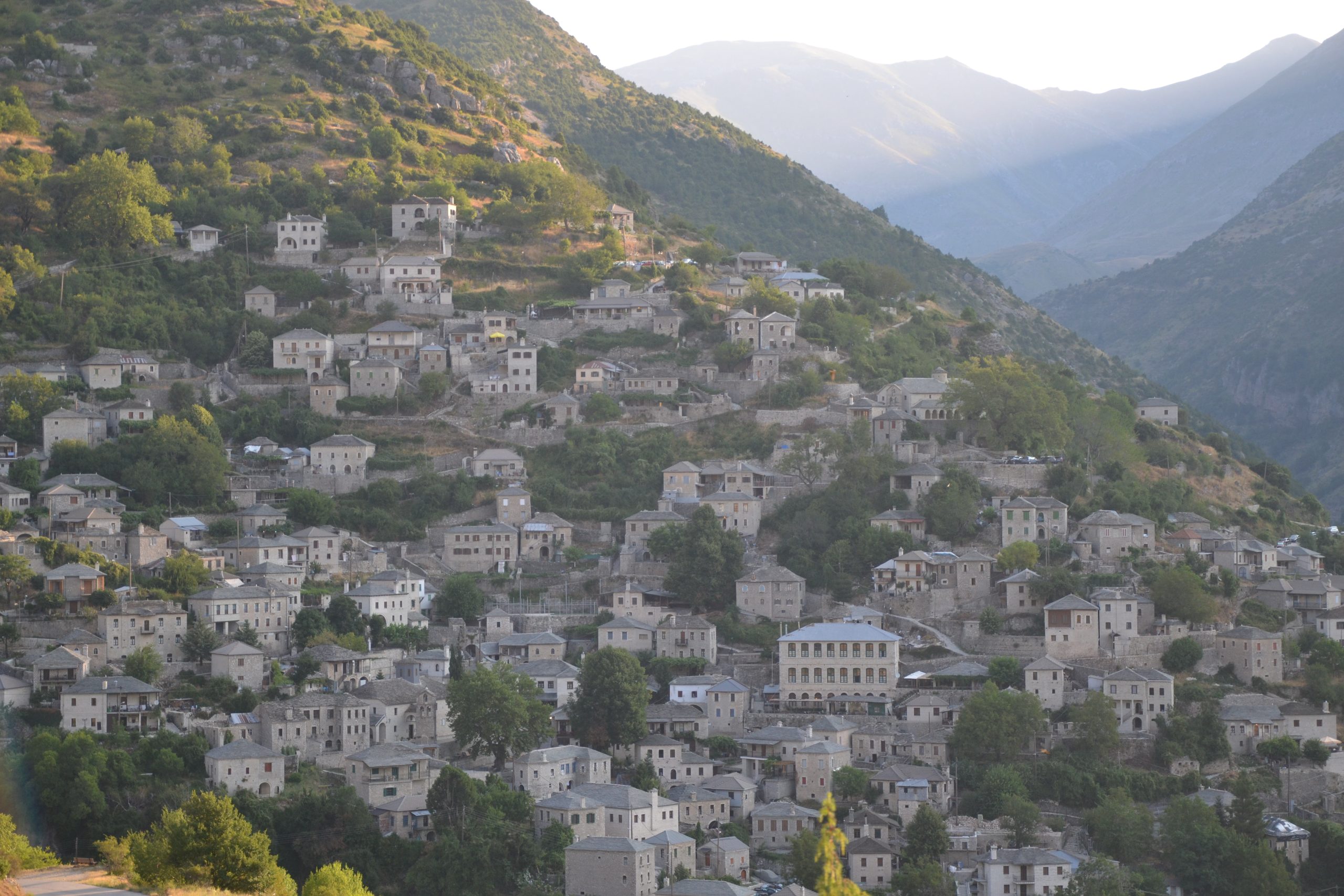
In the region of northern Tzoumerka, south of Ioannina, are the stone-built villages of Kalarrytes, Syrrako, Vaptistis and Chouliarades.
In July, at the great feast in the cave church of St Paraskeve just outside Kalarrytes, the local shepherds offer visitors meat stew and yoghurt to commemorate a miracle of the saint. In the evening, the festival moves to the main village square.
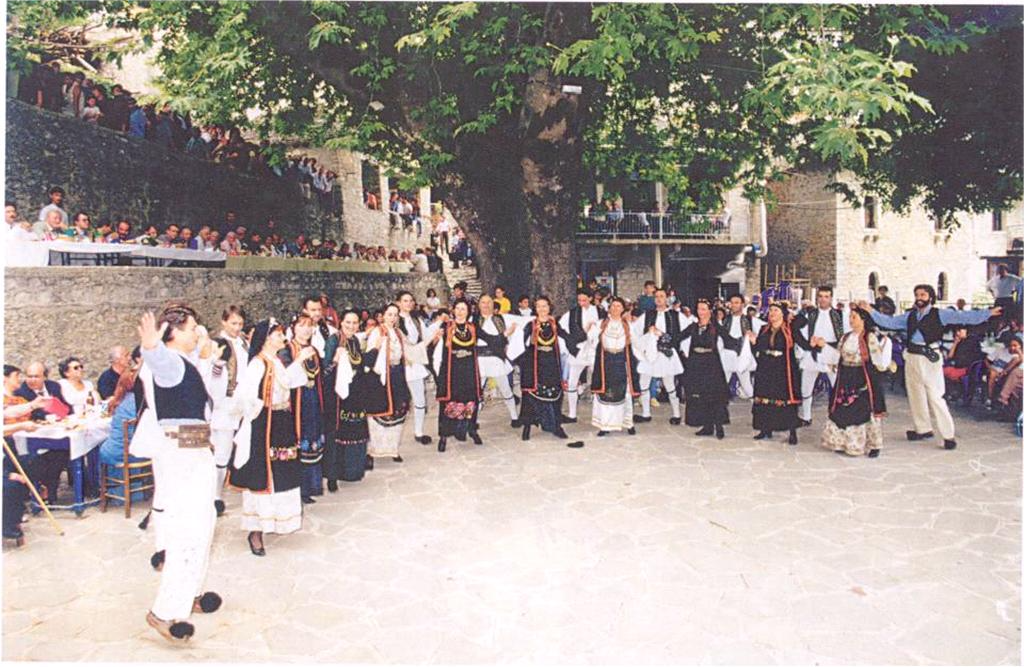
On 15 August, the Feast of the Dormition of the Virgin is celebrated in the main square of Syrrako with local songs and slow, simple, stately dances in concentric circles, always with the women on the inside. The participants perform specific symbolic acts with great devotion, following an established ritual.
An important event in Tzoumerka is the Kykles or Kagelari, celebrated in Vaptistis on St John’s Day on 29 August and in Chouliarades on the Nativity of the Virgin on 8 September. This is a circle dance unaccompanied by instruments. The song is started by the men and repeated by the women. Everyone on the chorostasi (the traditional stone-paved main square of the village) that day participates, residents, returning emigrants and visitors alike, the men in front and the women following, all linked arm in arm.
Northeast of Ioannina, the Zagorochoria (Zagori villages) have been inscribed on the UNESCO World Heritage List as a cultural landscape. The beautiful traditional architecture, the cobbled paths, the stone bridges and the exquisitely decorated churches are in perfect harmony with the striking natural environment.
On 15 August, the three-day festival in Vitsa includes a vigil, a litany (procession) of the icon of the Virgin Mary and a blessing with holy water, as well as a feast and dancing around the ancient plane tree in the main square. In August, the Annual Meeting of Sarakatsani takes place at Gyftokambos, near the village of Skamneli in Zagori, at the Sarakatsaniki Stani. Sarakatsani from every corner of Greece gather at a great open-air event, upholding their ties and traditions.
In Metsovo, on the eve and day of the feast of St Paraskeve, various events are held including a procession of the icon of the saint carried by horsemen in traditional costumes, and dancing.
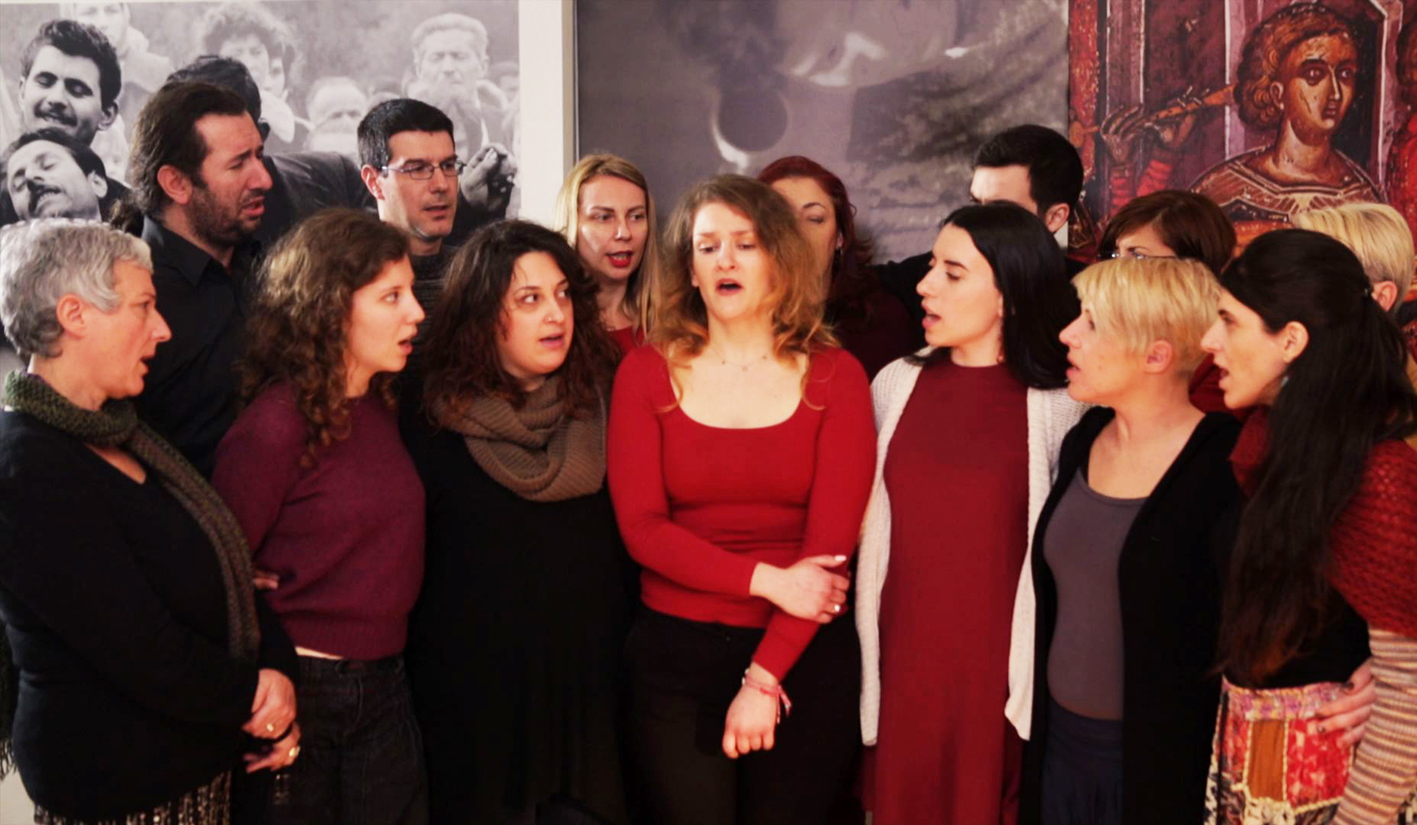
The songs and dances of Epirus are distinguished by their richness and diversity. A typical example is the Epirus polyphonic song, a type of polyphony with very deep roots, a living tradition and a key element of local identity. The Epirus polyphonic song is performed by a group of singers with distinct roles, covering subjects touching on almost every aspect of life. Major initiatives have been taken to preserve and promote it as one of the most important examples of the world polyphonic repertoire. 14 May has been designated World Polyphonic Song Day, while the promotional activities by the Polyphonic Caravan NGO have been included in the UNESCO Register of Good Safeguarding Practices for Intangible Cultural Heritage. The Great Polyphonic Caravan travels to Epirus, Western Macedonia, Corfu and Thessaly every summer.
In Konitsa, at the historic Hamko Mansion, the inter-Balkan music festival “Why the Mountains Are Black” organised by Onassis Stegi, part of the Onassis Foundation, explores the traditional music of the Balkans.
A custom that links the songs of Epirus with religious worship is the Lament of the Virgin, the mournful songs of Great Friday (also known as Good Friday), sung in the village of Kopani in Dodona. Men, women and young children, wearing traditional costumes with bells, recount the lament of the Virgin Mary for her only-begotten Son.
Nature and local traditions
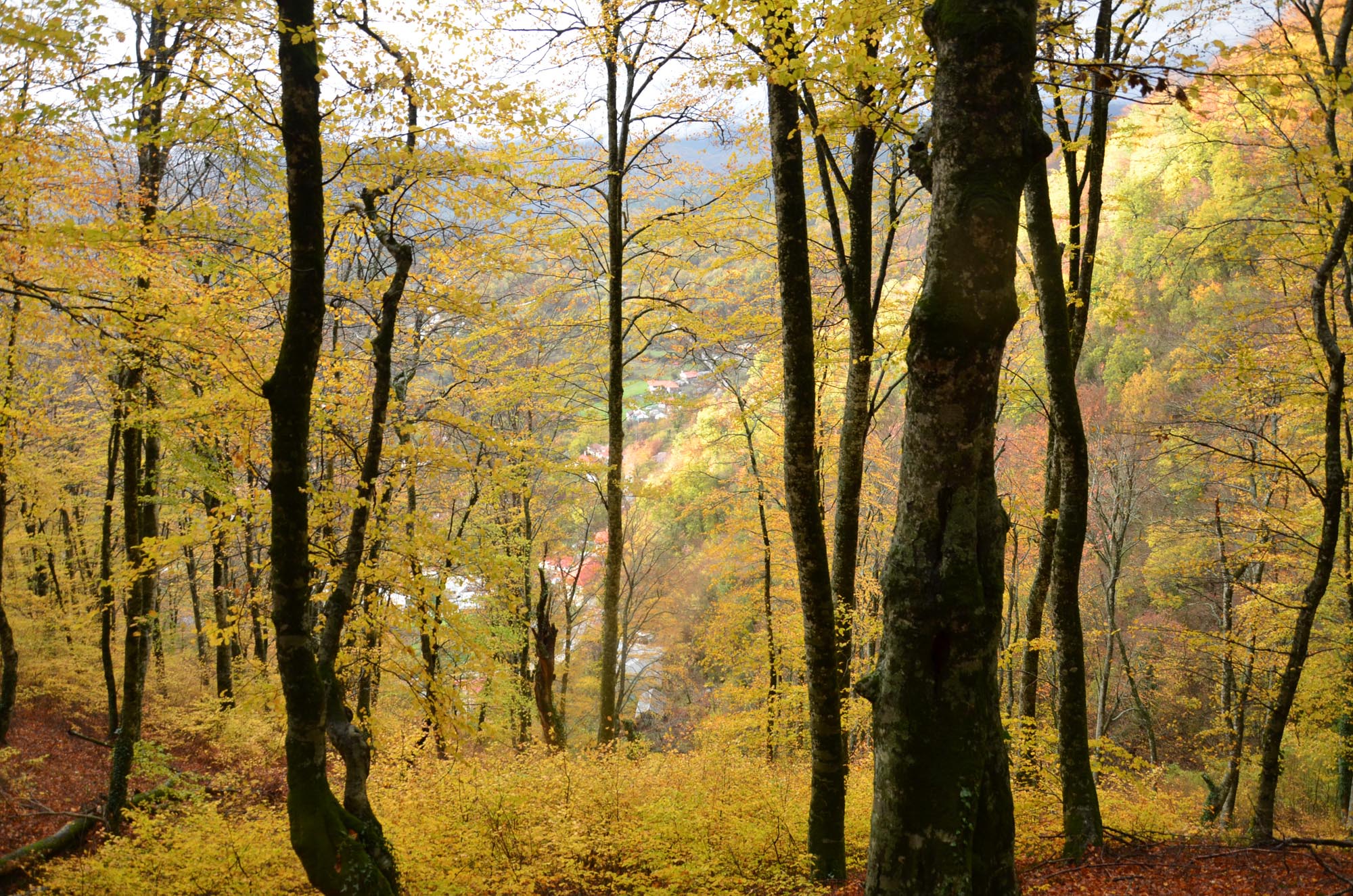
The Sacred Forests of Zagori and Konitsa stand out for their rich biodiversity and ancient trees. The religious faith of the people, and local traditions, beliefs and oral narratives linked to prohibitions on felling trees and, above all, the fear that causing damage may result in supernatural punishment, have kept the forests intact, living monuments of cultural and natural heritage. Celebrations are held in the chapels in the forests.