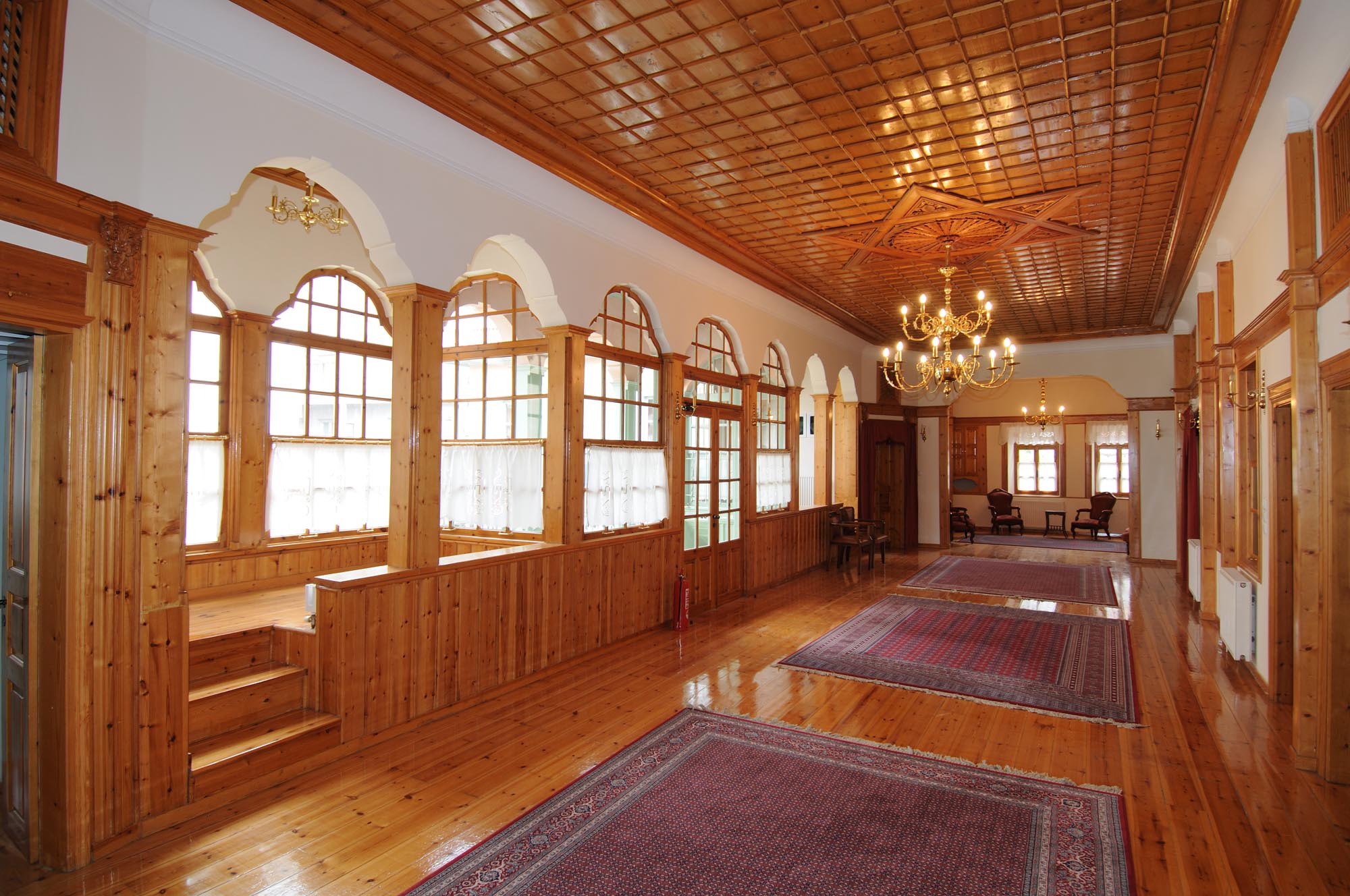
Ioannina
Ioannina, the timeless city on the shores of Lake Pamvotis
Ioannina, also known as Yannena or Yannina, one of the largest cities in Greece and the capital of the Regional Unit of the same name and the Region of Epirus, occupies the centre of the basin of Ioannina, west of Lake Pamvotis (Lake of Ioannina). The lake, today an important ecosystem with a wealth of fauna and flora, has been key to the city’s prosperity through the ages. It is full of tales and legends: the famous Kyra Frosini was drowned in its waters, and there was even a naval battle in dugout canoes between the defenders of the city and the Albanian raiders who attacked it in 1379. Ali Pasha, the “lion of Epirus”, was killed on the Island in the lake. Ioannina, with a long history dating back to ancient times, flourished during the Byzantine and especially the Ottoman period, when it became an intercultural centre with high economic and commercial development, a substantial craft industry and notable educational and artistic activity, “first in arms, money and letters”, according to the popular verse.
All the roads of Epirus passed through Ioannina, the largest centre of terrestrial trade in the region, ensuring the city’s communication with the coastal ports of Epirus (Vlorë, Sagiada, Parga, Preveza) and the main cities, towns and mountain villages of the region (Arta, Zagori, Metsovo, Syrrako, Kalarrytes), as well as the major commercial centres of the rest of Greece and the Balkans. The city is still an important transport hub of Epirus today. With the completion of the Egnatia and Ionian Motorways, which pass south of the city, the interconnection of the region with the rest of the country has improved significantly.
History
The excavation data of recent decades confirm the presence, as early as the 5th century BC, of a flourishing walled settlement on the naturally fortified peninsula of the lake, the site in later centuries of the Byzantine and Ottoman Castle. Occasional movable finds, mainly pottery sherds, place the earliest occupation of the peninsula in the Late Bronze Age/Early Iron Age (c. 1600-900 BC).
Excavations have brought to light part of a strong wall of the late 4th century BC, built in isodomic masonry (with courses of equal height), under the foundations of the Byzantine wall, as well as monumental buildings, probably public, elaborately constructed houses all facing in the same direction, remains of pottery and coroplastic workshops, and rich movable finds, all evidence of a prosperous lakeside urban centre inhabited from the 5th century BC to the Roman period. In antiquity the area was part of Molossia, the home of the Greek-speaking tribe of the Molossians. The ancient city, whose identification remains problematic, was founded as part of a wider network of fortified cities with common characteristics and a similar history that developed in the Ioannina basin in antiquity. They include the cities on the Kastri hill in Megalo Gardiki and on the hill of Kastritsa, which are also so far unidentified. It has been argued that the Castle of Ioannina may stand on the site of the city of Passarona, the capital of Molossia.
The ancient city of Ioannina was destroyed by the Romans in 167 BC, but it appears to have regained its importance in the Roman imperial period, based on finds dating up to the middle of the 3rd century AD. The archaeological finds of the following Early Christian period are so far extremely limited, making it difficult to follow the process of transformation of the ancient city into the castle-city which, now named Ioannina, was to become one of the most important centres of the western provinces of the Byzantine Empire.
The first written reference to Ioannina dates from the late 9th century, in the Minutes of the Ecclesiastical Synod of Constantinople of 879, where the name of Bishop Zacharias of Ioannina is recorded. This testimony, however, is disputed by some scholars, who consider the slightly later reference to the episcopal see of Ioannina in a taktikon (a list of Byzantine offices and titles) of 901-907 to be more valid. The existence of an episcopal see certainly indicates the presence of a large Christian community in Ioannina even at this early date. In one view, the first Byzantine citadel was built in the northern, steeper part of the Castle, in the context of the reconstruction of the Greek provinces of the Empire, which were plagued by Bulgarian raids. Indeed, at the end of the 10th century the Bulgarians had reached as far as Nicopolis.
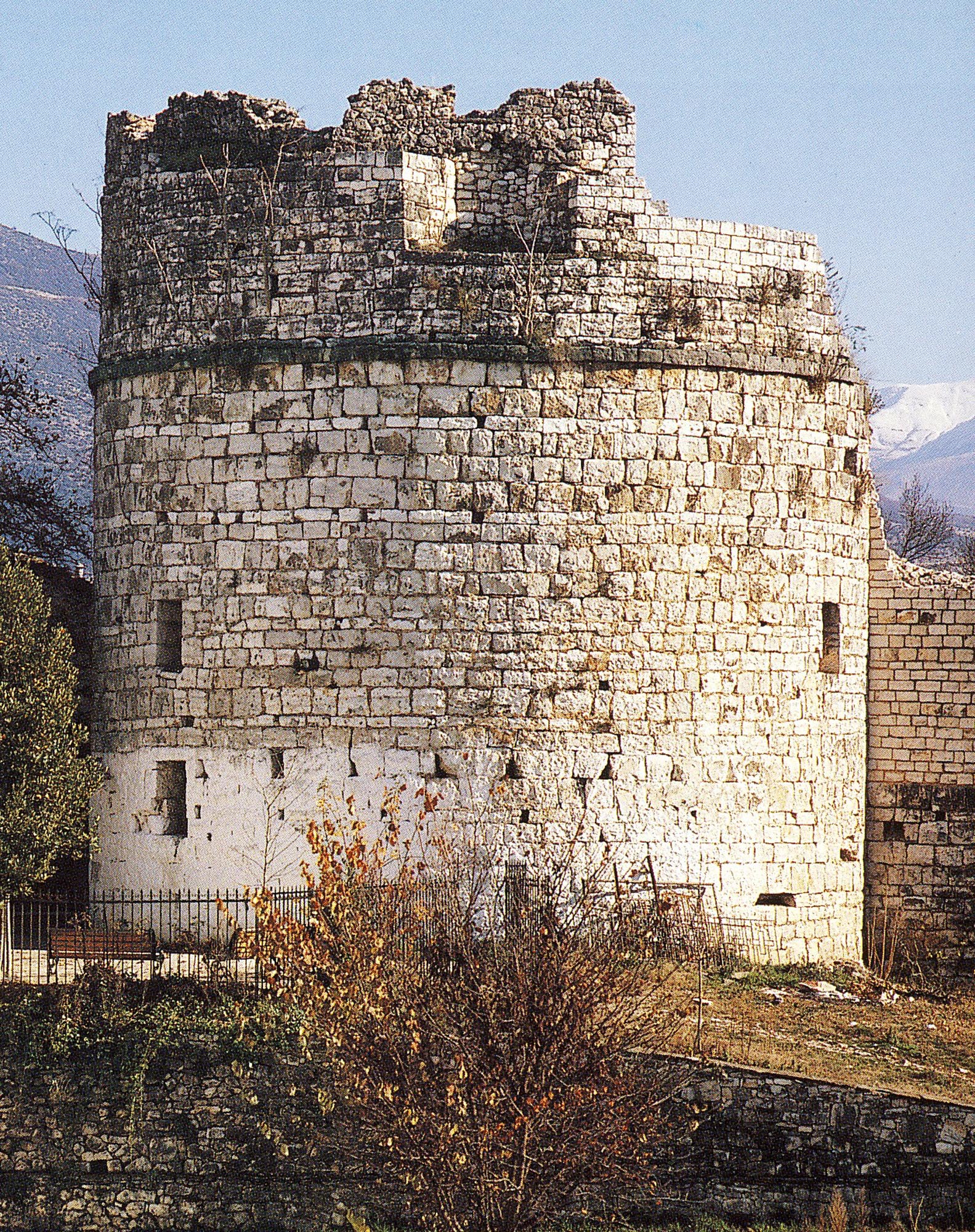
Historical references to Ioannina increase after the end of the 11th century. In 1082 the city was briefly occupied by Bohemund, the son of the Norman leader Robert Guiscard. According to the account of Anna Komnene, the Normans significantly reinforced the existing fortifications of the Castle and built a second fortified citadel or keep, judging the existing one inadequate. According to the most widely accepted view, this is the citadel on the southeast height of the Castle, known as Its Kale, where “Bohemund’s Tower” is preserved. In the 12th century, the city’s importance as the administrative and military centre of the region increased, as it is referred to as the seat of a theme.
After the Sack of Constantinople (1204) and its occupation by the Franks of the Fourth Crusade, Michael I Komnenos Doukas, a relative of the Byzantine imperial family, founded the independent state of the Despotate of Epirus. According to the sources, Michael I reinforced the fortifications of Ioannina, the second most important city of the Despotate after its capital Arta. He settled prominent Byzantine noble families of Constantinople in Ioannina, such as the Philanthropenoi and the Strategopouloi, who formed a powerful local aristocracy and are known today from the monasteries they founded on the Island of the Lake of Ioannina. In 1318, the Despotate of Epirus was taken over by Nicholas Orsini.
In the mid-14th century (1348), the Serbian ruler Simeon Uroš Palaiologos extended his rule over the whole of Epirus, while in 1367 the rule of Ioannina was assumed by the Serb Thomas Preljubović. The “Tower of Thomas” in the west part of the castle is probably associated with the Serbian ruler, who, according to historical sources, strengthened the city walls. He and his wife, the “Byzantine lady” Maria Angelina Doukaina Palaiologina, became great patrons, endowing the monastic foundations of the region with generous donations and offerings.
After Preljubović’s assassination in 1384, the Florentine Esaù de’Buondelmonti became the ruler of Ioannina. He was succeeded by his nephew Carlo I Tocco, who in 1416 managed to extend his rule over the whole of Epirus. Under Carlo I, Ioannina flourished, “the most beautiful and strongest city of all”, according to the Chronicle of the Tocco, the famous 14th-century verse narrative.
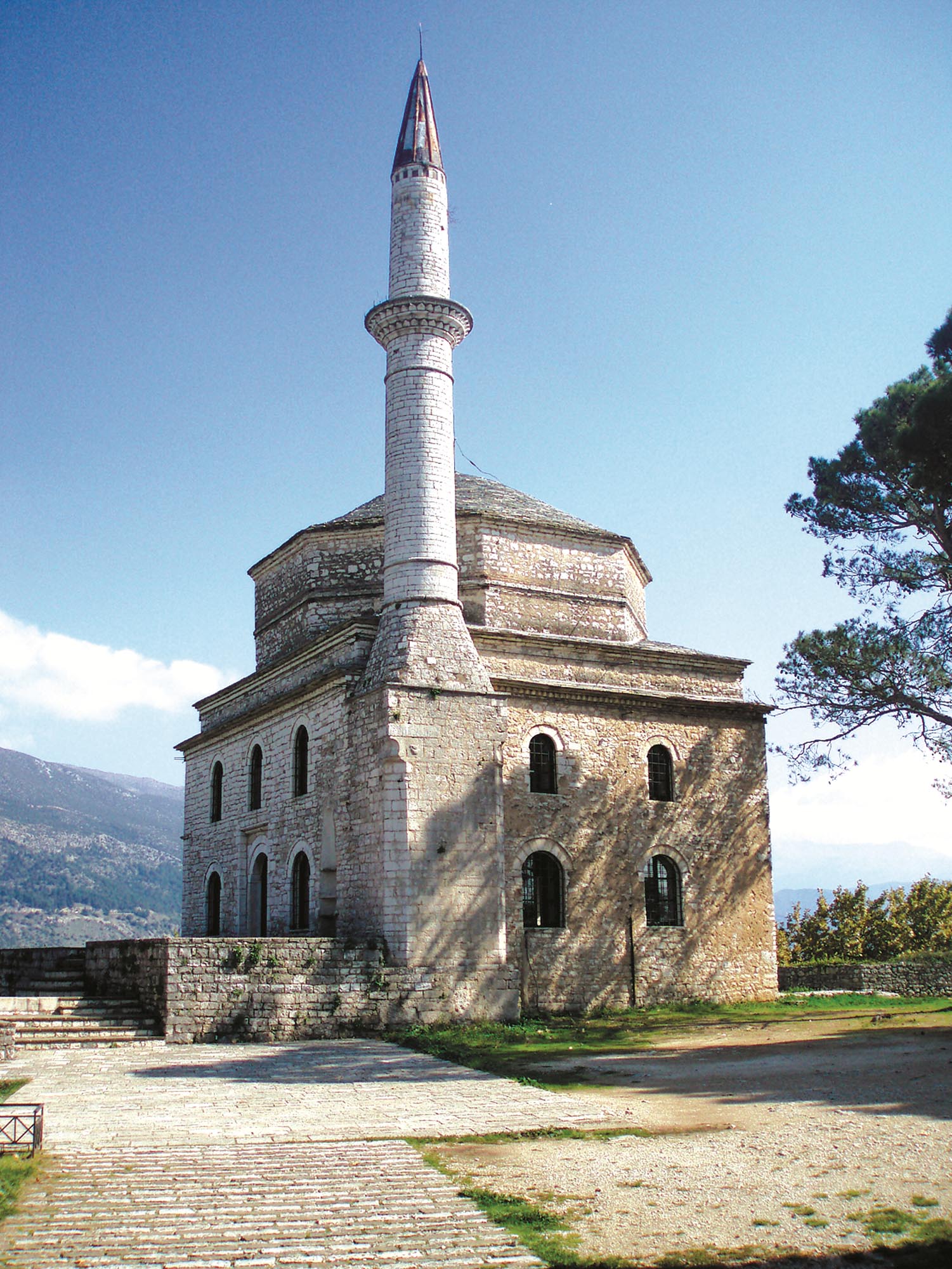
In 1430 Ioannina was besieged for many months by the troops of Sinan Pasha, the Beylerbey (governor) of Rumelia. The rulers of the city and the archbishop eventually decided to surrender to the Ottomans, securing a series of privileges enshrined in the “Decree of Sinan Pasha”, the only surviving document today recording the terms of surrender of a city. Ioannina became the seat of the Sancak of Ioannina, which, after the fall of Arta in 1449, extended over most of present-day Epirus. Up to the beginning of the 17th century most of the city’s inhabitants were Christian. Christians continued to reside in the Castle, within which the conquerors had agreed not to erect any mosques or convert a Christian church into one. Meanwhile, the city began to expand outside the Castle and its population increased significantly. In the 16th century the city had around 7,000 inhabitants. An important section of the population was the Jewish community, which had flourished since Byzantine times and was reinforced in the 16th century by the settlement of Sephardic Jews from Iberia. The 16th century was the heyday of monasticism in Ioannina: the Island in the Lake of Ioannina became a great monastic centre and the city was referred to in the sources as “monachopolis” due to the large number of monks living there. Up to the 16th century, only a few Muslim buildings were erected by the conquerors, all outside the Castle: the Hünkar or Bayrakli or Bazaar Mosque in the centre of the market, three mescits (mosques without minarets), two tekkes (dervish houses) and a hammam. Only one mescit is believed to have been built inside the Castle; some researchers identify this as the Fethiye Mosque, due to its name (Mosque of the Conquest). Of these early Muslim monuments, only one wall of the “Tekke of Gazi Evrenos” in Mavili Square survives. The Bazaar Mosque and one of the three mescits were demolished in the early 1930s.
In 1611 the rising of St Dionysios Philosophos or Skylosophos, Bishop of Tricca and Stagoi, broke out in Ioannina. Immediately suppressed by the Ottomans, it was a turning point in the city’s history. The Ottoman reprisals were particularly harsh and the Christians were expelled from the Castle. The “Ottomanisation” of the Castle followed, with the construction of Muslim mosques in place of Christian churches. The first mosque in the Castle, that of Aslan Pasha, was built, together with other charitable foundations, on the site of the Monastery of St John the Baptist in the northeast citadel of the Castle in 1617/8, just a few years after the rising of St Dionysius. Other Muslim buildings were constructed both inside and outside the Castle, transforming Ioannina into a typical Ottoman city.
The 17th century was a period of general reorganisation of Ioannina. The city flourished, becoming one of the most important economic centres of the Empire. The Ottoman traveller Evliya Çelebi provides an informative description of the city in the late 1670s. He states that only Muslims lived in the Castle, which was divided into four districts, while in the rest of the city there were 18 Muslim, 14 Christian, four Jewish and one Roma district. Çelebi paints a picture of prosperity and busy commercial activity in the city, which had 1,900 shops, and describes its splendid buildings and houses, dwelling particularly on three sarays, large mansions of Ottoman officials. He tells us that Ioannina had a great many mosques, seven inside the Castle and 37 outside it. During the same period, the Christian population, having recovered from the harsh Ottoman measures after the 1611 rising, played an active role in the economic and intellectual life of the city. With the work of important scholars, the publication and circulation of Greek books by the Greek printing houses of Venice, many of them founded by merchants from Ioannina, and the establishment of the first two major Greek schools in the city, also by merchants active in Venice – the Epiphaneios School of Epiphanios Igoumenos (1648) and the Great or First School of Emmanuel Gioumas (1677) – a great intellectual flowering was seen in Ioannina. This continued in the following centuries and has been described as the “Ioannina Enlightenment” or “Ioannina Renaissance”.
The city’s economic growth continued into the 18th century, with merchants, craftsmen and various other professionals organised in guilds, the famous esnafia (isnafia) or roufetia, which played a decisive part in the city’s affairs. The mercers (tzartzides or tsartzides), furriers, tanners (tabakoi or tabakides), goldsmiths (chrysikoi), tailors (syrmakesides) and cordwainers (papoutzides) were just some of the largest and oldest guilds in the city. The artisanal products of Ioannina travelled as far afield as Constantinople/Istanbul and the cities of the Balkans, Western Europe, Russia and Egypt. The French consul at Arta, Benoît Garnier (1702-1703), wrote at the beginning of the century that the city of Ioannina was as big as Marseille.
At the turn of the 19th century, the history and appearance of Ioannina were marked by Ali Pasha from Tepelenë in Southern Albania, who was to remain the head of the Pashalik of Yanina for almost 33 years (1788-1820/2). Managing to win a significant amount of autonomy from the central authority of the Sultan, he became one of the most important local rulers of the Ottoman Empire, significantly extending his rule not only over the rest of Epirus and Southern Albania, but also over a large part of Greece. In the time of Ali Pasha, Ioannina opened up to Europe with the establishment of consulates and a significant increase in trade. The city experienced a demographic boom, reaching a population of 20,000 or, according to some travellers, 30,000. Ali Pasha implemented a grandiose building programme, constructing many fortifications throughout his territory and employing a host of engineers: Italians, Englishmen, Frenchmen, Germans, “Franks” of indeterminate nationality and Greeks. In Ioannina itself he proceeded to radically rebuild the fortifications of the Castle and constructed a large number of secular and religious buildings, including three palaces: one at Its Kale, one on the hill of Litharitsia, and a country palace in the north of the city overlooking the lake. In August 1820, Ali Pasha clashed with the Sublime Porte, and the Sultan’s troops laid siege to Ioannina. The siege lasted for a year and a half, until early 1822, with disastrous consequences for the city.
After the death of Ali Pasha, efforts were made to reorganise the city. Under the administrative reforms of the Ottoman Empire (Tanzimat), in 1864 Ioannina was designated the seat of the newly established Eyâlet of Yanina (administrative division), which expanded to include the neighbouring Pashalik of Trikala in 1867. Major modernisation works were carried out in the city. In the 19th century, Greek educational institutions such as the Kaplaneios School (1805) and the Zosimaia School (1828) continued to be established with donations from local benefactors.
Ioannina was incorporated into the Greek State on 21 February 1913, when the Ottoman forces surrendered to the Greek Army after months of fighting. Following the Asia Minor Catastrophe (1922), the Muslim families left the city, while large numbers of refugees settled in Ioannina, mainly in the Castle. In 1941, German forces bombed the city, causing huge damage to the walls and buildings of the Castle. An important turning point in the city’s history was the extermination of almost the entire Jewish population by the Germans in 1944.

The Castle
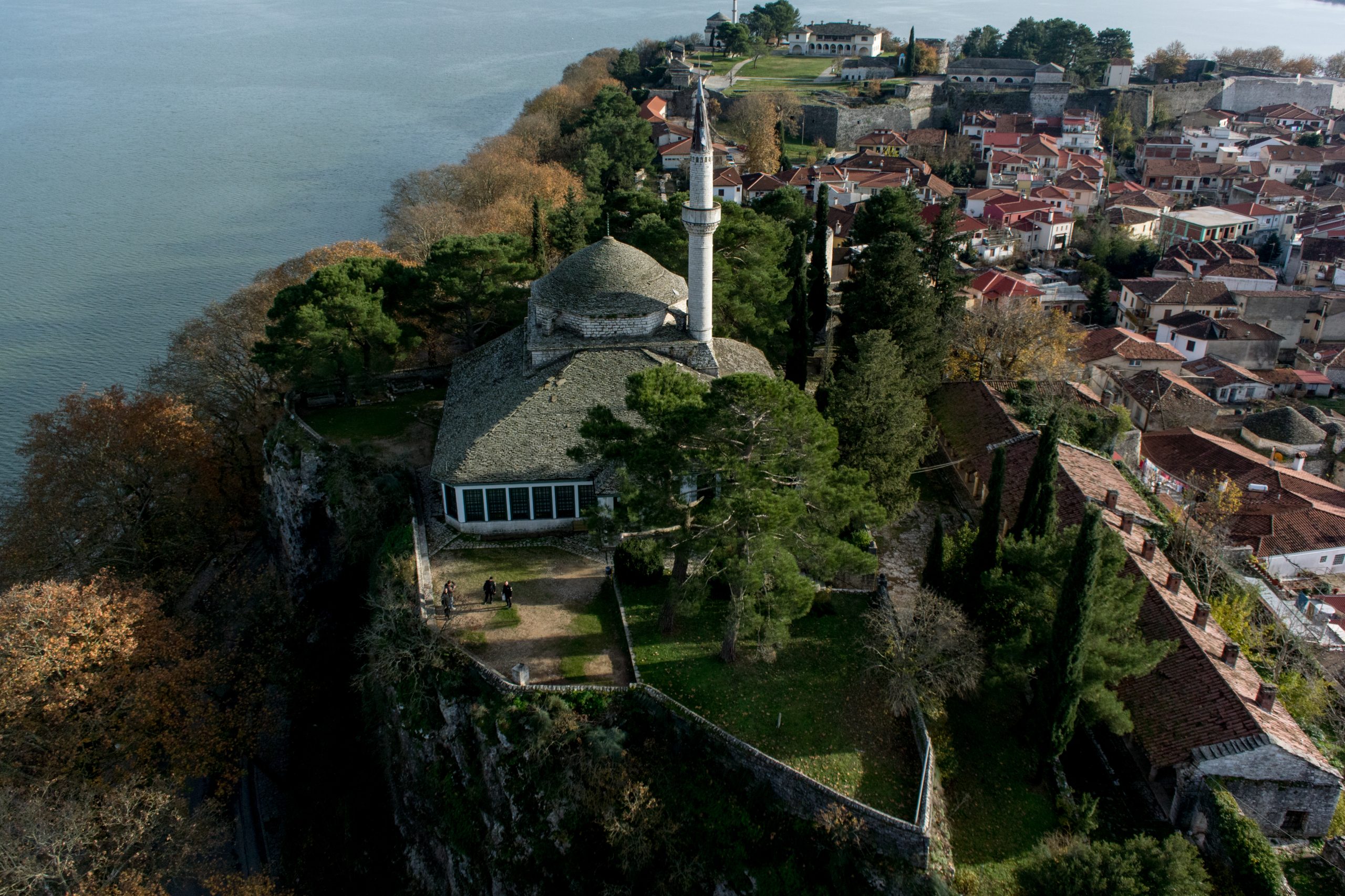
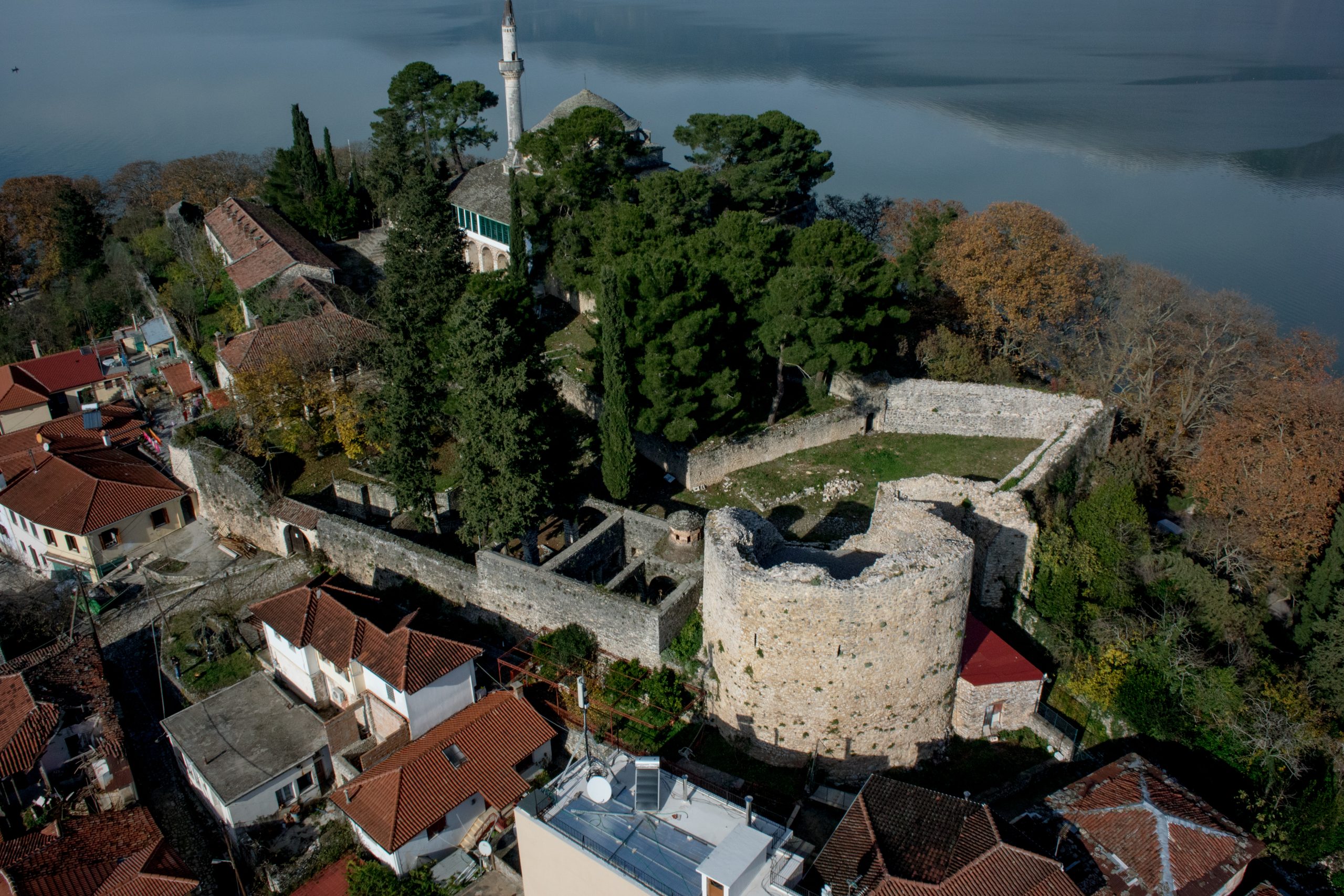
The Castle is the most important monument of Ioannina, its walls and buildings forming a palimpsest of its long history. Built during the Middle Byzantine period on the rocky promontory that juts out from the western shore of the lake, it was the original residential nucleus of the city and was never abandoned, even when the city expanded outside the walls during the Ottoman period. Today’s settlement within the Castle has about 6,000 inhabitants. Up to the middle of the 20th century it remained almost unchanged from the Ottoman period. Today it is a listed traditional settlement, along with much of the historical centre of Ioannina.
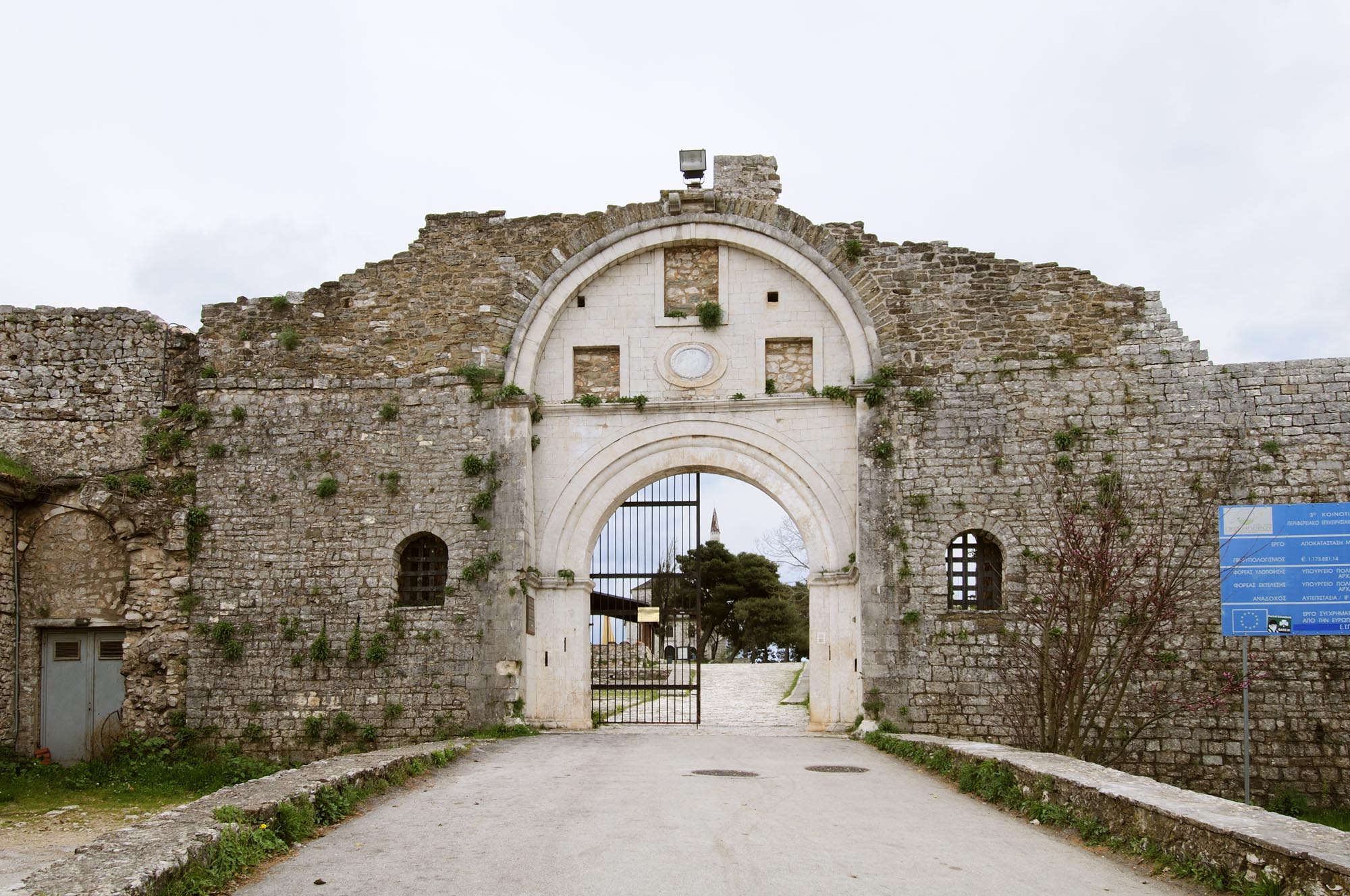
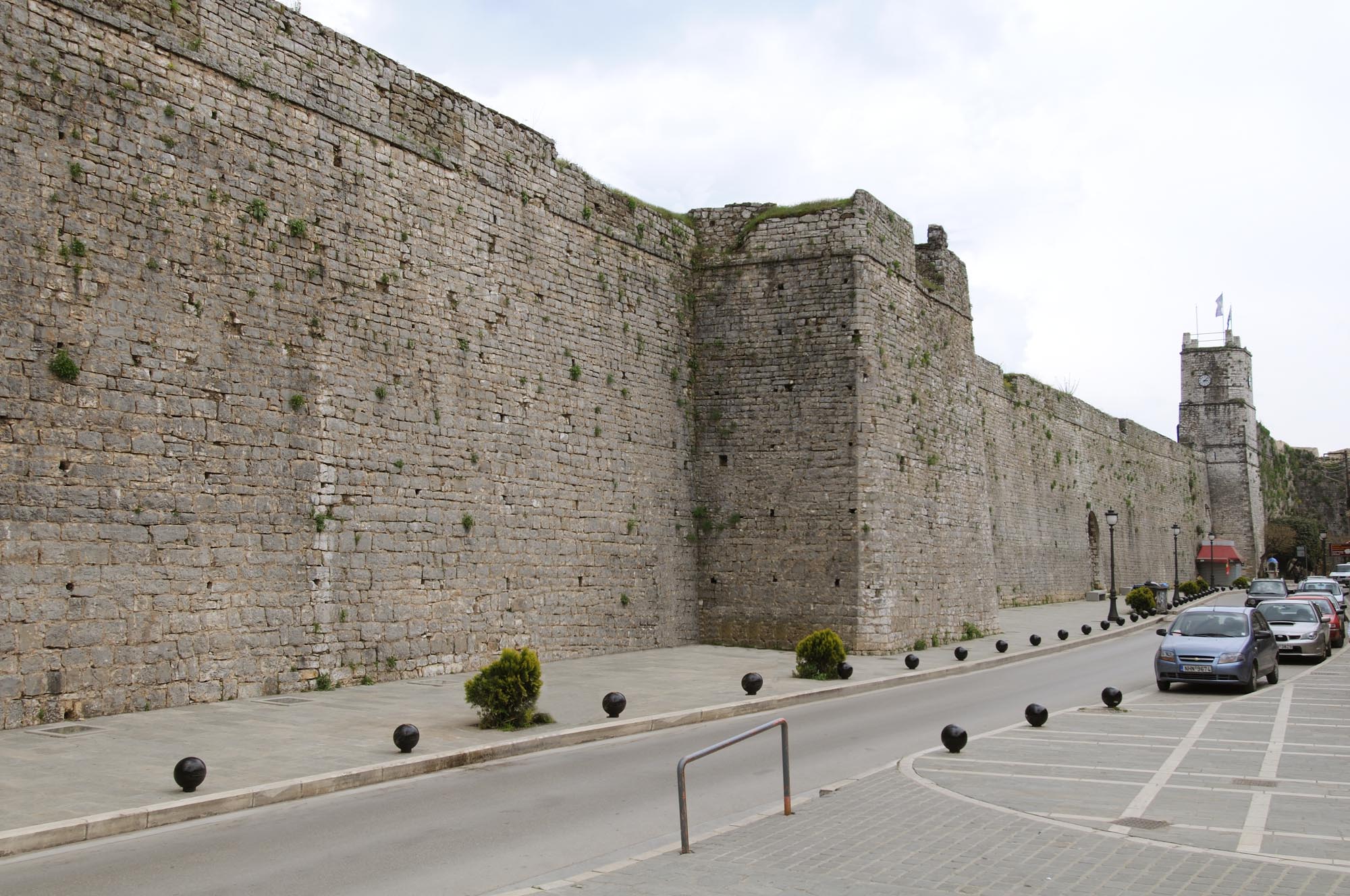
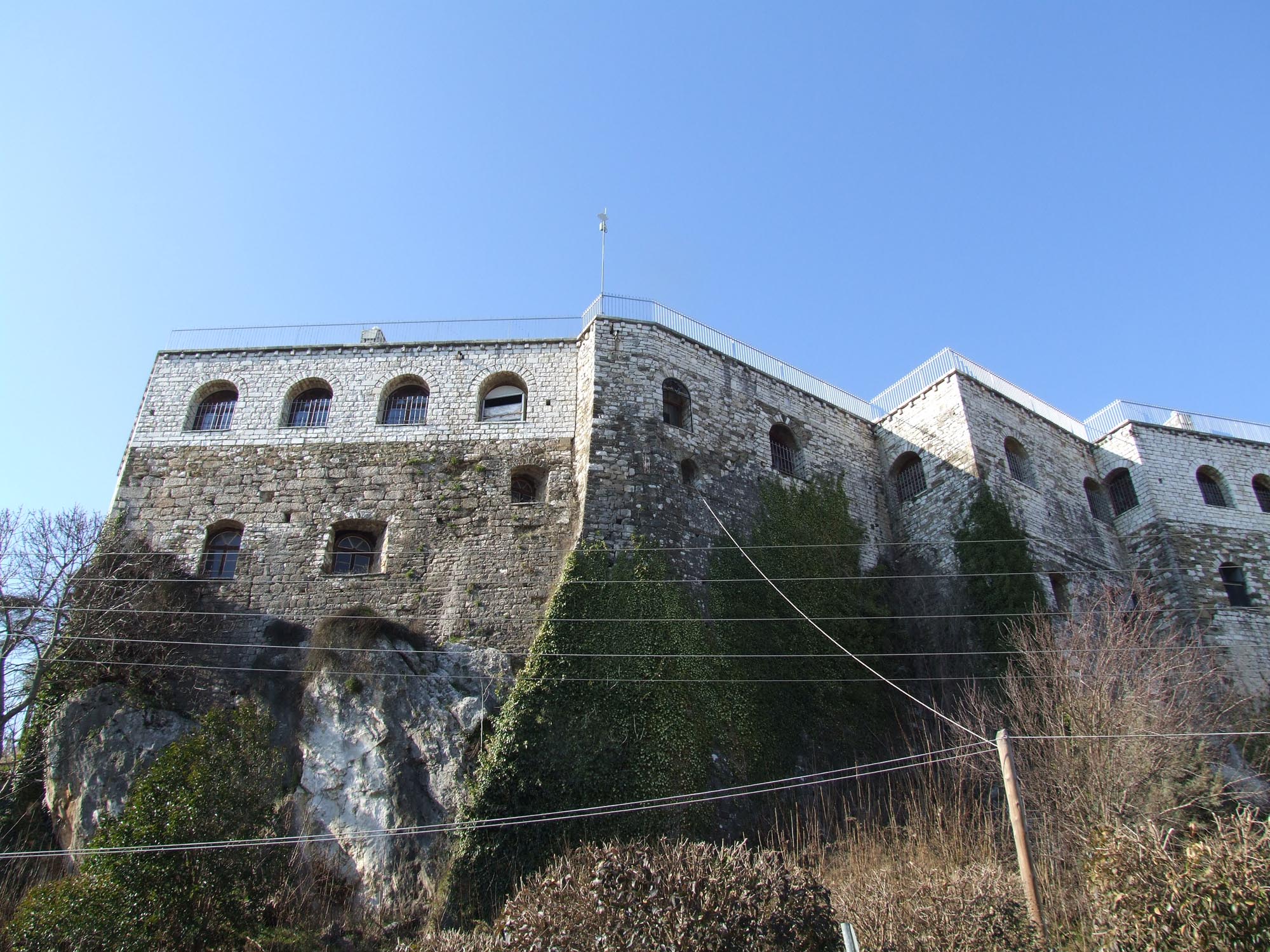
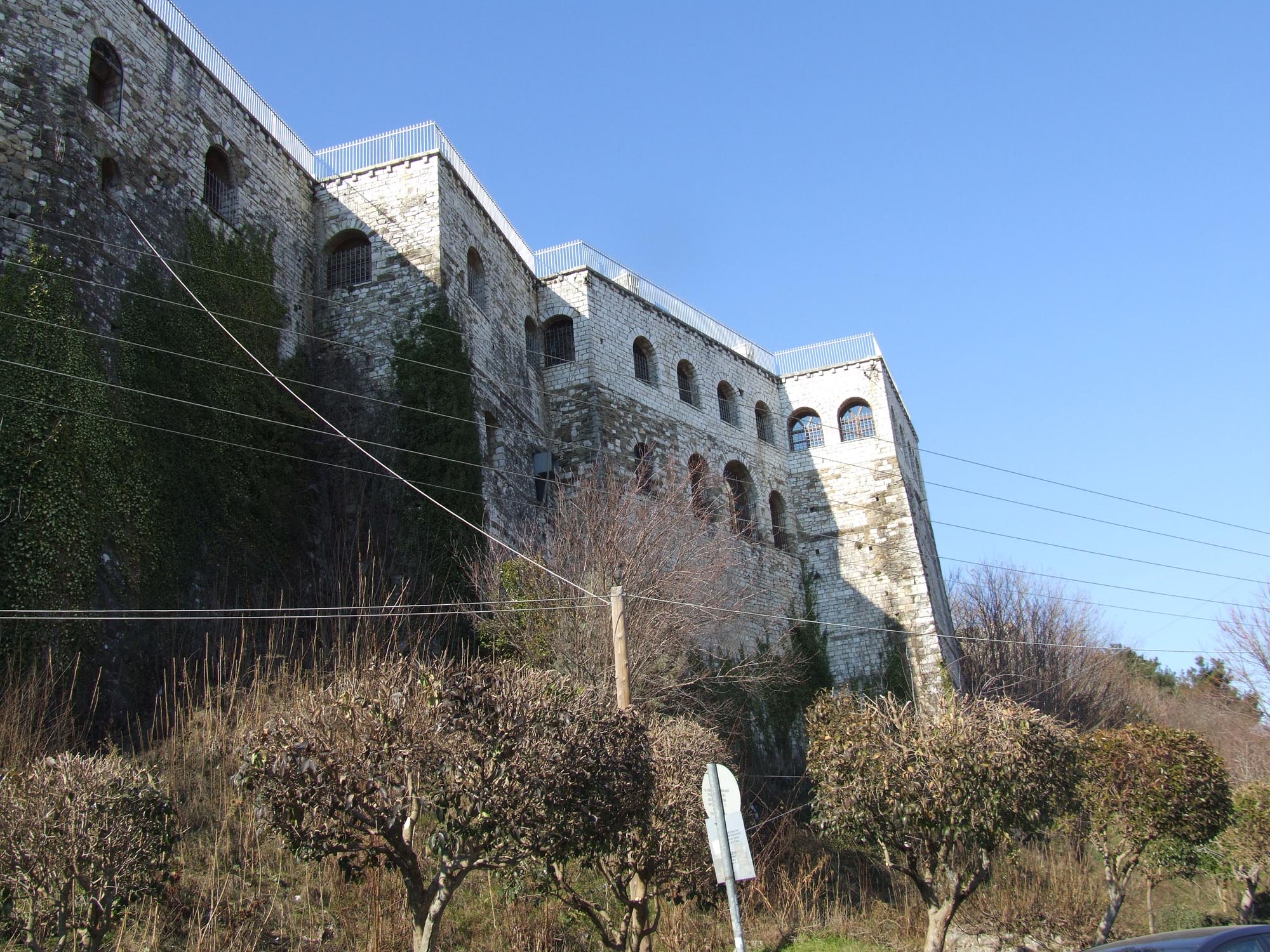
During its long period of use, the Castle underwent extensive repairs and renovations. Its present form is due to Ali Pasha’s expanded building programme, which was probably completed in 1815, according to the date on an inscription now detached from the walls. It has an irregular trapezoidal plan and its imposing walls, up to 13.50 m high and built of large ashlars at the base with smaller blocks in the upper courses, enclose a huge area, following the contours of the hill. The walls are reinforced with strong semicircular and rectangular towers along their entire length, while the southeast side is protected by a strong rampart. The more vulnerable western, landward side of the fortifications is particularly strongly reinforced, with a second wall erected by Ali Pasha along the outer face of the existing one.
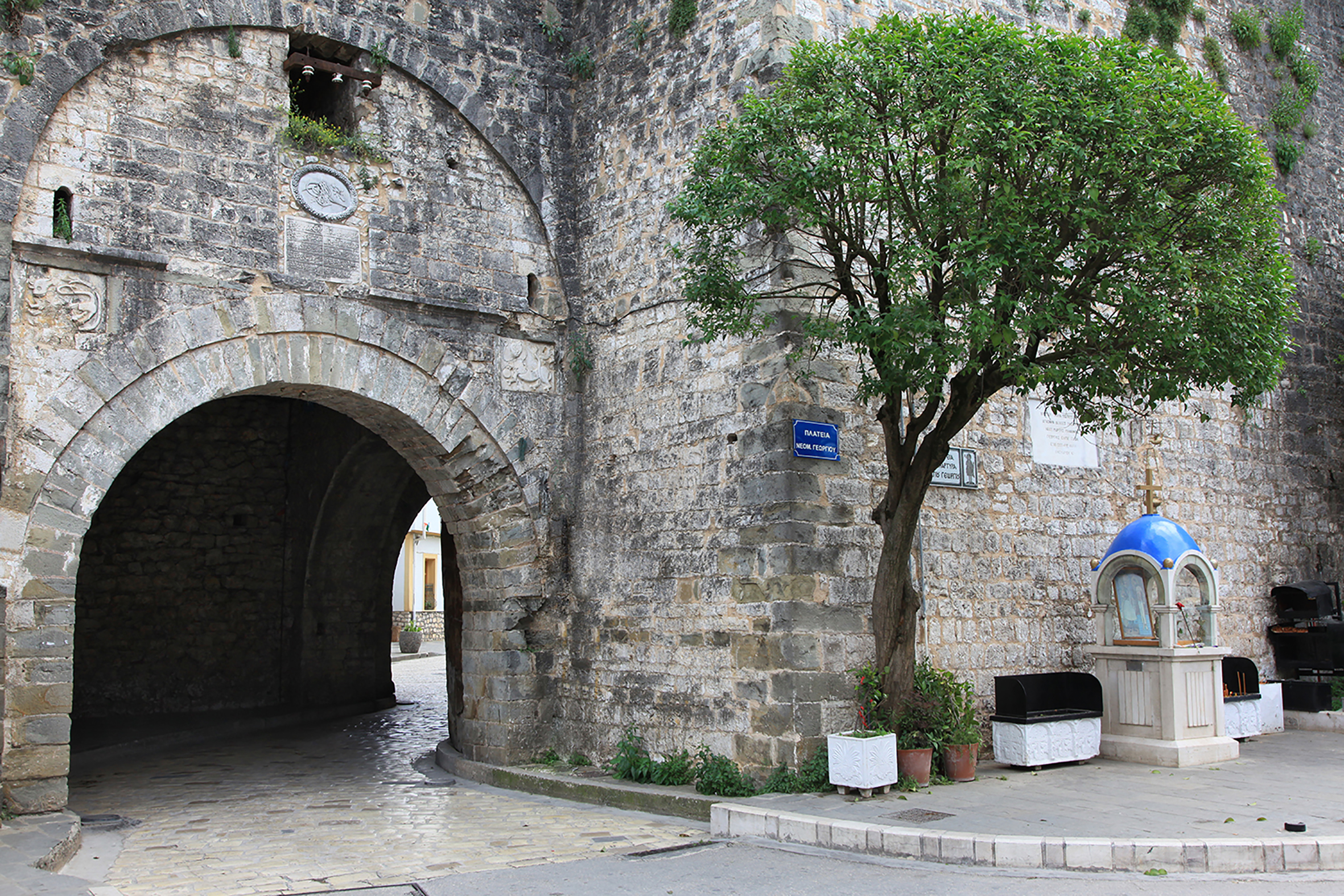
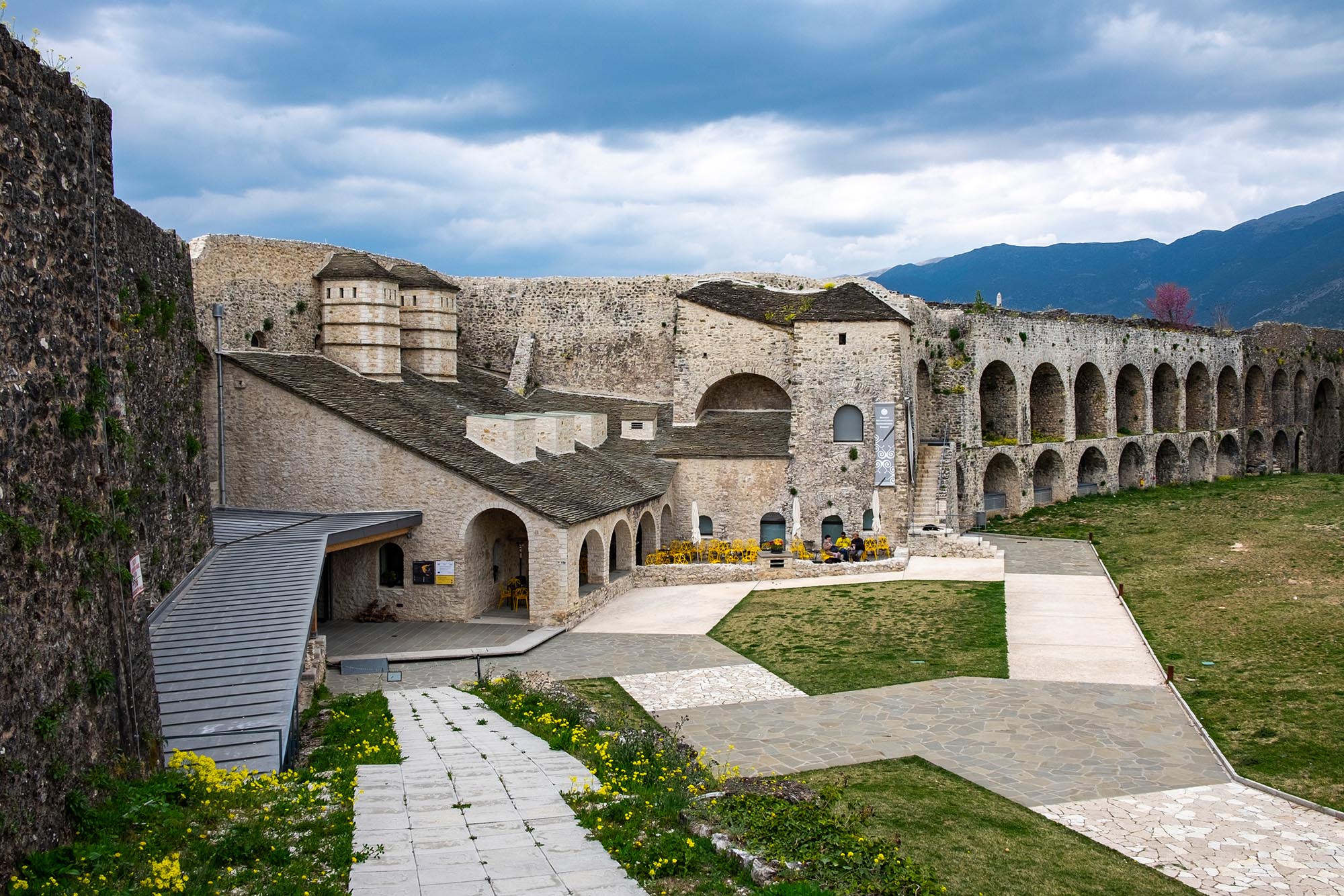
The gap between the two walls was filled with a network of galleries, with an upper wall-walk, over 12 m wide, for soldiers to move along. The west section of the wall is further protected by three strong bastions, the largest of which, the “Skala” (Fishmarket) Bastion in the southwest corner, is 12 m high, with a surface area of 235 m2. The second bastion, approximately 40 m wide, protects the imposing main gate of the Castle, in the middle of the west wall. The north end of this bastion terminates in a rectangular clock tower built in 1896. The defences of the west side of the wall were reinforced by a large moat, which, filled with the waters of the lake, turned the Castle into an impregnable island. The moat was filled in at the beginning of the 20th century and the modern Karamanlis and Ethnikis Antistasis Streets created in its place. Besides the main gate, which was closed by a wooden drawbridge over the moat, the castle has three other large gates and six posterns.
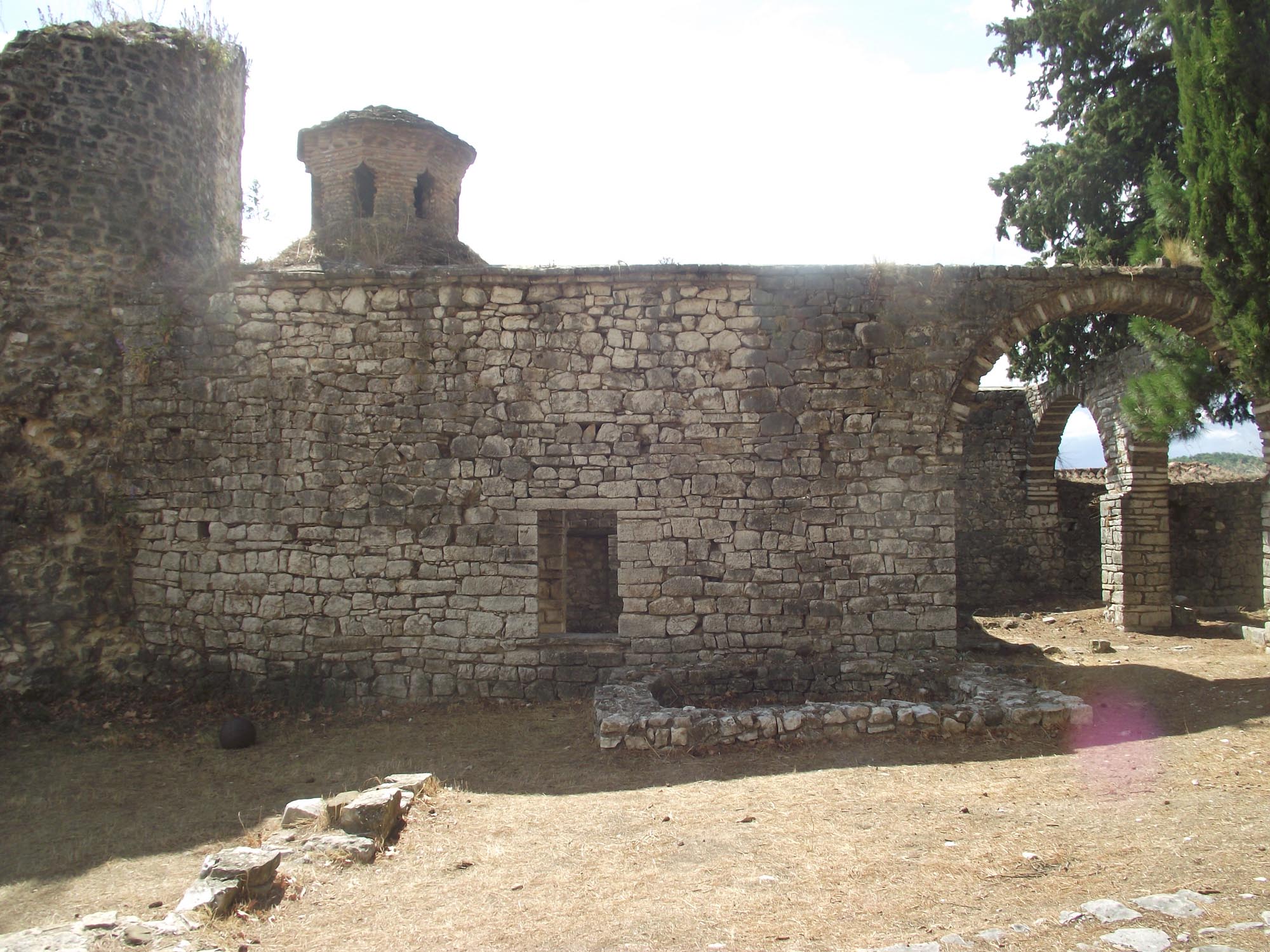
Inside the Castle are two citadels built on the two rocky hills over the lake, one on the northeast and one on the southeast. The northeast citadel, also known as the Citadel of Aslan Pasha, is more strongly fortified but has a limited usable area of just 0.6 hectares. It is identified as the Epano Goulas (Upper Fortress) of the Byzantine sources and is believed to have been the first citadel of the Castle, built as early as the Middle Byzantine period. The southeast citadel, also known as Its Kale (from Turkish iç kale meaning “citadel”), which is larger, covering an area of 3.64 hectares, was probably built by the Normans in 1082. Under Ali Pasha it took the form of a self-contained keep, protected by four strong bastions of different shapes. Ali Pasha built his famous saray here, a luxurious multi-storey palace which burned down in 1870. We know what it looked like from travellers’ descriptions and engravings, while its remains have been uncovered by excavations.
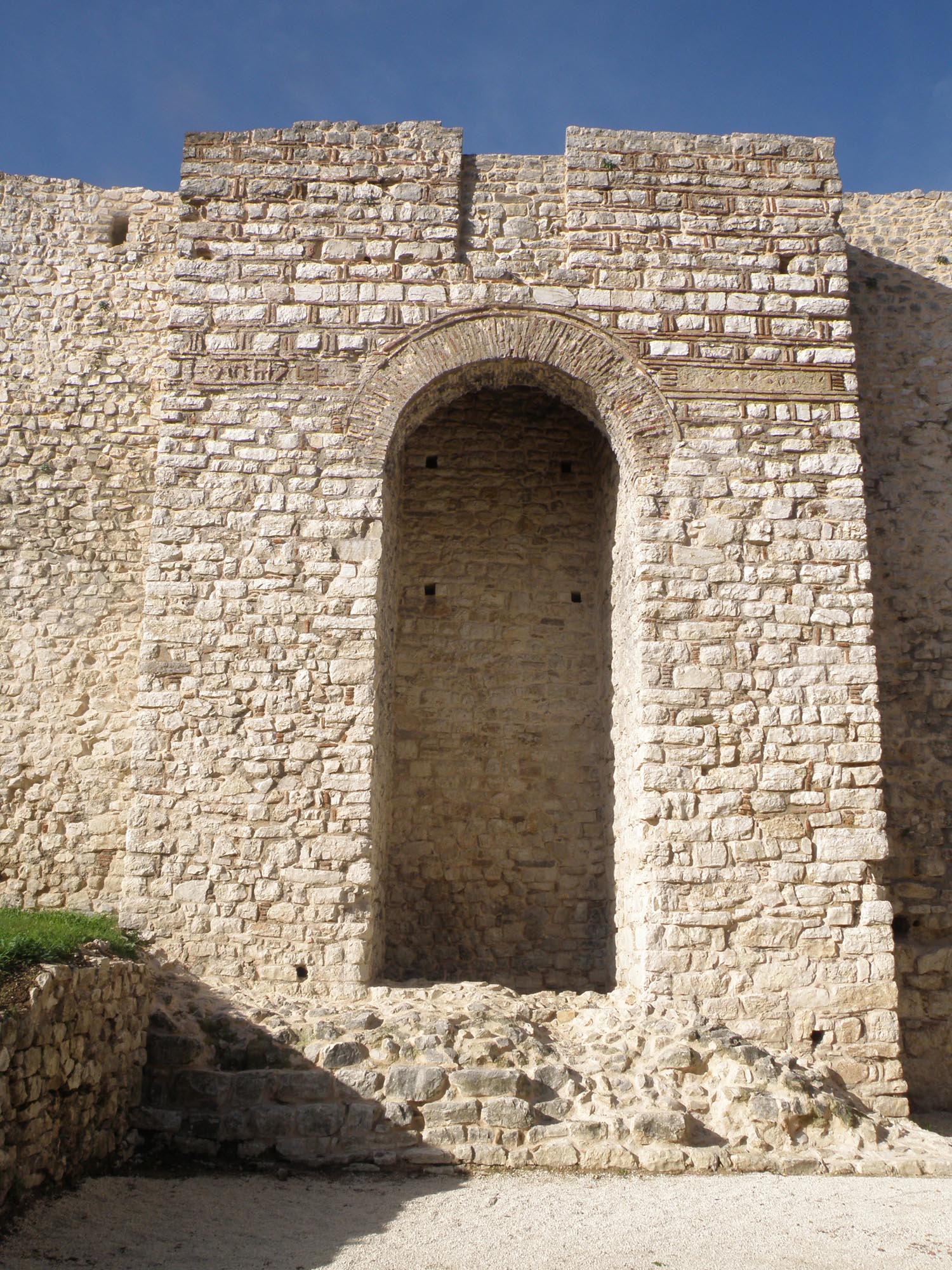
The fortifications of Ali Pasha generally follow the Byzantine layout, in many places preserving and incorporating the Byzantine walls, in which different building phases can be discerned. Of the Byzantine towers, the best preserved is the impressive circular tower in Its Kale, known as the “Bohemund Tower” because it is believed to have been erected by the Normans in 1082. Near the west gate is the rectangular “Tower of Thomas”; however, some scholars believe that it is not a tower but rather part of the main gate of the original enceinte. On the front of the “tower” is a brick inscription with the name “Thomas”, thought to refer to the Serbian ruler Thomas Preljubović (1367-1384) or, according to some researchers, to Thomas I, the last Komnenodoukas ruler of the Despotate of Epirus (c. 1296/8-1318).
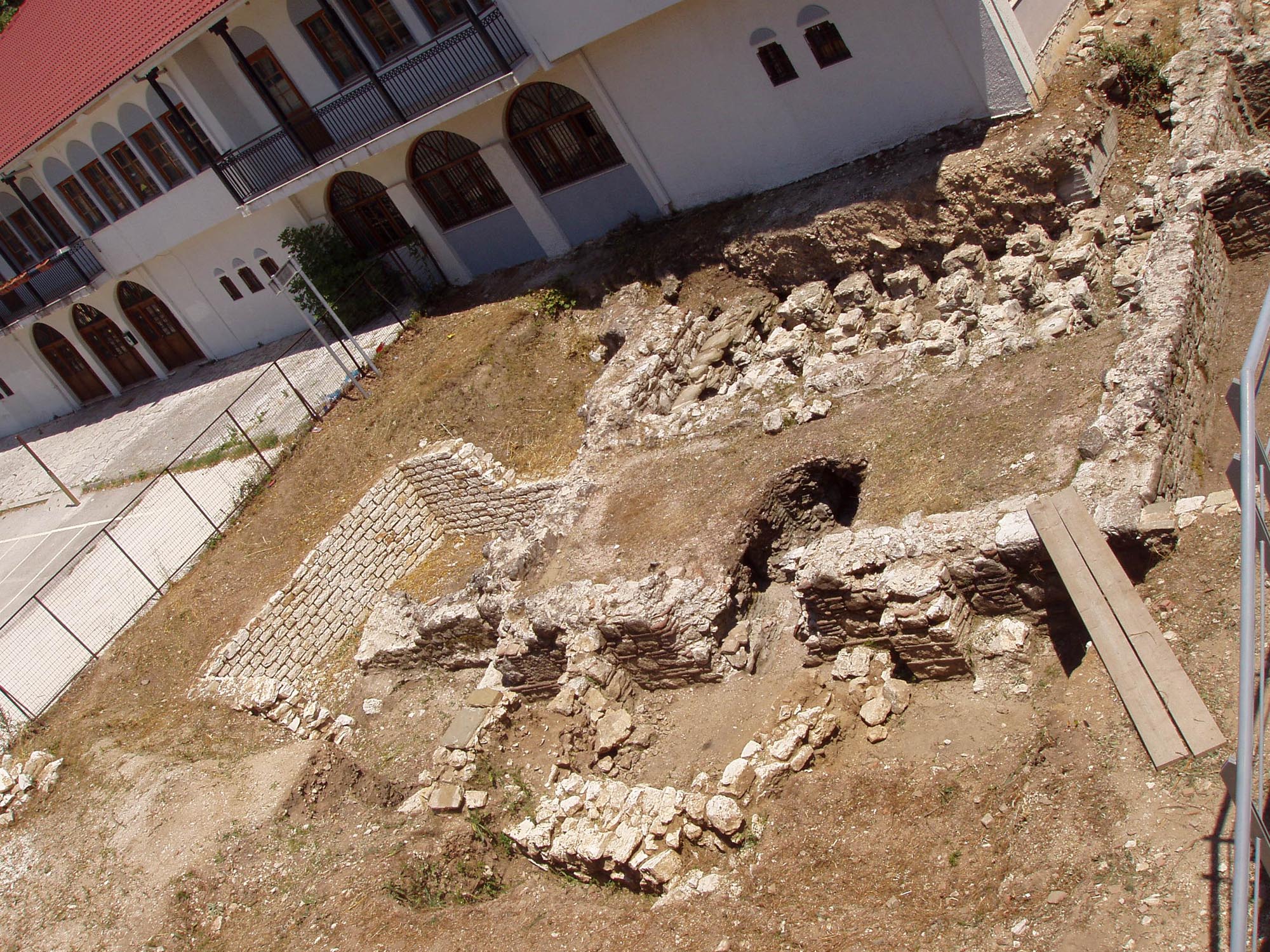
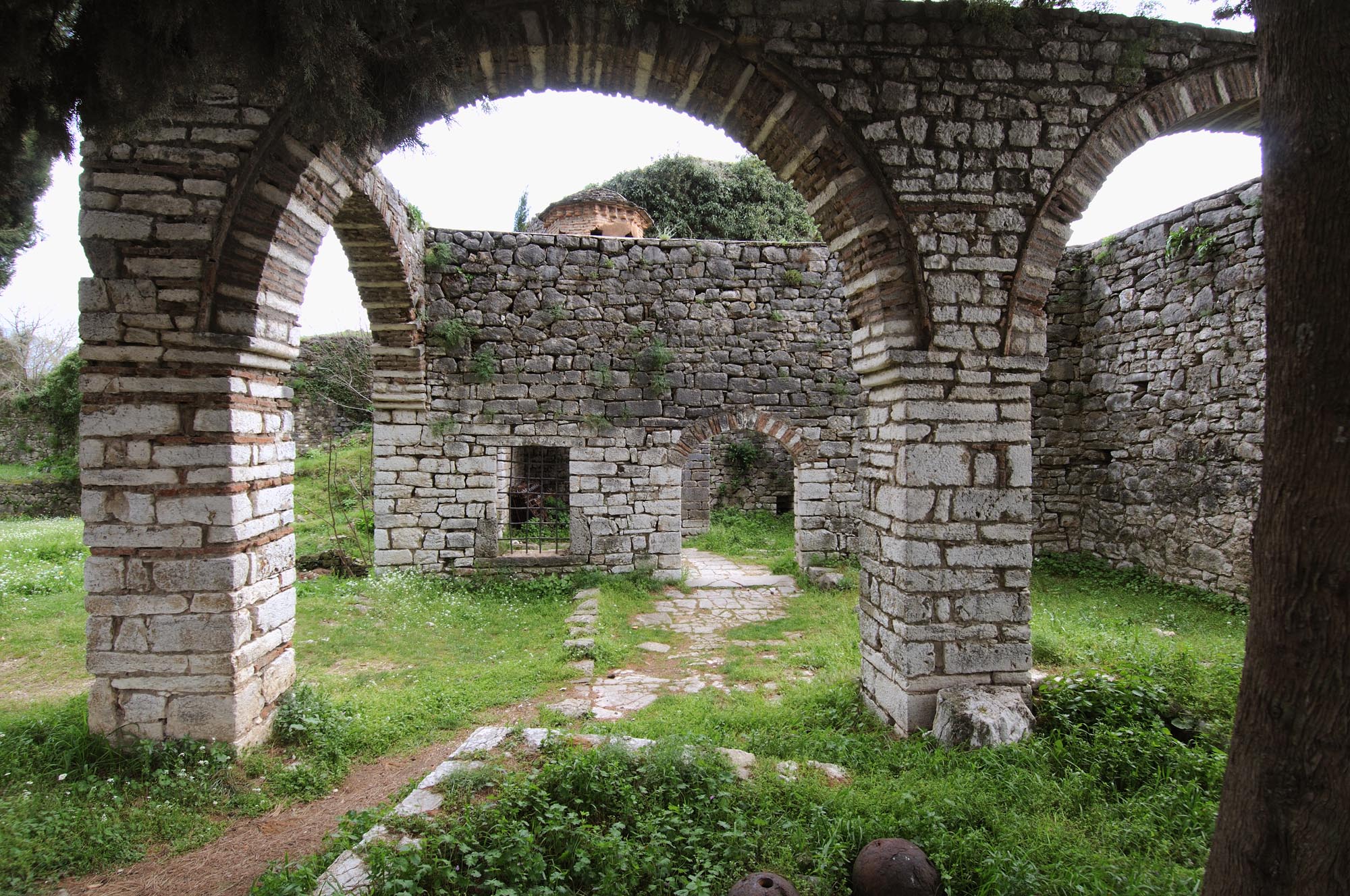
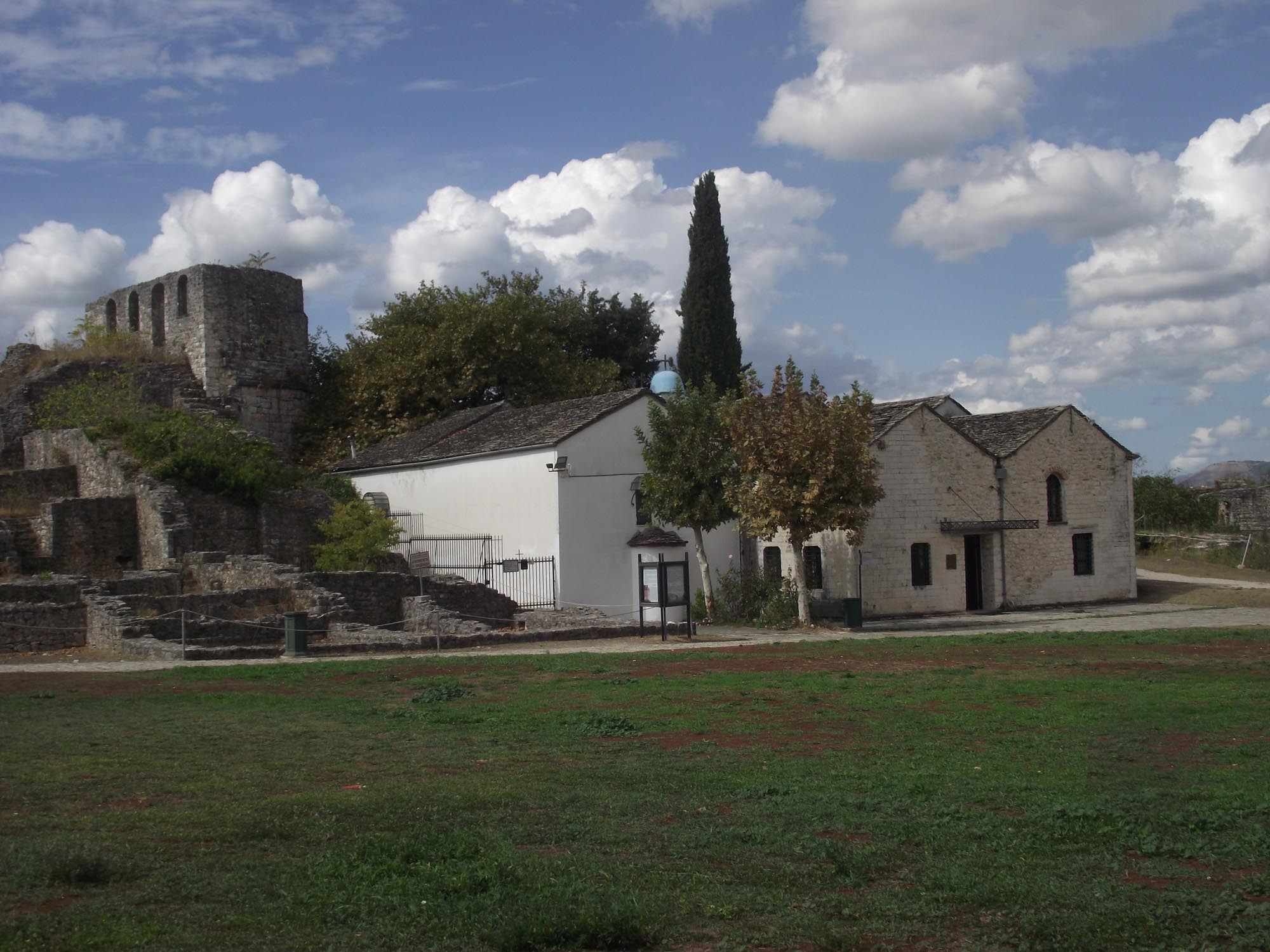
Inside the castle and the two citadels, a remarkable number of monuments, all belonging to the Ottoman period, survive today. According to written sources, there were 21 churches and seven monasteries in the Castle. However, the only Byzantine monument that has come to light within the Castle is the remains of a bathhouse of the first half of the 13th century, in the courtyard of the 9th Primary School, near the gate of the northeast citadel. The monuments of the Castle, most of which have now been restored, house museums or are used for various purposes. The southeast citadel is an archaeological site.
Castle Monuments and Museums – Exhibition spaces
West Wall Galleries – Photograph Exhibition
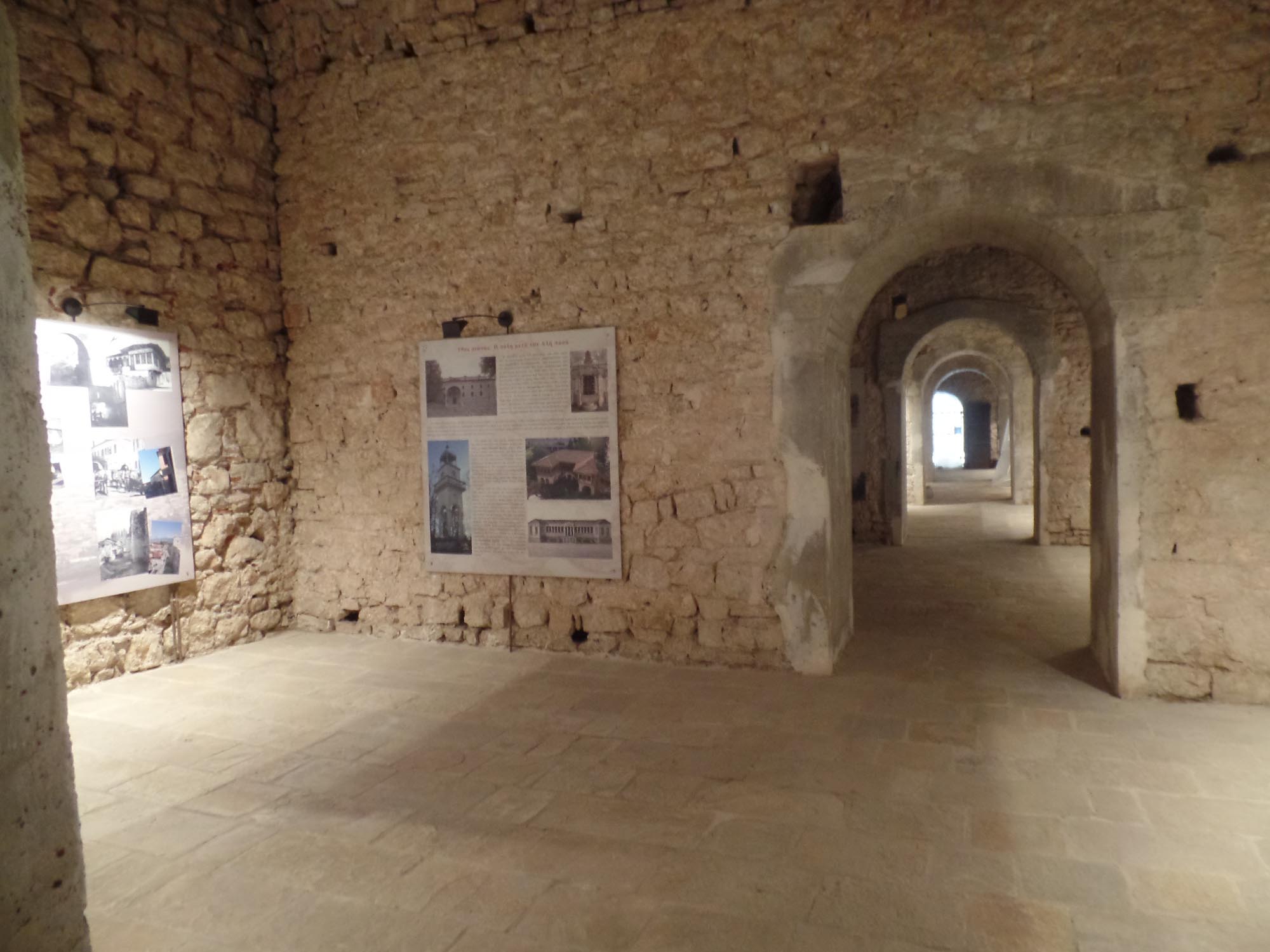
The restored galleries in the thickness of the western section of the fortifications, north of the main gate, house the photograph exhibition “From Byzantine Castle-City to Ottoman Megalopolis”, presenting the history of the city and the Castle.
Jewish Synagogue
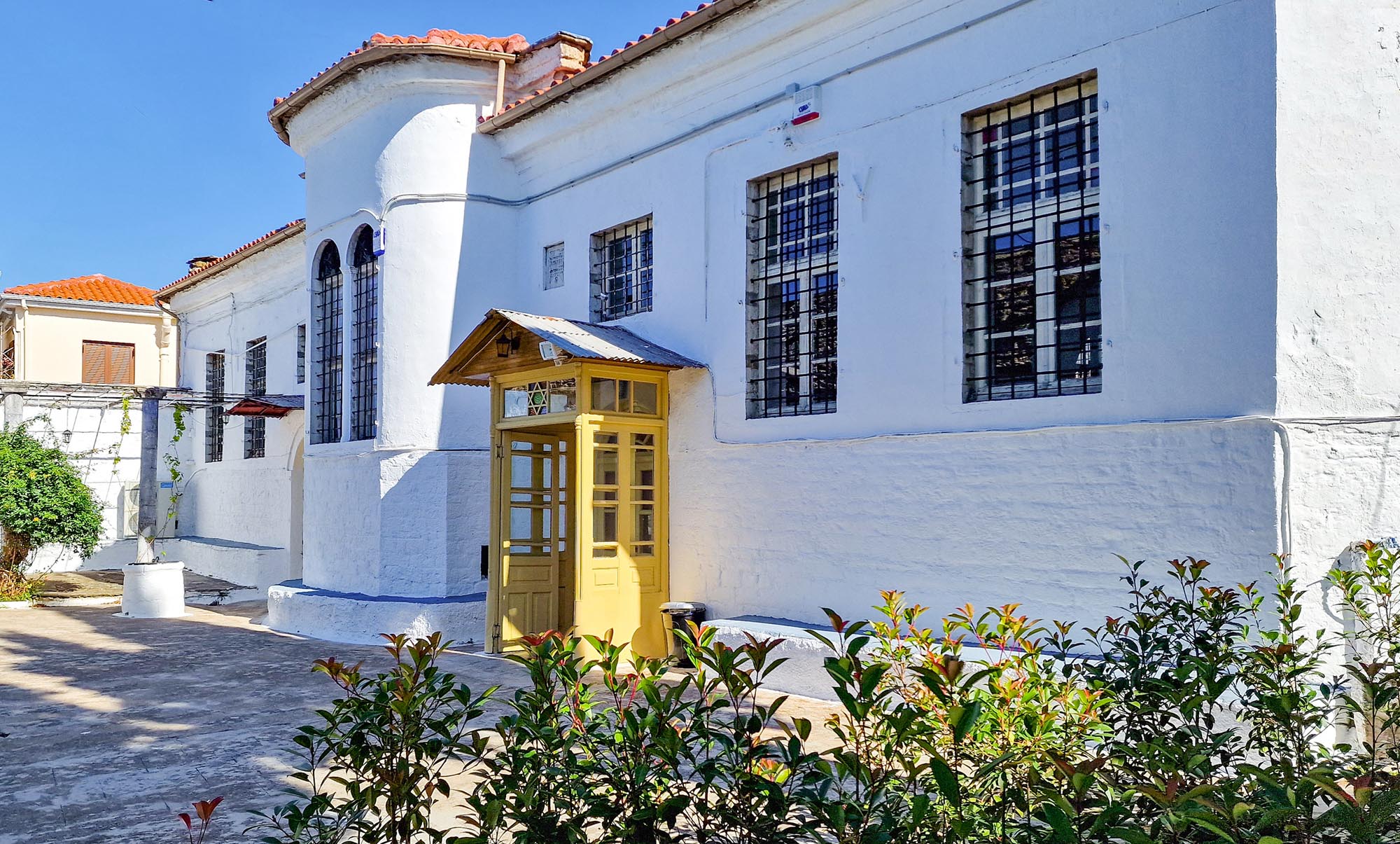
Of the Jewish synagogues that once adorned the city, only the large Kahal Kadosh Yashan Synagogue, also known as the Old or Inner Synagogue, is preserved today near the main gate of the Castle. It underwent various construction phases, the most important being that of 1829.
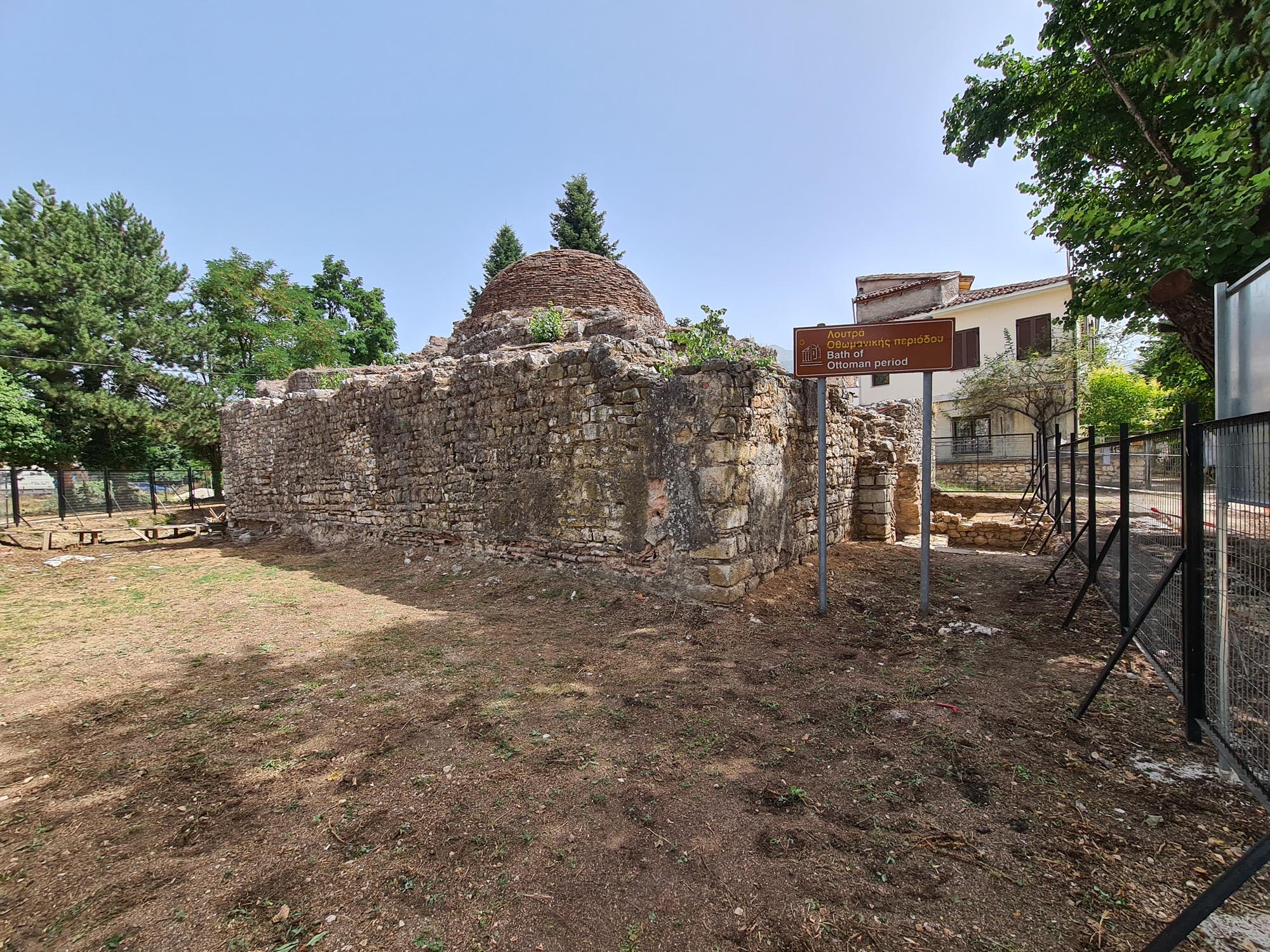
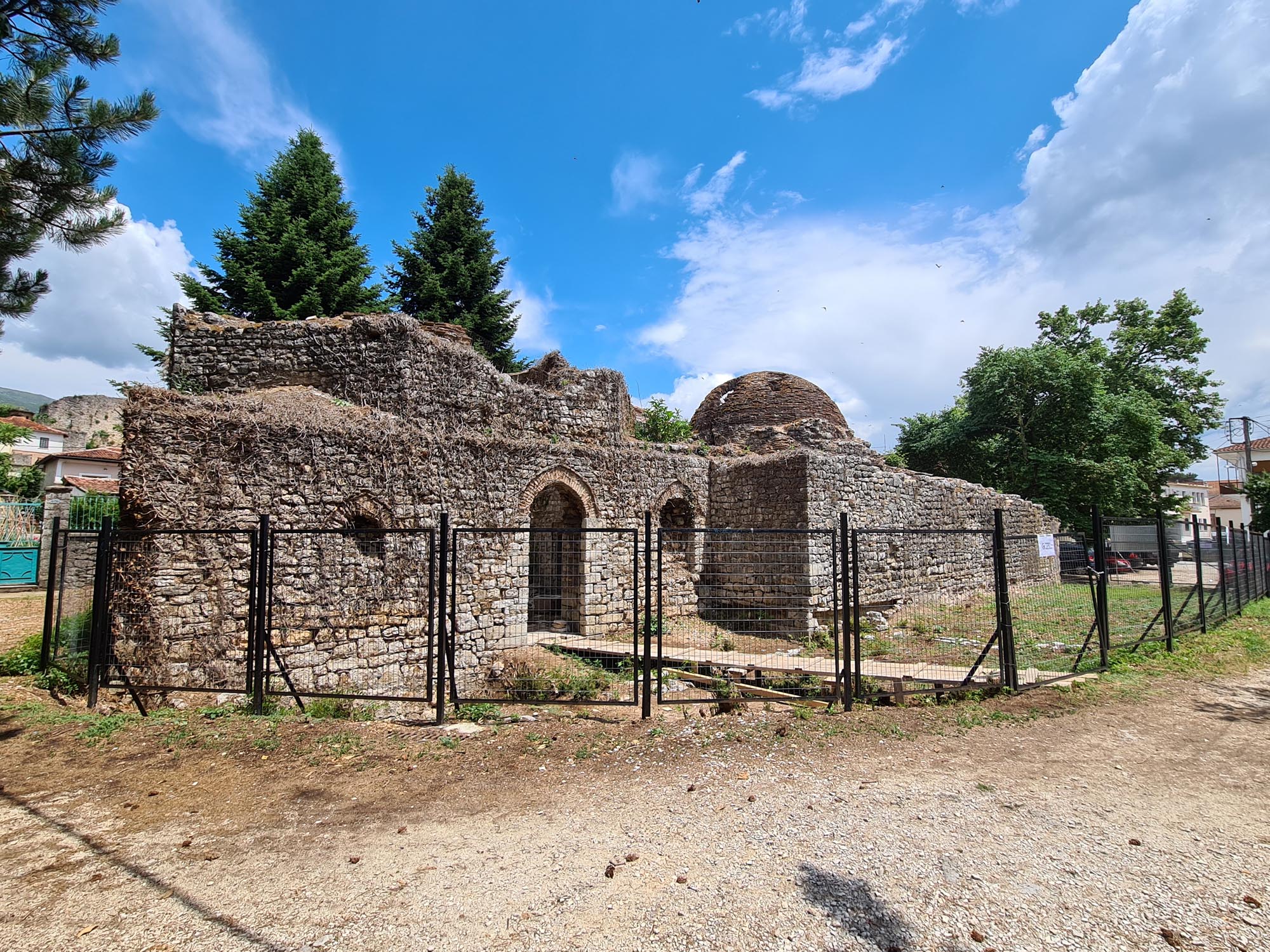
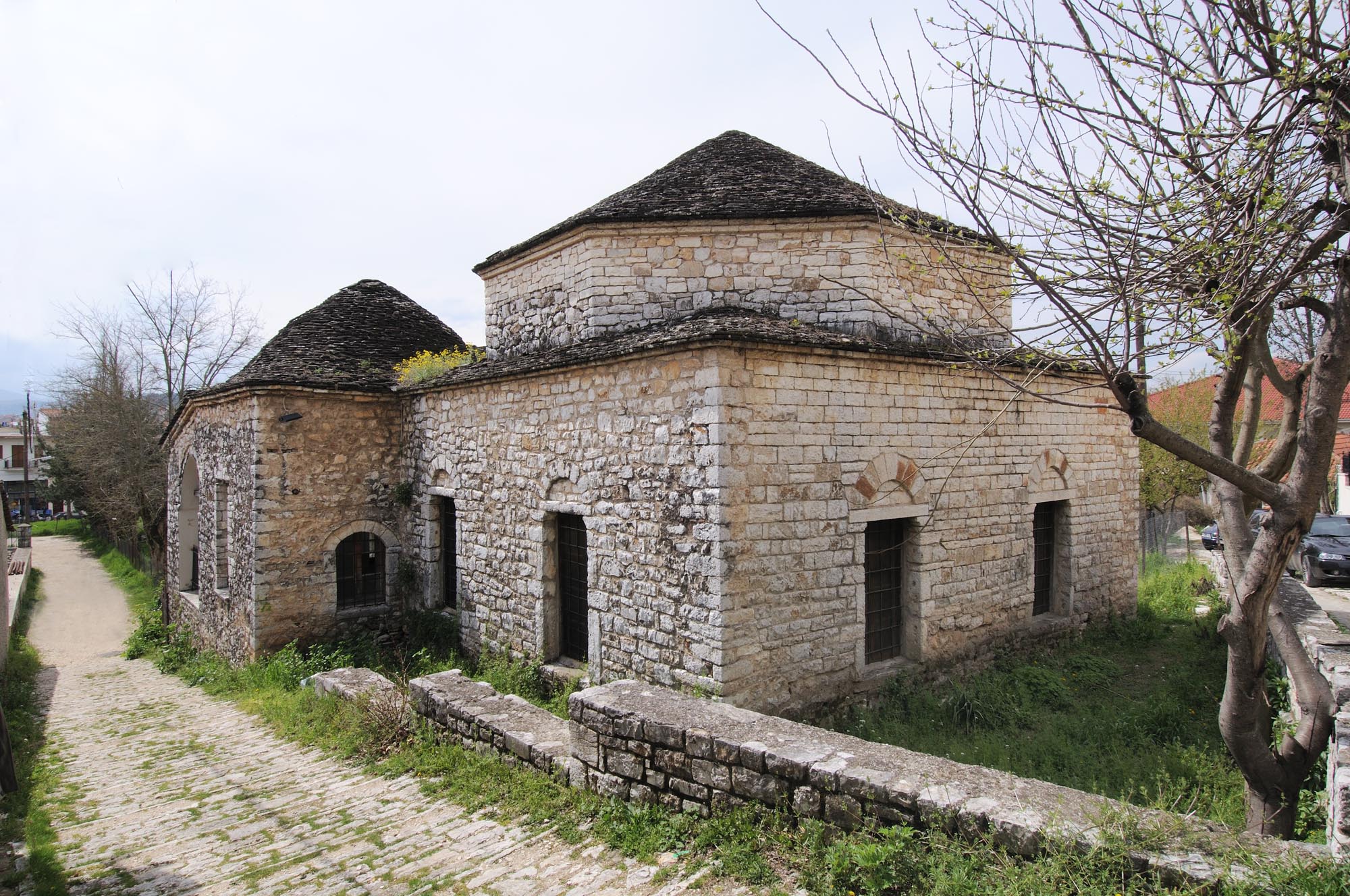
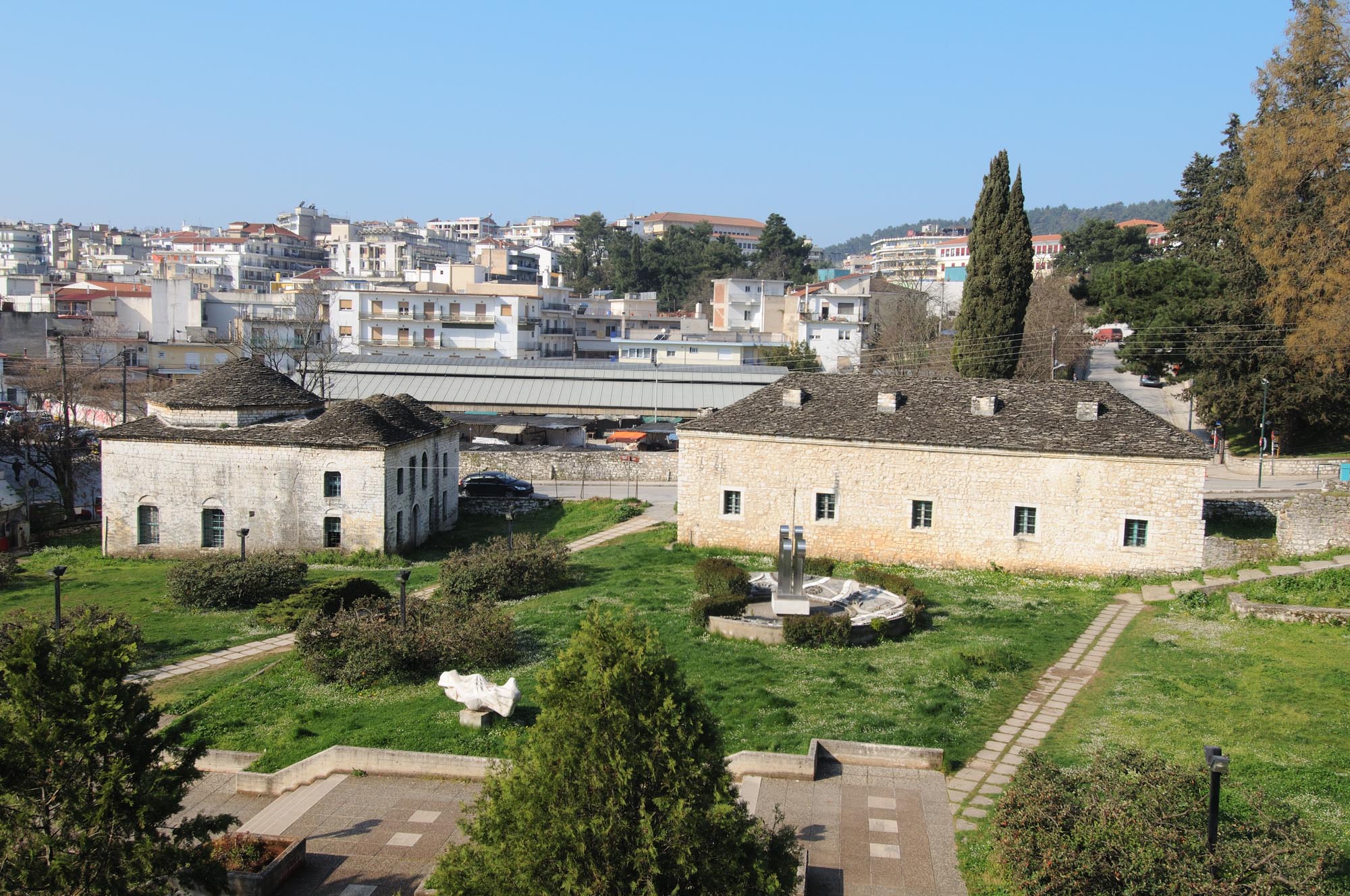
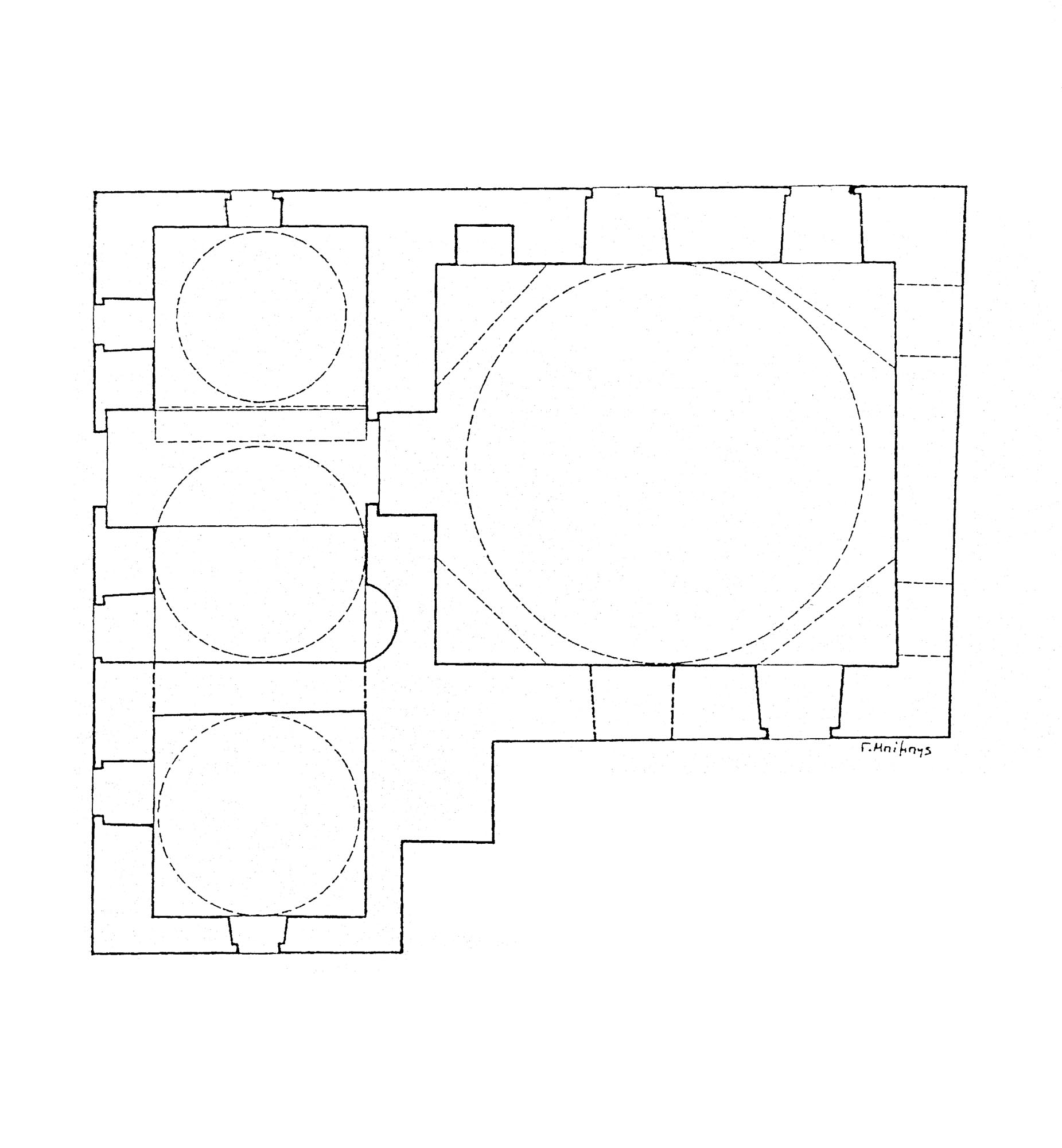
Ottoman Hammam
Ottoman Library
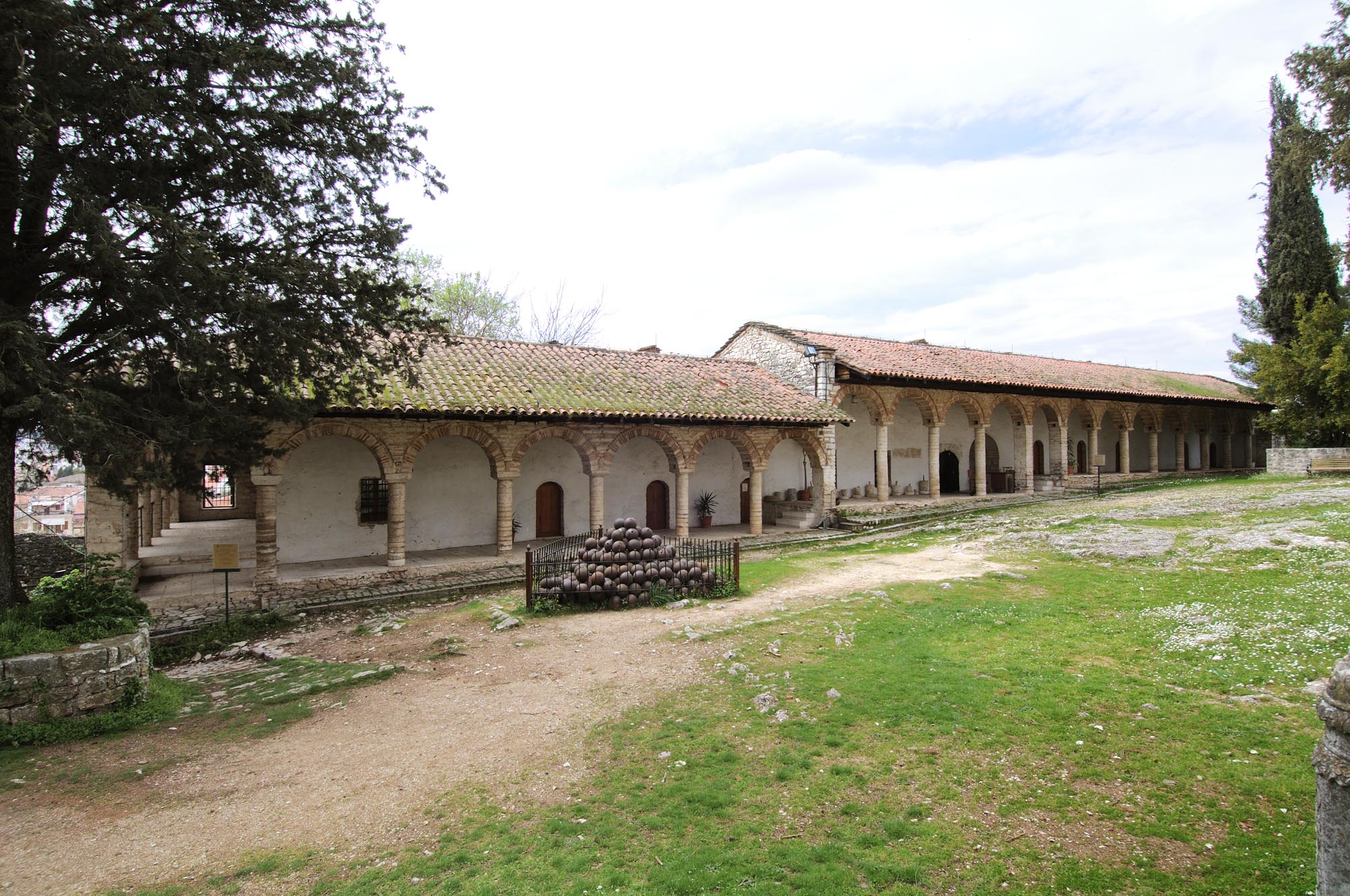
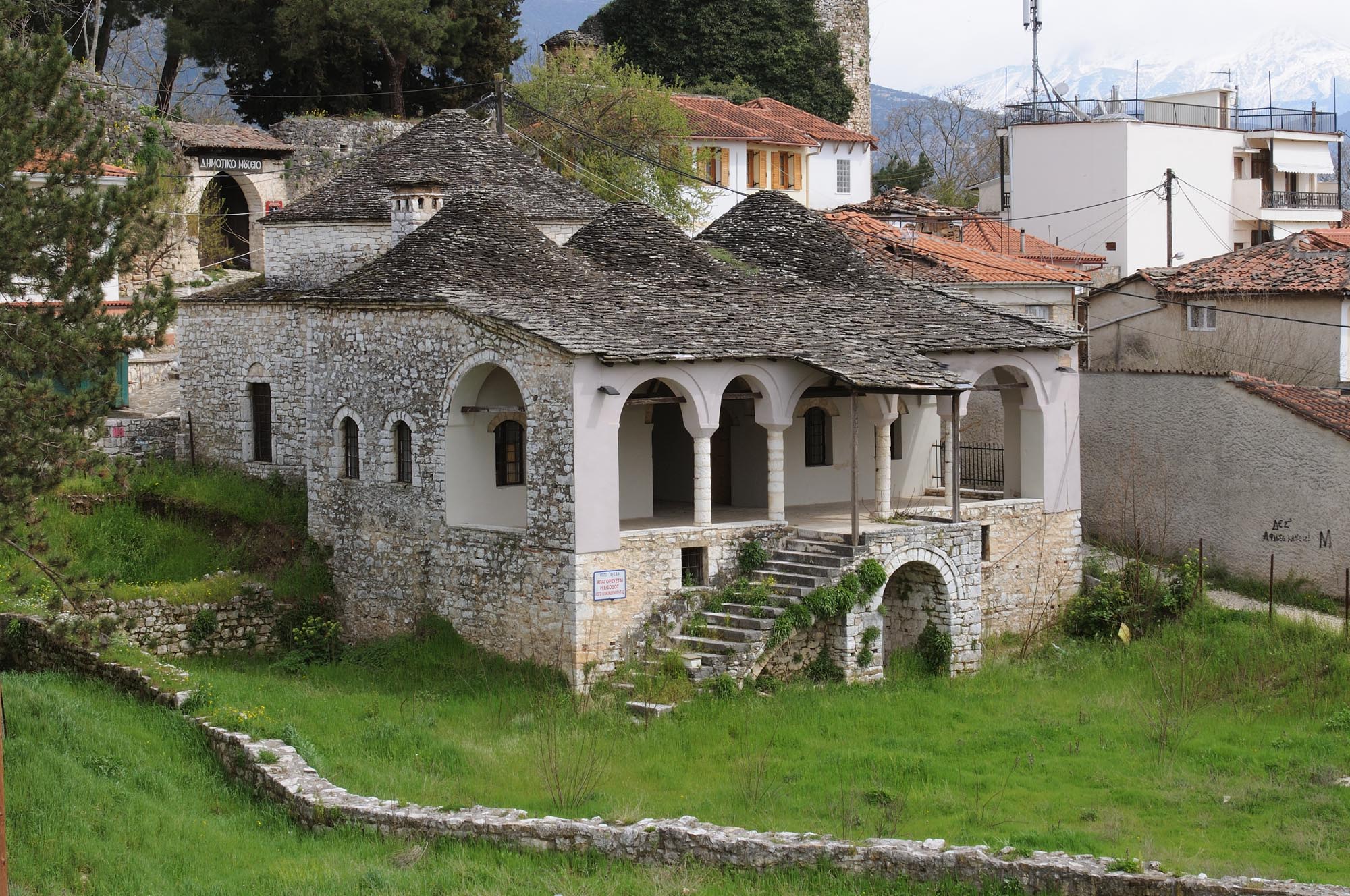
This elegant building, with its distinctive colonnaded portico, is thought to have served as a library, as it contained a large number of manuscripts and printed books. As it is located outside the gate of the northeast citadel, it probably served the educational needs of the madrasa (religious school) inside the citadel.
Sufari Saray (Horsemen’s Palace) – General State Archives – Historical Archive of Epirus
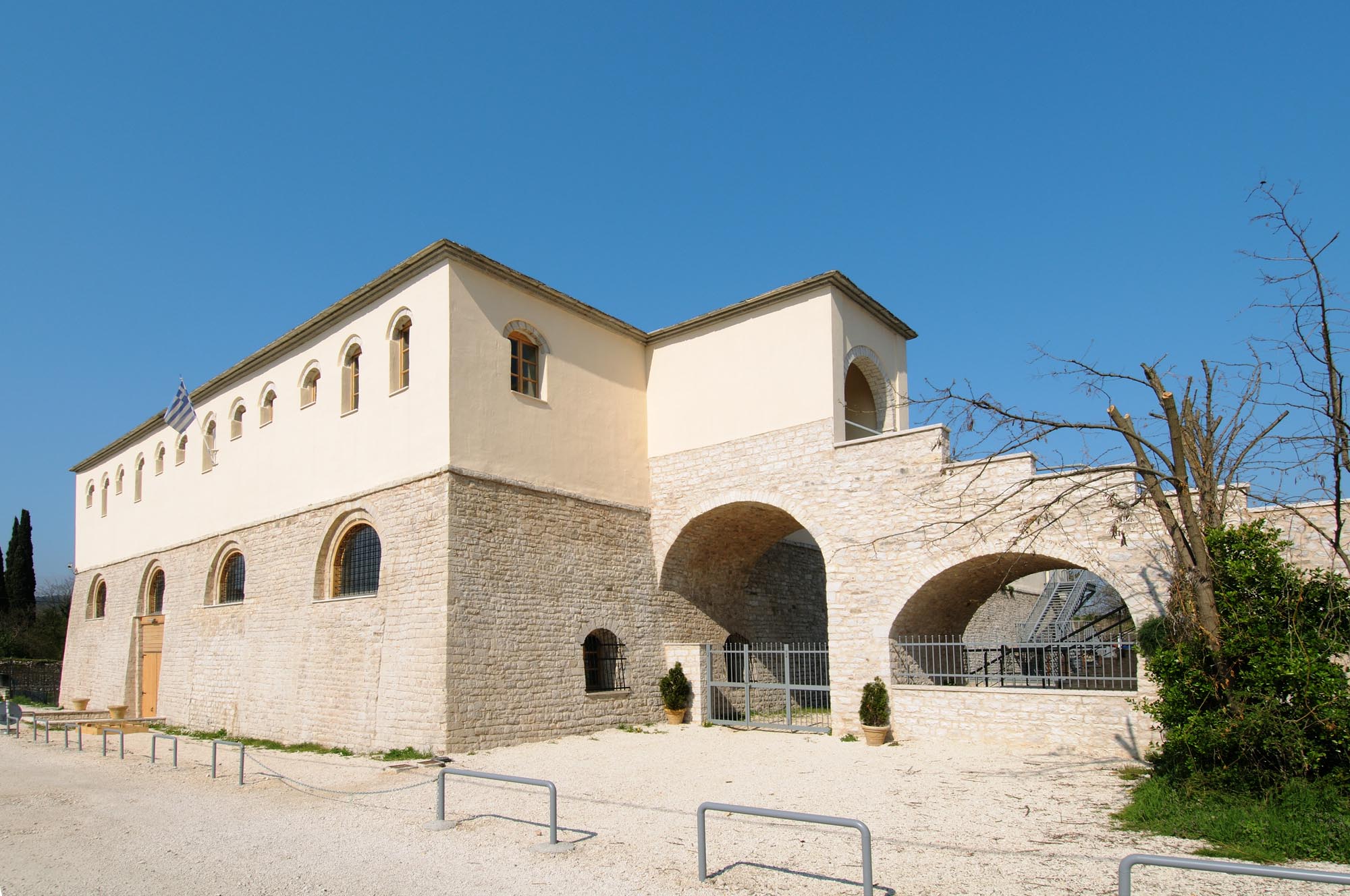
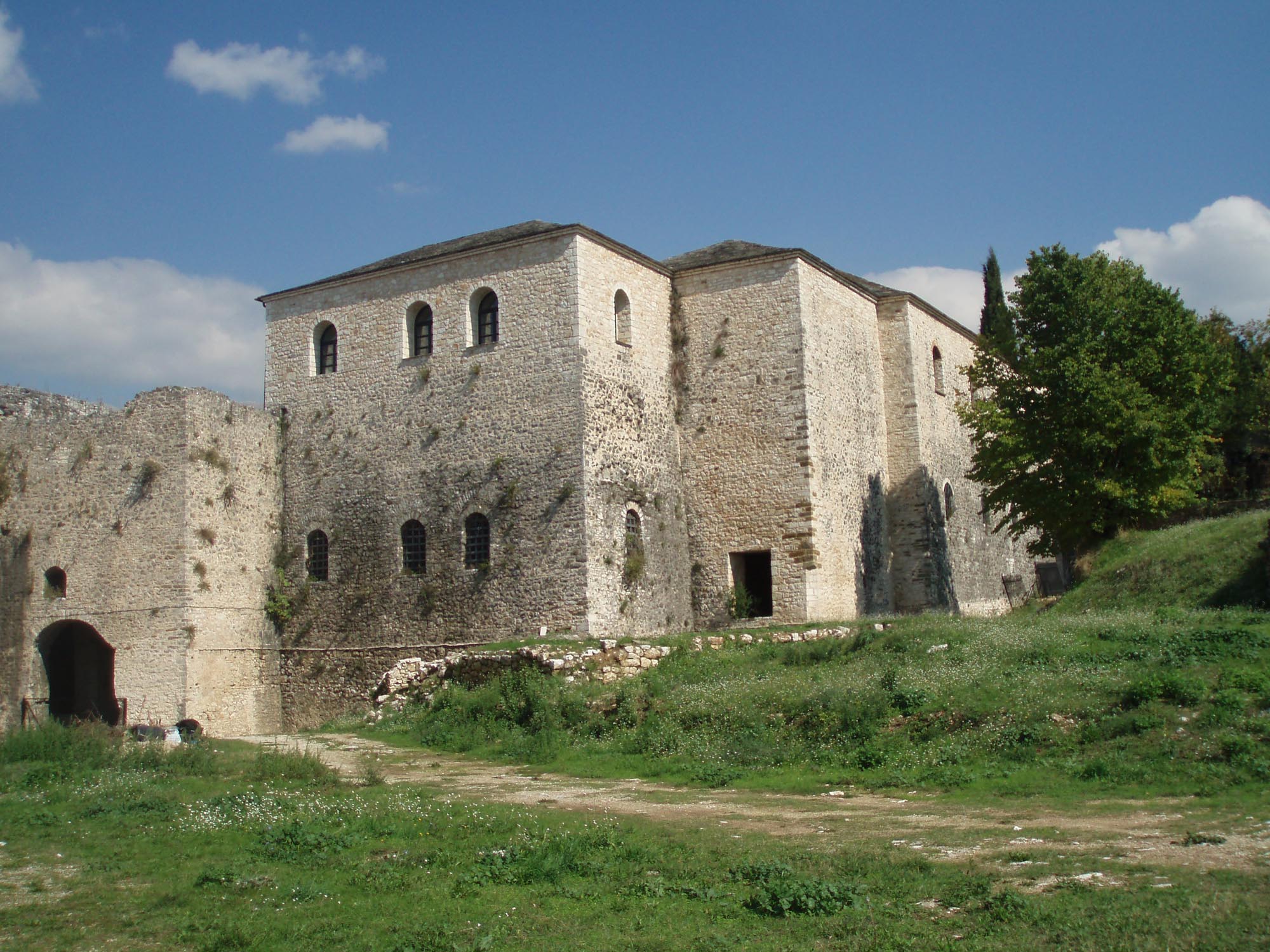
The Sufari Saray (from Turkish süvari meaning “horseman”) is an imposing two-storey building in the northeast part of the Castle, erected by Ali Pasha to serve as the barracks of the bodyguard and cavalry corps. Today it houses the Historical Archive of Epirus, a branch of the General State Archives, and the Historical Archive – Museum of Epirus. The latter collects, preserves and promotes material such as historical paintings, maps, flags, weapons, local costumes and photograph collections associated with the history of Epirus in the modern era.
Monuments and Museums of the Northeast Citadel
Aslan or Arslan Pasha Complex
The mosque was erected, according to the surviving inscription, in 1617/8 by Aslan or Arslan Pasha, Sancakbey of Yanina. It was the nucleus of a large külliye, an organised religious/educational complex engaging in charitable works. Besides the mosque, the madrasa and the kitchens survive today.
Aslan Pasha Mosque – Municipal Ethnographic Museum of Ioannina
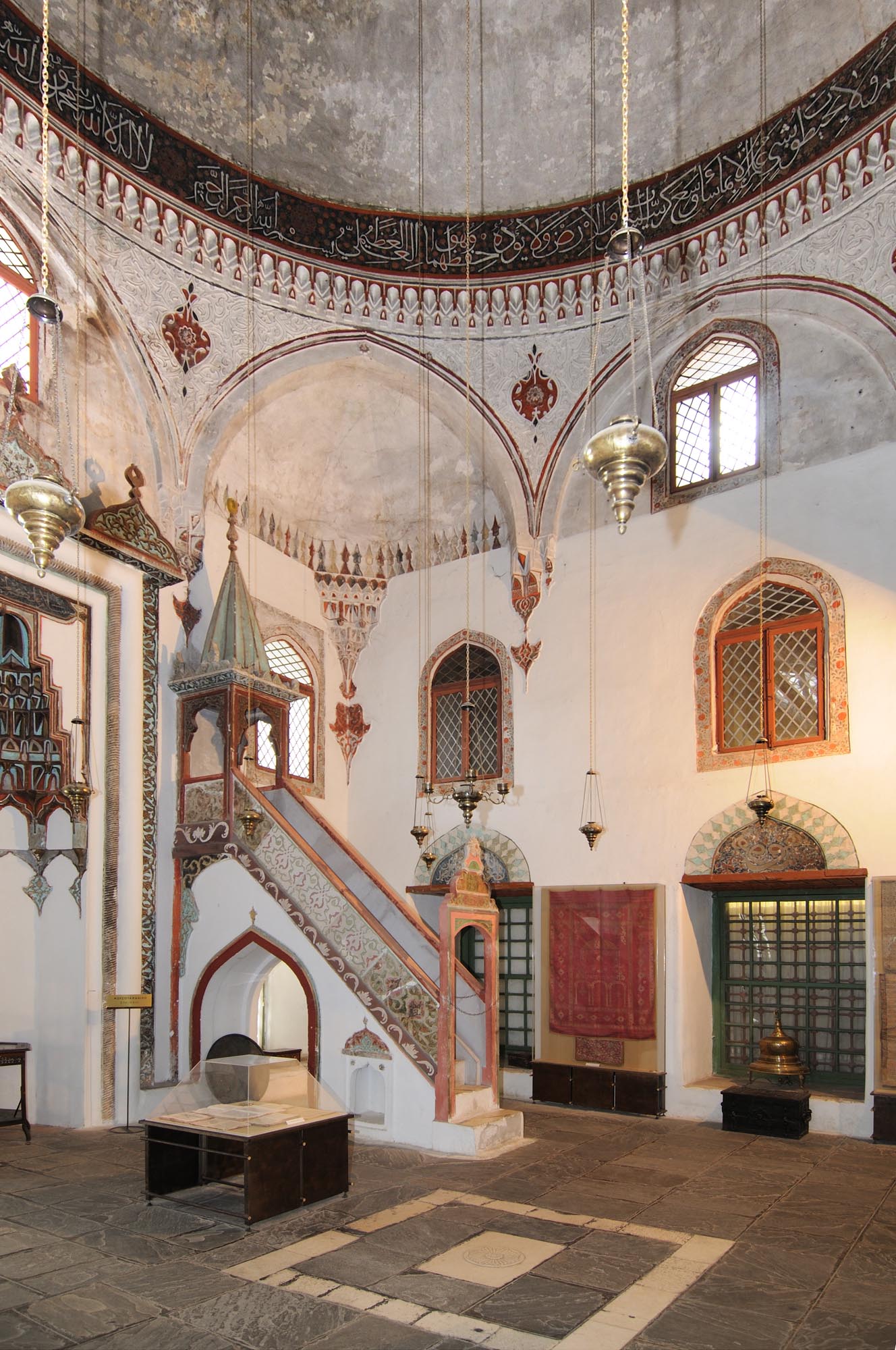
This is one of the most important mosques of the city, an excellent example of 17th-century architecture, built at the “highest point of the city”, as Evliya Çelebi says; he climbed the minaret to draw the city from above. He mentions the minbar (pulpit) of the mosque, still preserved today, which “seems to float in the air”. The interior of the monument features notable sculptural and painted decoration.
The Municipal Ethnographic Museum is housed in the mosque. Its permanent exhibition mainly consists of collections of representative objects from the city’s Christian, Muslim and Jewish communities.
Türbe of Aslan Pasha
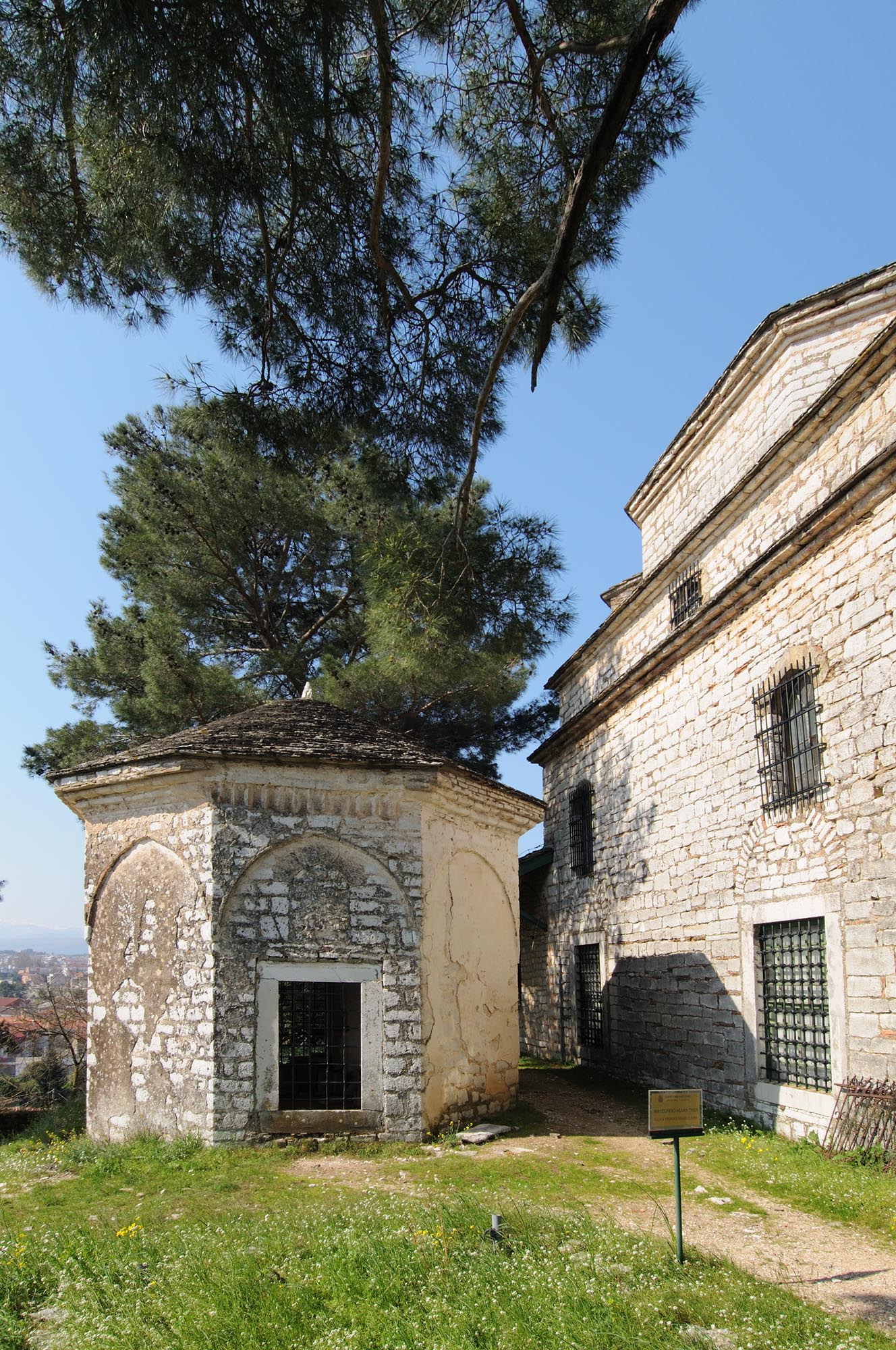
Just east of the mosque is the octagonal türbe (domed tomb) which, according to tradition, belongs to Aslan Pasha. Its interior is elaborately painted. In the same area stood four other mausoleums belonging to Aslan Pasha’s wives and children. Their foundations have been discovered in excavations.
Madrasa of Aslan Pasha
Monuments and Museums of the Southeast Citadel (ITS KALE)
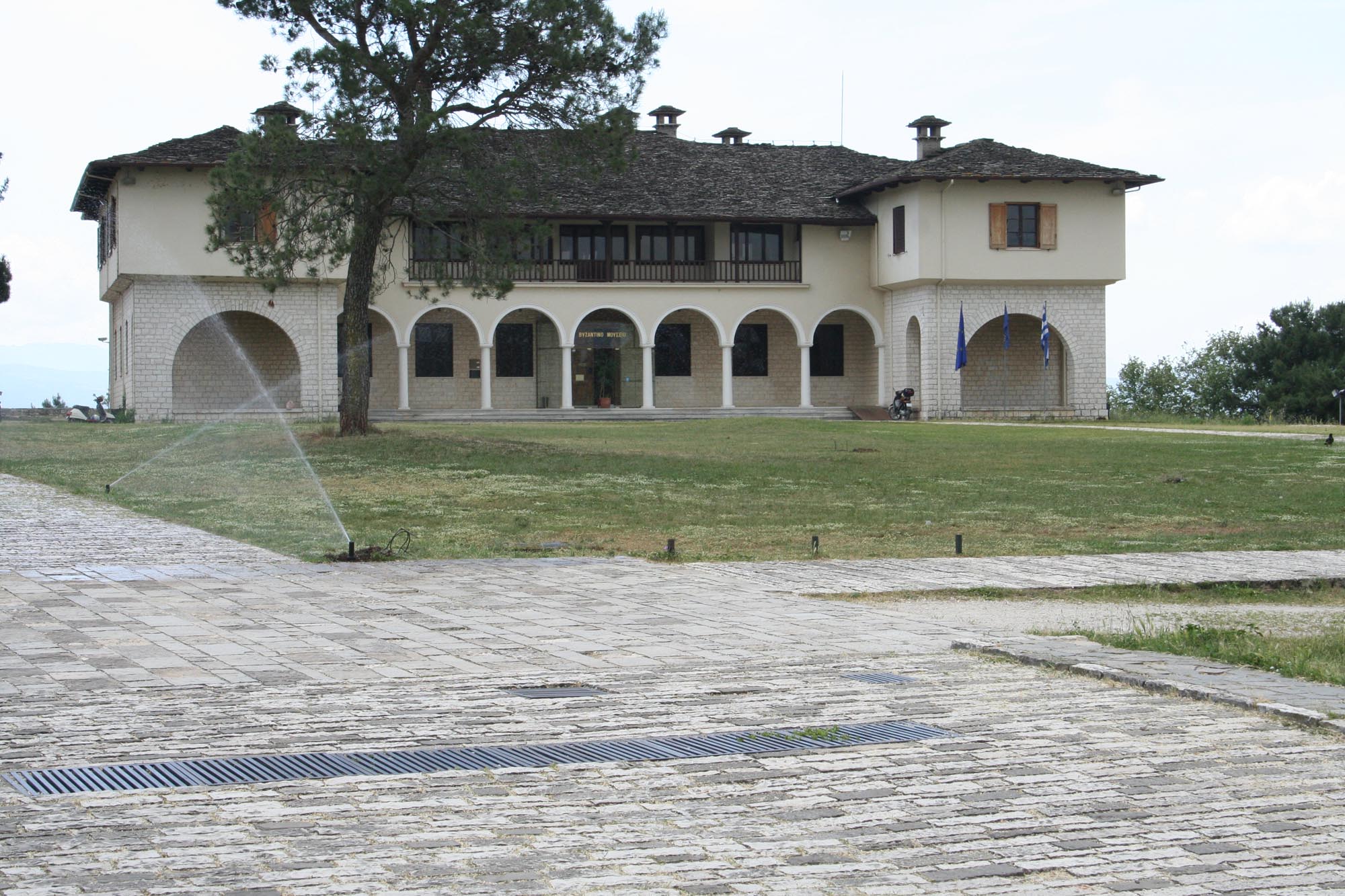
Byzantine Museum
The museum building, on the east terrace of Its Kale, was constructed in 1958 on the site of the south wing of Ali Pasha’s destroyed saray. Built for the royal family, it is known as the Royal Pavilion or Little Palace. It houses important exhibits of the Byzantine period from various regions of Epirus. The Fethiye Mosque, the “Treasury” and the Dimitris Konstantios Hall are all branches of the Museum.
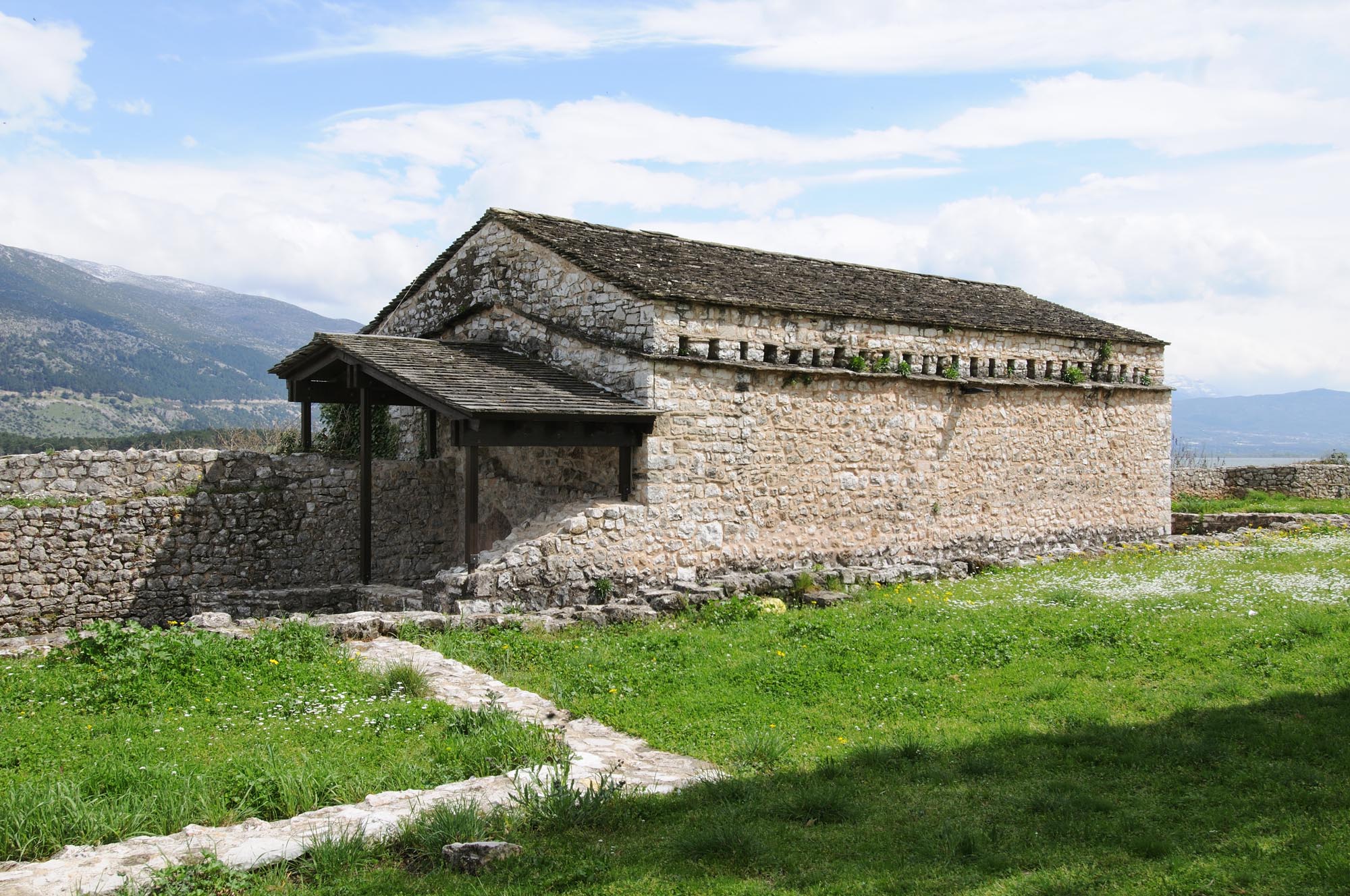
Fethiye Mosque
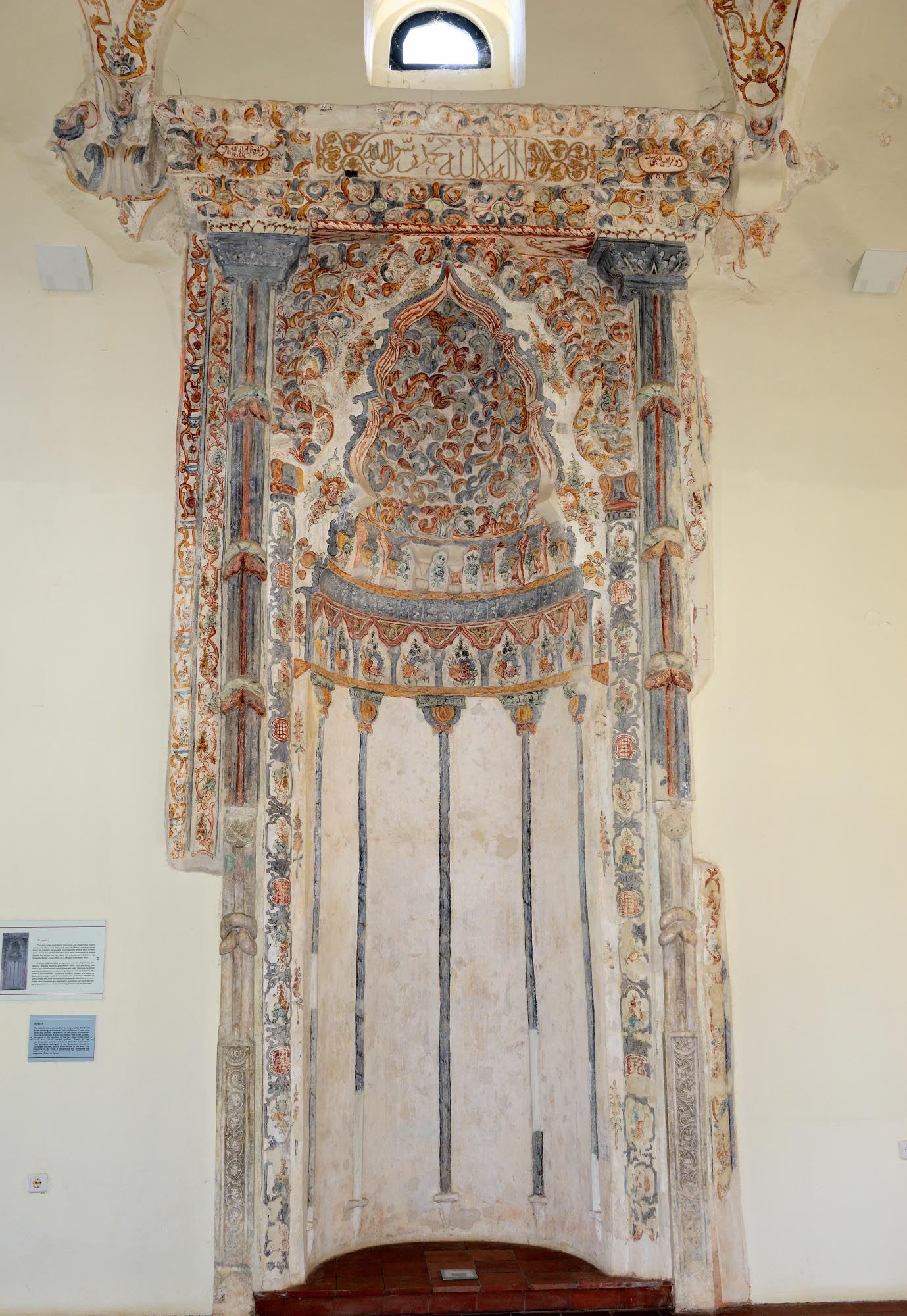
The Mosque of the Conquest, in the southeast corner of the citadel near the Byzantine Museum, is thought to be one of the oldest mosques in the city, although its precise date of construction is unknown. According to tradition, it was built on the site of the Byzantine church of the Taxiarchs. It assumed its present form under Ali Pasha, who radically renovated it and incorporated it into his palace as a sort of “royal chapel”. It has since been known as the Ali Pasha Mosque. Inside, the great dome is painted with floral and geometric patterns and Arabic inscriptions, while the mihrab is decorated with Baroque and Rococo plasterwork. The monument, now restored, houses an exhibition of visual material dedicated to Ali Pasha and the Ottoman period of Ioannina.
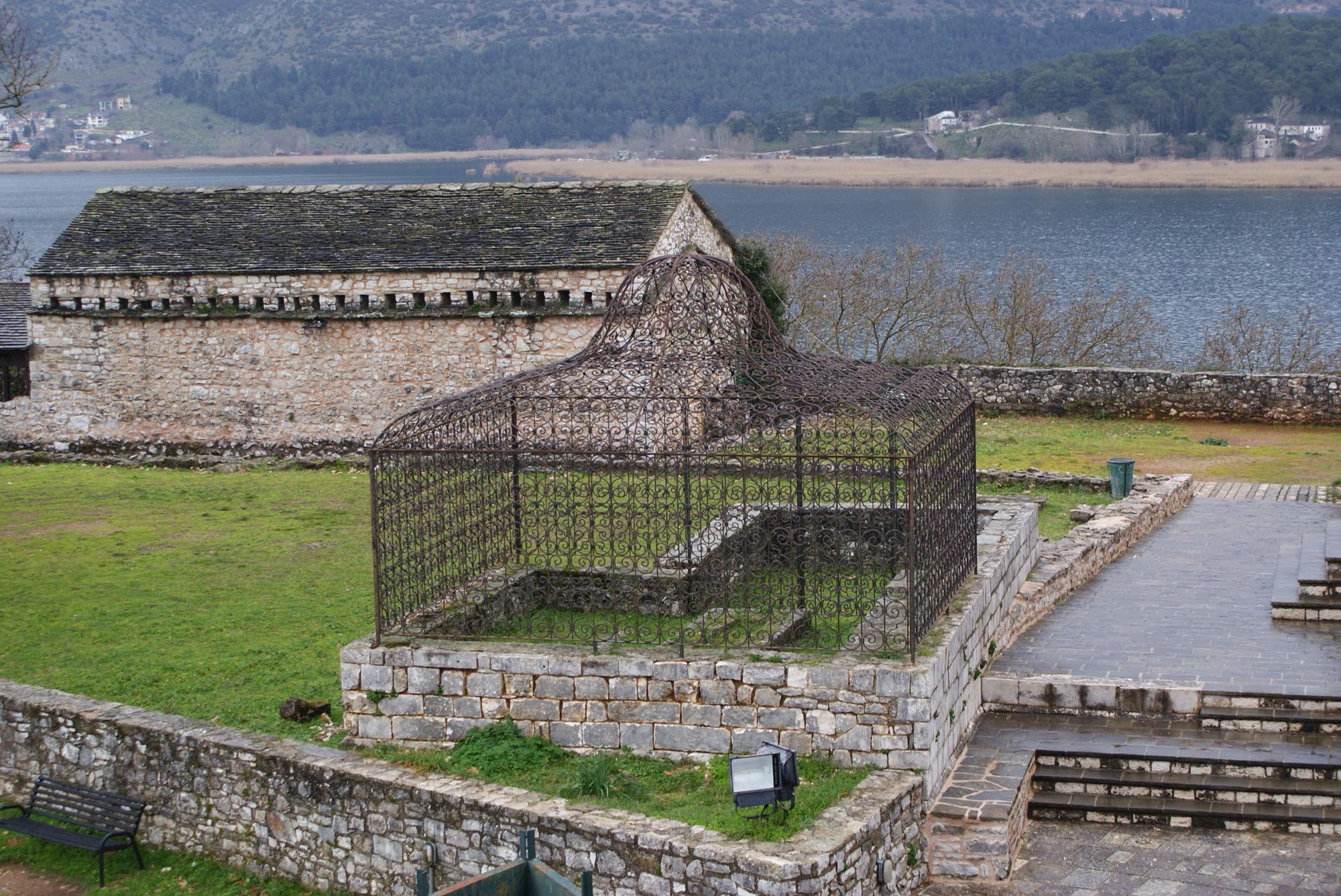
Tomb of Ali Pasha
Next to the Fethiye Mosque is the open-air tomb of Ali Pasha and his family, which he built in 1800 after the death of his wife Ummgülsüm. Only Ali Pasha’s headless body is buried here, as his severed head was sent to Constantinople/Istanbul immediately after his death. The tomb is covered with an impressive wrought-iron structure, a replica of the original which was stolen in the Second World War
Gunpowder Magazine
Οθωμανικά Μαγειρεία
“Treasury”
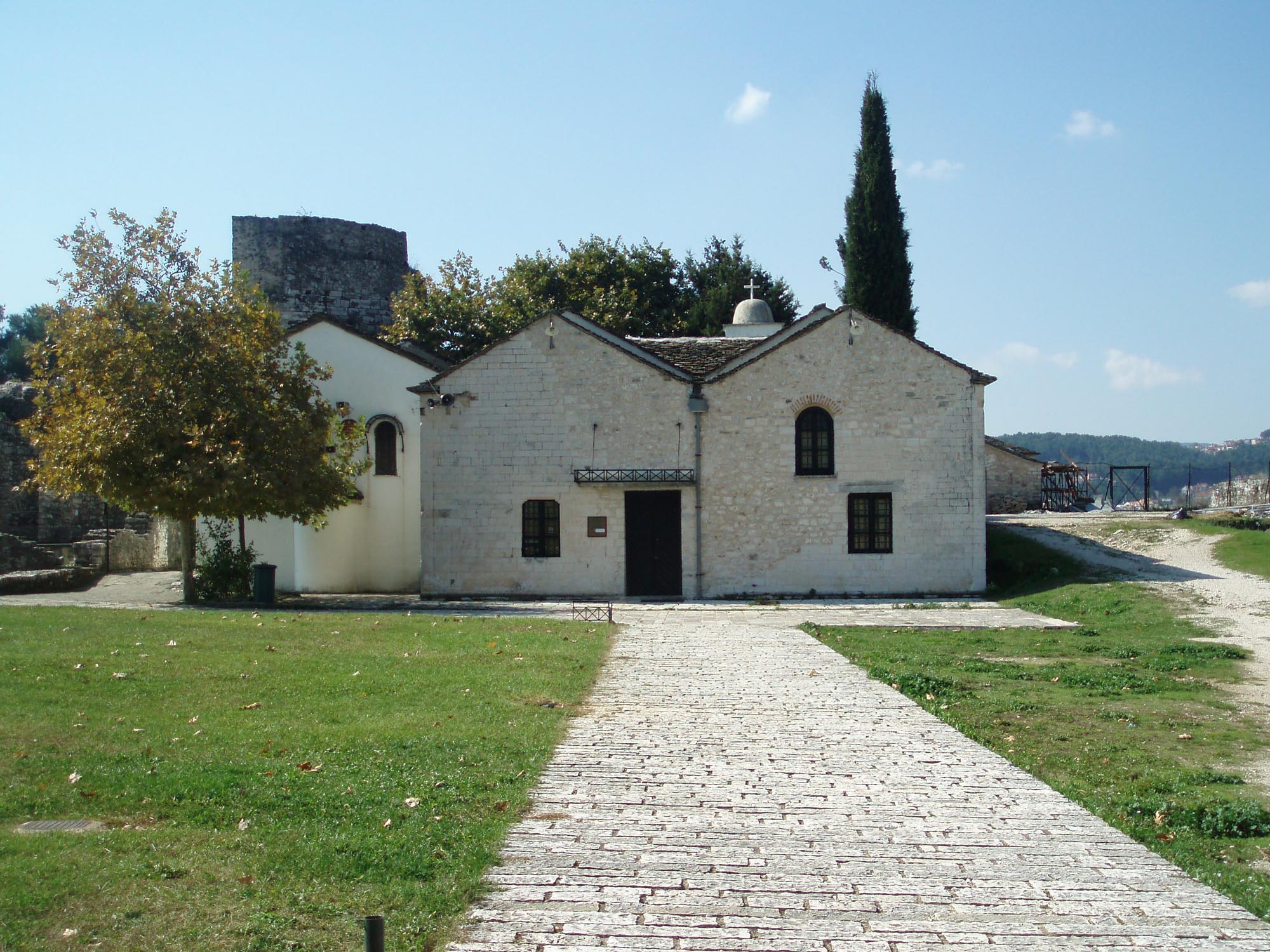
The building stands on the north side of Ali Pasha’s saray, of which it formed a part. Its name, preserved by oral tradition, probably reflects its original use as a treasury. Its south part was converted in the early 20th century into a church dedicated to the Holy Unmercenaries, the only Christian building in the Castle today. The rest of the building now houses the Silversmithing Museum, with a display of artefacts from the private collections of Archbishop Spyridon of Athens and All Greece (1949-1956) originally from Pogoni, Ioannina and collector Konstantinos Ioannidis.
Guardhouse (?) – Dimitris Konstantios Hall
West of the “Treasury” is a large, two-storey building of the Ottoman period. Its original purpose is unknown, but it is thought to have been used by Ali Pasha’s palace guard. It is now named after the late archaeologist Dimitris Konstantios. The building has been converted into a specially designed multi-purpose space hosting temporary exhibitions and various other events.
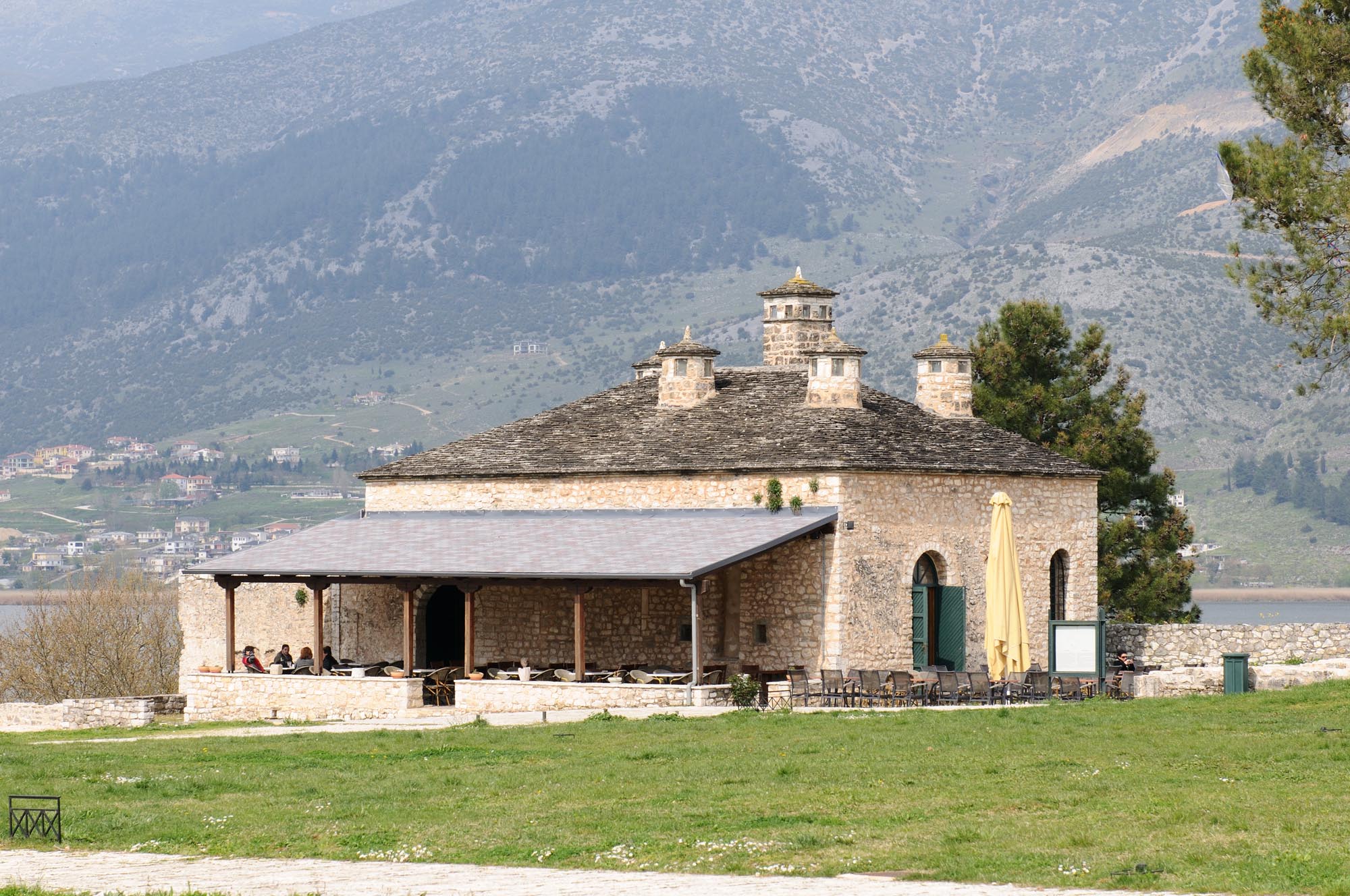
West Bastion – Kitchens – PIOP Silversmithing Museum
The restored labyrinthine galleries of the West Bastion of Its Kale now house the Museum of the Piraeus Bank Group Cultural Foundation (PIOP), displaying examples the silversmith’s craft. Silversmithing flourished in Ioannina and Epirus from the 16th century onwards and remains popular to this day. It is inscribed on the National Inventory of Intangible Cultural Heritage of Greece. The needs of the Museum are also served by the Ottoman kitchens against the inner face of the bastion, a building with distinctive archways in its façade and a lean-to roof.
Monuments of the city of Ιoannina
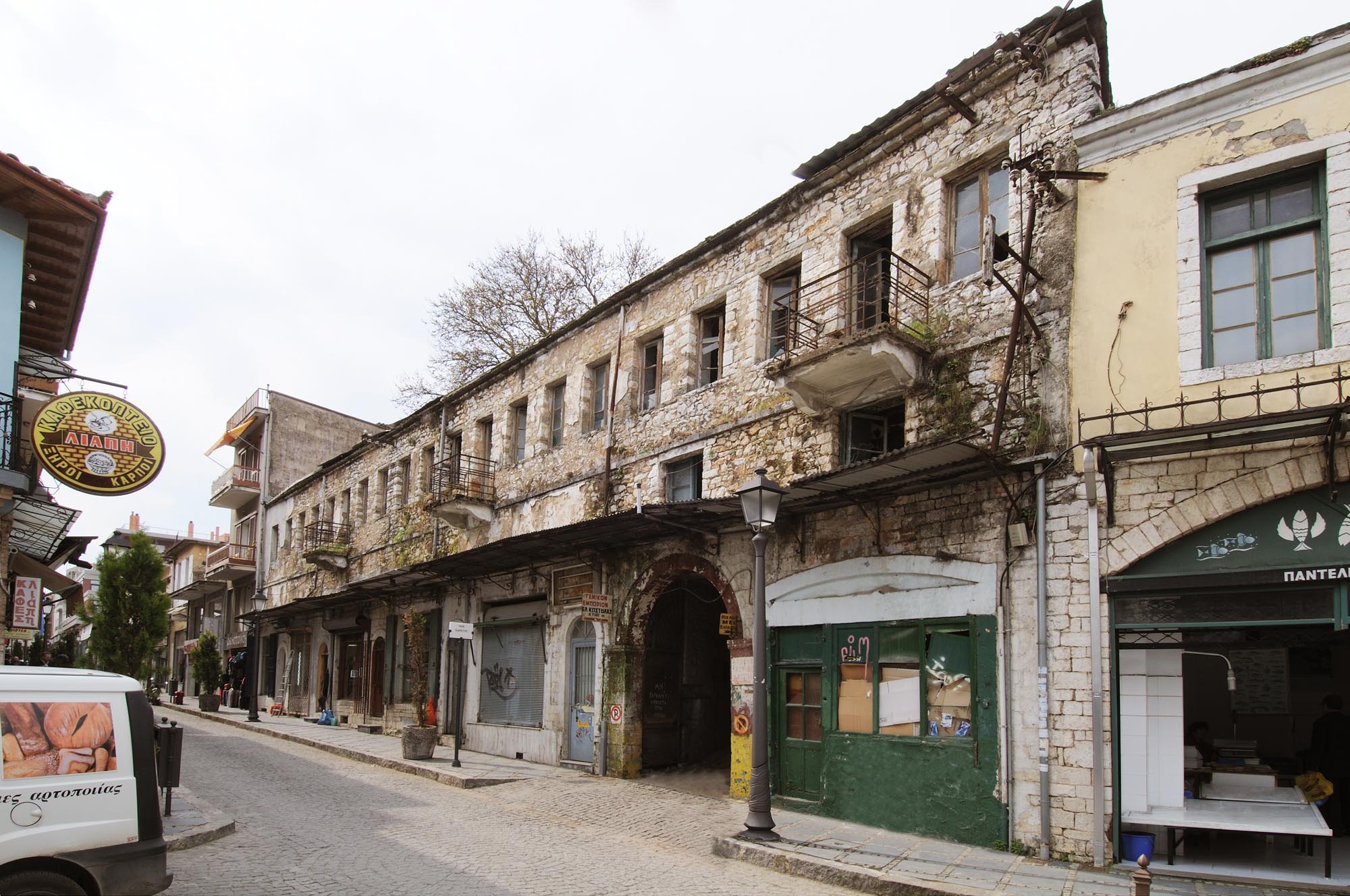
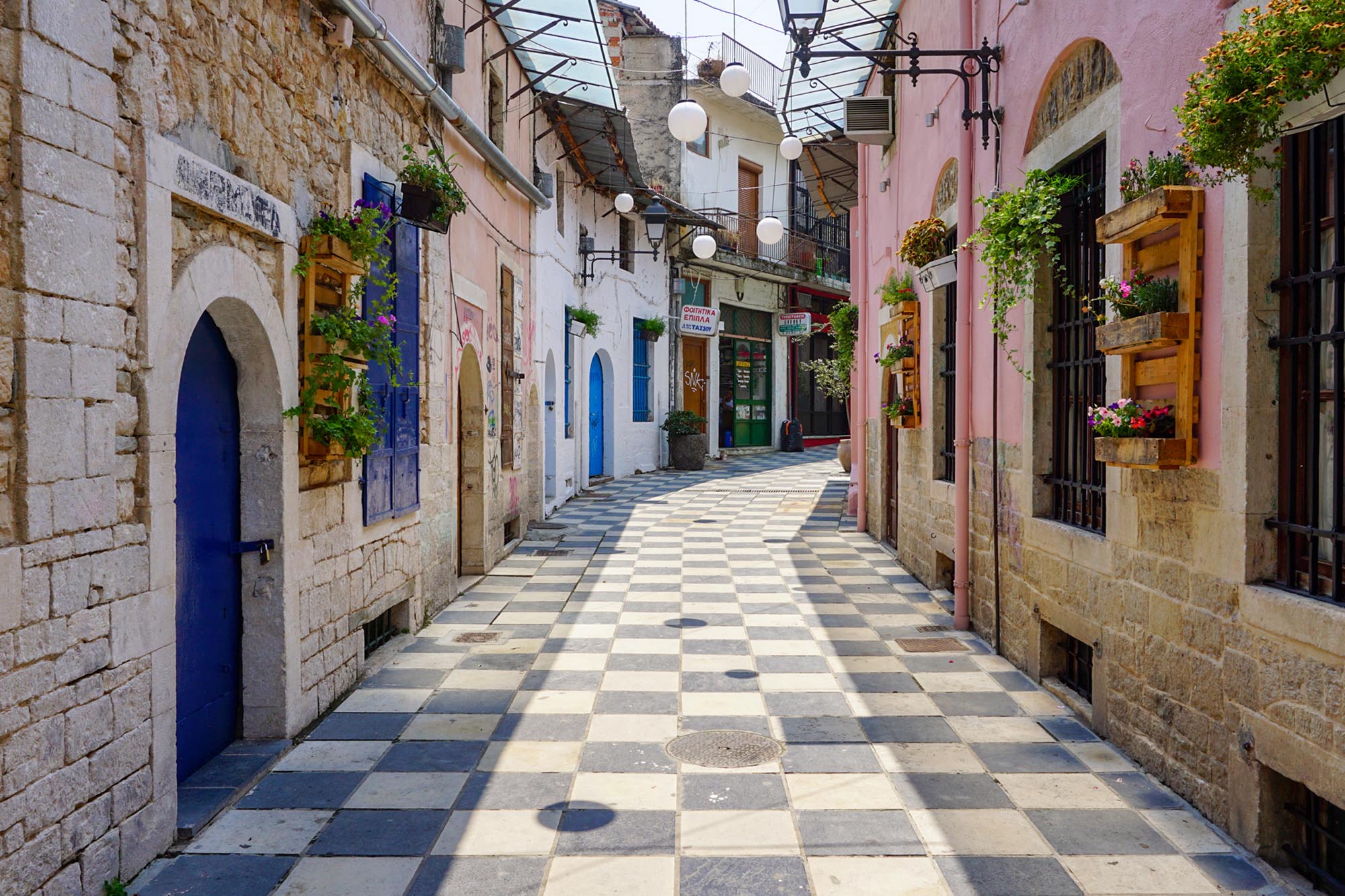
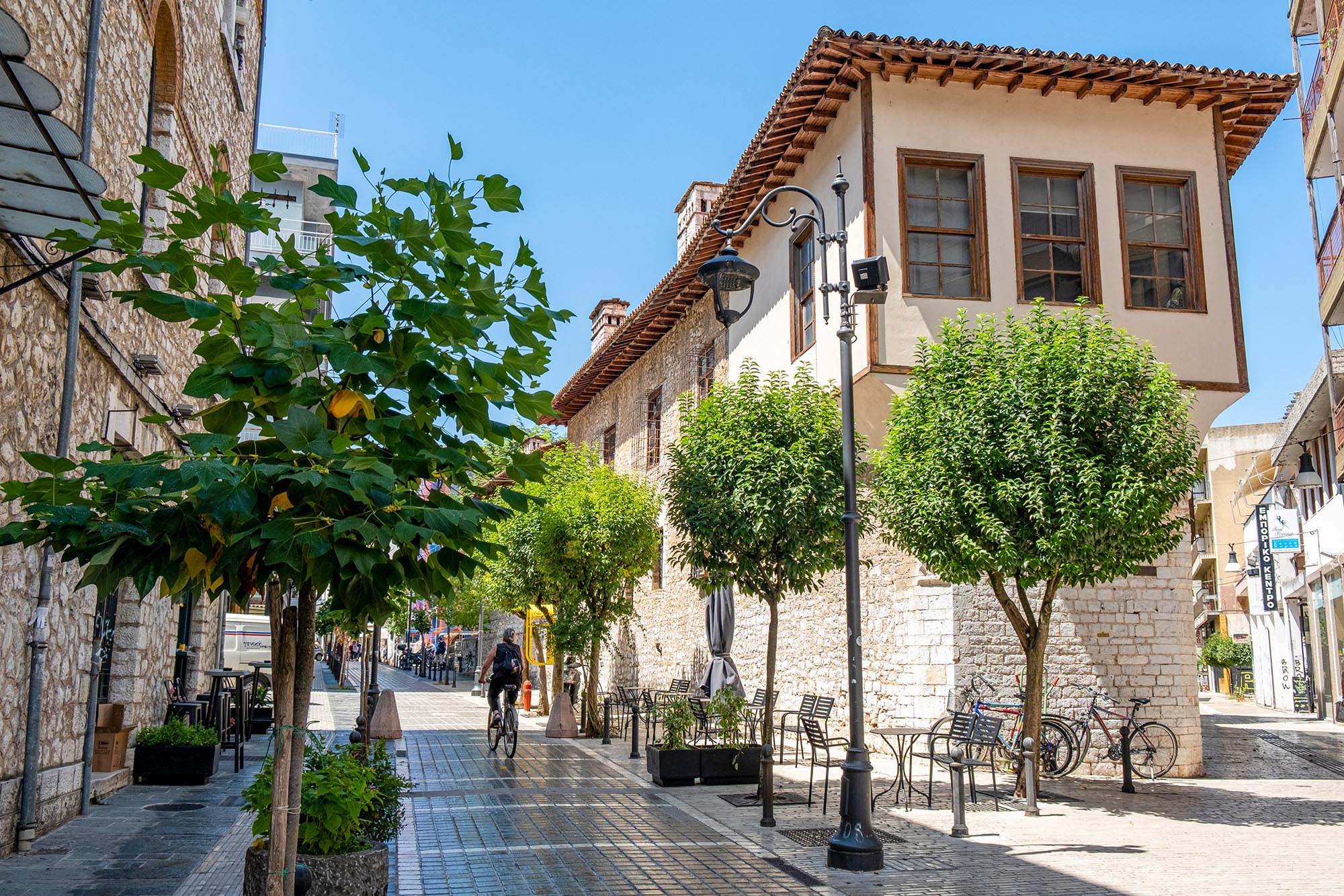
Outside the Castle, opposite the main gate, lies the historic city centre, with the market (emporion or Pazari), one of the largest and richest bazaars in the Balkans, along what is now Anexartisias Street. There was a second market at the south entrance to the city from Arta and Preveza, in the Kanlı Çeşme district, where the Kaloutsiani Mosque still stands today. The historic centre is a maze of narrow alleyways, listed buildings, old houses in the vernacular style, shopping arcades such as the Loulis and Liabeis Arcades, hans and a host of small shops. Dramatic historical events such as the siege of the city by the Sultan’s troops in 1820-1822, and major disasters, especially the great fire that burned down the city in 1869, combined with modern reconstruction, have resulted in the loss of many of the once-numerous buildings of the city’s three communities, Christian, Muslim and Jewish.
Churches
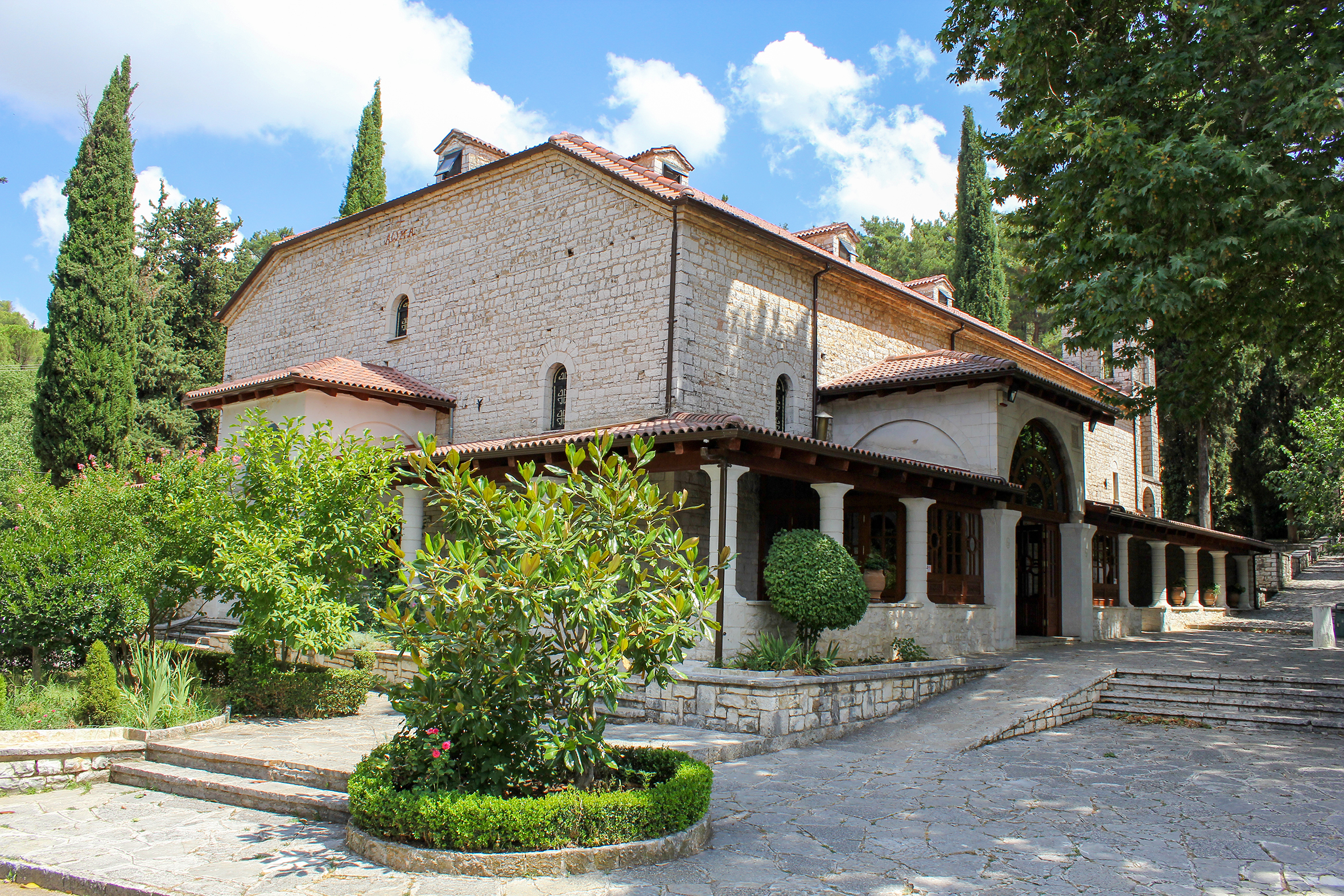
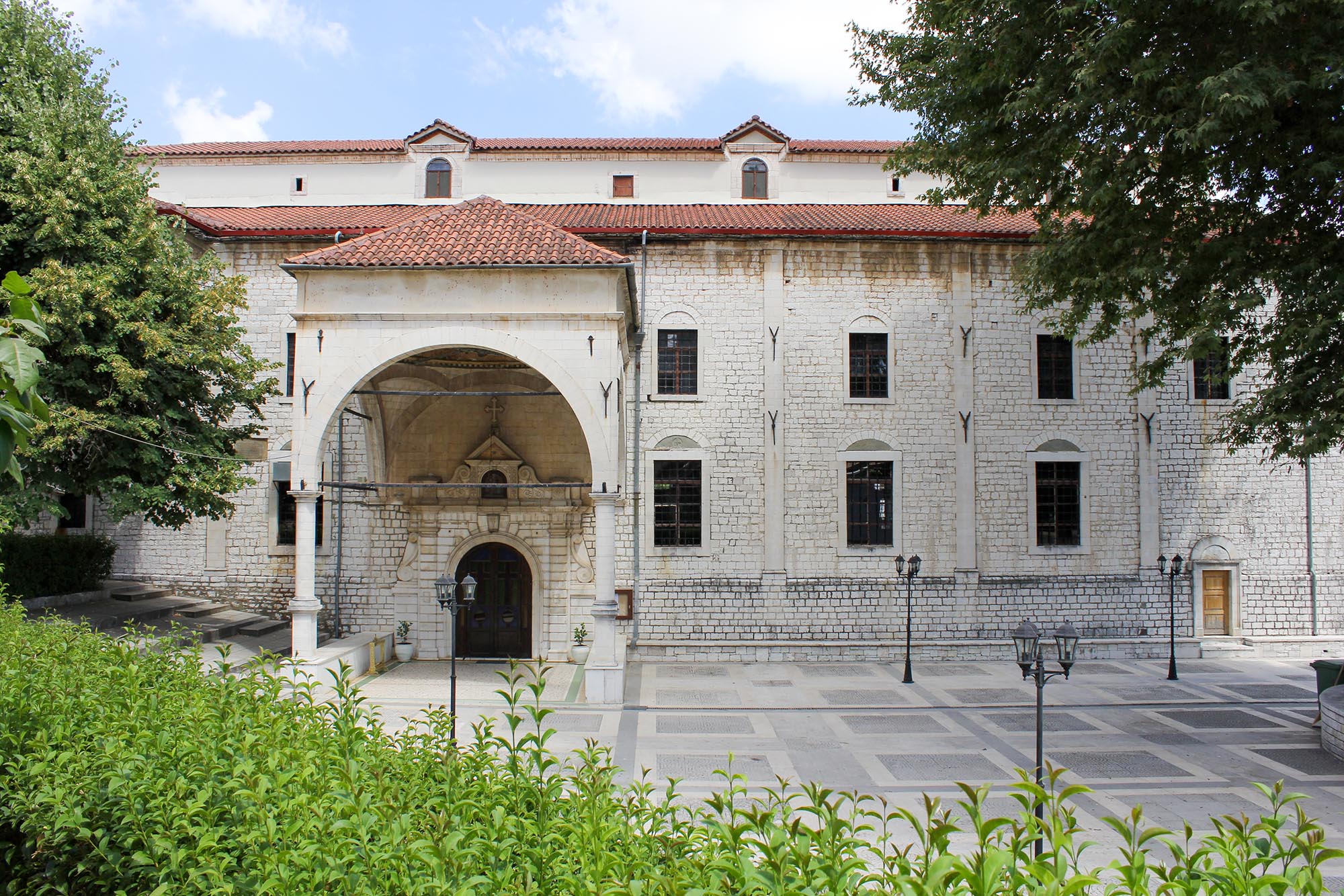
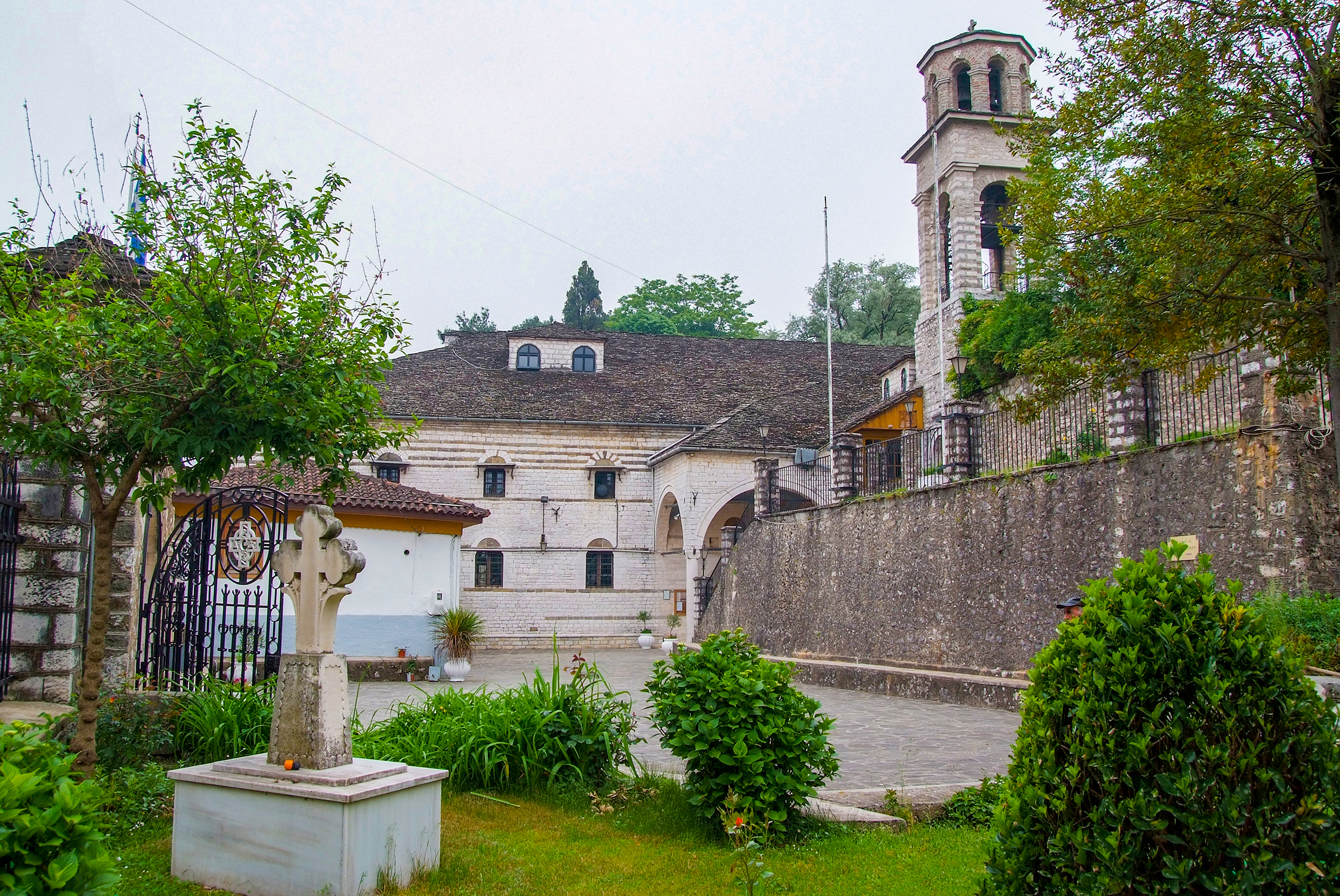
In what were the Christian districts of the city, outside the Castle, six churches were built in the 19th century, over a period of roughly 40 years, in place of smaller churches or monastery katholika: the Cathedral of St Athanasios (1831-1832), St Nicholas of the Agora (1837-1842), the Dormition of the Virgin on the site of the Periblevtos Monastery (1838-1839), the Dormition of the Virgin on the site of the Archimandrion or Archimandrite or Our Lady Chimandriotissa Monastery (1852-1864), St Marina (1852) and St Catherine (1872-1875), which is still a dependency of St Catherine’s Monastery of Mount Sinai. The church of St Nicholas “Kopanon”, associated with local legends and dramatic historical events, was built in 1843, also on the site of an earlier church in the Limnopoula area, near the north shore of the lake. Women used to wash their clothes there, beating them with a washing paddle called a kopanos, whence the name of the church. The size of the seven churches, the fact that they were erected in a short period of time, and their characteristic elaborate limestone ashlar masonry all attest to the wealth and social standing of the Epirote benefactors who contributed to their construction.
The 19th-century churches of Ioannina are three-aisled timber-roofed or vaulted basilicas, a very popular type of the period. In some cases they have a raised gynaikonitis (women’s gallery) on the west side, or other additions such as porticos (hayat). Their imposing bell towers are generally 20th-century additions. Their interiors are decorated with frescoes created by renowned painters from Ioannina or other parts of Epirus. Most of their templons, pulpits and bishop’s thrones were created by the famous and much-sought-after woodcarvers (taliadoroi or tagiadoroi) of Epirus. Some churches have richly decorated ceilings and other architectural features that betray the influence of secular architecture. The churches of Ioannina also contain magnificent portable icons and other valuable ecclesiastical vessels.
House of St George the New Martyr of Ioannina
The house of the patron saint of the city, who was hanged by the Ottomans in 1838, is located near the north shore of the lake. A typical example of 19th-century folk architecture, it is now a chapel of the Cathedral of St Athanasios.
Litharitsia Bastion
The bastion was built by Ali Pasha around 1800 as part of a wider network of strong fortification works intended to strengthen the Castle’s defences. It rises 550 m southwest of the castle, on the low, rocky hill of Litharitsia, which is now occupied by the Archaeological Museum, the main branches of the Bank of Greece and the National Bank, the VIII Infantry Division Headquarters and the Ioannina Cultural Centre. It is a strong, massive polygonal bastion with several levels connected by ramps and stairs. Only a small part of the hill’s fortifications survives today, mainly on the southeast side. It has now been restored and houses a café. After completing his saray in the Castle, Ali Pasha built a second large “elegant palace” on the Litharitsia hilltop between 1807 and 1808. His two sons, Muhtar Pasha and Veli Pasha, built their palaces below the hill. Of the three palaces, which are known to us through travellers’ descriptions and engravings, only three buildings of the Veli Pasha complex are preserved today.
Veli Pasha Complex – Museum of the National Resistance of Ioannina
On the south side of the Litharitsia hill is the Veli Pasha Mosque, also known as the Tsiekour Mosque after the neighbouring district. It was built on the site of the earlier Bali Kethuda or Baliye Mosque known from written sources. The complex includes the adjacent single-storey madrasa which now houses the Museum of the National Resistance, with an exhibition on the city’s active participation in the struggle against the German Occupation. Nearby is the large, single-storey building with a complex layout which served as the kitchens.
Kaloutsiani Mosque
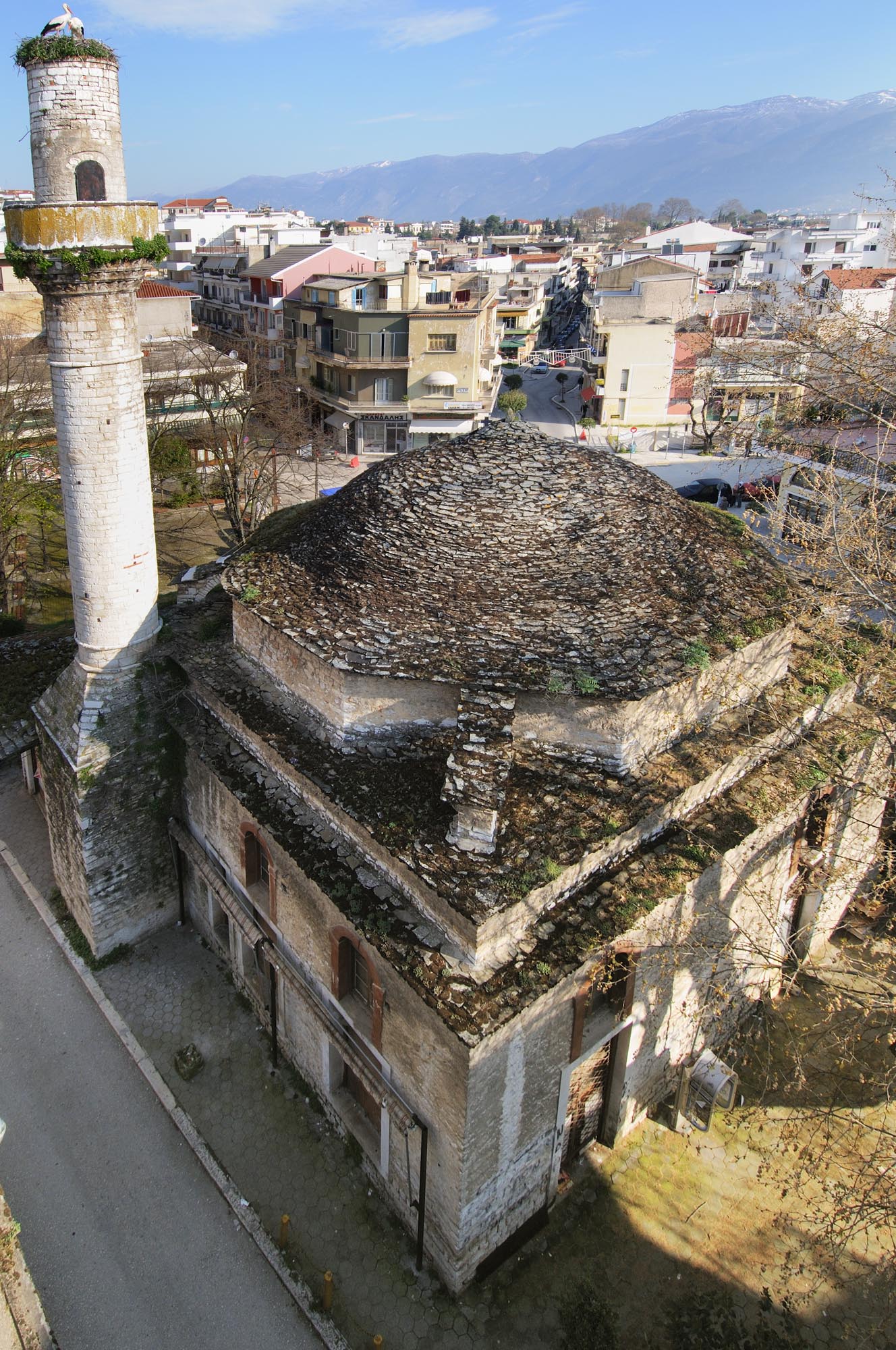
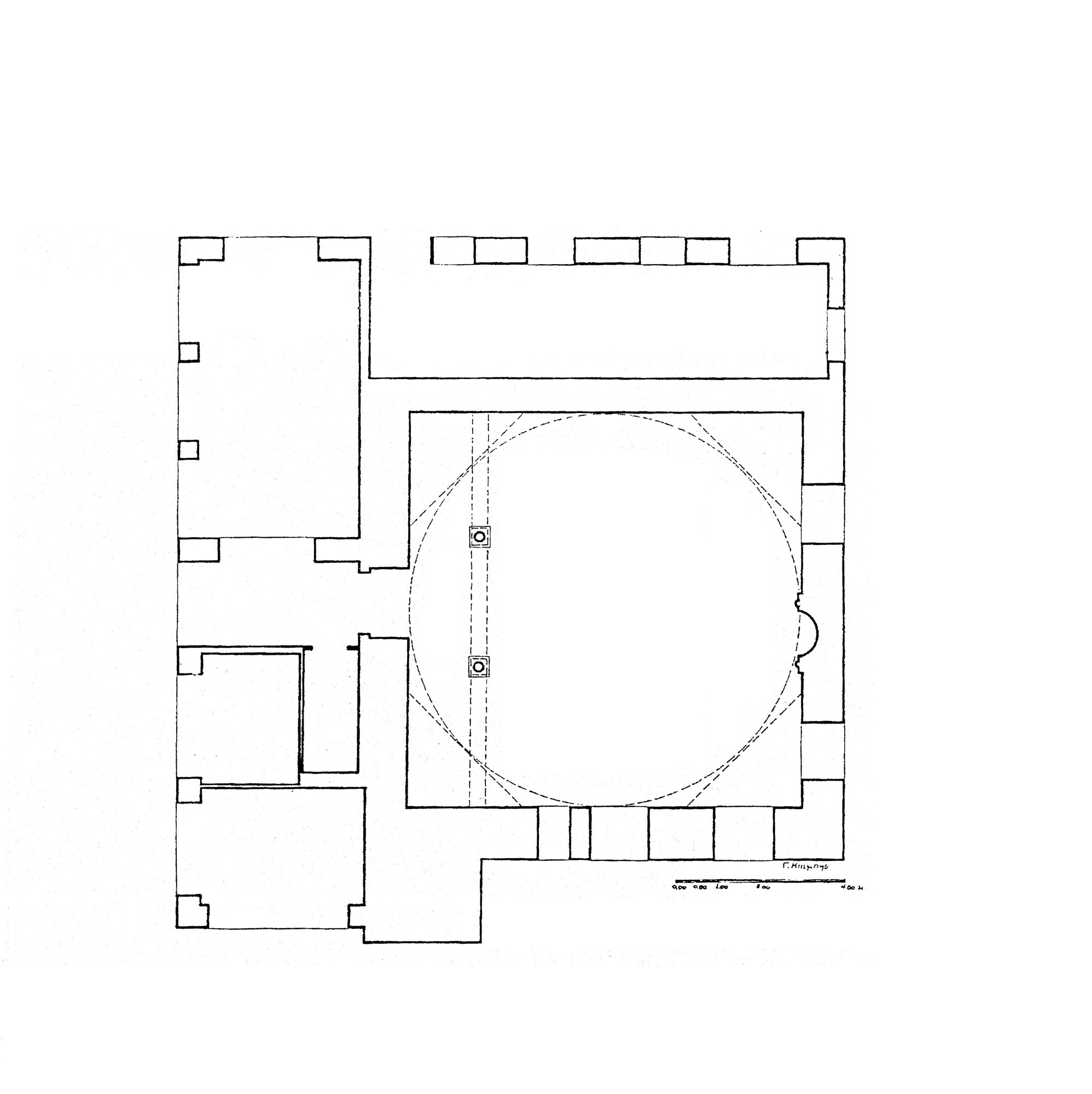
The mosque, also known as the Kanlı Çeşme, Mehmed Pasha, Ahmed Pasha or Kalos Mosque, is located in the main square of the Kaloutsiani district. According to an inscription, it was erected in 1740 by Haji Mehmed Pasha, Wali (governor) of Ioannina, on the site of an earlier mescit (a small mosque without a minaret). The name Kanlı Çeşme, meaning “bloody fountain”, is probably linked to the cruel reprisals against the Christian population of the city after the failed rising of Saint Dionysios in 1611. Inside the mosque are preserved the richly decorated mihrab, the carved wooden minbar (pulpit) and the dikka (raised platform) with its ornate wooden railings. The interior of the dome is painted with decorative arabesques.
Clock Tower
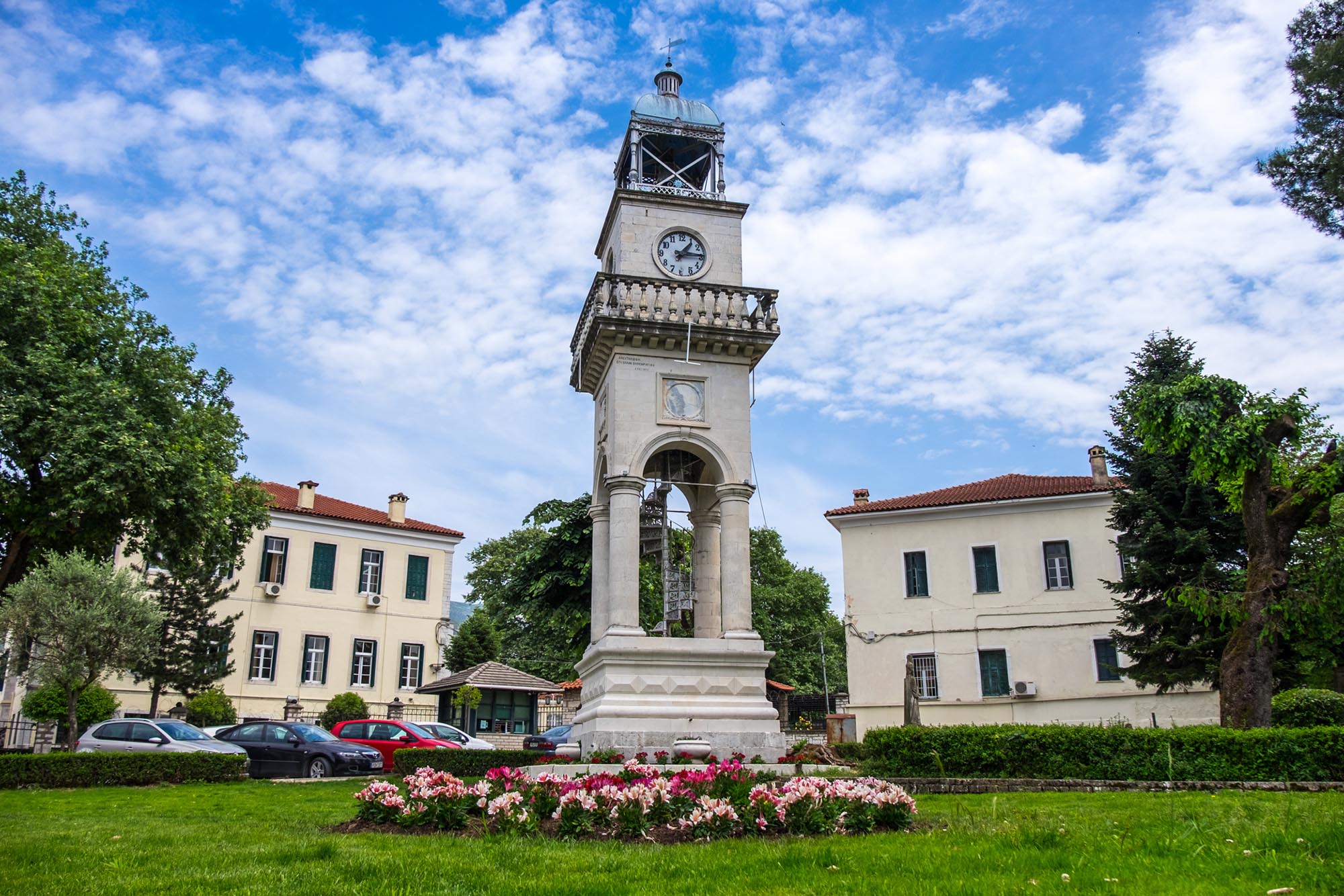
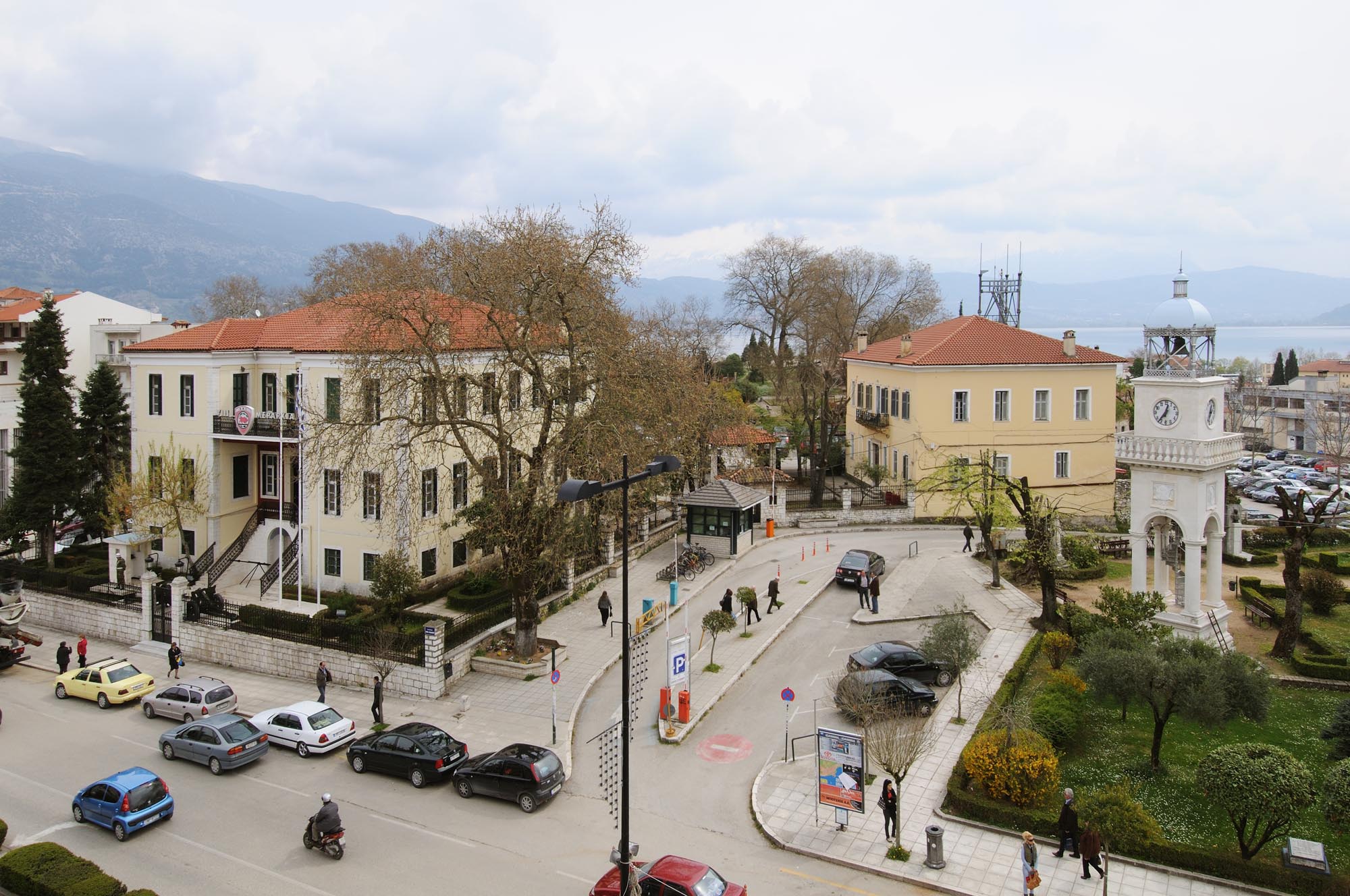
One of the most famous sights of the city, the Clock Tower stands in the main square, on Averoff Street. It combines elements of Neoclassical architecture with eastern features. It was built in 1905 on the initiative of Osman Kürt Pasha, Wali and Governor General of Epirus and Southern Albania, to the design and with the supervision of the Ioannina architect Pericles Melirrytos, to celebrate the jubilee of Sultan Abdul Hamid II. The Clock Tower was originally built in the centre of the Lower Square, a little north of today’s, but was moved to its current location in 1925 under the supervision of the same architect, having been damaged by a cannon during the First World War victory parade in 1918.
Public buildings
Many buildings of the late 19th and early 20th century, most of them influenced by Neoclassicism or Eclecticism, are preserved in Ioannina today. The building that now houses the VIII Infantry Division Headquarters, on Averoff Street on the Litharitsia hill, is one of the earliest in the city (1877-1879). The “Konaki”, as it was called, was erected by Rashim Pasha on the site of the palace of Muhtar, son of Ali Pasha, to house the military headquarters of the city.
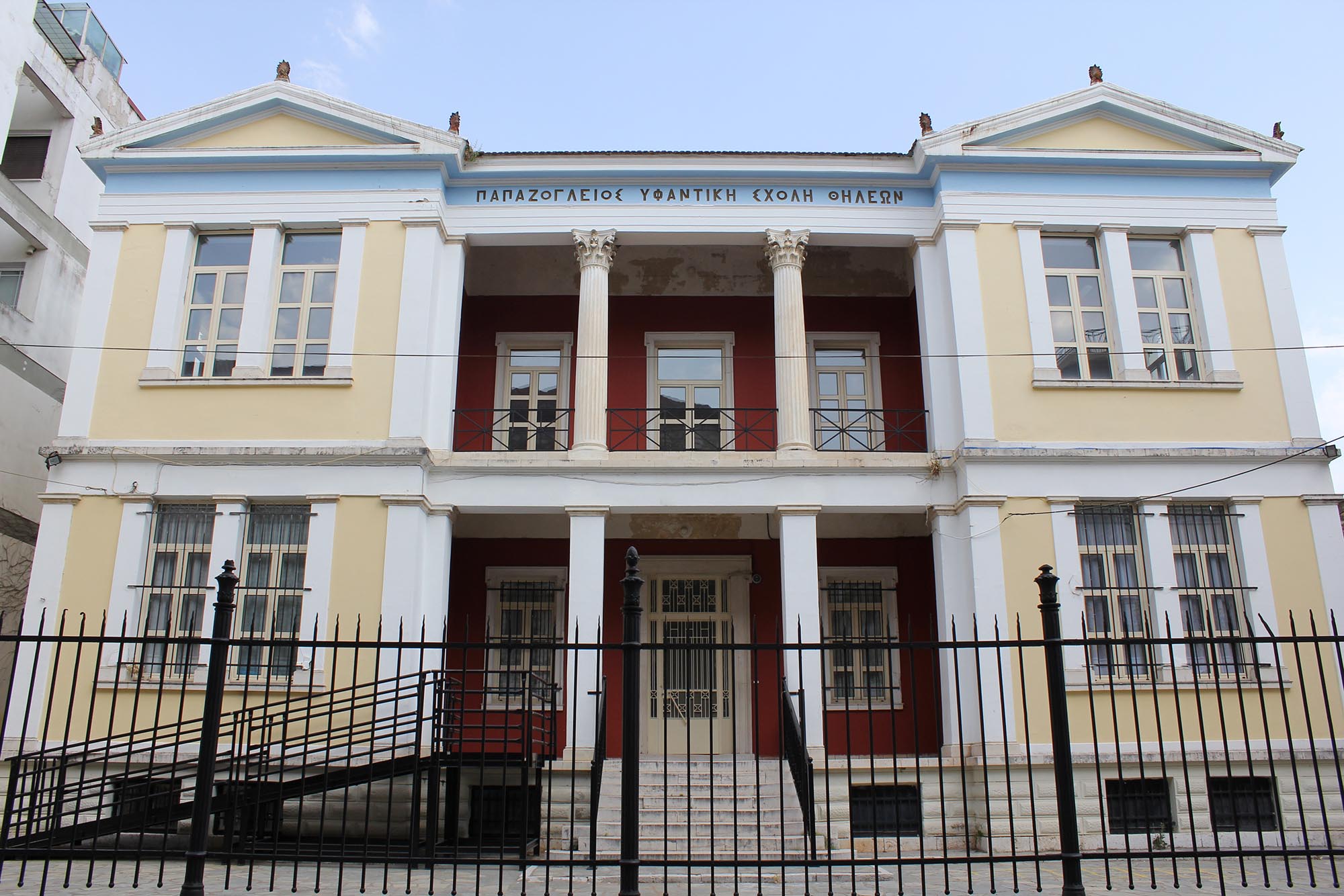
Many of the city’s most famous building, such as the Papazogleios Weaving School (1898), the old Zosimaia School (1901), the Zosimaia Library (the former Municipal Baths) (early 20th c.), the main Post Office (the former Ottoman Girls’ School or City Girls’ Middle School) (1905), the Kaplaneion Megaron (1926) and probably the Olympia Theatre, were designed by the architect Pericles Melirrytos (1870-1937), who left his mark on the city. Other important buildings are the Commercial School (1870s), the Municipal Maternity Hospital (1894), the Girls’ Boarding School (late 19th c.) and the George Stavros Orphanage (late 19th c.).
Mansions and traditional houses
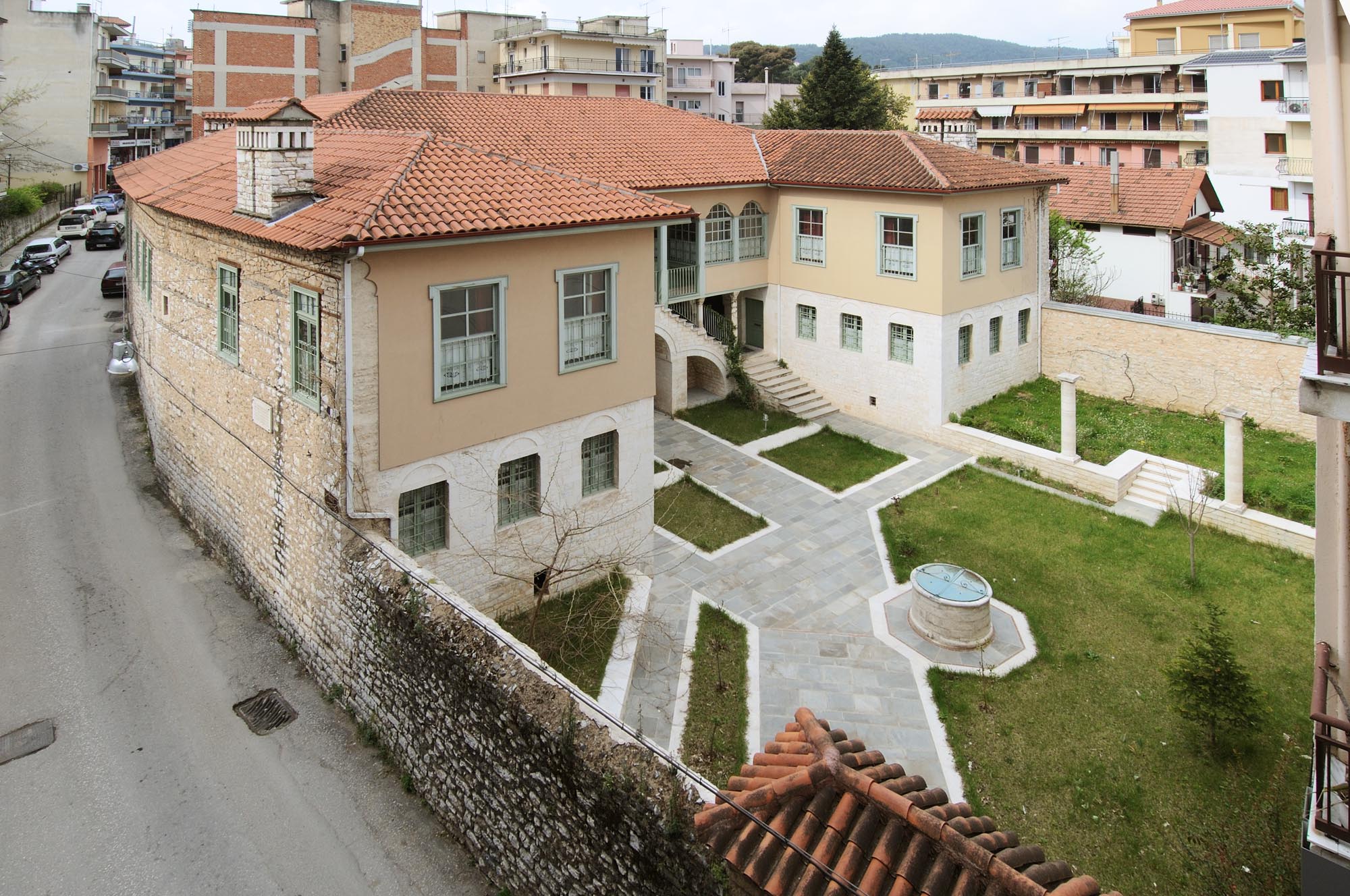
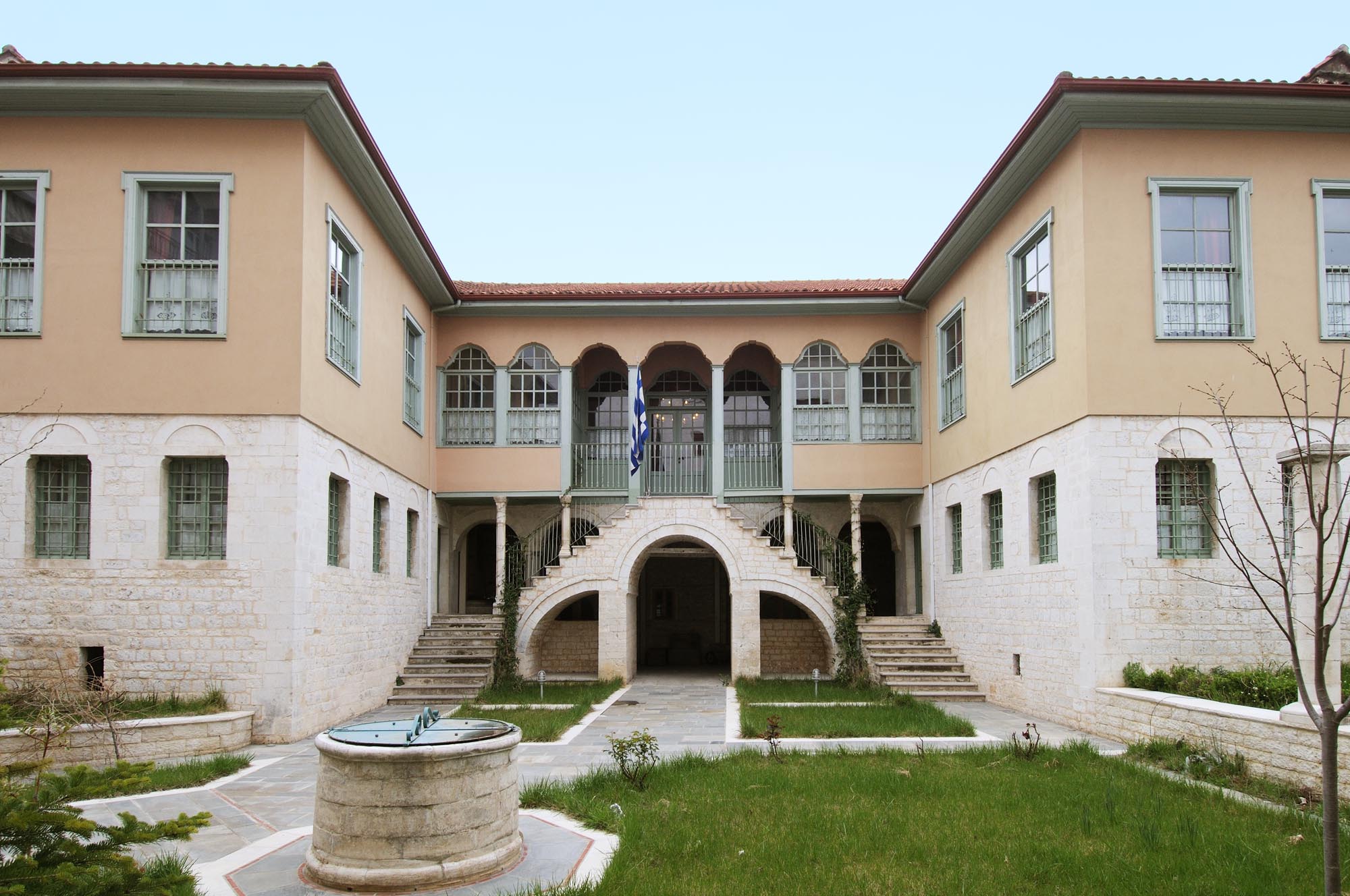
The traditional houses of Ioannina are divided into three categories: the houses in the vernacular style, mainly located within the Castle and scattered districts outside it; the better-made noikokyrospita outside the Castle; and the mansions, also outside the Castle, built wherever there was the space available, as they are sizeable buildings with large inner courtyards. The mansions of Ioannina follow the architectural style of the mansions of mainland Greece with minor variations, their interiors featuring plaster fireplaces and rich carved and painted decoration.
One of the city’s most beautiful mansions is that of the family of Hussein Bey on Pindarou Street, near the football stadium. It is also known as the Archbishop’s House, as it was the seat of the city’s archbishop for a time. This and the House of Pasha Kalos – the only one inside the Castle, named after the “Good Pasha” Mehmed II, Wali of Ioannina (1762-1775) – are among the few secular buildings to survive the systematic burning of the city by Ottoman troops in 1820-1822. The Pyrsinellas (c. 1830), Misios (1844) and Varzelis (1850) Mansions are also typical examples of the secular architecture of Ioannina in the first half of the 19th century. The urban residences of the late 19th and early 20th century, such as the Pyrsinellas House (now the Municipal Art Gallery) and the Lazaridis, Spengos, Tzavellas and Trougos-Sakellion Houses, are also of great architectural interest.
Hans
Many of the numerous hans once concentrated mainly in the area of the market still survive in Ioannina today. One of the best preserved is that variously known as the “Han of Ioannina”, “Thanopoulos Han” or “Lambros Han” after its owners, on Kaningos Street. The two-storey building was erected in the 1870s, during the redevelopment of the area following the devastating fire of 1869. The ground floor had street-facing shops, a restaurant, warehouses, stables and barns, with lodgings for customers on the first floor.
Museums - Ιnstitutions of the city of Ιoannina
Archaeological Museum (6, 25th of March Square)
Built by the great 1960s architect Aris Konstantinidis in the city centre, on the Litharitsia hill, the museum houses a wealth of exhibits from every part of Epirus.
Kostas Frontzos Folklore Museum (42 Michail Angelou St.)
The Museum, housed in a 19th-century mansion, was created on the initiative of the Society for Epirotic Studies and its subsidiary, the Ionian and Adriatic Studies Foundation. It is named after the collector Kostas Frontzos, who conceived the Museum. The museum exhibits are important testimonies of the folk culture of Epirus.
Ch. Nikolaou Historical Museum of Ioannina (9 Neoptolemou St.)
The Museum is located opposite the main gate of the Castle. On the two floors of the listed mansion, built in 1900, are displayed numerous exhibits highlighting various aspects of the daily life of the inhabitants of Ioannina and other regions of Greece during the Late Ottoman period.
Municipal Art Gallery of Ioannina (28 October and Korai St.)
Housed in the Pyrsinellas Mansion, a typical late-19th-century mansion in the Eclectic style, it hosts a collection of works by major Greek artists of the 19th and 20th centuries.
Gallery of the Society for Epirotic Studies (4 Paraskevopoulou St.)
The Gallery collection includes numerous works by some of the most important Greek painters, as well as rare engravings of subjects associated with Epirus and maps.
Zosimaia Public Central Historic Library of Ioannina (Markou Botsari and Eleftheriou Venizelou Streets)
The Library is housed in a two-storey building in the city centre, designed by the architect Pericles Melirrytos. The historic Library was created in 1828 on the establishment of the Public General Greek School (later the Zosimaia School) by the Zosimas family. The Library of the School contained all the surviving books of the defunct Kaplaneios and Balaneios Schools, as well as books published or purchased at the family’s expense. Today it has a rich collection including manuscripts dating from the 12th to the 19th century.
University of Ioannina Museums
The School of Philosophy of the University of Ioannina houses the Folklore Museum, the Maria and Spyros Malafouris (Ernanis) Library and Museum, with a rich collection of books, manuscripts, paintings and engravings, the Museum of Casts, with copies of representative works of ancient Greek sculpture, and the Museum of Typography and Graphic Arts Technology, with exhibits dating from the 18th to the mid-20th century presenting the country’s printing history. The University School of Medicine houses the Museum of the History of Medicine, with exhibits showcasing the development of medicine from antiquity to the 20th century.
Island of ioannina: Μonasteries and Μuseums
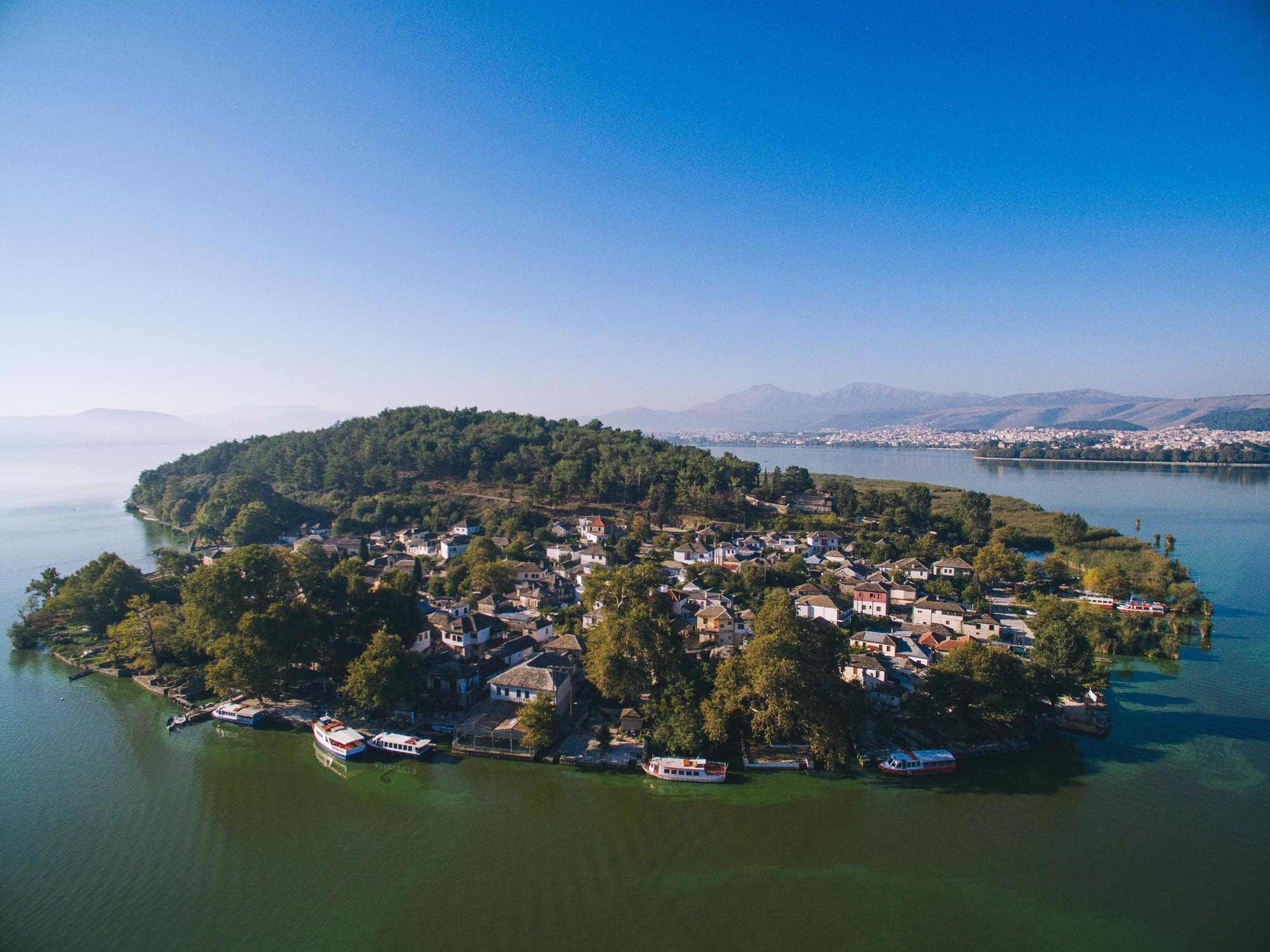
In the northwest part of Lake Pamvotis lies the small Island, which has no other name. It is one of only two inhabited lake islands in Greece, the other being the islet of Agios Achilleios in the Prespes. The small, picturesque village on its northeast side, designated a settlement of outstanding natural beauty, probably dates from the 16th century. In the centre of the village is the church of the Dormition of the Virgin, a typical example of a three-aisled basilica of the period, built after 1822. Two monasteries were founded on the Island in the Byzantine period: that of St Nicholas Philanthropenon or Spanou and that of St Nicholas Strategopoulou or Diliou. They are both dedicated to the patron saint of sailors, who is especially honoured by the fishermen of the Lake of Ioannina. The two monasteries, built on the west side of the Island by the Philanthropenoi and Strategopouloi respectively, Byzantine noble families who fled to Ioannina after the Sack of Constantinople in 1204, were the starting point for the establishment of monasticism on the Island, which was to peak in the 16th century.
During this period, the two existing monasteries were renovated and decorated with frescoes by notable artists. The Monastery of St John the Baptist was founded by the hieromonk brothers Nectarios and Theophanes of the noble Apsaras family (1506/7), followed by the Monastery of Panagia Eleousa (formerly the Monastery of St Nicholas Anemon or Gioumaton or Methodaton) (second half of the 16th c). The monastic community continued to flourish in the following centuries with the establishment of three more monasteries, those of St Panteleimon, the Transfiguration of the Saviour and the Prophet Elijah.
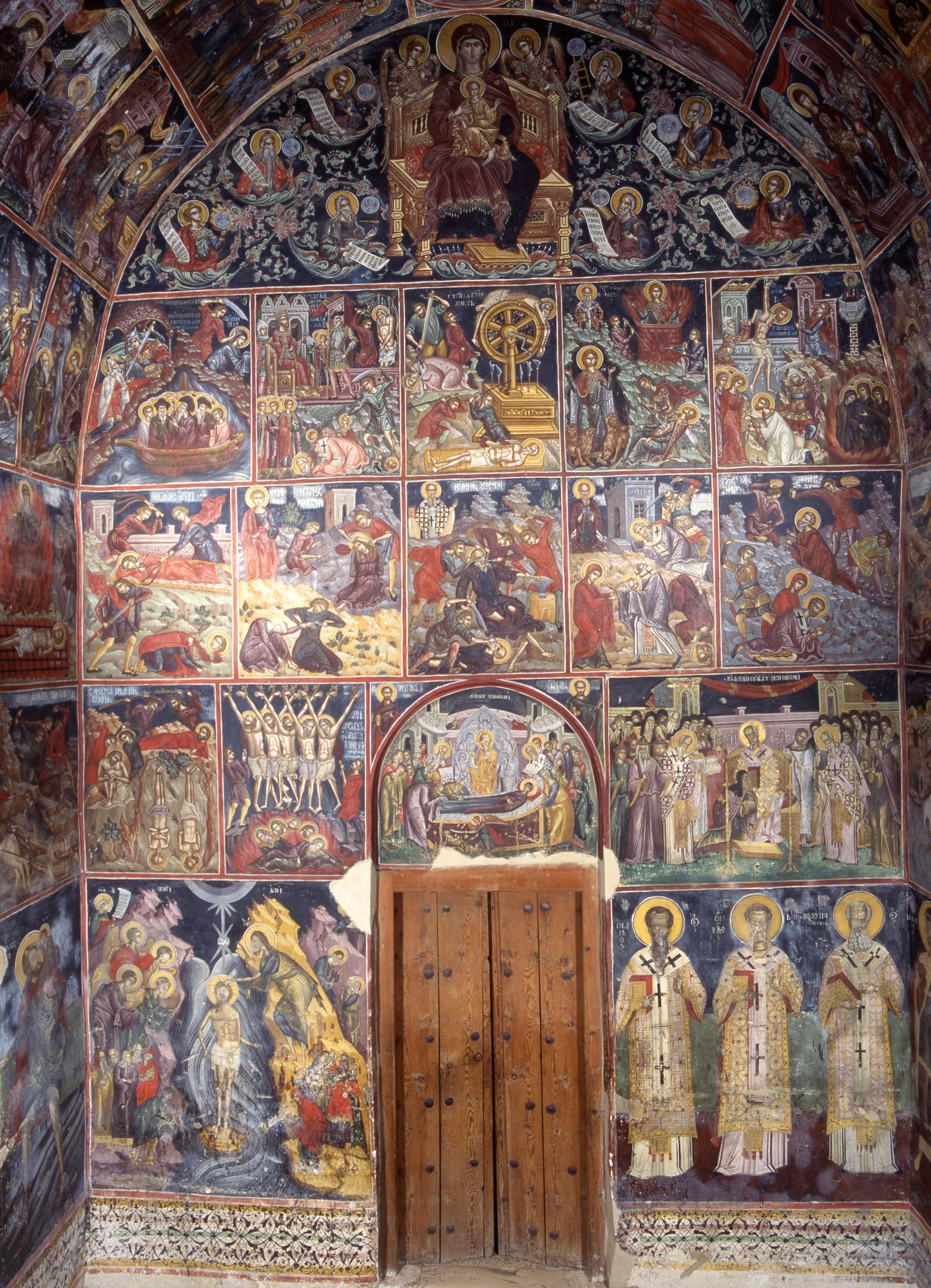
The seven monasteries of the Island were not only religious retreats but also prestigious spiritual centres of the region, supported by the generous donations of the expatriate sons of Ioannina after whom they are named (Spanos, Dilios, Gioumas, Methodatos). They were also fertile centres for the development of monumental painting in the post-Byzantine period. The magnificent frescoes of the Monastery of St Nicholas Philanthropenon were executed in three phases (1531/2, 1542 and 1560) and are masterpieces of what is known as the School of Northwest Greece or the Epirus School, the artistic movement that appeared in Epirus in the 16th century before spreading to Western and Central Greece. It was also called the Theban School, because its most important representatives, Frangos Katelanos and the brothers Frangos and Georgios Kontaris, were from Thebes. The extensive fresco decoration of the Monastery, which includes over 170 full-length saints and more than 750 individual scenes, exemplifies the style of the School. Indeed, the work of the leading Theban painters is visible in the second and third layers of frescoes, dated 1542 and 1560 respectively. The first layer of frescoes in the katholikοn of the Monastery of Panagia Eleousa is also attributed to the Kontaris brothers. The frescoes of the Monastery of St Nicholas Diliou (1542-1543), executed by a notable workshop of painters whose names are unknown, are also excellent examples of the art of the same school.
The seven monasteries suffered considerable damage in the conflicts of 1820-1822, when Ali Pasha fled to the Island and was killed in the Monastery of St Panteleimon. Today, the Monastery houses the Museum of Ali Pasha and the Revolutionary Period, with the important collection of unique historical artefacts belonging to the family of Fotis Rapakousis. Today, only the Monastery of Panagia Eleousa still operates as a monastery, with the other monasteries as its dependencies.