REGIONAL UNIT OF IMATHIA: TRADITION AND CONTEMPORARY CULTURE
Cultural events in the city of Veria
In Veria, myth, history, cultural heritage and tradition meet modern cultural creation.
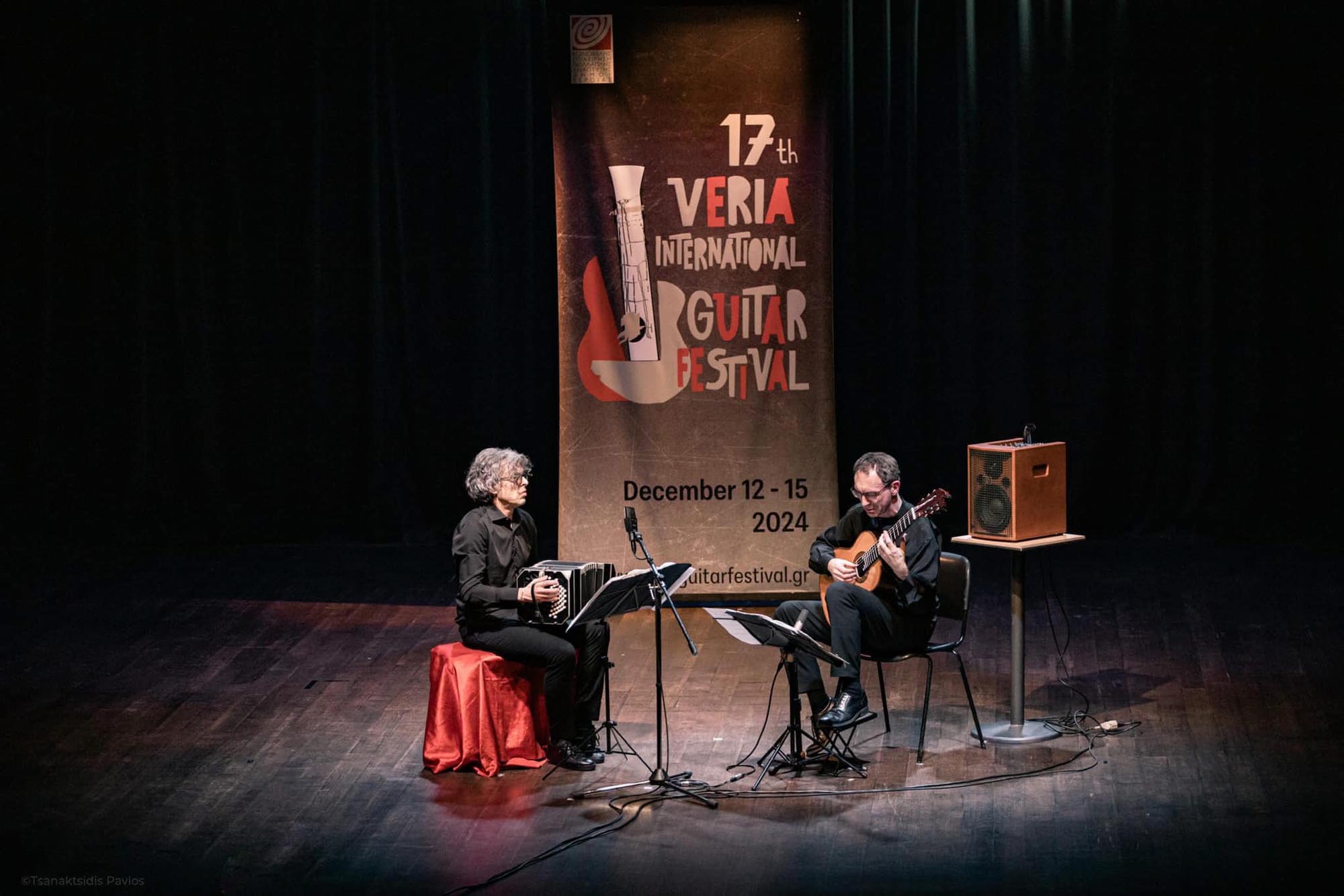
In December, the International Guitar Festival features concerts by internationally acclaimed musicians, seminars, exhibitions and competitions. In the spring, the Veria Dance Competition is attended by students from all over Greece. The Aigai Festival at the Polycentric Museum of Aigai, organised by the Municipality of Veria in collaboration with the Ephorate of Antiquities of Imathia, highlights the musical culture of the regions which Alexander the Great passed through. In the summer, the Municipality organises the Fine-Sounding City music festival, while the Holy Metropolis of Veria, Naoussa and Campania organises the Pavleia, cultural events in honour of St Paul culminating in the Pavleia International Scientific Conferences.
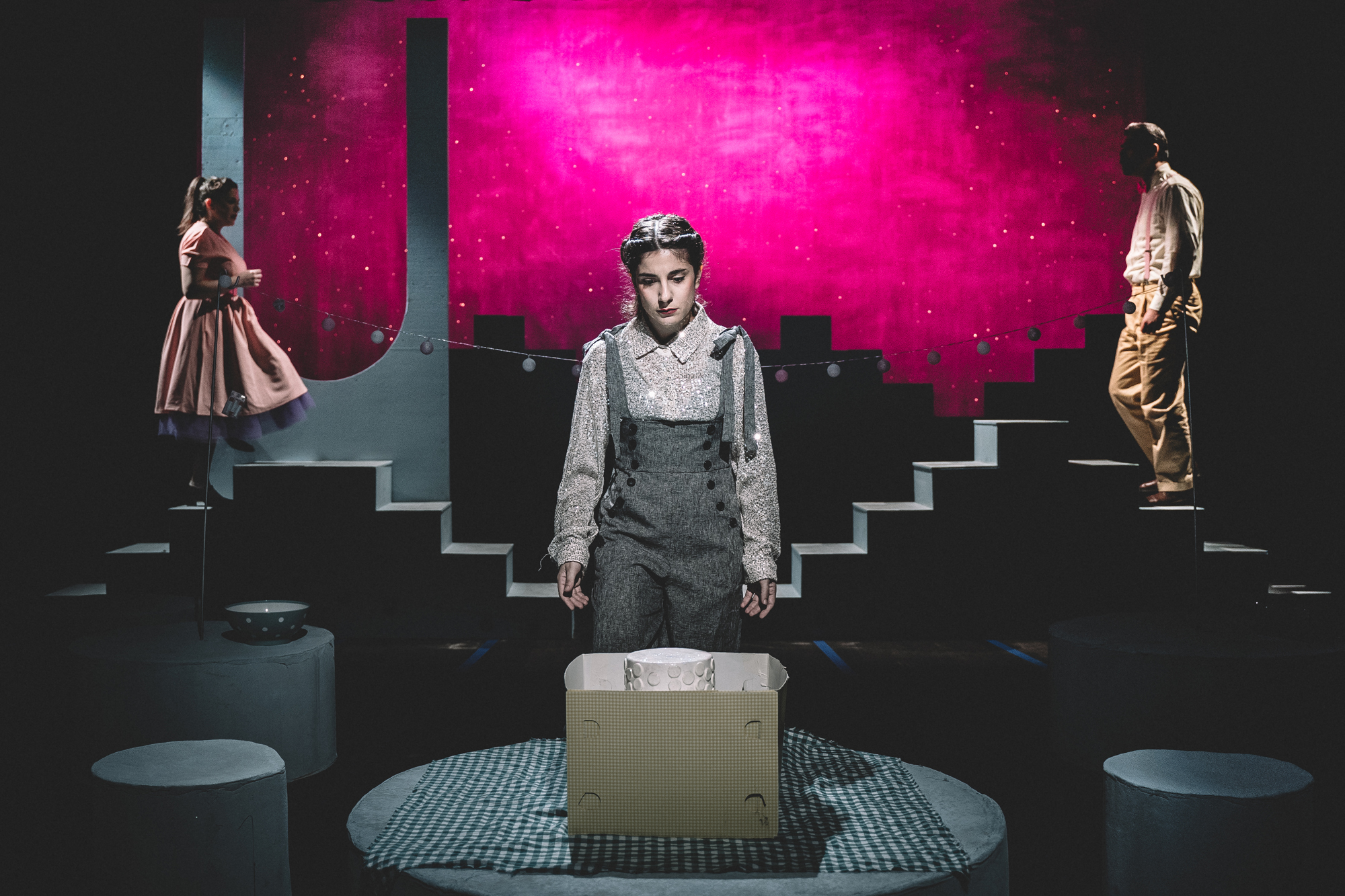
Theatrical and musical events, lectures, conferences and exhibitions take place in the Melina Mercouri open amphitheatre in the Arts Venue of the Antoniadeios House of Arts and Letters. The Municipal and Regional Theatre of Veria holds annual performances of the Central, Children’s, Youth and Alternative Stage. The Central Public Library is a modern multipurpose cultural venue which holds a variety of activities in its event hall.
Performances and festivals in the wider region
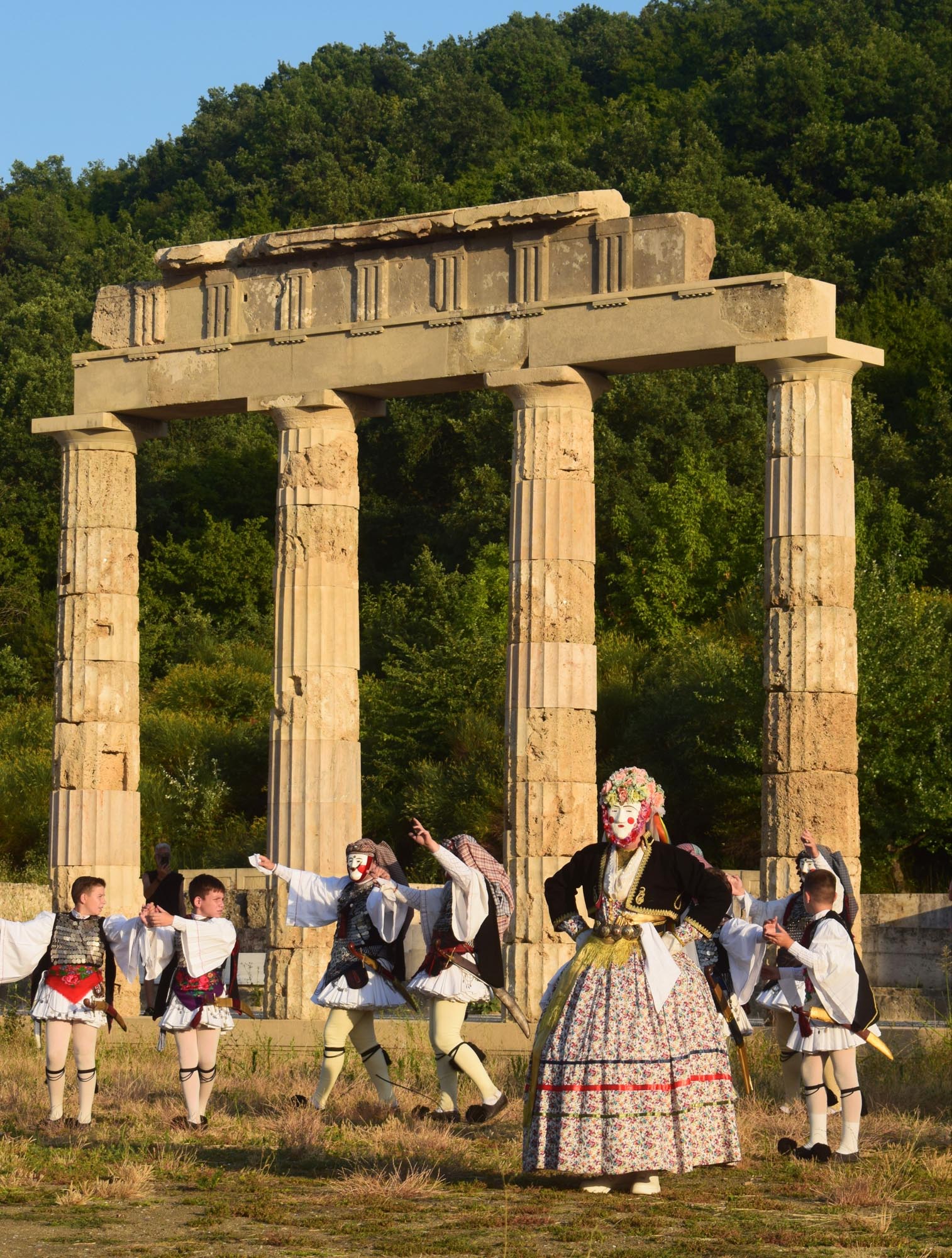
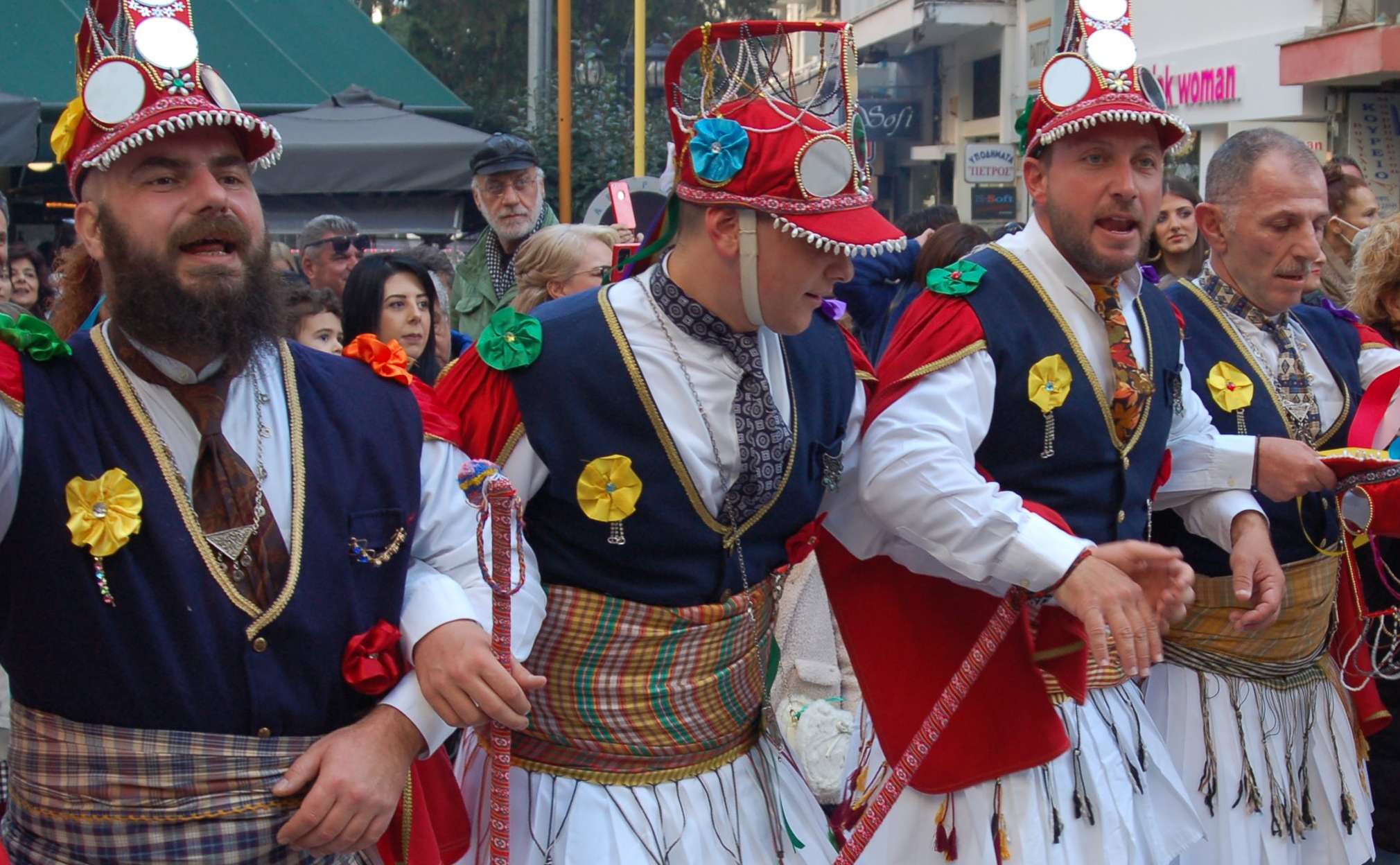
Customs and traditions highlight the unique and diverse character of Imathia. At Christmas, the Rougatsia custom is revived in Veria and various villages of Imathia. Men in fustanelles (men’s traditional pleated skirts) pour into the streets, dancing and brandishing their swords. The most typical event of the region is Genitsaroi and Boules (Janissaries and Brides), performed by teenagers and young men during Carnival in Naoussa. The ritual reflects elements of local tradition, songs, myths and legends, with references to the heroic struggles of the people of Naoussa during the Greek Revolution in 1822. The main features of the costume are the masks, elaborate headbands, fustanelles and swords. The Boula or Bride wears a wide, elaborate bridal costume, her chest adorned with silver jewellery. The troupes (bouloukia) of youths and men, the Genitsaroi, perform patinades, traditional songs and dances in procession, to the music of the zournas (shawm) and daouli drum. The event has been inscribed on the National Inventory of Intangible Cultural Heritage.
The Naoussa region is also known for its beautiful natural environment, its proximity to Mieza, the prominent city of the Macedonian kingdom, its age-old viticultural tradition and its impressive industrial heritage. The largest vineyard of the Xinomavro variety in Northern Greece contributes to the local economy. The cultural tradition of making Xinomavro wine has been inscribed on the National Inventory of Intangible Cultural Heritage.
In June the International Folklore Festival is held in Naoussa under the auspices of the International Council of Organisations of Folklore Festivals and Folk Arts (CIOFF).
The modern cultural heritage of Imathia was significantly enriched by the settlement of refugees from Thrace, Asia Minor and Pontus on the southern coast of the Black Sea after 1922.
In Naoussa, the Euxine Association of Pontians of Naoussa has preserved important manuscripts, books and heirlooms brought by refugees from Argyroupolis in Pontus. On the initiative of the Pontians of Naoussa and Veria, the Momogeroi custom is revived at Christmas. In Trikala, Imathia, one of the most important Christmas customs of the refugees from Eastern Rumelia is the Kamila kai Divitzis (Camel and Camel-driver). In Meliki, on Cheesefare Monday in the last week before Lent, the Thracian refugees revive the distinctive Kalogeros (Good Old Man) dance performance, imitating the actions of ploughing and sowing.
At the Monastery of Panagia Soumela, the spiritual centre of Pontian Hellenism in the mountain village of Kastania in the municipality of Veria, throngs of people gather for the festival of the Dormition of the Virgin on 15 August. The celebrations include cultural events organised by Pontian associations.