Drama

Drama, a city founded on the waters

Drama, today the capital of the Regional Unit of that name, is built on a site that has been inhabited since prehistoric times, at the foot of the imposing Mount Falakro, northeast of the large, continuous plain of Drama that stretches between the Rivers Angitis and Nestos. In the heart of the city, the waters of the springs of Agia Varvara form a unique biotope, harmoniously incorporated into the modern urban fabric. The city gained in importance especially during the Byzantine period, after the decline of Philippi, which was the dominant administrative and cultural centre of the region until Early Christian times. From the mid-19th century onwards, the city experienced significant economic growth and prosperity, chiefly based on the cultivation and trade of tobacco.

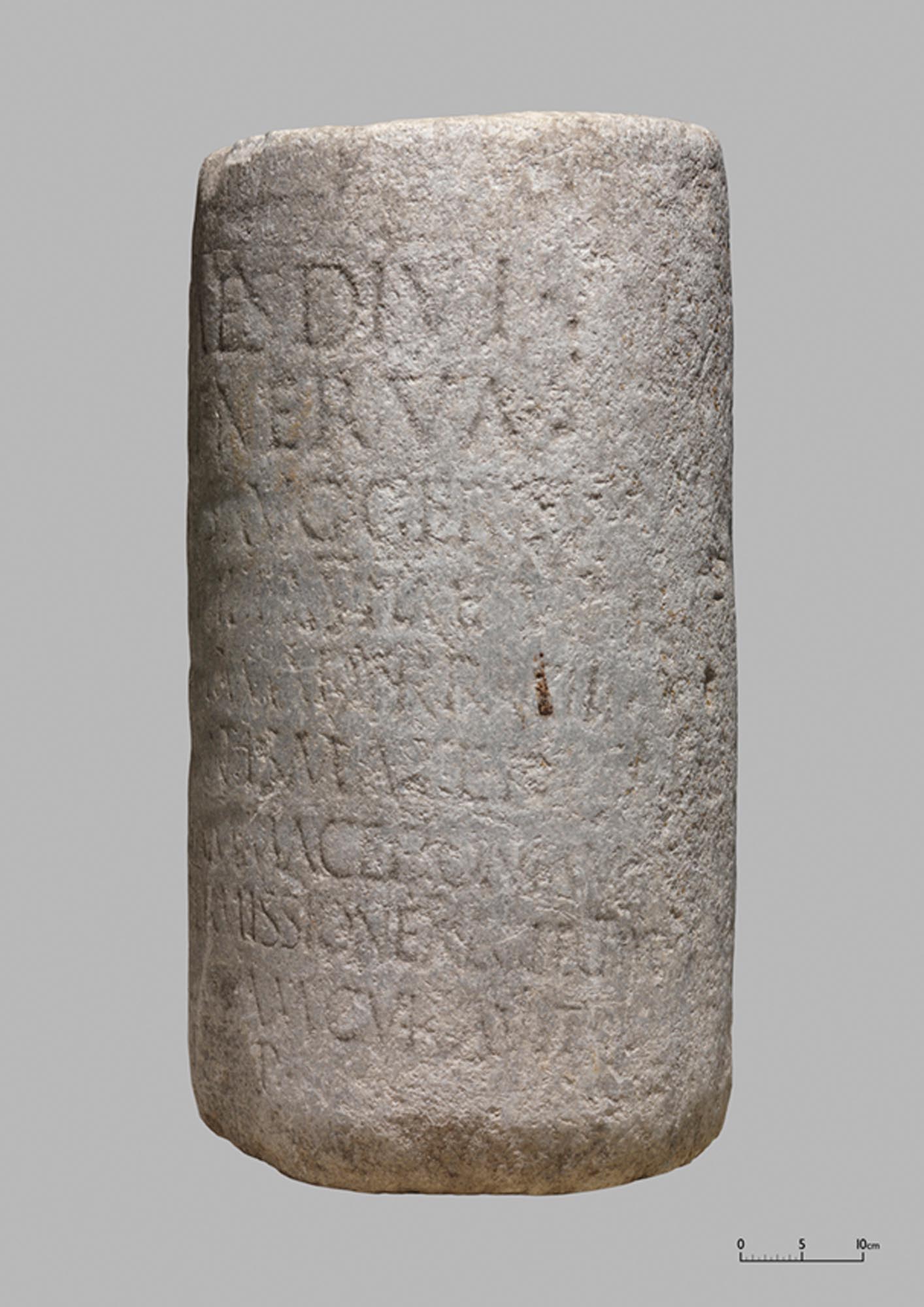
Μιλιοδείκτης Εγνατίας οδού από το Καλαμπάκι, 112 μ.Χ., Αρχαιολογικό Μουσείο Δράμας / Marble milestone of the Via Egnatia from Kalambaki, 112 AD, Archaeological Museum of Drama

The Via Egnatia, on its course from Philippi to Amphipolis, passed south of the city of Drama, crossing the plain of the same name. Following the northern foothills of Mount Pangaion, it then passed through the vicinity of the modern town of Kalambaki, roughly 13 km south of Drama. At Kalambaki, the site of a flourishing ancient settlement that was part of the territory of Philippi, a marble milestone dated 112 AD has been found, referring to the repairs made to the Via Egnatia from Dyrrachium to Akontisma by the Roman Emperor Trajan (98-117 AD). A two-sided stele (dekastadion) from Hellenistic times (late 3rd-early 2nd century BC) was also found in Kalambaki, which bears the distances from the two important cities of the region, Philippi (30 stadia) and Amphipolis (200 stadia), thus confirming  that the practice of recording the distances of the region’s well-organized road system on steles had already been established as early as the Hellenistic era –a Hellenistic dekastadion is also preserved in Amphipolis.

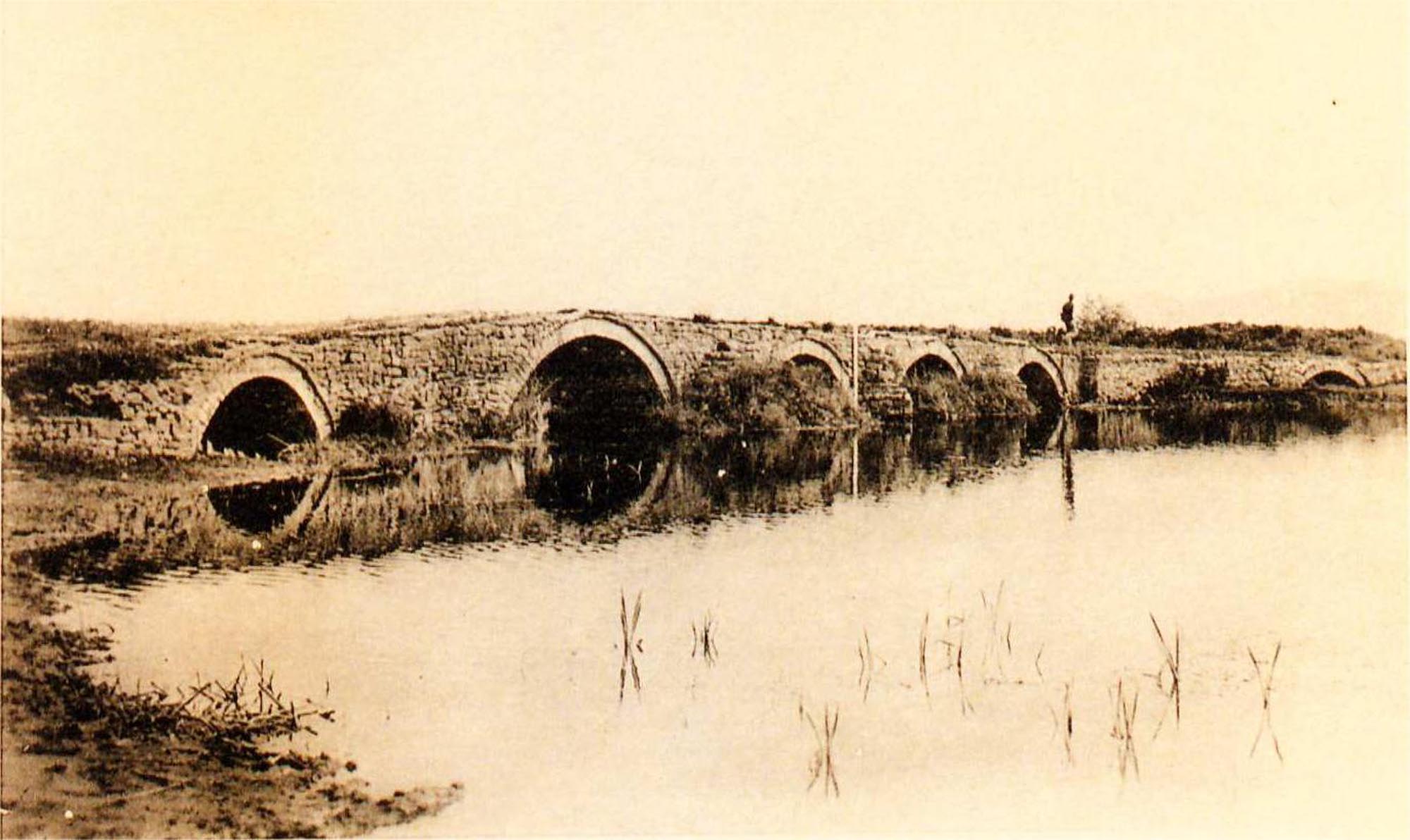
The Via Egnatia crossed the marshes in the plain of Drama with the help of bridges, such as the impressive, but now destroyed, six-arch bridge of Kourovo over the River Zygaktis, a tributary of the Angitis, south of the modern village of Mavrolefki. 1.5 km northwest of this bridge was another, smaller, Roman bridge with two arches, which is not visible today, as it lies under the Amphipolis–Drama highway. Τhe Swiss archaeologist Paul Collart places the the changing station (mutatio) Ad Duodecimum of the Via Egnatia in the area of Mavrolefki. According to the Itinerarium Burdigalense, this station lay midway between Amphipolis and Philippi – the name of the station means that it was 12 Roman miles from Philippi. Of particular interest is the 3rd-century AD Latin funerary inscription, found in Mavrolefki, which attests to the existence of a Roman inn in the area probably associated with the passage of the Via Egnatia; the inscription commemorates a slave who lived and worked in an inn (taberna) until his untimely death at just sixteen years of age.

Μαυρολεύκη, η κατεστραμμένη σήμερα μεγάλη εξάτοξη γέφυρα του Κουρόβου /Mavrolefki, the now-destroyed large six-arched bridge of Kourovo. Φωτ./photo: P. Collart, Philippes: Ville de Macédoine: Depuis ses origins jusqu’à la fin de l’époque romaine, Paris 1937, vol. 2, table LXXXV:1

History

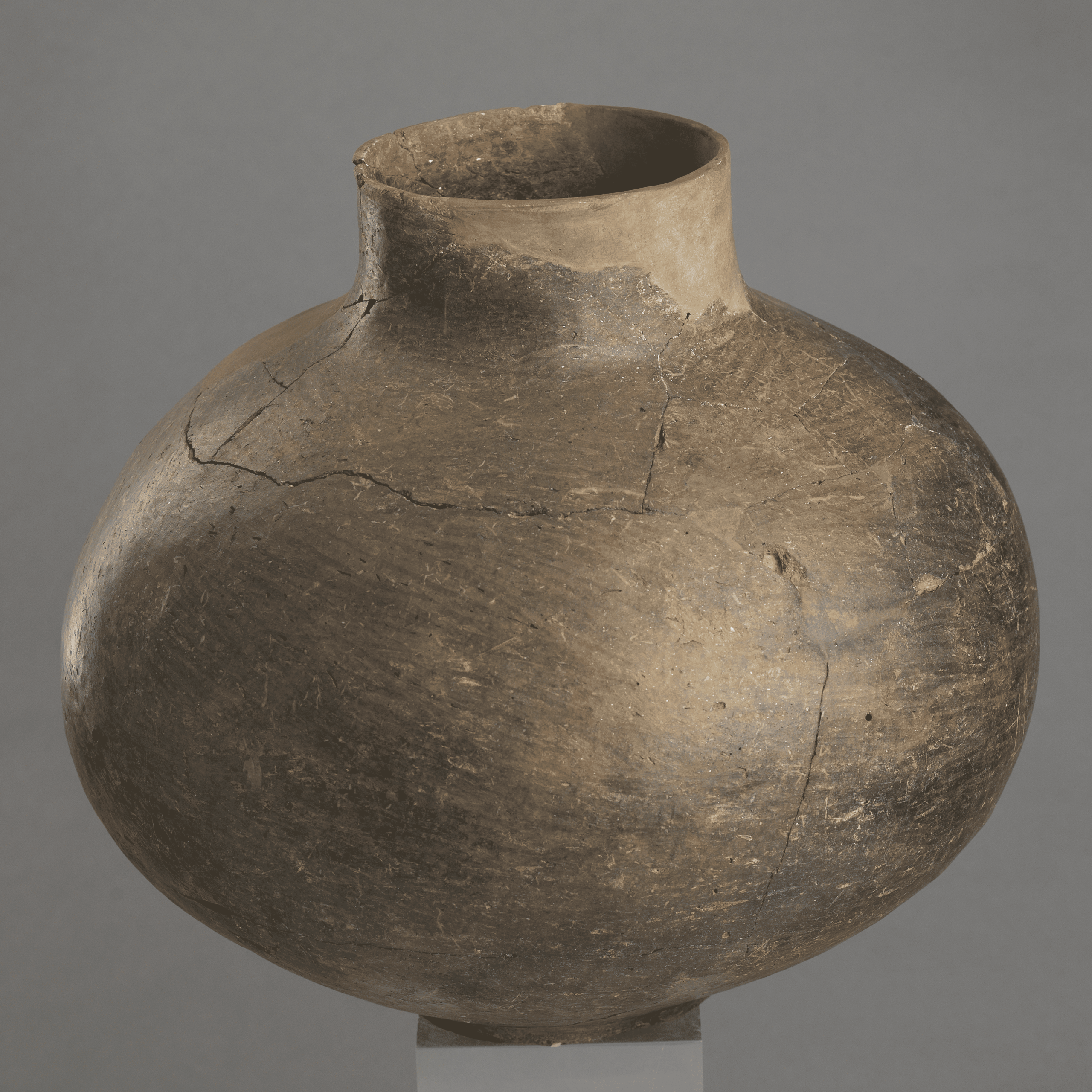
The oldest settlement on the site of the modern city of Drama dates back to the Middle Neolithic Age (mid-6th millennium BC). This is the Neolithic settlement of Arkadikos, which has been excavated a short distance from the city centre, in the social housing area. Built at a low altitude, near springs, it covers an area of about 15 hectares and is one of the largest prehistoric settlements in the Balkans. It continued to be inhabited sporadically into historical times.

According to literary and epigraphic evidence, during the Archaic and Early Classical periods (7th-5th c. BC) the region of Drama was inhabited by Edonians, a Thracian tribe that appeared in the Greek world from the time of the Homeric epics. In the early 7th century BC, Greek populations began to penetrate the hinterland of Drama. with the establishment of Greek colonies on Thasos and along the Thraco-Macedonian coast. Around the mid-4th century BC, Philip II incorporated the region in the Macedonian Kingdom. During this period, and under the strong influence of the two major Greek cities of the region, Amphipolis and Philippi, the local Thracian tribes became increasingly urbanised and Hellenised. On the initiative of Philip II, Alexander the Great and their successors, important works were carried out in the region of Drama, including the construction of strongholds in suitable locations and the organisation of the road network between Amphipolis and Philippi.

Πήλινο αγγείο νεολιθικών χρόνων από τον Αρκαδικό, Αρχαιολογικό Μουσείο Δράμας / Arkadikos, clay neolithic vase, Archaeological Museum of Drama
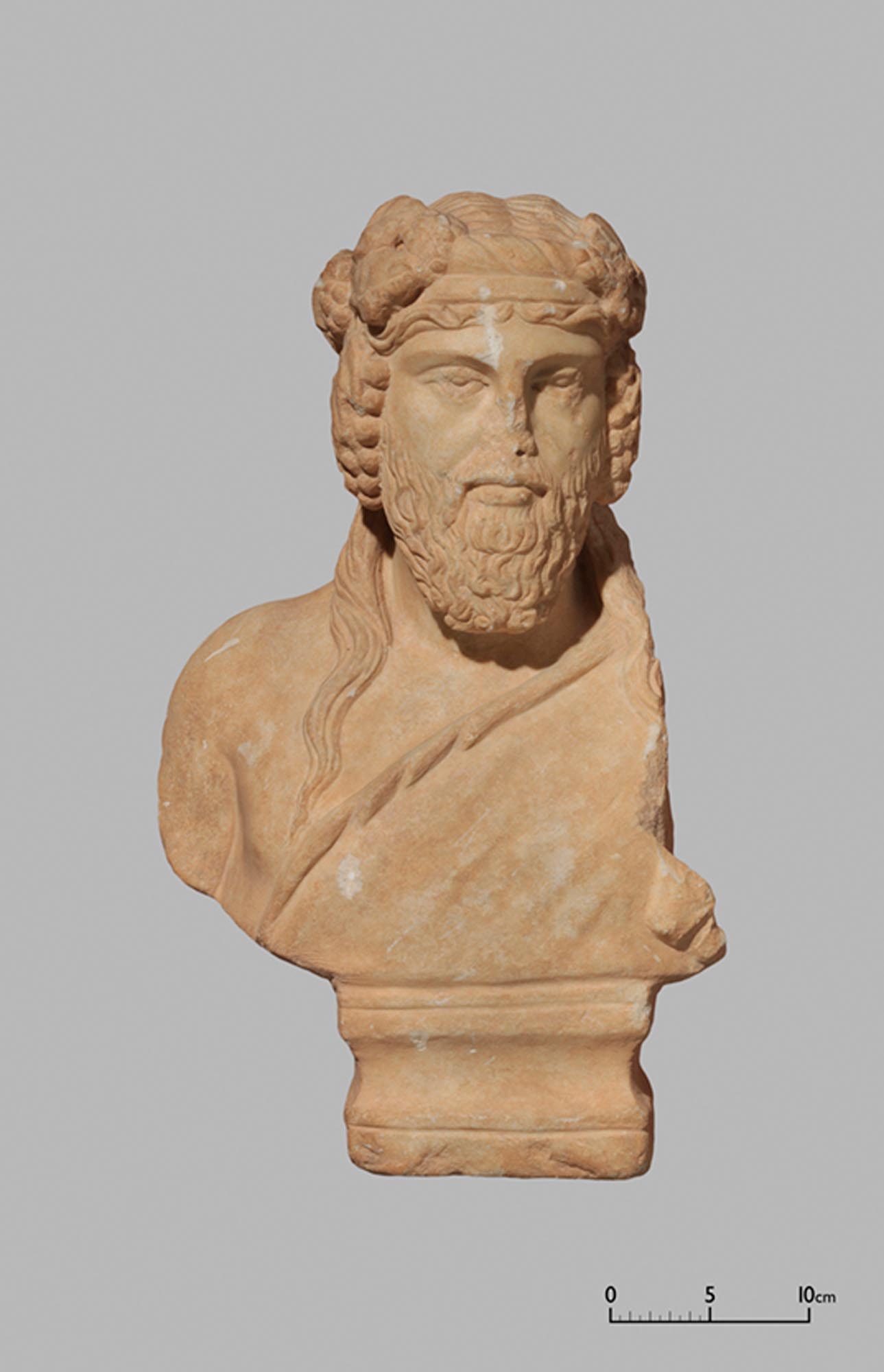
Περιοχή Αγίου Τρύφωνα, μαρμάρινη προτομή του θεού Διονύσου, 2ος αι. μ.Χ., Αρχαιολογικό Μουσείο Δράμας / Marble bust of the god Dionysos from the area of St Tryphon, 2nd c. AD, Archaeological Museum of Drama

After the defeat of Perseus, the last Macedonian king, and the subjugation of Macedonia to the Romans (168 BC), the region of Drama became part of of the First Meris, one of the four administrative regions (regiones) into which Macedonia was divided during Roman times, with Amphipolis as its capital. A milestone in the history of the region was the founding of the city of Philippi as a Roman colony, immediately after the Battle of Philippi in 42 BC. Roman colonists, veterans of the Roman army, settled in the wider territory of Philippi and were granted land as a reward for their military service. A few years later, in 30 BC, Philippi was re-established as a Roman colony by the Roman Emperor Octavian with new settlers from Italy and became the major administrative centre of the region, controlling the plain of Drama and much of the hinterland.

In the city of Drama are the remains of a settlement of ancient and Roman times. It has been proposed that this is one of the cities known from literary and epigraphical sources, such as Tripolis. Many researchers have also argued that the ancient settlement of Drama could be identified with the important ancient Thracian city of Draviskos, a view that is not widely accepted. Roman itineraries also mention the station of the Via Egnatia Daravescos, which some historians place in the area of the present-day settlement of Dravisko in Serres, east of Mount Pangaio, southwest of Drama.

The form and size of the ancient Greek and Roman settlement of Drama are difficult to determine, due to the uninterrupted occupation of the area down the ages and the great thickness of the fill on which the buildings of the modern city have been constructed. However, based on the excavation finds to date, the core of the ancient settlement lies in the historic town centre, inside the Byzantine castle. Sculptures and inscriptions testify to the existence of an important sanctuary of the god Dionysus, the location of which has not yet been ascertained. The cult of Dionysus in the area of Drama, in close proximity to Pangaion, the sacred mountain of the god which, according to legend, he himself chose for his orgiastic festivals, was highly popular with Greeks, Thracians and Romans, as we see from the names of worshippers recorded in the surviving votive inscriptions.

In the Early Christian period, the region of Drama remained administratively and ecclesiastically subject to Philippi, then a flourishing centre of Christian worship and a metropolis with many episcopal sees. The first building phase of the city’s castle and a few building remains, including the ruins of an Early Christian basilica on the site of the Byzantine church of St Sophia, date from this period.

The name Drama first appears between the second half of the 10th century and the 12th century, in written sources that call the town a polichnion and a kastron, a small town and a castle. Indeed, the castle only covered an area of about 4 hectares, capable of accommodating no more than 250 houses. The residential part of the town would also have extended outside the walls, based on Byzantine-era building remains excavated outside the castle. The town’s size remained stable until the Ottoman conquest. The sources tell us that from 1317 to 1322 Drama was governed by the prokathemenos Leon Kalognomos, a title indicating the governor of a small town, usually a minor official, while the governors of the major cities of the Empire were called kephalai.

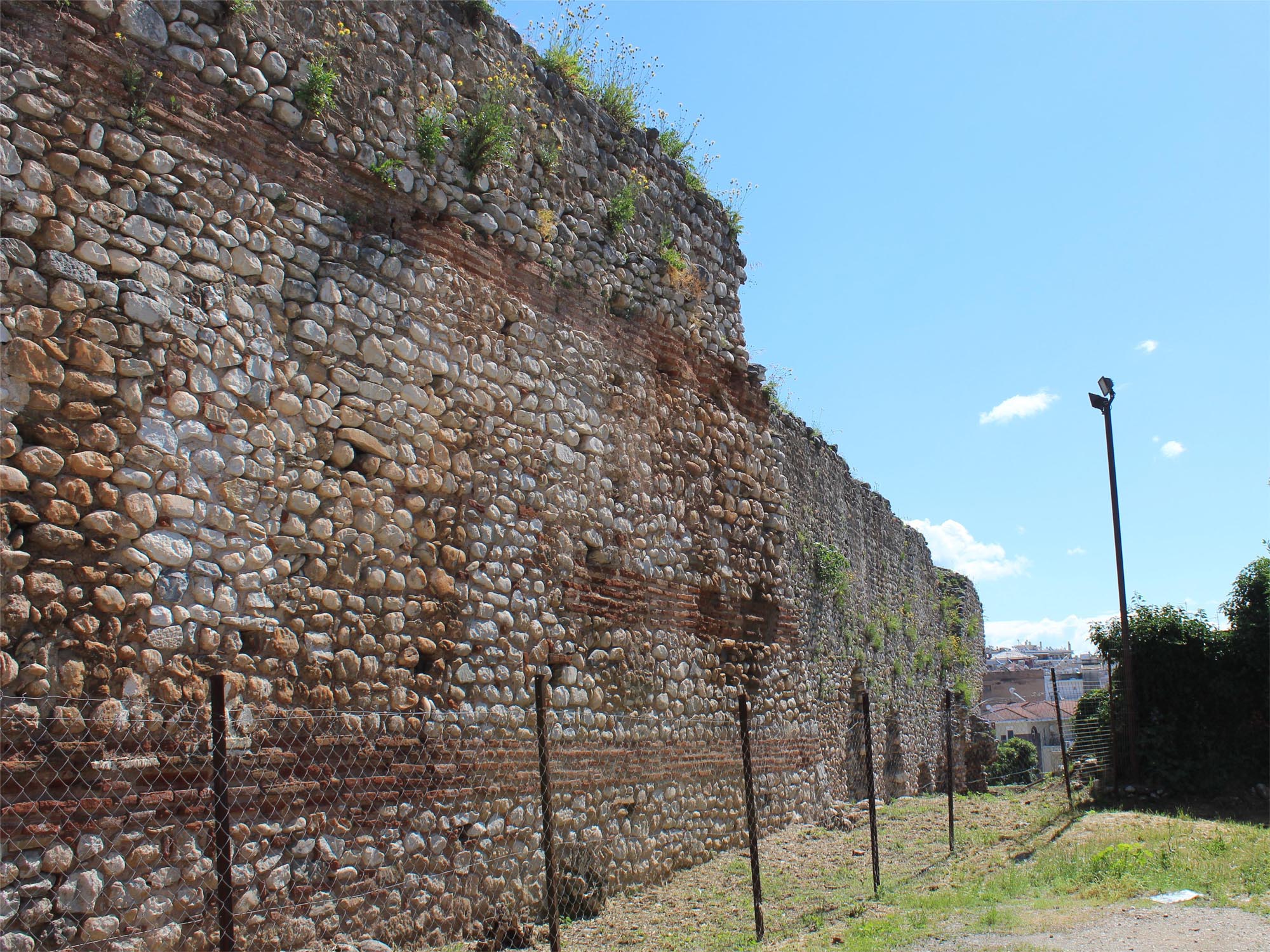
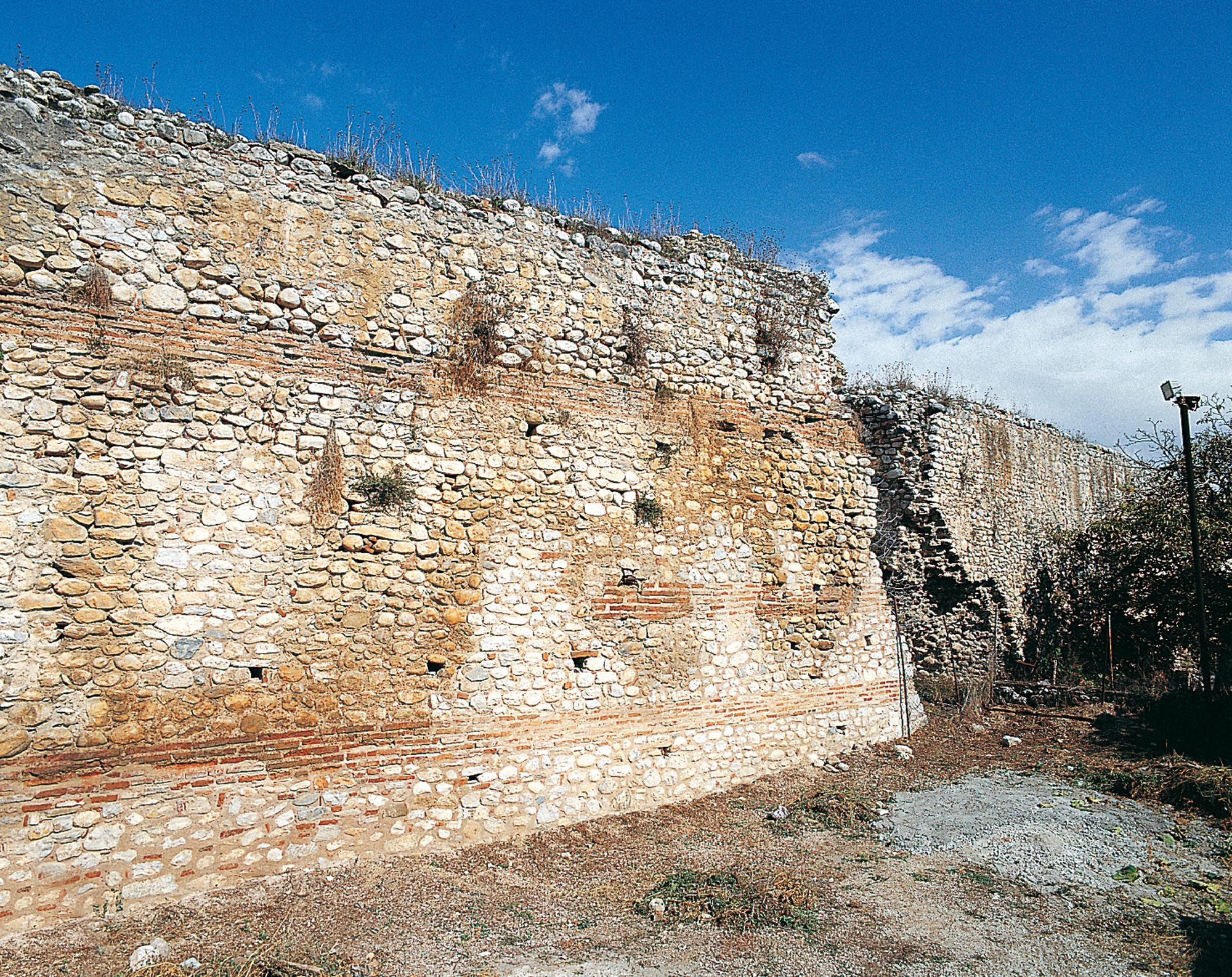
Kάστρο, βόρειο σκέλος οχύρωσης, ΕΦΑ Δράμας / Castle, northern section of the enceinte, Ephorate of Antiquities of Drama
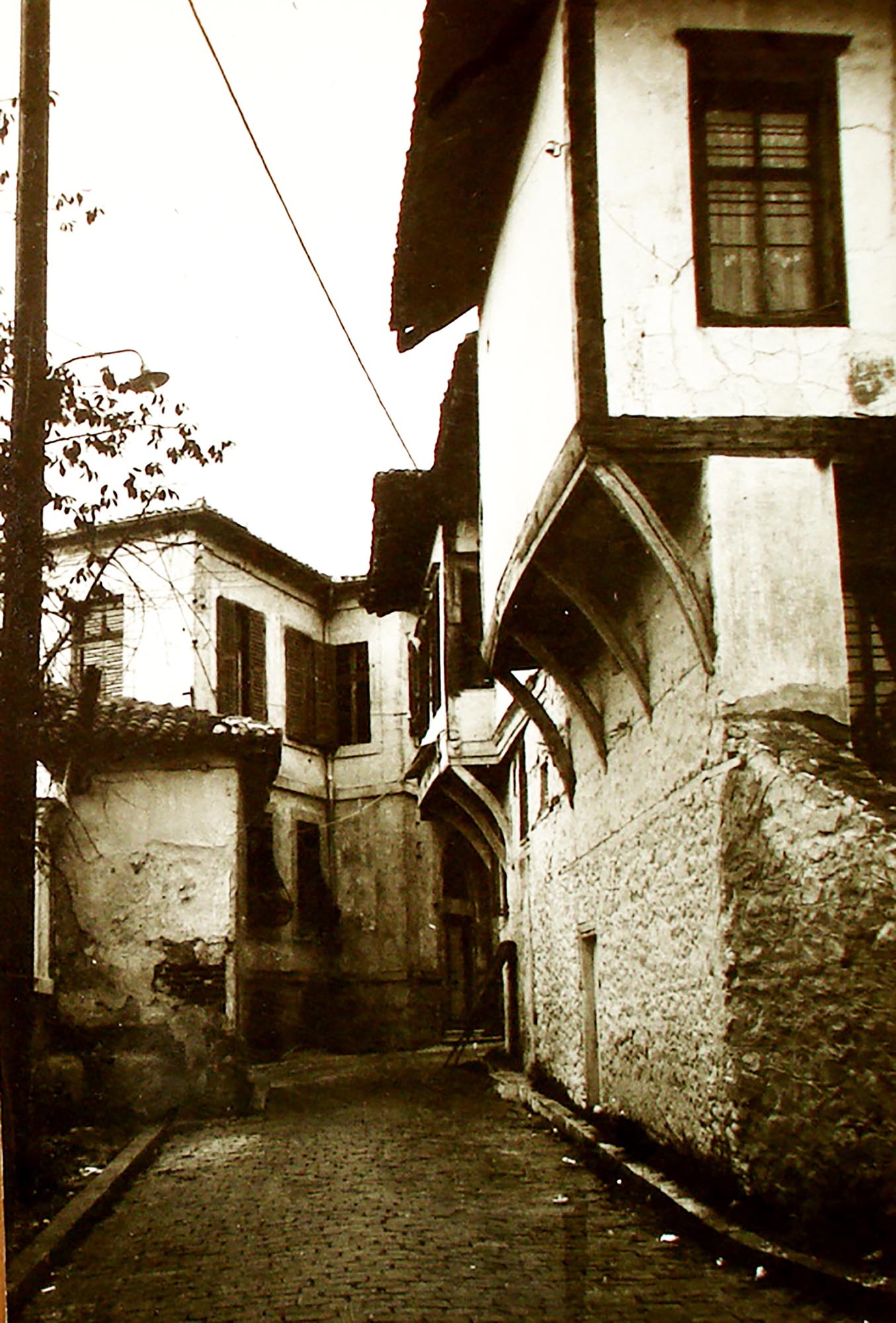
Παραδοσιακές κατοικίες στην πρώην μουσουλμανική συνοικία, Αρχείο Κ. Τρακοσοπούλου-Τζήμου / Traditional houses in the former muslim district, Archive of K. Trakosopoulou-Tzimou

During the Late Byzantine period, Drama continued to share the fortunes of the rest of Macedonia, especially those of the larger and more important neighbouring city of Serres. In 1204, after the distribution of the territories of the Byzantine Empire by the forces of the Fourth Crusade, it became part of the Latin Kingdom of Thessalonica. Twenty years later, it was occupied by the despot of Epirus, Theodore I Doukas Angelos Komnenos. In 1230, Drama was occupied by the Bulgarians and in 1246 by the Emperor of Nicaea, John III Vatatzes. Around 1341, Drama was elevated from an episcopal to a metropolitan see, and a few years later, in 1344/5, it passed into the hands of the Serbian Kralj (king) Stefan Uroš IV Dušan. In 1371 it was reconquered by Manuel Palaiologos, who, from Thessaloniki, practised a policy independent of Constantinople.

In 1383 or 1384, the Turks occupied Drama, inaugurating the long period of Ottoman rule of the city, which was to last until 1912. In Ottoman times, the small Byzantine castle-city gradually became a Muslim urban centre. The new Muslim populations settled in the districts that spread outside the city walls. The Ottoman traveller Evliya Çelebi, who visited Drama around 1670, reports that its walls were half-ruined, without ramparts, and that it had twelve mosques, seven mescit and seven mahalle (neighbourhoods), the largest of which contained 600 one- or two-storey houses, with gardens and vineyards. The town market, extending along both banks of the Monastiraki (Tsai) stream, which now runs under 19 Maiou Street, had around 300 shops. The rushing torrent divided the town in two, while a series of bridges allowed the inhabitants to cross from one part of the town to the other. Çelebi vividly and admiringly describes the rich springs of Drama, detailing a great cistern in the centre of the city, the like of which he had not encountered in any of the places he had visited.

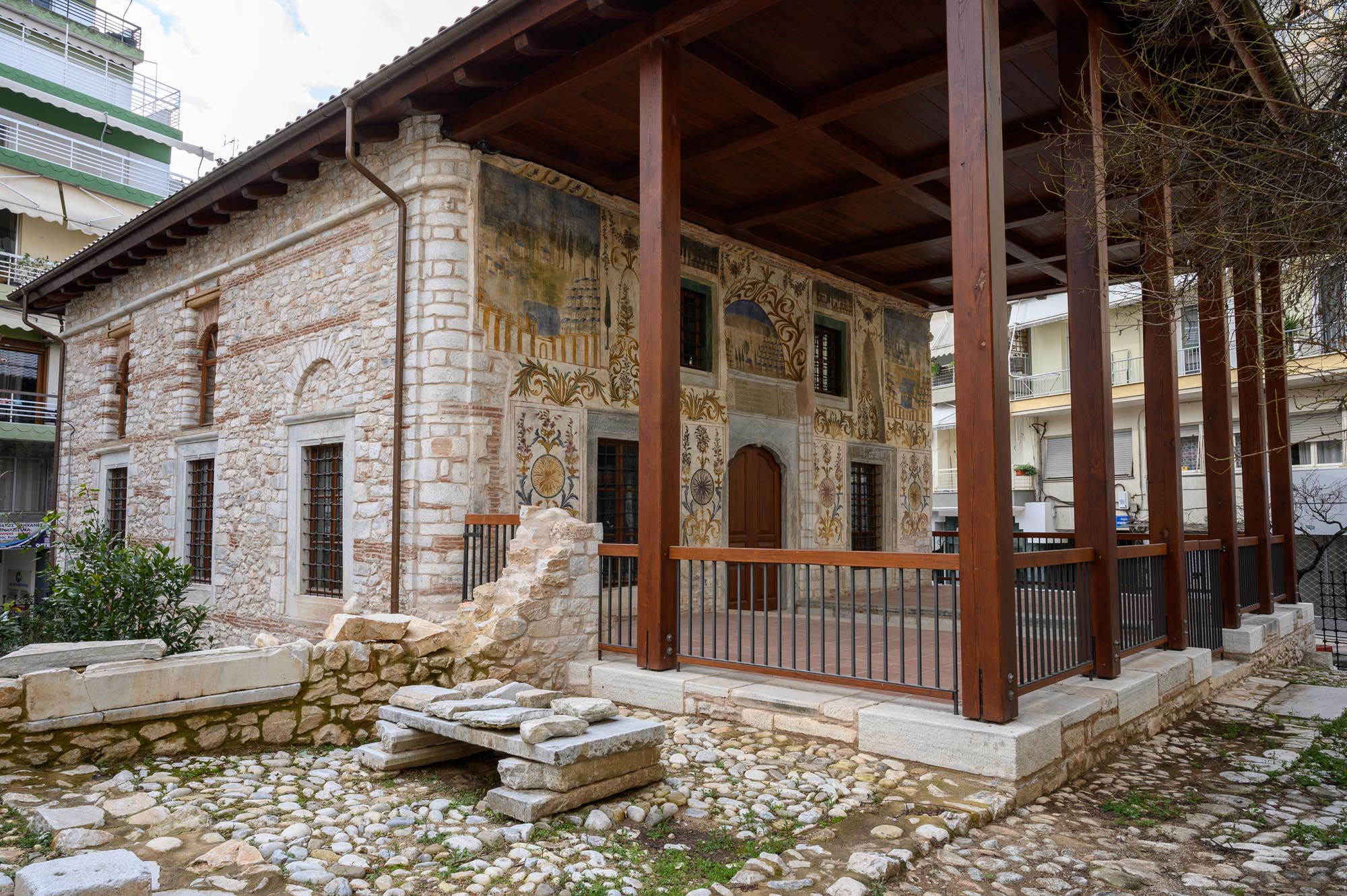
Σαντιρβάν Τζαμί, φωτογραφικό αρχείο Σάκη Γαλόπουλου / Şadırvan Mosque, Photographic Archive of Sakis Galopoulos

The 18th century marked the start of Drama’s great economic boom, mainly based on rice cultivation in the marshes around the city, as well as on industrial activities, such as spinning mills and cotton dyeworks, that exploited its abundant springs. In the mid-19th century a new period of growth began for Drama, based on the cultivation and trade of tobacco that was then exported from the port of Kavala. The Ottoman authorities boosted the city’s economic progress with a series of major public works, such as public buildings, a paved road leading from Drama to the port of Kavala, and the construction of theτ railway line linking Drama with Constantinople/Istanbul via Thessaloniki.

During the First Balkan War, in October 1912, Drama was occupied by the Bulgarians. On 1 July 1913, in the Second Balkan War, it was liberated by the Greek Army and incorporated into the Greek State. Another harsh Bulgarian occupation of the city followed during the First World War (1916-1918). In 1923, under the Treaty of Lausanne, the Muslim inhabitants of the city left, and refugees from Thrace, the Black Sea region and Asia Minor arrived. During the Second World War, Drama experienced a third Bulgarian occupation (1941-1944), which was accompanied by a series of harsh measures against the Greek population, culminating in the massacre of the local inhabitants (September 1941) and the extermination of the city’s Jewish population.

Monuments - Antiquities

Hellenistic Tomb (Troias St.)
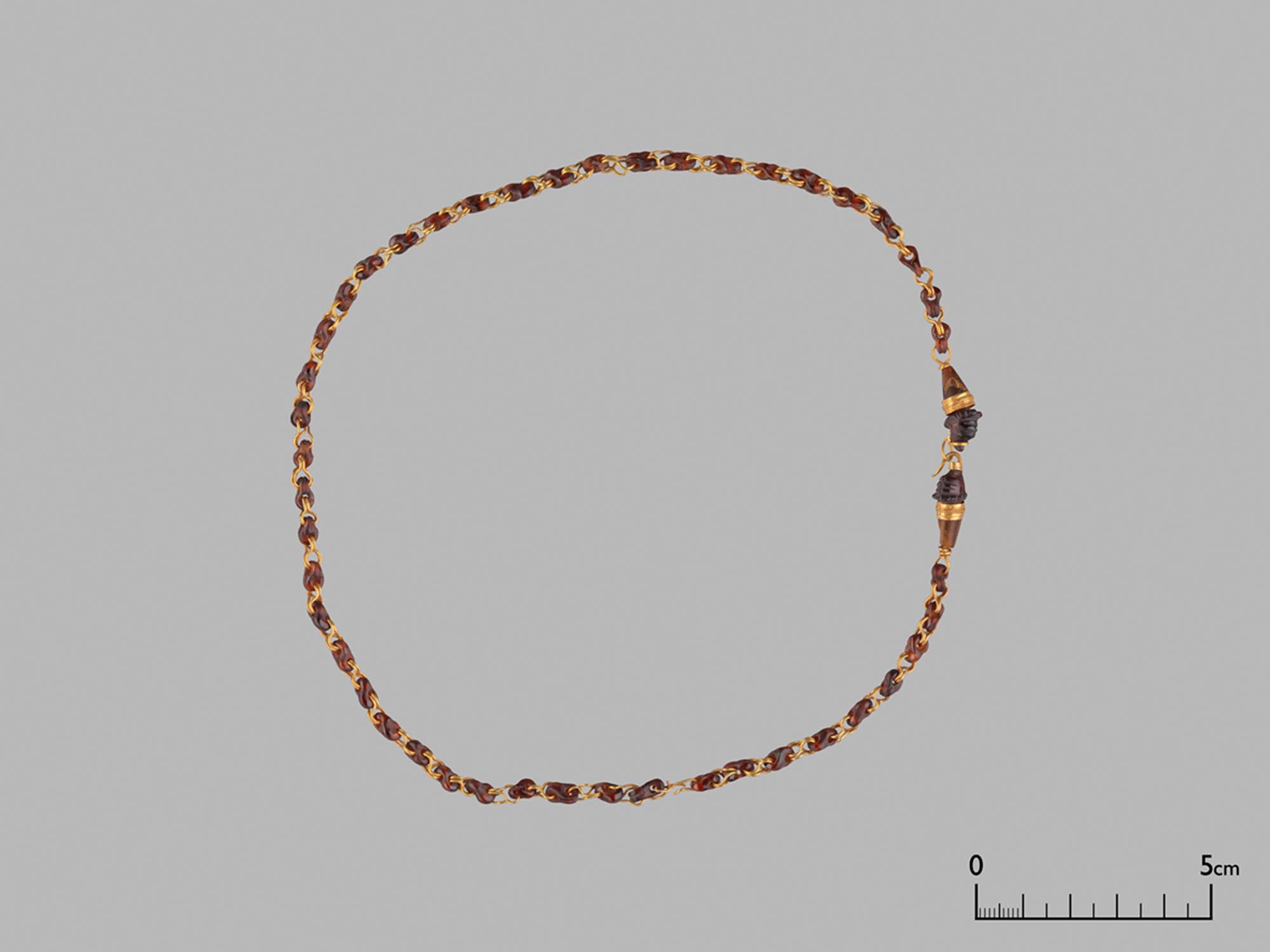
Mακεδονικός τάφος οδού Τροίας, περιδέραιο, Αρχαιολογικό Μουσείο Δράμας / Necklace from the Macedonian tomb, Troias st., Archaeological Museum of Drama

Archaeological excavations in the town centre have uncovered a “Macedonian-type” tomb, which attests to the role that the ancient settlement of Drama must have played in the kingdom of Macedonia, and the presence of powerful families or local rulers.  Τhe city’s earliest Hellenistic monument was in use from the 3rd to the 2nd century BC, and possibly even later. It consists of a passage way (dromos), 4.00 m in length, an antechamber and the main burial chamber. The tomb is adorned with notable wall paintings and today is accessible to visitors after contacting with the Ephorate of Antiquities of Drama. 

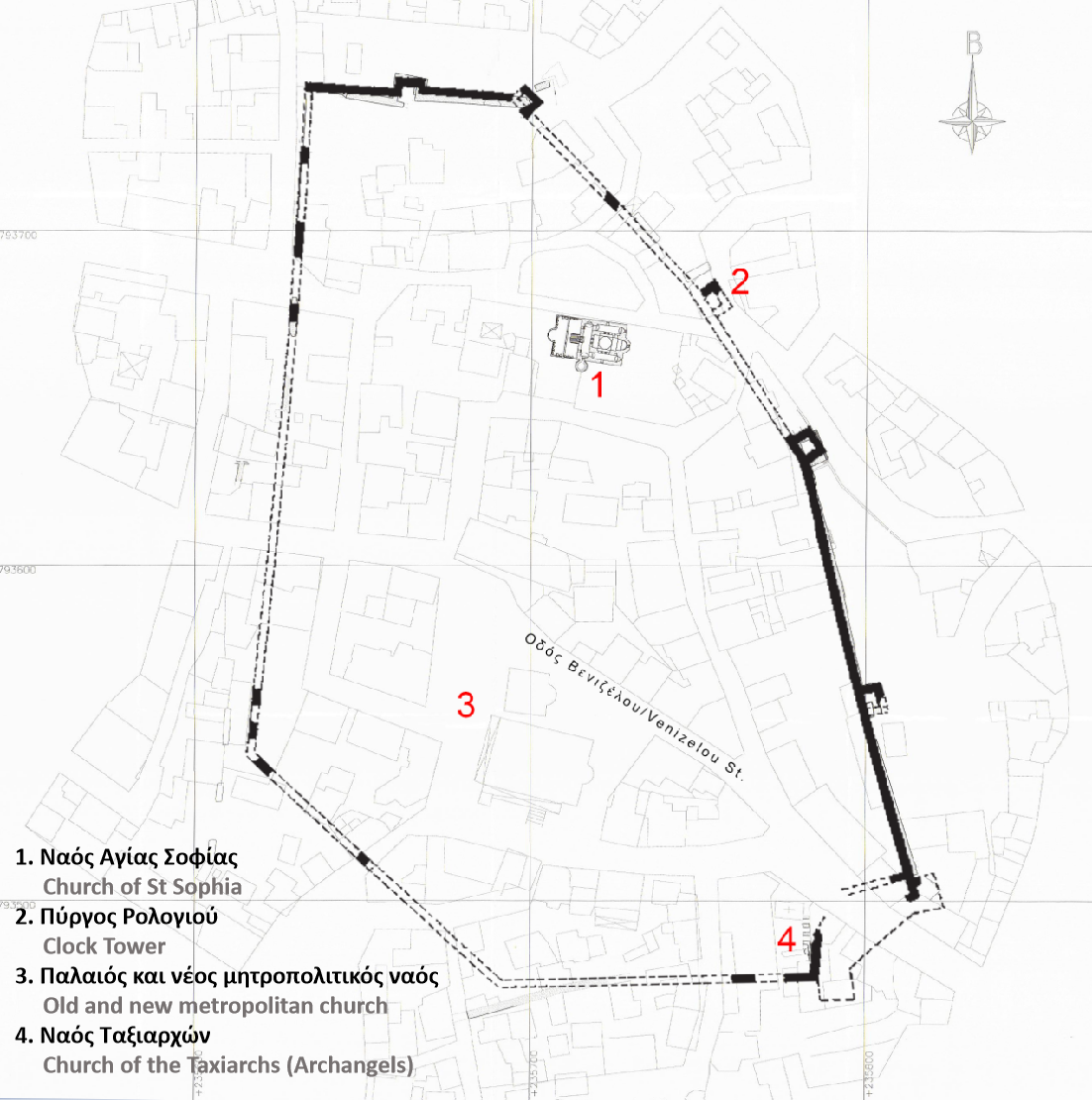
The castle was constructed in the Early Christian period, between the middle of the 3rd and the end of the 6th century. It covered an area of about 4 hectares. It had a trapezoidal plan, reinforced at intervals with square towers. There were two gates, one on the east and one on the west side of the wall. The third tower to the north of the eastern gate was used during Ottoman times as a Clock Tower, constituting one of the city’s important landmarks, until its demolition in 1945. Today, the best-preserved part of the castle is the eastern and northern section of its enceinte, in the historic town centre. A comparative study of the masonry allows us to date a major repair of the walls in the 11th century. The written sources also tell us that in 1206 Boniface of Montferrat, King of the Latin Kingdom of Thessalonica, to which Drama belonged after 1204, repaired the city walls to protect it from Bulgarian raids.

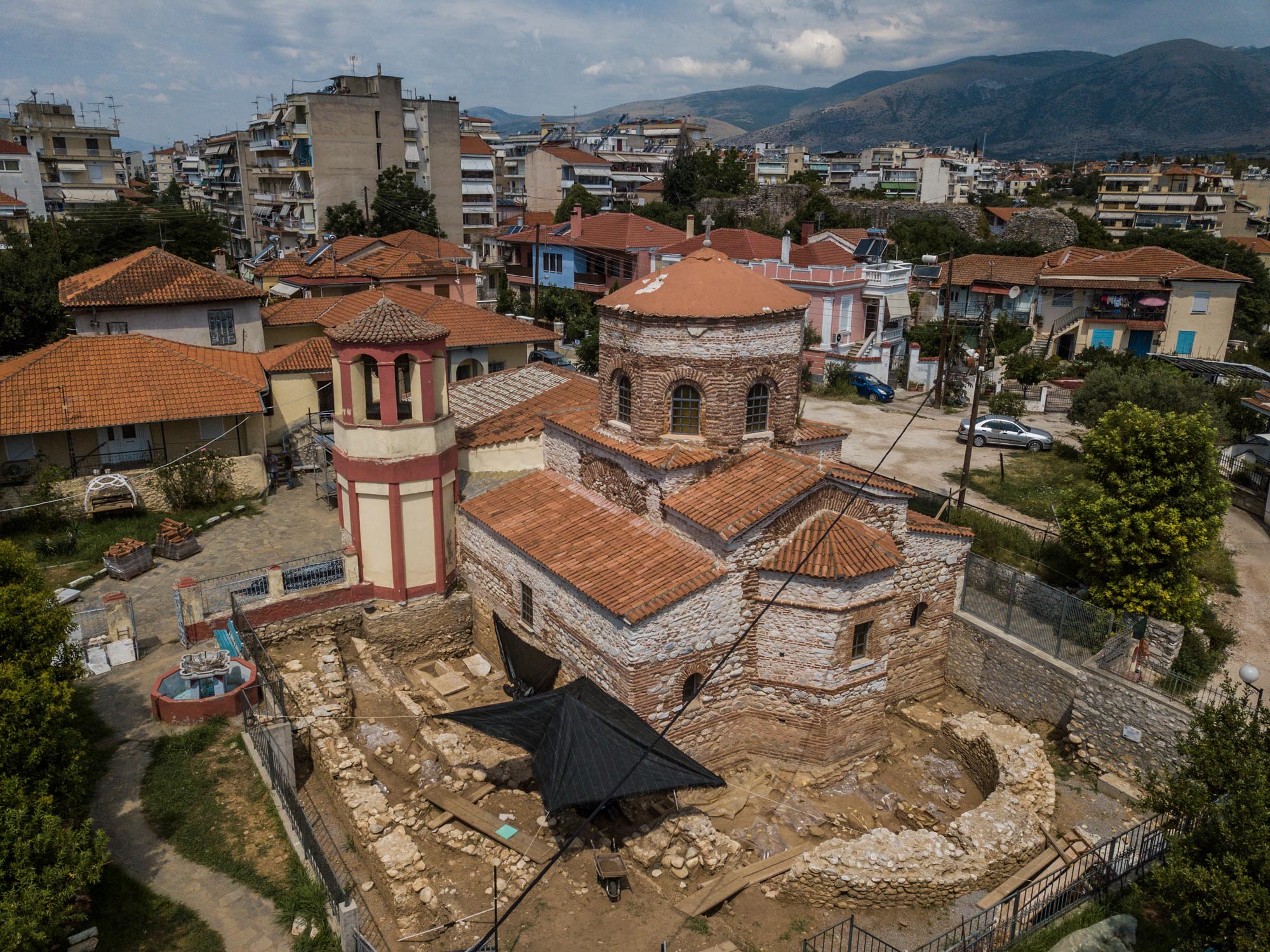
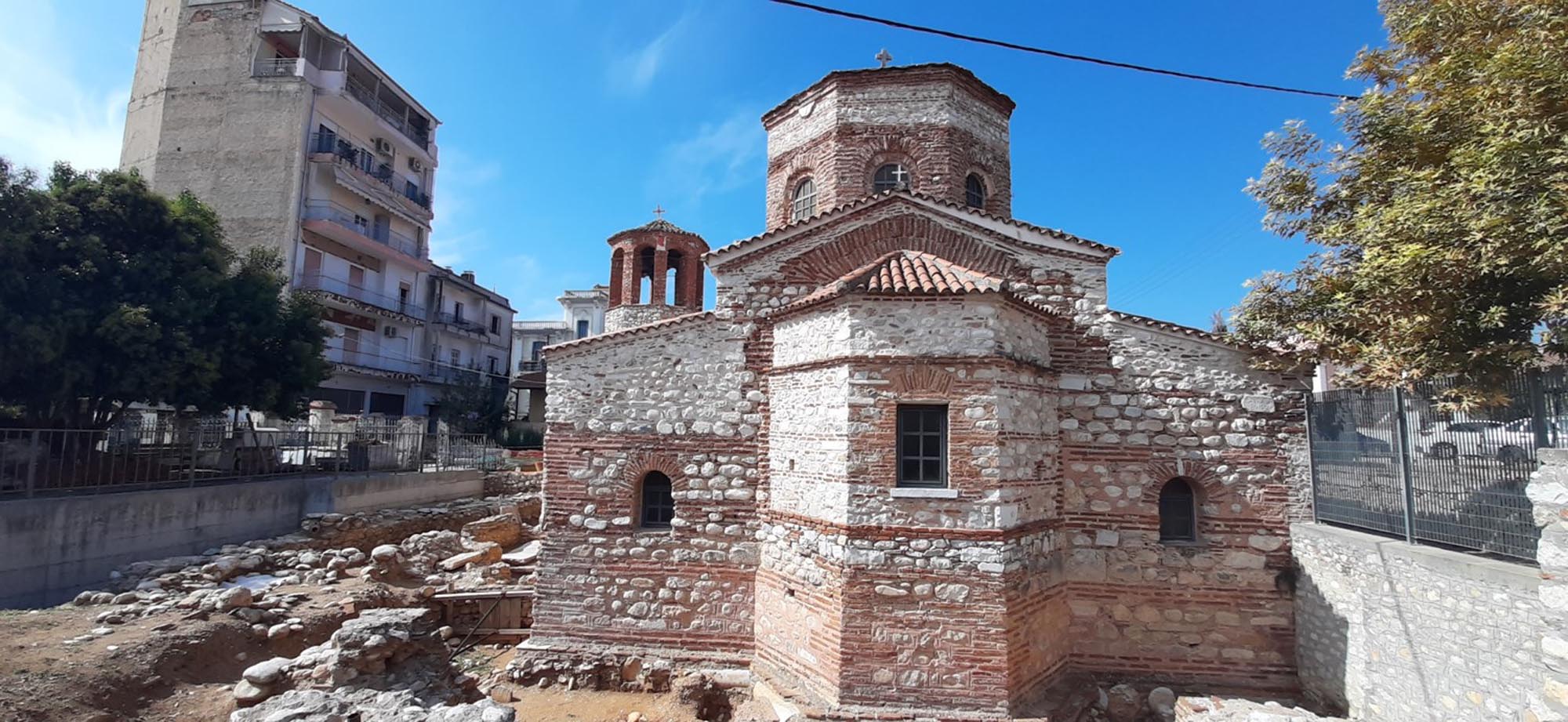
This important city church, a striking example of Byzantine architecture, is preserved in the historic town centre. It is a domed church with ambulatory of a transitional type. Built within the castle, in its northeastern part, it dates (in its present form) from the 10th century, while older building phases have also been identified.. During the period of Ottoman rule, the church was converted into a mosque until 1913, when it was re-converted into a church. During recent restoration work remains of an Early Christian basilica were discovered, under the foundations of the church.

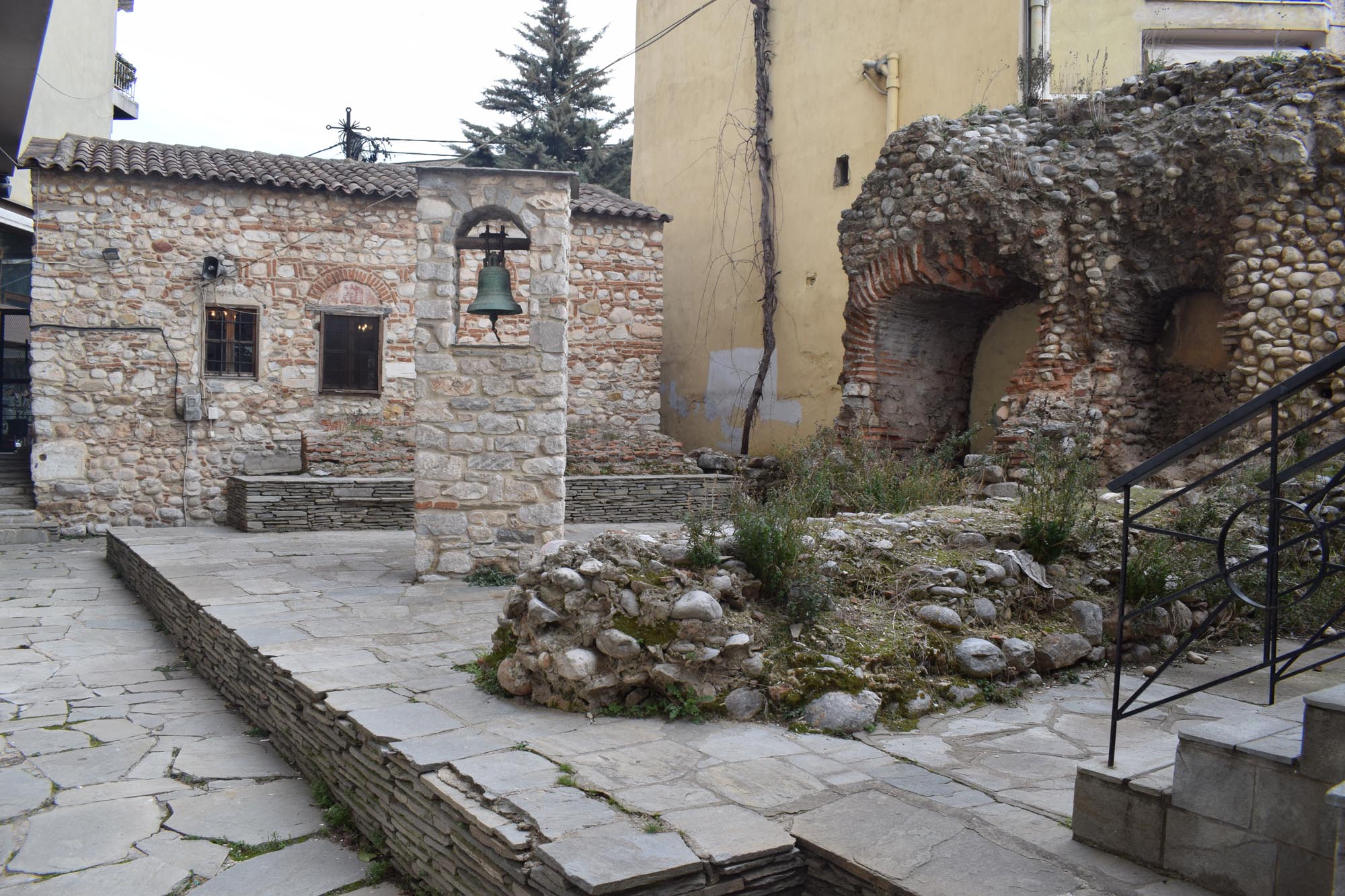
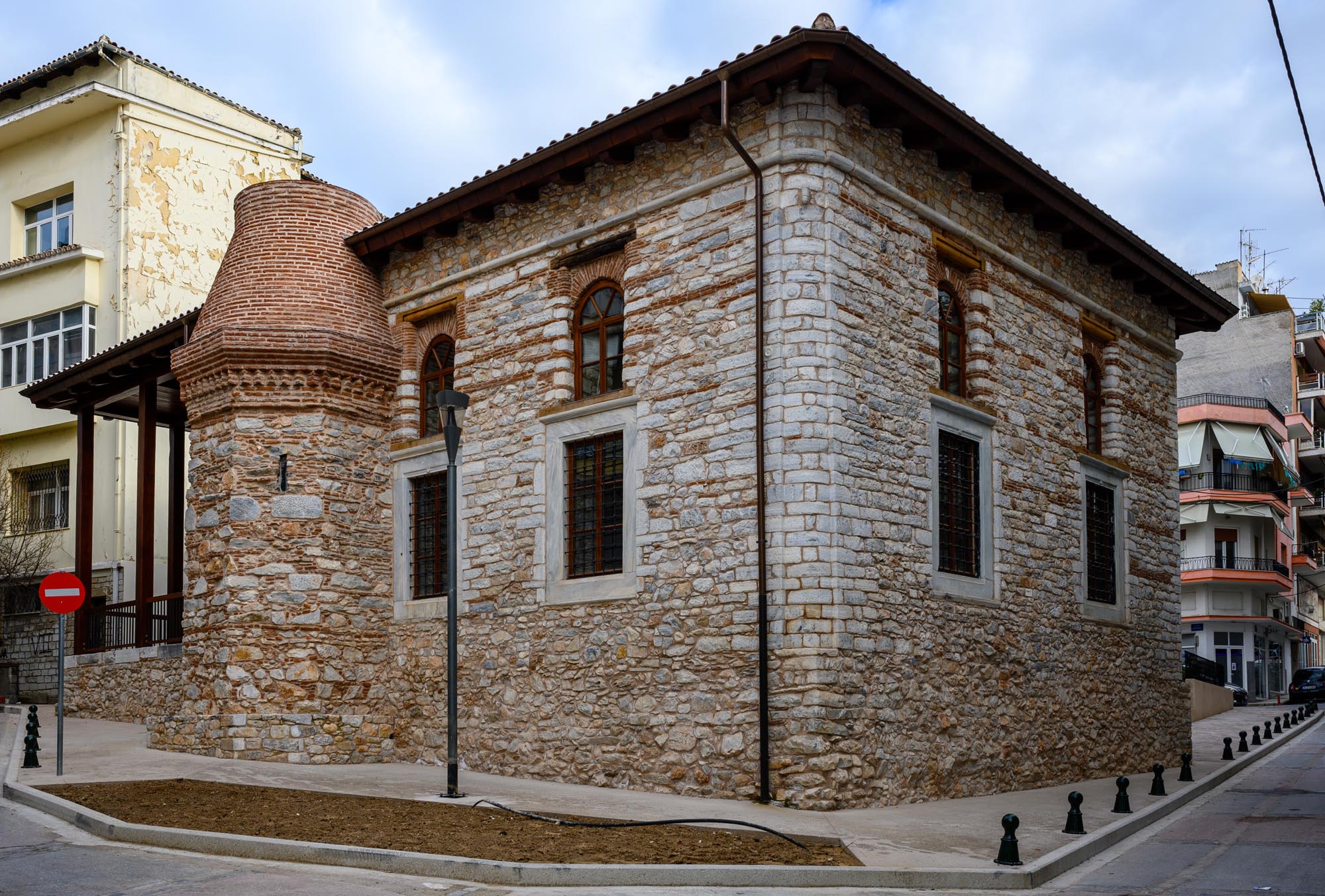
Built very close to the east gate of the wall, the “Neapolis Gate” leading to Neapolis (present-day Kavala), the small, single-nave church was a funerary chapel of the early 14th century. Inside, it preserves remarkable fragmentary frescoes of the mid-14th century. Between 1861 and 1892, the church underwent extensive interventions, including the replacement of the original barrel vault with a wooden gabled roof. The marble templon is considered particularly fine.

Ναός Εισοδίων της Θεοτόκου, ΕΦΑ Δράμας / Church of the Presentation of the Virgin, Ephorate of Antiquities of Drama

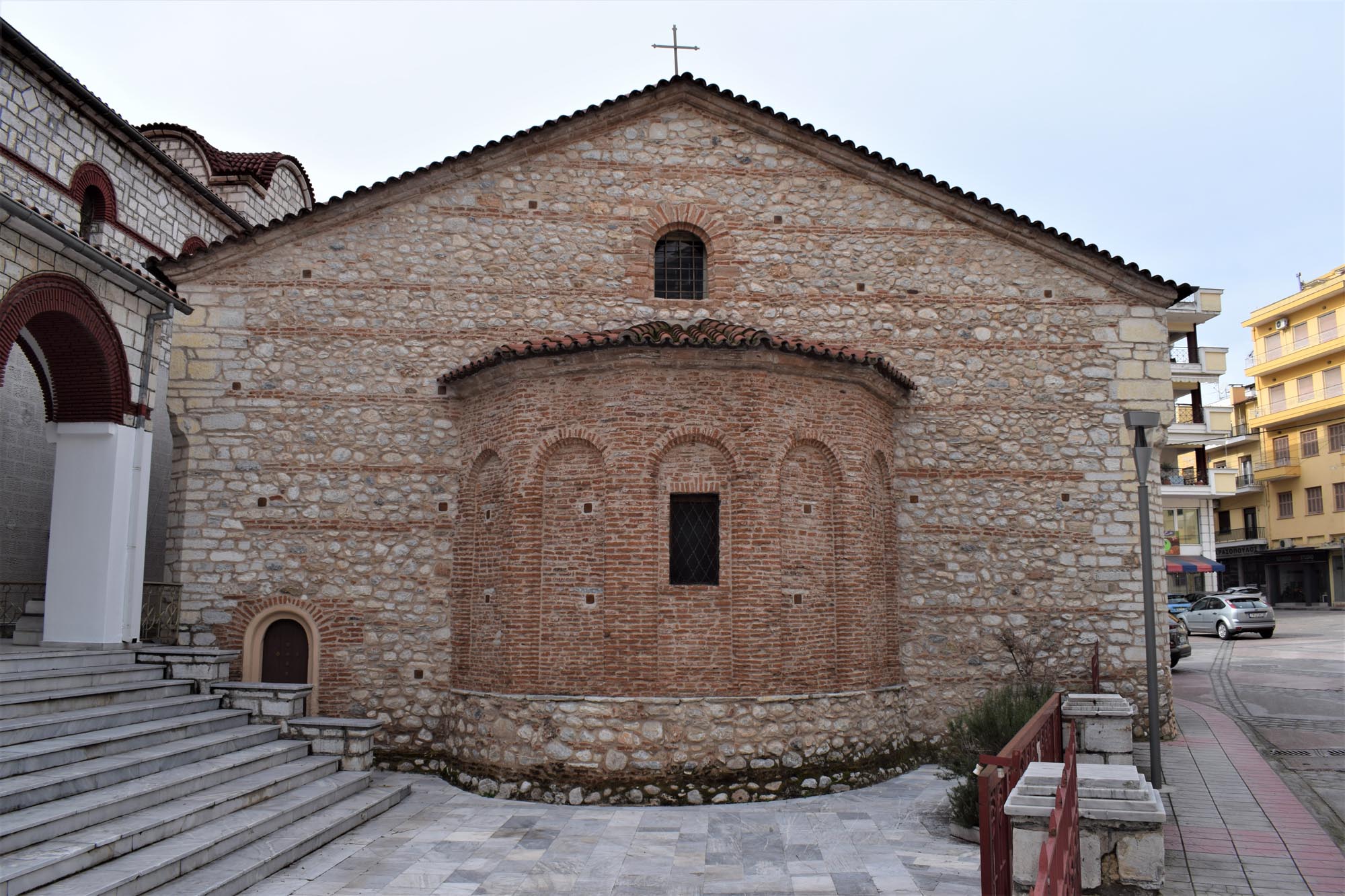
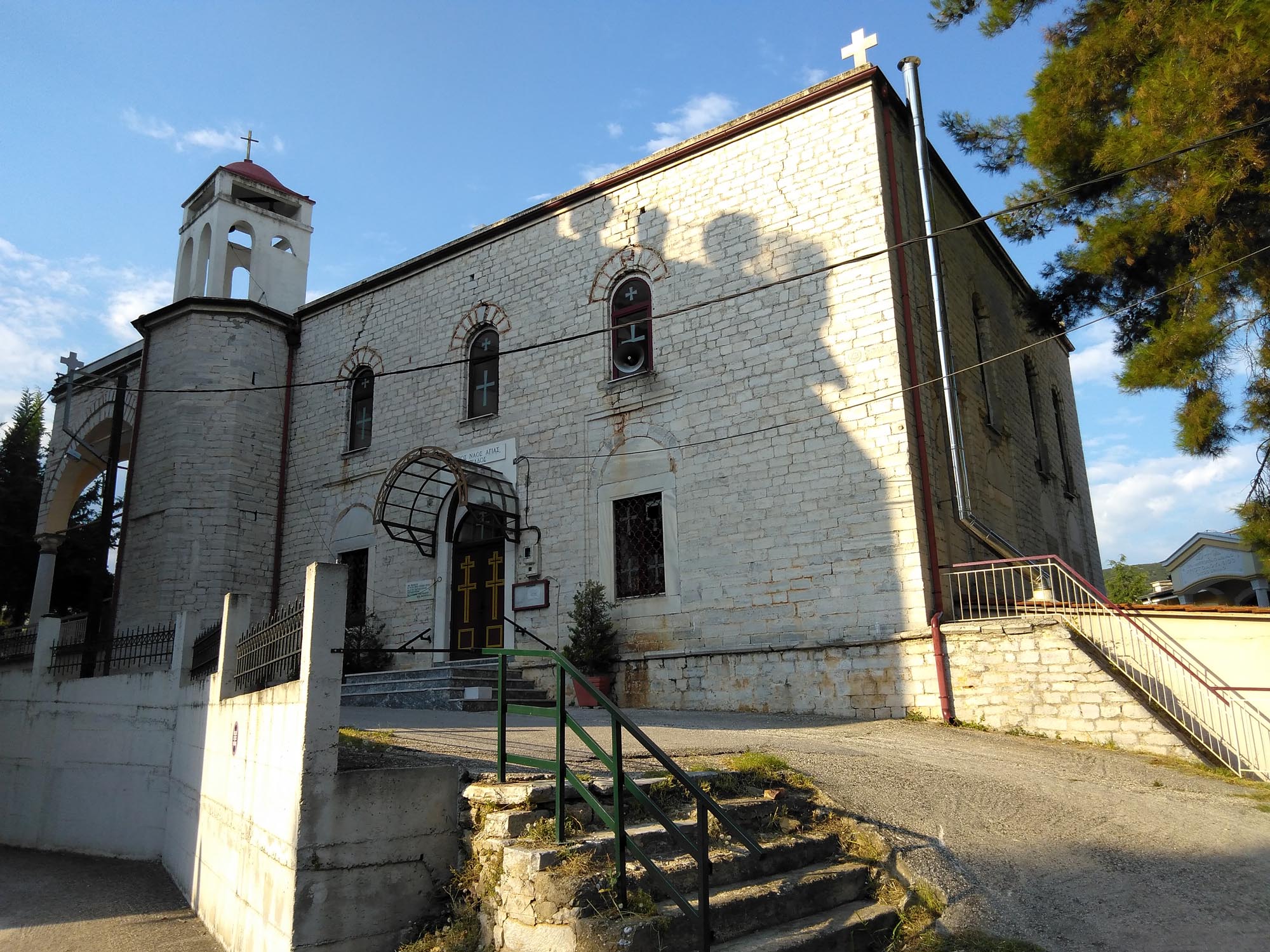
The old metropolitan church of Drama, next to the current namesake metropolitan church, was built in 1833, on the site of an older church, which is mentioned in written sources at least as early as 1464/6. Closely linked to the history of the city, only half of it survives today. It is a typical example of a three-aisled basilica with a tiled roof and a five-sided conch. Inside the church, an exquisitely carved wooden templon is preserved, along with other wooden carvings from the mid-19th century. Notable icons from the second half of the 19th century, as well as other ecclesiastical vessels, are also housed there.

As the oldest mosque in the city, it is known as the Eski Mosque (Old Mosque). It is also called the Çarşı Mosque (Market Mosque) because of its location. It was erected at the expense of Sultan Bayezid II (1481-1512), if not earlier, and today it has been converted into the church of St Nicholas.

Ο ναός της Αγίας Τριάδας (πρώην Κουρσούμ Τζαμί), φωτ. Βασίλης Μεσσής / Church of the Holy Trinity (former Kursum Mosque), photo: Vasilis Messis

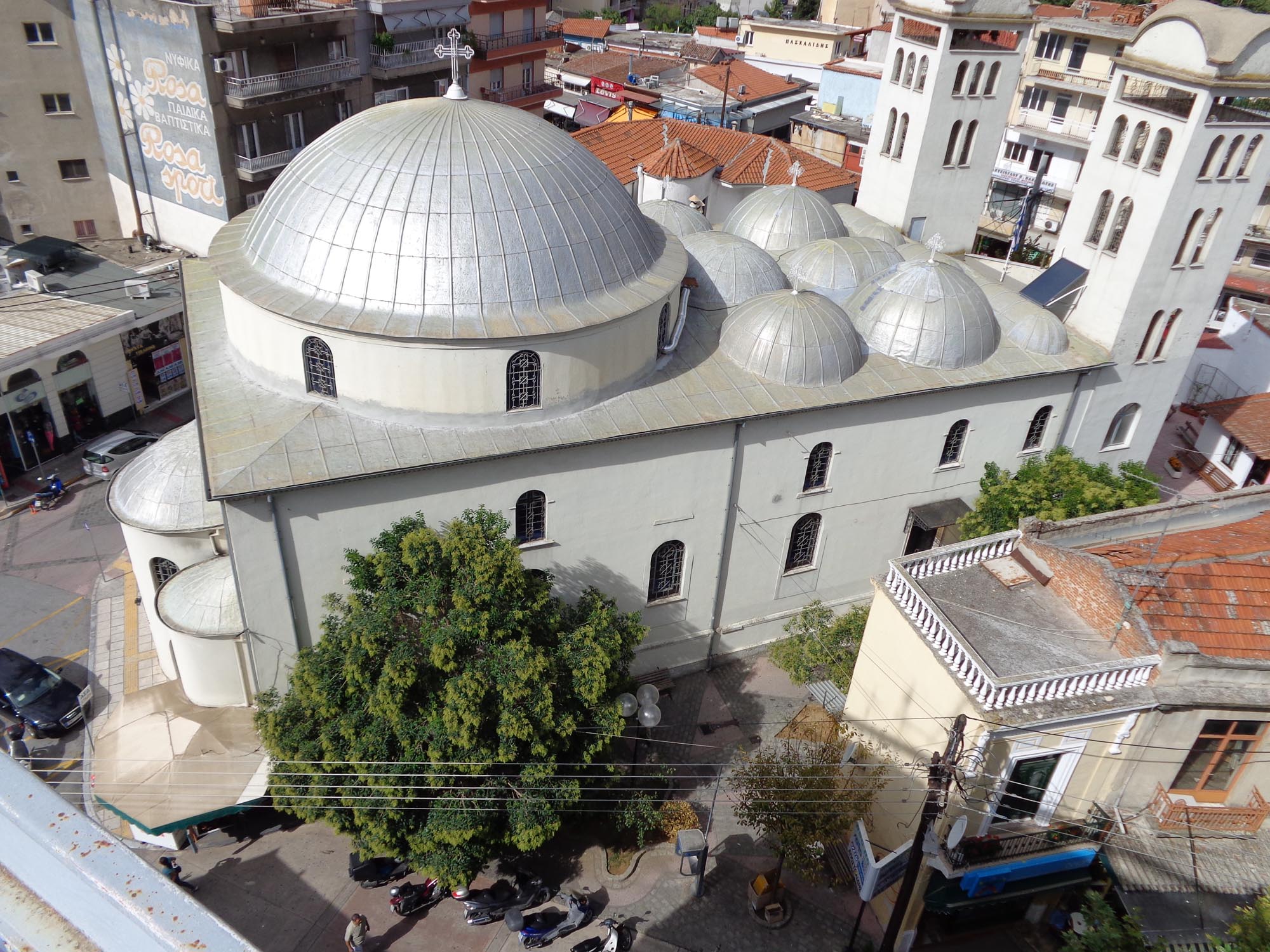
In the northernmost part of the city is the Church of the Holy Trinity, which was built as an Ottoman mosque, the so-called Kursum Mosque, in the last quarter of the 19th century. It was converted into a Christian church probably in 1925, while during the 1950s and 1960s it underwent significant interventions, which altered its original form. The architecture of the original mosque presented closesimilarities to the Eski Mosque, which was probably its architectural model.

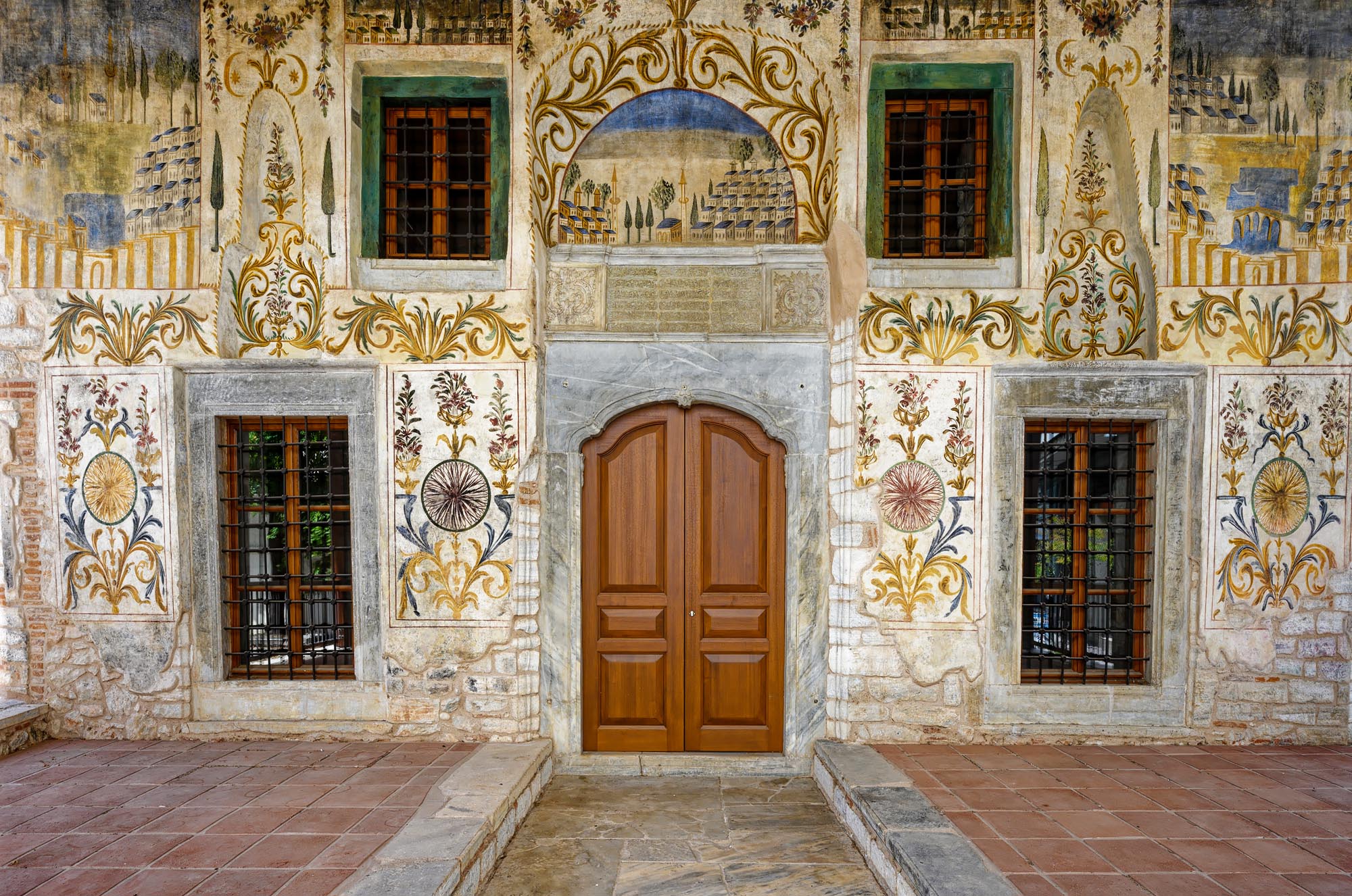
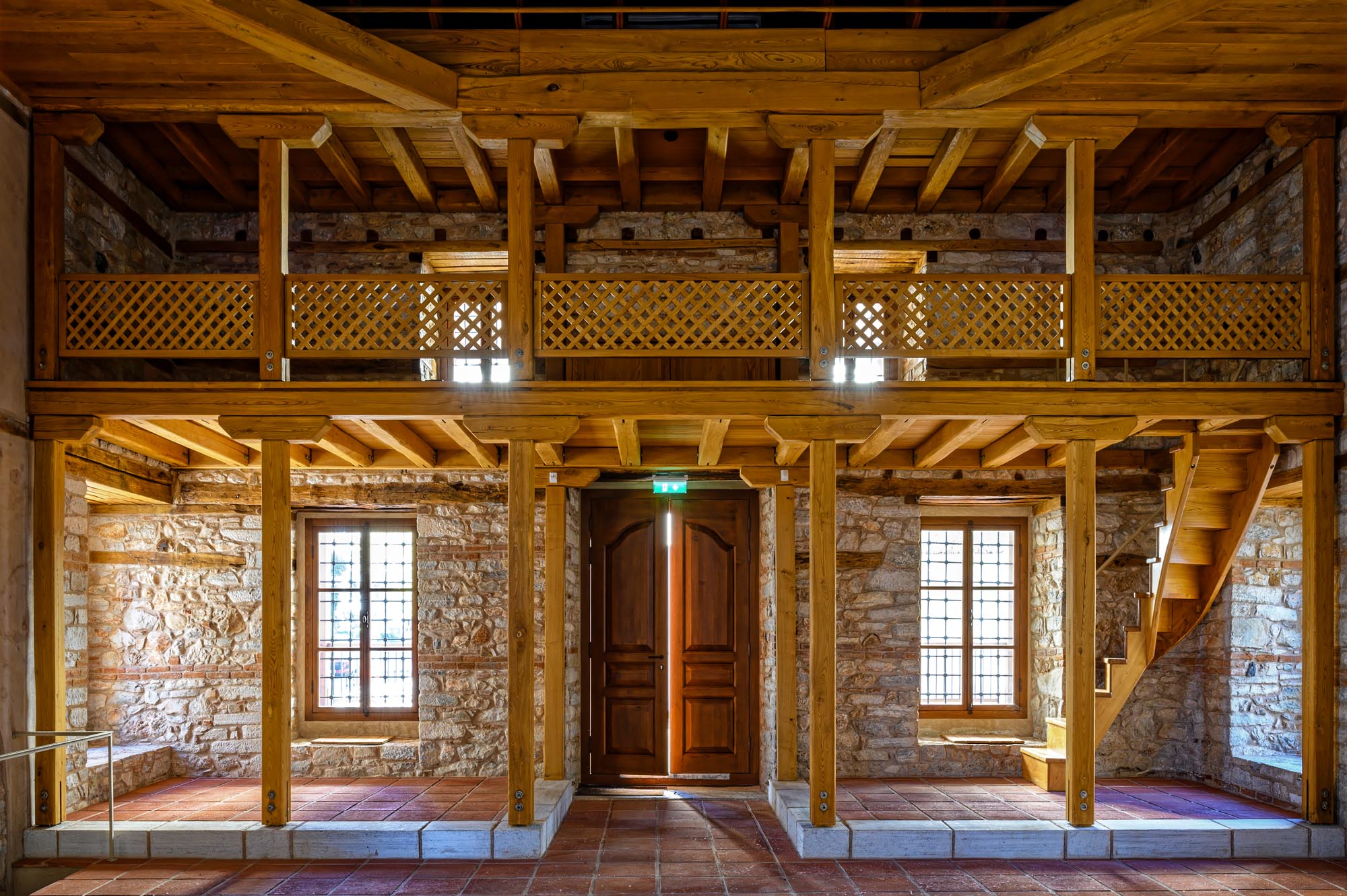
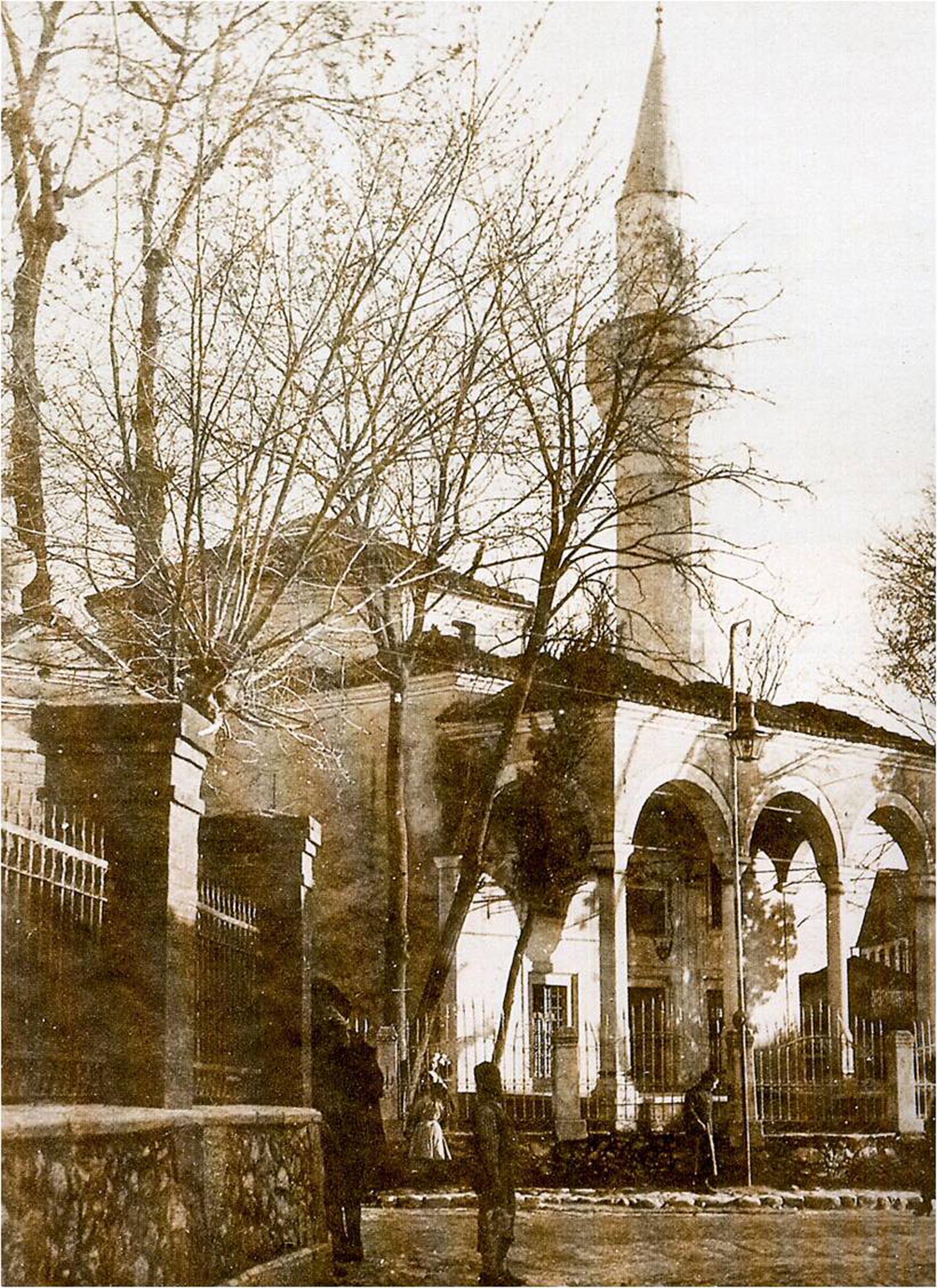
According to the surviving inscription above the entrance, the Şadırvan (Fountain) Mosque, formerly known as Kurşunlu (Lead-roofed) Mosque was renovated in 1806 by Mehmed Halil Ağa, the father of Dramali Pasha. There was a pre-existing mosque on the site, probably dating from the second half of the 15th century, when the minaret, of which the lower part survives, was built. After the devastating earthquakes that struck the Drama region in 1829, the mosque was extensively renovated, The mosque, now restored, housed the historic local newspaper THARROS (“Courage”) from 1929 to 1981. During the during the renovation works of the mosque in the 19th century,  its exterior north side was decorated with wall paintings, including a depiction of an imaginary city, for which the painter used the city of Drama itself as a model. This image is the earliest evidence of what the city looked like during the Ottoman period. The building was purchased by the company Raycap, which has has meticulously restored it; it now functions as an exhibition space.

The Arap (Arab) Mosque was probably built by the governor of Drama, Hivzi Pasha, around 1870-1880, on the site of an older mosque, perhaps of the 15th or 16th century, which collapsed in the devastating earthquakes that hit Drama in 1829. The architect of the mosque, alarmed by the devastation caused by the earthquake, which the inhabitants still remembered vividly, reinforced the building’s arches with two rows of tie-beams; the second row, placed higher than the first, is unnecessary because in this position it receives an insignificant amount of traction.

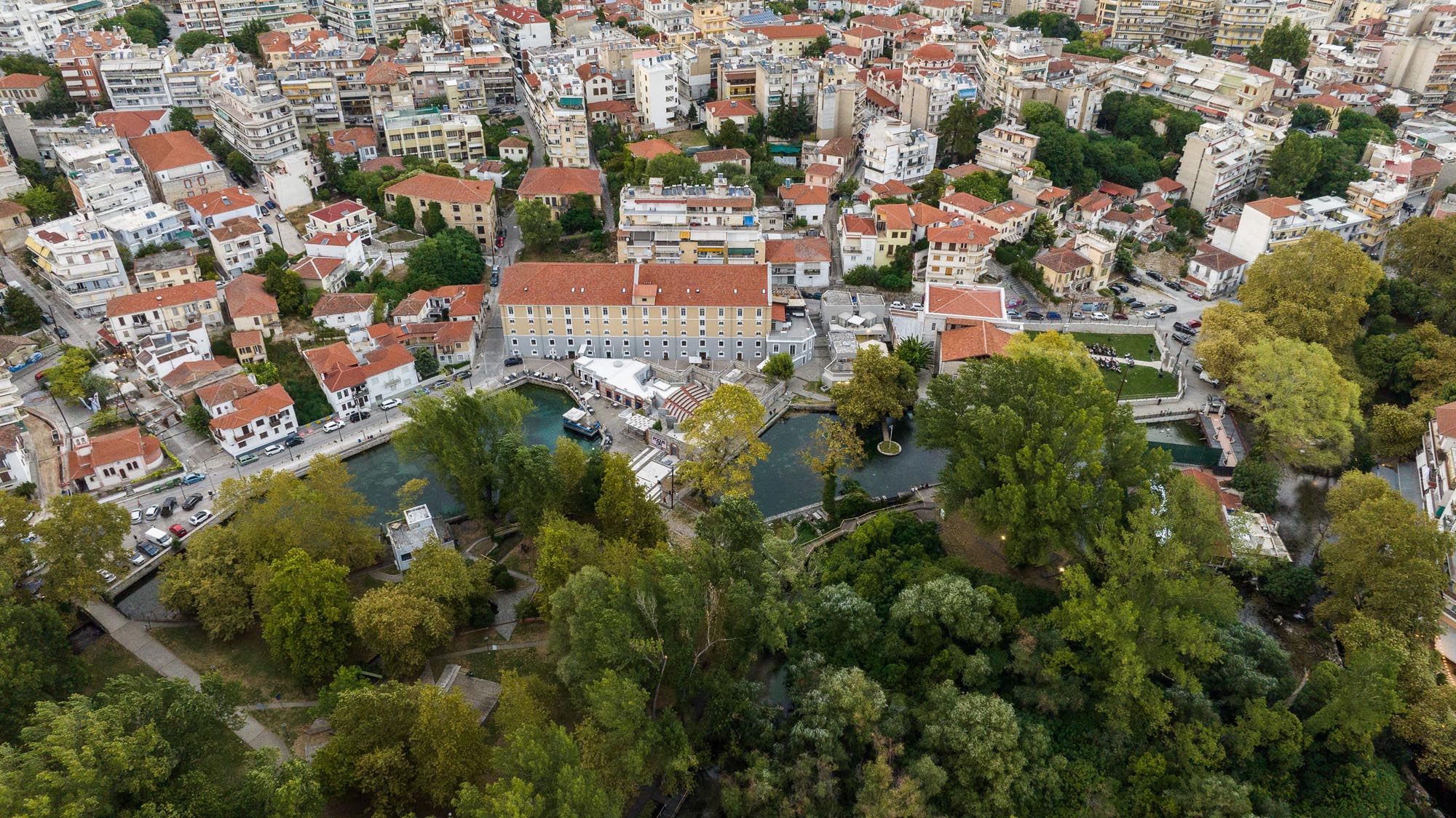
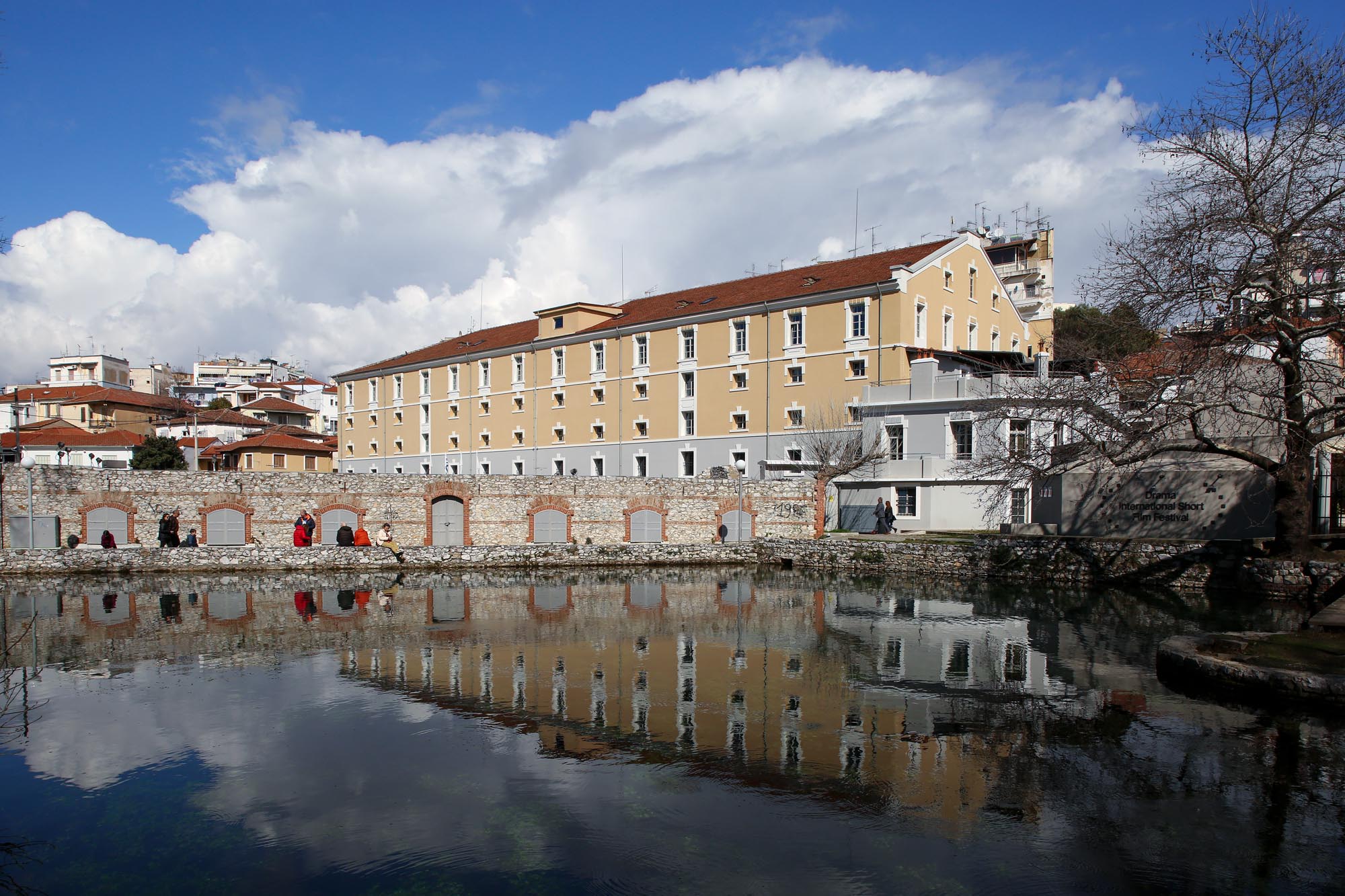
Αεροφωτογραφία της πόλης με το πάρκο της Αγίας Βαρβάρας, Αρχείο Διεθνούς Φεστιβάλ Ταινιών Μικρού Μήκους Δράμας / Aerial photograph of the city and the park of Agia Varvara, Archive of the Drama International Short Film Festival

In the centre of the city lies the verdant park of Agia Varvara with its abundant waters, one of the most important sights of the city. Near the Springs of Agia Varvara, outside the castle of the Byzantine city, the remains of a Middle Byzantine bathhouse have come to light (11th-12th c.).

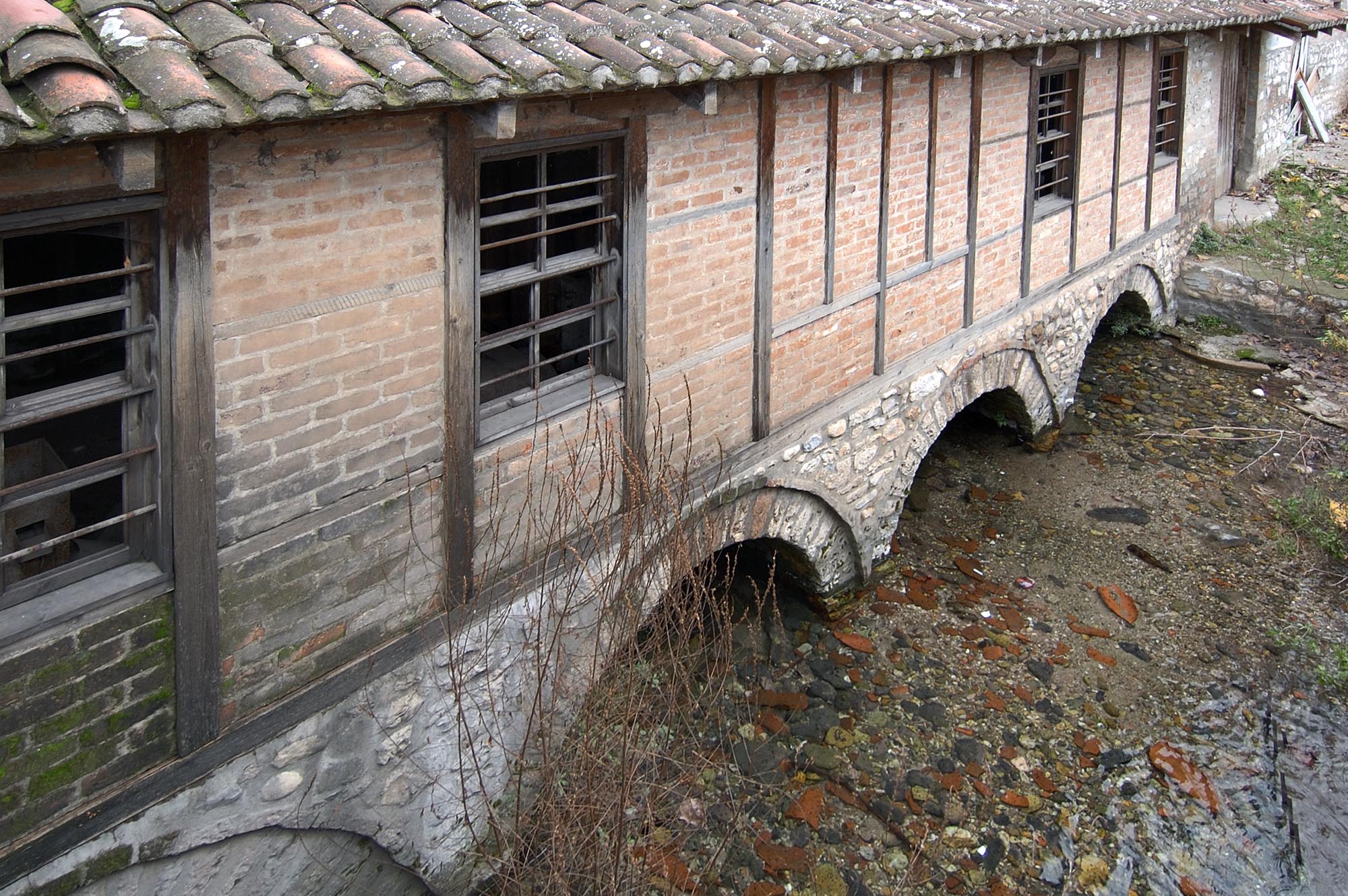
Ο Υδρόμυλος Ζώνκε (Νουχ Μπέη και Παρμαξίζ Χασάν). ΔΒΜΑ, φωτ. Στ. Στουρνάρας / The Zonke Watermill (Nuh Bey and Parmaksiz Hasan). DBMA, photo: St. Stournaras

The exploitation of the rich springs in the area of Agia Varvara led to the construction of a large number of watermills, which milled all kinds of cereals. Some had millstones for grinding sesame and the production of sesame oil. In 1886, ten watermills were recorded for grinding local wheat. Today, at the southern edge of the Agia Varvara springs, four watermills (those of Zonke, Dimitropoulos, Pantoulis and “tou Kastrinou” or “Agias Varvaras”) and one watermill (belonging to Leonidas Tzallas) are preserved. Further south, at Çay-Çiflik, is another flourmill of the old industrial company Antonios Ziogas & Co.

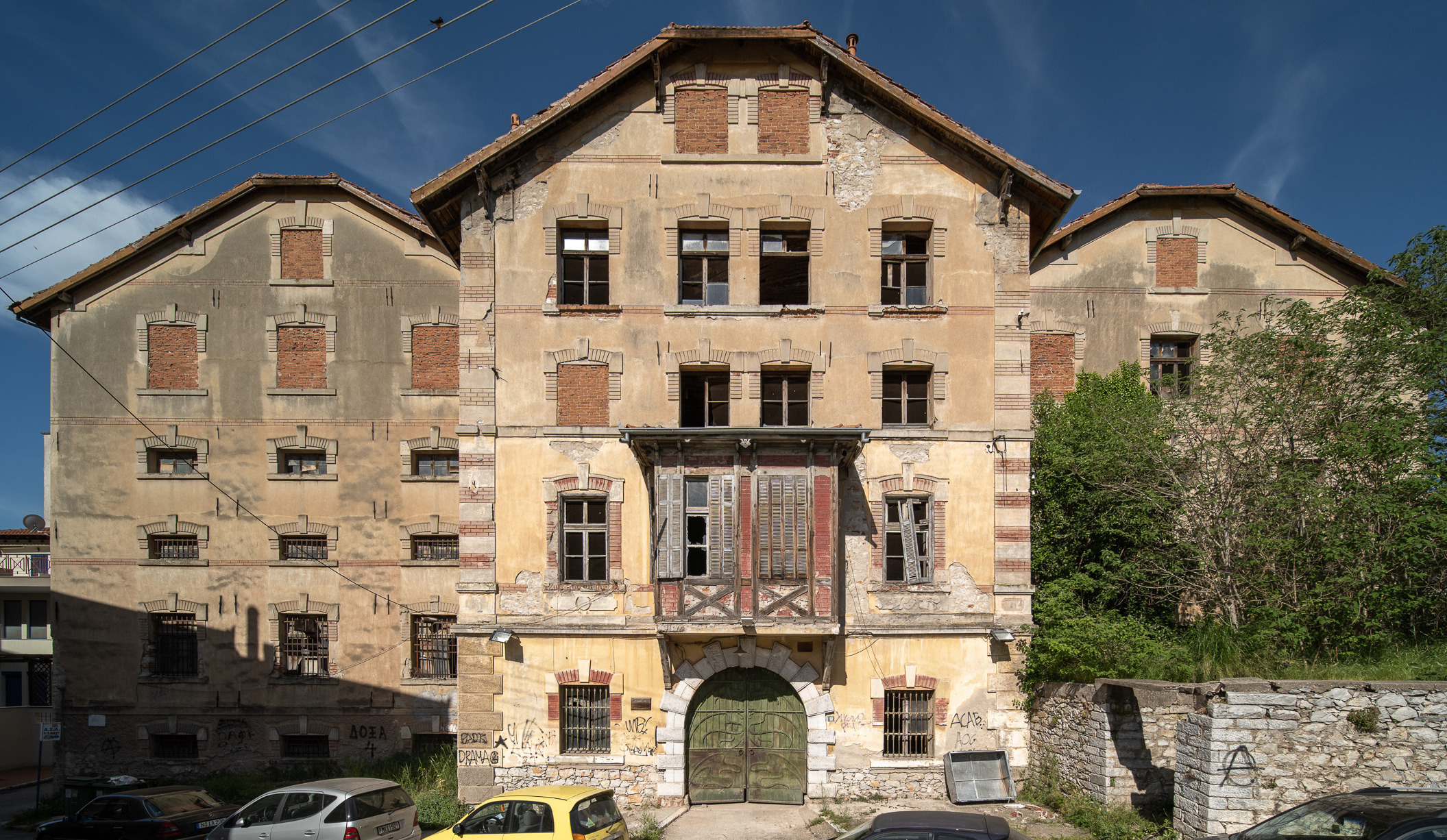
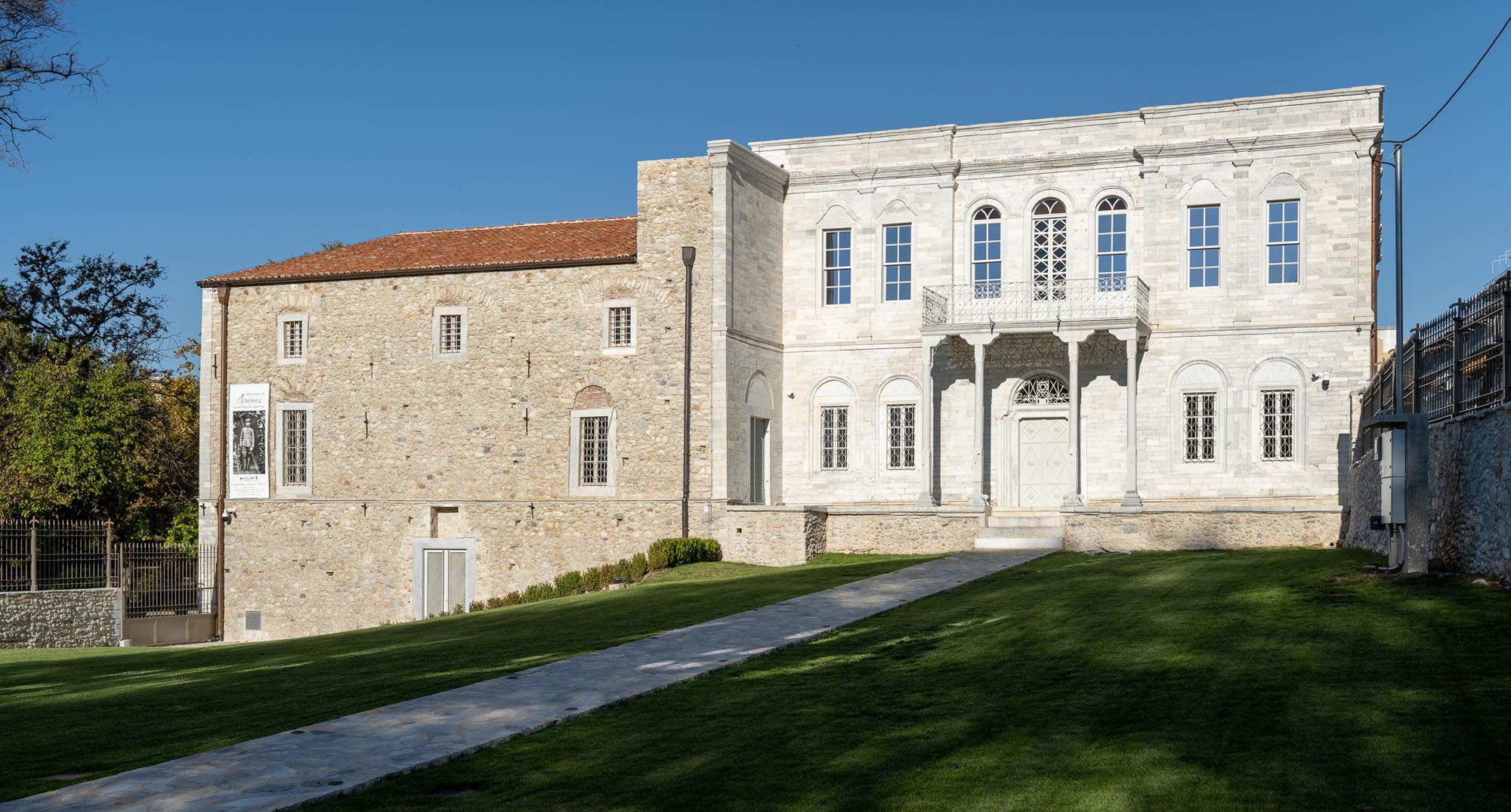
Today, twelve tobacco warehouses are preserved in Drama, reflecting the prosperity that tobacco cultivation and trade brought to the region. Five are located in the Agia Varvara area and have been declared listed historical monuments. The two-storey tobacco warehouse of the Greek merchant Ioannis Anastasiadis, the oldest in Drama, probably built in 1875, is preserved here. On its north side is the family residence, a rich, luxuriously decorated mansion known as the “Marble House”, a representative example of late-19th-century urban architecture which reflects the family’s social status. Today, the Marble House functions as a cultural center and houses the Museum of Photography and Photographic Cameras. In the area of Agia Varvara is also located the impressive four-storey tobacco warehouse, originally owned by Hermann Spierer and later by the company Austro-Hellenique S.A. DeTabac. Today it has been converted into a luxury hotel.

  The Tobacco Institute complex (1929-1935), located a short distance from the city of Drama, played an important role in the economic life of the city for many decades. It is a pioneering work of the interwar period and includes buildings of various types and functions.
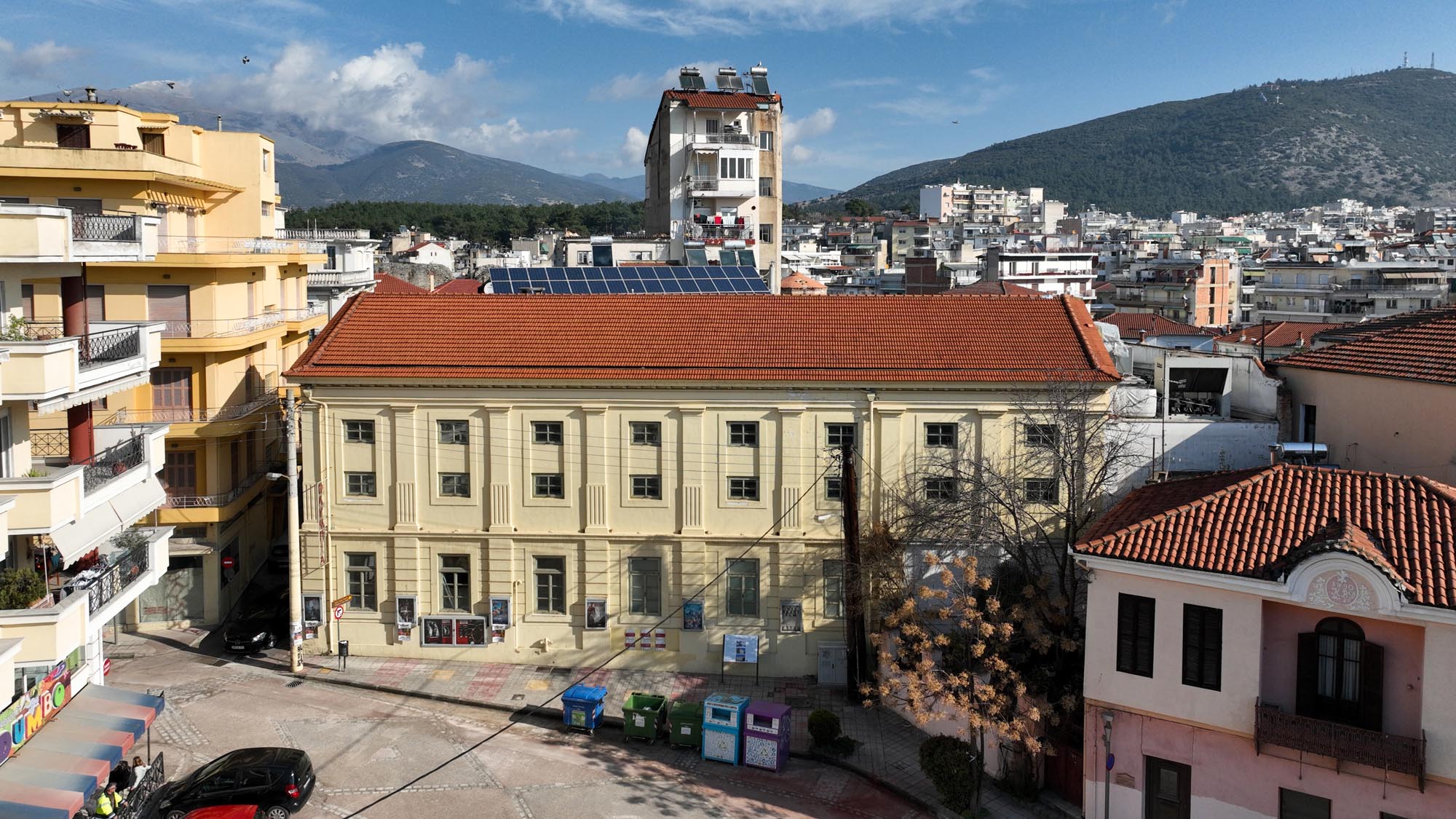
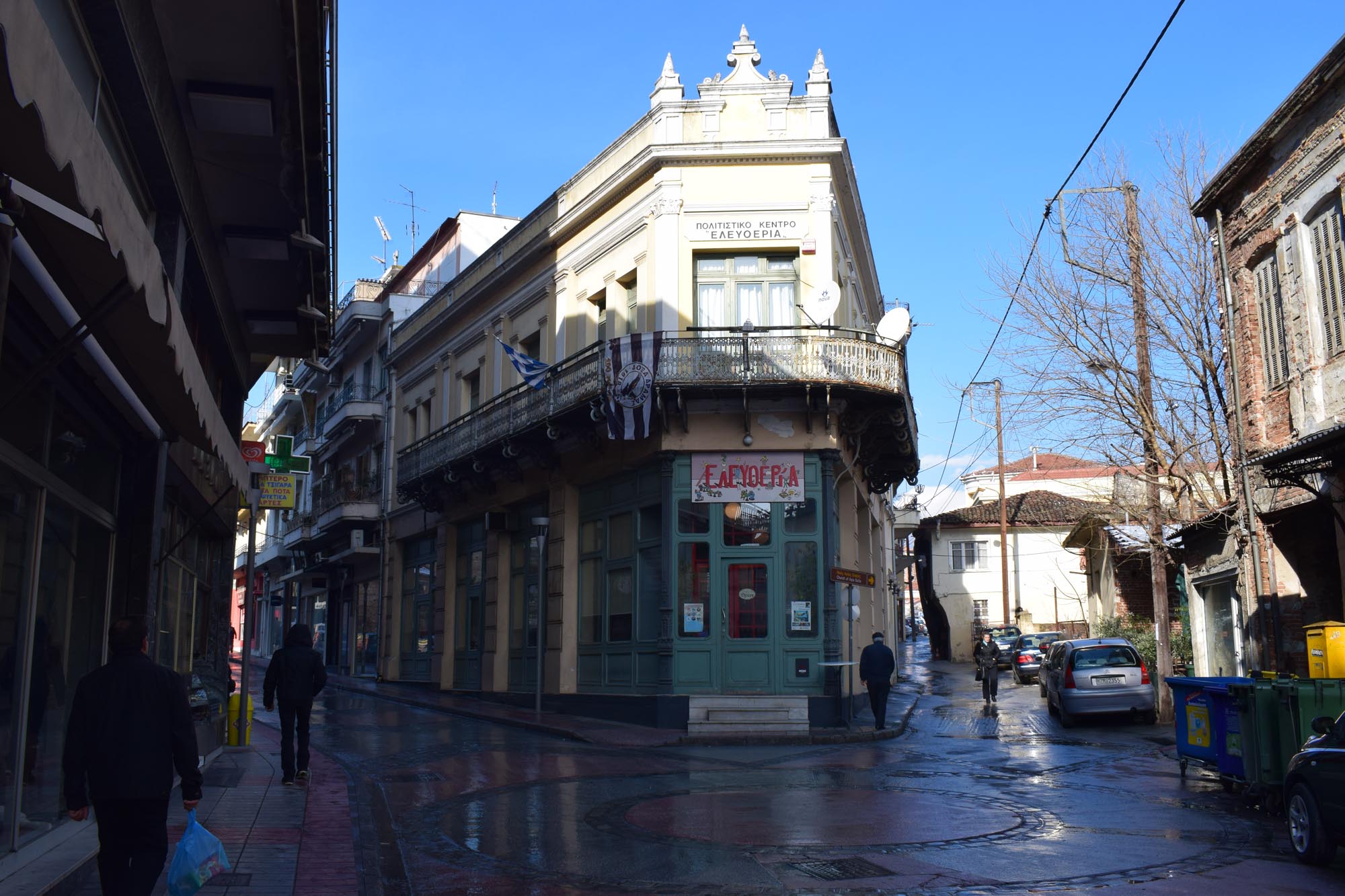
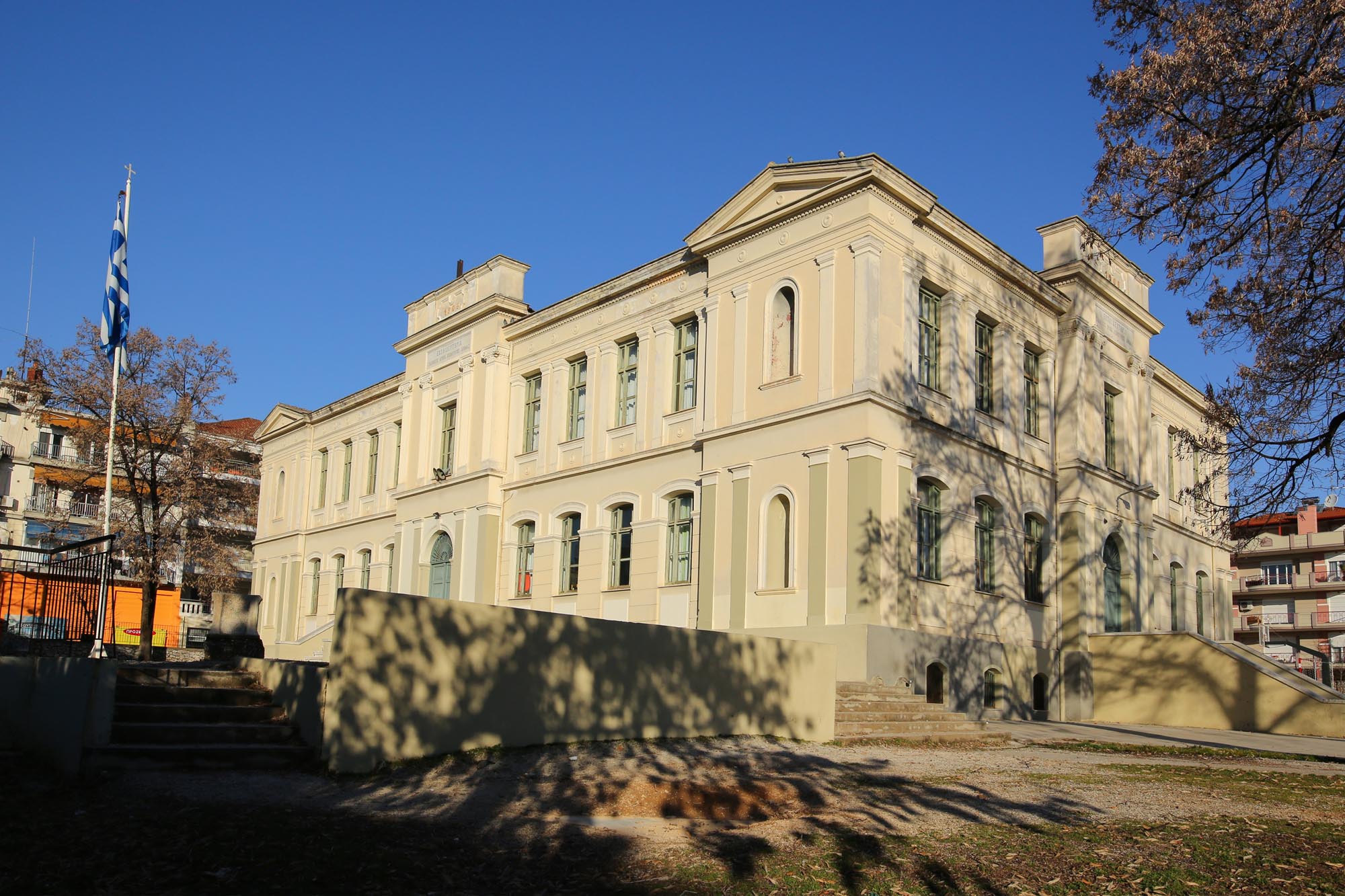
The historic town centre is adorned with public buildings reflecting the urban lifestyle of the late 19th and early 20th centuries, such as the Olympia (Hellas or Megas) cinema, the Eleftheria Café, and the hotels that replaced the old hans (inns), mainly along Venizelou Street. Of the educational institutions of the city, the imposing buildings of the School of the Greek Orthodox Community of Drama (1907-1909) and the Boys’ School (1927-1928) stand out today. Some of the magnificent urban residences of the city belong to the same period, such as the mansion in Taxiarchias Square and that at 10 Perdikka Street.

Another important mansion was the konaki (residence) of Tahir Omer-Bey, the eldest son of Mahmud-Pasha Dramalis. It formed a representative example of an “urban tower” of the first half of the 19th century, which was preserved until 1958.
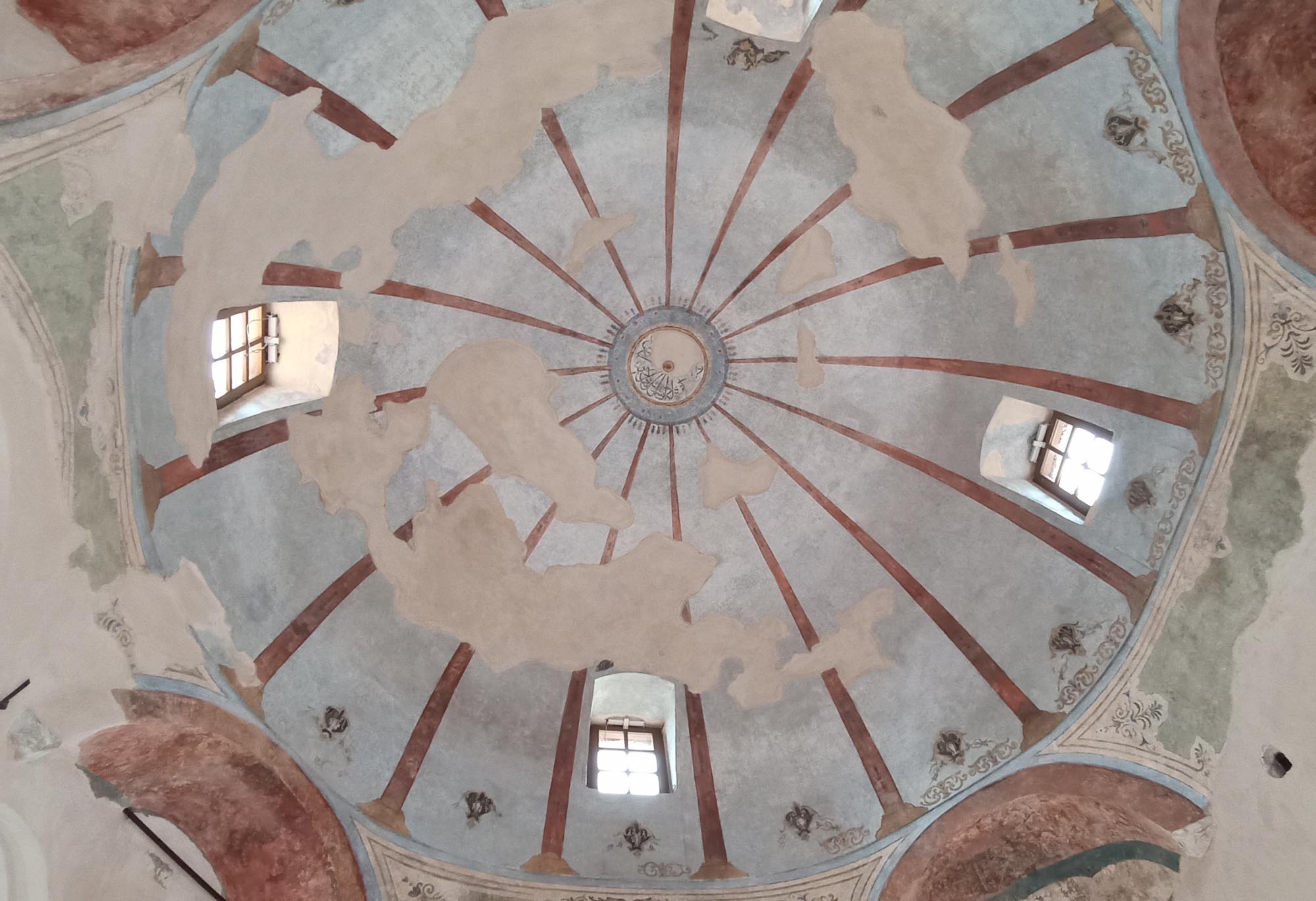
The forested hill of Korylovos, a recreational and exercise area with a magnificent view of the whole plain, rises above Drama to the northeast. Near the top of the hill, at the site of Keraies, an excavation has brought to light the remains of a Byzantine monastery, which, according to an inscription, was renovated in 1194, during the reign of Isaac II Angelos.

Museums

Archaeological Museum (Kosta Varnali St.)

The Archaeological Museum, with three rooms, covers human presence in the Drama area through the ages, from the Middle Palaeolithic Age (50,000 years before present) to modern times.

It is housed in a five-storey building and contains remarkable works of art and religious objects, mostly relics brought by refugees from Asia Minor and the Black Sea.

Τhe museum is run by the “Cyclops” Civic Non-Profit Society and is housed in the now-renovated “Marble House” next to the Park of Agia Varvara. In addition to the building itself, an excellent example of urban architecture, visitors can admire the photographs that shed light on the history of Drama and its inhabitants, as well as unique exhibits on the development of the art of photography.

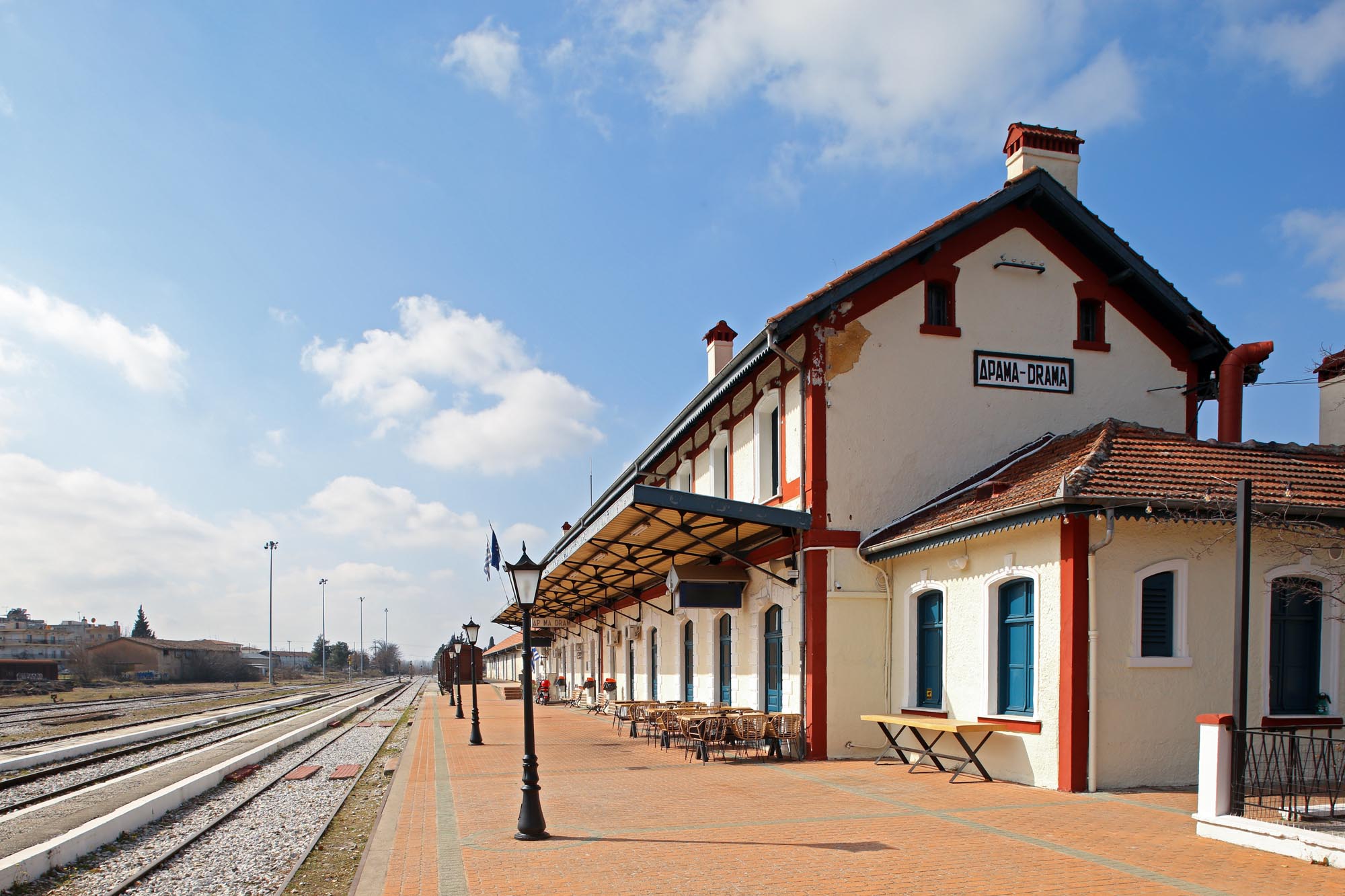
Ο Σιδηροδρομικός Σταθμός Δράμας (σημ. Μουσείο Τρένων Δράμας), φωτ. Δήμος Δράμας / Drama Railway Station (Train Museum), photo: Municipality of Drama

The Drama Railway Station, which opened in 1895, is located within the city and for many years was served by intercity trains between Thessaloniki and Alexandroupolis.

It is located near the Drama Railway Station, which was inaugurated in 1895 and is one of the most remarkable buildings in the city. It presents the development of the railway in northern Greece and is run by the “Hephaestus” Association and the “Friends of the Drama Railway”.

The Museum houses the rich folklore collection of the Lykeion ton Ellinidon (Lyceum Club of Greek Women) of Drama.

The Museum, housed in an old tobacco factory, is run by the “Friends of the Technological Museum Association”. It presents the development of technology in the Drama region. Its most important exhibit is a complete industrial tobacco processing unit.

Other stops in the Regional Unit of Drama

error: